

- We purchase qualifying Hastelloy B scrap starting at 1 lb.
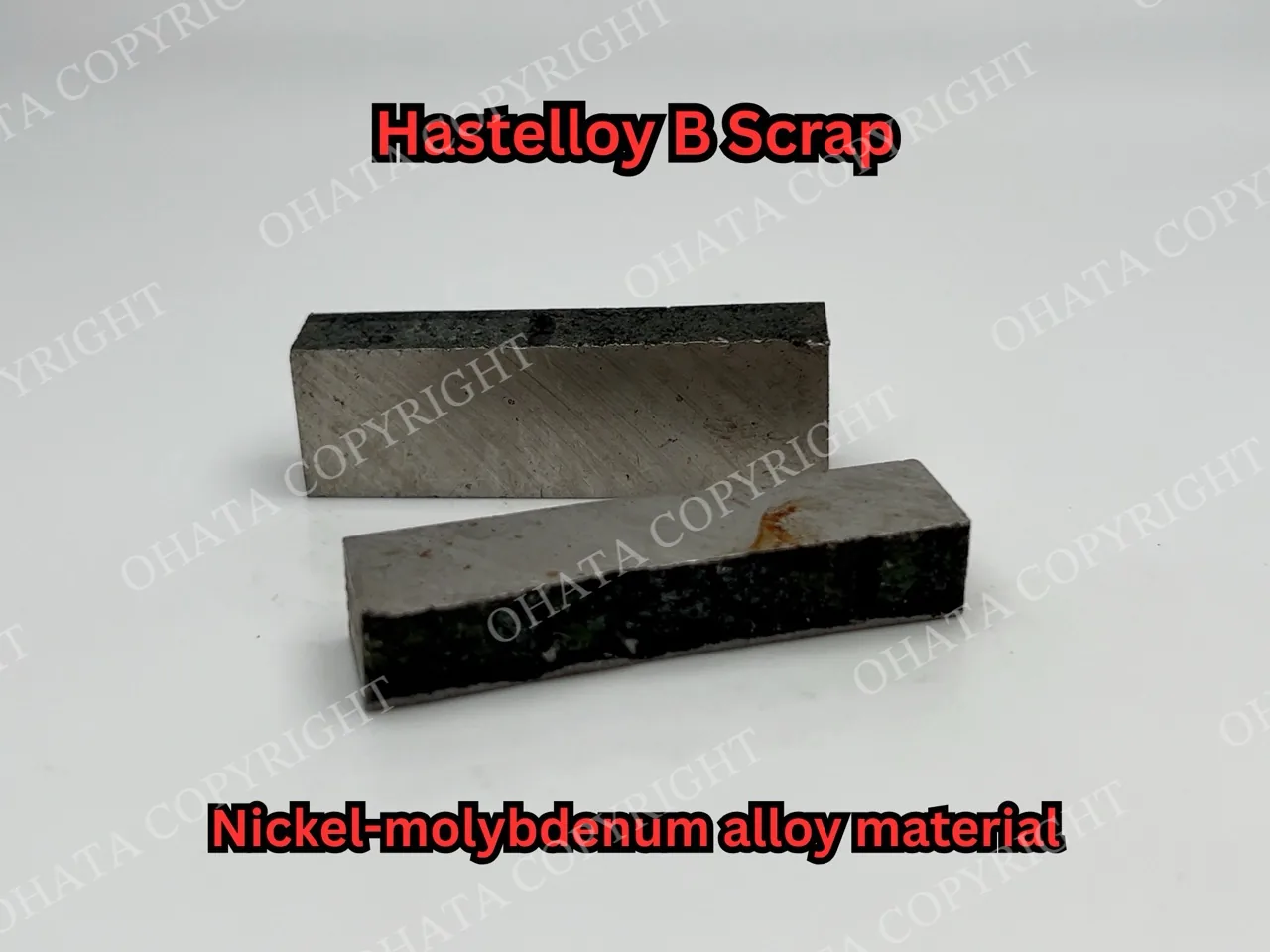
- Hastelloy B is a nickel-molybdenum alloy used for corrosion-resistant industrial applications.
- Hastelloy B may be found as plate, pipe, tube, bar, fittings, and other industrial components.
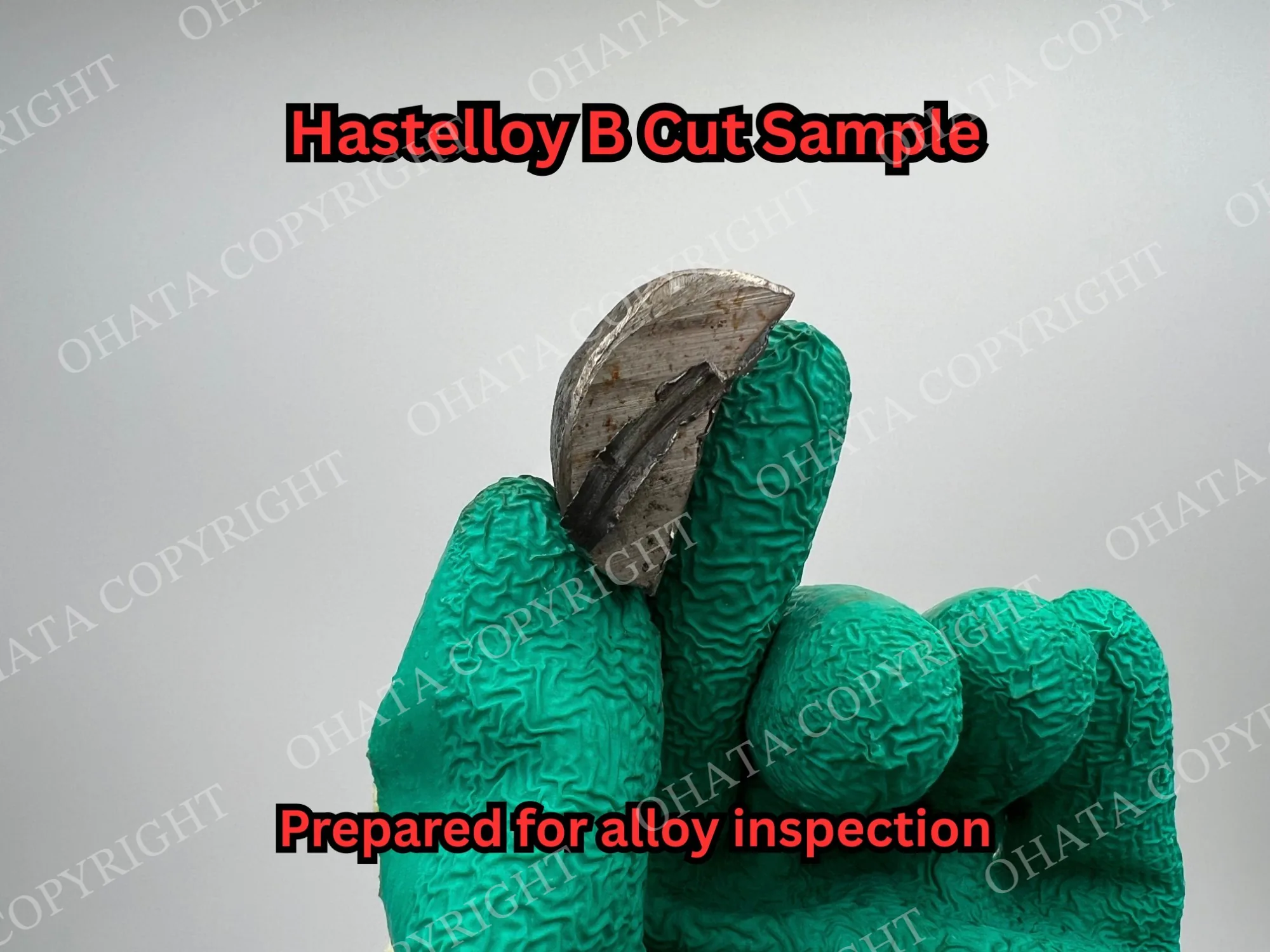
- A sample may be required to confirm the alloy composition before final classification and purchasing value are determined.
- Attached steel, coatings, insulation, other alloys, or foreign materials may affect the purchasing value.
- Hastelloy grades should be kept separate when the alloy type is known.
Hastelloy B Buying
Key Drop-off Introduction
Key Drop-off Introduction
- We purchase qualifying Hastelloy B scrap starting at 1 lb.
- Hastelloy B is a nickel-molybdenum alloy used for corrosion-resistant industrial applications.
- Hastelloy B may be found as plate, pipe, tube, bar, fittings, and other industrial components.
- A sample may be required to confirm the alloy composition before final classification and purchasing value are determined.
- Attached steel, coatings, insulation, other alloys, or foreign materials may affect the purchasing value.
- Hastelloy grades should be kept separate when the alloy type is known.
Drop-off Details and Conditions
Hastelloy B belongs to the nickel-molybdenum alloy family. B-series alloys contain high levels of nickel and molybdenum and are commonly used in equipment exposed to highly corrosive chemical environments.
Two important B-series grades are:
Grade
Common identification
Main alloy family
Hastelloy B-2
B-2,N10665Nickel-molybdenum
Hastelloy B-3
B-3,N10675Nickel-molybdenum
B-2 is nominally about 69% nickel and 28% molybdenum, while B-3 contains at least about 65% nickel and approximately 28.5% molybdenum. Exact composition depends on the grade specification.
Common forms include:
Plate and sheet
Pipe and tube
Rod and bar
Fittings
Forged components
Machined industrial parts
Chemical-processing equipment components
Identification and Markings
Hastelloy B, C, and X usually cannot be identified by appearance alone. Original mill markings, stamped alloy numbers, documentation, or confirmed analyzer results can help with classification.
Look for markings such as:
HASTELLOY
B
B-2
B-3
N10665
N10675
Though these markings can be useful hints, especially with initial sorting, Hastelloy can have a very similar silver-gray metallic appearance, and surface color, oxidation, shape, machining marks alone are not always reliable indicators of grade.
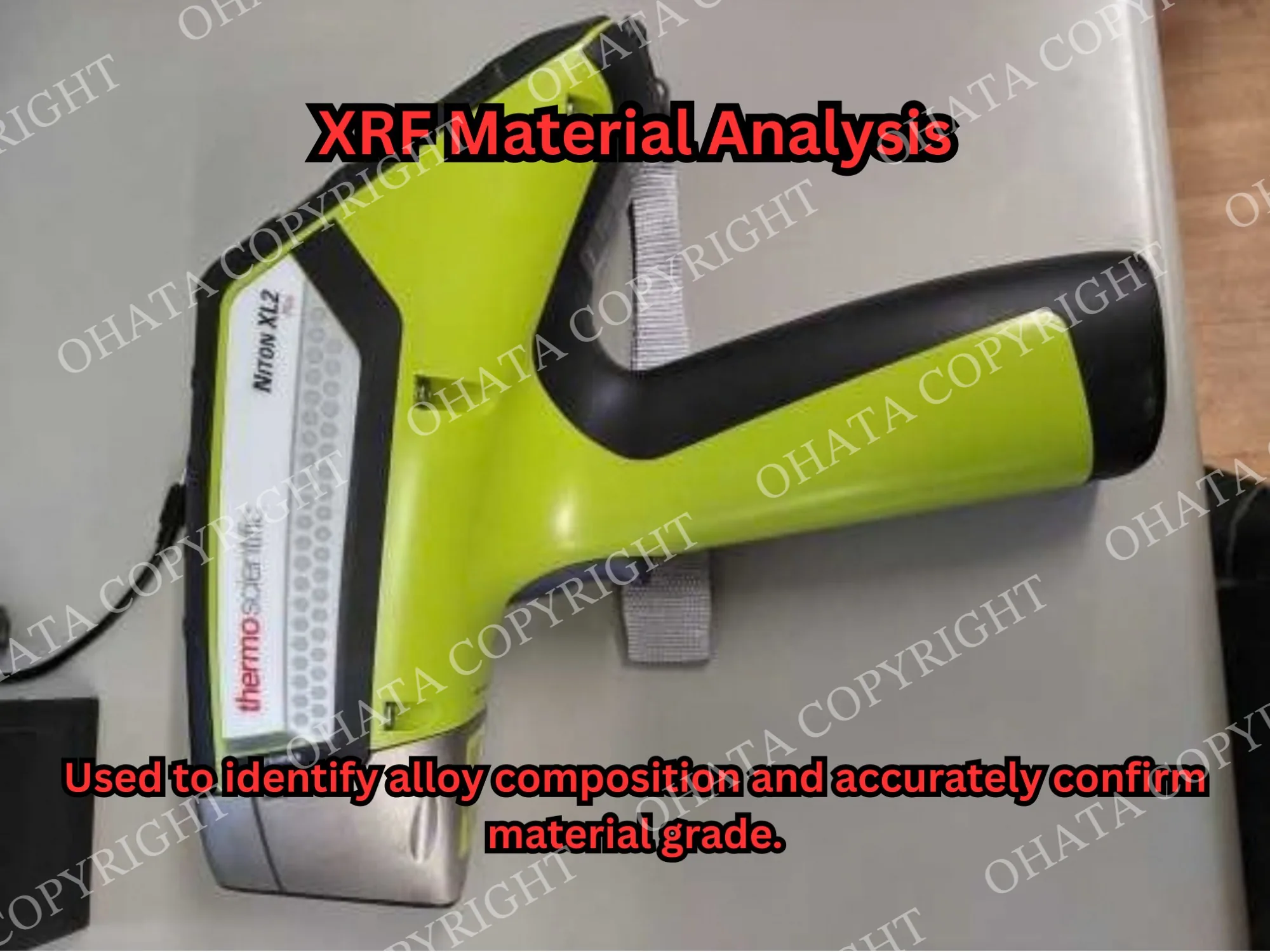
The main differences are in their chemical composition. Accurate classification may require a clear grade marking, known material records, or alloy analysis such as XRF.
Hastelloy B, C, and X
Hastelloy is a group of nickel-based alloys rather than one single metal grade. The letter and grade identify alloys with different compositions and different intended service conditions.
Category
Main alloying elements
General purpose
Common markings
Hastelloy B
High nickel + high molybdenum, very little chromium
Designed mainly for strongly reducing chemical environments such as hydrochloric acid service
B,B-2,B-3,N10665,N10675Hastelloy C
Nickel + chromium + molybdenum, often with tungsten
Broader corrosion resistance, including many oxidizing and reducing chemical environments
C,C-22,C-276,N06022,N10276Hastelloy X
Nickel + chromium + iron + molybdenum
Designed primarily for strength and oxidation resistance at high temperatures
X,HX,N06002
The main difference is the alloy chemistry. B-series alloys contain much less chromium and rely heavily on nickel and molybdenum. B-2 is nominally about 69% nickel and 28% molybdenum, while B-3 is about 65% nickel and 28.5% molybdenum. These alloys are especially associated with resistance to strongly reducing acids.
C-series alloys contain significantly more chromium. For example, C-22 contains about 22% chromium and 13% molybdenum, while C-276 contains about 16% chromium and 16% molybdenum. The added chromium gives C-series alloys broader resistance to oxidizing environments as well as many reducing environments.
Hastelloy X is a high-temperature alloy rather than primarily a chemical-corrosion grade. Its nominal composition is about 47% nickel, 22% chromium, 18% iron, and 9% molybdenum. It is used where oxidation resistance and strength at elevated temperatures are important.
Because the compositions are substantially different, confirmed Hastelloy B, Hastelloy C, and Hastelloy X should be kept separate for scrap classification and purchasing.
Condition and Sorting
Clean and identifiable Hastelloy B is easier to evaluate. Material with attached carbon steel, stainless steel, insulation, coatings, welding residue, or other foreign materials may require a different classification or adjustment in purchasing value.
Known B-2 and B-3 material should be kept separate when possible. Do not mix confirmed Hastelloy B with Hastelloy C, Hastelloy X, stainless steel, or unidentified nickel alloys.
Surface oxidation or normal industrial wear does not automatically prevent acceptance. Heavy contamination, severe deterioration, or attached foreign material may affect evaluation.
If the exact alloy is unknown, keep the material intact. Do not grind or alter the material solely to identify it. Alloy verification may be performed during inspection when necessary.
Final classification, acceptance, and purchasing value are confirmed after inspection under current buying requirements.
FAQ
- 1. What is Hastelloy B?
- Hastelloy B is a family of nickel-molybdenum corrosion-resistant alloys used in demanding industrial and chemical-processing environments.
- 2. What Hastelloy B grades may fall under this category?
- Common examples include Hastelloy B-2 and Hastelloy B-3.
- 3. What are the UNS numbers for Hastelloy B-2 and B-3?
- Hastelloy B-2 is UNS N10665, and Hastelloy B-3 is UNS N10675.
- 4. How can I identify Hastelloy B scrap?
- Look for stamped or printed markings such as B-2, B-3, N10665, or N10675. Documentation or analyzer results can also help confirm the alloy.
- 5. Can Hastelloy B be identified by appearance alone?
- Not reliably. Different nickel alloys and stainless steels can have very similar appearances.
- 6. What forms of Hastelloy B scrap may be accepted?
- Common forms include plate, sheet, pipe, tube, rod, bar, fittings, forgings, and machined industrial components.
- 7. Should Hastelloy B-2 and B-3 be separated?
- Yes, when the grade is known. Keeping identified alloys separate makes evaluation easier.
- 8. Is Hastelloy C accepted as Hastelloy B?
- No. Confirmed Hastelloy C should be kept separate because it is a different alloy family and buying category.
- 9. Do coatings or attached steel affect value?
- They can. Steel attachments, insulation, coatings, mixed metals, and other foreign material may affect classification or purchasing value.
- 10. What if I cannot identify the exact alloy?
- The material may still be brought in for inspection. Markings, documentation, a representative sample, or alloy analysis may be used to determine the correct classification.
Contact us by phone or email