

- We purchase qualifying Hastelloy X scrap starting at 1 lb.
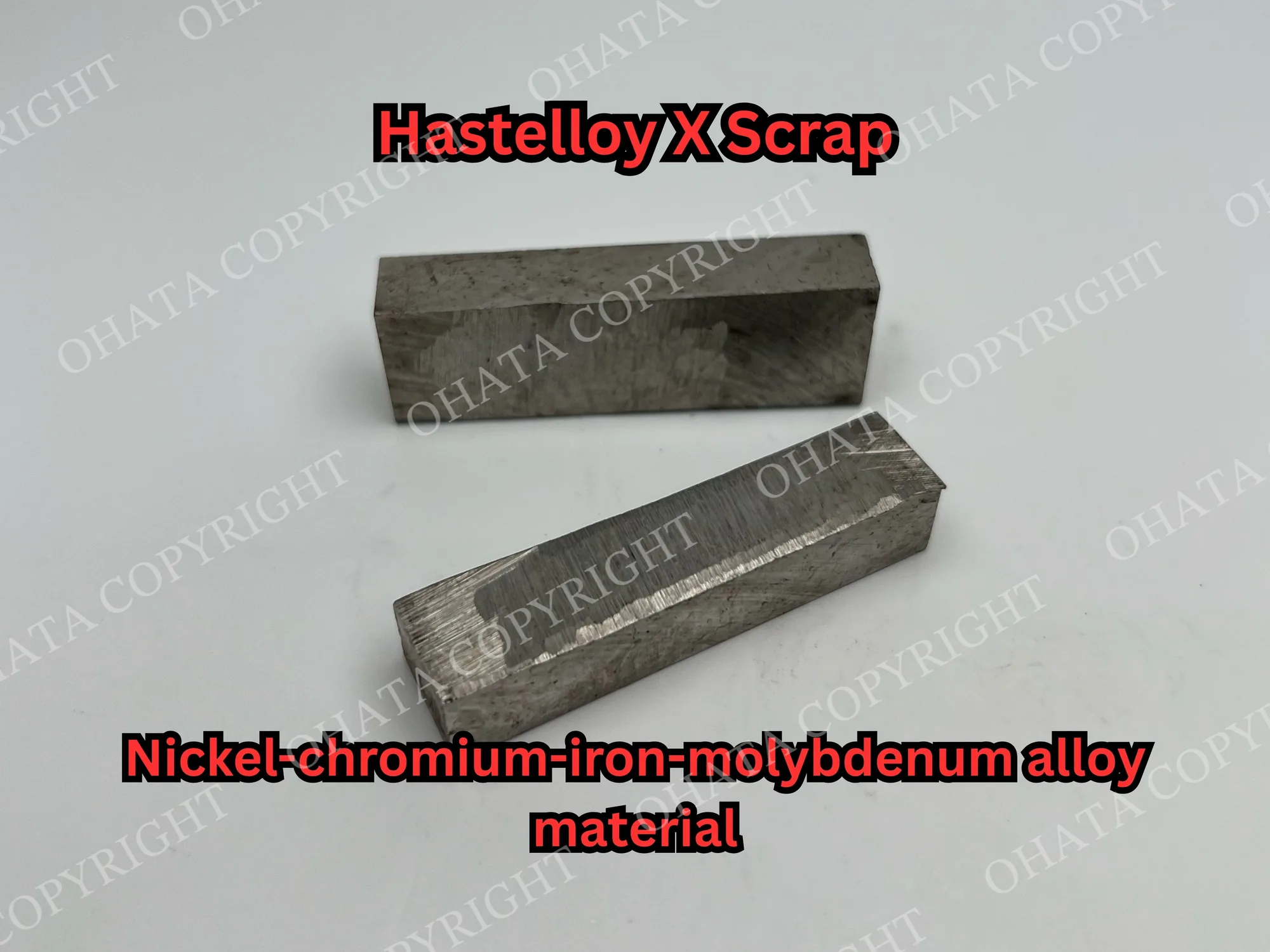
- Hastelloy X is a nickel-chromium-iron-molybdenum alloy designed for high-temperature strength and oxidation resistance.
- Hastelloy X is commonly identified as UNS N06002.
- A sample may be required to confirm the alloy composition before final classification and purchasing value are determined.
- Attached steel, coatings, insulation, other alloys, or foreign materials may affect the purchasing value.
- Known Hastelloy grades should be kept separate when possible.
Hastelloy X Buying
Key Drop-off Introduction
Key Drop-off Introduction
- We purchase qualifying Hastelloy X scrap starting at 1 lb.
- Hastelloy X is a nickel-chromium-iron-molybdenum alloy designed for high-temperature strength and oxidation resistance.
- Hastelloy X is commonly identified as UNS N06002.
- A sample may be required to confirm the alloy composition before final classification and purchasing value are determined.
- Attached steel, coatings, insulation, other alloys, or foreign materials may affect the purchasing value.
- Known Hastelloy grades should be kept separate when possible.
Drop-off Details and Conditions
Hastelloy X is a nickel-chromium-iron-molybdenum high-temperature alloy. Its nominal composition is about 47% nickel, 22% chromium, 18% iron, and 9% molybdenum. It also contains smaller amounts of cobalt, tungsten, and other elements.
The alloy is designed to combine high-temperature strength, oxidation resistance, and fabricability. It is used in applications where components must continue performing under sustained heat, including furnace parts, petrochemical equipment, tubing, and other high-temperature industrial components.
Common forms include:
Plate and sheet
Pipe and tube
Rod and bar
Fittings
Forged components
Welding wire and filler metal
Furnace and heat-processing components
Petrochemical equipment parts
Identification and Markings
Hastelloy X is typically identified by markings such as:
HASTELLOY X
X
HX
N06002
2.4665
Though these markings can be useful hints, especially with initial sorting, Hastelloy can have a very similar silver-gray metallic appearance, and surface color, oxidation, shape, machining marks alone are not always reliable indicators of grade.
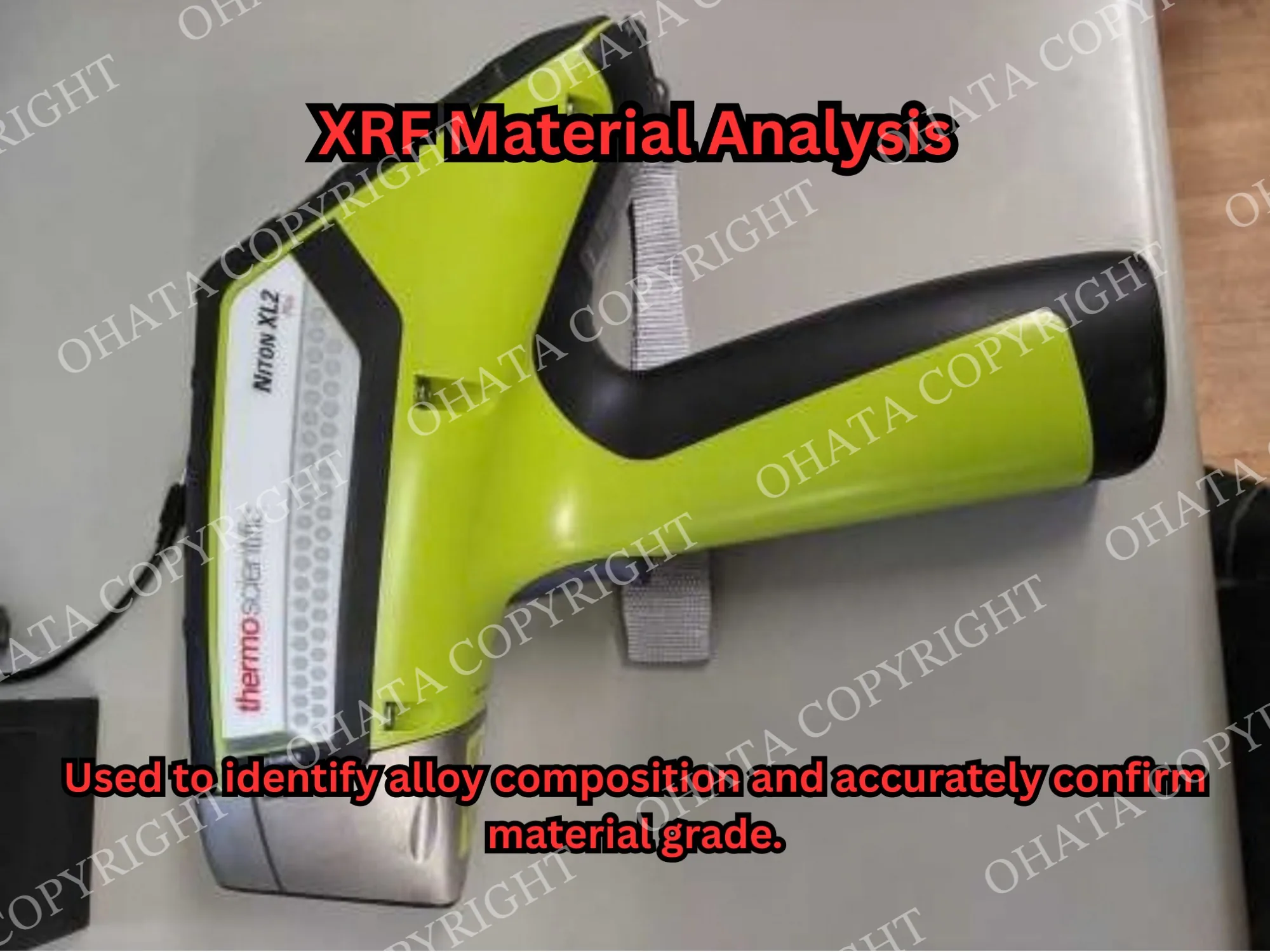
The main differences are in their chemical composition. Accurate classification may require a clear grade marking, known material records, or alloy analysis such as XRF.
Hastelloy B, C, and X
Hastelloy B, C, and X are separate alloy families with different compositions and intended uses.
Category
Main alloying elements
General use
Common markings
Hastelloy B
Nickel + molybdenum
Strongly reducing chemical environments
B,B-2,B-3,N10665,N10675Hastelloy C
Nickel + chromium + molybdenum, sometimes tungsten
Broad chemical corrosion resistance
C,C-22,C-276,N06022,N10276Hastelloy X
Nickel + chromium + iron + molybdenum
High-temperature strength and oxidation resistance
X,HX,N06002
The main difference with Hastelloy X is its high iron content and high-temperature purpose. B-series alloys focus more on reducing-acid corrosion resistance, while C-series alloys are designed for broader chemical corrosion resistance.
Hastelloy X is used where heat resistance and oxidation resistance are major requirements. Haynes lists it for applications including furnace baffles, retorts, catalyst support grids, pyrolysis tubing, and other high-temperature equipment.
Condition and Sorting
Clean and identifiable material is easier to evaluate. Attached carbon steel, stainless steel, insulation, coatings, welding residue, or other foreign materials may affect classification or purchasing value.
Confirmed Hastelloy X should be kept separate from Hastelloy B, Hastelloy C, stainless steel, and unidentified nickel alloys.
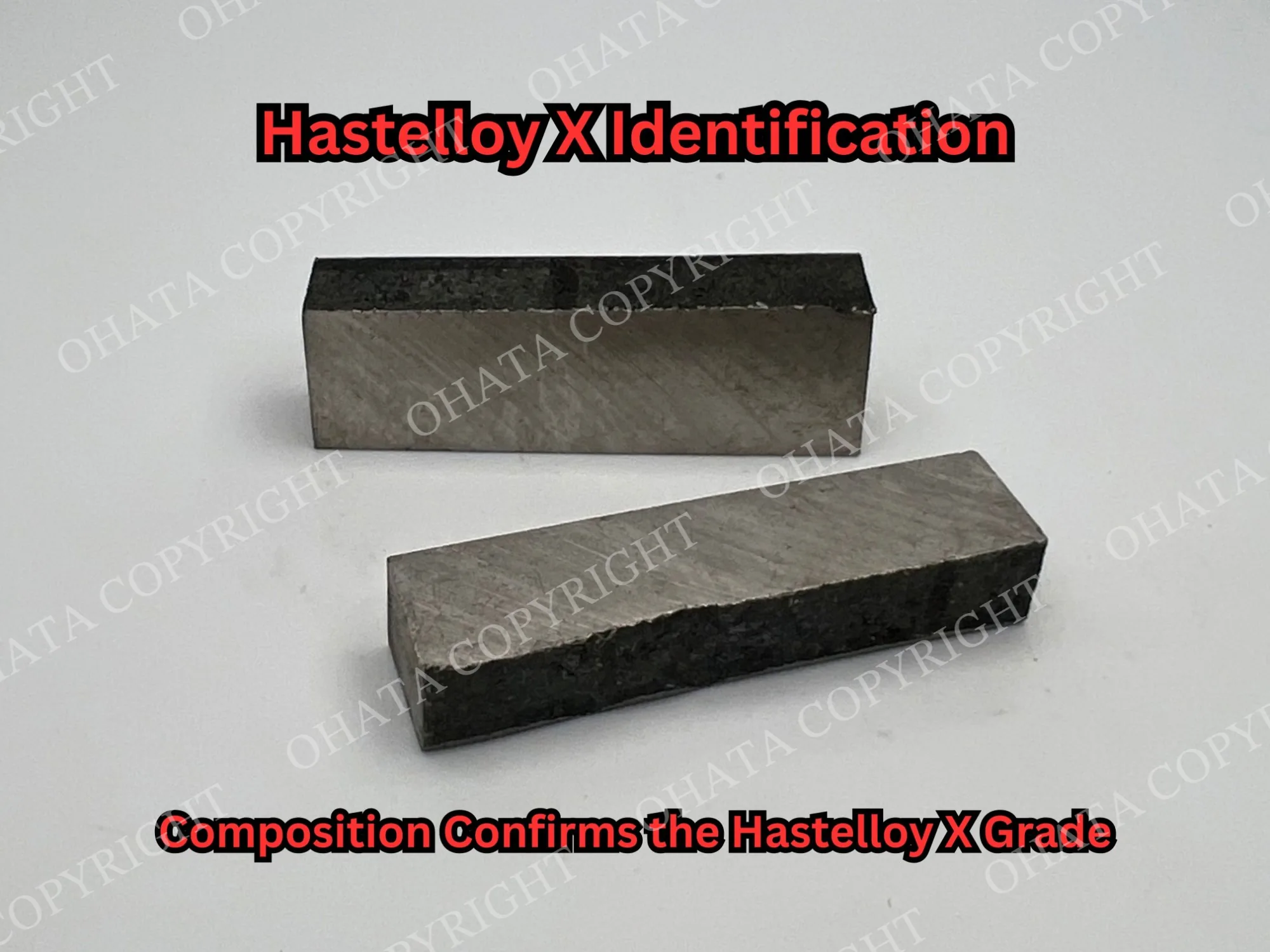
Surface oxidation or normal high-temperature service wear does not automatically prevent acceptance. Heavy contamination, severe deterioration, or mixed materials may affect evaluation.
If the exact alloy is unknown, keep the material intact. Do not grind or alter the material solely to identify it. A representative sample, markings, documentation, or alloy analysis may be used to confirm the grade.
Final classification, acceptance, and purchasing value are confirmed after inspection under current buying requirements.
FAQ
- 1. What is Hastelloy X?
- Hastelloy X is a nickel-chromium-iron-molybdenum alloy designed for high-temperature strength and oxidation resistance.
- 2. What is the UNS number for Hastelloy X?
- Hastelloy X is identified as UNS N06002.
- 3. What metals are contained in Hastelloy X? I
- ts nominal composition is about 47% nickel, 22% chromium, 18% iron, and 9% molybdenum, with smaller amounts of other elements.
- 4. What is the main difference between Hastelloy X and Hastelloy C?
- Hastelloy X is primarily designed for high-temperature strength and oxidation resistance, while C-series alloys are mainly used for broad chemical corrosion resistance.
- 5. What is the main difference between Hastelloy X and Hastelloy B?
- Hastelloy B is primarily a nickel-molybdenum corrosion-resistant alloy family, while Hastelloy X contains significant chromium and iron and is intended for high-temperature service.
- 6. How can I identify Hastelloy X scrap?
- Look for markings such as X, HX, N06002, or 2.4665. Documentation or analyzer results can also help confirm the alloy.
- 7. What forms of Hastelloy X scrap may be accepted?
- Common forms include plate, sheet, rod, bar, pipe, tube, fittings, forgings, and high-temperature industrial components.
- 8. Should Hastelloy X be separated from other Hastelloy grades?
- Yes. Confirmed Hastelloy X should be kept separate from B-series, C-series, stainless steel, and other nickel alloys.
- 9. Does oxidation or heat discoloration automatically disqualify the material?
- No. Normal oxidation or discoloration from high-temperature service does not automatically prevent acceptance, although severe contamination or deterioration may affect evaluation.
- 10. What if I cannot confirm the alloy grade?
- The material may still be brought in for inspection. A representative sample, markings, documentation, or alloy analysis may be used to determine the correct classification.
Contact us by phone or email