

- We purchase qualifying Monel 400 scrap starting at 1 lb.
- Monel 400 is a nickel-copper alloy containing 63% or more nickel plus cobalt and approximately 28–34% copper.
- A sample may be required to confirm the alloy composition before final classification and purchasing value are determined.
- Attached steel, coatings, insulation, other alloys, or foreign materials may affect the purchasing value.
- Known Monel grades should be kept separate when possible.
Monel 400 Buying
Key Drop-off Introduction
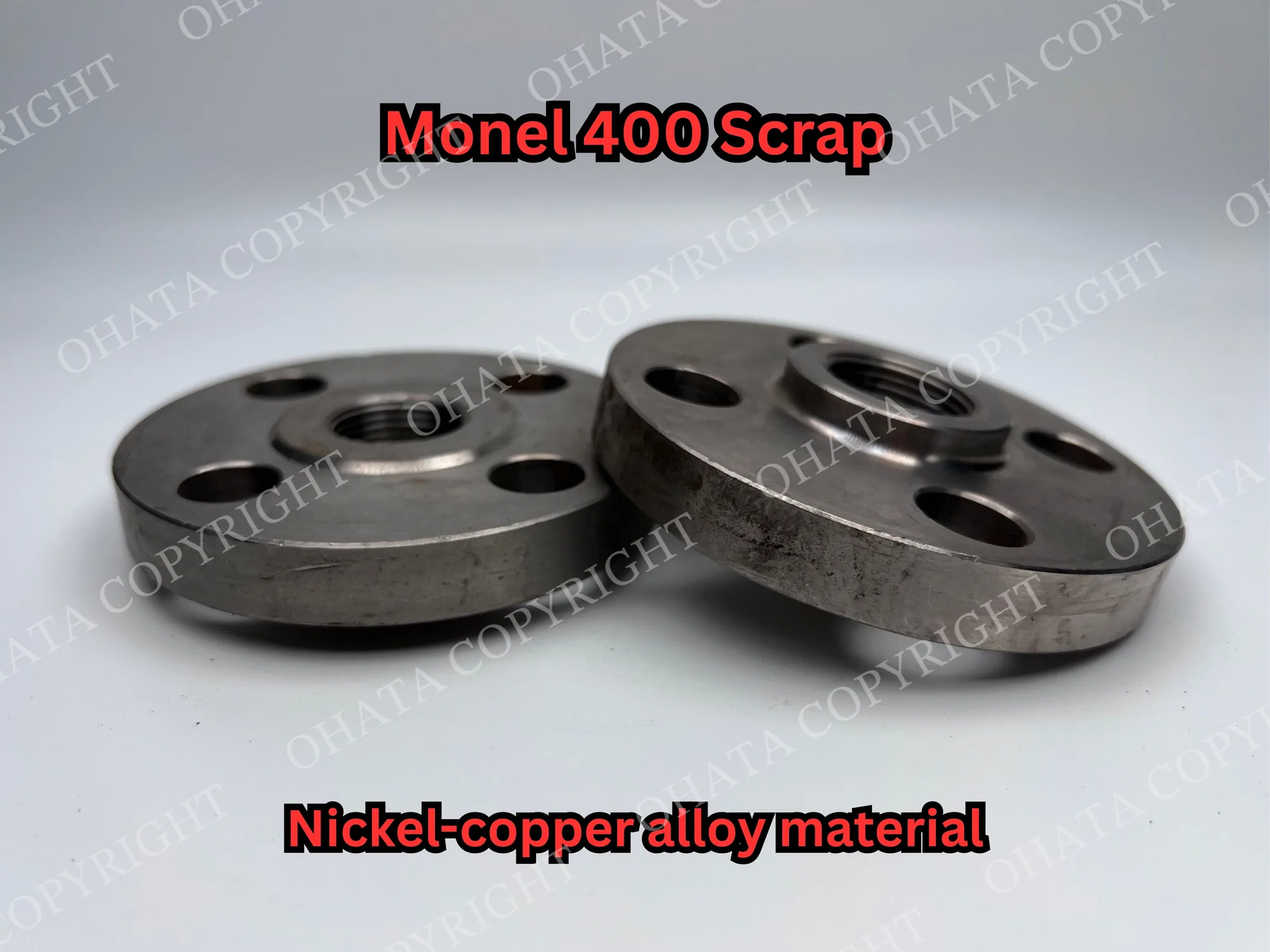
Key Drop-off Introduction
- We purchase qualifying Monel 400 scrap starting at 1 lb.
- Monel 400 is a nickel-copper alloy containing 63% or more nickel plus cobalt and approximately 28–34% copper.
- A sample may be required to confirm the alloy composition before final classification and purchasing value are determined.
- Attached steel, coatings, insulation, other alloys, or foreign materials may affect the purchasing value.
- Known Monel grades should be kept separate when possible.
Drop-off Details and Conditions
Monel 400 is a nickel-copper corrosion-resistant alloy commonly identified as UNS N04400. Nickel is the main component, with copper making up another substantial portion of the alloy.
Common forms include:
Plate and sheet
Rod and bar
Pipe and tube
Wire
Fittings and flanges
Pumps and valve components
Machined industrial parts
Turnings and machining chips
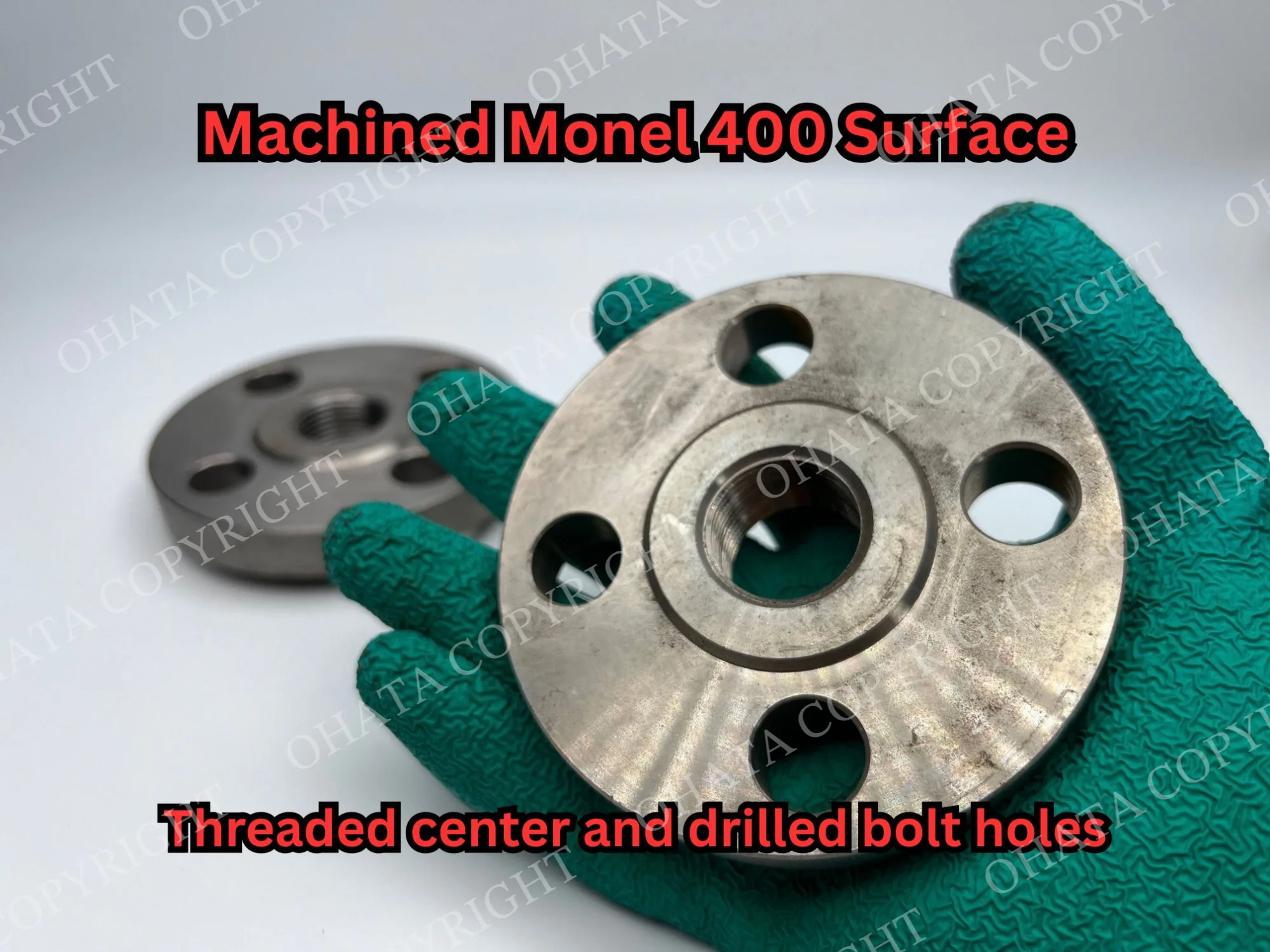
It is commonly used in marine equipment, seawater systems, chemical-processing equipment, pumps, valves, piping, heat exchangers, and other industrial applications where corrosion resistance is important.
Identification and Markings
Monel 400 is generally silver-gray and can look similar to stainless steel and other nickel-based alloys. Appearance alone is not enough to confirm Monel 400.
Common markings may include:
MONEL 400
ALLOY 400
400
N04400
The main differences between Monel grades and other nickel alloys are in their chemical composition. Accurate classification may require a clear grade marking, known material records, or alloy analysis such as XRF.
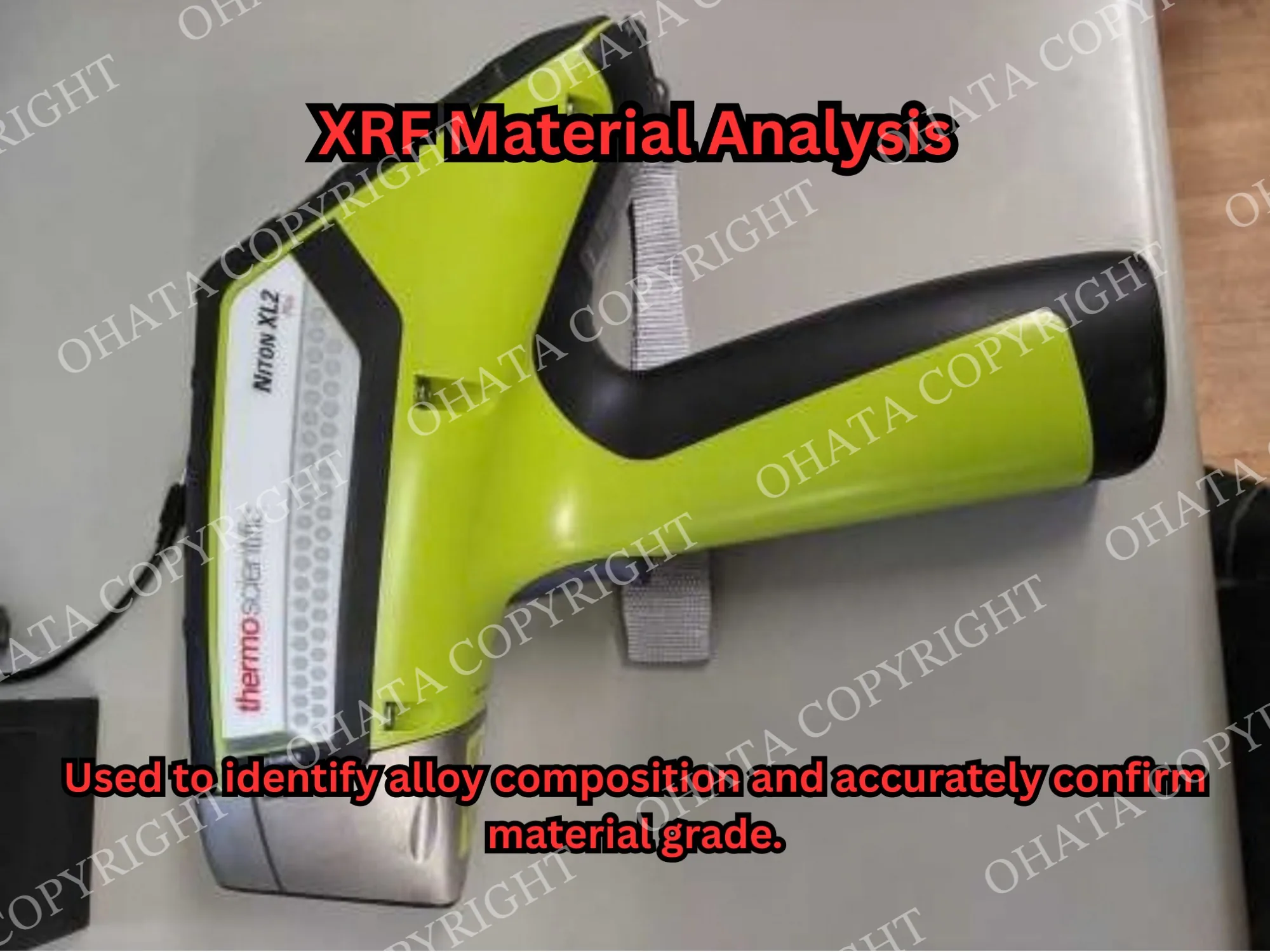
XRF analyzers measure the elemental composition of metal and can help confirm alloy grades that are difficult to identify by appearance alone.
Monel 400 and Other Monel Grades
Monel refers to a family of nickel-copper alloys rather than one single composition. This buying page is specifically for Monel 400.
Grade
Common identification
How it relates to this category
Monel 400
400,N04400This is the material covered by this buying page.
Monel R-405
R-405,N04405A separate Monel grade with controlled sulfur for improved machinability.
Monel K-500
K-500,N05500A separate Monel grade containing aluminum and titanium for greater strength and hardness.
Monel R-405 and Monel K-500 are not Monel 400. If the grade is known, keep these materials separate rather than combining them with Monel 400 scrap.
If a part is simply marked MONEL without a clear grade number, further alloy verification may be needed.
Condition and Sorting
Known Monel 400 should be kept separate from other Monel grades, stainless steel, pure nickel, Hastelloy, Inconel, and other nickel-based alloys.
Attached steel, insulation, coatings, welding residue, or other foreign materials may affect classification or purchasing value.
Normal tarnish, oxidation, discoloration, or industrial wear does not automatically prevent acceptance. Heavy contamination or significant mixed material may require separate evaluation.
If the alloy is uncertain, keep the material intact. Do not rely on appearance or magnet response alone to identify Monel 400. Clear grade markings, material records, a representative sample, or XRF alloy analysis may be used to confirm the composition.
Final classification, acceptance, and purchasing value are confirmed after inspection under current buying requirements.
FAQ
- 1. What is Monel 400?
- Monel 400 is a corrosion-resistant nickel-copper alloy commonly identified as UNS N04400.
- 2. What is Monel 400 made from?
- It contains 63% or more nickel plus cobalt and approximately 28–34% copper, with smaller amounts of other elements.
- 3. What forms of Monel 400 scrap may be accepted?
- Common forms include plate, bar, pipe, tube, wire, fittings, valves, machined components, and turnings.
- 4. Can Monel 400 be identified by appearance alone?
- Not reliably. Monel 400 can look similar to stainless steel and other nickel-based alloys.
- 5. Can I use a magnet to identify Monel 400?
- Not reliably. Magnetic response can vary, so a magnet should not be used as the only identification method.
- 6. What markings should I look for?
- Markings such as MONEL 400, ALLOY 400, 400, or N04400 may help identify the material.
- 7. How can Monel 400 be confirmed if the markings are missing?
- Material records, a representative sample, or XRF alloy analysis may be used to check elemental composition and help confirm the grade.
- 8. Is Monel K-500 or R-405 the same as Monel 400?
- No. They are separate Monel grades with different compositions and should not automatically be classified as Monel 400.
- 9. Does surface tarnish or oxidation prevent acceptance?
- Not automatically. Normal tarnish, oxidation, discoloration, or industrial wear may still qualify, although heavy contamination or deterioration may affect evaluation.
- 10. What if I am not sure whether the material is Monel 400?
- The material may still be brought in for inspection. Markings, material records, a representative sample, or XRF alloy analysis may be used to determine the correct classification.
Contact us by phone or email