

- We purchase qualifying Sn60/Pb40 Tin-Lead Solder scrap starting at 1 lb.
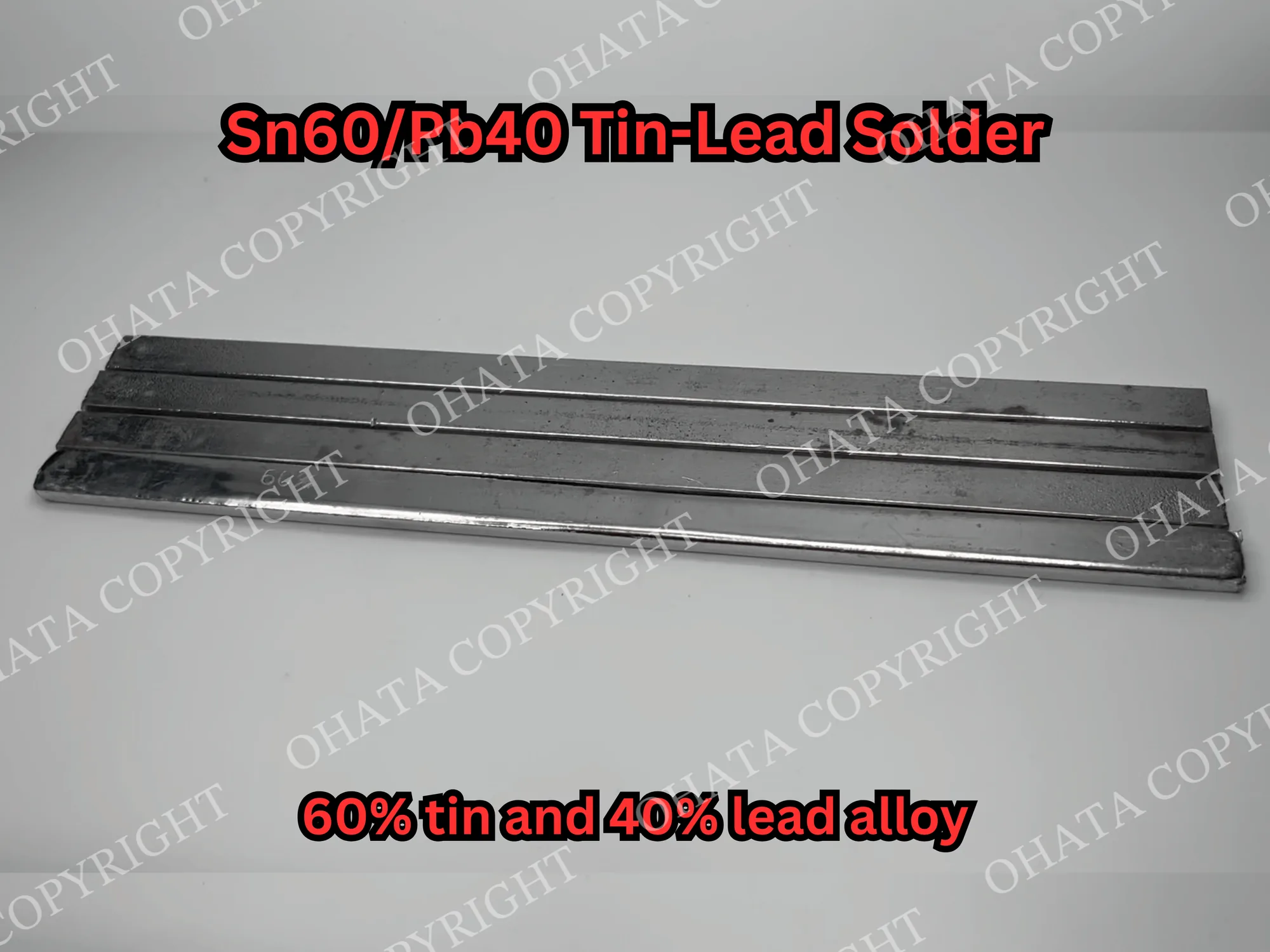
- Sn60/Pb40 solder is an alloy containing approximately 60% tin (Sn) and 40% lead (Pb).
- Lead-free solder is a different material category and should be kept separate when the alloy type is known.
- If the lead content is higher than the tin content, the material may require a different classification rather than Sn60/Pb40.
- If the alloy composition is uncertain, a sample or material analysis may be required.
Sn60/Pb40 Tin-Lead Solder Buying
Key Drop-off Introduction
Key Drop-off Introduction
- We purchase qualifying Sn60/Pb40 Tin-Lead Solder scrap starting at 1 lb.
- Sn60/Pb40 solder is an alloy containing approximately 60% tin (Sn) and 40% lead (Pb).
- Lead-free solder is a different material category and should be kept separate when the alloy type is known.
- If the lead content is higher than the tin content, the material may require a different classification rather than Sn60/Pb40.
- If the alloy composition is uncertain, a sample or material analysis may be required.
Drop-off Details and Conditions
Sn60/Pb40 is a traditional tin-lead solder alloy made from approximately 60% tin and 40% lead. Solder is used to join metal surfaces, especially in electronics, electrical work, plumbing, and other manufacturing or repair applications. Ohata identifies this category specifically as solder containing 60% tin and 40% lead.
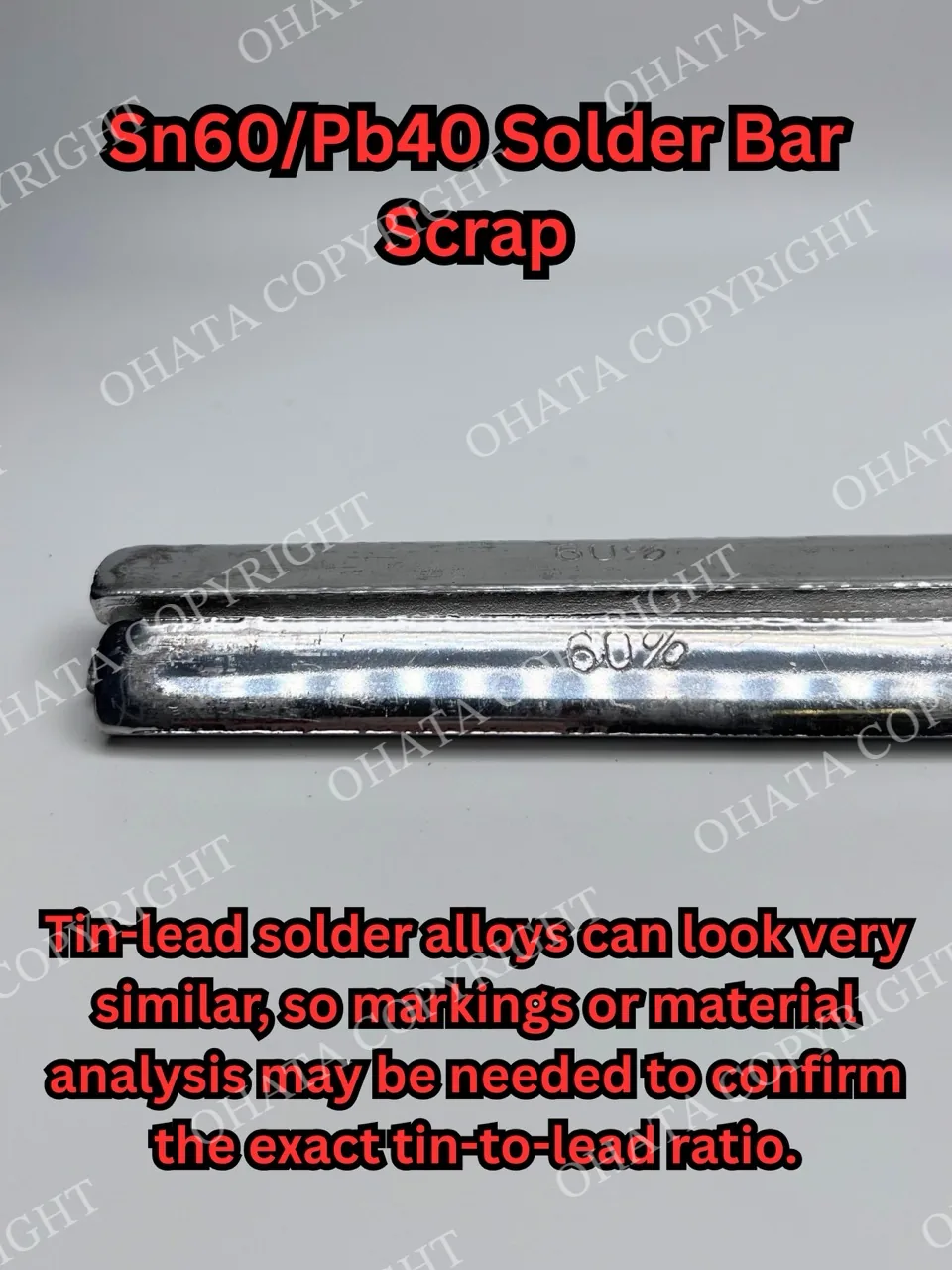
Common forms include:
Solid solder wire
Flux-cored solder wire
Solder bars and ingots
Drips and solidified solder
Offcuts and production scrap
Clean recovered solder
Identification and Composition
Sn60/Pb40 may be marked as:
Sn60/Pb40
Sn60Pb40
60/40
60Sn/40Pb
The numbers refer to the approximate alloy composition: 60% tin and 40% lead.
Not all solder has the same composition. Some solder is lead-free, while other tin-lead solder may contain different tin-to-lead ratios. Material should not be assumed to be Sn60/Pb40 based on appearance alone.
Solder type
Typical composition
Relation to this category
Sn60/Pb40
60% tin / 40% lead
This is the material covered by this buying page.
Sn50/Pb50
50% tin / 50% lead
Different tin-lead composition
Lead-free solder
Tin-based alloy without lead
Separate solder category
Lead-rich solder
Lead content greater than tin content
May require a different buying classification
Ohata specifically notes that solder with more lead than tin is handled differently from this 60/40 category.
Condition and Sorting
Known Sn60/Pb40 solder should be kept separate from lead-free solder, other tin-lead ratios, pure tin, pure lead, and mixed metal scrap.
Flux residue, attached copper wire, circuit-board material, steel clips, plastic spools, packaging, dirt, or other foreign material may affect classification or purchasing value.
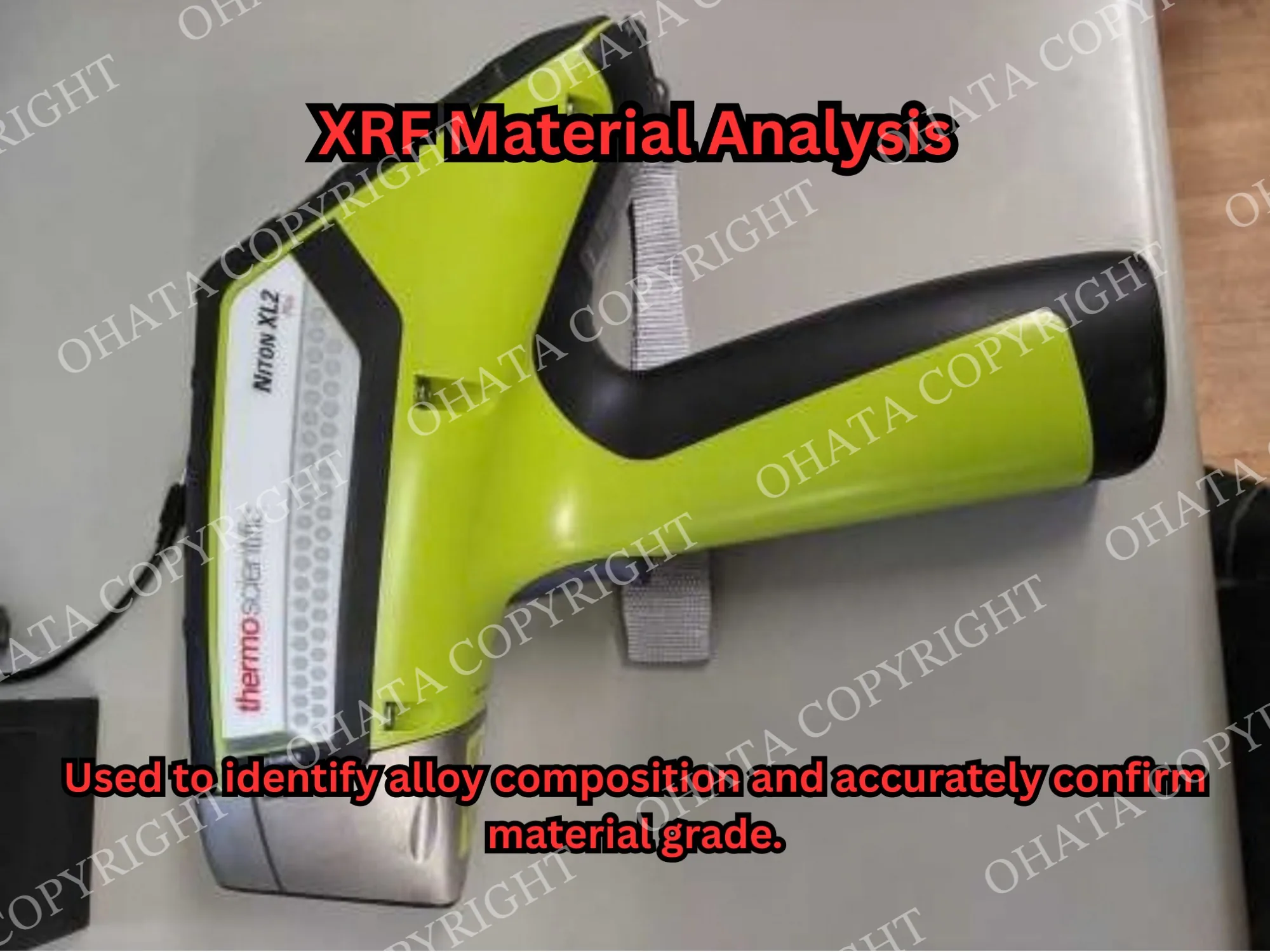
XRF analyzers measure the elemental composition of metal and can help confirm alloy grades that are difficult to identify by appearance alone. Clean solid solder is generally easier to evaluate than heavily contaminated or mixed material. If the composition is uncertain, markings, known material records, a representative sample, or alloy analysis may be used to help confirm the category.
Because this solder contains lead, avoid unnecessary melting, grinding, sanding, or other processing that can create lead-containing fumes or dust. Wash hands after handling and before eating or drinking. Lead can become airborne when heated or abraded.
Final classification, acceptance, and purchasing value are confirmed after inspection under current buying requirements.
FAQ
- 1. What is Sn60/Pb40 solder?
- Sn60/Pb40 is a solder alloy containing approximately 60% tin and 40% lead.
- 2. What do Sn and Pb mean?
- Sn is the chemical symbol for tin, and Pb is the chemical symbol for lead.
- 3. What forms of Sn60/Pb40 solder scrap may be accepted?
- Common forms include solder wire, bars, ingots, offcuts, drips, and other solid solder scrap.
- 4. Is lead-free solder included in this category?
- No. Lead-free solder has a different composition and should be kept separate when possible.
- 5. Is Sn50/Pb50 the same as Sn60/Pb40?
- No. Sn50/Pb50 contains equal amounts of tin and lead and is a different alloy composition.
- 6. What if the solder contains more lead than tin?
- It may require a different buying classification. Ohata specifically separates solder where the lead content exceeds the tin content.
- 7. Does flux affect the purchasing value?
- It can. Flux, plastic cores or spools, attached metals, dirt, and other foreign material may affect classification or purchasing value.
- 8. Can solder composition be identified by appearance alone?
- Not reliably. Different solder alloys can look very similar, so markings, records, or material analysis may be needed.
- 9. Is old or oxidized solder automatically rejected?
- No. Normal surface oxidation or age does not automatically prevent acceptance, but heavy contamination or mixed material may affect evaluation.
- 10. Is Sn60/Pb40 solder safe to handle?
- It contains lead, so unnecessary melting, grinding, or sanding should be avoided. Wash your hands after handling and before eating or drinking.
Contact us by phone or email