

- We purchase qualifying Cermet scrap starting at 1 lb.
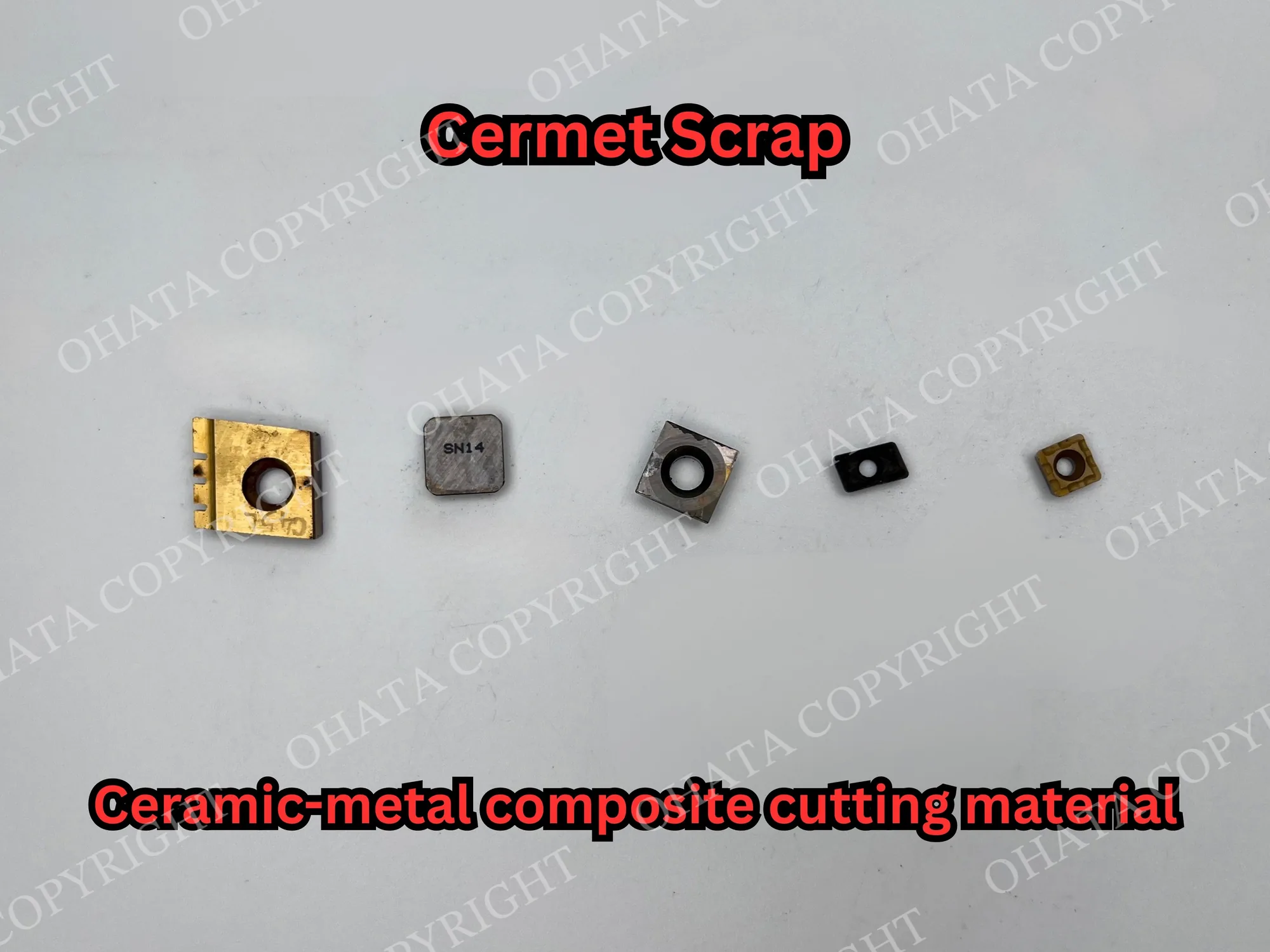
- Cermet is a ceramic-metal composite commonly based on titanium carbide (TiC), titanium carbonitride (TiCN), or related titanium compounds with a metallic binder.
- Cermet cutting inserts can look almost identical to cemented carbide, but their composition and purchasing classification are different.
- Appearance or magnet response alone may not reliably identify cermet.
- Cermet is generally much lighter than tungsten-carbide-based cemented carbide.
- Attached steel, tool holders, brazed material, or other foreign material may affect classification or purchasing value.
Cermet Buying
Key Drop-off Introduction
Key Drop-off Introduction
- We purchase qualifying Cermet scrap starting at 1 lb.
- Cermet is a ceramic-metal composite commonly based on titanium carbide (TiC), titanium carbonitride (TiCN), or related titanium compounds with a metallic binder.
- Cermet cutting inserts can look almost identical to cemented carbide, but their composition and purchasing classification are different.
- Appearance or magnet response alone may not reliably identify cermet.
- Cermet is generally much lighter than tungsten-carbide-based cemented carbide.
- Attached steel, tool holders, brazed material, or other foreign material may affect classification or purchasing value.
Drop-off Details and Conditions
Cermet is a composite material combining ceramic and metallic components. Cutting-tool cermets commonly contain titanium carbide (TiC), titanium carbonitride (TiCN), or related titanium compounds, with metals such as nickel (Ni) used as binders. Depending on the grade, cobalt (Co), molybdenum (Mo), and other elements may also be present.
This combination provides high hardness, wear resistance, and heat resistance while remaining significantly lighter than tungsten-carbide-based cemented carbide.
Common forms include:
Turning inserts
Milling inserts
Cutting-tool tips
Industrial cutter components
Wear-resistant parts
Used, chipped, or broken inserts
Unused production or surplus material
Both used and unused cermet may qualify for recycling. A cutting insert does not need to remain usable for its original purpose.
Cermet and Cemented Carbide
Cermet and cemented carbide are especially easy to confuse because cutting inserts made from either material can have nearly identical shapes.
Material
General composition
Approximate density
Relation to this category
Cermet
Titanium-based ceramic phases with a metallic binder
About 6–8 g/cm³
This is the material covered by this buying page.
Cemented Carbide
Commonly tungsten carbide with cobalt or another metallic binder
About 14–15 g/cm³
Separate special-metal category
Ceramic Insert
Primarily ceramic material without the metallic binder system of cermet
Varies
Not automatically classified as cermet
For similarly sized inserts, cemented carbide can feel approximately twice as heavy as cermet. Weight can therefore provide a useful initial clue, but it should not be the only method used for final identification.
Identification
Cermet cannot always be identified reliably by color or shape.
Magnetic response is also not a dependable standalone test. Different cermet grades can respond differently to a magnet depending on the binder and overall composition.
Some cermet inserts also have titanium-based surface coatings added to improve wear or heat resistance. These coatings may produce a strong titanium reading during material analysis, but a titanium-rich coating alone does not mean the entire insert is pure titanium.
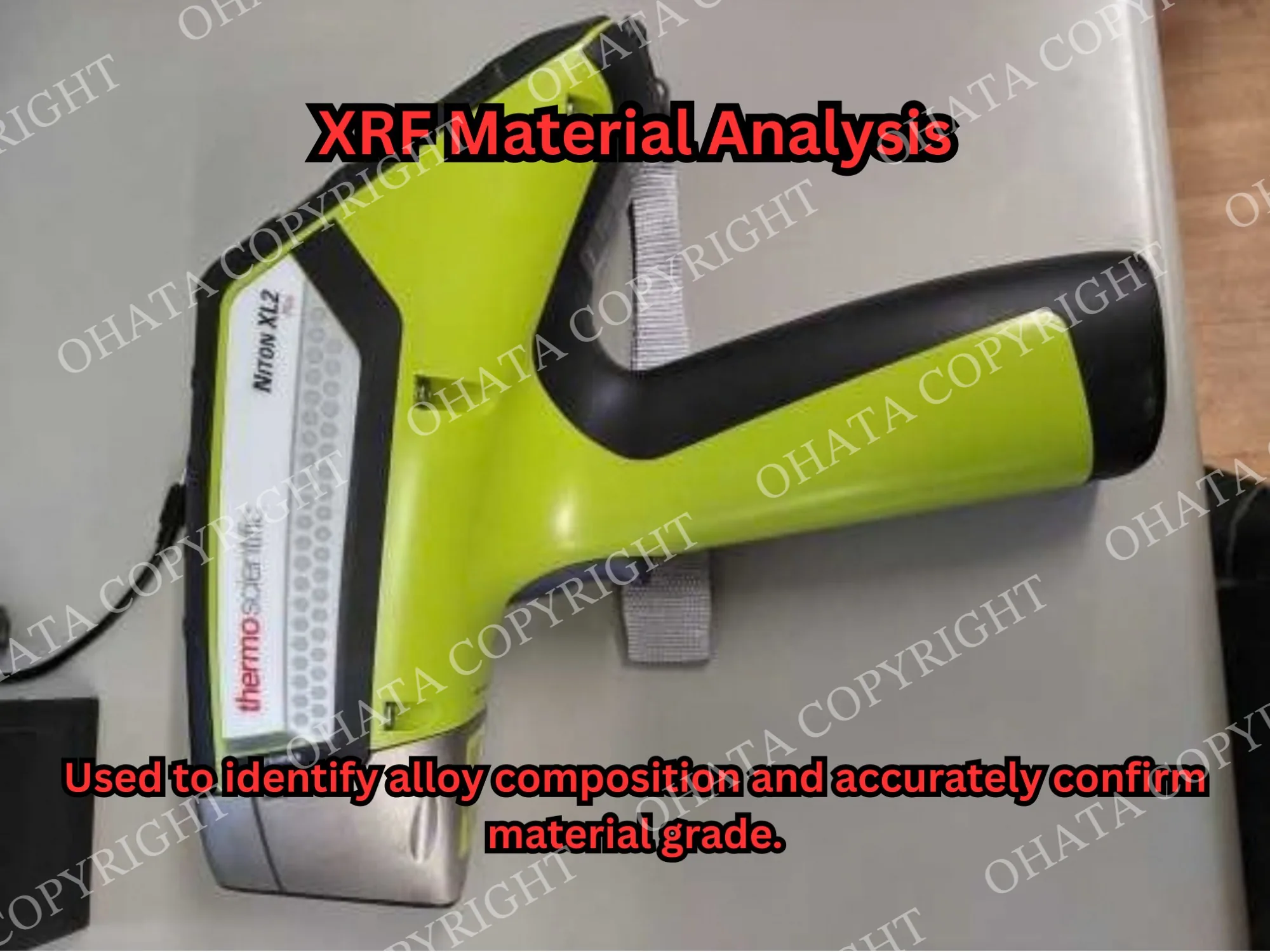
When identification is uncertain, grade markings, known material records, density, or material analysis such as XRF may help determine the correct category. XRF analyzers measure the elemental composition of metal and can help confirm alloy grades that are difficult to identify by appearance alone.
Cermet, Carbide, and Ceramic Inserts
Small cutting inserts should not automatically be classified based on shape alone.
Cemented carbide commonly contains a large amount of tungsten and is substantially denser than cermet.
Cermet is typically titanium-based and noticeably lighter.
Ceramic inserts may also look similar and can be lightweight, but they are primarily ceramic rather than a qualifying ceramic-metal cermet material. Ceramic inserts should therefore be kept separate and may not qualify for this buying category.
Condition and Sorting
Known cermet should be kept separate from cemented carbide, ceramic inserts, HSS, ordinary steel, and other cutting-tool scrap.
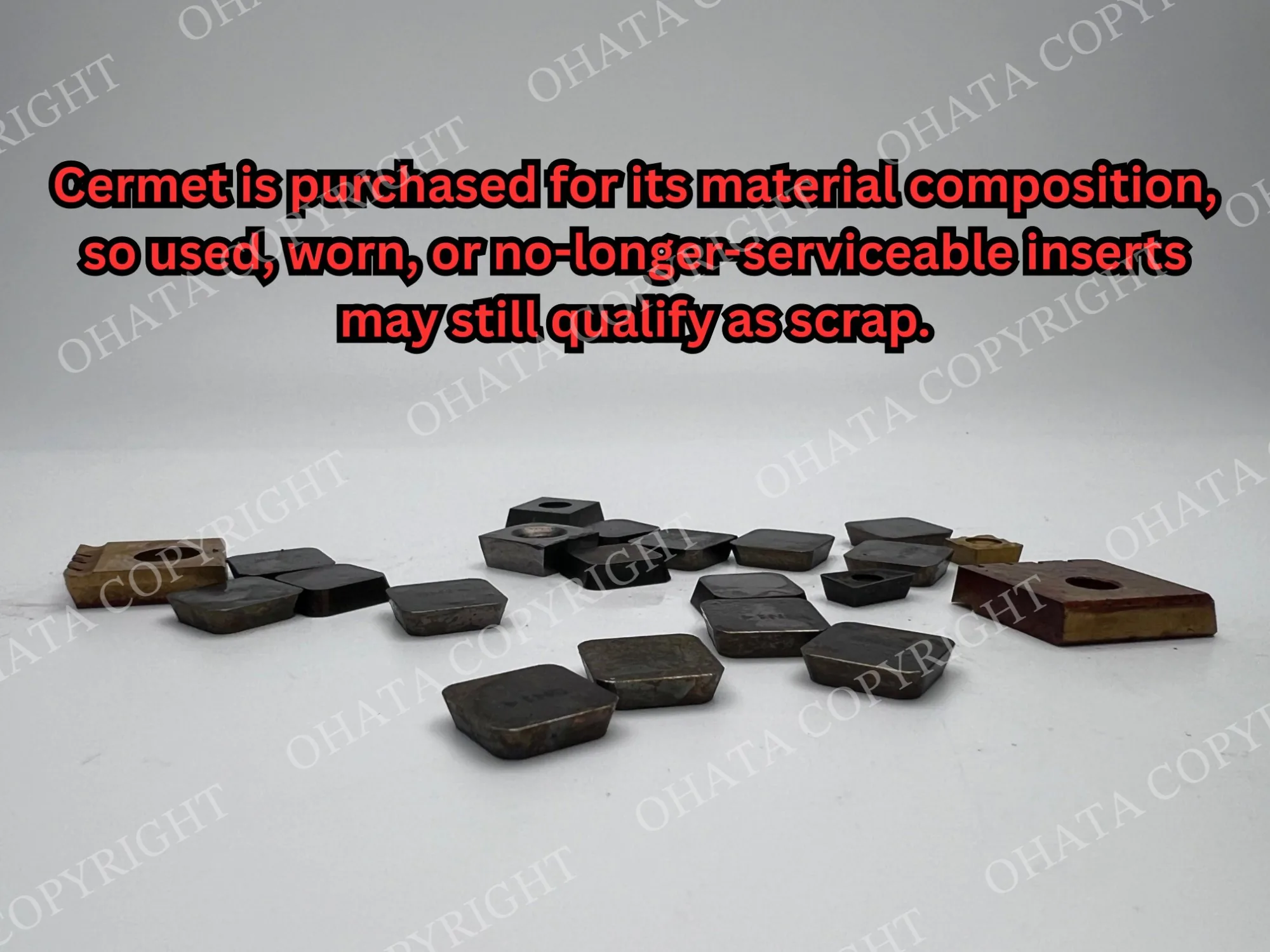
Loose inserts are easier to evaluate than inserts still attached to steel tool holders. Screws, holders, brazed sections, excessive oil, or other foreign materials may affect classification or purchasing value.
Normal cutting wear, chipped edges, surface coatings, or used condition do not automatically prevent cermet from qualifying.
Do not grind, crush, or unnecessarily process cutting inserts before bringing them in. Keeping them intact makes identification and material analysis easier.
If you are unsure whether an insert is cermet, carbide, or ceramic, keep the materials separated when possible and bring them in for inspection.
Final classification, acceptance, and purchasing value are confirmed after inspection under current buying requirements.
FAQ
- 1. What is cermet?
- Cermet is a composite material that combines hard ceramic compounds with a metallic binder.
- 2. What is cermet made from?
- Cutting-tool cermets commonly contain titanium carbide, titanium carbonitride, or related titanium compounds with nickel and sometimes cobalt, molybdenum, or other metals.
- 3. What forms of cermet scrap may qualify?
- Common examples include turning inserts, milling inserts, cutting tips, industrial cutter components, and other identifiable cermet tooling.
- 4. Is cermet the same as cemented carbide?
- No. Cermet is commonly titanium-based, while cemented carbide is commonly based on tungsten carbide.
- 5. How can I tell cermet from cemented carbide?
- They can look almost identical. One useful clue is weight: cermet has a typical density of about 6–8 g/cm³, while tungsten-carbide-based material is commonly around 14–15 g/cm³.
- 6. Can I use a magnet to identify cermet?
- Not reliably. Magnetic response varies depending on the grade and metallic binder.
- 7. Are ceramic cutting inserts considered cermet?
- Not automatically. Ceramic inserts can have similar shapes but are materially different and may require a separate classification.
- 8. Are coated cermet inserts accepted?
- They may qualify. Titanium-based coatings are commonly used on cutting tools and do not automatically change the underlying cermet classification.
- 9. Are worn, oily, chipped, or broken inserts accepted?
- They may qualify. Normal use or damage to the cutting edge does not automatically remove the material's recycling value. Excessive contamination or attached foreign material may affect evaluation.
- 10. What if I cannot tell whether an insert is cermet, carbide, or ceramic?
- Keep the material intact and bring it in for inspection. Physical characteristics, markings, known material information, or material analysis may be used to determine the correct category.
Contact us by phone or email