

- We purchase qualifying Commercially Pure Titanium (CP Titanium) scrap starting at 1 lb.
- CP Titanium refers primarily to unalloyed titanium Grades 1, 2, 3, and 4.
- The four CP grades are all titanium-based, but they differ mainly in permitted levels of oxygen, iron, and other interstitial or residual elements, which affect strength and ductility.
- Titanium alloys such as Grade 5 (Ti-6Al-4V) are not CP Titanium and should be kept separate when the grade is known.
- Attached steel, coatings, mixed alloys, excessive oil, or other foreign material may affect classification or purchasing value.
Commercially Pure Titanium (CP Titanium) Buying
Key Drop-off Introduction
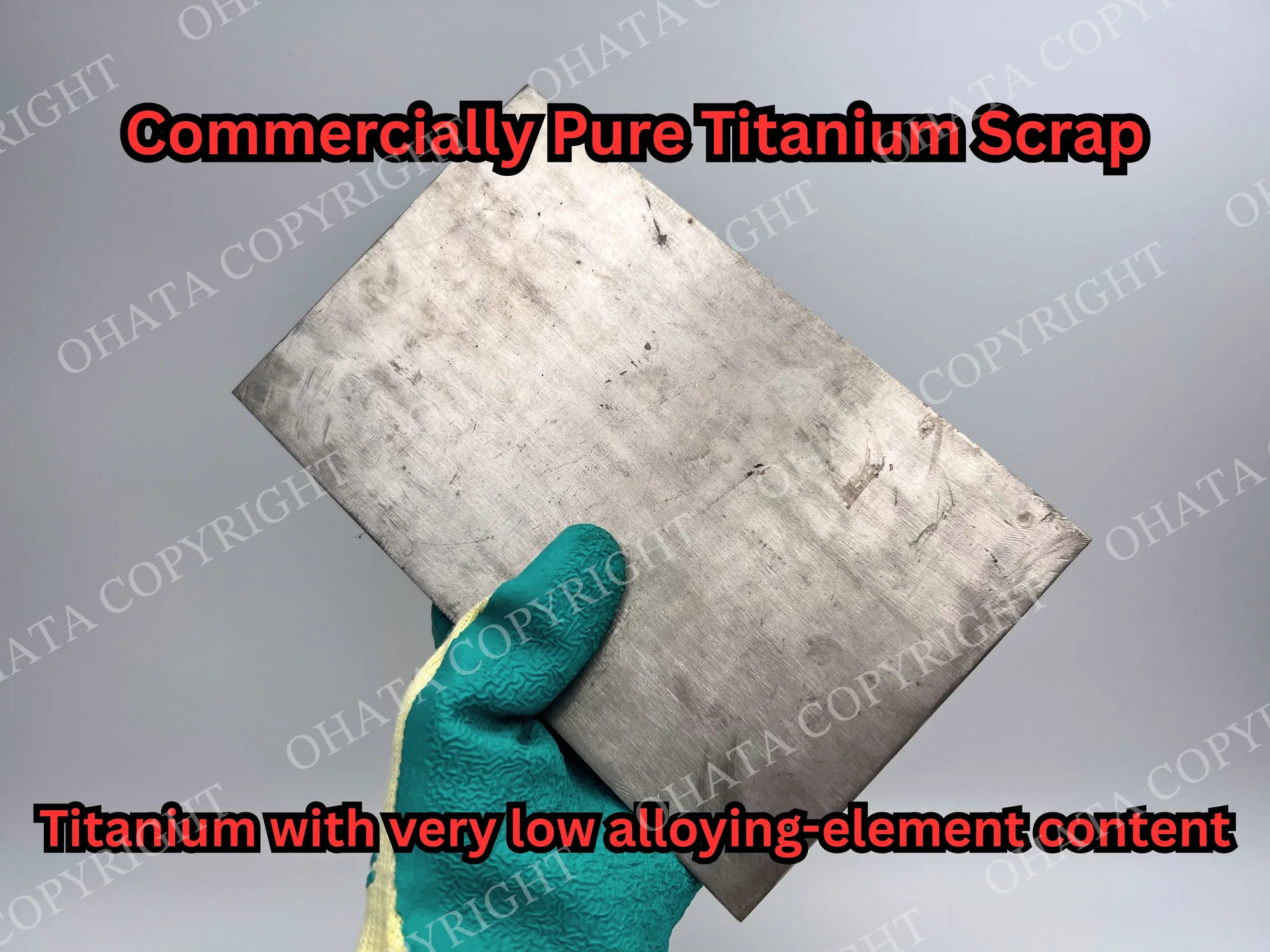
Key Drop-off Introduction
- We purchase qualifying Commercially Pure Titanium (CP Titanium) scrap starting at 1 lb.
- CP Titanium refers primarily to unalloyed titanium Grades 1, 2, 3, and 4.
- The four CP grades are all titanium-based, but they differ mainly in permitted levels of oxygen, iron, and other interstitial or residual elements, which affect strength and ductility.
- Titanium alloys such as Grade 5 (Ti-6Al-4V) are not CP Titanium and should be kept separate when the grade is known.
- Attached steel, coatings, mixed alloys, excessive oil, or other foreign material may affect classification or purchasing value.
Drop-off Details and Conditions
Commercially Pure Titanium, commonly called CP Titanium, refers to titanium grades that do not contain the substantial intentional alloy additions found in grades such as Ti-6Al-4V.
The principal commercially pure grades are Grade 1, Grade 2, Grade 3, and Grade 4. All four are primarily titanium, but their allowed oxygen and iron levels differ. In general, strength increases from Grade 1 through Grade 4, while ductility decreases.
Common forms include:
Sheet and plate
Rod and bar
Pipe and tube
Wire
Forgings
Machined components
Fabrication offcuts
Clean turnings and production scrap
CP Titanium is used in applications where corrosion resistance, low weight, and useful mechanical strength are important, including chemical-processing equipment, heat exchangers, marine components, medical products, and industrial equipment.
CP Titanium Grades 1–4
Commercially Pure Titanium (CP Titanium) is one purchasing category that covers qualifying unalloyed titanium commonly sold as Grades 1, 2, 3, and 4. These are separate technical grades, but they are all considered commercially pure titanium because they do not contain the larger intentional alloy additions used in grades such as Ti-6Al-4V.
Titanium alloys with intentional alloying additions, such as Grade 5 (Ti-6Al-4V), do not qualify as CP Titanium and may require a separate classification. Material mixed with other titanium alloys, stainless steel, aluminum, attached steel parts, heavy coatings, or other foreign materials may also be classified differently or receive an adjusted purchasing value.
Grade
Common identification
General distinction
Grade 1
Grade 1,Gr 1,R50250Lowest strength and highest ductility of the four CP grades
Grade 2
Grade 2,Gr 2,R50400Common general-purpose CP titanium grade
Grade 3
Grade 3,Gr 3,R50550Higher strength than Grades 1 and 2
Grade 4
Grade 4,Gr 4,R50700Highest strength of the four principal CP grades
Grades 1–4 are all classified as unalloyed titanium, but they should not be assumed to be identical simply because they are all commercially pure.
The differences between these grades are influenced strongly by small amounts of oxygen and other controlled elements. This means determining the exact CP grade can require more than a simple surface test.
CP Titanium and Titanium Alloys
Commercially pure titanium should be distinguished from intentionally alloyed titanium grades.
Material
General composition
Relation to this category
CP Titanium Grades 1–4
Primarily titanium with controlled residual/interstitial elements
Material covered by this buying category
Grade 5 / Ti-6Al-4V
Titanium with approximately 6% aluminum and 4% vanadium
Titanium alloy, not CP Titanium
Other titanium alloys
Titanium with intentional alloying additions
May require a separate classification
Grade 5 can look almost identical to CP Titanium, so visual appearance alone cannot distinguish them reliably.
Identification and Material Analysis
Common markings may include:
CP Ti
CP Titanium
Grade 1/Gr 1
Grade 2/Gr 2
Grade 3/Gr 3
Grade 4/Gr 4
R50250
R50400
R50550
R50700
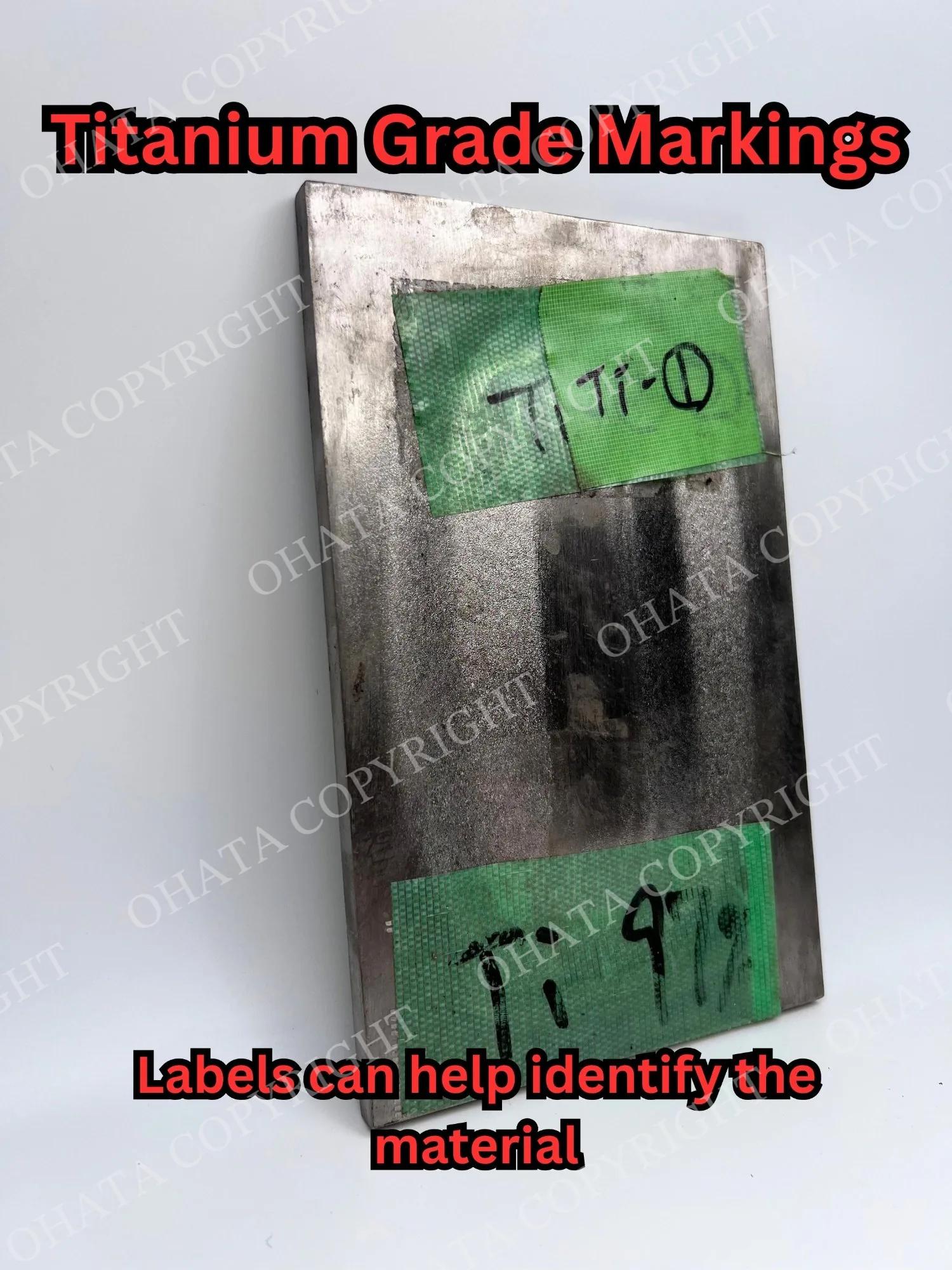
Titanium is generally non-ferromagnetic, but a magnet is not a reliable grade-identification test. Many other metals and titanium alloys can also show little or no attraction to a magnet.
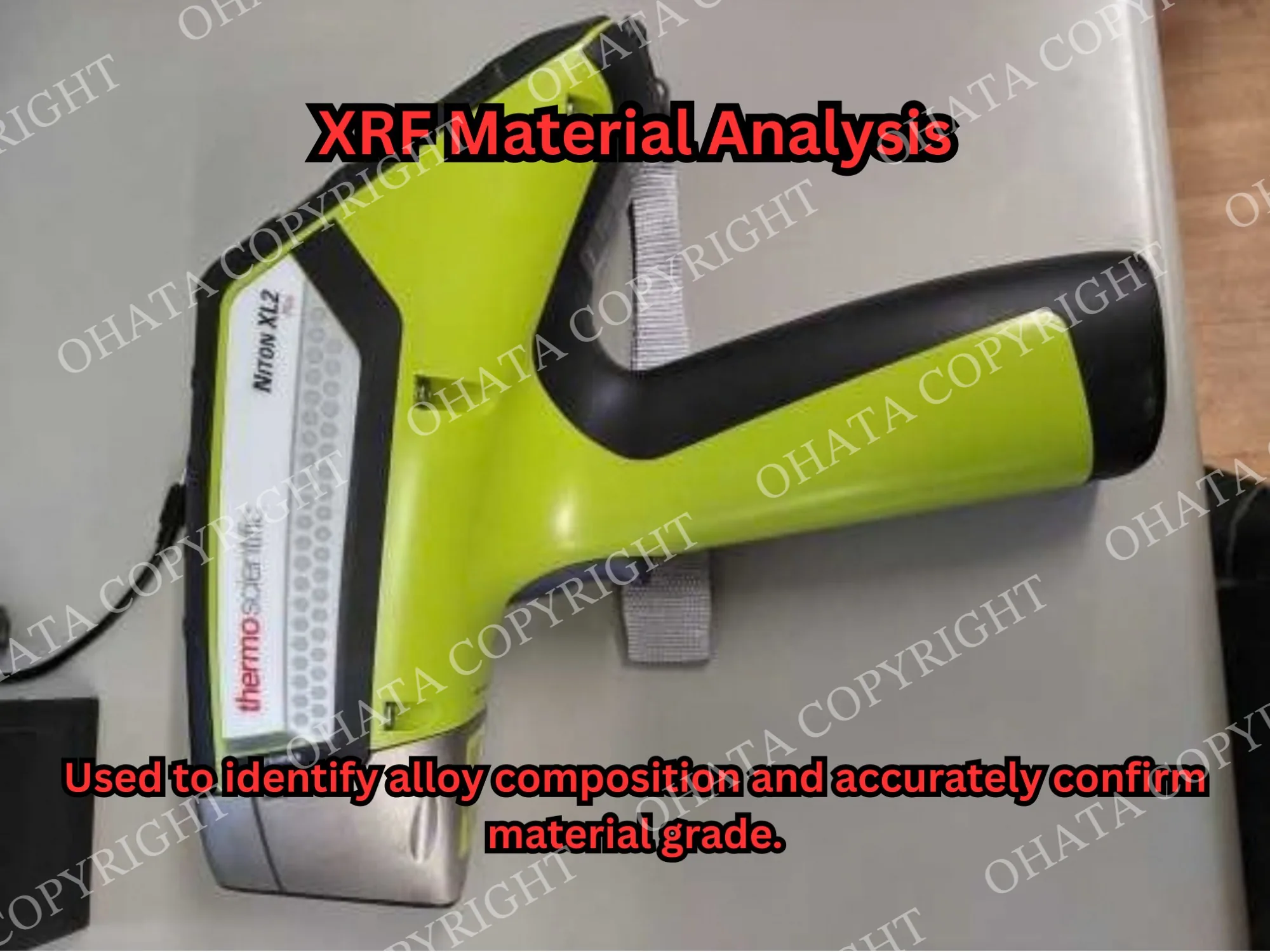
Material analysis such as XRF can help identify intentional alloying elements and can be useful for separating CP Titanium from alloys containing elements such as aluminum or vanadium. However, the exact distinction between CP Grades 1–4 can be more difficult because important grade differences involve light elements such as oxygen that conventional handheld XRF does not reliably measure.
For that reason, clear grade markings, material records, known source information, or additional testing may be needed when the exact CP grade must be confirmed.
Condition and Sorting
Known CP Titanium should be kept separate from Grade 5 titanium, other titanium alloys, stainless steel, aluminum, and other specialty metals.
Attached steel fasteners, weldments of another alloy, coatings, rubber, plastic, excessive oil, or other foreign material may affect classification or purchasing value.
Normal surface discoloration, oxidation, scratches, or industrial wear do not automatically prevent acceptance. Heavy contamination or significant mixed material may require separate evaluation.
Titanium turnings, chips, or fine material require more careful handling than solid pieces because fine titanium can be combustible. Do not burn, grind, or unnecessarily process titanium scrap before bringing it in.
If the exact grade is unknown, keep the material intact and separate from known alloys when possible. Markings, material records, a representative sample, or material analysis may be used during evaluation.
Final classification, acceptance, and purchasing value are confirmed after inspection under current buying requirements.
FAQ
- 1. What is Commercially Pure Titanium?
- Commercially Pure Titanium is primarily unalloyed titanium and commonly refers to Grades 1, 2, 3, and 4.
- 2. What grades are considered CP Titanium?
- The principal commercially pure grades are Grade 1, Grade 2, Grade 3, and Grade 4.
- 3. What is the difference between CP Titanium Grades 1–4?
- They have different limits for oxygen, iron, and other controlled elements. In general, strength increases from Grade 1 through Grade 4 while ductility decreases.
- 4. Is Grade 5 titanium considered CP Titanium?
- No. Grade 5 is Ti-6Al-4V, an intentionally alloyed titanium containing aluminum and vanadium.
- 5. What forms of CP Titanium scrap may qualify?
- Common forms include sheet, plate, bar, rod, pipe, tube, wire, forgings, machined components, offcuts, and production scrap.
- 6. Can I identify CP Titanium by appearance?
- Not reliably. CP Titanium and many titanium alloys have a similar silver-gray appearance.
- 7. Can I use a magnet to identify CP Titanium?
- Not reliably. Titanium is generally not strongly attracted to a magnet, but that characteristic does not confirm that a piece is CP Titanium.
- 8. Can XRF identify the exact CP Titanium grade?
- XRF can help identify alloying elements and separate some titanium alloys from CP Titanium, but it may not reliably distinguish Grades 1–4 because important differences involve light elements such as oxygen.
- 9. Does oxidation or discoloration prevent acceptance?
- Not automatically. Normal surface oxidation, discoloration, scratches, or industrial wear may still qualify, although heavy contamination or mixed material may affect evaluation.
- 10. What if I do not know which titanium grade I have?
- Keep the material intact and separate from known alloys when possible. Grade markings, material records, source information, or material analysis may be used to determine the correct classification.
Contact us by phone or email