

- We purchase qualifying Silver-Bearing Solder Paste starting at 1 lb.
- This category is for cream or paste-form solder containing 3% silver (Ag) or more.
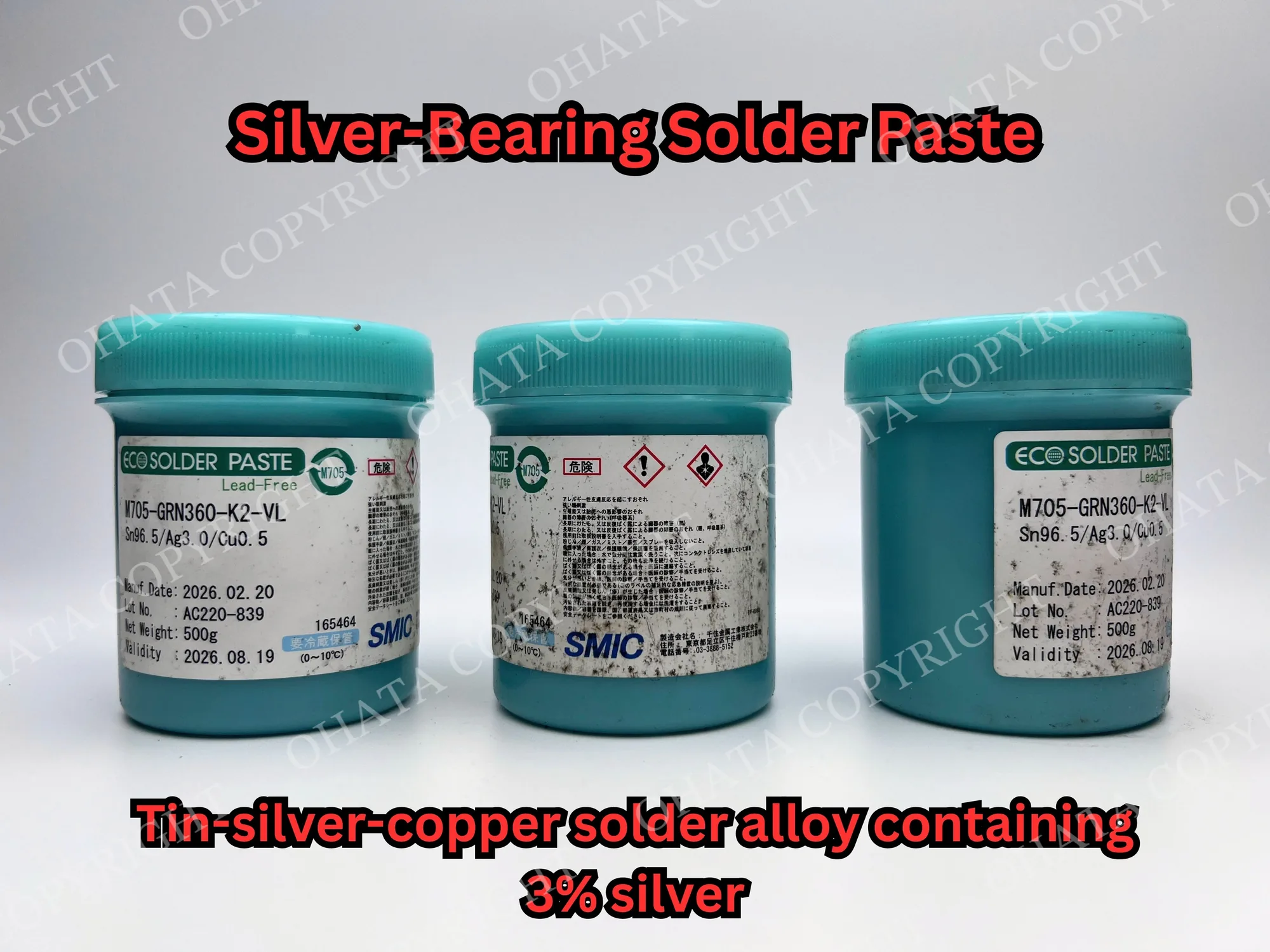
- Silver-bearing solder paste commonly contains tin (Sn), silver (Ag), and copper (Cu) metal powder mixed with flux.
- Used, unused, or expired solder paste may qualify because the material is evaluated for metal recovery rather than soldering performance.
- A sample or composition analysis may be required before final classification and purchasing value are determined.
Silver-Bearing Solder Paste Buying
Key Drop-off Introduction
Key Drop-off Introduction
- We purchase qualifying Silver-Bearing Solder Paste starting at 1 lb.
- This category is for cream or paste-form solder containing 3% silver (Ag) or more.
- Silver-bearing solder paste commonly contains tin (Sn), silver (Ag), and copper (Cu) metal powder mixed with flux.
- Used, unused, or expired solder paste may qualify because the material is evaluated for metal recovery rather than soldering performance.
- A sample or composition analysis may be required before final classification and purchasing value are determined.
Drop-off Details and Conditions
Silver-Bearing Solder Paste, also called cream solder, silver cream, or solder paste, is a paste-like material made from fine solder-alloy powder mixed with flux.
For this buying category, the material should contain 3% silver (Ag) or more. A common composition is approximately 3% silver, 0.5% copper, with the balance primarily tin, although other compositions may also be evaluated.
Common forms include:
Solder paste in jars or tubs
Syringes and cartridges
Partially used material
Unused or surplus solder paste
Expired solder paste
Recovered paste from manufacturing processes
Silver Content and Composition
The silver percentage is an important factor in purchasing value.
Common markings may include:
Ag 3%
Sn96.5Ag3Cu0.5
SAC305
Sn-Ag-CuOther alloy or composition markings
SAC305 is one common silver-bearing solder composition, but it is not the only material that may qualify for this category.
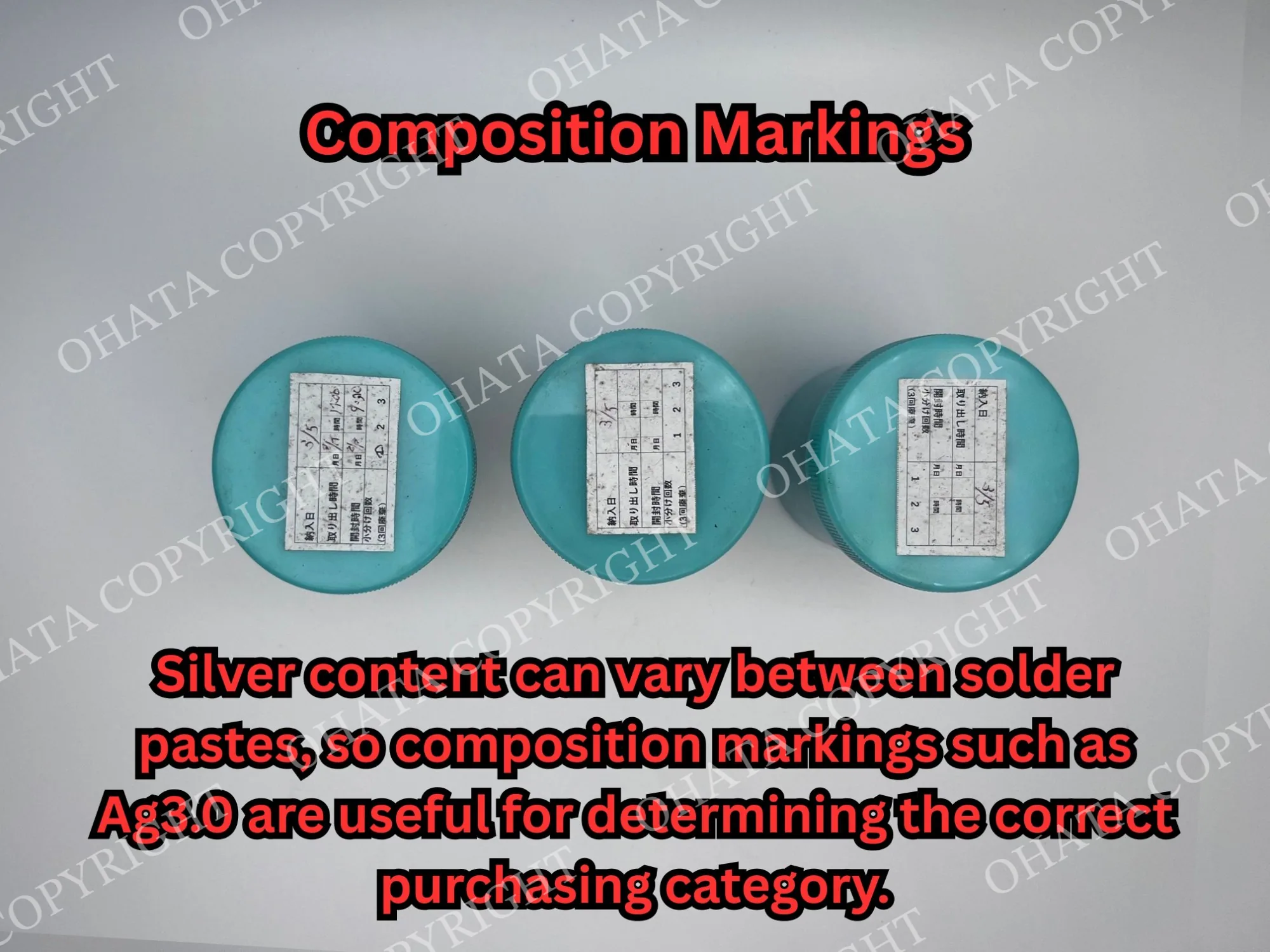
Material containing a lower or higher silver percentage may still be evaluated separately. For example, solder paste containing around 1% silver may still have recoverable value, but it may receive a different purchasing classification or value.
Because solder paste contains both metal powder and flux, the total product weight is not entirely recoverable metal.
Solder Paste and Solid Solder
Silver-bearing solder paste should be kept separate from solid solder when possible.
Material
Physical form
Relation to this category
Silver-Bearing Solder Paste
Metal-alloy powder mixed with flux in paste or cream form
This is the material covered by this buying page.
Silver-Bearing Solder Wire or Bar
Solid solder alloy
Separate solder classification
Non-Silver Solder Paste
Solder paste without qualifying silver content
May require a different classification
Even when the metal alloy is similar, paste and solid solder are evaluated differently because solder paste contains flux and other non-metal components.
Containers and Condition
Silver-bearing solder paste may be evaluated even if it is no longer in its original container, but unlabeled or previously transferred material may require additional sampling or composition analysis before classification. Keep any available original label, product information, or material records with the solder paste when possible, since this can help confirm the alloy and silver content.
Used or expired material may still qualify for recycling. Loss of usefulness for soldering does not automatically remove the recoverable metal value.
Containers, cartridges, jars, bags, and other packaging are not part of the solder itself and will be deducted as foreign or non-solder weight. Heavy contamination, material mixed with unrelated substances, or unidentified paste may require additional evaluation.
Do not mix silver-bearing solder paste with ordinary tin-lead solder, non-silver solder paste, solid solder, or unrelated chemical waste. If the composition is uncertain, a representative sample or composition analysis may be required to confirm silver content and the correct purchasing classification.
Final classification, acceptance, and purchasing value are confirmed after inspection under current buying requirements.
FAQ
- 1. What is Silver-Bearing Solder Paste?
- It is a paste-like solder material made from fine metal-alloy powder mixed with flux and containing silver as part of the alloy.
- 2. How much silver is required for this buying category?
- Material containing 3% silver or more may qualify for this category.
- 3. What is SAC305 solder paste?
- SAC305 is a common lead-free solder composition containing approximately 96.5% tin, 3% silver, and 0.5% copper.
- 4. Is SAC305 the only solder paste accepted in this category?
- No. Other silver-bearing solder pastes may also qualify depending on silver content and overall composition.
- 5. Can solder paste with less than 3% silver be accepted?
- It may still be evaluated, but a lower silver percentage can affect classification and purchasing value.
- 6. Can expired or previously used solder paste be accepted?
- It may qualify. Used, expired, or no-longer-usable solder paste can still contain recoverable metal.
- 7. Does solder paste need to be in its original container?
- Not necessarily. Material may still be evaluated if it has been transferred, but unlabeled material may require additional sampling or composition analysis.
- 8. Is silver-bearing solder paste the same as silver-bearing solder wire or bar?
- No. Paste contains flux and metal powder, while wire and bar are solid solder and may require a separate classification.
- 9. How can the composition be confirmed?
- Original labels, alloy markings, material records, a representative sample, or composition analysis may be used.
- 10. What if I do not know the silver percentage?
- Keep any available label or documentation with the material and bring it in for inspection. A sample or analysis may be required before final classification and purchasing value are determined.
Contact us by phone or email