

- We purchase qualifying Tungsten Heavy Alloy scrap starting at 1 lb.
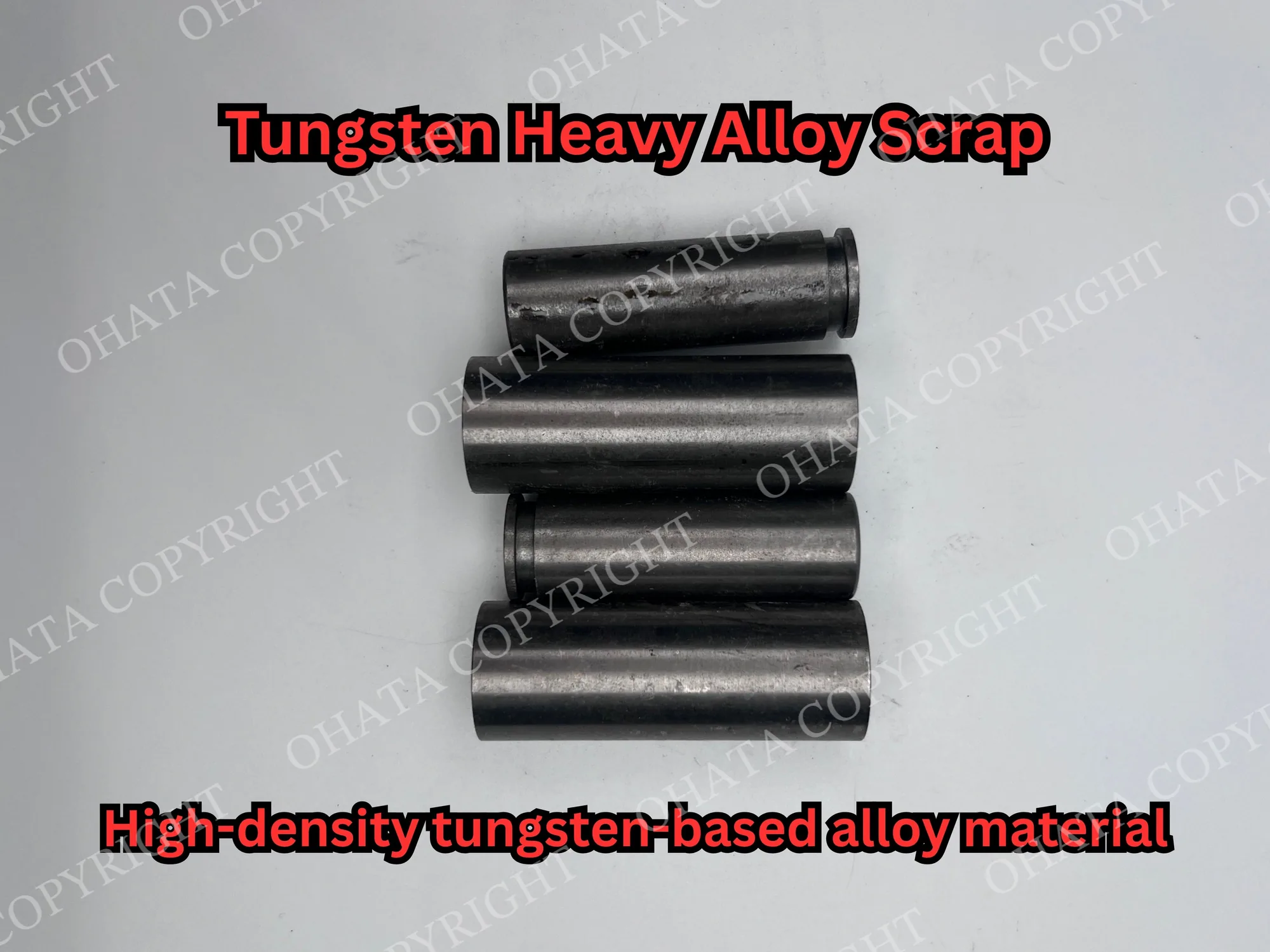
- Tungsten Heavy Alloy is a high-density tungsten-based alloy that commonly contains about 90% or more tungsten (W) with nickel (Ni), iron (Fe), copper (Cu), or other metals.
- It is also commonly called Heavy Alloy, Tungsten Heavy Alloy, Hevimet, or Heavy Metal.
- Tungsten Heavy Alloy is extremely dense, with a typical density of about 17–18.5 g/cm³.
- Tungsten Heavy Alloy should be kept separate from cemented carbide, pure tungsten, copper-tungsten, and other tungsten-based materials when the material type is known.
Tungsten Heavy Alloy Buying
Key Drop-off Introduction
Key Drop-off Introduction
- We purchase qualifying Tungsten Heavy Alloy scrap starting at 1 lb.
- Tungsten Heavy Alloy is a high-density tungsten-based alloy that commonly contains about 90% or more tungsten (W) with nickel (Ni), iron (Fe), copper (Cu), or other metals.
- It is also commonly called Heavy Alloy, Tungsten Heavy Alloy, Hevimet, or Heavy Metal.
- Tungsten Heavy Alloy is extremely dense, with a typical density of about 17–18.5 g/cm³.
- Tungsten Heavy Alloy should be kept separate from cemented carbide, pure tungsten, copper-tungsten, and other tungsten-based materials when the material type is known.
Drop-off Details and Conditions
Tungsten Heavy Alloy is a very dense tungsten-based alloy made primarily from tungsten with smaller amounts of metals such as nickel, iron, copper, and sometimes molybdenum.
Many grades contain around 90% or more tungsten, although exact composition varies by alloy. The high tungsten content gives the material its unusually high density.
Common forms include:
Counterweights and balance weights
Radiation-shielding components
Machine parts
Mold and die components
Vibration or balancing components
Dense industrial blocks and inserts
Used or surplus tungsten-alloy parts
Density and Identification
One of the most noticeable characteristics of Tungsten Heavy Alloy is its weight relative to its size.
Typical density is approximately 17–18.5 g/cm³, so even a relatively small piece can feel unusually heavy in the hand.
This can be a useful identification clue, but weight alone should not be used to make a final classification.
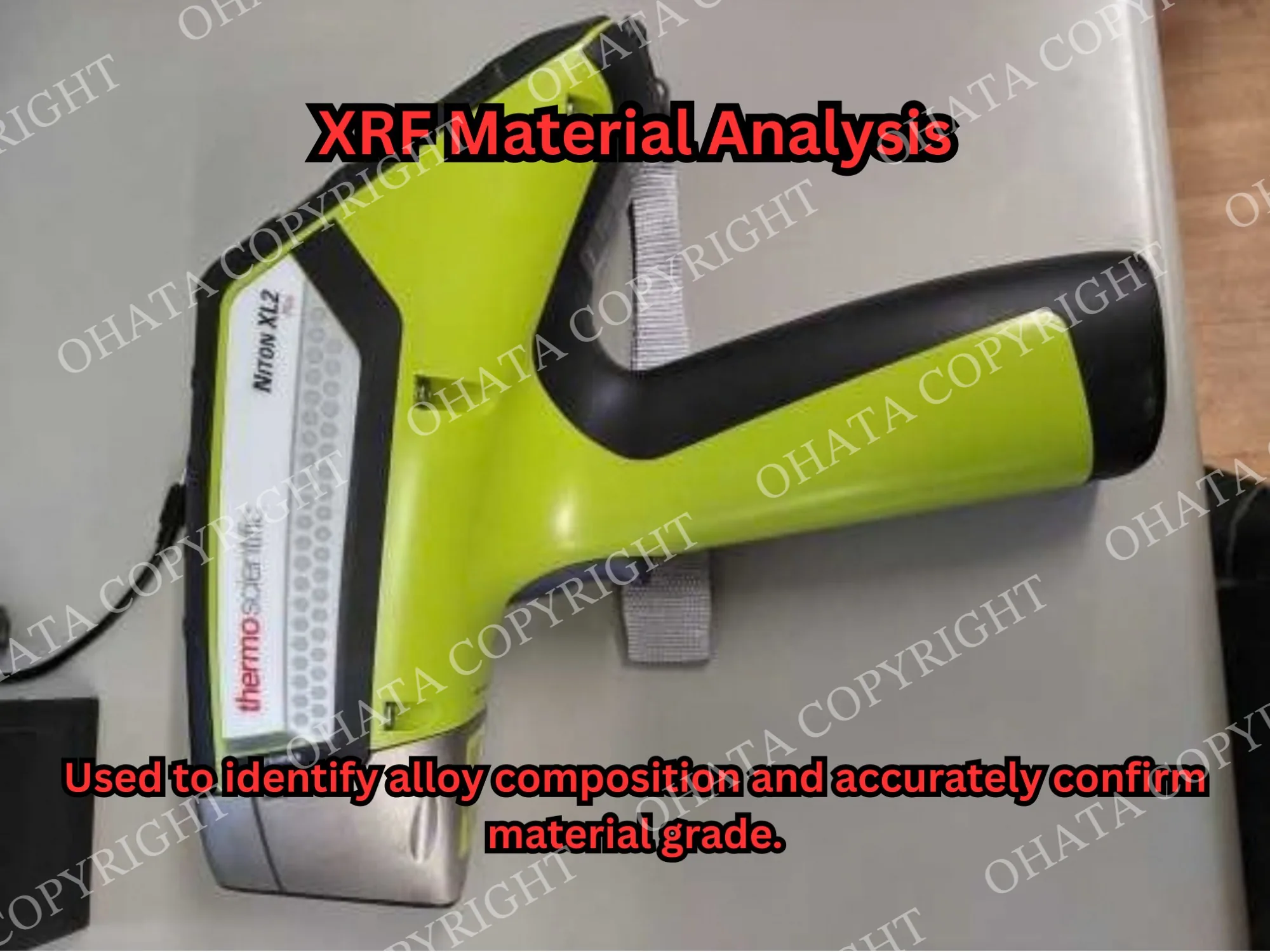
Known markings, material records, density measurements, or alloy analysis such as XRF may be used to help confirm the composition. Material analysis such as XRF can help identify intentional alloying elements and can be useful for separating CP Titanium from alloys containing elements such as aluminum or vanadium.
Tungsten Heavy Alloy and Similar Tungsten Materials
Several tungsten-containing materials can look similar but have very different compositions.
Material
General composition
Relation to this category
Tungsten Heavy Alloy
Usually about 90%+ tungsten with nickel, iron, copper, or similar metallic binders
This is the material covered by this buying page.
Cemented Carbide
Commonly tungsten carbide with cobalt or another binder
Separate special-metal category
Pure Tungsten
Primarily elemental tungsten
Separate tungsten category
Copper-Tungsten
Tungsten combined with a substantial amount of copper
Separate tungsten-alloy category
Tungsten Heavy Alloy should therefore not be classified simply as “tungsten” based on weight or appearance.
Common Uses
The combination of high density and mechanical strength makes Tungsten Heavy Alloy useful where a large amount of mass is needed in a relatively small space.
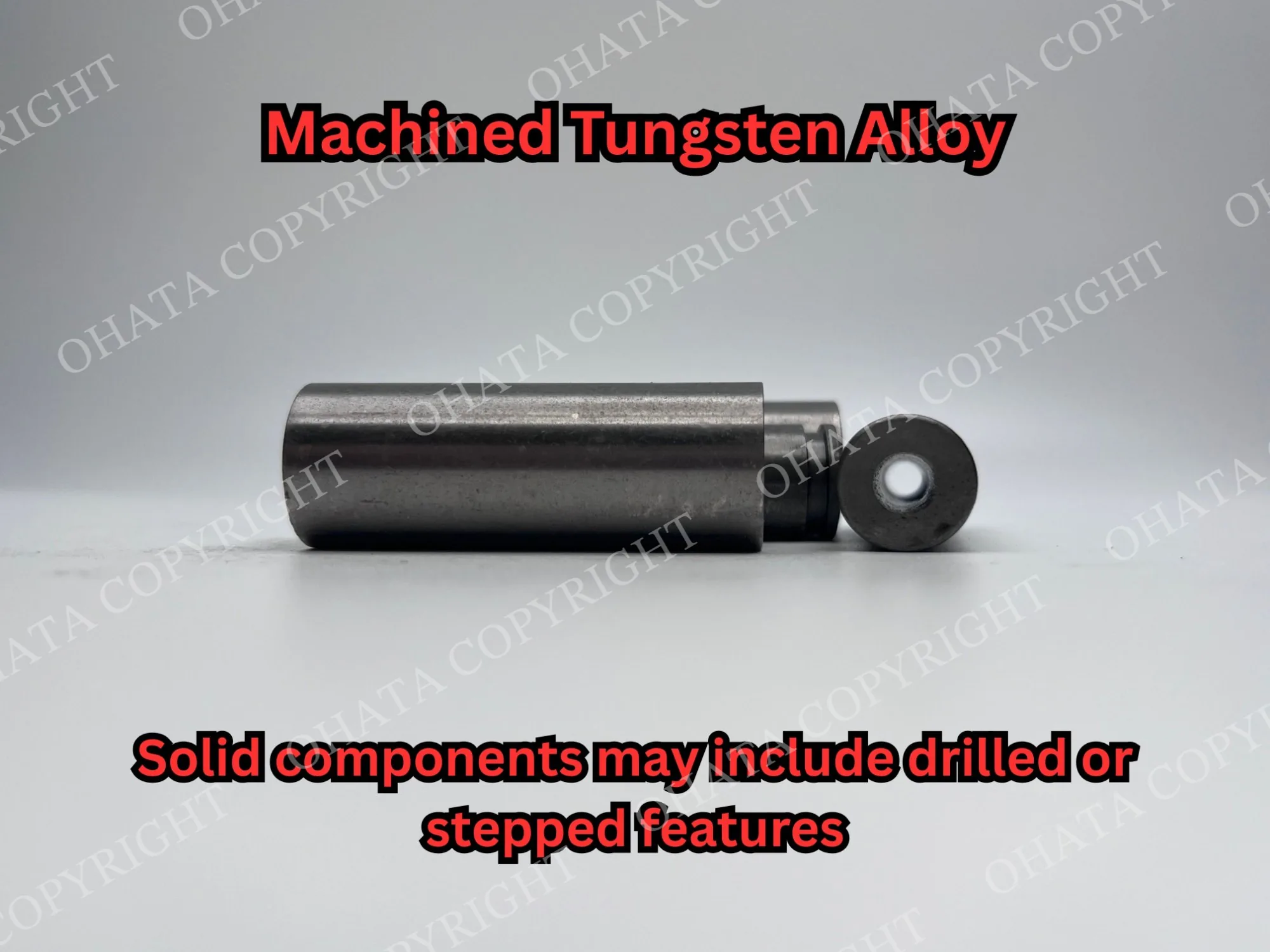
Common applications include:
Counterweights and balancing weights
Radiation shielding
Machine components
Mold and die components
Vibration weights
Industrial equipment requiring high-density parts
Its high density is also useful in applications where compact size and concentrated weight are important.
Condition and Sorting
Known Tungsten Heavy Alloy should be kept separate from cemented carbide, pure tungsten, copper-tungsten, HSS, cermet, and other specialty-metal scrap.
Attached steel, screws, coatings, plastic, rubber, or other foreign material may affect classification or purchasing value. Normal surface wear, oxidation, scratches, or machining marks do not automatically prevent acceptance. Heavy contamination or significant mixed material may require separate evaluation.
If the exact composition is uncertain, keep the material intact. Do not grind, cut, or alter dense tungsten-alloy parts solely for identification. Markings, known material records, a representative sample, density, or alloy analysis may be used to determine the correct classification.
Final classification, acceptance, and purchasing value are confirmed after inspection under current buying requirements.
FAQ
- 1. What is Tungsten Heavy Alloy?
- Tungsten Heavy Alloy is a high-density metal alloy made primarily from tungsten with smaller amounts of nickel, iron, copper, or other metals.
- 2. How much tungsten does Tungsten Heavy Alloy contain?
- Many grades contain around 90% or more tungsten, although exact composition varies.
- 3. Why is Tungsten Heavy Alloy so heavy?
- Tungsten has a very high density, and Tungsten Heavy Alloy typically has a density of about 17–18.5 g/cm³.
- 4. What other names are used for Tungsten Heavy Alloy?
- It may also be called Heavy Alloy, Tungsten Heavy Alloy, Hevimet, or Heavy Metal.
- 5. What forms of Tungsten Heavy Alloy scrap may qualify?
- Common examples include counterweights, radiation-shielding parts, machine components, balancing weights, mold parts, and other dense industrial components.
- 6. Is Tungsten Heavy Alloy the same as cemented carbide?
- No. Cemented carbide commonly contains tungsten carbide, while Tungsten Heavy Alloy is primarily metallic tungsten combined with metals such as nickel, iron, or copper.
- 7. Is Tungsten Heavy Alloy the same as pure tungsten?
- No. Pure tungsten is primarily elemental tungsten, while Tungsten Heavy Alloy contains substantial amounts of other metals.
- 8. Can I identify Tungsten Heavy Alloy by weight alone?
- Not reliably. High density is a useful clue, but other tungsten materials are also very heavy. Composition may need to be confirmed through markings, records, density testing, or alloy analysis.
- 9. Do attached steel or other materials affect purchasing value?
- They can. Steel attachments, coatings, plastic, rubber, and other foreign materials may affect classification or purchasing value.
- 10. What if I am not sure whether the material is Tungsten Heavy Alloy?
- Keep the material intact and bring it in for inspection. Markings, material records, a representative sample, density measurements, or alloy analysis may be used to determine the correct category.
Contact us by phone or email