

- We purchase qualifying Inconel 600 scrap starting at 1 lb.
- Inconel 600 is a nickel-chromium-iron alloy containing 72% or more nickel plus cobalt, approximately 14–17% chromium, and about 6–10% iron.
- Inconel 600 is commonly identified as UNS N06600 and W.Nr. 2.4816.
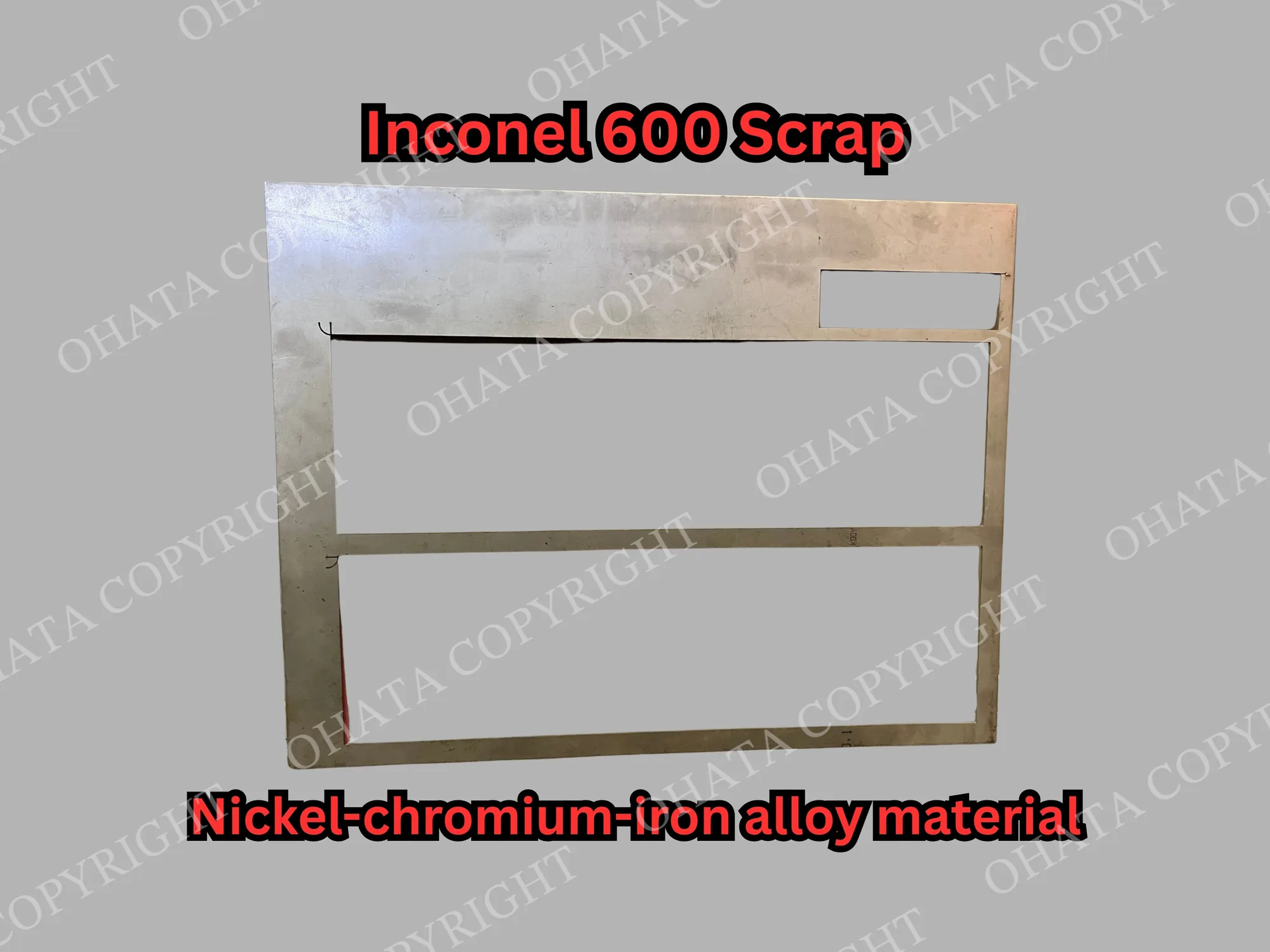
- Inconel 600 is generally silver-gray and difficult to distinguish visually from other nickel alloys.
- Known Inconel grades should be kept separate when possible.
Inconel 600 Buying
Key Drop-off Introduction
Key Drop-off Introduction
- We purchase qualifying Inconel 600 scrap starting at 1 lb.
- Inconel 600 is a nickel-chromium-iron alloy containing 72% or more nickel plus cobalt, approximately 14–17% chromium, and about 6–10% iron.
- Inconel 600 is commonly identified as UNS N06600 and W.Nr. 2.4816.
- Inconel 600 is generally silver-gray and difficult to distinguish visually from other nickel alloys.
- Known Inconel grades should be kept separate when possible.
Drop-off Details and Conditions
Inconel 600 is a nickel-chromium-iron alloy designed for corrosion resistance, oxidation resistance, and useful strength at elevated temperatures.
Its specified composition includes 72% or more nickel plus cobalt, 14–17% chromium, and approximately 6–10% iron. Smaller amounts of manganese, silicon, carbon, copper, sulfur, and other controlled elements may also be present.
Common forms include:
Plate and sheet
Pipe and tube
Rod and bar
Wire
Fittings and flanges
Fasteners
Heat-treatment components
Furnace and high-temperature parts
Chemical-processing equipment parts
Other machined industrial components
Identification and Markings
Inconel 600 is generally silver-gray, and appearance alone is not enough to reliably identify it. Different Inconel grades, stainless steel, and other nickel-based alloys can look very similar.
Common markings may include:
INCONEL 600
ALLOY 600
600
N06600
2.4816
The main differences between Inconel grades are in their chemical composition. Accurate classification may require clear grade markings, known material records, a representative sample, or alloy analysis such as XRF.
Inconel 600 is generally non-magnetic or only weakly magnetic at room temperature, but magnetic response can vary depending on condition and cold work. A magnet should not be used as the only identification method.
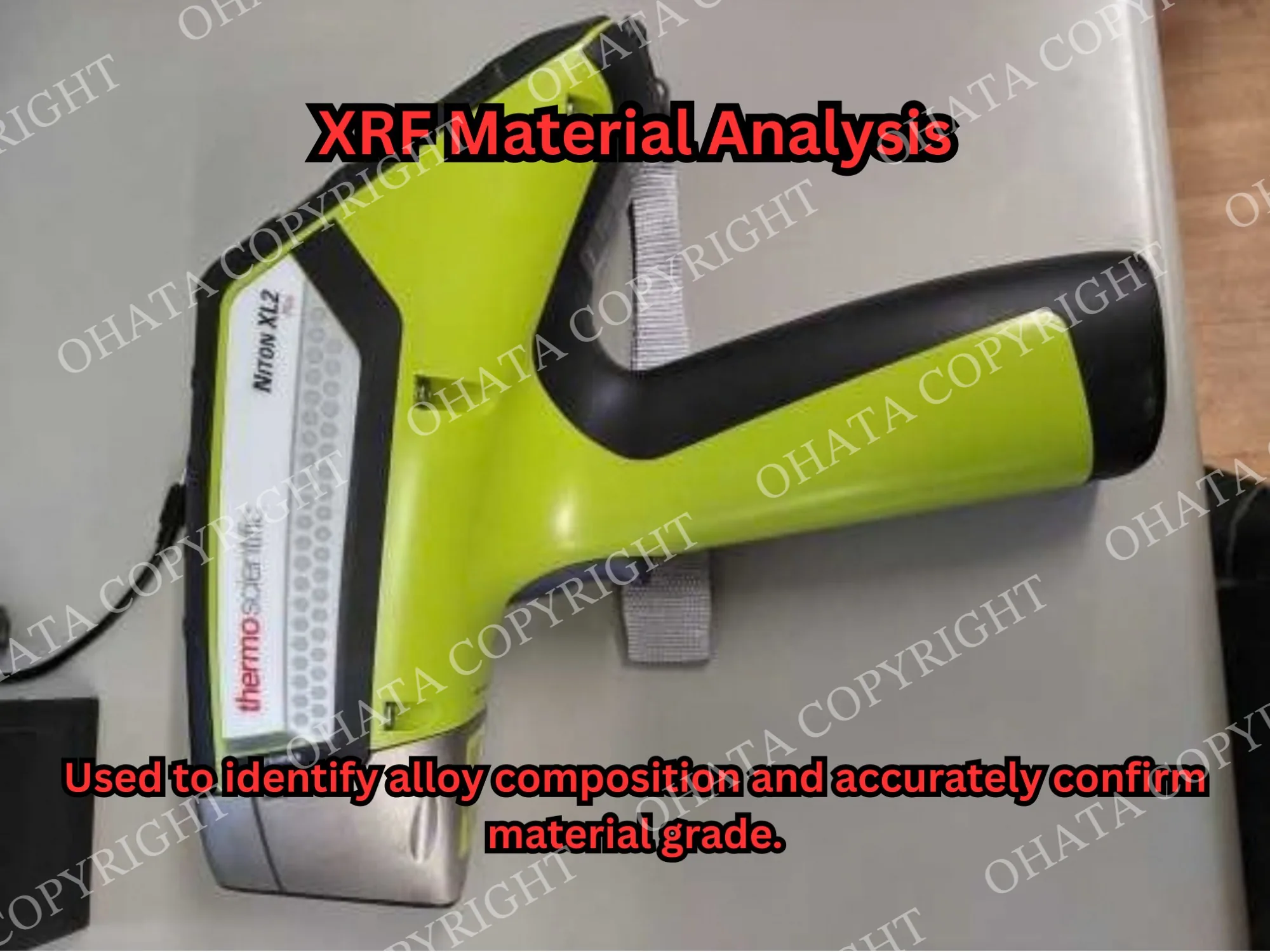
XRF alloy analysis can help identify major alloying elements such as nickel, chromium, iron, molybdenum, and niobium, which can help distinguish Inconel 600 from visually similar nickel alloys.
Inconel 600 and Other Inconel Grades
Inconel refers to a family of nickel-based alloys rather than one single composition. This buying page is specifically for Inconel 600.
Grade
Main composition characteristics
Relation to this category
Inconel 600
Ni + Co ≥72%, Cr 14–17%, Fe about 6–10%
This is the material covered by this buying page.
Inconel 601
Lower nickel, higher chromium, with aluminum
Separate Inconel grade
Inconel 625
Nickel-chromium alloy with significant molybdenum and niobium
Separate Inconel grade
Inconel 718
Nickel-chromium alloy containing niobium, molybdenum, titanium, and aluminum
Separate Inconel grade
Inconel X-750
Nickel-chromium alloy containing titanium, aluminum, and niobium
Separate Inconel grade
These grades can look nearly identical but have different alloy compositions and may receive different purchasing classifications. Known grades should therefore be kept separate.
Common Uses
Inconel 600 is used where heat resistance, oxidation resistance, and corrosion resistance are important.
Common applications include:
Furnaces and heat-treatment equipment
Chemical-processing equipment
Power-generation components
High-temperature piping and tubing
Industrial heating equipment
Aerospace and other high-temperature components
Condition and Sorting
Known Inconel 600 should be kept separate from other Inconel grades, stainless steel, pure nickel, Hastelloy, Monel, and other nickel-based alloys.
Attached steel, insulation, coatings, oil, welding residue, or other foreign material may affect classification or purchasing value.
Normal oxidation, discoloration, scratches, or industrial wear do not automatically prevent acceptance. Heavy contamination or significant mixed material may require separate evaluation.
If the exact alloy is uncertain, keep the material intact. Do not rely on appearance or magnet response alone. Markings, material records, a representative sample, or XRF alloy analysis may be used to help confirm the composition.
Final classification, acceptance, and purchasing value are confirmed after inspection under current buying requirements.
FAQ
- 1. What is Inconel 600?
- Inconel 600 is a nickel-chromium-iron alloy used for corrosion-resistant and high-temperature industrial applications.
- 2. What is Inconel 600 made from?
- It contains 72% or more nickel plus cobalt, approximately 14–17% chromium, and about 6–10% iron.
- 3. What are the common identification numbers for Inconel 600?
- Inconel 600 is commonly identified as UNS N06600 and W.Nr. 2.4816.
- 4. What forms of Inconel 600 scrap may qualify?
- Common forms include plate, sheet, pipe, tube, rod, bar, wire, fittings, fasteners, and other industrial components.
- 5. Can Inconel 600 be identified by appearance alone?
- Not reliably. Different nickel-based alloys can have nearly identical silver-gray appearances.
- 6. Can I use a magnet to identify Inconel 600?
- Not reliably. Inconel 600 is generally non-magnetic or only weakly magnetic at room temperature, but magnetic response can vary depending on condition and cold work.
- 7. How is Inconel 600 different from other Inconel grades?
- The main difference is chemical composition. Other grades contain different amounts of nickel, chromium, iron, molybdenum, niobium, titanium, aluminum, and other elements.
- 8. Can XRF be used to identify Inconel 600?
- XRF alloy analysis can help measure major alloying elements and distinguish Inconel 600 from many visually similar nickel alloys.
- 9. Does oil or surface oxidation affect acceptance?
- Normal oxidation or discoloration does not automatically prevent acceptance. Oil, heavy contamination, or attached foreign material may affect classification or purchasing value.
- 10. What if I do not know which Inconel grade I have?
- Keep the material intact and separate from known grades when possible. Markings, material records, a representative sample, or alloy analysis may be used to determine the correct classification.
Contact us by phone or email