

- We purchase qualifying Zirconium scrap starting at 1 lb.
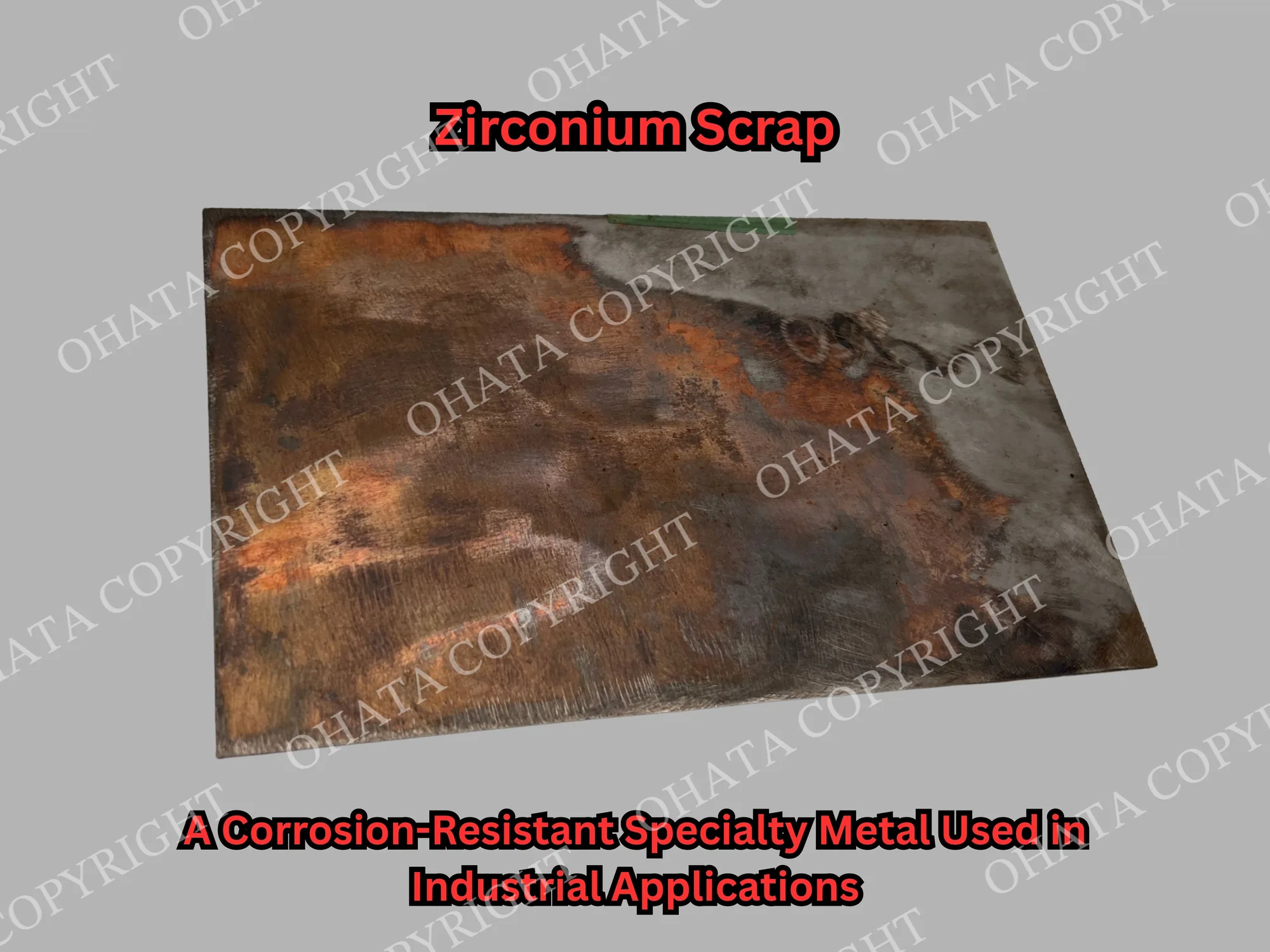
- Zirconium is a silver-gray metal valued for its strong corrosion resistance and performance in demanding chemical and high-temperature applications.
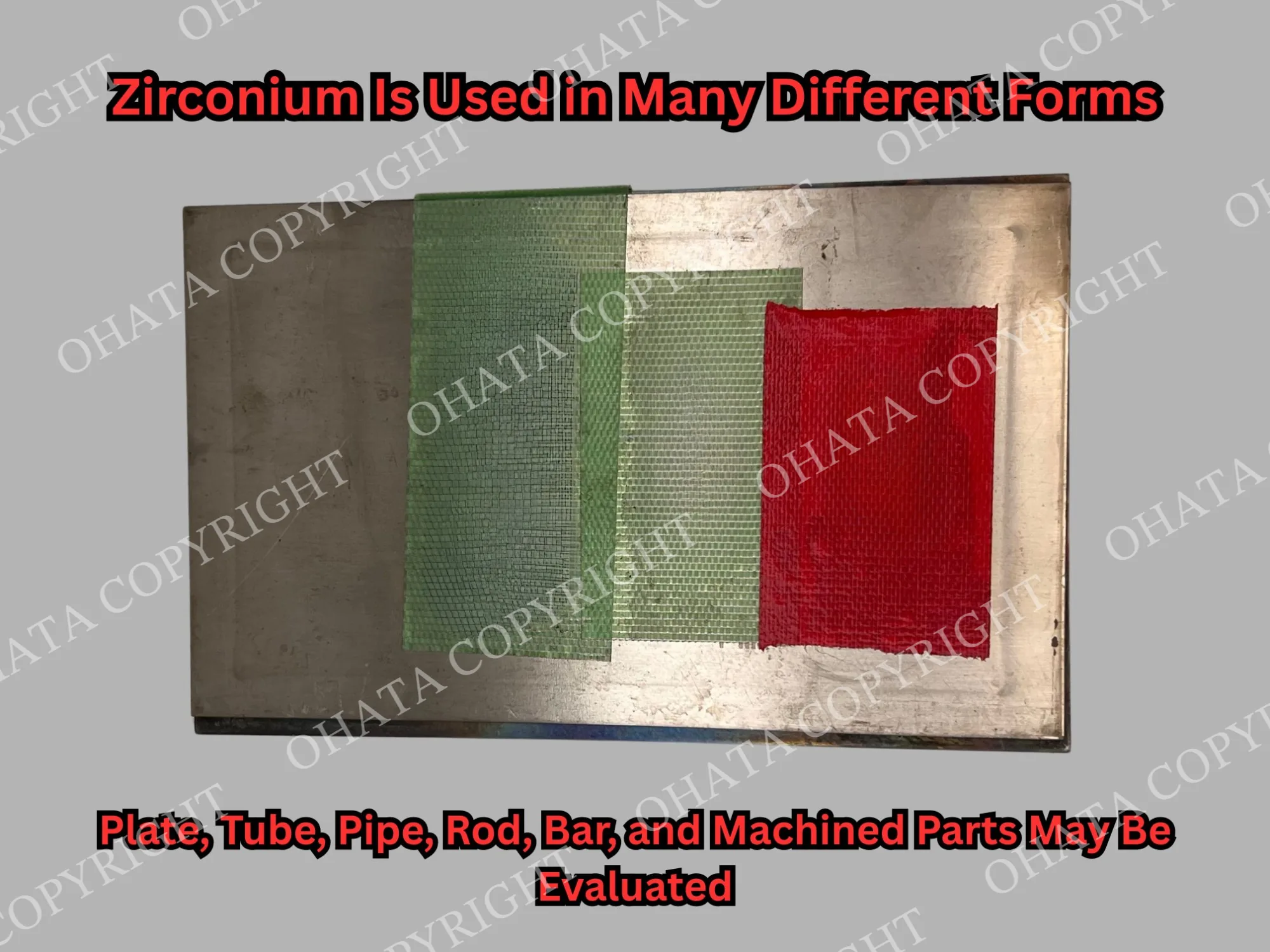
- Zirconium scrap may include plate, sheet, tube, pipe, rod, bar, fittings, machined parts, and offcuts.
- Different zirconium alloys exist, but qualifying material is handled under this Zirconium buying category.
- Material composition may need to be confirmed during inspection, especially when markings or material records are unavailable.
- Keep zirconium separate from other metals, ceramics, and mixed or unidentified materials when practical.
- Attached steel, coatings, insulation, oil, or other foreign material may affect classification or purchasing value.
Zirconium Buying
Key Drop-off Introduction
Key Drop-off Introduction
- We purchase qualifying Zirconium scrap starting at 1 lb.
- Zirconium is a silver-gray metal valued for its strong corrosion resistance and performance in demanding chemical and high-temperature applications.
- Zirconium scrap may include plate, sheet, tube, pipe, rod, bar, fittings, machined parts, and offcuts.
- Different zirconium alloys exist, but qualifying material is handled under this Zirconium buying category.
- Material composition may need to be confirmed during inspection, especially when markings or material records are unavailable.
- Keep zirconium separate from other metals, ceramics, and mixed or unidentified materials when practical.
- Attached steel, coatings, insulation, oil, or other foreign material may affect classification or purchasing value.
Drop-off Details and Conditions
Zirconium is a metallic element with the symbol Zr and atomic number 40. In solid metal form it has a silver-gray appearance and is known for developing a thin, protective oxide layer that gives it excellent resistance to corrosion.
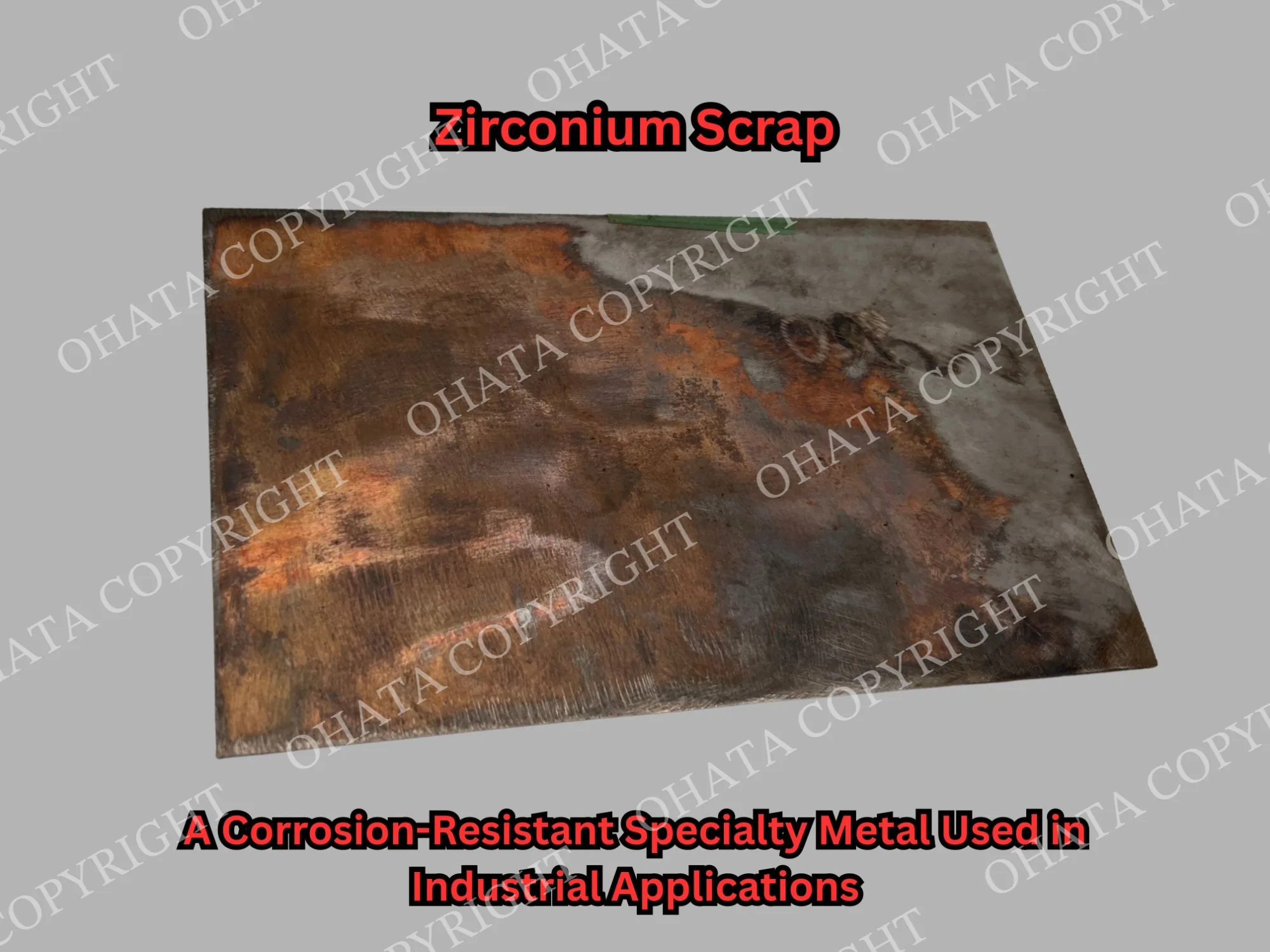
Because of these properties, zirconium metal and zirconium alloys are used in equipment that must withstand demanding operating conditions.
Where Zirconium Is Used
Zirconium is particularly useful in chemical-processing equipment because it can resist many corrosive environments. Industrial applications include:
Heat exchangers
Process piping
Pumps and valves
Reactor vessels
Columns and other chemical-processing equipment
Specialized tubing and fabricated components
Nuclear fuel cladding and related zirconium-alloy components
Zirconium-based alloys are also widely associated with nuclear fuel cladding because of their corrosion resistance and nuclear properties.
The equipment source can provide a useful identification clue, but where a part came from does not confirm its composition by itself.
Appearance and Identification
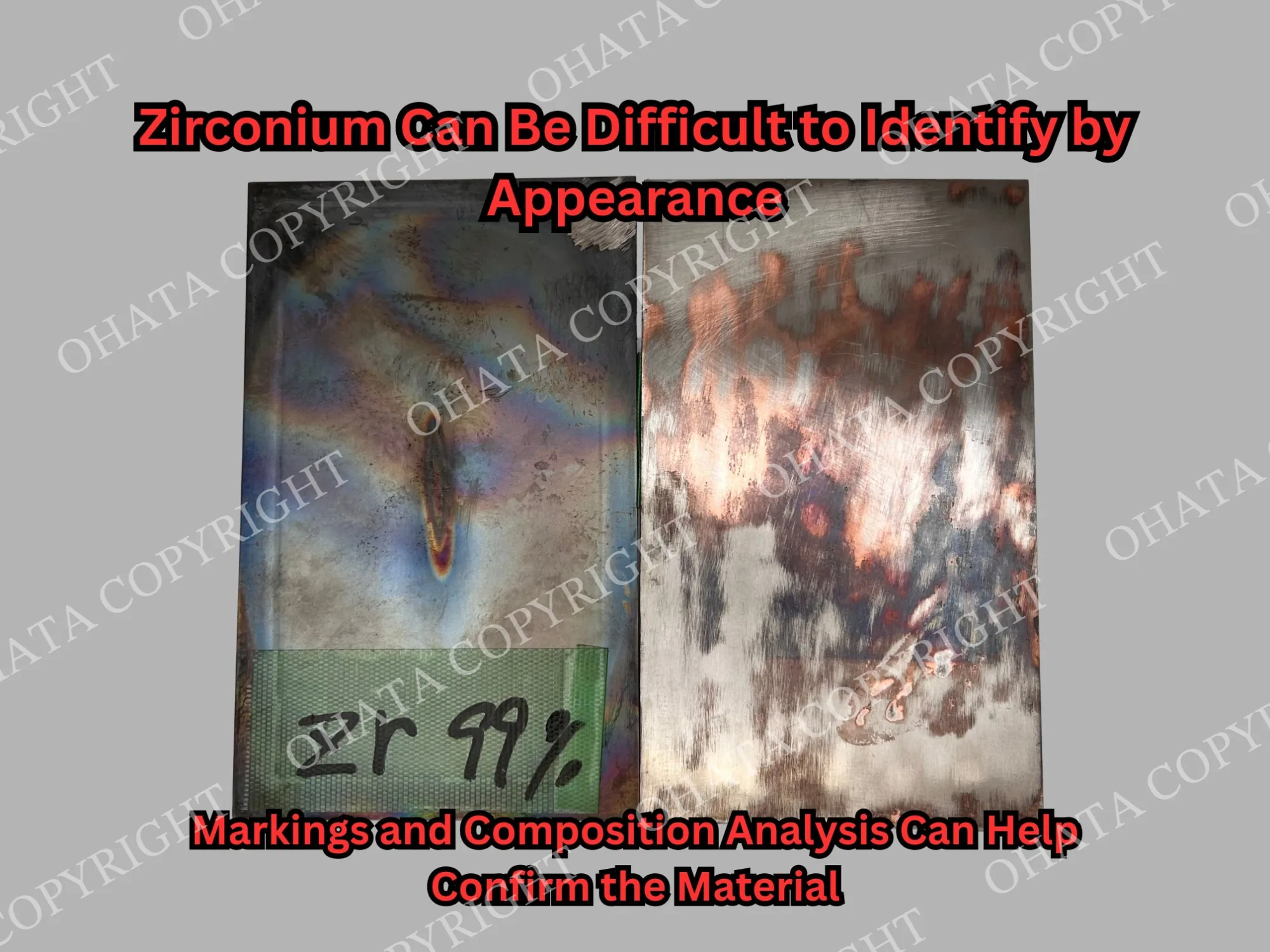
Solid zirconium is generally silver-gray metallic, which means it can resemble titanium, stainless steel, and some nickel alloys.
Appearance alone is therefore not enough to identify zirconium reliably.
Useful identification information may include:
Zr or zirconium markings
Alloy or material specifications
Mill certificates or material records
Known equipment source
Composition analysis during inspection
Common commercial zirconium materials include grades such as Zirconium 702 and Zirconium 705, but customers do not need to determine the exact grade before bringing material in. These are examples of zirconium alloys rather than separate buying categories for this page.
Zirconium Metal Is Not Zirconia
The names can be confusing, but zirconium metal and zirconia are not the same material.
Material
What it is
Relation to this category
Zirconium
Metallic element, Zr
Qualifying zirconium metal may be accepted
Zirconia
Zirconium dioxide, ZrO₂
Ceramic material; not zirconium metal
Cubic Zirconia
Crystalline zirconium dioxide
Synthetic gemstone material; not zirconium metal
Zircon
Zirconium silicate mineral
Mineral; not zirconium metal
Zirconia is used in products such as technical ceramics, dental materials, cutting components, and other wear-resistant applications. Even though zirconia contains zirconium chemically, it is a ceramic compound rather than metallic zirconium.
Condition and Sorting
Used zirconium components may still be evaluated when they show normal oxidation, discoloration, scratches, machining marks, or service wear.
Keep known zirconium separate from titanium, stainless steel, nickel alloys, and other similar-looking metals when practical.
Attachments such as steel fasteners, insulation, coatings, rubber, oil, or other foreign material can affect purchasing value because the full weight may not be zirconium.
There is no need to grind, cut, or otherwise modify uncertain material simply to identify it. If the composition is unknown, bring the material in its existing condition for inspection.
Zirconium Turnings, Fines, and Dust
The physical form of zirconium matters for safe handling.
Solid zirconium pieces are much more difficult to ignite than finely divided zirconium. Fine turnings, shavings, powder, and dust have much more exposed surface area and can present a significantly greater fire hazard. Zirconium dust dispersed in air can also create a combustible-dust hazard.
Do not intentionally grind, crush, or create zirconium dust for identification or recycling. Keep machining scrap away from sparks, flames, and unnecessary heat, and keep it separate from unrelated metal fines.
What Can Affect Purchasing Value
Purchasing value may be affected by:
Actual zirconium composition
Mixed alloys or metals
Attached steel or other components
Coatings and insulation
Oil or processing residue
Amount of foreign material
Whether the material can be confidently identified
Final classification, acceptance, and purchasing value are confirmed after inspection under current buying requirements.
FAQ
- 1. What is zirconium?
- Zirconium is a metallic element, symbol Zr, known for excellent corrosion resistance and use in specialized industrial equipment.
- 2. What does zirconium look like?
- Zirconium metal is generally silver-gray. It can resemble titanium, stainless steel, or other specialty metals, so appearance alone is not a reliable identification method.
- 3. Where is zirconium commonly found?
- It can be found in chemical-processing equipment, piping, heat exchangers, pumps, valves, fabricated industrial components, and zirconium-alloy nuclear applications.
- 4. Is zirconium the same as zirconia?
- No. Zirconium is a metal, while zirconia is zirconium dioxide, a hard ceramic material.
- 5. Is cubic zirconia zirconium scrap?
- No. Cubic zirconia is a crystalline form of zirconium dioxide used as a synthetic gemstone. It is not metallic zirconium.
- 6. Is zirconium magnetic?
- Zirconium is not strongly magnetic and normally will not show noticeable attraction to a common magnet. However, magnet response alone cannot confirm that a material is zirconium, so markings, material records, or composition analysis may still be needed.
- 7. Can used or oxidized zirconium qualify?
- Normal oxidation, discoloration, scratches, and service wear do not automatically disqualify zirconium. Composition and foreign material are more important for classification.
- 8. Are zirconium turnings accepted the same way as solid pieces?
- Turnings and other machining scrap require more careful handling because fine zirconium material can be much easier to ignite than solid metal. Material form and condition will be considered during inspection.
- 9. Should I grind the surface to check whether it is zirconium?
- No. Do not grind or create metal dust solely for identification. Markings, material records, equipment source, and composition analysis are safer and more useful.
- 10. What if I do not know whether my material is zirconium?
- Try basic sorting using markings, appearance, equipment source, and any available material records. If you are still unsure, bring the material to us and we can help identify and classify it during inspection
Contact us by phone or email