
ohata.ai
Ohata Resource Canada Inc.

RAM-D (Blank or Very Low-Density RAM) Grade buying scrap price

Back to PC Parts price list
RAM-D (Blank or Very Low-Density RAM)  Grade
Updated: Aug 04,2026

2.50 CAD / lb

The Price is buying by Yard of Richmond, BC, Canada.

Key Buying Introduction

Key Buying Introduction

  1. We purchase RAM-D Grade memory modules from a minimum quantity of 1 lb, including blank RAM and very low-density RAM that meet the Ohata RAM Classification System.

  2. RAM-D is determined by the module's original physical construction and recoverable material content, not by memory capacity, manufacturer, or operating condition.

  3. This category primarily includes complete memory modules that contain few or no memory ICs, resulting in lower recoverable precious metal content than standard RAM grades.

  4. Properly separating RAM-D from RAM-A, RAM-B, RAM-C, and server memory helps improve inspection efficiency and allows each category to be evaluated independently.

  5. Electronic scrap prices may change without notice. Final classification and purchasing prices are confirmed after physical inspection according to the current Ohata RAM Classification System.
Buying Details of Conditions

Learn more about RAM Scrap Classification


RAM-D (Blank or Very Low-Density RAM) Grade

Why Does Some RAM Have Almost No Memory Chips

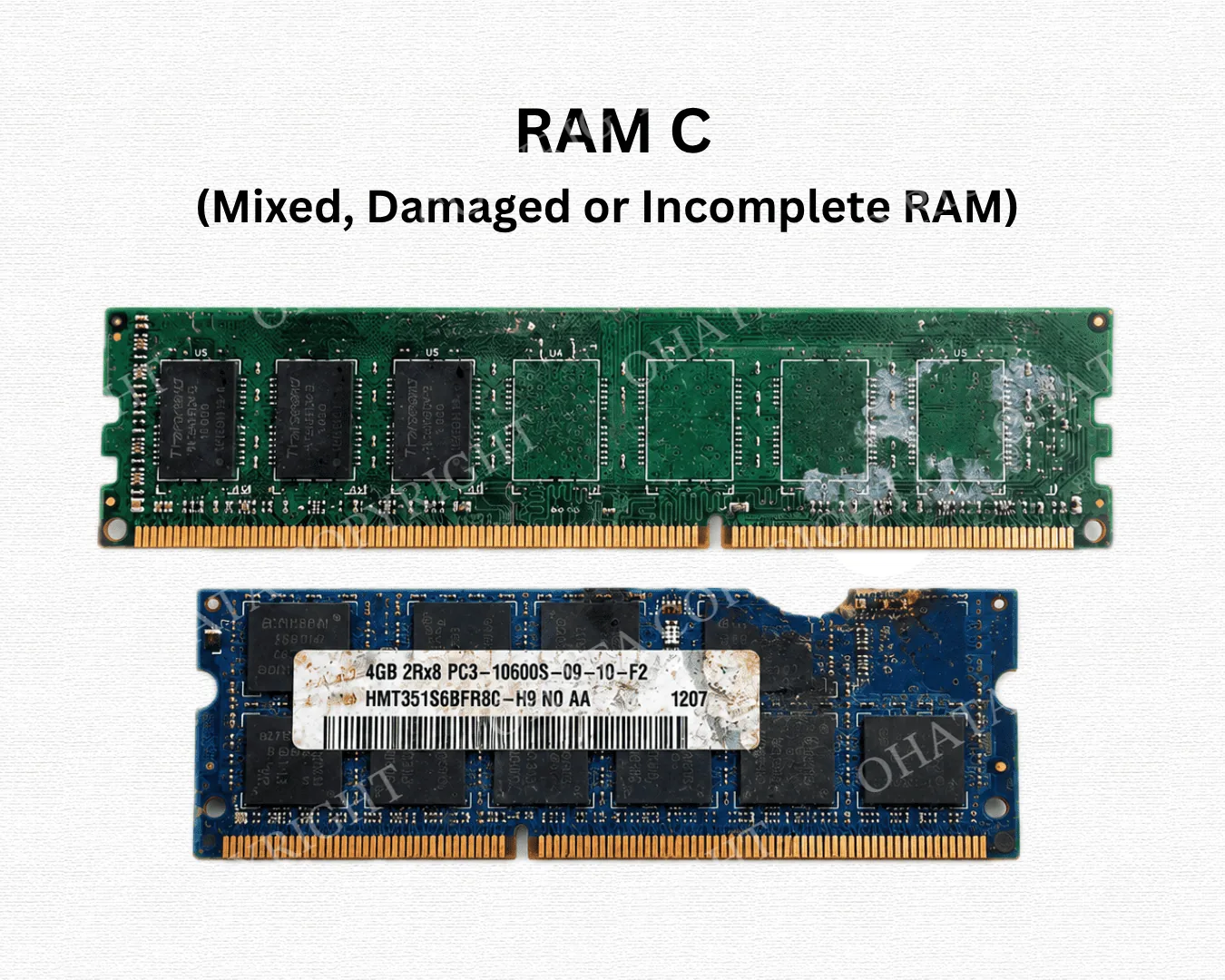
RAM-D is the lowest standard memory category within the Ohata RAM Classification System. Unlike RAM-C, which is assigned because a module has been damaged, contaminated, or is missing components, RAM-D is assigned because of the module's original design and recoverable material profile.
Most RAM-D modules remain physically complete and can still be easily recognized as memory modules. However, they contain significantly fewer electronic components than standard desktop or laptop RAM.

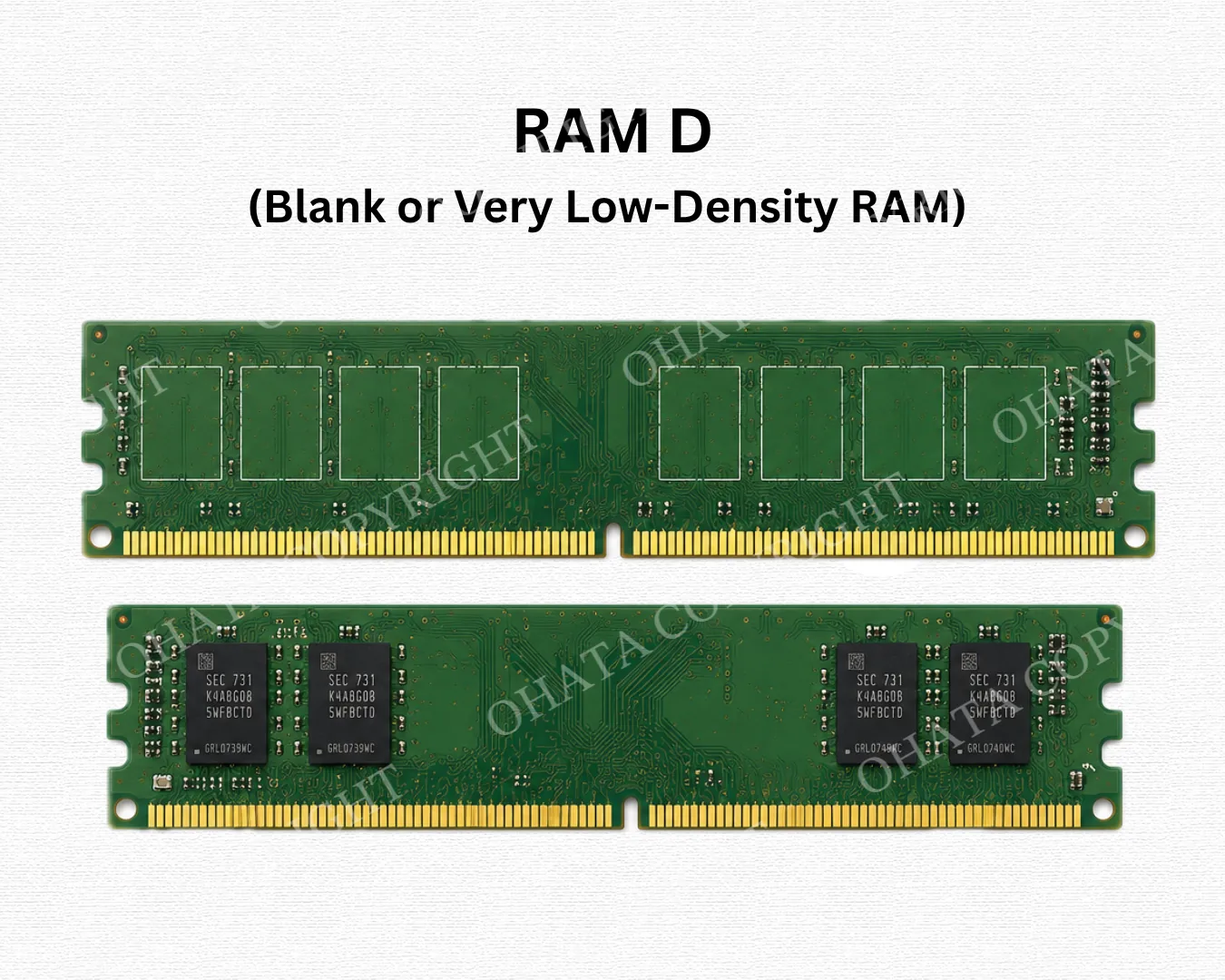
Typical RAM-D examples include blank RAM, very low-density memory modules, dummy modules, and certain manufacturing or testing modules. These products may have gold-plated edge connectors and an intact printed circuit board (PCB), but their overall component density is considerably lower than RAM-A, RAM-B, or RAM-S.

RAM-D is determined by physical construction rather than memory capacity, DDR generation, operating speed, or manufacturer.


Visual Identification Guide

RAM-D modules can usually be identified through visual inspection of the PCB and component layout. Instead of looking for damage, inspectors evaluate how the module was originally manufactured.

Blank RAM

Blank RAM modules have the appearance of standard memory but contain no memory ICs or only placeholder components. These modules are commonly used for demonstration, manufacturing, equipment testing, or non-functional applications rather than data storage.

Very Low-Density RAM

Very low-density RAM modules contain only a small number of memory ICs compared with standard desktop or laptop memory. Large empty areas on the PCB are often visible, making these modules easy to distinguish from higher-grade RAM.

Common Identification Features

Typical RAM-D characteristics include:

  • Gold-plated edge connectors

  • Original printed circuit board

  • Very few or no memory ICs

  • Low overall component density

  • Complete module construction

  • Standard desktop DIMM or laptop SO-DIMM form factor

Final classification is always confirmed through physical inspection rather than by manufacturer, model number, or memory capacity.


Why RAM-D Has Lower Recycling Value

The recycling value of a memory module depends largely on the quantity of recoverable electronic materials it contains.

Compared with standard RAM, RAM-D generally contains:

  • Fewer memory ICs

  • Less copper

  • Less silicon

  • Less recoverable precious metal

  • Lower overall component density

For this reason, RAM-D is evaluated separately from higher-density memory modules.

Its lower buying value reflects the original design of the product rather than its age or condition.


Where Is RAM-D Commonly Found

RAM-D modules are commonly recovered from:

  • Computer and electronics manufacturers

  • Electronic assembly facilities

  • Production testing and quality control departments

  • Computer repair shops

  • Component distributors

  • Educational laboratories

  • Manufacturing surplus inventories

  • Electronic recycling operations

These modules are frequently generated during manufacturing or inventory management rather than normal computer upgrades.


How Does RAM-D Compare with Other RAM Grades

Grade

Main Difference

RAM-A

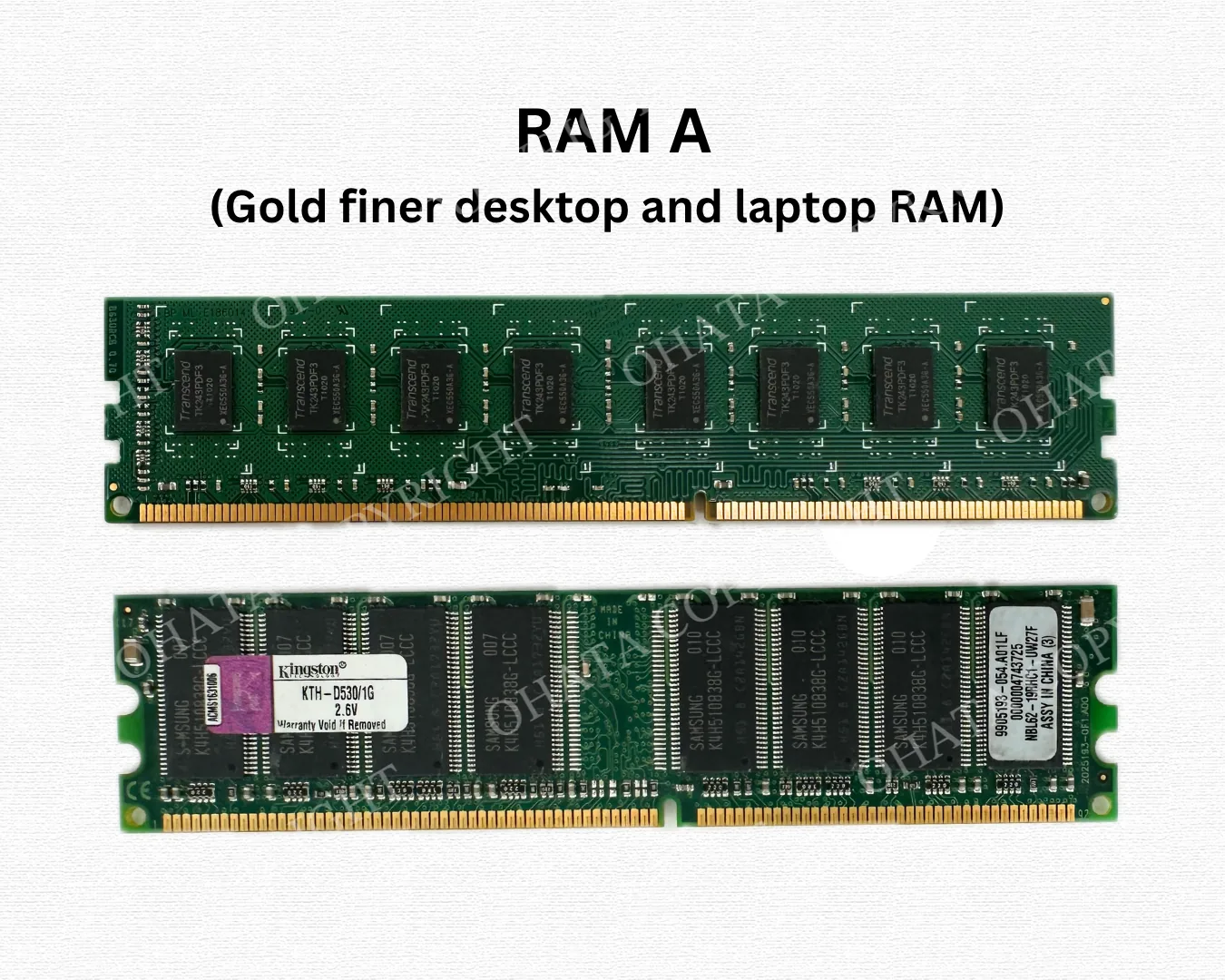
Standard consumer memory

RAM-B

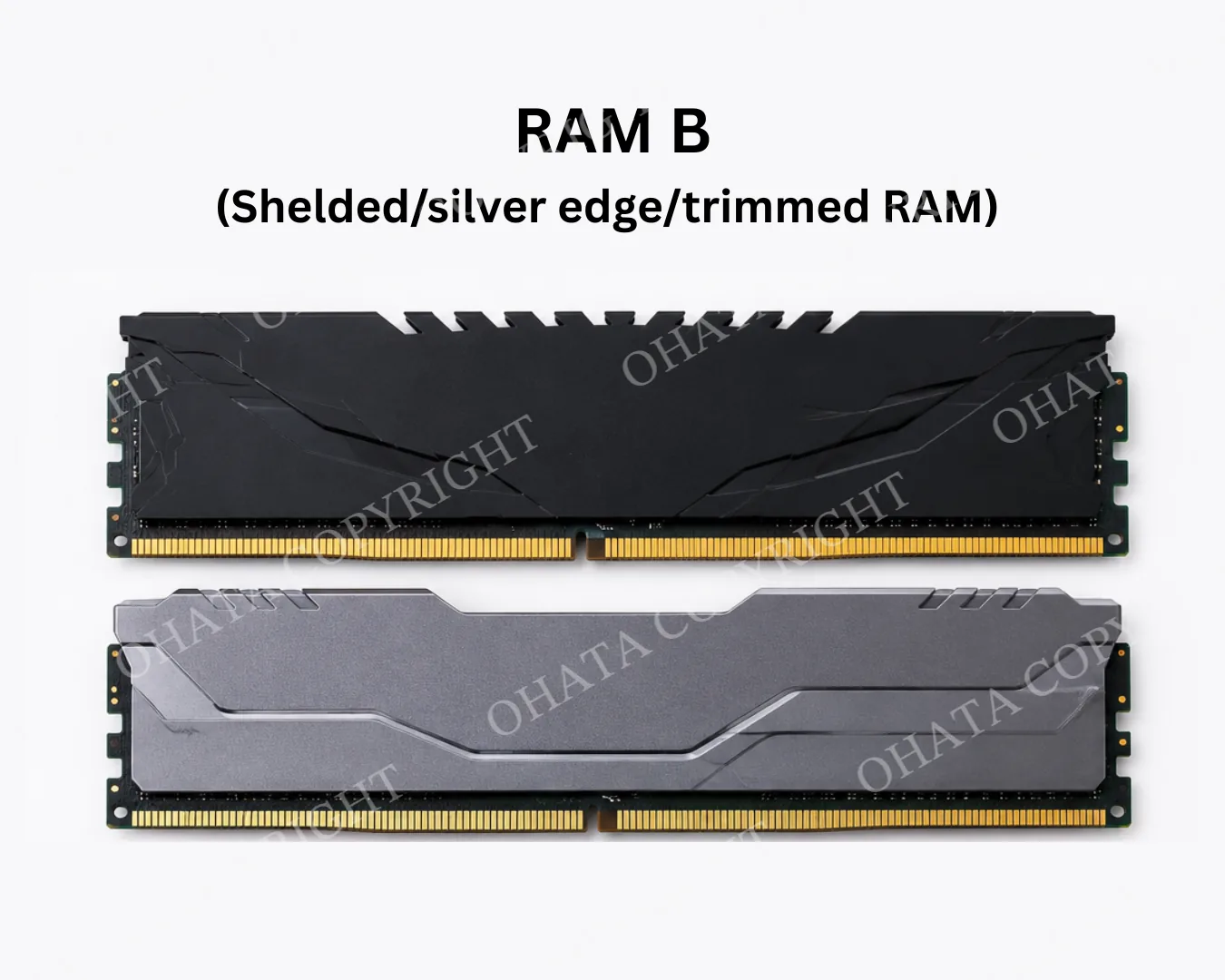
Memory with heat spreaders

RAM-C

Memory downgraded because of damage

RAM-S

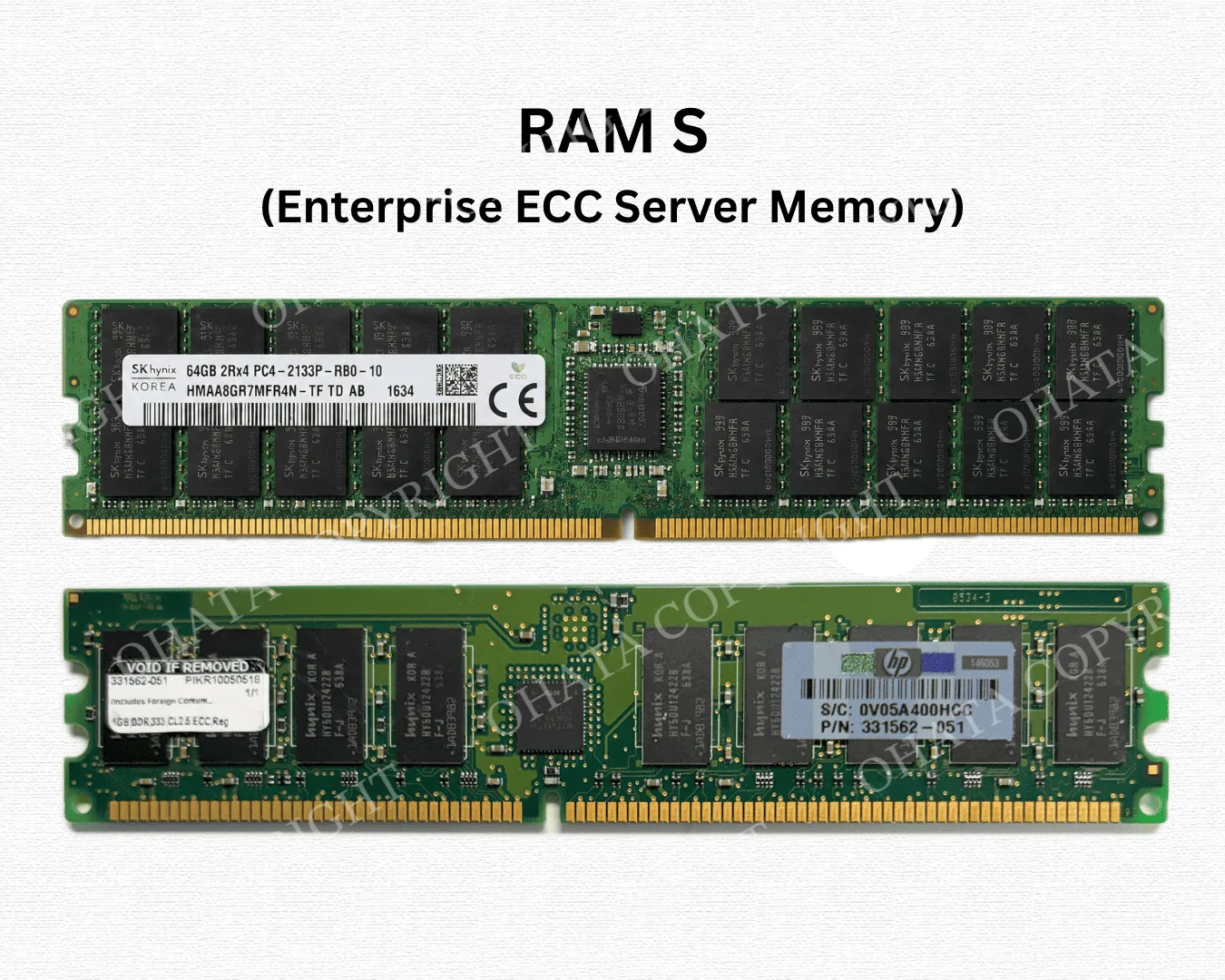
Enterprise server memory

RAM-D

Originally manufactured with very few components

RAM-D is unique because it is classified according to its original construction rather than damage or specialty hardware.


How Should You Prepare RAM-D Before Selling

Preparing RAM-D before delivery helps simplify inspection.

Recommended preparation includes:

  • Keep modules complete.

  • Do not remove the remaining components.

  • Separate RAM-D from other RAM grades.

  • Keep modules clean and dry.

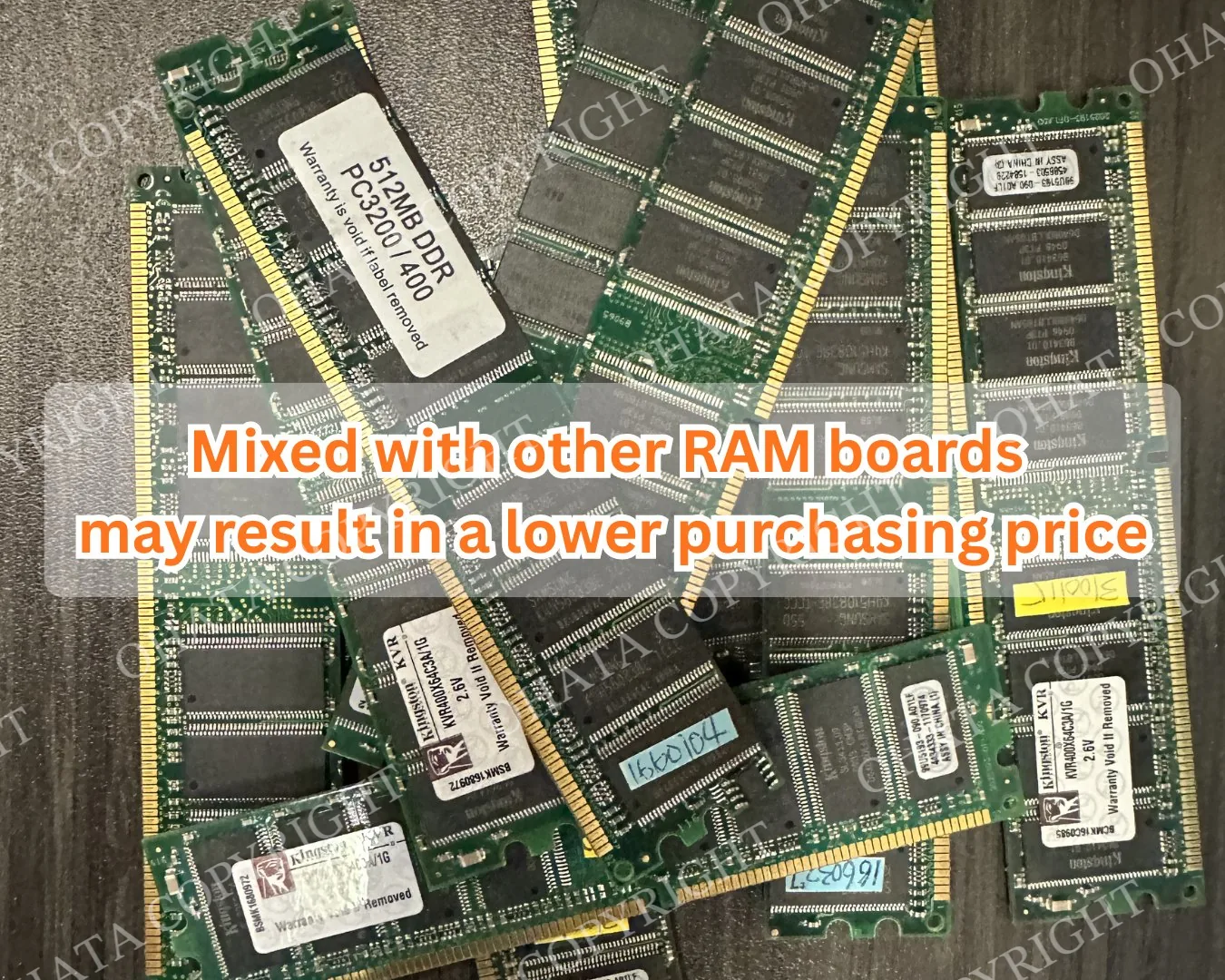
  • Avoid mixing RAM with CPUs or loose electronic components.

Mixed with other RAM boards may result in a lower purchasing price.

Proper sorting helps inspectors confirm the correct classification more efficiently.


How Does Ohata Confirm RAM-D

Every shipment is individually inspected before pricing is confirmed.

Inspectors evaluate:

  • Original module construction

  • Component density

  • PCB design

  • Module completeness

  • Physical condition

  • Sorting quality

  • Quantity submitted

One of the most important inspection steps is determining whether the module was originally manufactured with very low component density or whether components were removed after use.

Modules that originally contained more memory chips but have become incomplete are generally evaluated as RAM-C rather than RAM-D.


Sell Blank RAM in Richmond, BC

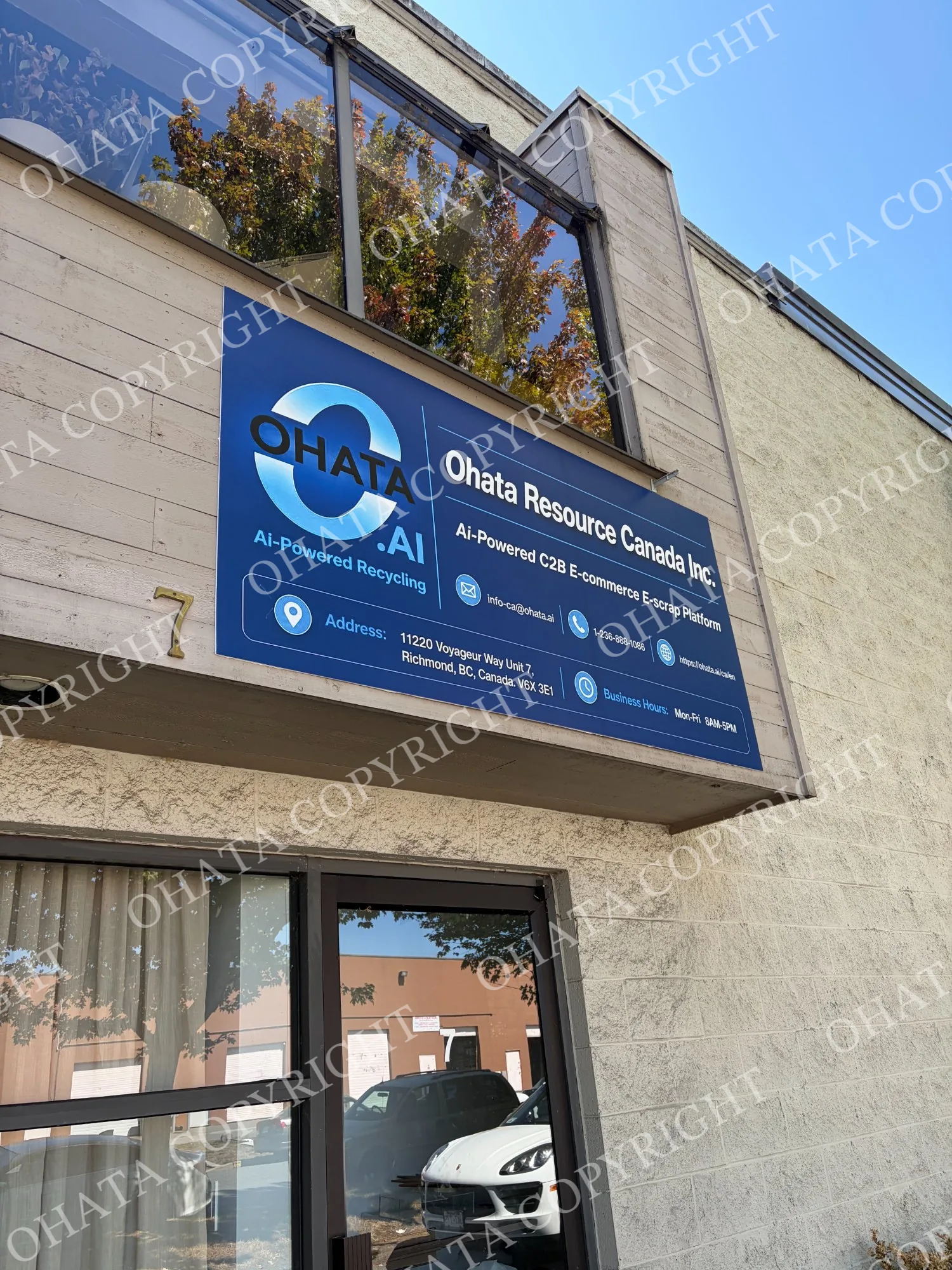
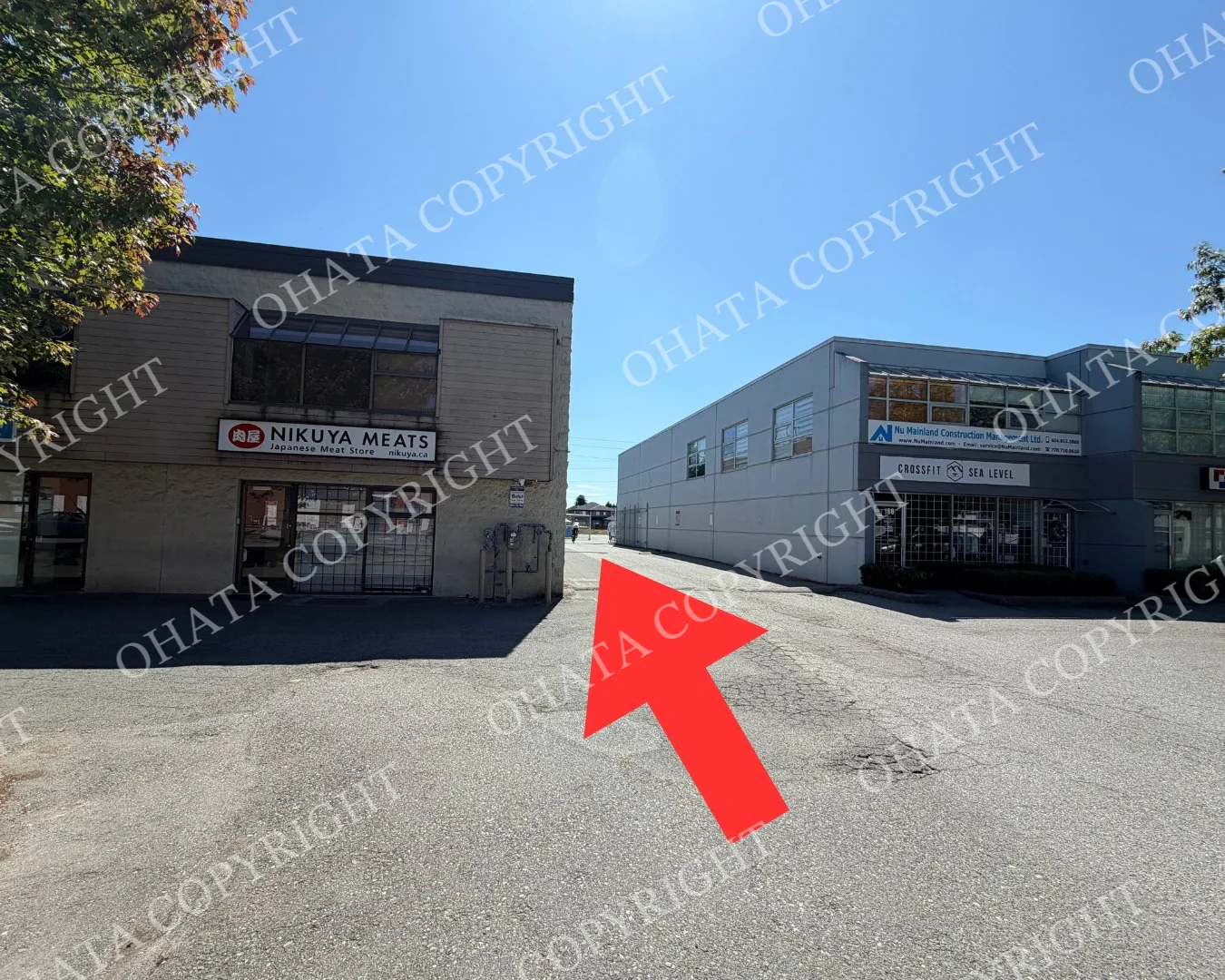
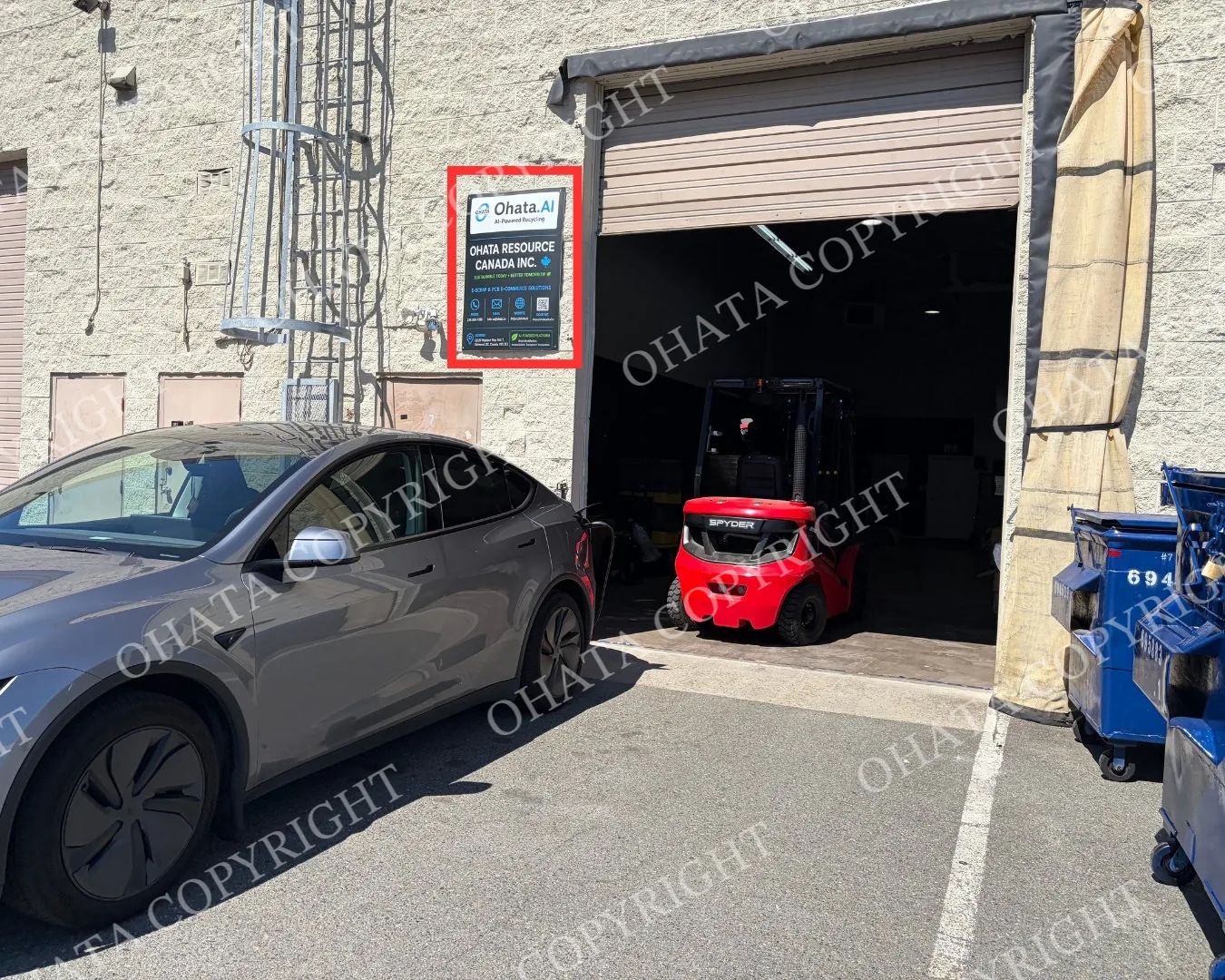
Ohata Resource Canada purchases blank and very low-density RAM (RAM-D Grade) at our Richmond, British Columbia yard.

Whether your memory modules come from manufacturing, inventory surplus, computer repair, electronics recycling, or production testing, our inspection team evaluates every shipment according to the Ohata RAM Classification System.
  • Walk-in customers are welcome.

  • Minimum purchasing quantity: 1 lb.

  • We proudly serve customers throughout Metro Vancouver.

Electronic scrap prices and buying conditions may change without prior notice. Final purchasing prices are confirmed after inspection.

FAQ
1. What is today’s price for RAM-D (Blank or Very Low-Density RAM) Grade buying?
As of Aug 04,2026, Ohata Resource Canada Inc., (Richmond, BC, Canada) is purchasing RAM-D (Blank or Very Low-Density RAM) Grade buying at 2.50 (CAD/lb). We provide competitive scrap prices in Delta, Surrey, Richmond, and across the Greater Vancouver area.
2. What is RAM-D Grade?
RAM-D is the lowest standard memory category in the Ohata RAM Classification System. It primarily includes blank RAM, very low-density RAM, and other complete memory modules with limited recoverable material content.
3. What are blank RAM and very low-density RAM?
Blank RAM has the physical appearance of a standard memory module but contains few or no functional memory ICs. These modules are commonly used for manufacturing, testing, demonstration, or other non-functional purposes. Very low-density RAM contains significantly fewer memory chips than standard desktop or laptop memory modules. Because these modules contain fewer electronic components, they generally have lower recoverable material value and are classified separately from standard RAM grades.
4. Is RAM-D considered damaged RAM?
No. RAM-D is usually complete and intact. Unlike RAM-C, which is classified because of damage or missing components, RAM-D is classified according to its original construction and low component density.
5. Why does RAM-D have a lower buying value?
RAM-D modules contain fewer memory ICs and less recoverable precious metal than standard RAM modules. The lower buying value reflects the module's original design rather than its physical condition.
6. How can I tell whether my RAM is RAM-D or RAM-A?
Standard RAM-A modules normally contain multiple memory ICs covering much of the PCB. RAM-D modules typically have very few memory chips or none at all. When classification is uncertain, Ohata confirms the final grade through physical inspection.
7. Do you purchase dummy or training memory modules?
Yes. Dummy memory modules, training modules, and similar low-density products may qualify as RAM-D depending on their physical construction and recoverable material profile.
8. Do missing memory chips make a module RAM-D?
Not necessarily. If a standard memory module originally contained more memory chips but some have been removed or broken off, it is generally evaluated as RAM-C, not RAM-D. RAM-D is intended for modules that were originally manufactured with very low component density.
9. What is Ohata Resource Canada Inc.?
Ohata Resource Canada Inc. is a Green-Tech E-Commerce company specializing in the purchase, classification, and recycling of electronic scrap throughout Canada. Through the Ohata.ai platform, individuals and businesses can sell electronic materials while supporting responsible resource recovery and the circular economy.
10. What role does AI play in the Ohata.ai platform?
Ohata.ai uses AI to assist with electronic material identification, customer inquiries, and digital valuation tools. AI helps improve efficiency, but final RAM classification, inspection, and purchasing prices are always confirmed by trained Ohata inspectors through physical inspection.
11. Can I sell other electronic scrap together with RAM?
Yes. In addition to RAM modules, Ohata Resource Canada purchases CPUs, computer motherboards, server boards, hard drive controller boards, networking equipment, graphics cards, telecommunications equipment, and many other types of electronic scrap. Mixed shipments are accepted and sorted before final pricing is determined.
12. How and when will I receive payment for my electronic scrap?
After your shipment has been received, inspected, and verified, Ohata Resource Canada issues payment using your selected payment method. We support Interac e-Transfer and direct deposit (EFT) for eligible transactions. Interac e-Transfer payments are typically sent within 24 hours after material verification, while direct deposit (EFT) payments are generally processed within 1 to 2 business days, depending on your financial institution.

Related Items

Browse all PC Parts items
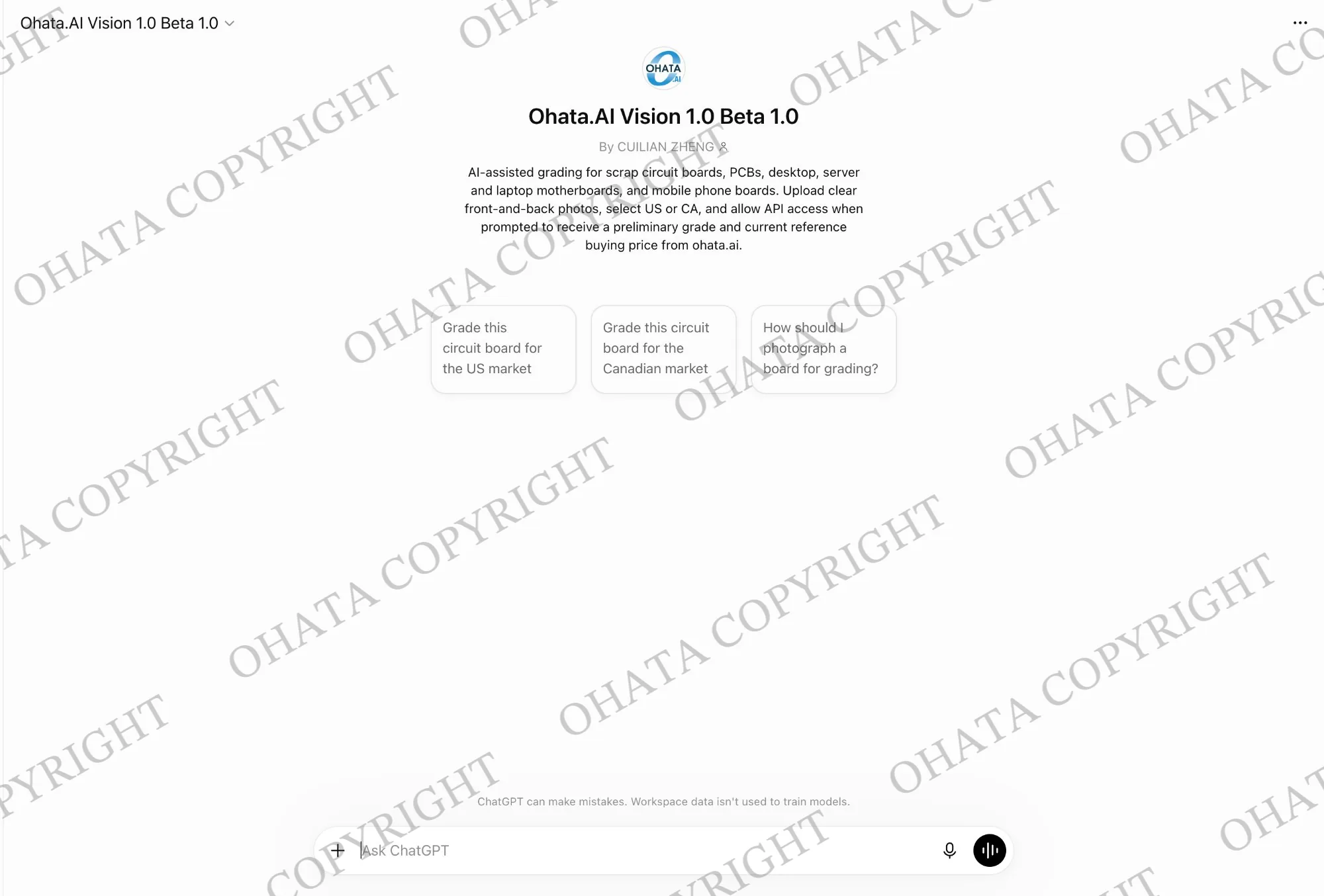
AI Scrap Grading Ohata.AI Vision 1.0 Beta 1.0 Upload board photos for grade and reference price