

- We purchase qualifying Neodymium Magnet scrap starting at 1 lb.
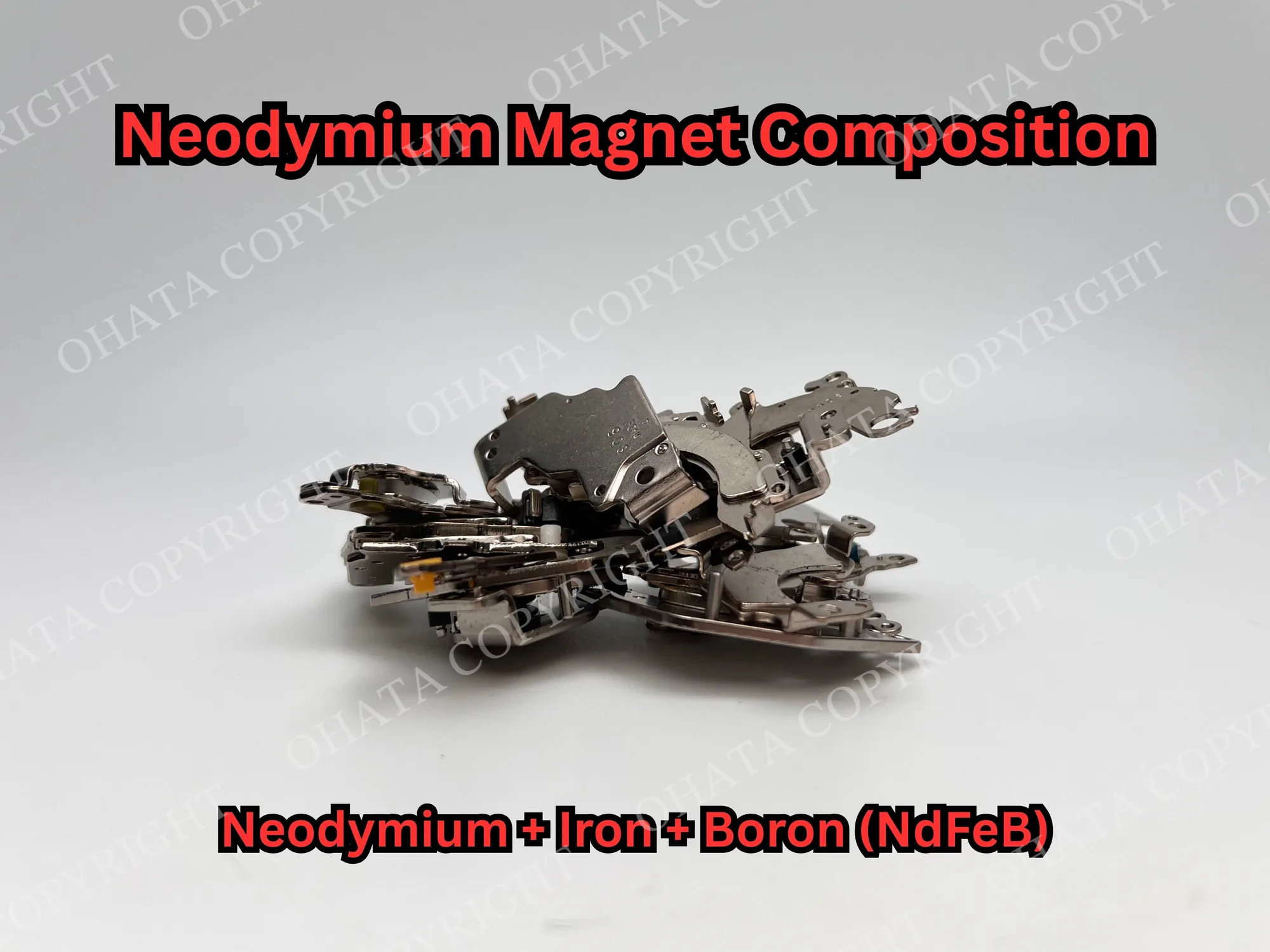
- Neodymium magnets are powerful rare-earth permanent magnets primarily based on neodymium (Nd), iron (Fe), and boron (B), commonly called NdFeB magnets.
- This category includes qualifying neodymium magnets and neodymium magnet-containing components removed from hard disk drives (HDDs).
- HDD neodymium magnets may remain attached to their steel backing plates for inspection.
- Common ferrite magnets used in many household, stationery, and general-purpose products do not qualify for this category.
- Neodymium magnets are extremely strong and brittle, so careful handling is required.
Neodymium Buying scrap price
Key Buying Introduction
Key Buying Introduction
- We purchase qualifying Neodymium Magnet scrap starting at 1 lb.
- Neodymium magnets are powerful rare-earth permanent magnets primarily based on neodymium (Nd), iron (Fe), and boron (B), commonly called NdFeB magnets.
- This category includes qualifying neodymium magnets and neodymium magnet-containing components removed from hard disk drives (HDDs).
- HDD neodymium magnets may remain attached to their steel backing plates for inspection.
- Common ferrite magnets used in many household, stationery, and general-purpose products do not qualify for this category.
- Neodymium magnets are extremely strong and brittle, so careful handling is required.
Buying Details of Conditions
Learn more about: Punched or Bent Hard Disk Drives
Introduction, Construction, Components, and Recycling Value
Neodymium magnets, commonly called NdFeB magnets, are rare-earth permanent magnets based mainly on neodymium, iron, and boron. Their principal magnetic phase is commonly represented as Nd₂Fe₁₄B.
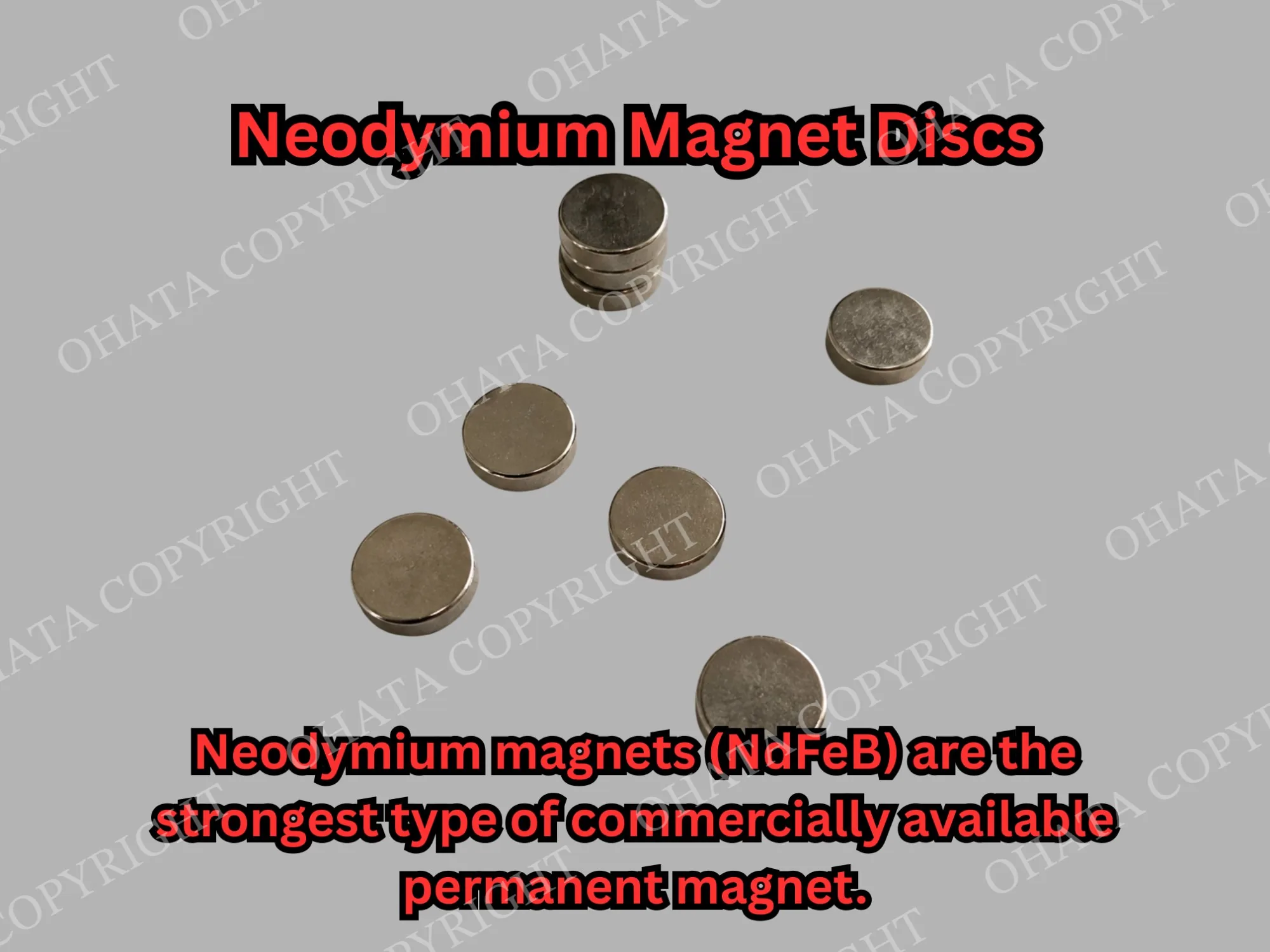
They provide very strong magnetic force relative to their size and are widely used in hard disk drives, electric motors, generators, speakers, magnetic couplings, and other compact high-strength magnet applications.
Some neodymium magnet grades may also contain additional elements to modify magnetic strength, temperature resistance, or other performance characteristics.
Neodymium Magnets from Hard Disk Drives
Neodymium magnets are not limited to hard disk drives. They are used in many products and industrial components where strong magnetic force is needed in a compact size, including electric motors, generators, speakers, magnetic couplings, mounts, closures, sensors, and other magnetic assemblies. HDD magnets are one common source of recognizable neodymium magnet scrap.
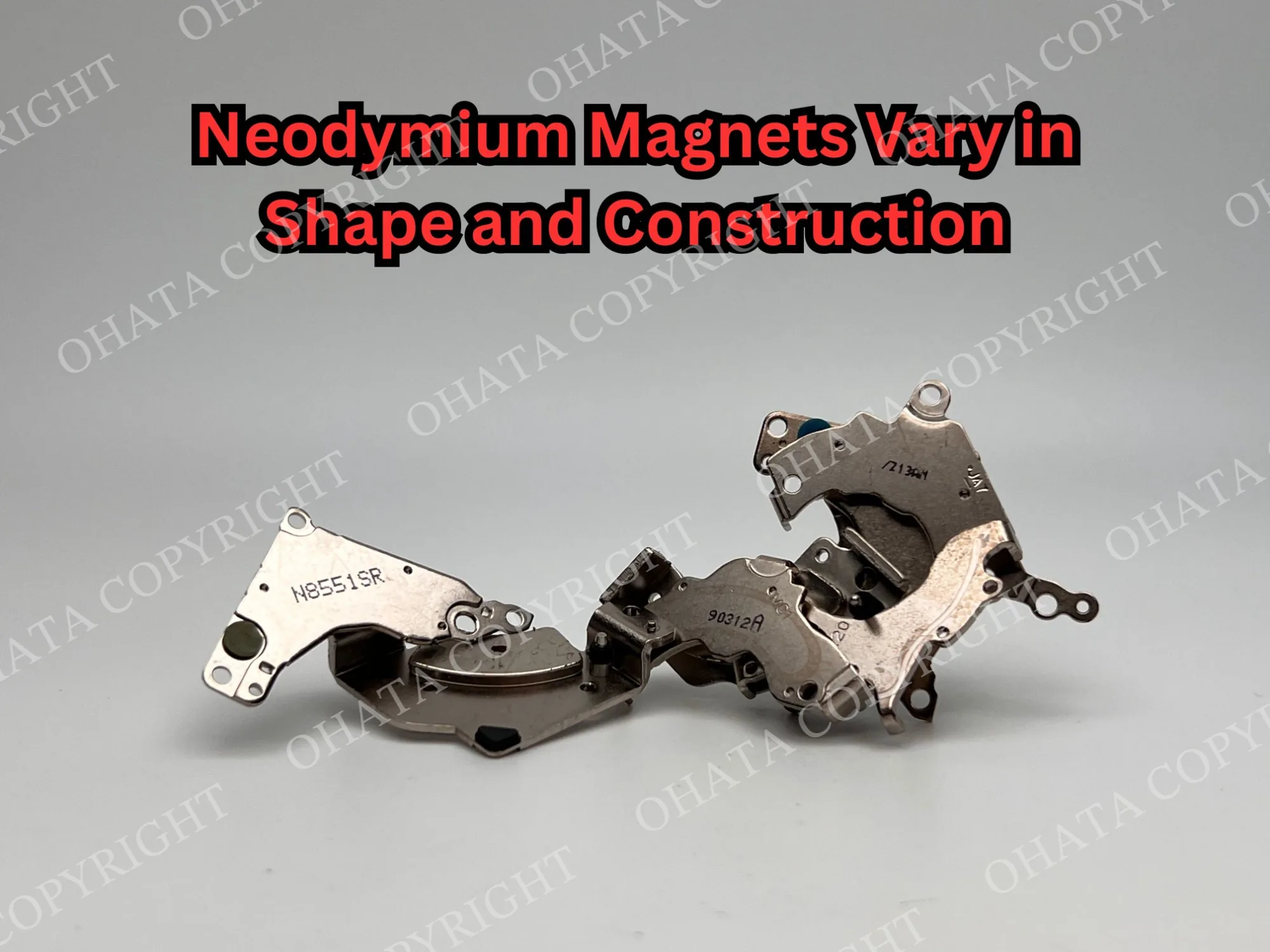
Mechanical hard drives commonly contain strong neodymium magnets in the voice-coil actuator assembly, which controls movement of the read/write heads.
After removal, an HDD magnet may appear as a curved silver-colored magnet, a magnet attached to a shaped steel backing plate, or a pair of opposing magnet assemblies.
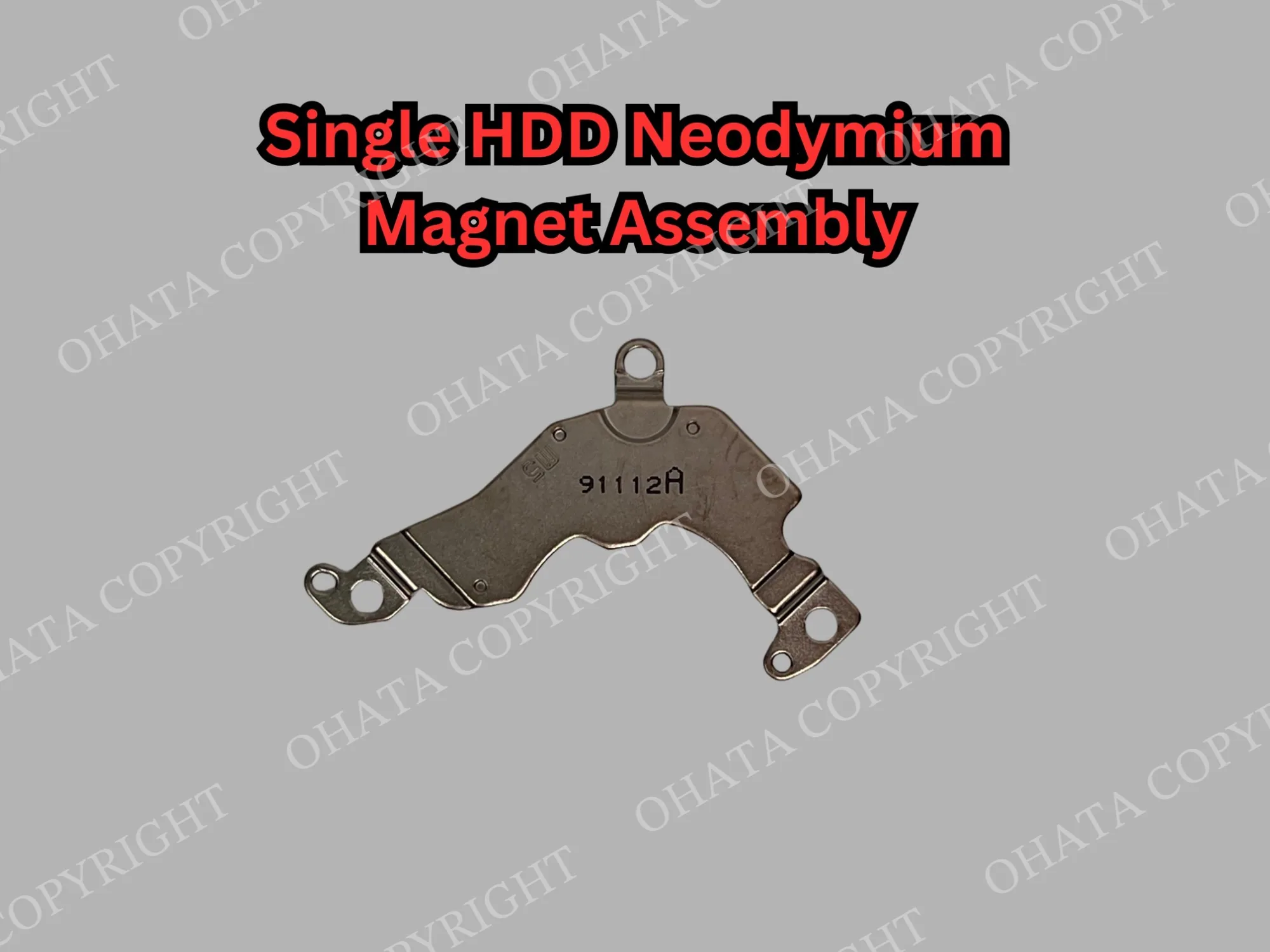
Both the magnet itself and a qualifying magnet-containing HDD component with the steel backing attached may be evaluated.
This buying category is intended for neodymium magnet material that has already been removed from equipment. A complete HDD is a different buying category. There is no need to dismantle an otherwise complete HDD solely to remove its magnets before bringing it in.
Neodymium Magnets and Other Magnet Types
A magnet describes what a material does, not what it is made from. Permanent magnets can be manufactured from several different materials, and each type has its own composition, magnetic strength, temperature resistance, cost, and common uses. Because the underlying materials are different, they also need to be identified separately when recycling.
Magnet type
General composition
Common characteristics or uses
Buying category
Neodymium / NdFeB
Neodymium, iron, and boron
Very strong for its size; common in HDDs, compact motors, magnetic mounts, and strong magnetic assemblies
Qualifies
Ferrite Magnet
Iron-oxide-based ceramic material
Common in speakers, household products, toys, and general-purpose magnets; often dark gray or black
Does not qualify
Samarium-Cobalt Magnet
Samarium and cobalt
Strong rare-earth magnet used where heat resistance and magnetic stability are important
Does not qualify
Alnico Magnet
Aluminum, nickel, cobalt, and iron
Common in certain sensors, instruments, speakers, and older magnetic applications
Does not qualify
Ferrite magnets are especially common in lower-cost household and general-purpose products. Neodymium magnets are more often used where very strong magnetic force is needed in a compact size.
Small high-strength consumer magnets may also be neodymium, but the product they came from does not determine the material. Magnet type should be identified by composition and construction rather than by use alone.
Strong magnetic attraction can be a useful clue, but strength alone does not prove that a magnet is neodymium.
Identification and Coatings
Neodymium magnets are often coated because the underlying NdFeB material can corrode when exposed to moisture. Nickel-based coatings are especially common.
Typical signs include a silver or gray metallic-looking surface, very strong magnetic attraction, brittle construction, and possible corrosion where the coating has been damaged.
HDD magnets are also commonly recognized by their curved shape and steel backing plates, but appearance alone should not be relied on for every magnet.
Known equipment source, markings, material records, a representative sample, or material analysis may help confirm the correct category.
Condition and Sorting
Used, scratched, chipped, or lightly corroded neodymium magnets may still be evaluated for recycling. Normal scratches, damaged plating, or light surface corrosion do not automatically prevent acceptance.
Known neodymium magnets should be kept separate from ferrite magnets, samarium-cobalt magnets, Alnico magnets, loose steel scrap, and unrelated electronics or metal parts when possible.
HDD magnets do not need to be forcibly removed from their steel backing plates for evaluation. Attached steel may affect classification or purchasing value, but unnecessary separation can crack or damage the magnet.
Loose screws, large steel brackets, plastic pieces, adhesive, or unrelated components may be treated as foreign material. Severe corrosion, heavy contamination, or significant unrelated material may require separate evaluation.
If you are unsure whether a magnet is neodymium, keep it intact and separate from clearly identified magnet types when possible.
Magnet Safety
Neodymium magnets can generate very strong attraction forces, even when the pieces are relatively small. Two magnets, or a magnet and a steel object, can snap together unexpectedly.
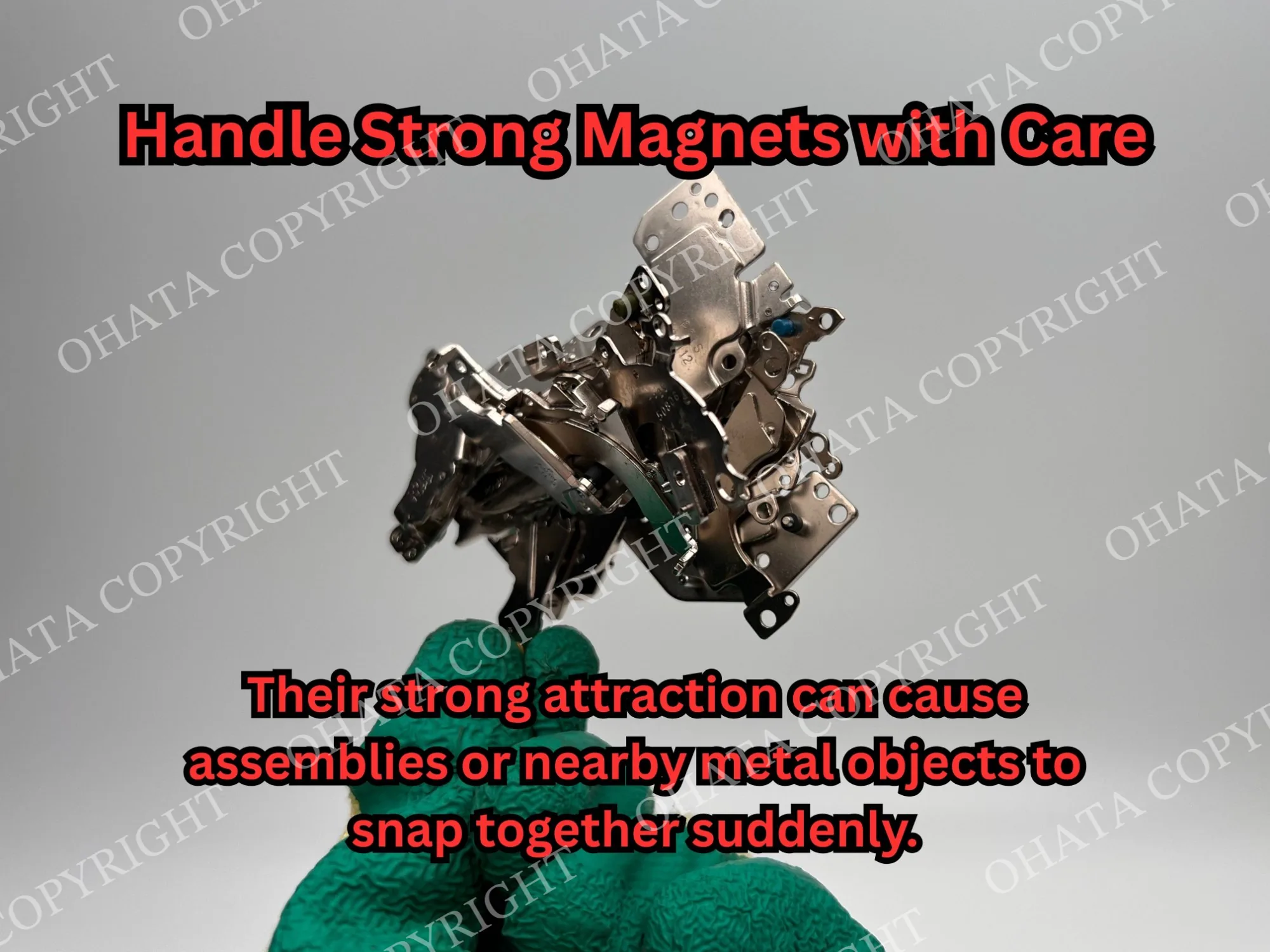
Handle them carefully to avoid pinched fingers, trapped skin, flying metal objects, chipped magnets, or sharp fragments. Neodymium magnets are strong but also relatively brittle, so sudden impact can cause them to crack or shatter.
Keep strong magnets away from:
Magnetic-stripe cards
Watches and other magnet-sensitive devices
Loose steel tools or hardware
Other strong magnets that could snap together unexpectedly
Do not grind, drill, crush, cut, or intentionally break neodymium magnets. Damaged magnets can create sharp pieces and fine material and are more difficult to handle safely.
People with pacemakers or other magnet-sensitive implanted medical devices should follow the safety guidance provided by their medical-device manufacturer or healthcare provider and avoid close exposure to strong magnets.
HDD Dismantling Safety
If a magnet has already been removed from a hard drive, use care around sharp metal edges, small screws, thin metal covers, and strongly attracting magnet assemblies.
Do not hold two HDD magnet assemblies close together unless you are prepared for them to snap together forcefully. Keep fingers out of the path between the magnet and nearby steel surfaces.
Removing a magnet from an HDD also does not guarantee that data on the platters has been securely destroyed. If you still have complete drives, there is no need to open them solely for magnet removal.
Final classification, acceptance, and purchasing value are confirmed after inspection under current buying requirements.
FAQ
- 1. What is today’s price for Neodymium Buying?
- As of Nov 21,2026, Ohata Shoji America Inc., (Seattle, WA, United States) is purchasing Neodymium Buying at 0.60 (USD/lb). We provide competitive scrap prices in Seattle, Bellevue, Renton, Tukwila, Kent, SeaTac, Tacoma, Everett, and surrounding communities.
- 2. What is a neodymium magnet made of?
- A neodymium magnet is a powerful rare-earth permanent magnet primarily based on neodymium, iron, and boron and commonly called an NdFeB magnet.
- 3. Where can you find them in computer parts?
- Mechanical hard drives commonly use strong neodymium magnets in the actuator assembly that moves the read/write heads.
- 4. Do I need to remove the steel backing plate from an HDD magnet?
- No. A qualifying HDD neodymium magnet may be evaluated with its steel backing plate still attached. Attached steel may affect classification or purchasing value.
- 5. Should I dismantle complete hard drives to remove the magnets?
- Not solely for this buying category. Complete HDDs belong under the applicable HDD buying category and do not need to be dismantled just to remove the magnets.
- 6. Are ferrite magnets accepted as neodymium magnets?
- No. Ferrite magnets are a different material and do not qualify for the Neodymium Magnet category.
- 7. Are samarium-cobalt magnets the same as neodymium magnets?
- No. Both are rare-earth magnets, but they have different compositions and require separate classification.
- 8. Can chipped or corroded neodymium magnets still qualify?
- They may. Chipping, damaged coating, light corrosion, or normal use does not automatically prevent evaluation, although severe deterioration or contamination may affect classification.
- 9. Why are neodymium magnets often coated?
- The underlying NdFeB material is susceptible to corrosion, so protective metallic coatings are commonly used to reduce exposure to moisture.
- 10. Are neodymium magnets dangerous to handle?
- Their strong attraction can pinch fingers, pull steel objects together unexpectedly, and cause brittle magnets to chip or shatter. They should also be kept away from magnet-sensitive items and certain implanted medical devices.
- 11. What if I do not know what type of magnet I have?
- You can try basic sorting using the identification guidelines on this page, such as the magnet’s appearance, strength, construction, and the equipment it came from. If you are still unsure, bring the magnet to us and we can help identify and classify it during inspection. When possible, keep uncertain magnets intact and separate from material you have already identified.
Contact us by phone or email