
-
We buy Hard Drive Punched or Bent No Board from a minimum of 1 lb.
-
Hard Drive Punched or Bent No Board covers recognizable hard disk drives that are mechanically punched, bent, warped, or permanently deformed and have had the external controller PCB completely removed. All drives meeting the Ohata standard are purchased at the same grade price.
-
Qualifying material may include 2.5-inch and 3.5-inch hard drives with punched covers, damaged platter areas, bent frames, or deformed chassis. The drive must retain the internal mechanical materials required by the buying standard.
-
Buying value is based on physical condition, PCB removal, remaining material, completeness, contamination, and processing requirements, not brand, model, storage capacity, production year, performance, or original selling price.
-
Drives with attached controller boards, intact no-board drives, loose platters, empty shells, and broken fragments belong in other categories. Mixed HDD grades are accepted but may require separate inspection, sorting, weighing, and pricing.
Hard Drive Punched or Bent no Board buying scrap price
-
We buy Hard Drive Punched or Bent No Board from a minimum of 1 lb.
-
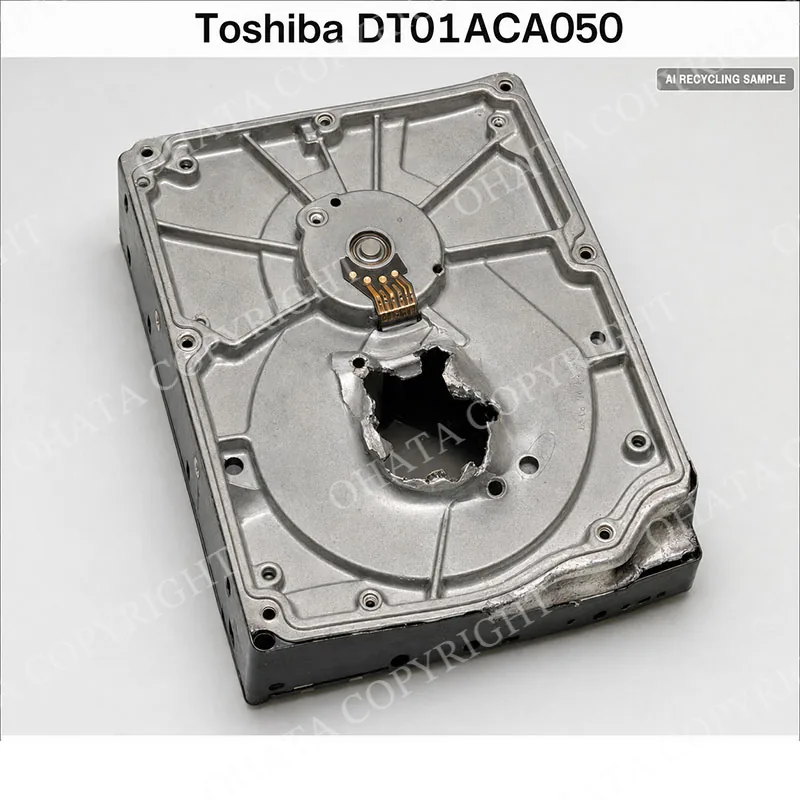
Hard Drive Punched or Bent No Board covers recognizable hard disk drives that are mechanically punched, bent, warped, or permanently deformed and have had the external controller PCB completely removed. All drives meeting the Ohata standard are purchased at the same grade price.
-
Qualifying material may include 2.5-inch and 3.5-inch hard drives with punched covers, damaged platter areas, bent frames, or deformed chassis. The drive must retain the internal mechanical materials required by the buying standard.
-
Buying value is based on physical condition, PCB removal, remaining material, completeness, contamination, and processing requirements, not brand, model, storage capacity, production year, performance, or original selling price.
-
Drives with attached controller boards, intact no-board drives, loose platters, empty shells, and broken fragments belong in other categories. Mixed HDD grades are accepted but may require separate inspection, sorting, weighing, and pricing.
Buying Details of Conditions
Learn more about: Punched or Bent Hard Drives: With Board vs. Without Board
Introduction, Construction, Components, and Recycling Value
Western Digital, Seagate, Toshiba, Hitachi, Samsung, Maxtor, and other brands may qualify for this grade if they meet the Hard Drive Punched or Bent no Board buying standard. This category includes hard drives that have been mechanically damaged by punching, bending, warping, or other permanent deformation and have had the external controller PCB removed. Physical damage may have been performed as part of a data-destruction process, but the visible condition alone does not confirm that all stored data is unrecoverable.
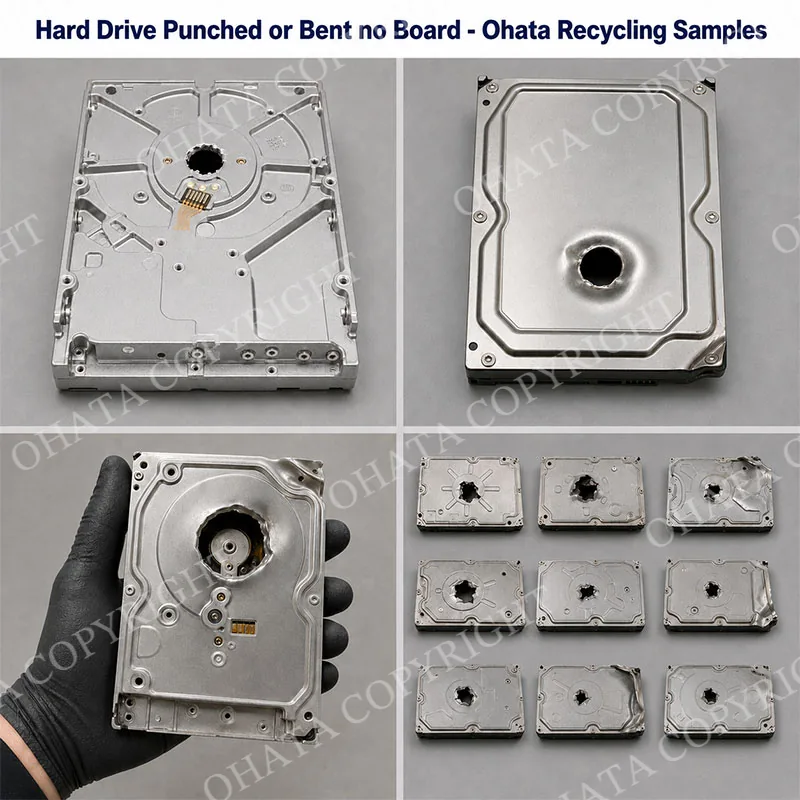
A typical hard drive consists of a cast-aluminum base, steel cover, magnetic platters, spindle motor, actuator assembly, magnets, internal circuitry, and an external controller PCB. Because the PCB has been removed, these drives contain less recoverable electronic material than complete hard drives with boards.
Recycling value comes primarily from aluminum, steel, copper, magnets, platters, and other internal mechanical components. Storage capacity does not affect the recycling grade, which is determined by physical condition and recoverable materials.
Classification and Identification Guide
To qualify for this category, a drive must be recognizable, permanently punched or bent, have its external controller PCB completely removed, remain reasonably clean, and not be submitted as loose circuit-board scrap.
Inspect the underside to confirm the PCB has been removed. If the controller board is still attached, the drive belongs in a with-board category. Then verify that the drive shows clear punched or bent damage. An undamaged drive without a PCB may belong in a separate Hard Drive no Board category.
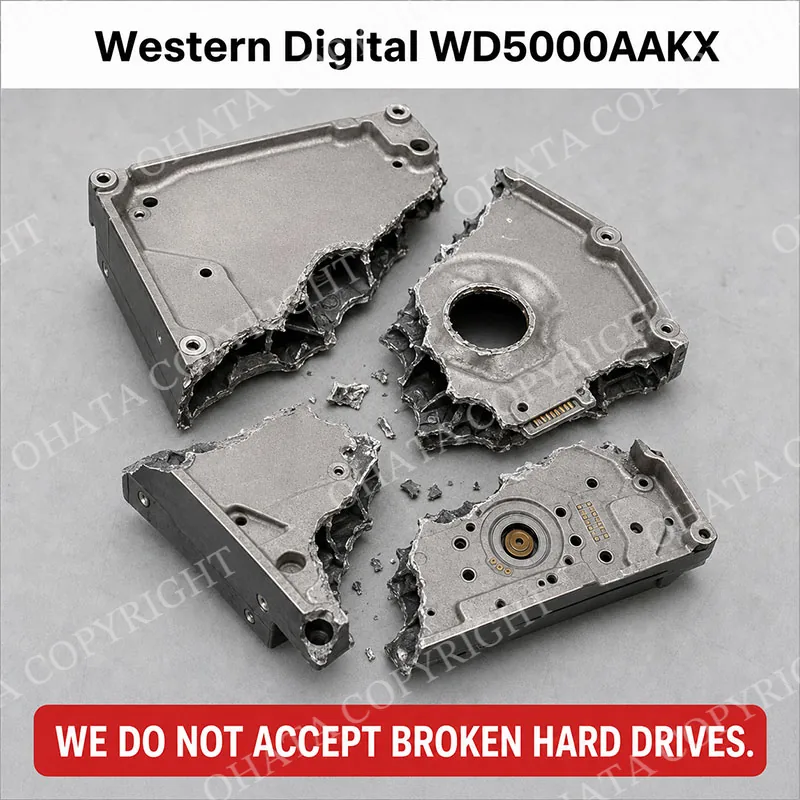
Drives stripped into empty shells, broken into multiple pieces, or missing major internal components may require a different classification. Heavy contamination from mud, oil, chemicals, ash, hazardous material, or mixed waste may affect acceptance and buying value.
Recoverable Materials, Buying Standards, and Handling
Primary recoverable materials include aluminum, steel, copper, neodymium magnets, nickel alloys, and platter materials, which may be aluminum, glass, or ceramic depending on the manufacturer.
Although hard drive platters contain specialized coatings, they should not be described as a high-grade precious-metal source. The principal recycling value of a no-board drive is its bulk metal content and reusable material fractions.
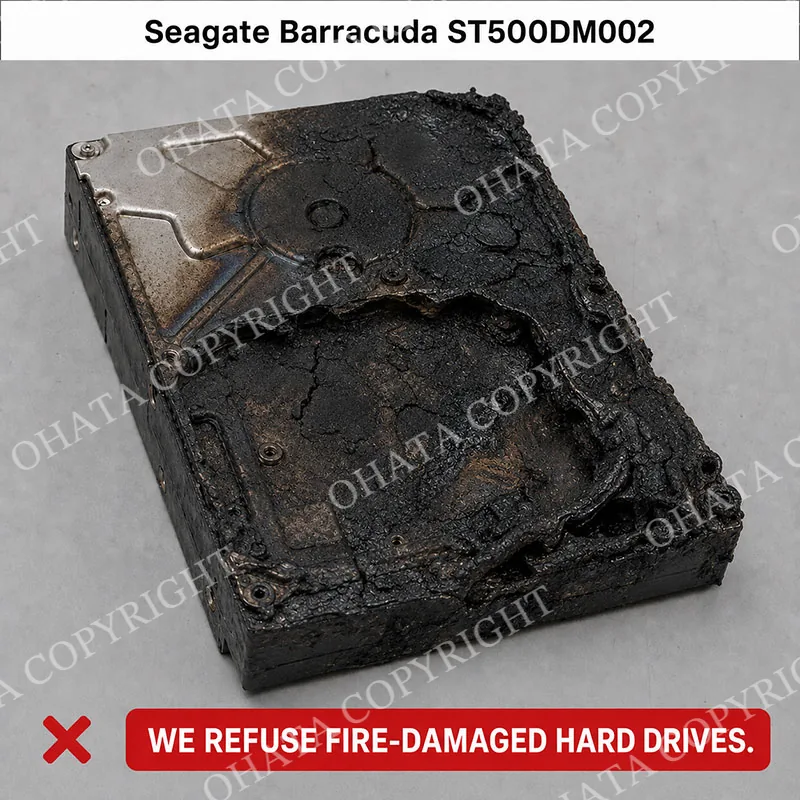
Preferred buying condition includes complete drives with the external PCB removed, properly separated from intact drives, loose PCBs, platters, and unrelated scrap. Loads affected by oil, water, chemicals, fire residue, or other hazardous contamination should be declared before delivery.
Damaged drives may have sharp edges, so they should be packed securely and handled safely during storage and transport.
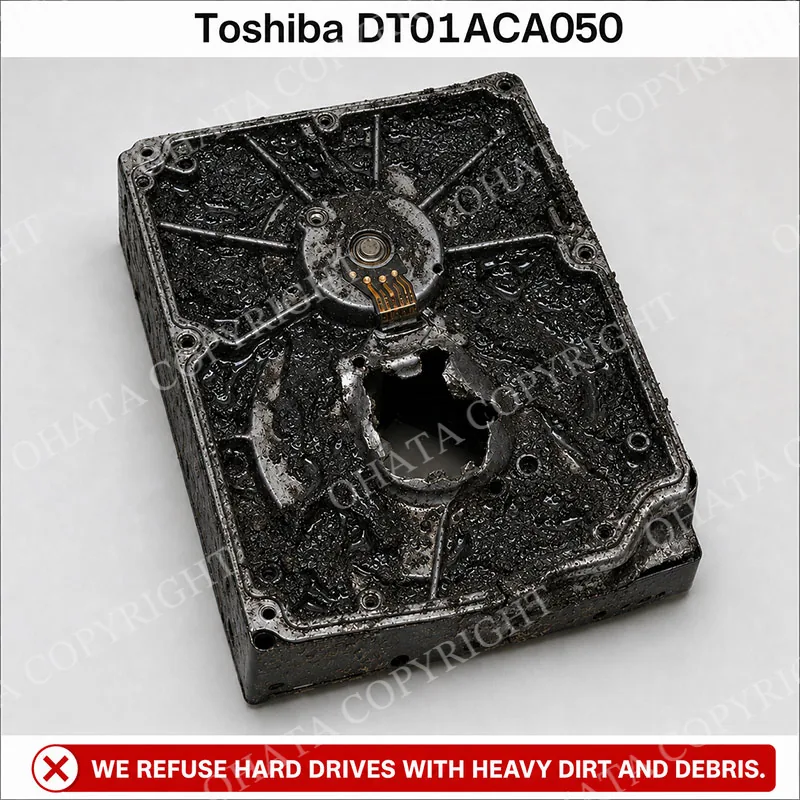
Fire-damaged drives require particular attention. Heavy soot, melted material or unknown fire residue may create safety and contamination concerns. Such units should be isolated from clean metal-bearing drives and disclosed before delivery.
Comparison and Official Ohata Classification
The following distinctions are important:
Classification
Controller PCB
Physical condition
Main difference
Complete hard drive with board
Present
Intact or ordinary used condition
Includes the electronic value of the PCB
Punched or bent hard drive with board
Present
Mechanically destroyed
Board remains attached
Hard drive no board
Removed
Generally intact
No PCB and no major destruction
Hard Drive Punched or Bent no Board
Removed
Punched, bent or permanently deformed
Target Ohata grade
Loose HDD platters
Not applicable
Separated from chassis
Classified as platter material
Empty or heavily stripped HDD shell
Removed
Internal material substantially removed
May be downgraded
Broken hard drive fragments
Removed or incomplete
Broken into multiple pieces
May be downgraded or rejected
Burned or heavily contaminated drives
Varies
Charred, oily, muddy or hazardous
Subject to downgrade or rejection
The official Ohata classification is determined by the condition of the material received. Brand names, model numbers and storage capacities are identification aids, but they do not override the physical grading standard.
A mixed load containing drives with boards, drives without boards, loose platters, empty shells and severely contaminated units creates additional sorting and processing work. Such loads may be downgraded. Sellers should therefore keep every grade clearly separated.
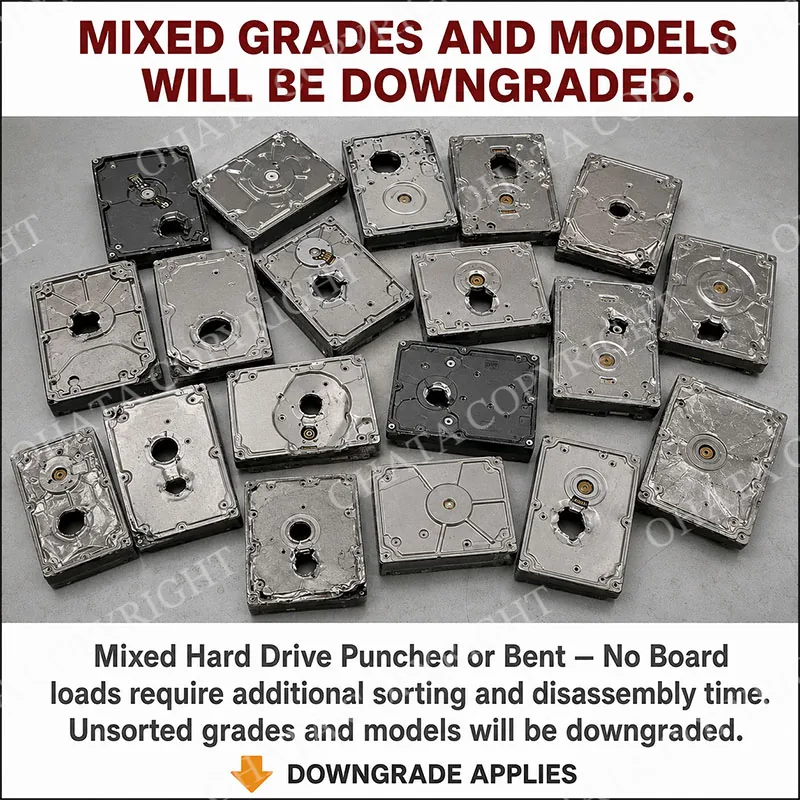
Under the Official Ohata Classification, a recognizable hard disk drive may qualify as Hard Drive Punched or Bent No Board when it is mechanically punched, bent, or permanently deformed; has its external controller PCB completely removed; retains the required internal material; and meets the applicable condition requirements.
Different brands, models, and storage capacities may receive the same grade price when they meet this standard. Final classification, measured weight, and buying value are confirmed after physical inspection.
- 1. What is today’s price for Hard Drive Punched or Bent no Board buying?
- As of Oct 06,2026, Ohata Shoji America Inc., (Seattle, WA, United States) is purchasing Hard Drive Punched or Bent no Board buying at 0.25 (USD/lb). We provide competitive scrap prices in Seattle, Bellevue, Renton, Tukwila, Kent, SeaTac, Tacoma, Everett, and surrounding communities.
- 2. What is Hard Drive Punched or Bent No Board?
- This category covers recognizable hard disk drives that are punched, bent, warped, or otherwise permanently deformed and have had their external controller PCB completely removed.
- 3. Do punched or bent hard drives need to function?
- No. Operational performance is not required. Classification is based on the drive’s physical condition, PCB removal, remaining material, completeness, contamination, and processing requirements.
- 4. Are both 2.5-inch and 3.5-inch hard drives accepted?
- Yes. Both 2.5-inch and 3.5-inch hard drives may qualify when they meet the Hard Drive Punched or Bent No Board standard.
- 5. Do different brands or storage capacities receive different prices?
- Not when they meet the same grade standard. Brand, model, storage capacity, production year, former performance, and original selling price do not independently determine the recycling classification.
- 6. Are intact hard drives without controller boards included?
- Not automatically. An undamaged hard drive with its controller PCB removed may belong in a separate Hard Drive No Board category. Intact and mechanically damaged drives should be separated whenever practical.
- 7. Do punched holes or bent covers guarantee that the stored data is unrecoverable?
- No. Visible physical damage alone does not confirm that all stored data is unrecoverable. Customers are responsible for removing their personal information. Once purchased or received, a data-bearing device undergoes certified software data destruction or complete physical shredding. Because of this process, files and other data cannot be recovered afterward.
- 8. What contamination may affect acceptance?
- Heavy mud, grease, oil, chemicals, fire residue, excessive corrosion, unknown liquids, biological waste, or other hazardous contamination may affect classification and acceptance. Ordinary light handling dust is generally different from severe contamination.
- 9. What is the minimum buying quantity?
- Purchases start from just 1 lb of eligible Hard Drive Punched or Bent No Board material.
- 10. What is the mission of Ohata Shoji America Inc.?
- Our mission is to transform electronic waste into valuable resources by combining AI-powered digital commerce with responsible recycling, helping businesses and individuals contribute to a more sustainable and circular economy.
Related Items
Modern Smart Phone with Battery and Cover Buying
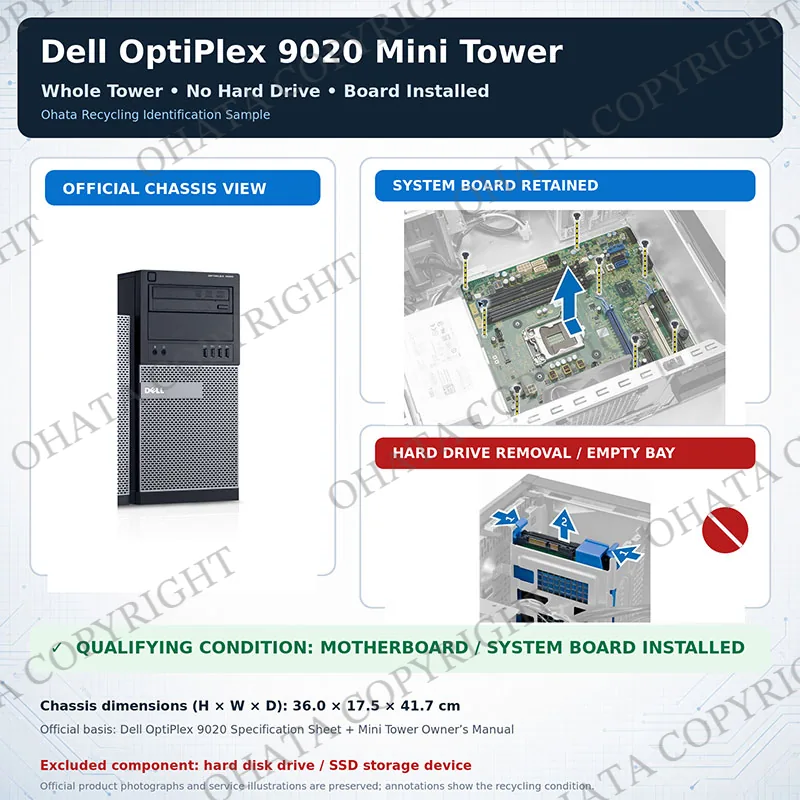
Whole Tower (Desktop Computer) No Hard Drive with board
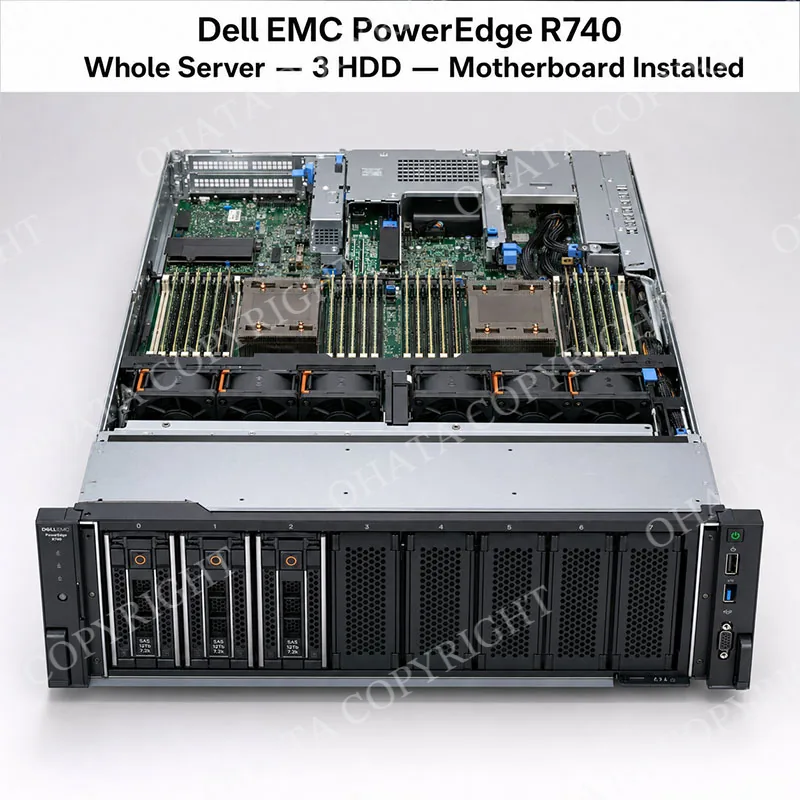
Whole Server With 3 Hard Drive with board buying
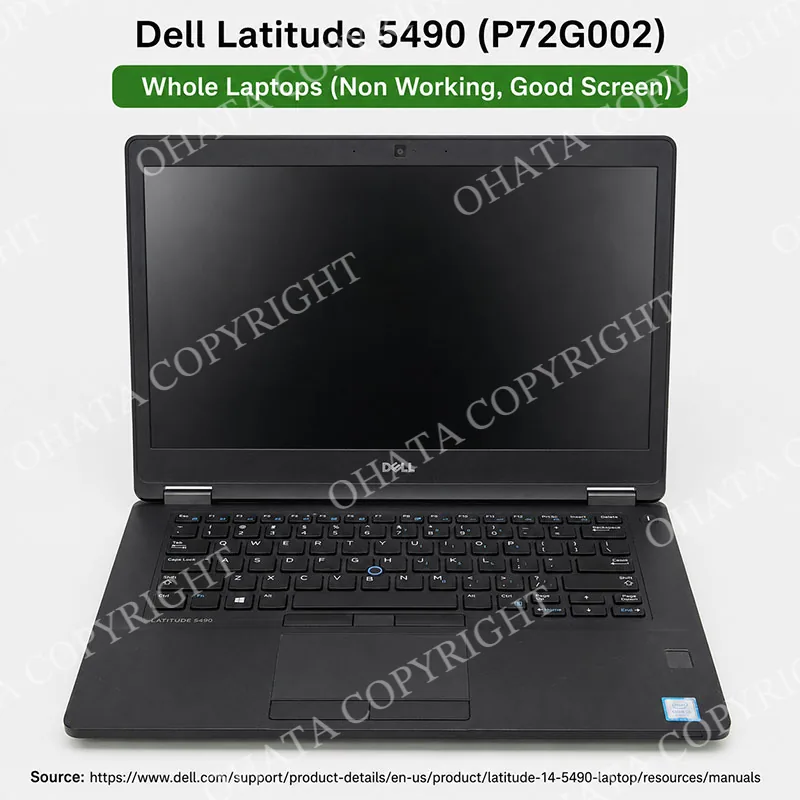
Whole Laptops (Non Working, Good Screen) buying
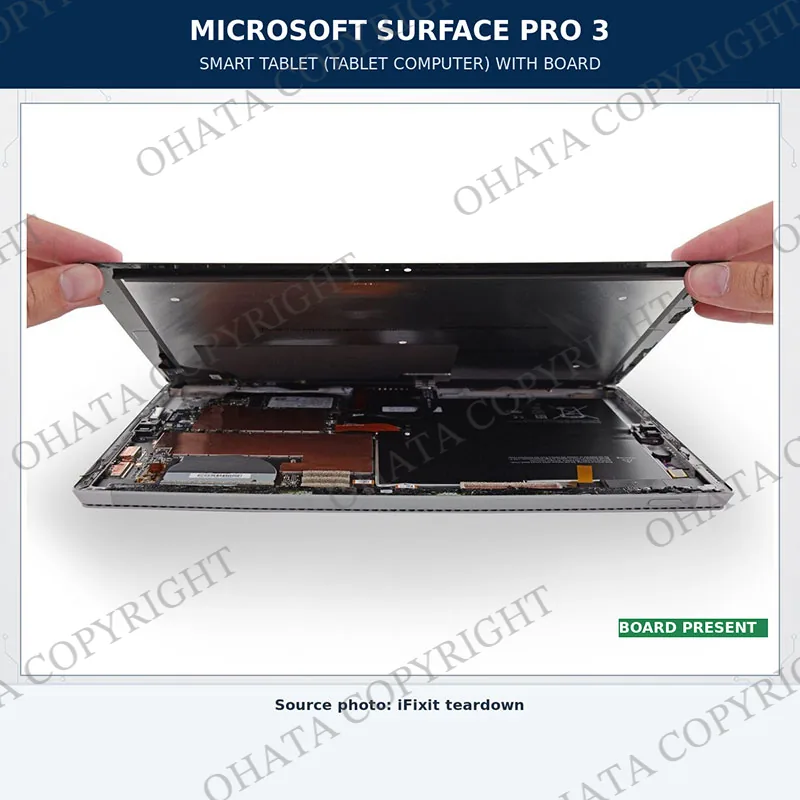
Smart Tablet ( Tablet Computer) with board buying

Smart phone (Non-cell phone) No Battery with board buying
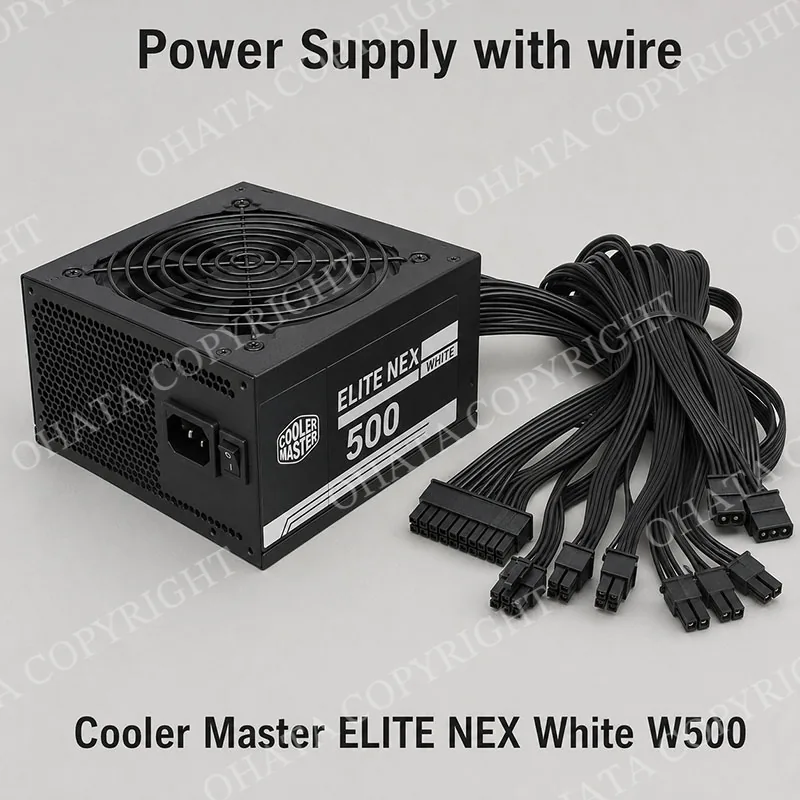
Power Supply with Wire Buying
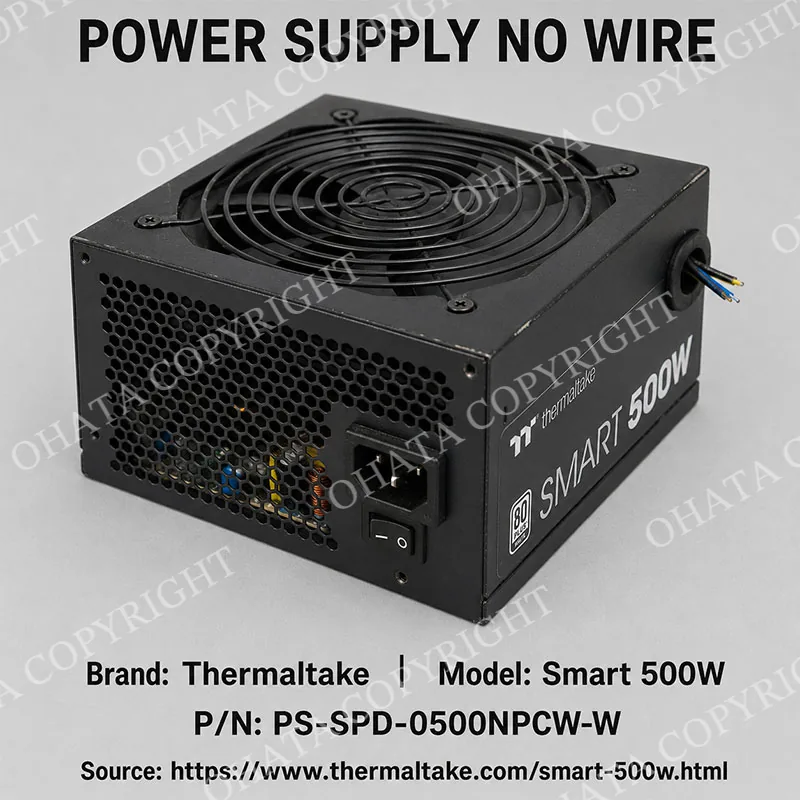
Power Supply No Wire Buying