
-
We buy Modems and Routers from a minimum of 1 lb.
-
This category covers consumer and small-business modems, wireless routers, modem-router gateways, mesh Wi-Fi nodes, wireless access points, VoIP gateways, and similar communication equipment. All qualifying units meeting the Ohata Modems and Routers standard are purchased at the same category price.
-
Qualifying devices should retain their main circuit board, network processor, memory chips, communication ports, wireless components, and other major internal parts. Devices do not need to function.
-
Buying value is based on construction, internal components, completeness, condition, contamination, attachments, and processing requirements, not brand, model, network speed, Wi-Fi generation, service-provider status, or original selling price.
-
Different brands and models may remain together when all units meet the same standard. Enterprise, industrial, optical, and carrier-grade networking equipment should be separated for inspection because it may belong in another category.
Modems Routers Buying scrap price
-
We buy Modems and Routers from a minimum of 1 lb.
-
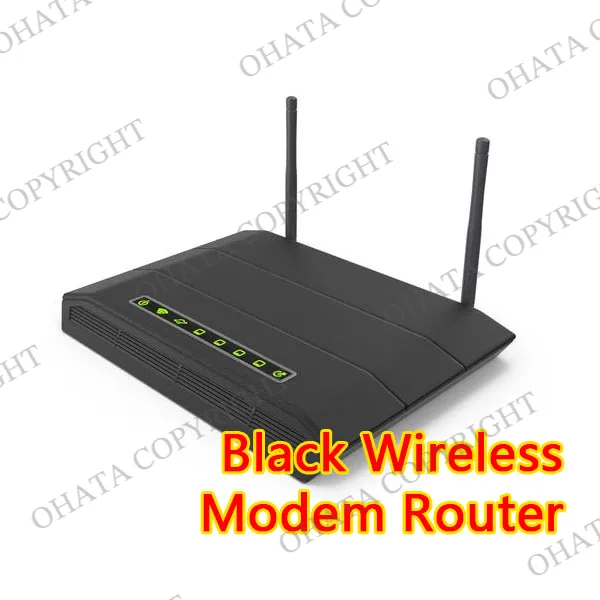
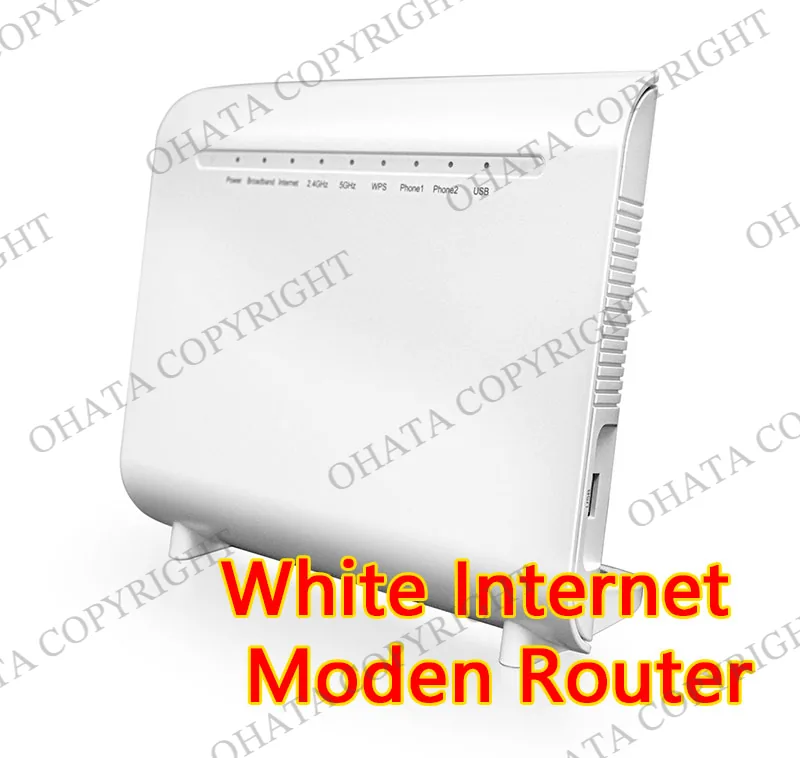
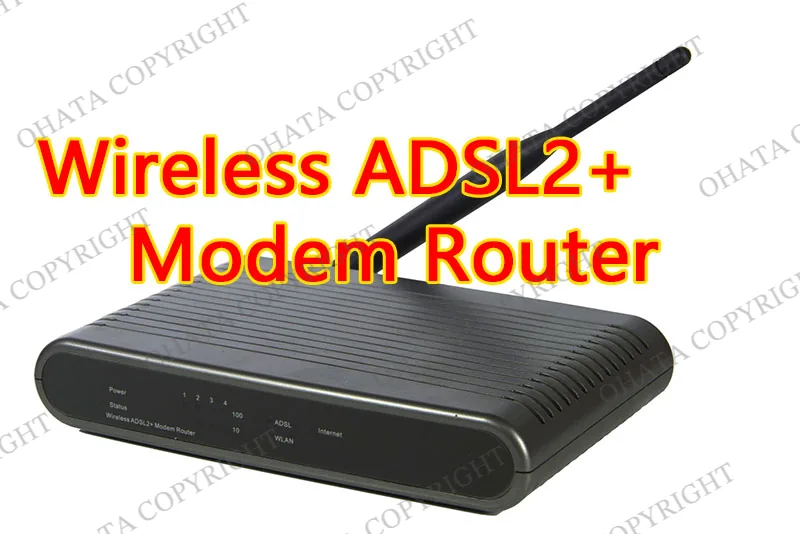
This category covers consumer and small-business modems, wireless routers, modem-router gateways, mesh Wi-Fi nodes, wireless access points, VoIP gateways, and similar communication equipment. All qualifying units meeting the Ohata Modems and Routers standard are purchased at the same category price.
-
Qualifying devices should retain their main circuit board, network processor, memory chips, communication ports, wireless components, and other major internal parts. Devices do not need to function.
-
Buying value is based on construction, internal components, completeness, condition, contamination, attachments, and processing requirements, not brand, model, network speed, Wi-Fi generation, service-provider status, or original selling price.
-
Different brands and models may remain together when all units meet the same standard. Enterprise, industrial, optical, and carrier-grade networking equipment should be separated for inspection because it may belong in another category.
Buying Details of Conditions
Introduction, Construction, Components, and Recycling Value
This category includes consumer and small-business modems, routers, gateways, access points, mesh nodes, and similar networking devices. Classification and buying value are based on the complete device’s construction, internal components, completeness, attachments, condition, and recoverable materials rather than brand, model, network speed, or original selling price.
A typical unit contains a plastic enclosure, one or more printed circuit boards, an internal or external power supply, Ethernet ports, communication connectors, LEDs, antennas, shielding, and cooling components. The main PCB commonly includes a network processor or system-on-chip, flash memory, RAM, Ethernet controllers, wireless ICs, power-management circuitry, transformers, and other electronic components.
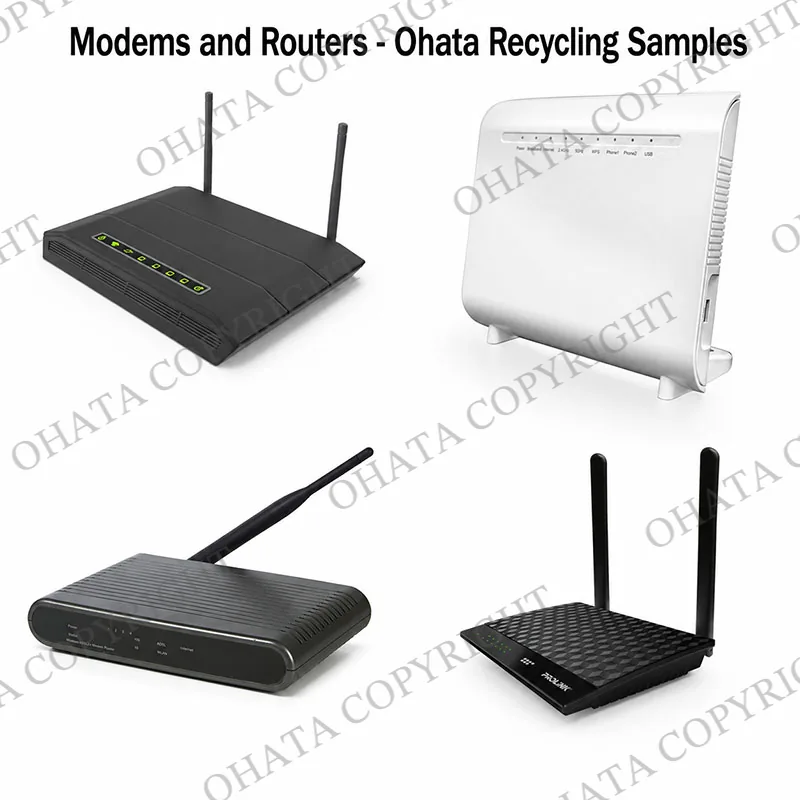
Most recycling value comes from the internal circuit board rather than the plastic housing. Recoverable materials include copper, gold, tin, nickel, steel, brass, and small amounts of palladium found in common electronic components. Although consumer units generally contain fewer high-value components than enterprise networking equipment, complete, properly sorted units remain a consistent recyclable material stream.
Ohata Modems Routers Classification and Identification Guide
Under the Ohata Board Scrap Classification System, consumer and small-business Modems and Routers are classified as standard communication equipment with moderate component density, copper content, and recoverable precious metals.
Typical products include cable and DSL modems, Wi-Fi routers, modem-router gateways, wireless access points, mesh nodes, VoIP gateways, cellular routers, and other basic networking devices.
Identification begins with the enclosure, which typically includes Ethernet ports, WAN or internet connections, status LEDs, antennas, and labels referencing modem, router, gateway, Wi-Fi, broadband, fiber, LTE, or similar networking terms. The internal PCB generally contains one primary processor, memory chips, Ethernet transformers, wireless circuitry, and power-management components. Final grading depends on PCB construction, component density, connector quality, and overall recoverable material content rather than the manufacturer.
Enterprise and carrier-grade routers should be separated from consumer equipment because they often contain multiple controller boards, high-density processors, switching ASICs, optical interfaces, and other premium components that may qualify for a higher Ohata category.
Recoverable Materials, Buying Standards, and Handling
Primary recoverable materials include copper, with additional recovery from gold, silver, palladium, tin, nickel, aluminum, steel, and connector metals.
Working condition is generally not required. Non-functional, obsolete, or service-provider-locked equipment may still be recyclable if it is complete, identifiable, dry, reasonably clean, structurally intact, retains its original PCB and major ICs, and is free from severe corrosion or hazardous contamination. Power adapters, loose cables, packaging, removable stands, and batteries should be kept separate.
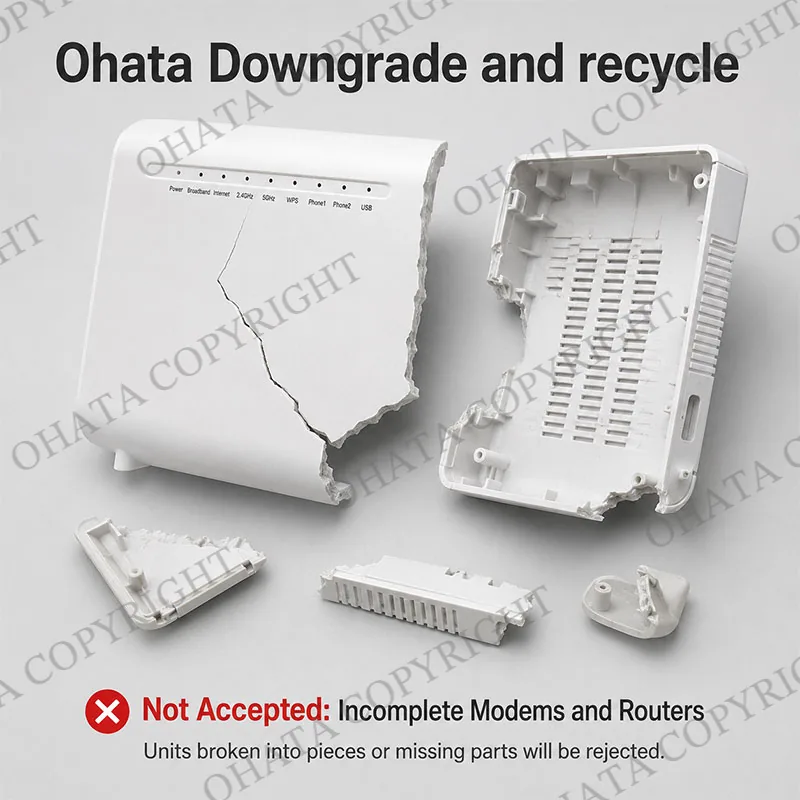
Conditions that may lower the purchasing value include removed circuit boards, missing processors, stripped ICs, broken housings with missing PCB sections, heavy moisture damage, corrosion, burned areas, chemical contamination, excessive dirt, and large quantities of attached non-electronic material.
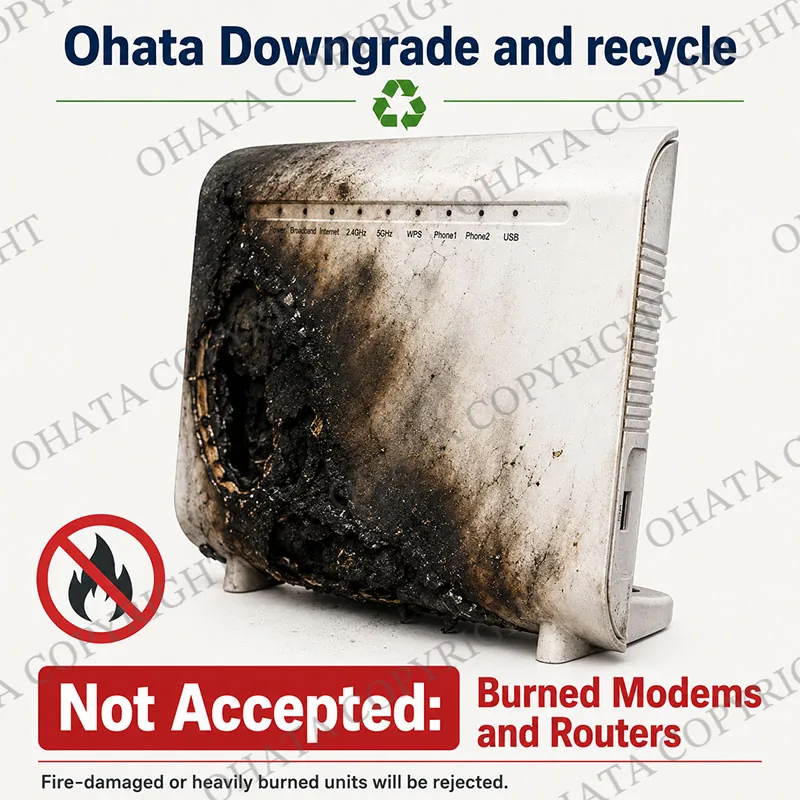
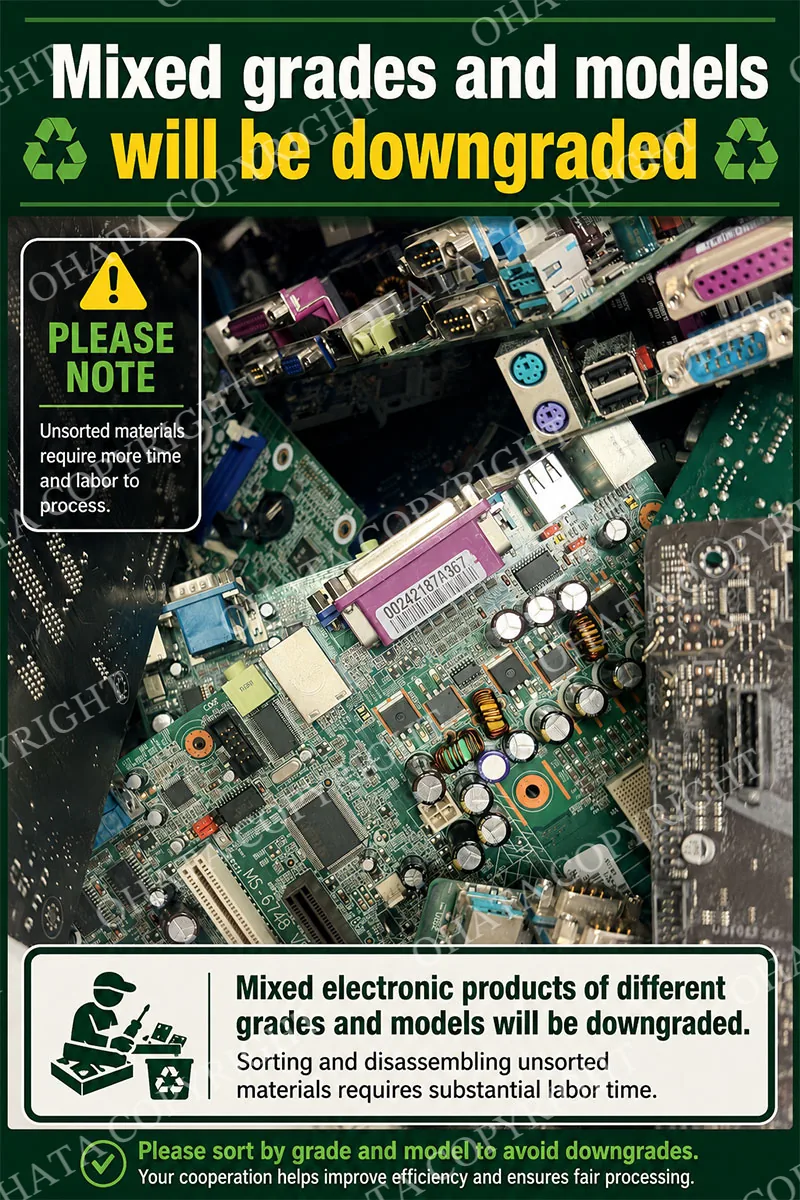
Severely burned, chemically contaminated, hazardous, or garbage-contaminated units may be rejected. Mixed loads containing unrelated electronics or materials may require additional sorting and receive a lower mixed-material value.
Store equipment indoors, protect it from moisture and crushing, and separate consumer modems and routers from enterprise networking equipment, server boards, telecom boards, and other electronic scrap.
Comparison and Official Ohata Classification
Standard consumer and small-business Modems and Routers generally contain one main communication circuit board with network-processing, memory, wireless, Ethernet, and power-management components. Enterprise, industrial, optical, and carrier-grade networking equipment may contain substantially different boards and components and should be evaluated separately.
This distinction is essential. The product name “router” covers equipment ranging from inexpensive home devices to extremely sophisticated carrier systems. Ohata classification must therefore be based on technical construction rather than the word printed on the enclosure.
Official Ohata Classification
Under the Official Ohata Classification, this category covers consumer and small-business modems, routers, gateways, access points, mesh nodes, and similar networking devices. Qualifying equipment generally has a plastic enclosure containing one main multilayer communication circuit board.
Typical characteristics include:
Main components: Network processors, flash memory, RAM, Ethernet controllers, wireless ICs, transformers, power-management circuits, antennas, indicator lights, and communication ports
Recoverable materials: Primarily copper, with additional quantities of gold, silver, palladium, tin, nickel, aluminum, steel, and connector metals
Preferred condition: Complete, dry, reasonably clean, and identifiable equipment with its original circuit board and major ICs present
Missing circuit boards, removed processors, stripped components, extensive breakage, corrosion, water damage, burned areas, chemical contamination, batteries, or mixed waste may affect classification or buying value. Severely burned, hazardous, extensively corroded, or heavily contaminated equipment may be rejected after inspection.
Different manufacturers, models, and network standards may receive the same category price when they meet the Ohata Modems and Routers standard. Enterprise, industrial, optical, military, and carrier-grade networking equipment should be evaluated separately. Final classification, measured weight, and buying value are confirmed after physical inspection.
- 1. What is today’s price for Modems Routers Buying?
- As of Sep 19,2026, Ohata Shoji America Inc., (Seattle, WA, United States) is purchasing Modems Routers Buying at 0.48 (USD/lb). We provide competitive scrap prices in Seattle, Bellevue, Renton, Tukwila, Kent, SeaTac, Tacoma, Everett, and surrounding communities.
- 2. What types of modems and routers does Ohata purchase?
- Ohata purchases many types of used and scrap communication equipment, including cable modems, DSL modems, wireless routers, modem-router gateways, mesh Wi-Fi nodes, wireless access points, VoIP gateways, cellular routers, and small-business networking devices. Units from different manufacturers and generations may be accepted as long as they meet the applicable recycling-grade and condition requirements.
- 3. What is the typical Ohata recycling grade for consumer modems and routers?
- Qualifying consumer and small-business networking devices are purchased under the Ohata Modems and Routers category. Enterprise, industrial, optical, and carrier-grade networking equipment should be evaluated separately.
- 4. Are all modems and routers purchased at the same price?
- Devices meeting the same Ohata Modems and Routers standard are purchased at the applicable category price. Equipment with substantially different construction, components, attachments, or condition may require a different classification.
- 5. Do modems and routers need to be working?
- No. Functional operation is generally not required for scrap recycling. Devices may still have recycling value even if they do not power on, cannot connect to the internet, have outdated wireless technology, or are locked to a former internet service provider. The main PCB and major electronic components should remain present and identifiable.
- 6. Which materials can be recovered from scrap modems and routers?
- Recoverable materials may include copper from PCB layers, transformers, inductors, wires, and connector structures. Small quantities of gold may be found in semiconductor packages and plated contacts. Other recoverable materials may include silver, palladium, tin, nickel, aluminum, steel, brass, and selected solder alloys.
- 7. Should power adapters and cables be mixed with the devices?
- Power adapters, cables, stands, plastic accessories, and packaging should normally be separated from the modems and routers unless a specific purchasing agreement includes them. Mixing large quantities of adapters, wires, plastics, or unrelated materials with the devices may increase sorting time and reduce the final purchase value.
- 8. What conditions may cause a modem or router to be downgraded?
- A device may be downgraded if its main PCB is missing, major processors or ICs have been removed, the circuit board is cracked, or the unit has water damage, corrosion, oxidation, burn damage, excessive dirt, or chemical contamination. Heavy non-electronic attachments and mixed waste may also result in a lower purchase price.
- 9. Which modems and routers may be rejected?
- Units may be rejected if they are severely burned, heavily corroded, contaminated with hazardous chemicals, mixed with household garbage, or unsafe to handle. Devices containing leaking batteries, unidentified liquids, severe fire residue, or extensive missing PCB sections may require separate evaluation or may not be accepted.
- 10. How should scrap modems and routers be prepared for delivery?
- Keep the devices dry, clean, and protected from rain. Separate standard consumer modems and routers from enterprise routers, network switches, telecom boards, server equipment, batteries, wires, and unrelated electronic waste. Avoid crushing or breaking the units, and identify devices containing backup batteries before transportation. Properly sorted and complete material is easier to inspect and usually receives a more accurate recycling valuation.
- 11. How do I get paid for my electronic scrap and IT hardware?
- Once our processing facility verifies your shipment, we issue your funds securely through your chosen digital payment method.
- 12. What digital payment options do you support for online sellers?
- We support instant electronic transfers, including PayPal, direct deposit (ACH/EFT).
Related Items

Modern Smart Phone with Battery and Cover Buying
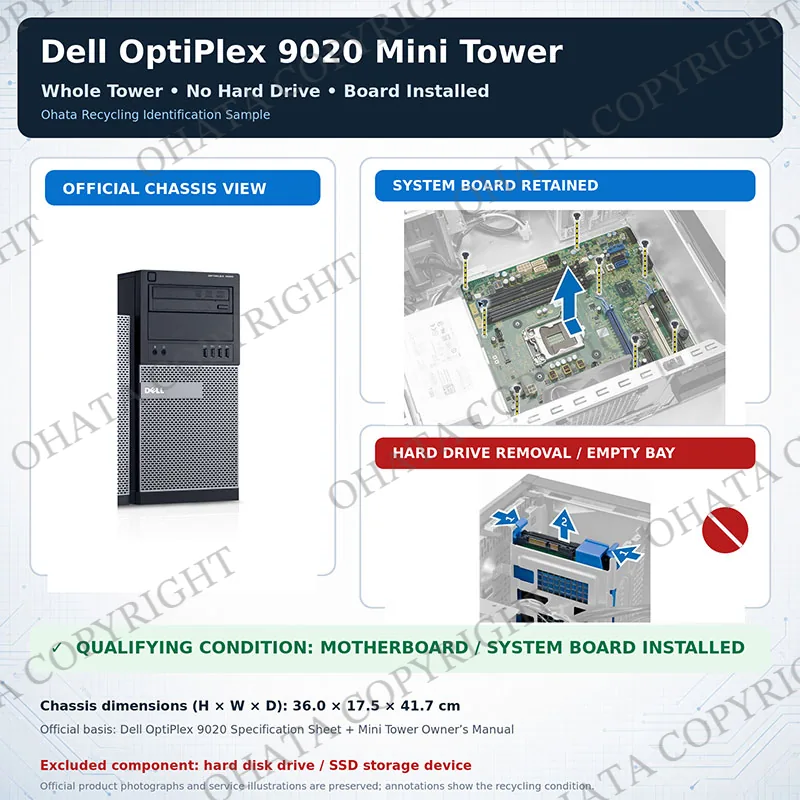
Whole Tower (Desktop Computer) No Hard Drive with board
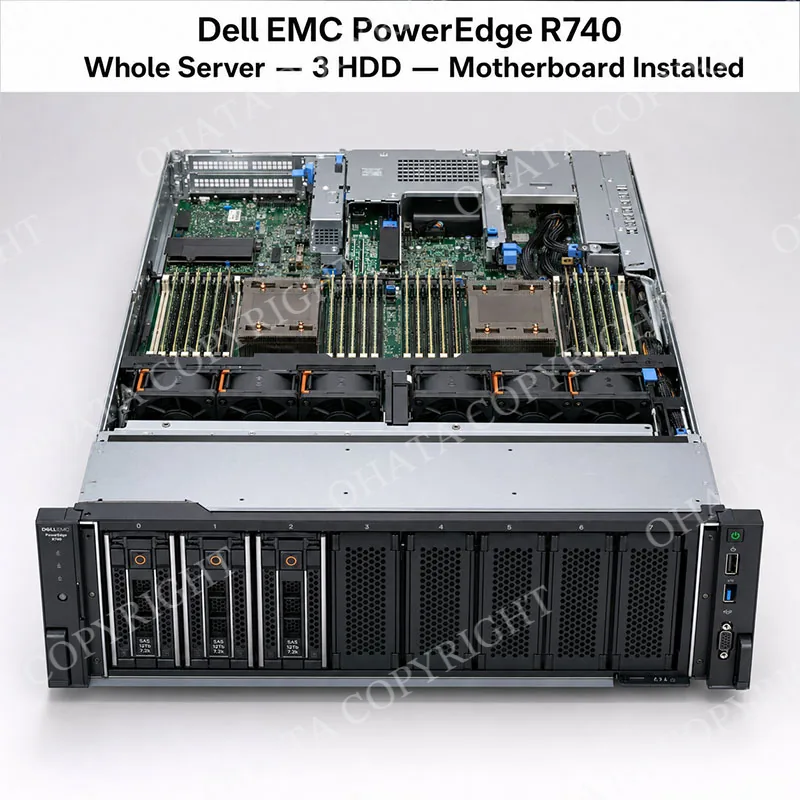
Whole Server With 3 Hard Drive with board buying
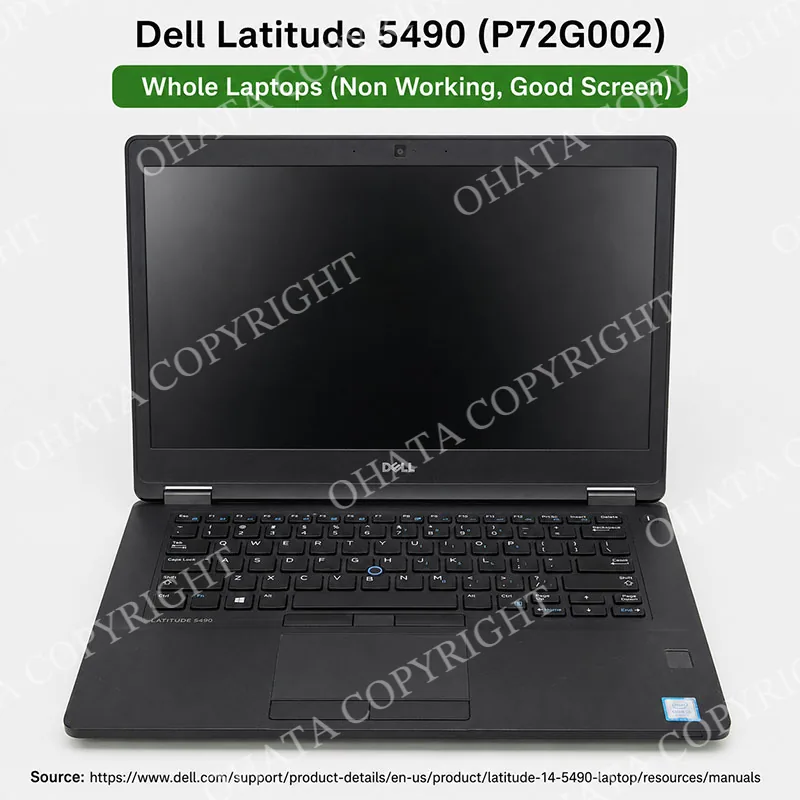
Whole Laptops (Non Working, Good Screen) buying
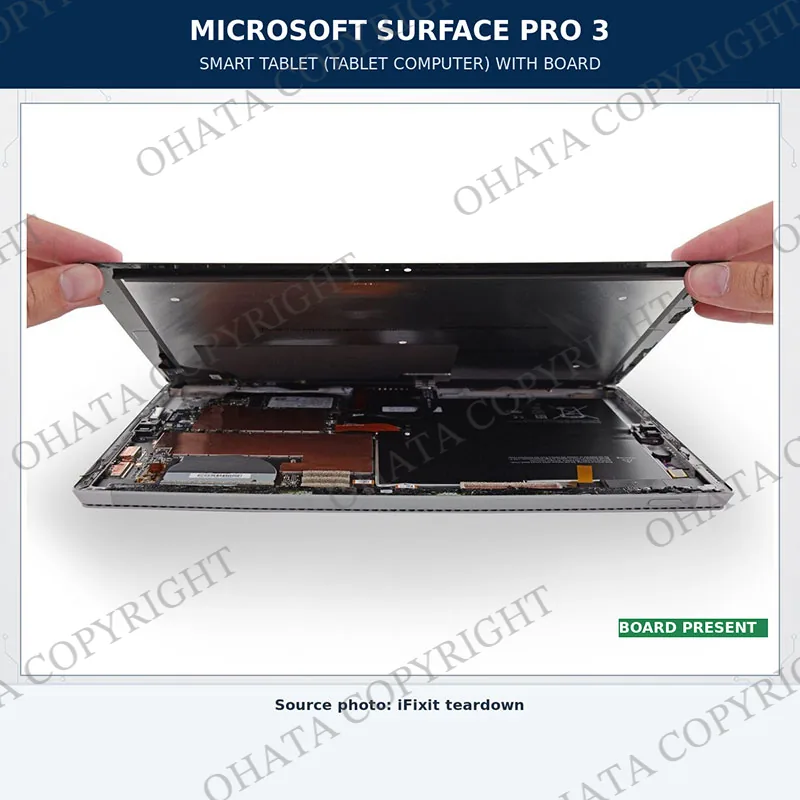
Smart Tablet ( Tablet Computer) with board buying

Smart phone (Non-cell phone) No Battery with board buying
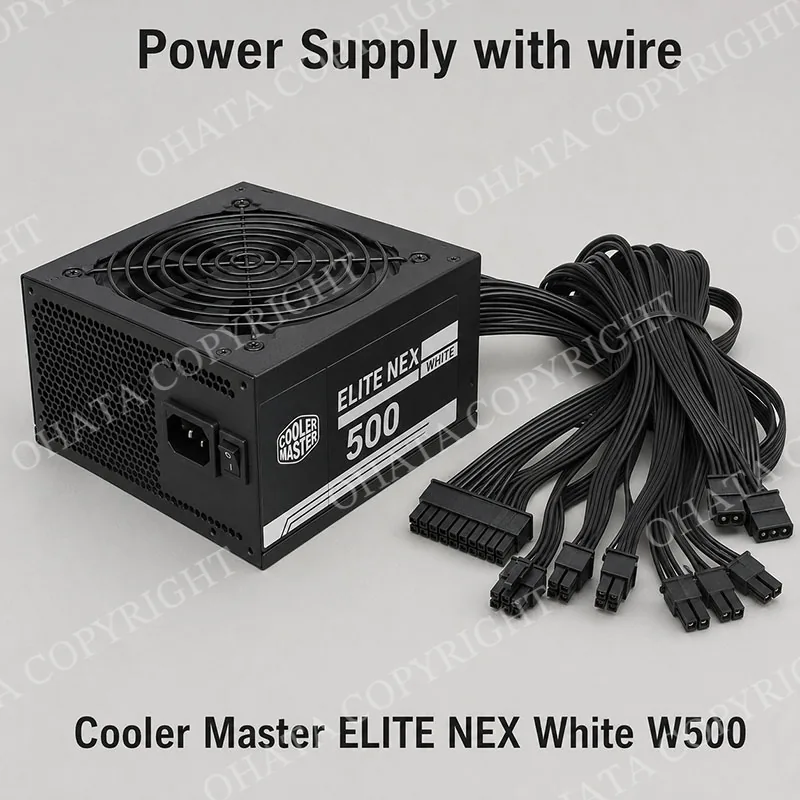
Power Supply with Wire Buying
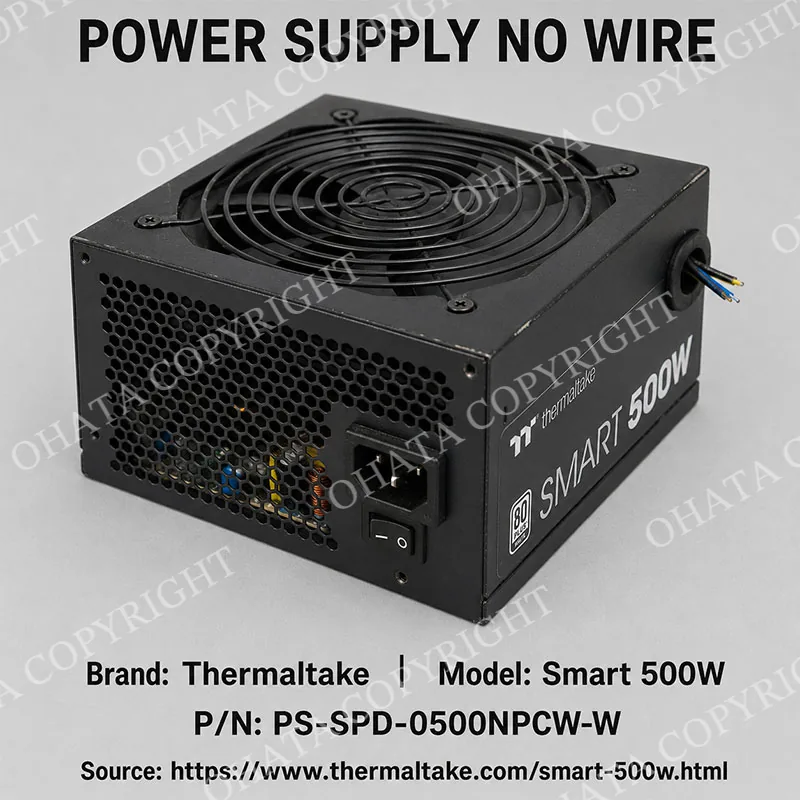
Power Supply No Wire Buying