

- Purchases start from just 1 lb of eligible Board SS Grade material.
- Board SS Grade is an Ohata internal classification for qualifying high-value telecommunications and enterprise communication boards.
- Classification is based on the board’s construction, component density, installed ICs, connectors, completeness, condition, and expected recoverable-material profile.
- A manufacturer, product series, or original equipment price does not determine the grade by itself.
- For the best evaluation, please keep processors, BGA packages, memory devices, communication components, connectors, and other original components attached.
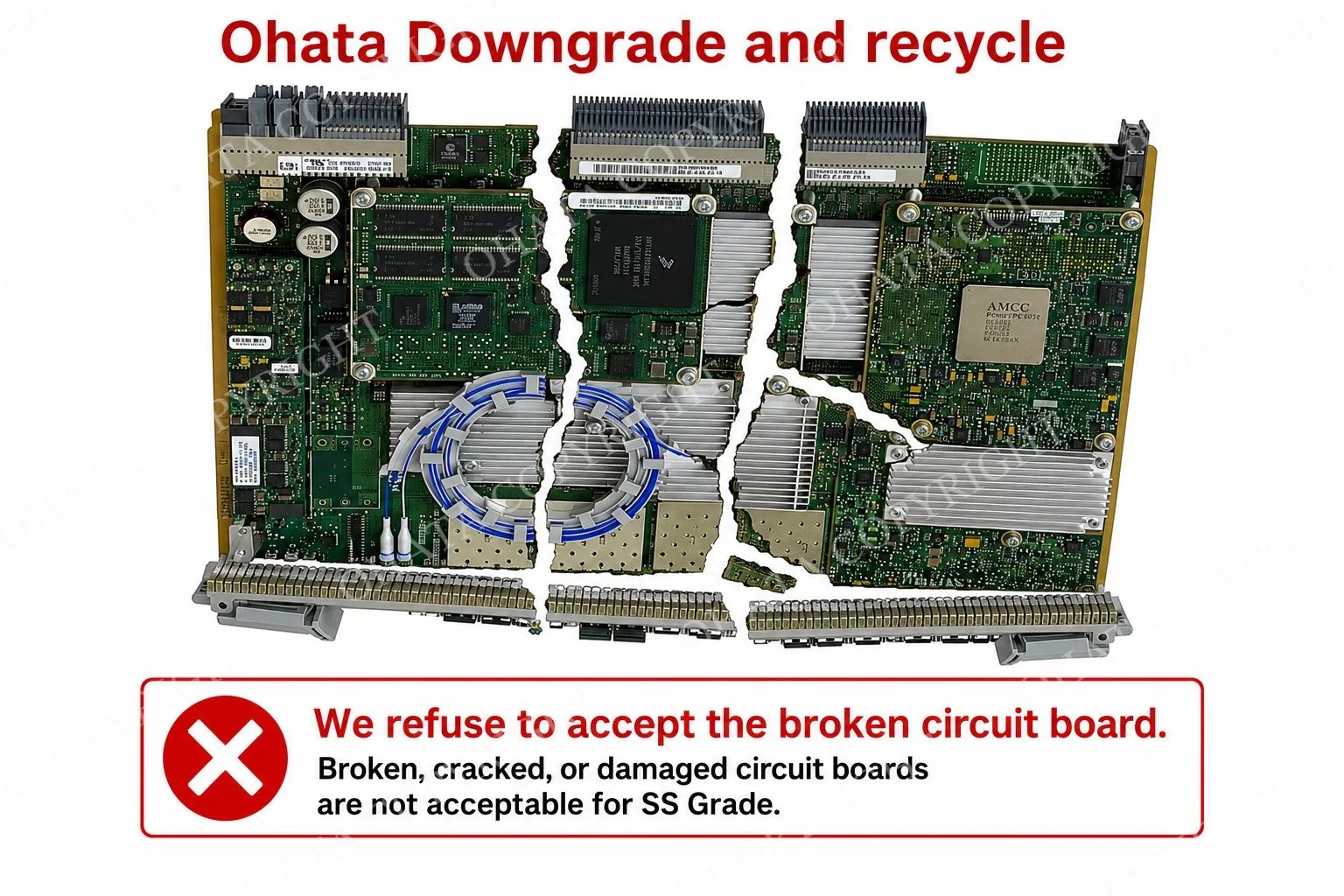
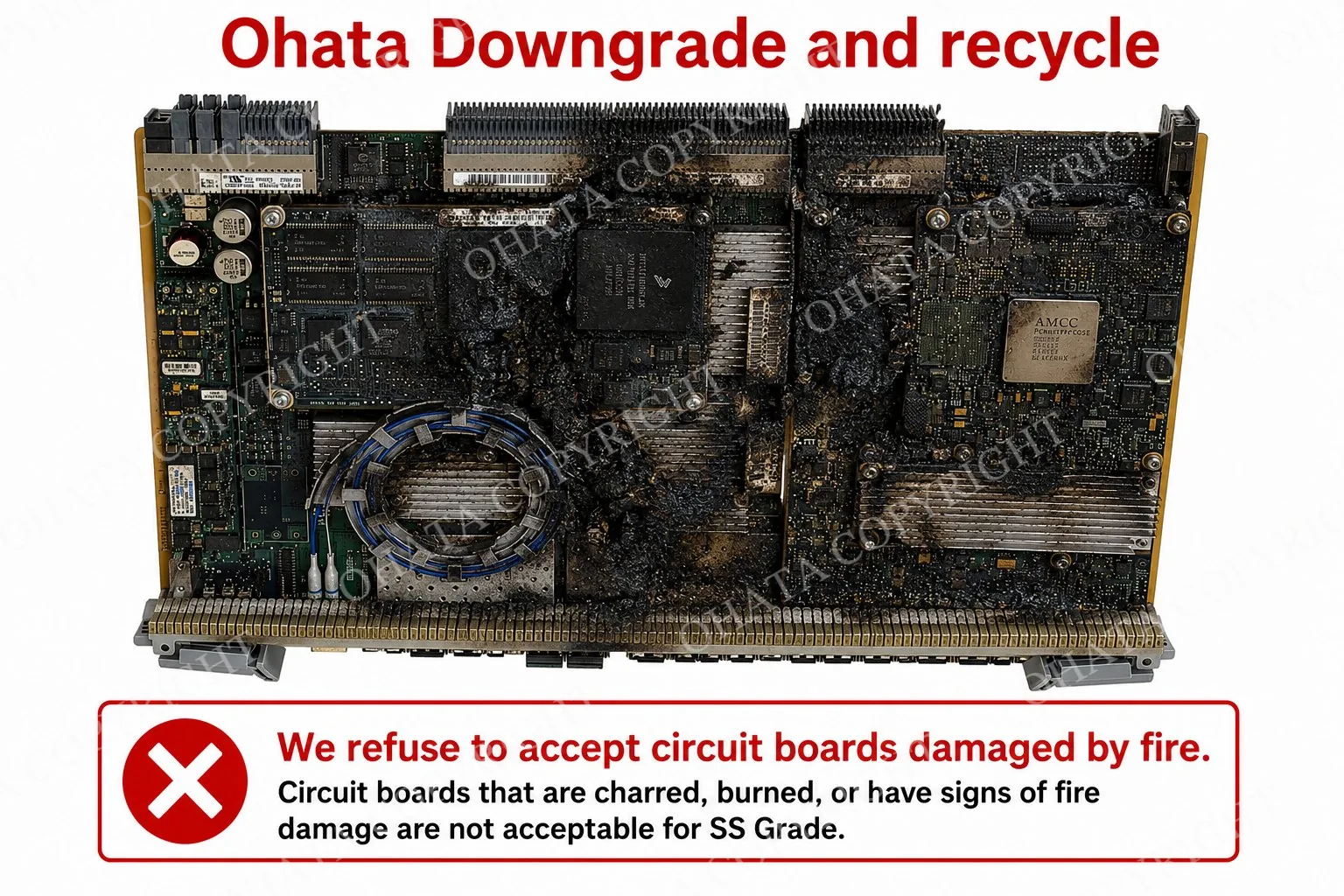
- Minor damage may affect classification. Severe burning, extensive corrosion, fragmentation, hazardous contamination, or missing major components may result in a lower classification or rejection after inspection.
Board SS Grade (High-Value Telecom Board) Buying scrap price
Key Buying Introduction
UP↑
Key Buying Introduction
- Purchases start from just 1 lb of eligible Board SS Grade material.
- Board SS Grade is an Ohata internal classification for qualifying high-value telecommunications and enterprise communication boards.
- Classification is based on the board’s construction, component density, installed ICs, connectors, completeness, condition, and expected recoverable-material profile.
- A manufacturer, product series, or original equipment price does not determine the grade by itself.
- For the best evaluation, please keep processors, BGA packages, memory devices, communication components, connectors, and other original components attached.
- Minor damage may affect classification. Severe burning, extensive corrosion, fragmentation, hazardous contamination, or missing major components may result in a lower classification or rejection after inspection.
Buying Details of Conditions
Learn more about identifying and sorting SS Grade circuit boards in our Wiki: SS Grade Circuit Board Scrap: Telecom, Network and Cell Phone Boards
Learn more about: Circuit Board Scrap Classification: Ohata's 9 PCB Grades
Introduction, Construction, Components, and Recycling Value
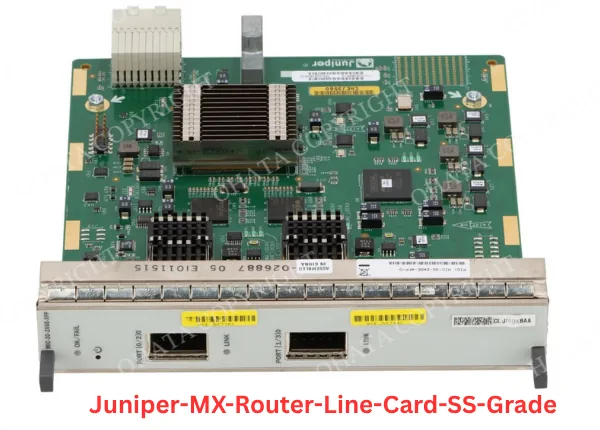
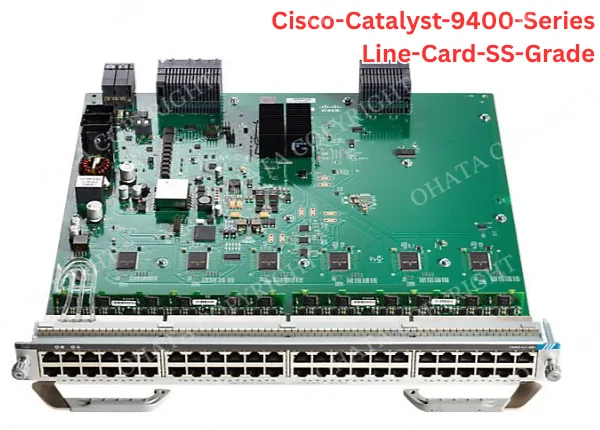
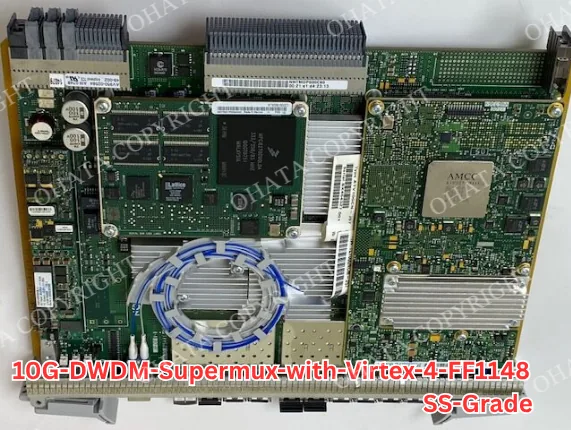
Board SS Grade is an Ohata internal classification for qualifying high-value circuit boards commonly found in telecommunications infrastructure, enterprise networking equipment, optical communication systems, and other advanced communication hardware.
These boards are typically designed to process large amounts of data, manage high-speed network traffic, or control specialized communication equipment. Their construction may include densely arranged integrated circuits, multiple large semiconductor packages, multilayer printed circuit boards, and high-quality connectors.
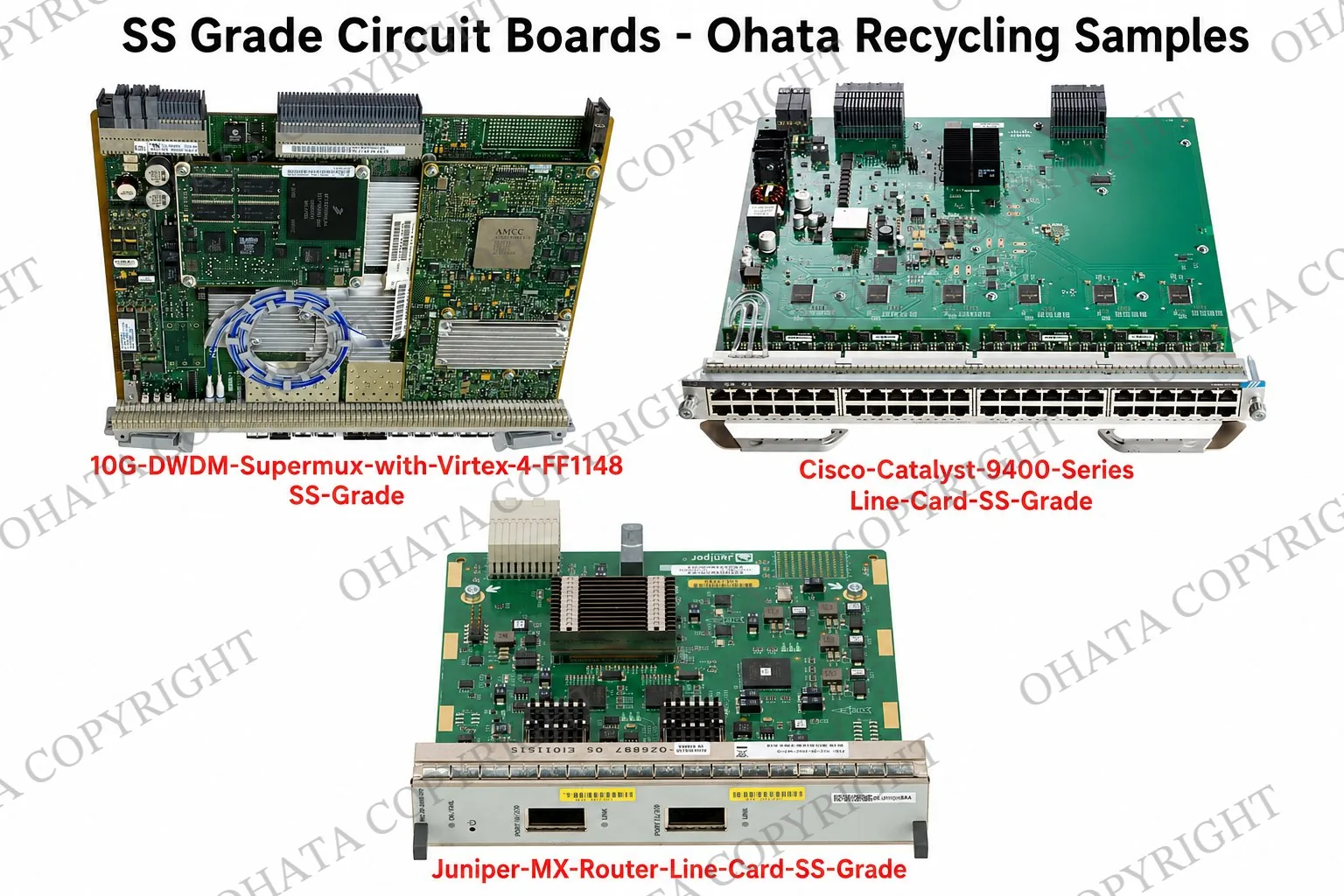
Typical sources may include qualifying boards from:
Telecommunications switching equipment
Enterprise network switches and routers
Optical transport and fiber-optic communication systems
Cellular base-station equipment
Carrier-grade communication hardware
High-density network control and processing modules
Specialized data-communication systems
The equipment source does not determine the grade by itself. Different boards from the same system, manufacturer, or product series may have very different component populations and recycling values. Each board must therefore be evaluated according to its actual construction.
A qualifying SS Grade board may contain:
Multiple large BGA or other high-density integrated circuits
Network processors, communication controllers, or specialized ASICs
Memory and supporting control components
Dense populations of surface-mounted components
Gold-plated edge contacts or high-quality communication connectors
Multilayer copper-bearing PCB construction
Voltage-regulation and power-management components
Oscillators, transceivers, filters, and signal-processing components
Exact component arrangements vary considerably. A board does not need to contain every component listed above, and the presence of one large processor or gold-colored connector does not automatically make it SS Grade.
Board SS Grade is valued according to its complete material profile, including component density, board construction, connector structure, completeness, condition, contamination, and processing requirements. The original equipment price, brand reputation, age, or operational performance does not determine the recycling value by itself.
Ohata Board SS Grade Classification and Identification Guide
SS Grade is reserved for boards that meet the highest applicable Ohata requirements for component density, construction, and expected recoverable-material value. Classification is confirmed through physical inspection rather than through the equipment label alone.
A qualifying board will generally demonstrate several of the following characteristics:
High component density
Integrated circuits and surface-mounted components should occupy a substantial portion of the PCB. Boards with large empty areas or only a small number of electronic components may belong to another grade.
Multiple substantial integrated circuits
Large BGA packages, network processors, communication controllers, programmable devices, memory components, or other high-density ICs may support an SS Grade classification.
Advanced board construction
Qualifying boards commonly use multilayer PCB construction to support complex signal routing, power distribution, and high-speed communication.
High-quality connectors and contacts
Gold-plated edge contacts, dense connector arrays, backplane interfaces, or specialized communication connectors may assist with identification. Visible gold-colored contacts alone do not determine the grade.
Major original components present
Processors, memory devices, communication ICs, connectors, and other significant components included in the original design should remain attached.
Complete and identifiable structure
The board should remain substantially complete and recognizable. Both sides should be inspected because important components, damage, or evidence of previous processing may appear on only one surface.
Acceptable condition
Normal handling marks, labels, minor scratches, or light dust may be acceptable. Damage or contamination that materially affects identification, handling, or recoverable value may change the classification.
Manufacturer and product-series information may help identify the board’s original application, but they do not guarantee SS Grade. A Cisco, Juniper, Arista, or other enterprise telecommunications board may qualify only when its physical construction satisfies the current Ohata SS Grade requirements.
Likewise, a board from a less familiar manufacturer may qualify when it has an equivalent construction and recoverable-material profile.
Boards do not need to function. Operational testing is generally unnecessary because the buying classification concerns physical construction and recoverable material rather than electronic performance.
Because technology evolves rapidly, newly retired networking and telecommunications equipment continues to become an important source of SS Grade material. Modern data centers, cloud infrastructure, and mobile communication networks generate increasing quantities of boards with characteristics that meet premium recycling standards.
Customers looking to recycle Board SS Grade (High-Value Telecom Board) can also browse our related buying categories.
Recoverable Materials and Electronic Components
SS Grade boards may contain several recoverable metals and electronic-material fractions. The precise amounts vary by design and cannot be confirmed through visual inspection alone.
Copper is commonly present in:
Internal PCB layers and conductive tracks
Power and grounding planes
Component leads
Connectors and sockets
Coils, inductors, and transformers
Gold may be present in thin plating on certain contacts, edge connectors, connector pins, and internal semiconductor connections. Although the amount is generally small compared with the board’s total weight, it can contribute to the board’s recycling value.
Depending on the construction, SS Grade boards may also contain:
Tin and small quantities of silver in solder and electronic joints
Nickel beneath certain plated contacts
Aluminum or steel in limited shielding and attached hardware
Small quantities of other recoverable metals within electronic components
Fiberglass and resin within the PCB substrate
The presence of a particular visible metal does not determine the grade by itself. Evaluation considers the complete board, including the number and type of components, connector structure, PCB construction, condition, and processing requirements.
Exact metal recovery depends on the board’s design and the downstream refining process. Ohata does not guarantee a fixed precious-metal yield for every individual SS Grade board.
Buying Conditions and Preparation
For accurate inspection and classification, please:
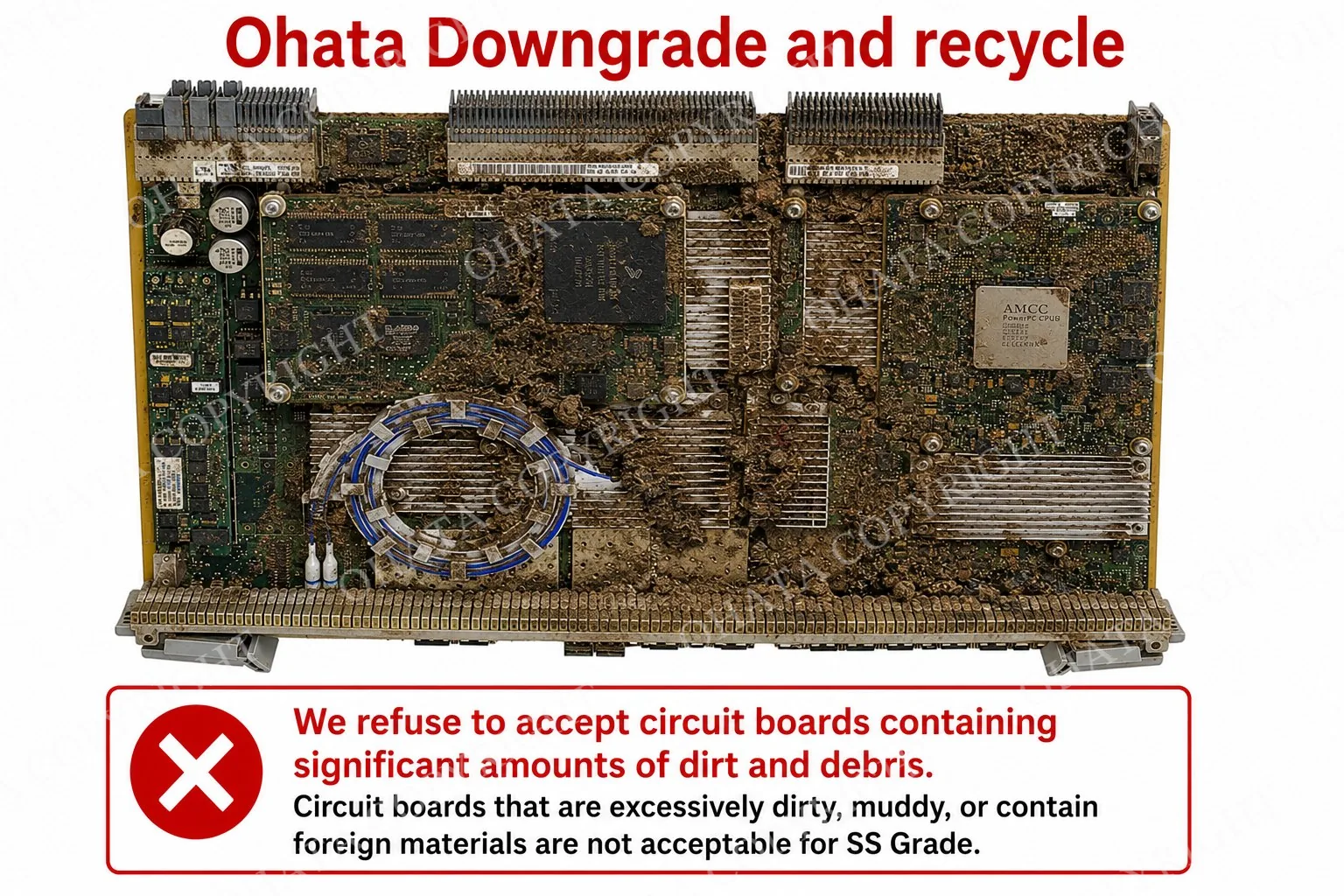
Keep boards dry and reasonably clean
Leave original processors, ICs, memory devices, and connectors attached
Avoid cutting, crushing, grinding, sanding, burning, or chemically treating the boards
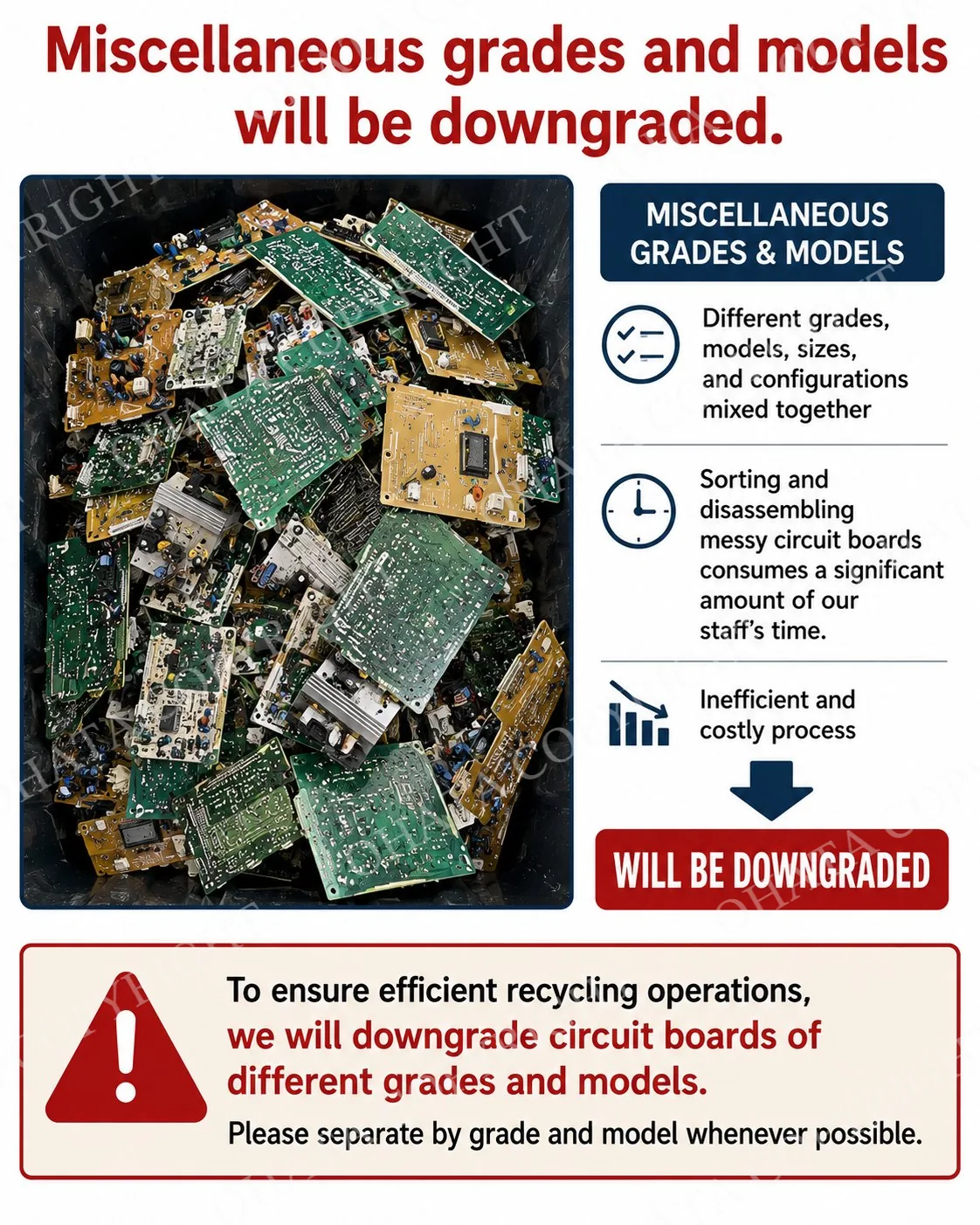
Separate high-density telecom boards from lower-grade consumer, appliance, and power-control boards
Keep batteries, wires, heavy metal attachments, loose plastic, packaging, and unrelated materials separate
Protect boards from unnecessary breakage during storage and transportation
Keep severely damaged or contaminated material separate for inspection
Boards should generally be delivered in their original recyclable condition. Removing processors, BGA packages, memory devices, connectors, or plated contact sections may reduce recoverable value and result in a lower classification.
Minor physical damage does not automatically make a board unacceptable. However, missing major components, cut sections, broken connectors, moderate corrosion, or other material changes may affect the grade.
Severely burned or carbonized boards may contain soot and degraded resin. Extensively fragmented boards may be difficult to identify and may lose components during transportation. Heavy mud, oil, chemicals, salt residue, hazardous substances, or unidentified contamination may also interfere with safe handling and accurate evaluation. Material in these conditions may be rejected after inspection.
Mixed Boards and Grade Separation
Different manufacturers and models may be included in an SS Grade shipment when every board genuinely satisfies the same SS Grade requirements. Brand or model differences alone do not require a lower grade.
However, a shipment containing SS Grade boards together with S, A+, A, B, C, or D Grade boards does not qualify for one uniform SS Grade price. Different grades may need to be separated, weighed, and priced individually.
Boards from the same telecommunications system may also receive different classifications. For example, a densely populated processing board may qualify for a higher grade than a simpler power, interface, or control board removed from the same chassis.
Separating boards by construction and expected grade before delivery can make inspection more efficient. Final classification is always confirmed after the material is physically inspected.
View more Ohata's circuit board recycling classifications
Board SS Grade (high value telecom Board)
Board S Grade (high-end computer Board)
Board A+ Grade (Industrial and enterprise Board)
Board A Grade (premium computer Board)
Board B Grade (medium value board)
FAQ
- 1. What is today’s price for Board SS Grade (High-Value Telecom Board) Buying?
- As of Sep 20,2026, Ohata Shoji America Inc., (Seattle, WA, United States) is purchasing Board SS Grade (High-Value Telecom Board) Buying at 20.75 (USD/lb). We provide competitive scrap prices in Seattle, Bellevue, Renton, Tukwila, Kent, SeaTac, Tacoma, Everett, and surrounding communities.
- 2. What is an SS Grade circuit board?
- SS Grade is a premium recycling classification for printed circuit boards with high concentrations of precious metals and valuable electronic components. It is based on the board's construction and recoverable material value rather than its manufacturer, model, or original selling price.
- 3. Which types of equipment commonly contain SS Grade boards?
- SS Grade boards are commonly found in smartphones, enterprise servers, network switches, telecom switching systems, fiber optic communication equipment, optical transport systems, and 4G/5G cellular infrastructure where high-performance electronics are required.
- 4. Does every Cisco or Juniper board qualify as SS Grade?
- No. Manufacturer and product-series information may assist with identification, but each board is graded according to its physical construction, components, completeness, condition, and current Ohata standards.
- 5. Can damaged SS Grade boards still be recycled?
- Yes. Boards with minor physical damage can often retain their SS Grade classification if most valuable components remain attached. However, missing processors, severe contamination, excessive corrosion, or heavy burning may reduce their recycling grade.
- 6. What metals are commonly recovered from SS Grade boards?
- Professional recyclers recover copper, gold, silver, nickel, tin, and, in some cases, palladium. These metals are extracted through specialized mechanical separation and refining processes designed for electronic scrap recycling.
- 7. Should components be removed before selling SS Grade boards?
- No. Boards should generally be kept as complete as possible. Removing processors, memory chips, connectors, or other valuable components lowers the amount of recoverable material and may reduce the board's recycling classification or result in rejection.
- 8. How does Ohata determine whether a board is SS Grade?
- Ohata classifies boards through visual inspection based on recycling characteristics such as component density, BGA packages, precious metal content, board construction, and overall recoverable material value—not simply by brand, model, or original equipment type.
- 9. Who can use the Ohata.ai online platform?
- Our digital ecosystem serves both individual consumers recycling small tech loads and large corporate enterprises liquidating mass data centre infrastructure.
- 10. How does your company guarantee data security during recycling?
- Every data-bearing device we buy undergoes certified software data destruction or total physical shredding before any refurbishment or material resale occurs.
- 11. How do I get paid for my electronic scrap and IT hardware?
- Once our processing facility verifies your shipment, we issue your funds securely through your chosen digital payment method.
Related Items
UP↑
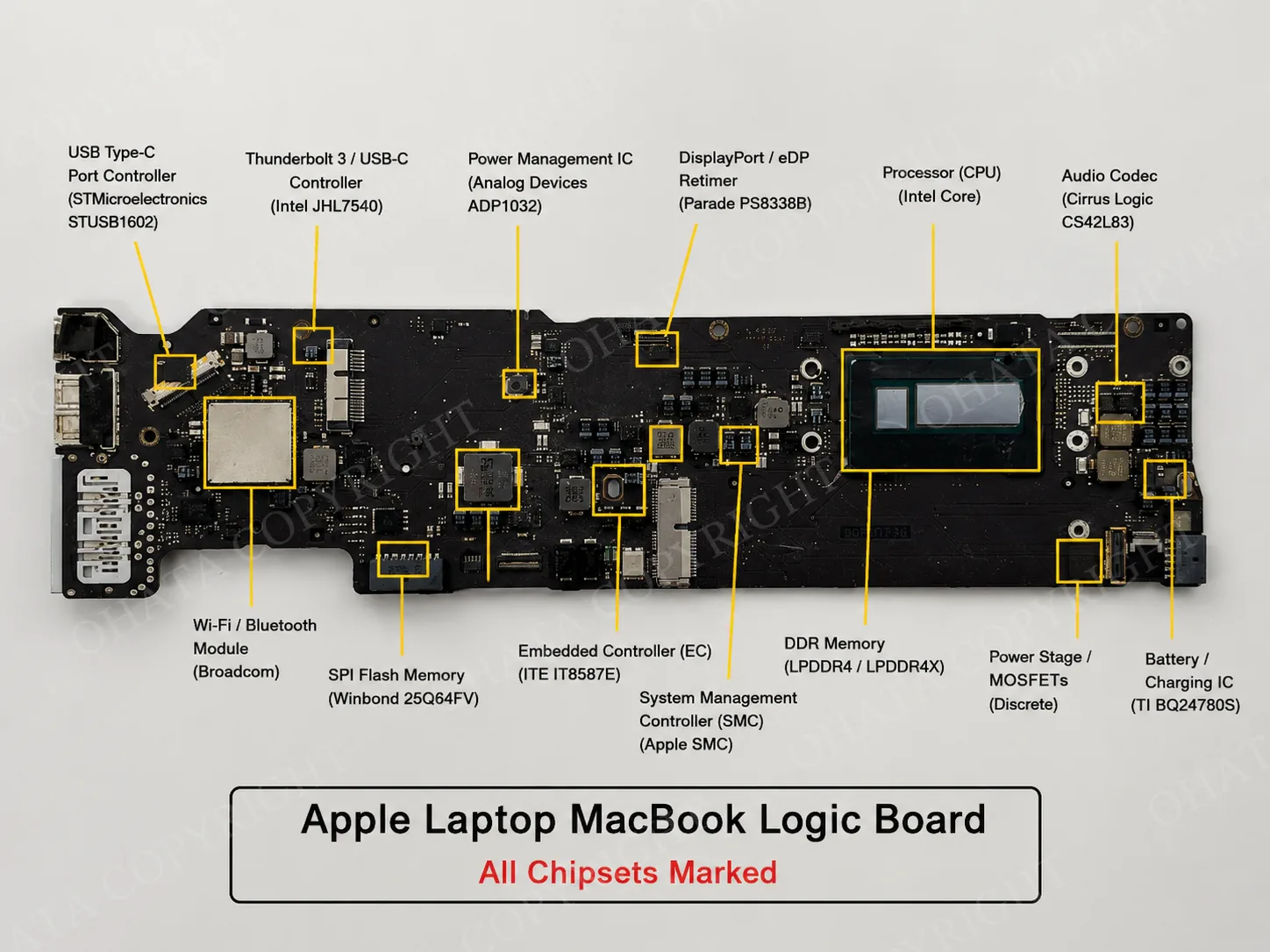
Apple Laptop Logic Board Buying
10.80
USD / lb
UP↑
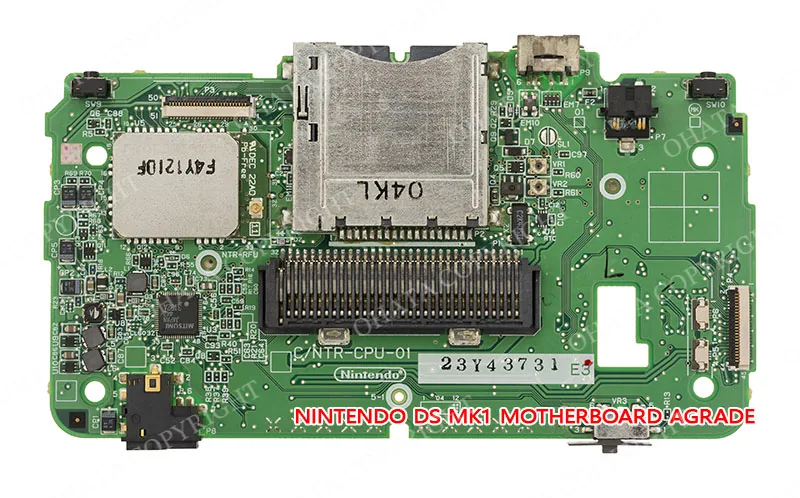
Board A Grade (Premium Computer Board) Buying
7.00
USD / lb
UP↑
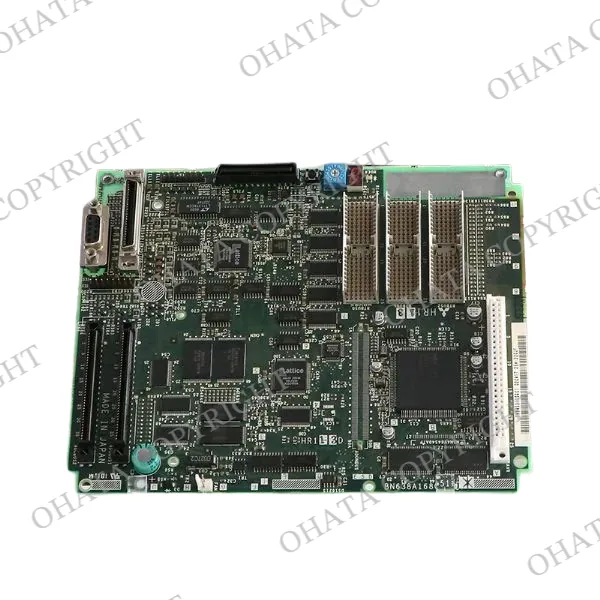
Board A+ Grade (Industrial and Enterprise Board) Buying
10.80
USD / lb
UP↑
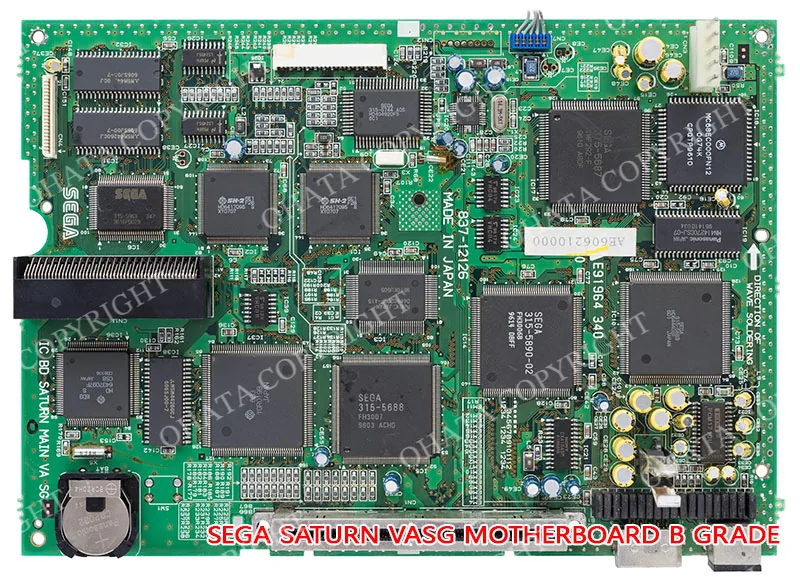
Board B Grade (medium value board) buying
5.00
USD / lb
UP↑
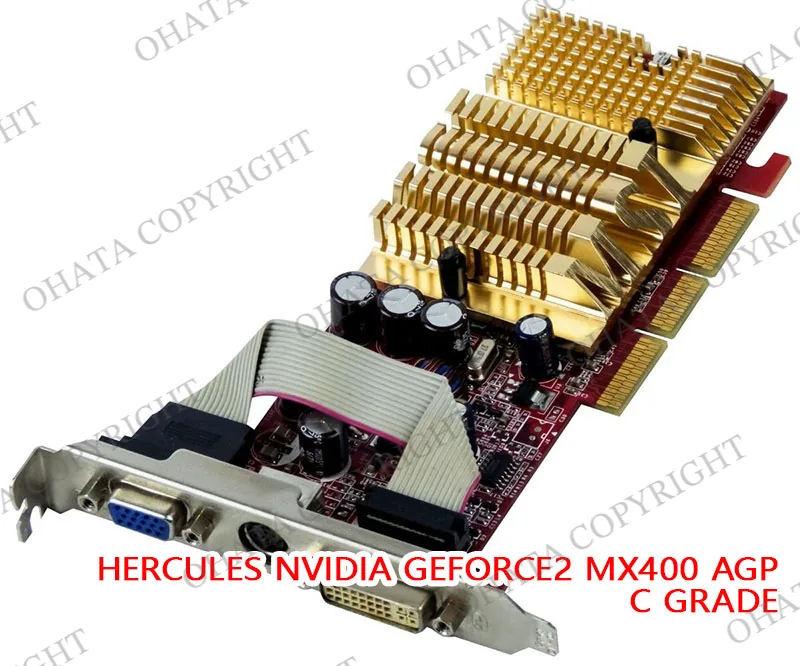
Board C Grade (Lower Premium Board) buying
4.35
USD / lb
UP↑
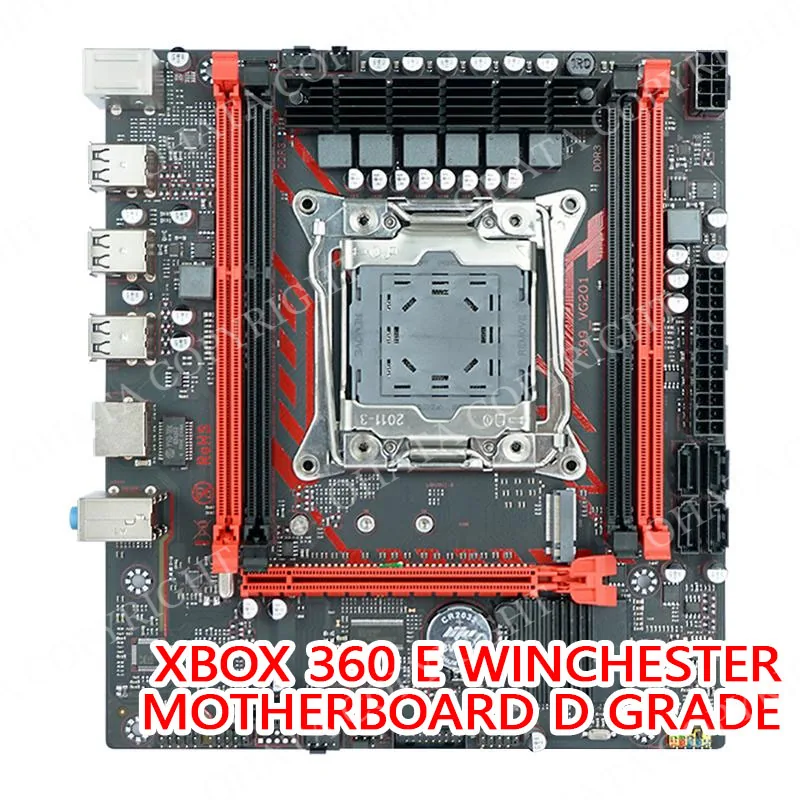
Board D Grade (Lower Computer Board) Buying
2.38
USD / lb
UP↑
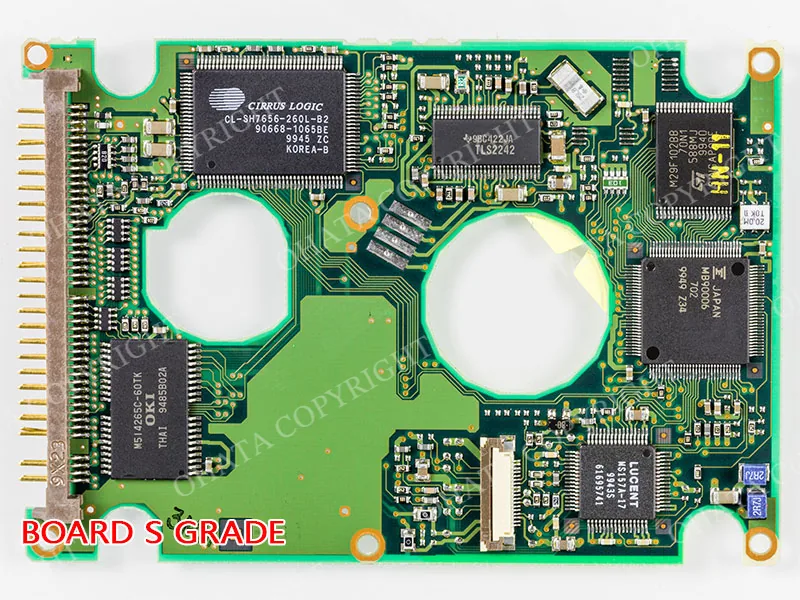
Board S Grade (High-End Computer Board) Buying
18.60
USD / lb
Contact us by phone or email