

- Purchases start from just 1 lb of eligible Board C Grade material.
- Board C Grade covers qualifying lower-premium computer and expansion boards with moderate or reduced component density, smaller processor interfaces, trimmed contacts, or attached cooling hardware. All boards meeting the Ohata C Grade standard are purchased at the same grade price.
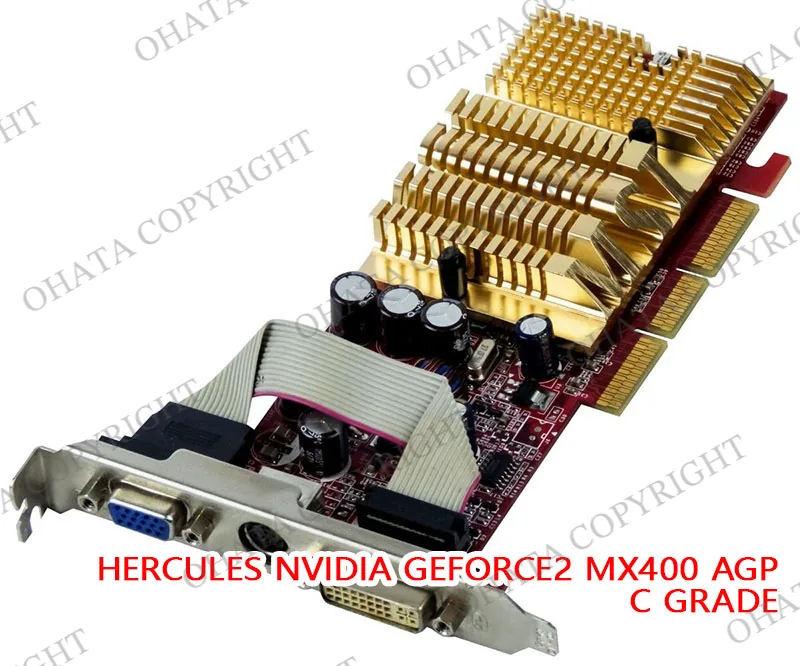
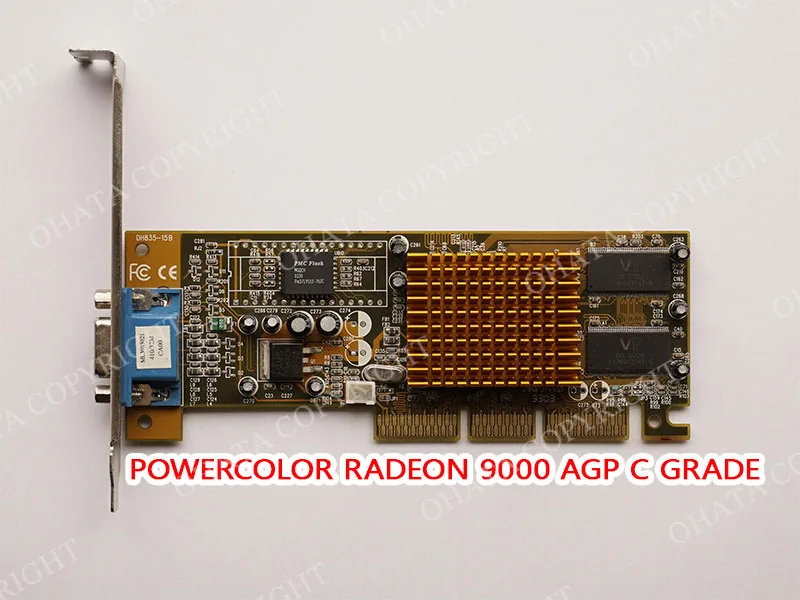
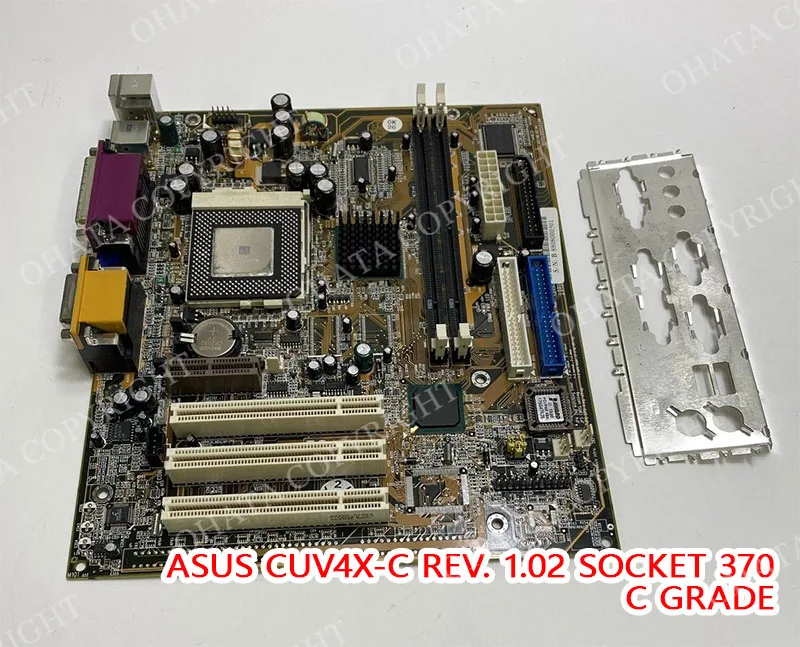
- Typical candidates may include selected desktop motherboards, lower-density interface cards, trimmed gold-finger cards, and expansion cards with fans, heatsinks, or brackets attached.
- Classification is based on the board’s construction, component density, connector condition, completeness, attachments, physical condition, and processing requirements.
- Please keep soldered chipsets, BGA packages, connectors, and other original electronic components attached.
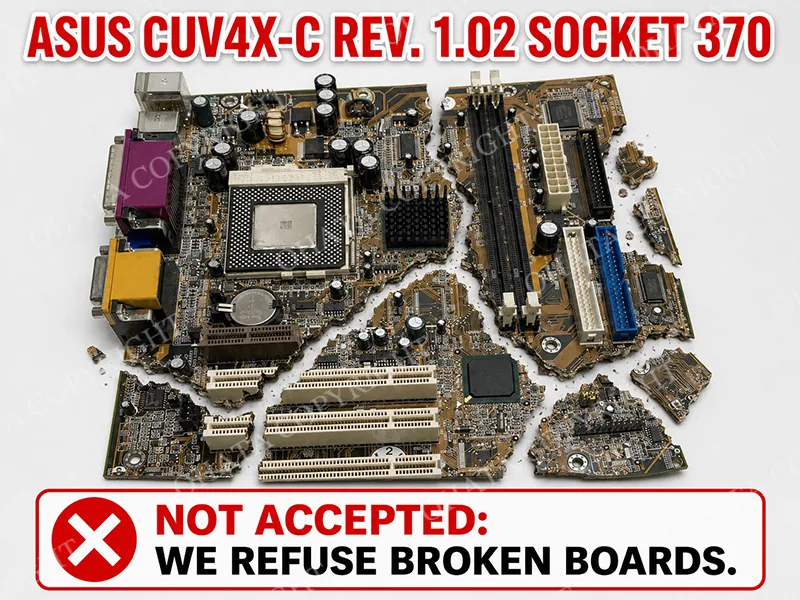
- Minor damage may affect classification. Severe burning, extensive corrosion, fragmentation, hazardous contamination, or missing major components may result in a lower classification or rejection after inspection.
Board C Grade (Lower Premium Board) buying scrap price
Key Buying Introduction
UP↑
Key Buying Introduction
- Purchases start from just 1 lb of eligible Board C Grade material.
- Board C Grade covers qualifying lower-premium computer and expansion boards with moderate or reduced component density, smaller processor interfaces, trimmed contacts, or attached cooling hardware. All boards meeting the Ohata C Grade standard are purchased at the same grade price.
- Typical candidates may include selected desktop motherboards, lower-density interface cards, trimmed gold-finger cards, and expansion cards with fans, heatsinks, or brackets attached.
- Classification is based on the board’s construction, component density, connector condition, completeness, attachments, physical condition, and processing requirements.
- Please keep soldered chipsets, BGA packages, connectors, and other original electronic components attached.
- Minor damage may affect classification. Severe burning, extensive corrosion, fragmentation, hazardous contamination, or missing major components may result in a lower classification or rejection after inspection.
Buying Details of Conditions
Learn more about identifying and sorting S Grade circuit boards in our Wiki: C Grade Board Scrap: Plastic PGA Desktop, Server and Trimmed Card Guide
Learn more about: Circuit Board Scrap Classification: Ohata's 9 PCB Grades
Introduction, Construction, Components, and Recycling Value
Under the Ohata classification system, any circuit board that meets the C Grade standard is purchased at the current C Grade price, regardless of its original brand, equipment model, manufacturing year, or former retail value. A board may once have been used in an expensive computer or industrial device, but its scrap grade is determined by its physical construction, component coverage, connector condition, recoverable-material content, completeness, contamination level, and processing difficulty. Original market price does not automatically create high recycling value.
Typical C Grade materials include trimmed gold-finger cards, expansion cards with attached fans or heat sinks, lower-density computer interface boards, ordinary commercial controller cards, and selected desktop motherboards using smaller or non-large plastic CPU sockets. These boards usually contain useful copper, solder, plated contacts, integrated circuits, capacitors, resistors, connectors, and limited gold-bearing areas.
However, they generally have less recoverable value than A+, A, or B Grade boards because they may contain fewer high-value integrated circuits, smaller processor interfaces, reduced gold-contact areas, lower multilayer complexity, or attached non-board materials that increase processing time.
The board’s recycling value comes primarily from copper in the traces and internal layers. Additional value may come from gold-plated edge contacts, connector pins, socket contacts, and microscopic bonding wires inside semiconductor packages. Silver may be present in solder alloys and selected contacts. Palladium may occur in small concentrations inside multilayer ceramic capacitors, while nickel and tin are commonly used in plating and solderable finishes.
Aluminum may be recovered from heat sinks, but an attached heat sink can reduce the board’s effective grade because it adds weight without providing the same value as populated PCB material. Cooling fans, steel brackets, plastic housings, screws, and cable assemblies can also increase sorting and dismantling costs.
Ohata’s broader buying framework covers many types of electronic materials, including computer motherboards, server boards, hard-drive controller boards, memory modules, networking equipment, and other electronic scrap. Final pricing is determined according to material type, condition, quantity, completeness, and current market conditions. This principle is also applied when evaluating C Grade circuit boards.
C Grade should therefore be understood as a recoverable electronic scrap category rather than material with no recycling value. When properly sorted and delivered in acceptable condition, C Grade boards remain suitable for professional preparation, mechanical processing, metal recovery, and downstream smelting.
Their economic value is simply lower than boards containing large CPU sockets, extensive gold fingers, very high IC coverage, multiple processors, dense telecom components, or premium industrial control circuitry.
Ohata C Grade Classification and Identification Guide
The most important classification rule is that C Grade is assigned according to the board’s recycling characteristics, not only its product name. Two boards manufactured by completely different companies may receive the same C Grade price when their construction, recoverable-metal potential, component density, and processing requirements are comparable.
A typical C Grade board may display one or more of the following characteristics:
It has moderate or relatively low component density compared with B Grade and higher categories.
It contains useful integrated circuits and connectors but does not contain enough high-value packages or gold-bearing areas to qualify for a premium grade.
It has a non-large CPU socket or a smaller plastic processor socket rather than a large, high-value server-style CPU socket.
It belongs to an internally recognized desktop motherboard socket category, such as Plastic CPU Socket No. 2, 4, 6, 7, or 9.
It is an expansion card with gold fingers that have been trimmed, shortened, damaged, or partly removed.
It is a gold-finger card with an attached fan, heat sink, steel bracket, or other non-PCB material.
It contains ordinary commercial or desktop circuitry rather than dense telecom, industrial, medical, robotics, CNC, PLC, or server-grade construction.
It requires additional labor to remove cooling hardware, brackets, cables, shields, or mixed attachments.
It remains sufficiently complete and populated to retain recycling value but lacks the overall value profile required for B Grade.
Trimmed Gold-Finger Cards
Trimmed gold-finger cards are an important C Grade example. Gold edge contacts can contribute significantly to the recycling value of expansion boards. When the gold-finger section has been cut off, heavily shortened, or otherwise removed, part of the most valuable recoverable area is missing.
Even when the remaining board is populated with IC chips and other components, the loss of the gold-plated connector area can reduce the classification. Sellers should not cut off gold fingers before delivery, because the board may lose more value than the separated contact section is worth.
Cards With Fans or Heat Sinks
Gold-finger cards with attached fans, heat sinks, brackets, or cooling assemblies may also be classified as C Grade. The fan, aluminum block, plastic housing, steel screws, and thermal hardware add gross weight but do not provide the same recycling value as populated PCB material.
These attachments also create additional work because they may need to be manually removed before the board can enter the appropriate processing stream. Therefore, an otherwise better expansion card may be downgraded when bulky cooling parts or metal hardware remain attached.
Desktop Motherboards With Non-Large CPU Sockets
Selected desktop motherboards with smaller plastic CPU sockets may qualify as C Grade. The evaluator should examine the CPU socket size, processor platform, chipset coverage, number of memory slots, expansion connectors, rear I/O configuration, and overall component complexity.
A physically large board is not automatically a high-grade board. A motherboard with a small non-large socket, limited chipset value, ordinary capacitor coverage, low IC density, and standard desktop architecture may fit C Grade even when its total dimensions are relatively large.
A C Grade board should normally remain recognizable as a populated electronic board. Missing removable components, such as a replaceable CPU, may affect the buying price according to the applicable standard. Removed soldered chipsets, missing BGA packages, cut PCB sections, stripped connectors, or removed gold fingers can result in a more serious downgrade or rejection.
Empty or nearly empty PCB material should not be presented as complete C Grade populated board scrap.
Recommended Identification Sequence:
First, confirm that the item is a populated printed circuit board rather than a bare PCB, metal panel, complete electronic device, or plastic housing.
Second, identify the general board family, such as a desktop motherboard, expansion card, graphics card, interface card, controller card, peripheral board, or commercial equipment board.
Third, inspect precious-metal-bearing areas, including gold fingers, CPU socket contacts, connector pins, memory contacts, plated headers, and semiconductor packages.
Fourth, evaluate the board’s IC density, component coverage, number of connectors, multilayer construction, and general circuit complexity.
Fifth, check whether heat sinks, fans, steel brackets, batteries, cables, shields, or other non-board attachments are present.
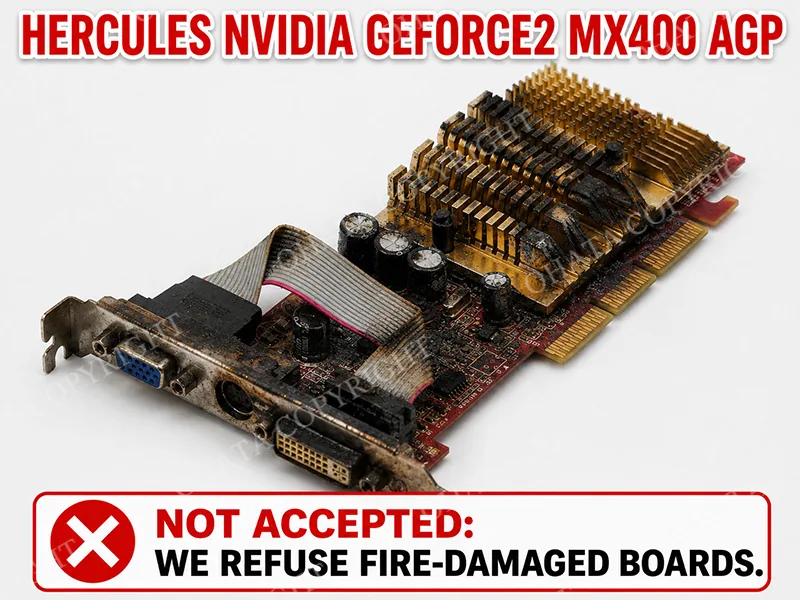
Sixth, examine the board for missing chipsets, removed components, cut sections, broken corners, heavy corrosion, fire damage, oil, mud, hazardous contamination, or excessive debris.
Finally, compare the complete board with the Ohata grade standards and assign the grade that best represents the board as a whole. A single attractive component or gold-plated connector should not determine the classification by itself.
Mixed Grades and Models
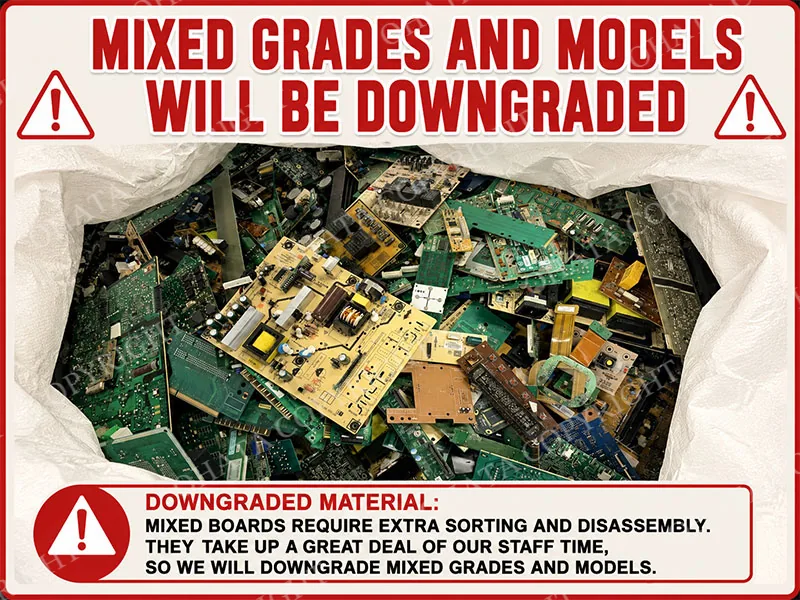
Mixed loads are another important grading issue. When C Grade boards are mixed with higher-grade boards, lower-grade appliance boards, power boards, bare PCBs, metal hardware, or unrelated electronic waste, the load requires additional sorting.
Because sorting and dismantling consume staff time, mixed grades and mixed models may be purchased at a reduced or downgraded rate. Sellers should separate their circuit boards according to grade before delivery whenever possible.
Recoverable Materials, Buying Standards, and Handling
Copper is normally the largest recoverable metal by weight in C Grade circuit boards. It is found in internal power planes, signal traces, plated through-holes, connector pathways, inductors, transformers, and wire windings.
Although an individual C Grade board may contain only a moderate amount of copper, consolidated commercial volumes can provide meaningful recovery value.
Gold may be present on edge fingers, CPU socket contacts, memory connectors, interface connectors, selected headers, and microscopic bonding wires inside semiconductor packages. The total amount varies widely.
A clean card with intact gold fingers may be more valuable than a similar card with trimmed contacts. However, the final classification still depends on the board’s complete structure, component density, attachments, and processing cost.
Silver can be found in solder, contacts, conductive materials, switches, and selected electronic components. Palladium may occur in multilayer ceramic capacitors and certain specialty components, normally in very small concentrations.
Tin is commonly present in solder and surface finishes. Nickel is frequently used as a barrier layer beneath gold or other connector plating. Aluminum may be recovered from heat sinks, while steel may be present in mounting brackets, shields, screws, and reinforced connector assemblies.
Ohata buying standards emphasize accurate sorting, complete materials, safe handling, and transparent physical inspection. Sellers should present boards in a condition that allows reliable identification, weighing, and processing.
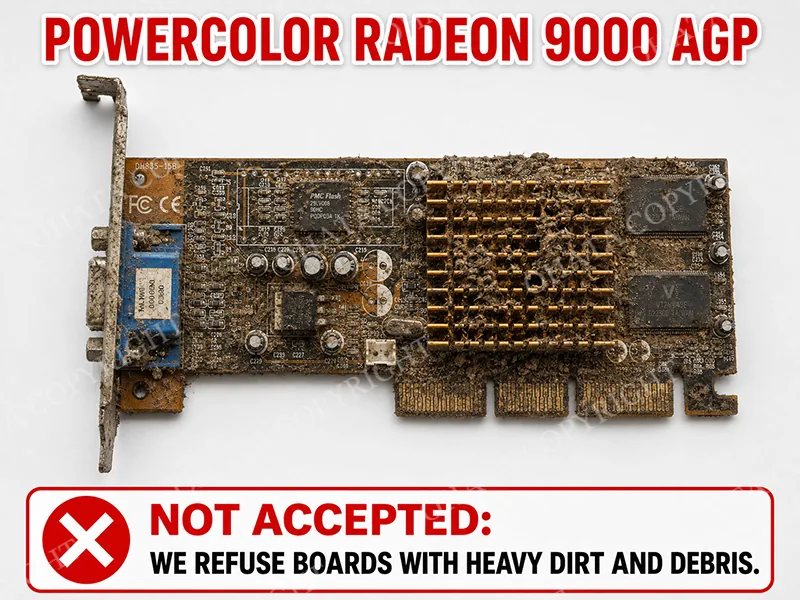
Boards should be dry, reasonably clean, and free from loose household waste, excessive mud, oil, chemicals, unidentified liquids, or hazardous residues.
Common unacceptable or downgraded conditions include:
Severely burned or extensively carbonized boards
Boards broken into multiple pieces
Boards with removed chipset ICs or BGA packages
Empty or nearly empty PCB boards
Boards contaminated with hazardous materials
Boards covered with heavy dirt, mud, oil, or debris
Boards with large PCB sections cut away
Loads mixed with unrelated electronic waste
Boards containing undeclared batteries or dangerous components
Minor cosmetic wear, light dust, discoloration, or evidence of normal use does not automatically eliminate recycling value. However, severe physical, thermal, or chemical damage can make identification and processing unsafe or uneconomical.
Sellers should avoid cutting off gold fingers, removing valuable chips, stripping connectors, or breaking boards to reduce shipping size. These actions may destroy recoverable value and move the material into a lower classification.
Complete boards are easier to identify, grade, consolidate, and process than partially stripped circuit boards.
Large steel cases, plastic housings, cables, transformers, heat sinks, fans, and batteries should be separated when requested. Removing excessive non-board materials improves classification accuracy and prevents disputes concerning gross weight.
For transportation, C Grade boards should be packed in strong cartons, bins, or pallet containers that prevent material loss. Sharp edges should be controlled, and heavy boards should not be placed in weak boxes. Different grades should be packaged and labeled separately.
Final purchase value is determined after physical inspection. Photographs, seller descriptions, and AI-assisted board identification may support a preliminary evaluation, but they do not replace the inspection of the actual materials received.
Quantity, cleanliness, completeness, recoverable-metal content, attached materials, processing costs, and current market prices may all influence the final settlement.
Comparison and Official Ohata Classification
C Grade sits below Ohata B Grade and above very low-value mixed electronic boards, bare PCBs, and ordinary appliance or power boards that may fall into lower classifications.
It should not be confused with A+, A, or B Grade simply because a board is physically large, old, heavy, or visually complicated.
C Grade Compared With A+ Grade
Compared with A+ Grade, C Grade normally has much lower IC density, fewer premium industrial or telecom components, smaller processor interfaces, and less concentrated precious-metal content.
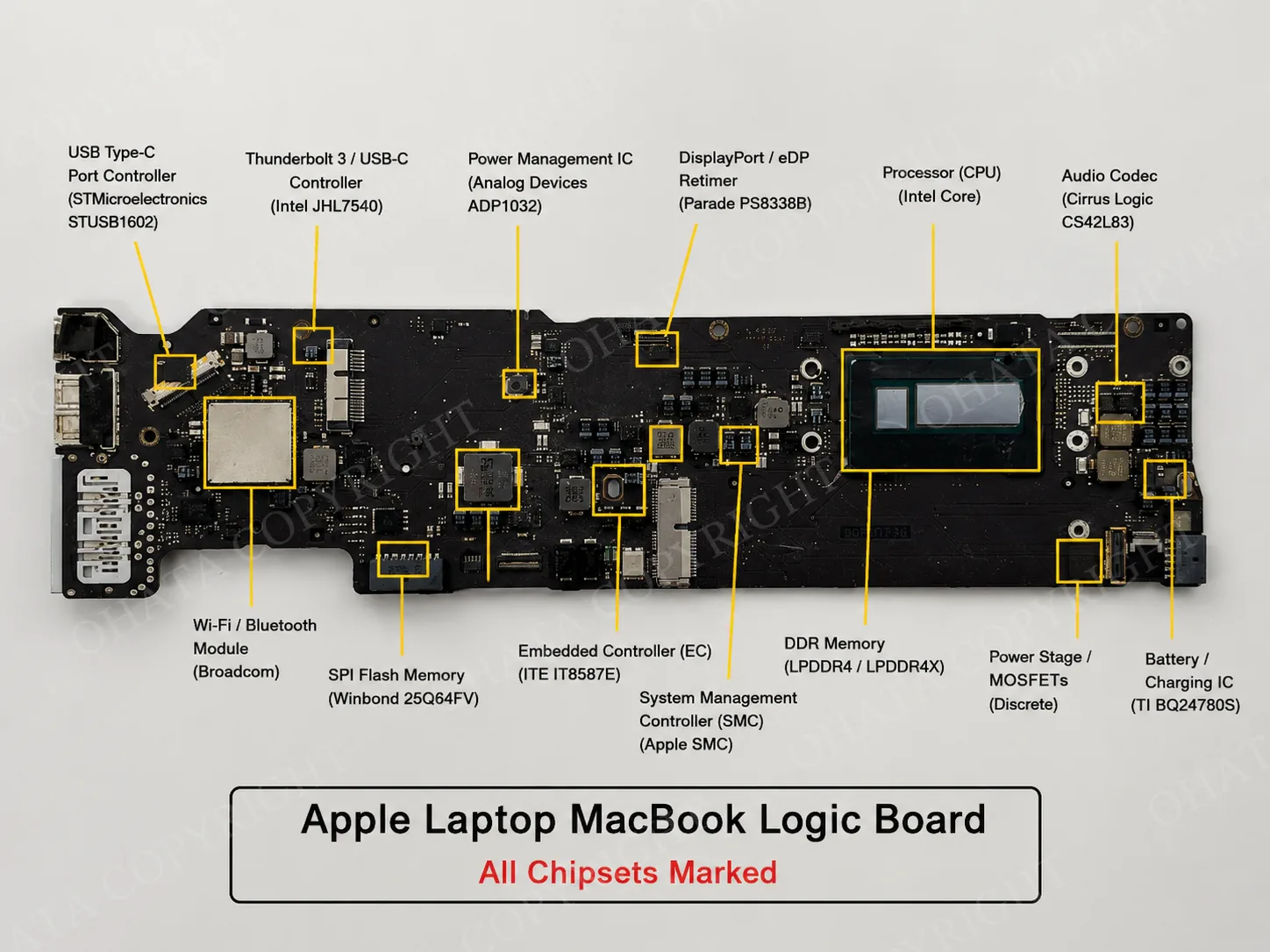
A+ Grade may include dense industrial control boards, PLC CPU boards, CNC machine boards, robotics control boards, medical equipment boards, Apple laptop logic boards, multi-socket server motherboards, telecom switching boards, and boards with extremely high IC coverage.
C Grade boards do not share this overall premium construction or high component concentration.
C Grade Compared With A Grade
Compared with A Grade, C Grade generally lacks large CPU sockets, server-oriented construction, strong multilayer architecture, high-value memory configurations, or advanced expansion systems.
A Grade boards may contain larger processor sockets, more substantial copper distribution, higher connector density, better chipset coverage, or more valuable server and commercial computing architecture.
C Grade Compared With B Grade
Compared with B Grade, C Grade usually contains fewer valuable ICs, less complex chipset architecture, smaller or lower-value processor sockets, reduced gold-bearing connector areas, or more attached non-board material.
A complete desktop motherboard may qualify as B Grade when it has a stronger processor platform, balanced IC coverage, full connectors, useful expansion slots, and better recoverable-metal potential.
A simpler desktop motherboard with a non-large plastic CPU socket, lower chipset density, fewer valuable components, or reduced gold-bearing areas may be classified as C Grade.
A B Grade gold-finger card may also become C Grade when its gold fingers are trimmed or when heavy fans, heat sinks, brackets, and cooling hardware remain attached.
Any circuit board that matches the C Grade construction, component density, CPU socket profile, precious-metal content, completeness, and processing requirements will be purchased at the current C Grade price, regardless of its brand, exact model, original application, or former retail value.
The final grade is based on the complete physical board and the actual condition of the delivered material. A familiar model name does not guarantee a fixed grade if valuable parts have been removed, gold fingers have been cut, cooling hardware remains attached, the board is burned or contaminated, or the shipment is mixed with other grades.
For the best buying result, sellers should:
Keep C Grade boards separate from other grades
Leave soldered chipsets and components intact
Avoid cutting gold fingers or connector areas
Remove excessive non-board attachments when requested
Keep boards dry and free from hazardous contamination
Protect boards against breakage during transportation
Provide clear photographs before shipping large quantities
Correct preparation reduces inspection time, supports transparent pricing, and helps preserve the recoverable value of the material.
In conclusion, Ohata C Grade circuit boards represent a practical lower-to-medium-value recycling class containing useful copper, limited precious metals, populated electronic components, and recoverable connector materials.
They are graded according to their recycling characteristics rather than their original equipment identity. When a circuit board meets the C Grade standard, it is valued as C Grade material, ensuring consistent buying treatment across different brands, models, manufacturing years, and industries.
View more Ohata's circuit board recycling classifications
Board SS Grade (high value telecom Board)
Board S Grade (high-end computer Board)
Board A+ Grade (Industrial and enterprise Board)
Board A Grade (premium computer Board)
Board B Grade (medium value board)
FAQ
- 1. What is today’s price for Board C Grade (Lower Premium Board) buying?
- As of Sep 20,2026, Ohata Shoji America Inc., (Seattle, WA, United States) is purchasing Board C Grade (Lower Premium Board) buying at 4.35 (USD/lb). We provide competitive scrap prices in Seattle, Bellevue, Renton, Tukwila, Kent, SeaTac, Tacoma, Everett, and surrounding communities.
- 2. What is an Ohata C Grade circuit board?
- An Ohata C Grade circuit board is a lower-to-medium-value populated PCB that contains recoverable copper, electronic components, plated contacts, and limited quantities of precious metals. It does not have the component density, large CPU socket, gold-bearing areas, or advanced construction normally found in B Grade, A Grade, or A+ Grade boards.
- 3. Are all boards that meet the C Grade standard purchased at the same grade price?
- Yes. Circuit boards that meet the Ohata C Grade standard are purchased according to the current C Grade buying price, regardless of their brand, original equipment value, manufacturing year, or specific model. The actual settlement may still be affected by quantity, cleanliness, completeness, and current market conditions.
- 4. What types of circuit boards are commonly classified as C Grade?
- Typical examples include trimmed gold-finger cards, gold-finger expansion cards with fans or heat sinks attached, lower-density computer interface cards, ordinary commercial controller boards, and selected desktop motherboards with non-large plastic CPU sockets.
- 5. Will removing or trimming the gold fingers reduce the board’s value?
- Yes. Gold fingers are among the most valuable recoverable areas on many expansion cards. Cutting, trimming, or removing them reduces the gold-bearing content of the board and may cause it to be downgraded. Sellers should normally leave the gold fingers intact.
- 6. What recoverable materials are found in C Grade circuit boards?
- C Grade boards commonly contain copper in their internal layers, traces, coils, and connectors. Small quantities of gold may be found in edge contacts, sockets, connector pins, and semiconductor bonding wires. Silver, tin, nickel, and limited amounts of palladium may also be recovered from solder, plating, integrated circuits, and ceramic capacitors.
- 7. What conditions may cause a C Grade board to be downgraded or rejected?
- Boards may be downgraded or rejected if they are severely burned, broken into multiple pieces, heavily contaminated, covered with mud or oil, missing soldered chipset ICs, stripped of connectors, cut into sections, or mixed with hazardous materials. Empty or nearly empty PCB boards are not accepted as complete C Grade populated boards.
- 8. How should C Grade circuit boards be prepared before delivery?
- Keep the boards complete, dry, reasonably clean, and separated from other grades. Do not remove soldered chipsets, cut off gold fingers, or break the boards to reduce their size. Excessive batteries, cables, steel housings, plastic parts, fans, and heat sinks should be removed when required. Pack the boards securely to prevent damage or material loss during transportation.
- 9. Is there a processing fee for using digital payment options?
- No, Ohata.ai does not charge any transaction fees for sending your payouts via direct deposit or digital wallets.
- 10. How does Ohata Shoji America Inc. support responsible electronics recycling?
- We help businesses and individuals sell surplus electronic equipment through our online platform while promoting reuse, responsible recycling, and resource recovery to reduce electronic waste.
- 11. How does Ohata.ai make selling electronic scrap easier?
- Ohata.ai provides an online platform where customers can view buying information, submit inquiries, identify electronic boards, and connect with our purchasing team in a convenient digital environment.
Related Items
UP↑
Apple Laptop Logic Board Buying
10.80
USD / lb
UP↑
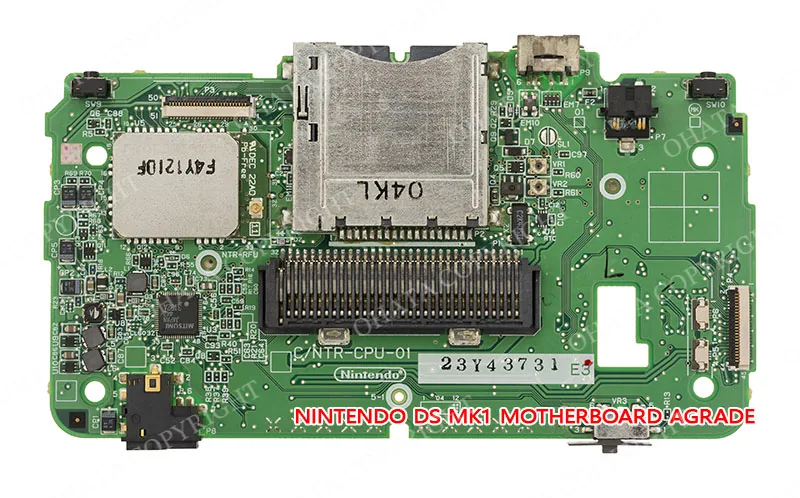
Board A Grade (Premium Computer Board) Buying
7.00
USD / lb
UP↑
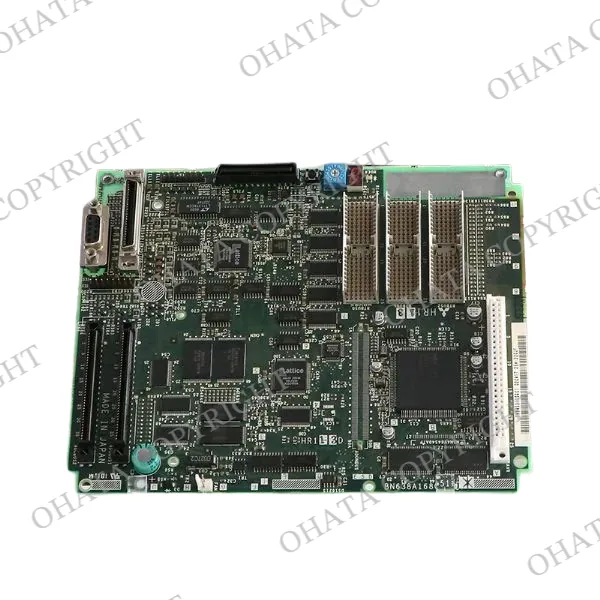
Board A+ Grade (Industrial and Enterprise Board) Buying
10.80
USD / lb
UP↑
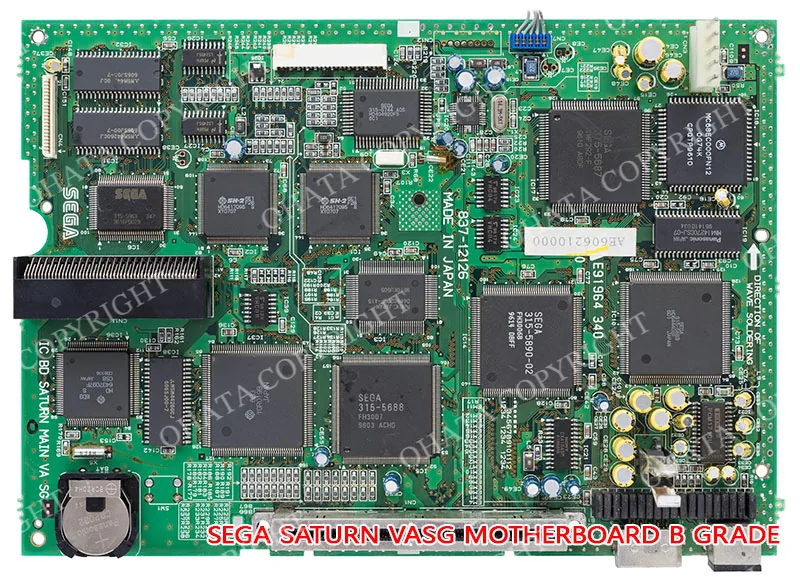
Board B Grade (medium value board) buying
5.00
USD / lb
UP↑
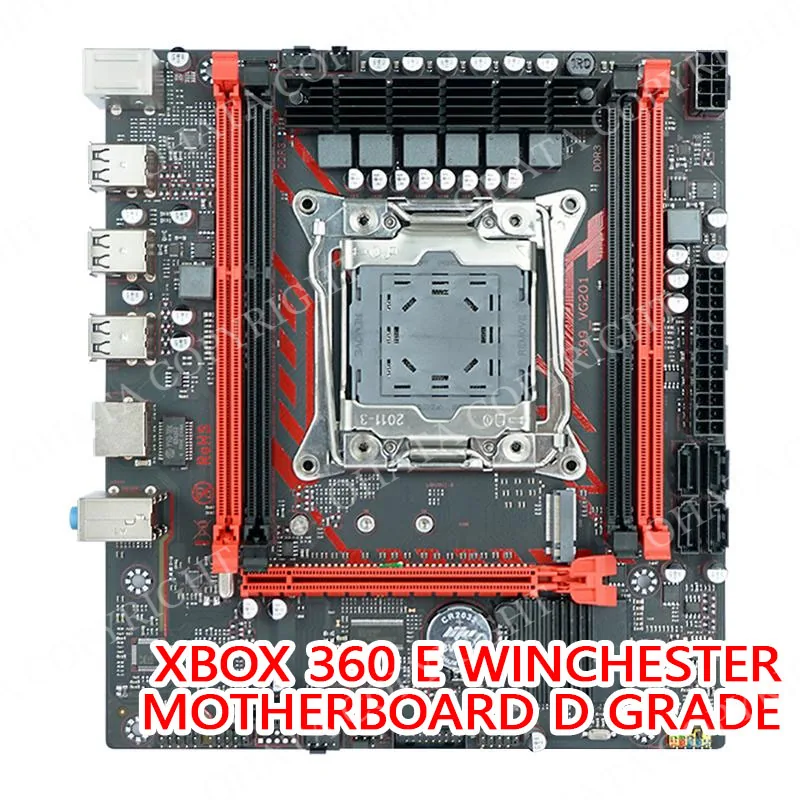
Board D Grade (Lower Computer Board) Buying
2.38
USD / lb
UP↑
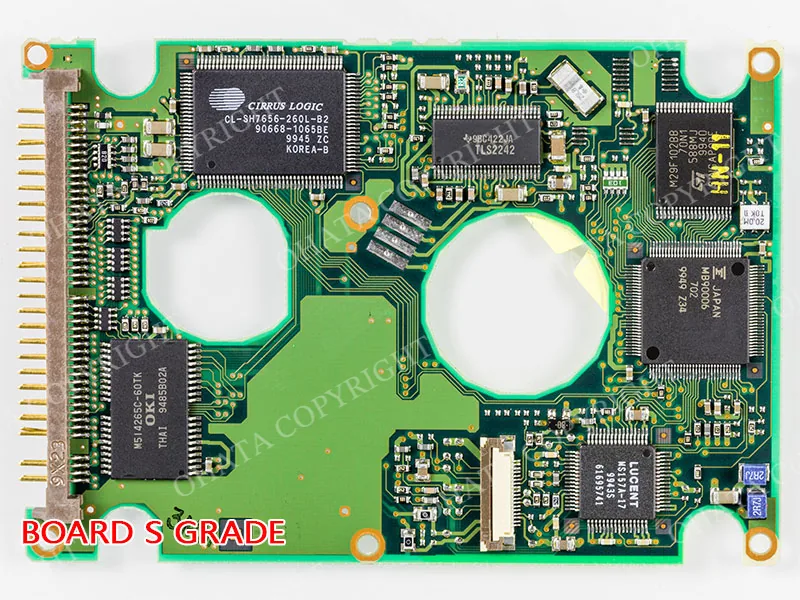
Board S Grade (High-End Computer Board) Buying
18.60
USD / lb
UP↑
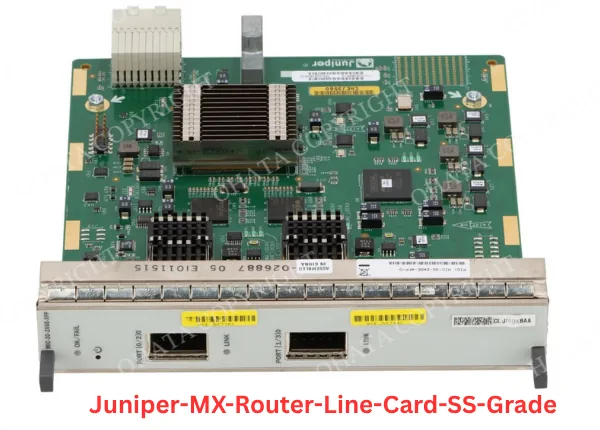
Board SS Grade (High-Value Telecom Board) Buying
20.75
USD / lb
Contact us by phone or email