

- Purchases start from just 1 lb of eligible Board B Grade material.
- Board B Grade covers qualifying medium-value computer, server, telecommunications, peripheral, and game-system boards with moderate IC density and multilayer PCB construction. All boards meeting the Ohata B Grade standard are purchased at the same grade price.
- Typical candidates may include qualifying Xbox and Sega Saturn motherboards, lower-grade telecommunications boards, selected server motherboards, desktop motherboards, and peripheral boards.
- Classification is based on the board’s construction, component density, socket and connector design, completeness, condition, and expected recoverable-material profile.
- Please keep soldered processors, chipsets, controllers, sockets, connectors, and other original components attached.
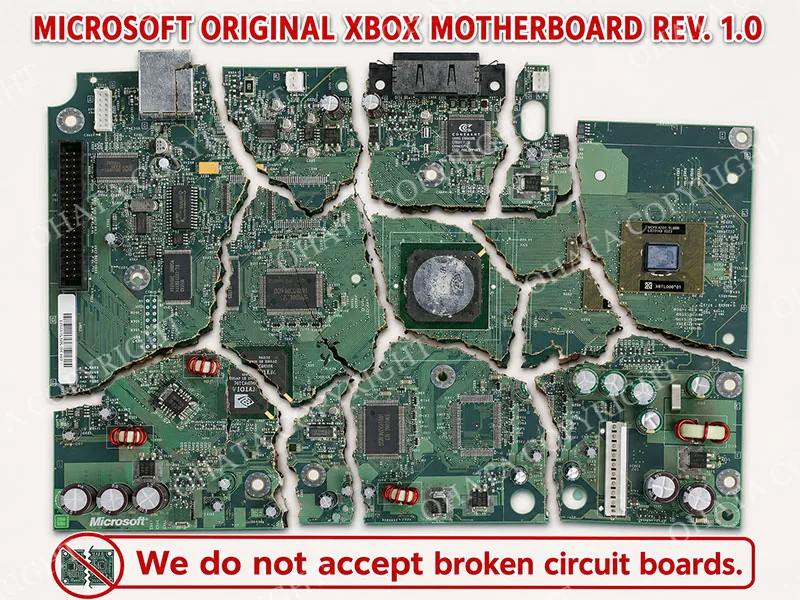
- Minor damage may affect classification. Severe burning, extensive corrosion, fragmentation, hazardous contamination, or missing major components may result in a lower classification or rejection after inspection.
Board B Grade (medium value board) buying scrap price
Key Buying Introduction
UP↑
Key Buying Introduction
- Purchases start from just 1 lb of eligible Board B Grade material.
- Board B Grade covers qualifying medium-value computer, server, telecommunications, peripheral, and game-system boards with moderate IC density and multilayer PCB construction. All boards meeting the Ohata B Grade standard are purchased at the same grade price.
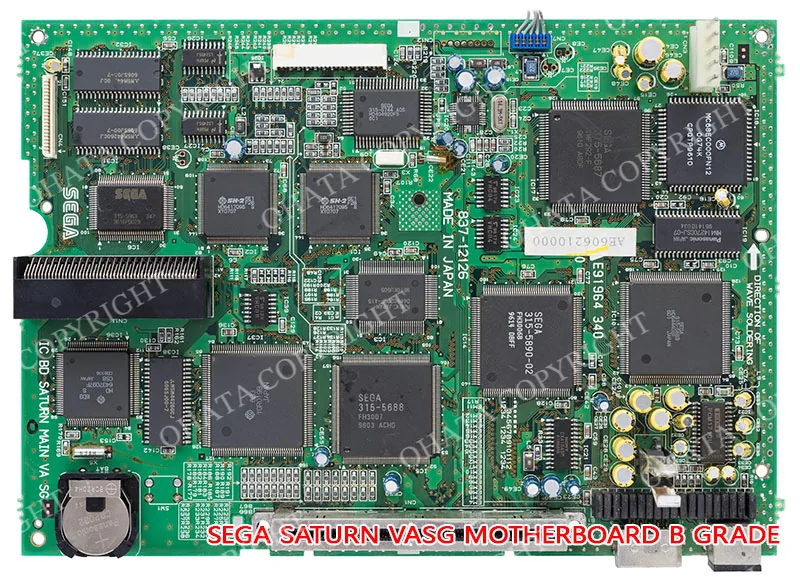
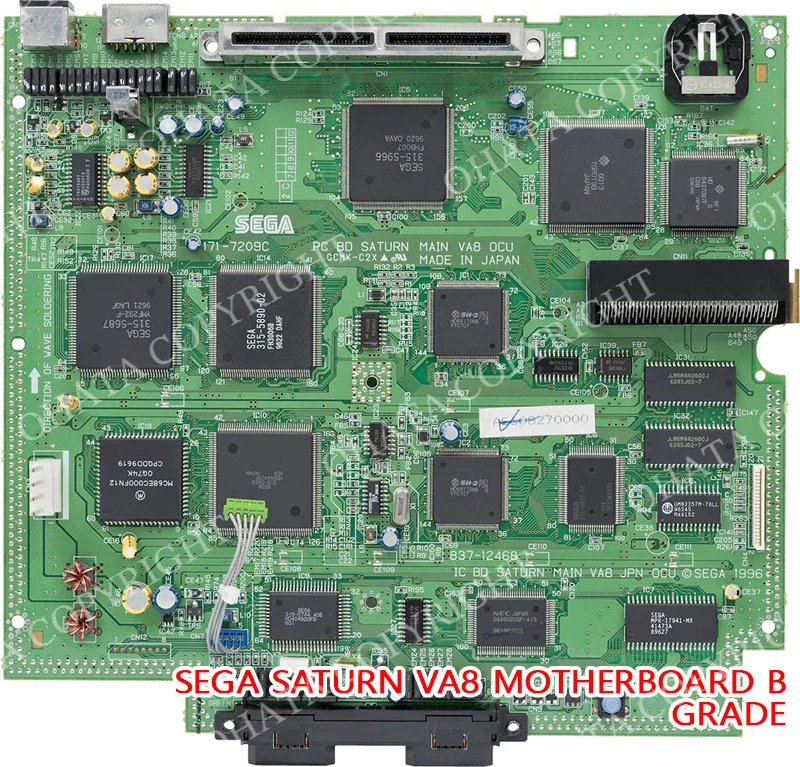
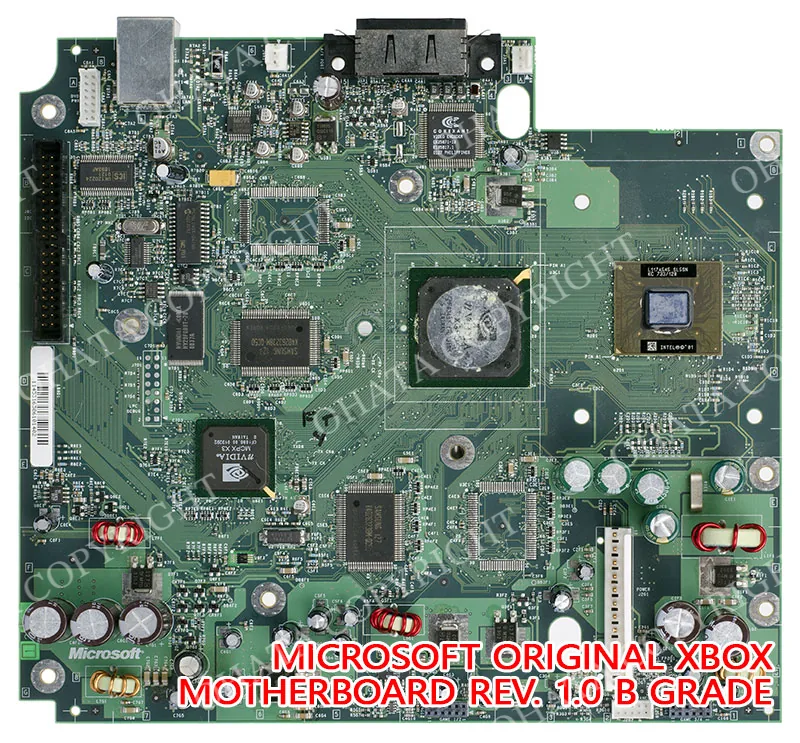
- Typical candidates may include qualifying Xbox and Sega Saturn motherboards, lower-grade telecommunications boards, selected server motherboards, desktop motherboards, and peripheral boards.
- Classification is based on the board’s construction, component density, socket and connector design, completeness, condition, and expected recoverable-material profile.
- Please keep soldered processors, chipsets, controllers, sockets, connectors, and other original components attached.
- Minor damage may affect classification. Severe burning, extensive corrosion, fragmentation, hazardous contamination, or missing major components may result in a lower classification or rejection after inspection.
Buying Details of Conditions
Learn more about identifying and sorting S Grade circuit boards in our Wiki: Board B Grade (medium value board) buying scrap price
Learn more about: Circuit Board Scrap Classification: Ohata's 9 PCB Grades
Introduction, Construction, Components, and Recycling Value
B Grade includes medium-value circuit boards with moderate integrated-circuit density, multilayer PCB construction, and useful recoverable materials. Common examples include qualifying game-system motherboards, lower-grade telecommunications boards, selected server motherboards, older desktop motherboards, and high-grade peripheral boards.
Different products may receive the same B Grade classification when their construction, components, completeness, and condition meet the same Ohata standard. Brand, model, age, original retail price, and working condition do not determine the grade by themselves.
Within the Ohata circuit-board classification system, B Grade is positioned below A Grade and above C Grade. These boards generally have a lower component density and expected precious-metal-bearing profile than higher grades, while retaining more recoverable value than qualifying lower-grade boards.
According to the Ohata classification standard, representative B Grade products include:
Low-grade telecommunications boards
Metal multi-socket server motherboards
Plastic multi-socket server motherboards
High-grade peripheral boards
Selected desktop motherboards with non-metal plastic CPU sockets
Non-Apple laptop motherboards with one qualifying gold-tab BGA
Expansion cards without qualifying gold-tab BGA packages and without iron brackets
Xbox and Sega Saturn family game machine boards
Boards featuring plastic connector ends
These examples describe common B Grade product families, but they are not an exhaustive list. A board from another product category may also qualify when its construction, component population, recoverable material content, socket design, connector arrangement, and overall recycling characteristics correspond to the B Grade standard.
General Board Construction
Most B Grade circuit boards are manufactured on multilayer FR-4 fiberglass substrates. Internal copper layers distribute power, ground, and electrical signals between processors, memory devices, controllers, expansion interfaces, and external connectors. Although their construction is usually less complex than that of industrial automation, advanced telecommunications, or premium server boards, B Grade boards remain significantly more sophisticated than ordinary appliance control boards.
Typical construction features include:
Moderate multilayer PCB construction
Medium integrated-circuit density
One or more principal processor or controller packages
Plastic or cost-efficient processor socket assemblies
Memory, expansion, storage, or communication connectors
Voltage-regulation circuits
Copper-bearing inductors and coils
Surface-mounted capacitors and resistors
Plated internal and external connector contacts
Standard commercial-quality soldering
B Grade boards may contain large unpopulated areas or a less compact component layout than premium laptop, industrial, or telecommunications boards. However, they normally retain enough semiconductor coverage, connector content, and multilayer construction to provide consistent material-recovery value.
Common Components
The exact components vary according to the original application. A desktop motherboard may contain a removable CPU socket, chipset packages, memory slots, expansion connectors, storage interfaces, rear I/O ports, voltage regulators, and a BIOS device. A game-console board may instead use soldered CPU and GPU packages, memory arrays, audio processors, optical-drive interfaces, controller ports, and proprietary plastic connectors.
A lower-grade telecom board may include communication controllers, memory devices, line-interface components, network transformers, relays, optical or copper communication interfaces, and power-management circuitry. A multi-socket server board may contain several processor sockets but still remain B Grade when its socket construction, IC density, connector quality, and overall recoverable value do not satisfy a higher-grade server-board category.
Common B Grade components include:
Plastic CPU sockets
Soldered BGA processors
Graphics or multimedia processors
Northbridge and southbridge chipsets
Memory controllers and memory ICs
BIOS, ROM, or flash devices
Ethernet and communication controllers
Super I/O controllers
Audio codecs
Expansion-card connectors
Memory sockets
Storage connectors
Plastic power and signal connectors
MOSFETs, inductors, and voltage regulators
Multilayer ceramic capacitors
Recycling Value
The principal recycling value of B Grade boards comes from the combined material content of the complete PCB rather than from one visible connector or chip.
Copper normally represents the largest recoverable metal by weight. It is found in internal PCB layers, signal traces, ground planes, power-distribution paths, inductors, transformer windings, connector structures, and voltage-regulation sections.
Gold may be present in CPU pins, socket contacts, memory contacts, expansion connectors, communication ports, plated test points, and microscopic bond wires inside integrated circuits. However, B Grade boards usually contain less extensive gold plating than premium telecom, industrial, legacy ceramic-CPU, or high-density enterprise boards.
Additional recoverable materials may include silver in selected contacts and solder materials, palladium in multilayer ceramic capacitors, nickel beneath plated connector surfaces, tin in solder, and aluminum in removable heatsinks.
The value of B Grade material is therefore based on repeatable average recovery across properly sorted volumes. A complete shipment of correctly separated B Grade boards provides a more predictable refining result than an unsorted load containing premium boards, low-grade appliance boards, power-supply boards, cables, batteries, metal housings, and broken PCB fragments.
Ohata B Grade Classification, Identification Guide
Classification Is Based on Grade, Not Model
The most important principle is that Ohata purchases circuit boards according to their verified recycling classification. The model name is used to assist identification, but it does not create a unique scrap price by itself.
For example, different revisions of Xbox or Sega Saturn motherboards may have different PCB layouts, processor packages, connector arrangements, and production dates. When those boards satisfy the same B Grade requirements and are delivered in equivalent condition, they are purchased according to the B Grade rate rather than separate model-specific rates.
Similarly, a plastic multi-socket server board and a low-grade telecommunications board may look completely different. One may have several CPU sockets, while the other may contain communication processors and numerous connectors. They can nevertheless share the same classification when their overall recoverable-material profiles correspond to B Grade.
The official Ohata standard defines B Grade as medium-value electronic boards with useful recoverable metals, moderate electronic complexity, and lower overall precious-metal concentrations than higher classifications.
Primary Identification Factors
Inspectors should examine the complete assembly rather than making a decision from one visible component. Important identification factors include:
Intended application:
The board’s original use helps establish an initial classification range. Lower-grade telecom equipment, entry-level servers, commercial peripheral devices, older desktops, and selected game consoles are common B Grade sources.CPU socket configuration:
Selected non-metal plastic CPU sockets may support B Grade classification. A large premium server socket, a modern metal-retention LGA socket, a legacy ceramic multi-CPU configuration, or a heavily integrated BGA design may indicate another grade.Integrated-circuit density:
B Grade boards normally contain a moderate semiconductor population. They have more electronic complexity than simple appliance controls but less component coverage than high-density industrial, Apple logic, premium telecom, or advanced enterprise boards.Connector quality:
Memory sockets, expansion interfaces, communication connectors, storage ports, and plastic connector ends contribute to classification. However, the presence of one gold-colored connector does not automatically make a board high grade.PCB construction:
Inspectors consider PCB thickness, multilayer construction, copper distribution, component population, solder quality, and overall engineering complexity.Board completeness:
Major processors, chipsets, controller ICs, sockets, and original connectors should remain attached. A stripped PCB is not equivalent to a complete B Grade assembly.
Recognizing Common B Grade Categories
Lower-grade telecommunications boards generally contain communication functions but lack the dense BGA population, large switching ASICs, extensive memory arrays, and premium connector systems associated with SS Grade or higher-value telecom material.
Metal or plastic multi-socket server motherboards may qualify when their overall semiconductor density and connector value remain within the medium-grade range. The number of sockets alone does not determine the grade. Inspectors must also evaluate socket type, installed processors, PCB construction, memory architecture, chipset density, and board completeness.
Selected desktop motherboards with qualifying plastic CPU sockets may fall within B Grade, particularly older designs with separate chipset packages, multiple memory connectors, expansion slots, and substantial support circuitry. The CPU should remain installed when the buying standard specifies a complete-with-CPU condition.
A non-Apple laptop motherboard with one qualifying gold-tab BGA package may be classified as B Grade, while boards with stronger BGA characteristics may qualify for a higher grade and boards without the required characteristics may fall lower.
Xbox and Sega Saturn boards are representative B Grade family-game-machine boards under the supplied standard. They usually have soldered processors, moderate IC density, memory devices, proprietary plastic connectors, and multilayer construction without a large removable CPU socket.
Avoiding Misclassification
A large board is not automatically high grade, and a small board is not automatically low grade. Size must be considered together with component density, connector content, PCB construction, application, and completeness.
A board should not be upgraded simply because it is old, comes from a server, or has several sockets. Likewise, one visible gold connector, one BGA processor, or one ceramic component is not enough to determine the complete classification.
B Grade should also be distinguished from Appliance Board B. Despite the similar wording, Ohata B Grade computer and commercial electronic boards are not the same category as low-value household-appliance or automotive control boards.
Recoverable Materials
Copper is recovered from internal PCB planes, traces, power circuits, coils, inductors, transformers, connector assemblies, and grounding structures. Because much of the copper is hidden inside the multilayer board, visual appearance alone does not reveal the total copper content.
Gold-bearing areas may include CPU pins, socket contacts, memory connectors, expansion interfaces, controller ports, edge contacts, and bond wires inside semiconductor packages. The concentration is moderate rather than premium.
Silver may be recovered from selected contacts, switches, relays, and solder materials. Palladium may be present in small quantities within multilayer ceramic capacitors. Nickel, tin, aluminum, and other base metals also contribute to total material recovery.
Preferred Buying Condition
A non-working circuit board may still qualify for B Grade because it is purchased primarily for material recovery. Physical completeness and safe handling condition are more important than whether the original equipment powers on.
Preferred boards should be:
Structurally complete
Dry and reasonably clean
Free from severe corrosion
Free from heavy mud, oil, or chemicals
Retaining major processor and chipset packages
Retaining original sockets and connectors
Free from severe fire damage
Free from major PCB fractures
Separated from unrelated lower-grade material
The detailed inspection standard emphasizes completeness, connector integrity, socket configuration, multilayer construction, and moderate semiconductor density. Missing chipsets, broken sections, corrosion, fire damage, battery leakage, water damage, and chemical contamination can reduce value or prevent acceptance.
Items That May Normally Be Removed
Non-board accessories may generally be removed when this can be done without damaging the PCB. Examples include:
Aluminum heatsinks
Cooling fans
Steel mounting brackets
Plastic airflow guides
External cables
Loose screws
Metal chassis parts
Replaceable RAM modules
Removable expansion cards
CMOS batteries
These items should be recycled through their appropriate material streams. However, removing a heatsink must not result in removal or damage of the processor, chipset, BGA device, or nearby components.
Components That Should Remain
Processors required by the complete-board buying condition should remain installed. Major chipset packages, communication controllers, graphics processors, BIOS devices, memory controllers, voltage-regulation components, memory sockets, expansion connectors, storage ports, and original I/O assemblies should also remain attached.
A board stripped of major ICs or connector banks contains less recoverable material and cannot be treated as equivalent to a complete B Grade board.
Rejected or Downgraded Conditions
Ohata may reject boards that create safety, contamination, or processing risks. Examples include:
Empty PCBs with major components removed
Boards with chipset ICs removed
Severely burned or carbonized boards
Boards contaminated with hazardous chemicals
Oil-saturated material
Heavy battery-acid corrosion
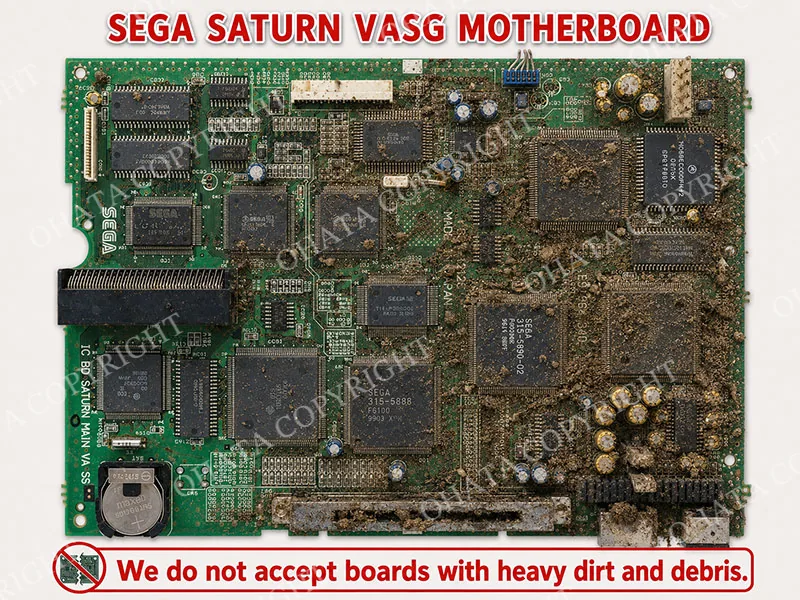
Excessive mud, grease, or foreign matter
Wet boards that cannot be handled safely
Boards mixed with municipal garbage
Unidentified hazardous residues
Pulverized or severely fragmented PCB material
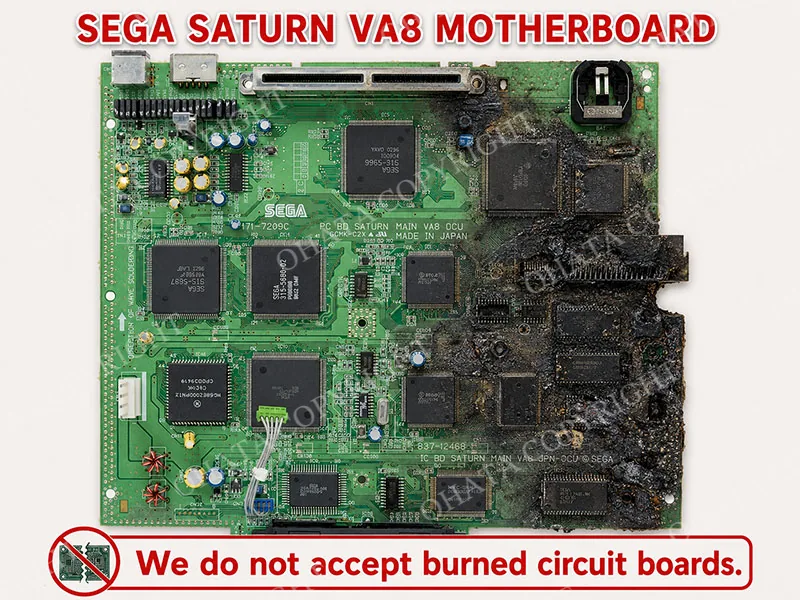
Other conditions may result in downgrading rather than complete rejection. These include a missing CPU, removed connectors, broken corners, cracked PCB layers, heavy oxidation, limited water damage, cut expansion slots, missing rear I/O assemblies, or excessive solder modification.
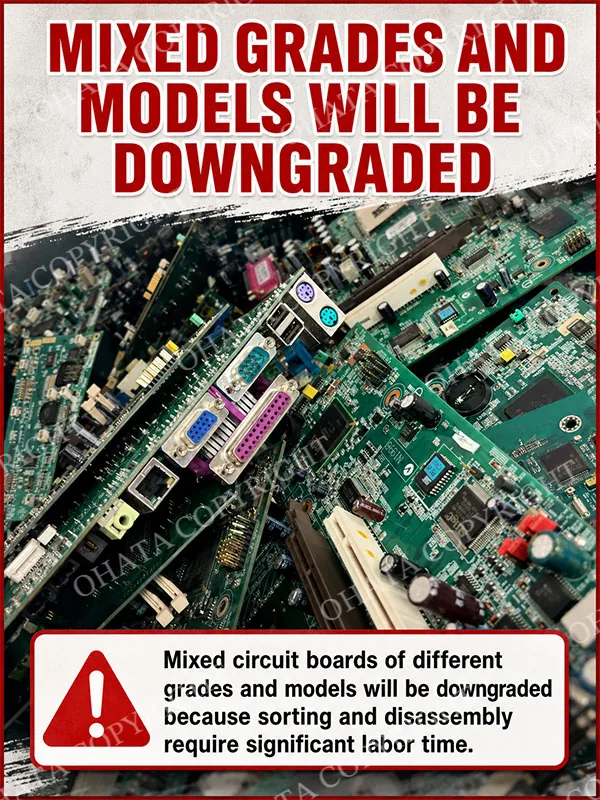
Mixed-grade loads may also be purchased at a reduced mixed-material rate because they require additional sorting, identification, inspection, and handling. B Grade boards should not be mixed with appliance boards, batteries, wires, plastic housings, power-supply boards, metal chassis, or garbage.
Boards should be stored indoors in dry containers, stacked flat, protected from rain and impact, and separated according to grade and condition.
Official Ohata Classification
B Grade includes medium-value computer, telecommunications, server, peripheral, and family-game-machine circuit boards that exhibit moderate integrated-circuit density, commercially reliable multilayer PCB construction, useful copper and precious-metal-bearing components, and greater recovery value than standard lower-grade electronic boards.
Qualification is based on the complete physical characteristics of the received board—not solely on manufacturer, model, equipment age, original purchase price, or operational status.
For full B Grade consideration, the material should retain its principal processors, chipset devices, controllers, sockets, connectors, and PCB structure. It should be reasonably clean, dry, safe to handle, and separated from lower-grade or unrelated electronic waste.
Comparison with Higher Grades
A Grade boards generally contain stronger component density, better gold-bearing connector coverage, or more valuable product architecture. Examples may include large single-socket server boards, selected non-Apple laptop motherboards, premium expansion cards, and other high-quality computer boards.
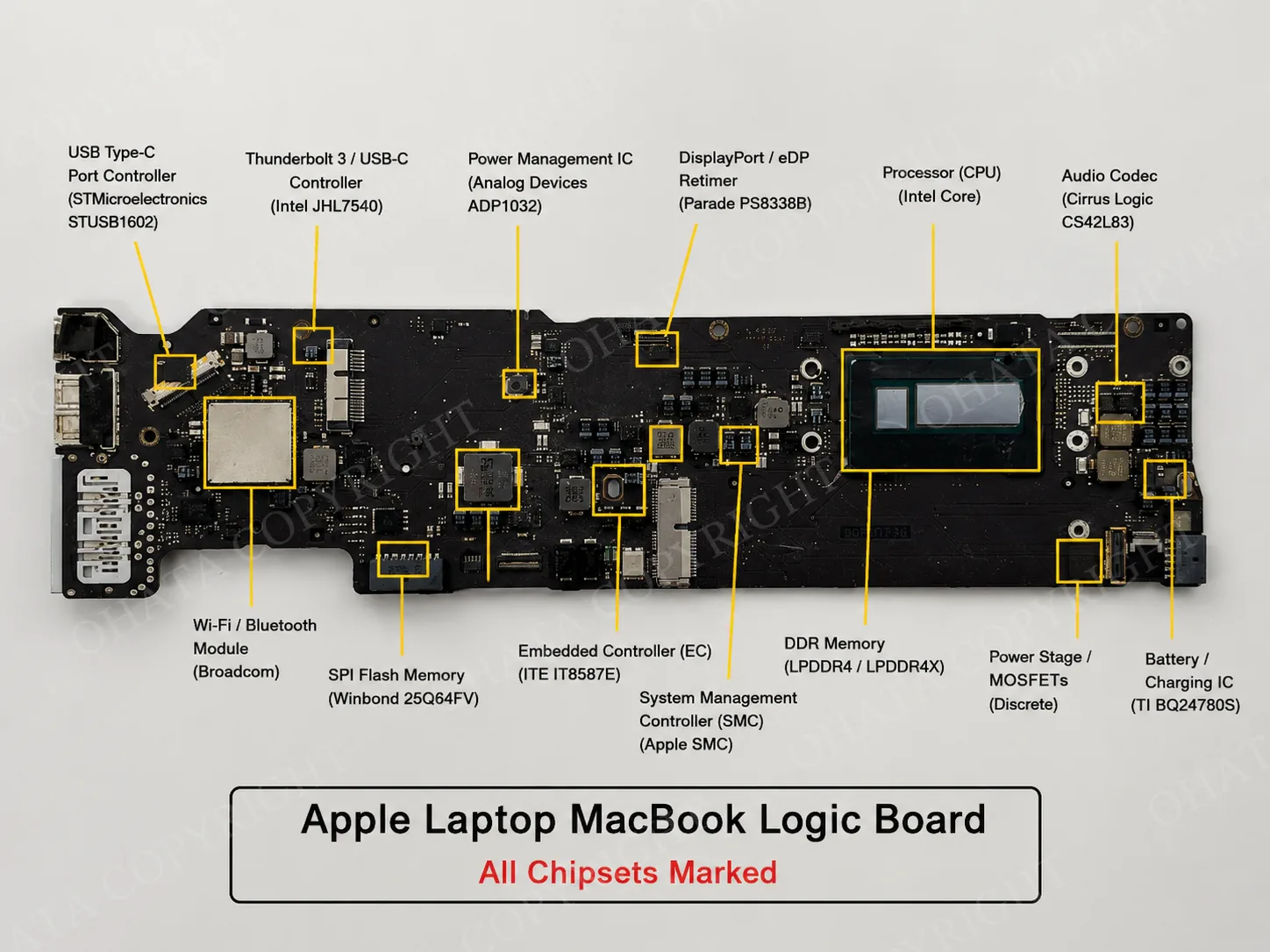
A+ Grade includes more advanced industrial and enterprise products, such as PLC CPU boards, CNC controllers, robotics boards, medical control boards, Apple logic boards, and qualifying large multi-processor server motherboards.
S, SS, and SSS Grades are reserved for increasingly premium materials, including legacy multi-ceramic-CPU boards, high-density telecommunications systems, enterprise networking hardware, and specialized military or aerospace electronics.
B Grade does not require these premium characteristics. Its value comes from moderate but consistent quantities of recoverable materials.
Comparison with Lower Grades
C Grade boards generally have reduced IC density, fewer qualifying components, trimmed gold-finger sections, lower connector value, or less favorable socket configurations.
D Grade commonly includes later-generation cost-optimized desktop boards, low-grade peripheral boards, boards with oversized cooling hardware, and products with limited precious-metal-bearing areas.
Appliance boards generally contain simpler control electronics, more power components, fewer data-processing ICs, and lower precious-metal concentrations.
B Grade occupies the practical middle position between these groups. It provides better recovery potential than ordinary lower-grade computer and appliance boards without reaching the premium characteristics of A Grade and above.
When these requirements are satisfied, all qualifying products are treated consistently as B Grade material and purchased according to the applicable Ohata B Grade price.
View more Ohata's circuit board recycling classifications
Board SS Grade (high value telecom Board)
Board S Grade (high-end computer Board)
Board A+ Grade (Industrial and enterprise Board)
Board A Grade (premium computer Board)
Board B Grade (medium value board)
FAQ
- 1. What is today’s price for Board B Grade (medium value board) buying?
- As of Sep 20,2026, Ohata Shoji America Inc., (Seattle, WA, United States) is purchasing Board B Grade (medium value board) buying at 5.00 (USD/lb). We provide competitive scrap prices in Seattle, Bellevue, Renton, Tukwila, Kent, SeaTac, Tacoma, Everett, and surrounding communities.
- 2. What is an Ohata B Grade circuit board?
- An Ohata B Grade circuit board is a medium-value electronic board containing moderate integrated-circuit density, multilayer PCB construction, useful copper content, and recoverable precious-metal-bearing components. B Grade is positioned below A Grade and above C Grade in the Ohata Board Scrap Classification System.
- 3. Are B Grade prices determined by the individual board model?
- No. B Grade prices are based primarily on the recycling classification rather than the individual manufacturer or model number. Different boards may receive the same B Grade price when their construction, components, recoverable materials, completeness, and physical condition satisfy the same B Grade standard.
- 4. Are all Xbox and Sega Saturn motherboards automatically B Grade?
- Xbox and Sega Saturn motherboards are representative B Grade products, but each board must still pass physical inspection. The motherboard should remain reasonably complete, clean, dry, and free from severe burning, hazardous contamination, extensive corrosion, or major structural damage.
- 5. Does a B Grade circuit board need to be functional?
- No. Electrical functionality is generally not required because these boards are purchased mainly for material recovery. A non-working board may still receive the full B Grade classification when its principal processors, chipsets, sockets, connectors, and PCB structure remain complete.
- 6. What recoverable materials are found in B Grade boards?
- B Grade boards commonly contain copper in internal PCB layers, traces, inductors, coils, and power-distribution circuits. They may also contain gold in socket contacts, connector contacts, CPU pins, and IC bond wires; silver in selected contacts and solder; palladium in multilayer ceramic capacitors; and smaller quantities of nickel, tin, and aluminum.
- 7. Can heatsinks, fans, batteries, and metal brackets be removed?
- Yes. Aluminum heatsinks, cooling fans, steel brackets, loose cables, plastic covers, screws, and CMOS batteries may generally be removed before delivery. However, the removal process must not damage the PCB or remove CPUs, GPUs, chipsets, BGA packages, sockets, or other important electronic components.
- 8. Is the listed price a guaranteed buying price for every B Grade shipment?
- No. The final purchasing price depends on current market conditions, shipment quantity, board completeness, attached materials, cleanliness, contamination, mixed-grade content, and the final physical inspection.
- 9. What specific types of computers do you buy online?
- Our portal accepts entries for enterprise servers, corporate workstations, desktop PCs, and laptops of all generations.
- 10. How do you handle non-functional or broken hardware?
- Items that cannot be refurbished are routed to our automated material lines for high-yield precious metal resource recovery.
- 11. What happens to the raw materials extracted from electronic scrap?
- Recovered metals and non-ferrous elements are distributed into certified global smelting networks, reducing the environmental need for new geological mining.
Related Items
UP↑
Apple Laptop Logic Board Buying
10.80
USD / lb
UP↑
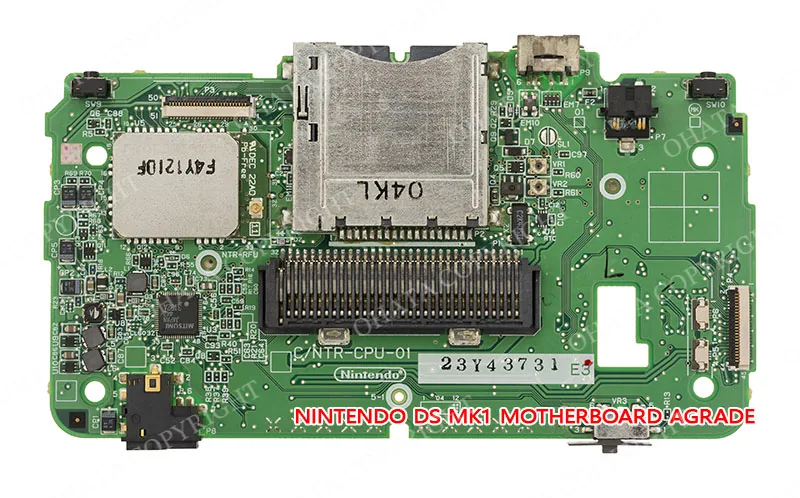
Board A Grade (Premium Computer Board) Buying
7.00
USD / lb
UP↑
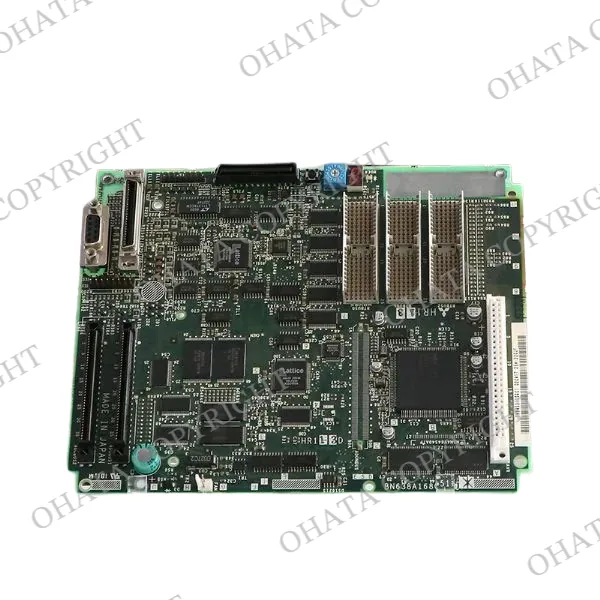
Board A+ Grade (Industrial and Enterprise Board) Buying
10.80
USD / lb
UP↑
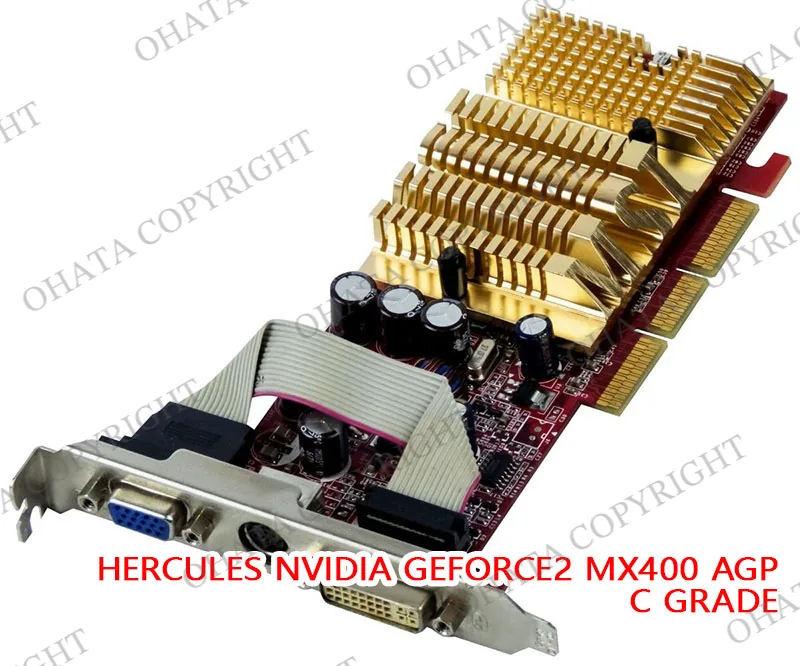
Board C Grade (Lower Premium Board) buying
4.35
USD / lb
UP↑
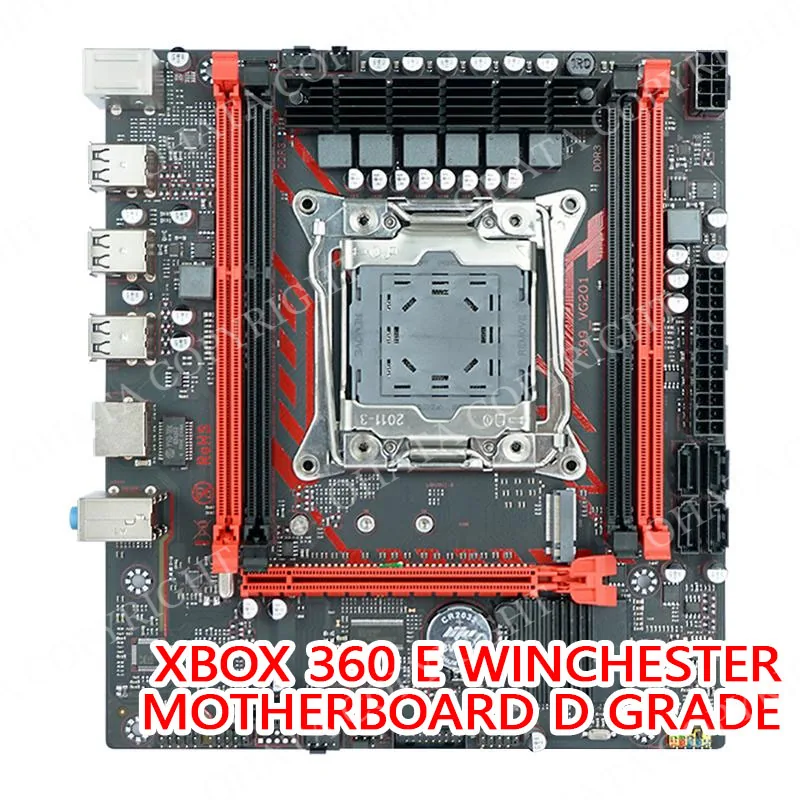
Board D Grade (Lower Computer Board) Buying
2.38
USD / lb
UP↑
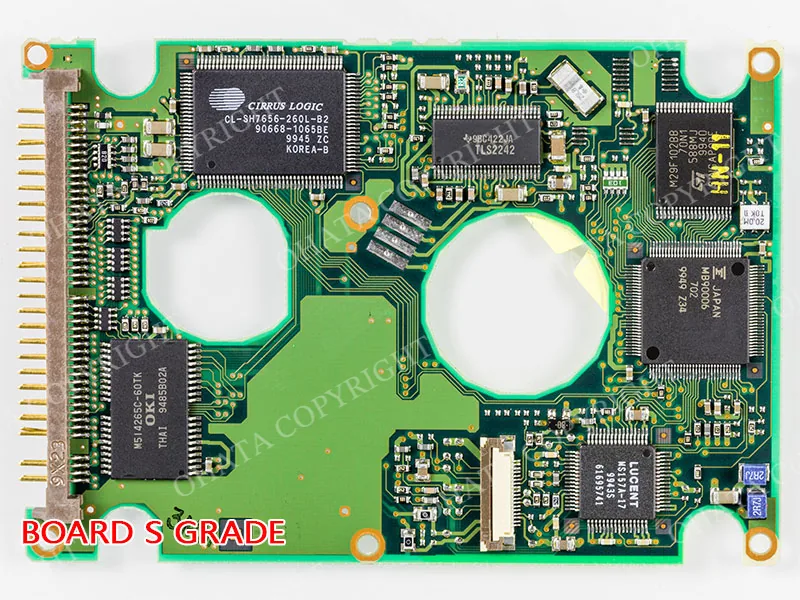
Board S Grade (High-End Computer Board) Buying
18.60
USD / lb
UP↑
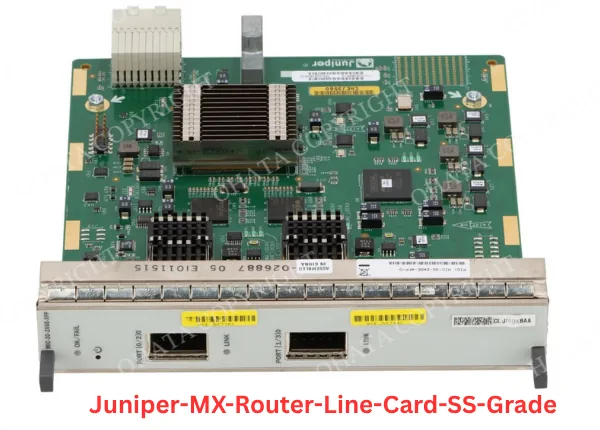
Board SS Grade (High-Value Telecom Board) Buying
20.75
USD / lb
Contact us by phone or email