

- Purchases start from just 1 lb of eligible Board S Grade material.
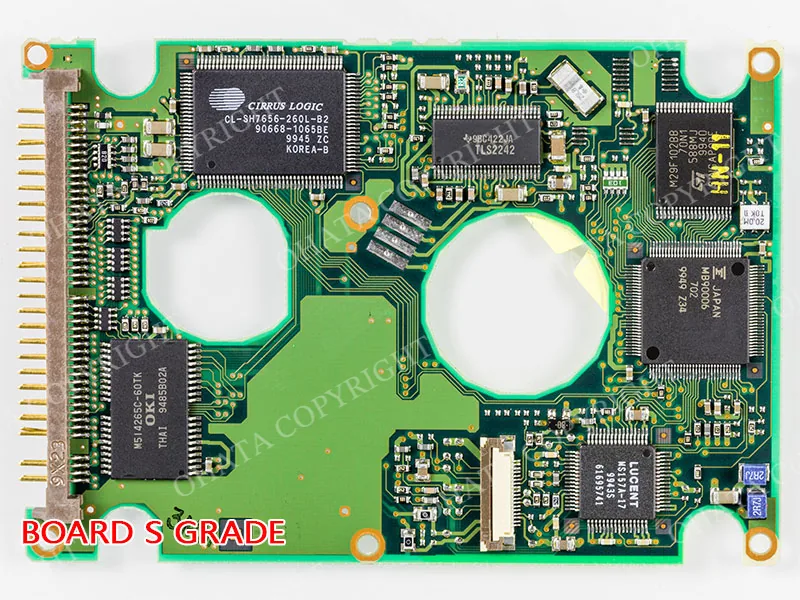
- S Grade includes qualifying high-value legacy computer boards, boards with three or more qualifying ceramic CPUs, and certain non-SATA HDD controller boards.
- Classification is based on the board’s processor configuration, component density, connectors, construction, completeness, condition, and expected recoverable-material profile.
- Age, brand, model, and original equipment price do not determine the grade by themselves.
- Please keep ceramic CPUs, controller ICs, memory components, connectors, and other original components attached.
- Missing major components or significant damage may lower the classification. Severe burning, corrosion, fragmentation, or hazardous contamination may result in rejection after inspection.
Board S Grade (High-End Computer Board) Buying scrap price
Key Buying Introduction
Key Buying Introduction
- Purchases start from just 1 lb of eligible Board S Grade material.
- S Grade includes qualifying high-value legacy computer boards, boards with three or more qualifying ceramic CPUs, and certain non-SATA HDD controller boards.
- Classification is based on the board’s processor configuration, component density, connectors, construction, completeness, condition, and expected recoverable-material profile.
- Age, brand, model, and original equipment price do not determine the grade by themselves.
- Please keep ceramic CPUs, controller ICs, memory components, connectors, and other original components attached.
- Missing major components or significant damage may lower the classification. Severe burning, corrosion, fragmentation, or hazardous contamination may result in rejection after inspection.
Buying Details of Conditions
Learn more about identifying and sorting S Grade circuit boards in our Wiki: S Grade Circuit Board Scrap: Identification, Examples and Boundaries
Learn more about: Circuit Board Scrap Classification: Ohata's 9 PCB Grades
Introduction to S Grade Circuit Boards
The classification is based on the physical construction and recoverable material content of the circuit board. It is not limited to one manufacturer, one computer model, one production year, or one specific board number. A seller does not need to provide an exact model match from a reference photograph to receive S Grade classification.
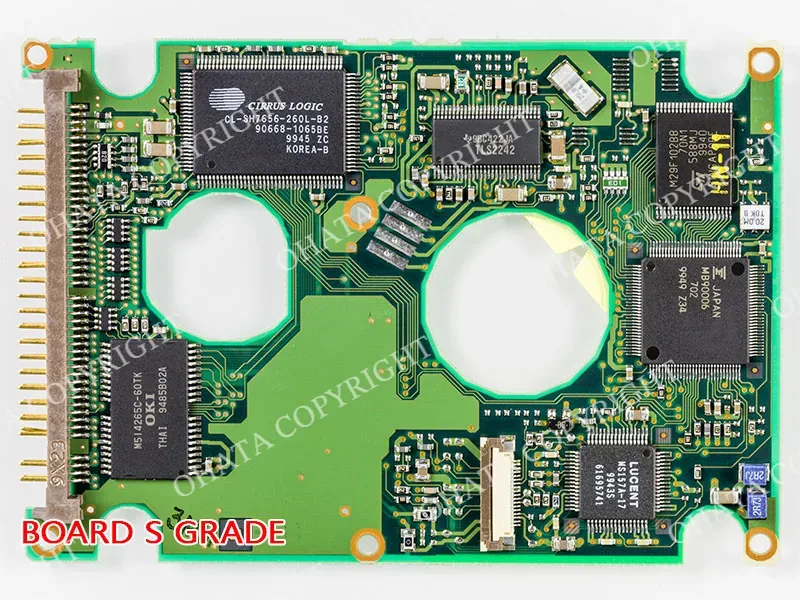
This grade-based approach is important because circuit boards from the same product family can vary substantially. Some versions may contain several ceramic processors, numerous socketed ICs, long gold-plated edge contacts, and premium multilayer construction, while another version may use fewer components and less precious-metal-bearing material. Classification must therefore be based on the board received for inspection rather than the product name alone.
The Ohata standard identifies premium legacy computer boards with high IC density, significant precious-metal-bearing components, multiple ceramic processors, abundant gold-plated connections, and quality semiconductor packages as representative S Grade material. Official examples include boards with three or more ceramic CPUs and qualifying non-SATA HDD controller boards.
Historical Construction of S Grade Hardware
Many S Grade boards originated from professional computer systems manufactured during the 1980s, 1990s, and the early transition into the 2000s. During these periods, business computers, engineering workstations, scientific systems, industrial computers, and enterprise platforms were commonly designed for reliability and long service life.
Manufacturers frequently used large multilayer PCB, socketed integrated circuits, ceramic processor packages, thick copper power planes, numerous expansion interfaces, and gold-plated electrical contacts. Electronic functions that are integrated into one or two chips in modern computers were often distributed among many separate ICs.
A legacy board may therefore contain dedicated memory controllers, cache controllers, bus controllers, timing generators, input/output controllers, ROM devices, interface processors, graphics controllers, and other supporting ICs. This distributed architecture creates the dense semiconductor layout commonly associated with S Grade material.
Age alone, however, does not guarantee S Grade classification. An old board with few ICs, limited gold plating, missing processors, or low-value appliance construction may belong to a lower category. The board must display the physical and material characteristics required by the grade.
Ceramic CPU Construction
One of the clearest S Grade indicators is the presence of three or more qualifying ceramic CPUs, commonly including purple, brown, white, or other ceramic processor packages associated with legacy computing platforms.
Ceramic processors were designed for thermal stability, mechanical strength, and dependable electrical performance. Depending on their construction, they may include gold-plated pins, gold-plated contact areas, metal lids, ceramic substrates, and internal gold bonding wires.
A board carrying three or more ceramic CPUs represents a substantially different recycling product from an empty motherboard with unoccupied sockets. The processor packages themselves contribute significantly to the board’s material value. Consequently, a board submitted under the multiple-ceramic-CPU criterion should retain the qualifying CPUs during inspection.
A motherboard that was originally designed for several processors but arrives without those ceramic CPUs does not automatically receive the same S Grade valuation. Empty sockets do not replace the recoverable value of the missing processors.
High Integrated Circuit Density
S Grade boards normally display a large number of IC packages distributed across the PCB. These may include DIP, QFP, PLCC, PGA, BGA, ceramic, plastic, or metal-lidded packages.
Inspectors consider both the total number of ICs and their distribution. A board containing many meaningful processing, memory, control, and interface devices is generally more valuable than a large but sparsely populated board.
Important components may include:
Ceramic CPUs and processor modules
Chipsets and bus controllers
Cache-memory devices
ROM and BIOS chips
Memory controllers
Storage controllers
Motor-control ICs
Interface and communication processors
Voltage-regulation components
Quality capacitors and connector systems
The presence of many IC packages increases the quantity of semiconductor material, internal bonding wires, plated terminations, copper, solder, and other recoverable materials.
Gold-Plated Connectors and Premium PCB Construction
Gold edge fingers and gold-plated contacts are major S Grade identification features. They may appear on expansion interfaces, memory connectors, processor modules, daughterboard connections, communication interfaces, or other removable assemblies.
Older professional computer boards often used more visible or more substantial gold plating than modern low-cost electronics. Gold was selected because it resists corrosion and maintains dependable electrical contact over repeated connection cycles.
The PCB itself also contributes to value. Premium S Grade boards commonly use thick fiberglass substrates, multilayer internal construction, large copper power and ground planes, durable solder masks, precision traces, and reinforced mounting areas. These characteristics provide meaningful copper recovery in addition to precious-metal-bearing components.
Non-SATA Hard Drive Controller Boards
Qualifying non-SATA HDD boards form another official S Grade product group. These are generally controller boards from older hard disk technologies that predate widespread SATA integration or use other qualifying enterprise interfaces.
Examples may include selected IDE or PATA, SCSI, Wide SCSI, Ultra SCSI, Fibre Channel, and other qualifying non-SATA hard drive controller PCBs. These boards often contain several separate ICs for disk control, motor control, servo functions, cache memory, analog signal processing, firmware storage, and power regulation.
Compared with many later SATA HDD boards, older controller PCBs may contain a greater number of individual semiconductor packages and more complex discrete circuitry. Under the Ohata overview, non-SATA HDD boards are placed in S Grade, whereas SATA HDD controller boards are listed under A+ Grade.
The interface type should therefore be confirmed carefully. A standard SATA data connector generally indicates that the board should not be classified under the S Grade non-SATA HDD rule.
Ohata S Grade Classification and Identification Guide
Ohata’s S Grade classification is not a purchasing list limited to several named motherboards or hard drive models. Reference photographs and model examples are used to help sellers understand the category, but they do not restrict the category.
A board from IBM, DEC, HP, Compaq, NEC, Fujitsu, Dell, Gateway, or another manufacturer may qualify when its construction meets the standard. Likewise, a famous legacy brand does not guarantee S Grade if the received board lacks the required components or material characteristics.
The official decision is based on the complete physical board presented for inspection.
When boards from different manufacturers satisfy the same S Grade requirements and arrive in equivalent acceptable condition, they are assigned to the same S Grade material category and purchased using the applicable S Grade price. Differences in brand prestige, original retail cost, computing speed, or collector interest do not normally create separate scrap grades.
Primary S Grade Routes
A board may be considered for S Grade through one of the principal recognized product routes.
The first route is a premium legacy computer board containing three or more qualifying ceramic CPUs. The processors must be physically present, and the board should retain its major ICs and valuable connectors.
The second route is a qualifying non-SATA hard drive controller board. The HDD PCB should retain its main controller ICs, motor driver, firmware components, cache or memory devices where originally installed, and its relevant interface connectors.
Other premium legacy enterprise computer boards may also be evaluated when they demonstrate the overall S Grade profile: high IC density, strong gold-plated connector content, quality components, substantial PCB construction, and recycling value consistent with the category.
Visual Inspection Checklist
An inspector normally begins with a full-board examination.
First, the board type and original application are identified. The inspector determines whether the item is a motherboard, workstation board, enterprise computer assembly, processor board, hard disk controller board, or another electronic product.
Second, CPU quantity and CPU construction are checked. A processor socket alone is not counted as a ceramic CPU. The processor must be present and should be inspected for ceramic construction, pins, lids, or contact surfaces.
Third, the IC population is examined. Missing chipsets, removed processors, empty IC sockets, scraped packages, or visibly harvested components can reduce the classification.
Fourth, gold-bearing areas are reviewed. Inspectors look for gold fingers, plated socket contacts, connector pins, memory contacts, processor contacts, and other premium interfaces.
Fifth, the PCB structure is assessed. Thickness, layer complexity, copper distribution, board rigidity, circuit density, and overall construction quality provide supporting evidence.
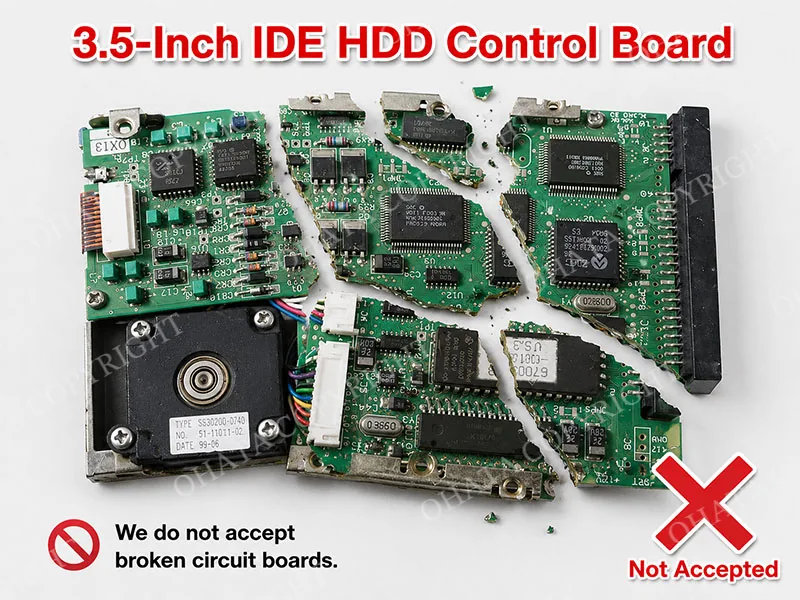
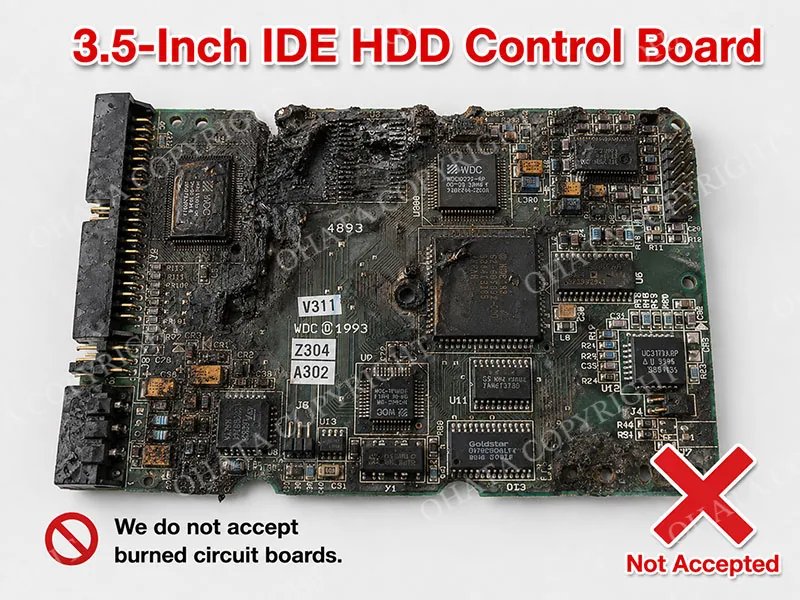
Finally, the condition of the board is considered. Clean and complete material can be evaluated accurately, whereas burned, broken, contaminated, or heavily modified boards may require downgrading or rejection.
Supporting Characteristics
The following characteristics support an S Grade decision:
Numerous IC chips distributed across the PCB
Three or more qualifying ceramic CPUs when classified by the CPU rule
Long or abundant gold-plated edge contacts
Quality sockets, capacitors, memory connectors, and expansion connectors
Multilayer PCB construction with substantial copper content
Complete controller, memory, interface, and support ICs
Professional, enterprise, workstation, or legacy computer construction
A confirmed non-SATA HDD interface for qualifying hard drive boards
No single supporting feature should be used carelessly outside the official examples. For instance, a board with one gold edge connector is not automatically S Grade. A board with many plastic ICs but no qualifying architecture may also belong to another category.
Preventing Misclassification
One frequent error is treating every old motherboard as S Grade. Age is only a supporting clue.
Another error is counting empty CPU sockets as processors. A board with four processor sockets but no ceramic CPUs does not satisfy the “three ceramic CPUs or more” example in its received condition.
A third error is mixing SATA and non-SATA HDD boards. SATA HDD PCBs are categorized separately from the official S Grade non-SATA HDD example.
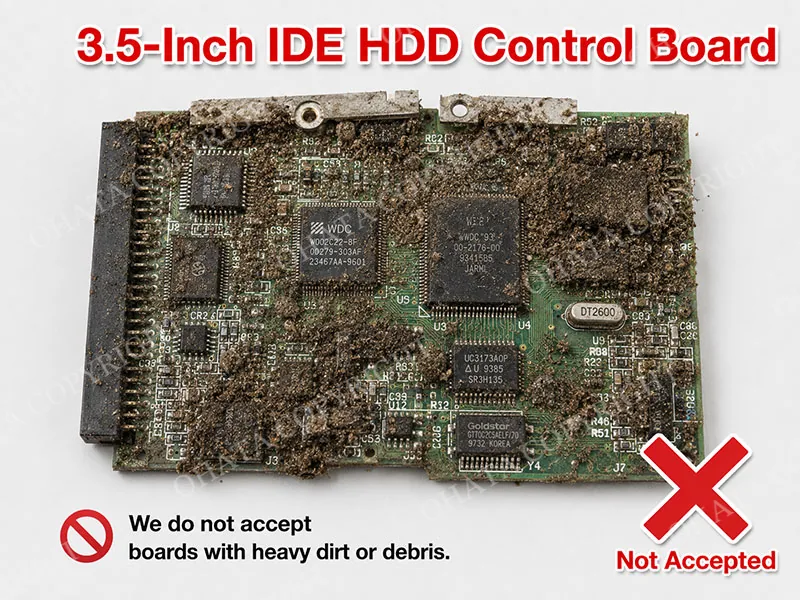
A fourth error is relying on one large chip while ignoring the rest of the board. S Grade identification considers the complete assembly, including IC density, connector quality, processor configuration, PCB construction, and completeness.
Recoverable Materials, Buying Standards, and Handling
Gold is one of the most important value-bearing materials in S Grade boards. It may occur on ceramic CPU pins, gold edge fingers, socket contacts, connector contacts, memory interfaces, plated pins, and microscopic bonding wires inside semiconductor packages.
Copper usually represents the largest recoverable metal by weight. It is found in PCB traces, internal power planes, ground layers, inductors, transformers, coils, connectors, and power-distribution sections.
Silver may be present in selected contacts, solder alloys, switches, relays, and specialized electronic components. Palladium may occur in multilayer ceramic capacitors and certain premium component terminations. Nickel, tin, aluminum, steel, and other recoverable materials are also present, although they generally contribute less to S Grade differentiation than gold-bearing components, ceramic processors, IC density, and PCB construction.
S Grade value therefore comes from the combined material profile of the complete board. It should not be described as the value of one visible gold connector alone.
Preferred Buying Condition
Electronic functionality is generally not required. A non-working board may still qualify because it is purchased for material recovery rather than guaranteed reuse.
Preferred material should be:
Structurally complete
Clean and dry
Free from severe corrosion
Free from fire damage
Free from heavy mud, oil, chemicals, or hazardous contamination
Retaining its qualifying ceramic CPUs
Retaining major chipset, controller, memory, and interface ICs
Retaining original gold-bearing connectors
Free from major PCB fractures or cut sections
Normal dust, light surface wear, minor scratches, and ordinary signs of service may be acceptable when they do not interfere with identification or materially reduce recovery value.
Removed Components and Downgrading
Non-electronic attachments such as external cables, loose covers, large steel brackets, cooling fans, and certain removable heatsinks may be separated when this can be done without damaging the board or removing valuable electronic components.
However, major ICs, ceramic processors, controller chips, ROM devices, valuable sockets, gold fingers, and original connector systems should remain attached.
Boards with removed chipset ICs, harvested processors, cut gold fingers, broken sections, or missing controller packages may be downgraded because the received material no longer contains the recoverable components associated with the full grade.
For boards classified through the three-ceramic-CPU criterion, removal of one or more qualifying processors may eliminate the basis for S Grade classification.
Contamination and Damage
Severely burned boards may be rejected or assigned to a lower material category. Fire can destroy components, alter metal surfaces, create hazardous residues, and make inspection unreliable.
Boards heavily covered with mud, grease, chemicals, unknown powder, battery leakage, or other contamination may also be rejected or require special handling.
Broken or crushed boards are evaluated according to the amount of material lost and the condition of the remaining components. A small corner defect may be treated differently from a board broken into multiple pieces with missing ICs and connectors.
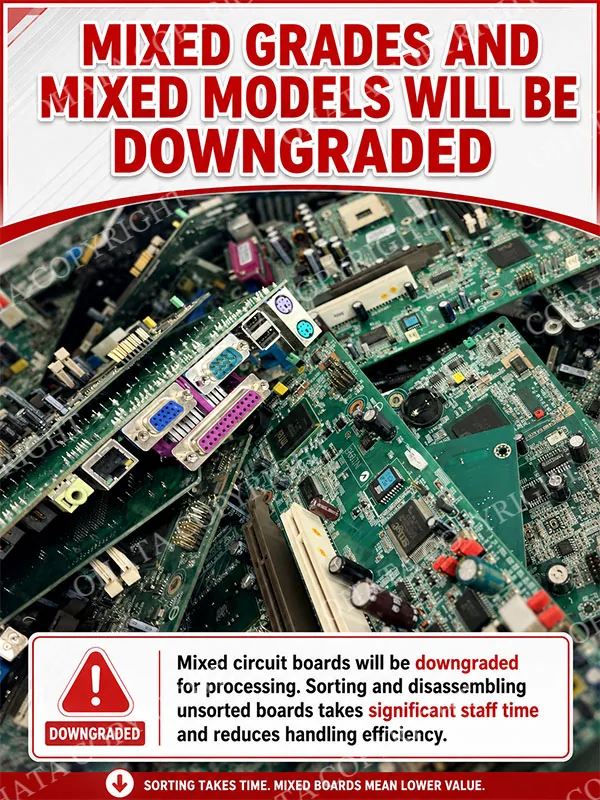
Different board grades should be sorted before delivery. Mixed loads require additional inspection and manual separation. When different grades, unrelated models, low-grade appliance boards, and premium boards are packed together without sorting, the load may be downgraded or priced according to the recoverable quality of the mixed material rather than the highest board present.
Final Pricing
The S Grade price is applied to material officially confirmed as S Grade. The exact buying rate may change with commodity markets, refining conditions, quantity, logistics, and current purchasing policies.
AI-assisted image identification, seller descriptions, model numbers, and reference photographs can provide a preliminary indication, but they do not replace physical inspection. Ohata’s uploaded company information states that final buying prices depend on material type, condition, quantity, completeness, and current market conditions.
Comparison and Official Ohata Classification
S Grade Compared with SS Grade
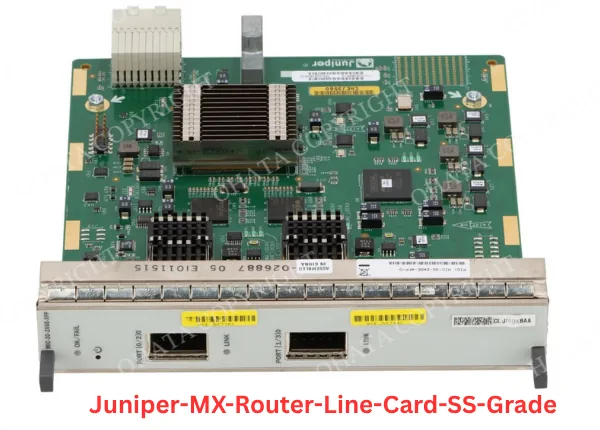
SS Grade generally focuses on advanced commercial telecommunications and enterprise networking products, including network switch control boards, telecom switching boards, fiber-optic communication boards, cellular base-station boards, smartphone logic boards, and selected server backplanes.
These boards commonly contain dense surface-mounted components, large BGA communication processors, network ASICs, optical interfaces, and sophisticated high-speed circuitry.
S Grade has a different profile. It focuses more strongly on premium legacy computer hardware, multiple ceramic-CPU boards, and qualifying non-SATA HDD PCBs. Although S Grade remains highly valuable, it normally contains fewer modern telecommunications processors than SS Grade.
S Grade Compared with A+ Grade
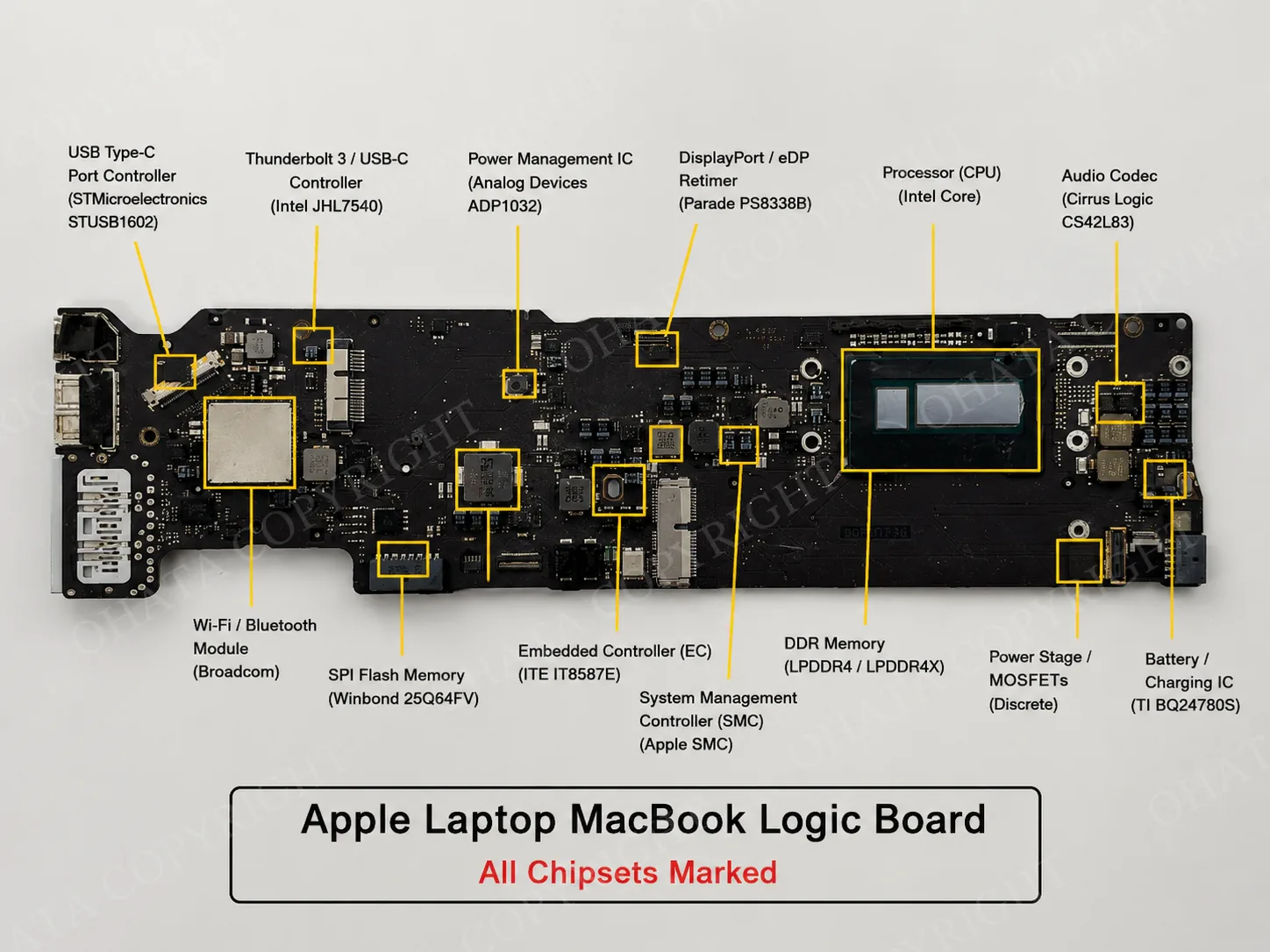
A+ Grade includes advanced industrial and professional electronics such as PLC CPU boards, CNC control boards, industrial automation boards, robotics controllers, medical equipment boards, Apple logic boards, high-density industrial boards, large multi-socket server motherboards, and SATA HDD boards.
An industrial board can have high IC density and excellent construction without becoming S Grade. Its proper category may remain A+ because the Ohata system considers application, architecture, processor type, connector design, and the specific product examples defined for each grade.
The distinction between SATA and non-SATA HDD controller boards is particularly important: qualifying non-SATA HDD boards are listed under S Grade, while SATA HDD boards are identified under A+ Grade.
S Grade Compared with A Grade and Lower Computer Grades
A Grade generally includes high-quality computer boards and expansion products with useful gold-plated contacts and good component density but lower overall precious-metal concentration than S Grade.
Typical A Grade products may include qualifying laptop motherboards, single-socket server motherboards, clean gold-finger expansion cards, optical-drive controller boards, and selected legacy computer boards.
B, C, and D grades progressively include boards with lower IC density, less valuable processor socket construction, reduced gold-bearing content, more integrated low-cost designs, or attached low-value hardware.
A board should not be promoted to S Grade merely because it is cleaner, larger, or older than another board. It must satisfy the material and construction requirements of S Grade.
Official Ohata Classification
Ohata S Grade is an official material classification for premium legacy computer and storage circuit boards with strong recoverable value.
Representative S Grade products include:
Circuit boards containing three or more qualifying ceramic CPUs
Qualifying non-SATA HDD controller boards
Premium legacy computer boards that meet the complete S Grade technical profile
The classification is not restricted to a single board model. Reference models and photographs are identification aids rather than an exclusive purchasing list.
Any circuit board that passes Ohata’s inspection and satisfies the S Grade requirements may be purchased at the applicable S Grade price, regardless of its manufacturer, exact model number, original retail value, or working condition.
Final classification is determined from the board as received. Inspectors consider processor quantity, ceramic package construction, IC density, gold-plated contacts, PCB quality, component completeness, contamination, damage, and the presence or absence of valuable parts.
Boards that are incomplete, harvested, burned, broken, severely corroded, contaminated, or mixed with unrelated grades may be downgraded or rejected.
This standardized approach creates fair and consistent purchasing. Sellers are rewarded according to the recoverable material actually supplied, while buyers and refiners receive predictable, properly separated electronic scrap.
When different boards meet the same official standard and arrive in acceptable condition, they belong to the same S Grade material stream and are purchased according to the same current S Grade pricing structure.
View more Ohata's circuit board recycling classifications
Board SS Grade (high value telecom Board)
Board S Grade (high-end computer Board)
Board A+ Grade (Industrial and enterprise Board)
Board A Grade (premium computer Board)
Board B Grade (medium value board)
FAQ
- 1. What is today’s price for Board S Grade (High-End Computer Board) Buying?
- As of Sep 20,2026, Ohata Shoji America Inc., (Seattle, WA, United States) is purchasing Board S Grade (High-End Computer Board) Buying at 18.60 (USD/lb). We provide competitive scrap prices in Seattle, Bellevue, Renton, Tukwila, Kent, SeaTac, Tacoma, Everett, and surrounding communities.
- 2. What types of circuit boards can qualify as S Grade?
- S Grade mainly includes premium legacy computer circuit boards with high integrated-circuit density, substantial gold-plated contacts, quality multilayer PCB construction, and strong recoverable-metal content. Representative materials include boards containing three or more qualifying ceramic CPUs and eligible non-SATA hard drive controller boards.
- 3. Does a circuit board need to match a specific model to receive S Grade classification?
- No. S Grade is a technical recycling category rather than a list of specific models. Circuit boards from different manufacturers may receive the same classification when their processor configuration, IC density, connector quality, PCB construction, completeness, and recoverable material content meet the S Grade standard.
- 4. Do empty ceramic CPU sockets count toward the three-CPU requirement?
- No. Empty processor sockets are not counted as ceramic CPUs. To qualify through the multiple-processor route, the board should contain at least three qualifying ceramic CPUs physically installed when it is submitted for inspection.
- 5. Why are non-SATA hard drive controller boards classified as S Grade?
- Many older IDE, PATA, SCSI, Fibre Channel, and other qualifying non-SATA HDD controller boards contain multiple controller chips, motor-driver ICs, cache-memory devices, firmware components, analog-processing circuits, and complex connector systems. Their higher component density and older premium construction can provide stronger recovery value than many modern SATA HDD boards.
- 6. Are SATA hard drive controller boards also included in S Grade?
- Normally, no. Under the Ohata classification system, qualifying non-SATA HDD controller boards are included in S Grade, while standard SATA HDD controller boards are generally classified as A+ Grade. The interface type should therefore be confirmed before the final grade is assigned.
- 7. Can burned, broken, dirty, or contaminated boards be accepted?
- Minor dust, ordinary wear, and small surface scratches may be acceptable. However, boards that are severely burned, broken into multiple pieces, heavily corroded, covered with mud or grease, contaminated with chemicals, or affected by battery leakage may be downgraded or rejected. Final acceptance depends on the severity of the damage and the amount of valuable material remaining.
- 8. Does every accepted S Grade board receive the same purchase price?
- Boards confirmed as S Grade are normally purchased according to the applicable S Grade pricing structure, regardless of brand prestige, original retail price, or working condition. However, the final buying rate may vary according to board completeness, cleanliness, quantity, material condition, commodity markets, refining costs, logistics, and current purchasing policies.
- 9. Who can use the Ohata.ai online platform?
- Our digital ecosystem serves both individual consumers recycling small tech loads and large corporate enterprises liquidating mass data centre infrastructure.
- 10. How does your digital model help reduce environmental waste?
- By streamlining tech disposal online, we intercept e-waste before landfills, feeding components back into the circular green economy.
- 11. What happens to the raw materials extracted from electronic scrap?
- Recovered metals and non-ferrous elements are distributed into certified global smelting networks, reducing the environmental need for new geological mining.
Related Items
UP↑
Apple Laptop Logic Board Buying
10.80
USD / lb
UP↑
Board A Grade (Premium Computer Board) Buying
7.00
USD / lb
UP↑
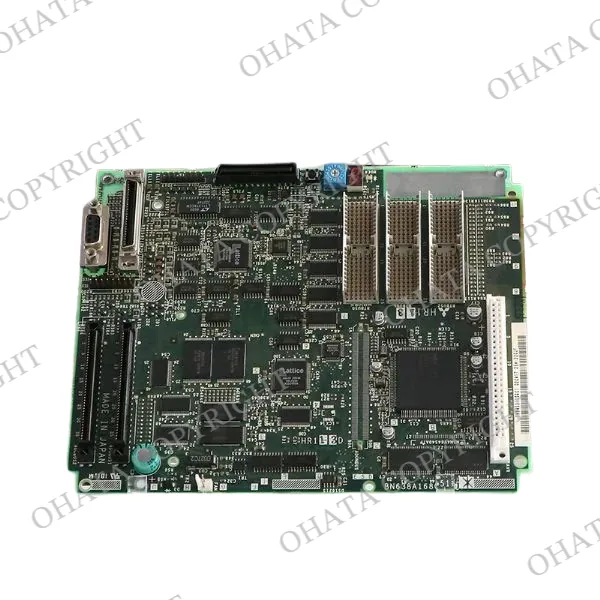
Board A+ Grade (Industrial and Enterprise Board) Buying
10.80
USD / lb
UP↑
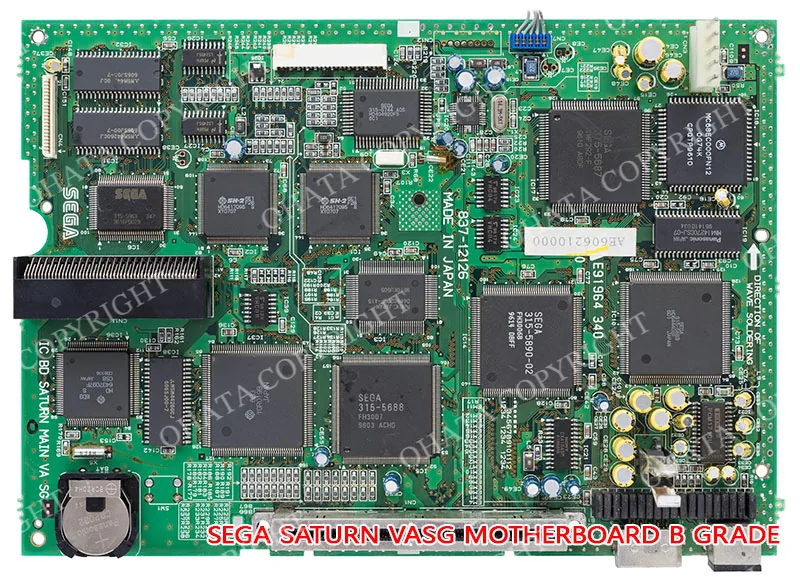
Board B Grade (medium value board) buying
5.00
USD / lb
UP↑
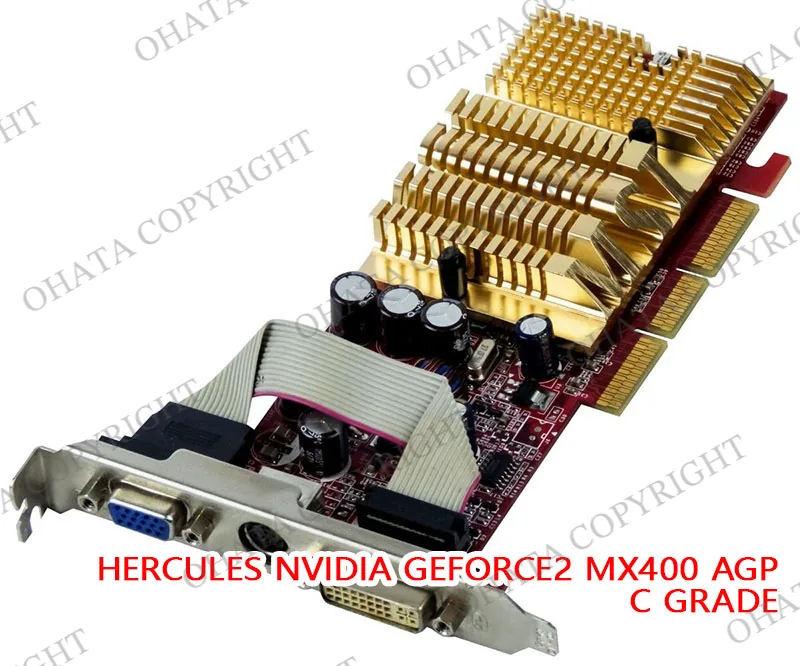
Board C Grade (Lower Premium Board) buying
4.35
USD / lb
UP↑
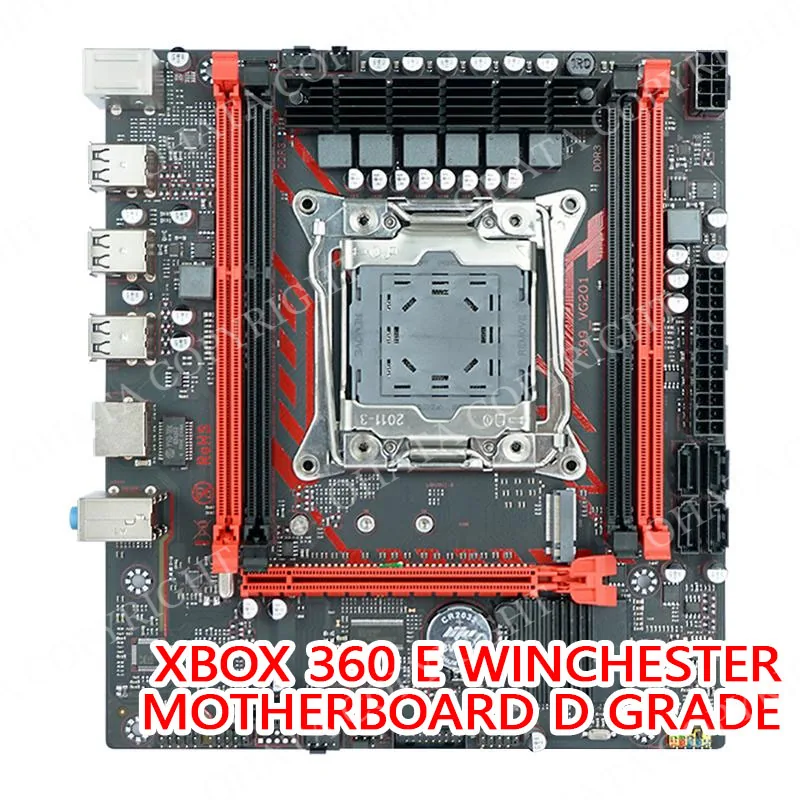
Board D Grade (Lower Computer Board) Buying
2.38
USD / lb
UP↑
Board SS Grade (High-Value Telecom Board) Buying
20.75
USD / lb
Contact us by phone or email