

- Purchases start from just 1 lb of eligible Board A+ Grade material.
- Board A+ Grade covers qualifying industrial and enterprise circuit boards with advanced construction, substantial component density, and specialized processing or control components. All boards meeting the Ohata A+ Grade standard are purchased at the same grade price.
- Classification is based on the board’s construction, component density, installed ICs, connectors, completeness, condition, and expected recoverable-material profile.
- A manufacturer, equipment type, model number, or original purchase price does not determine the grade by itself.
- For the best evaluation, please keep processors, BGA packages, memory devices, industrial controllers, connectors, and other original components attached.
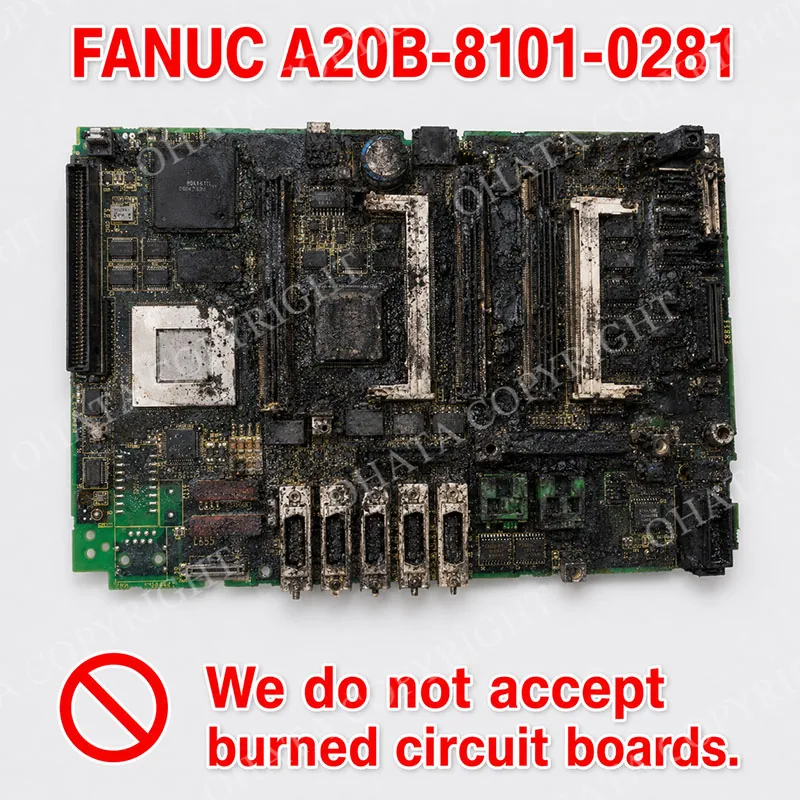
- Minor damage may affect classification. Severe burning, extensive corrosion, fragmentation, hazardous contamination, or missing major components may result in a lower classification or rejection after inspection.
Board A+ Grade (Industrial and Enterprise Board) Buying scrap price
Key Buying Introduction
UP↑
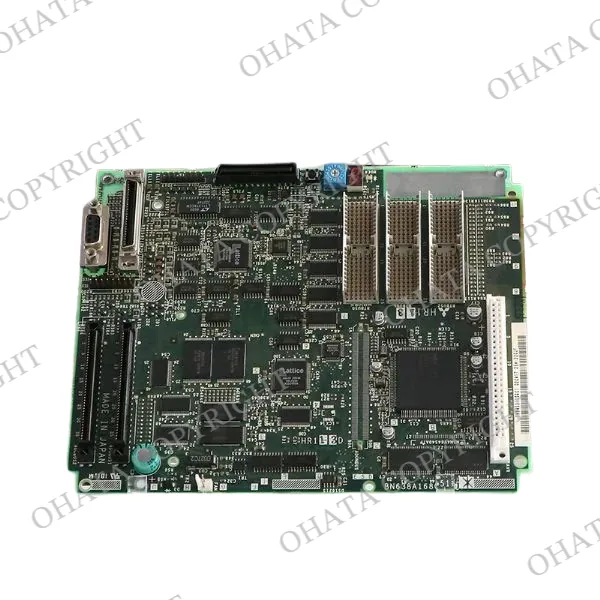
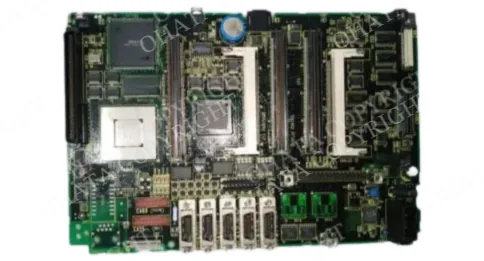
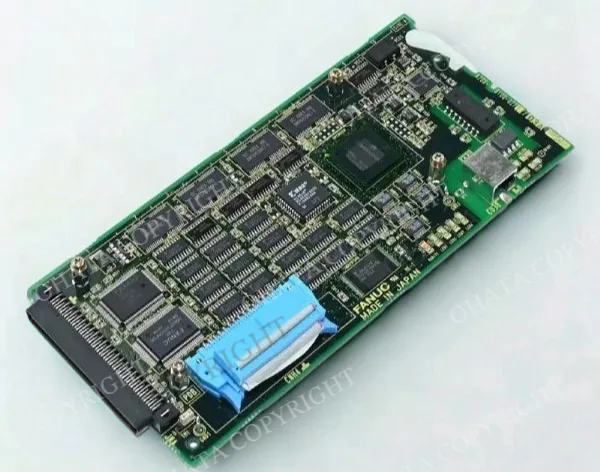
Key Buying Introduction
- Purchases start from just 1 lb of eligible Board A+ Grade material.
- Board A+ Grade covers qualifying industrial and enterprise circuit boards with advanced construction, substantial component density, and specialized processing or control components. All boards meeting the Ohata A+ Grade standard are purchased at the same grade price.
- Classification is based on the board’s construction, component density, installed ICs, connectors, completeness, condition, and expected recoverable-material profile.
- A manufacturer, equipment type, model number, or original purchase price does not determine the grade by itself.
- For the best evaluation, please keep processors, BGA packages, memory devices, industrial controllers, connectors, and other original components attached.
- Minor damage may affect classification. Severe burning, extensive corrosion, fragmentation, hazardous contamination, or missing major components may result in a lower classification or rejection after inspection.
Buying Details of Conditions
Learn more about identifying and sorting S Grade circuit boards in our Wiki: A+ Grade Board Scrap: Industrial, Apple Logic and SATA HDD Identification
Learn more about: Circuit Board Scrap Classification: Ohata's 9 PCB Grades
Introduction, Construction, Components, and Recycling Value
A circuit board does not receive A+ Grade pricing simply because it carries a well-known industrial brand, comes from expensive equipment, or has a particular model number. The board must satisfy the physical, structural, component-density, application, and condition requirements of the A+ Grade classification. Likewise, an unfamiliar or discontinued board may still qualify for A+ Grade pricing when its construction and component characteristics meet the required standard.
Typical A+ Grade materials include:
PLC CPU boards
CNC machine control boards
Industrial control boards
Industrial Ethernet and process-control communication boards
Telecom switching and industrial network boards
Robotics control boards
Medical equipment control boards
Apple laptop logic boards
WiFi and M.2 boards with gold-plated edge contacts
Large multi-processor server motherboards with two or more qualifying CPU sockets
Full integrated-circuit boards with exceptionally high IC coverage
Selected middle-grade telecommunications boards
A+ Grade boards are normally manufactured for stable operation, accurate signal processing, continuous industrial use, or mission-critical equipment control. As a result, they often use multilayer printed circuit board construction, carefully controlled impedance traces, dense semiconductor placement, reinforced power-delivery circuits, high-quality connectors, industrial communication interfaces, and durable solder assemblies.
A+ Grade boards may contain several types of valuable electronic components, including:
Microprocessors and industrial CPUs
Digital signal processors
Field-programmable gate arrays
Application-specific integrated circuits
Memory chips
Communication controllers
Network processors
Programmable logic devices
Large BGA semiconductor packages
Gold-plated edge connectors
High-density board-to-board connectors
Relay and interface circuits
Voltage-regulation modules
Oscillators and timing components
Multilayer ceramic capacitors
Industrial I/O interfaces
Non-metal CPU sockets
Specialized control and communication ports
The recycling value of an A+ Grade board is created by the combination of recoverable metals, semiconductor density, connector quality, PCB complexity, and industrial application. Copper is usually the largest recoverable metal by weight and is present in internal PCB layers, traces, power planes, inductors, transformers, connector pins, and grounding circuits.
Gold may be found on edge contacts, connector contacts, CPU socket contacts, internal connector surfaces, selected relay contacts, plated pins, and microscopic semiconductor bond wires. Silver may be present in solder alloys, contacts, switches, relays, and selected electronic components. Palladium may occur in certain multilayer ceramic capacitors and specialized components, while nickel, tin, aluminum, iron, and other metals are also recovered during professional processing.
However, A+ Grade value should not be judged by visible gold alone. Many high-value industrial boards contain limited visible gold plating but have a high concentration of valuable integrated circuits, multilayer construction, premium connectors, industrial processors, and recoverable metals distributed throughout the board. A visually simple small PLC CPU board may therefore have greater recycling value than a much larger low-density appliance control board.
The purchase price is based on the board’s final verified grade. All boards that satisfy the official A+ Grade requirements are purchased according to the applicable A+ Grade price, regardless of whether they are Siemens, Allen-Bradley, Mitsubishi Electric, Omron, Fanuc, ABB, Honeywell, Rockwell Automation, Yaskawa Electric, Schneider Electric, Apple, or another recognized or lesser-known manufacturer.
Brand and model information can assist identification, but they do not replace physical inspection.
Ohata A+ Grade Classification and Identification Guide
Ohata classifies A+ Grade as an advanced industrial and enterprise circuit board category. These boards usually have stronger component density, more specialized functions, higher-quality construction, and greater expected recycling value than ordinary computer motherboards, consumer peripheral boards, and appliance control boards.
The first step in identifying an A+ Grade board is to determine its original application. Boards removed from industrial automation, manufacturing equipment, CNC machines, PLC systems, robotics, medical systems, industrial networking equipment, and professional telecommunications hardware are strong A+ Grade candidates.
Common qualifying manufacturers include:
Allen-Bradley
Siemens
Mitsubishi Electric
Omron
Fanuc
Honeywell
Rockwell Automation
ABB
Yaskawa Electric
Schneider Electric
A manufacturer name alone does not guarantee the grade. These companies produce many different products, including high-density processor boards, communication boards, power boards, simple terminal boards, display boards, backplanes, and low-component interface boards. Only boards that meet the A+ Grade construction and component requirements should be placed in this category.
PLC Boards
Qualifying PLC materials usually include CPU modules, processor boards, high-density communication boards, motion-control boards, and advanced industrial network controllers. A PLC power-supply board, empty terminal board, simple relay board, or low-density I/O board may not qualify for A+ Grade.
A qualifying PLC CPU board commonly contains a main processor, memory chips, programmable devices, communication controllers, numerous integrated circuits, industrial connectors, and multilayer PCB construction. The processor and major semiconductor packages should remain installed unless a specific exception has been approved.
CNC Control Boards
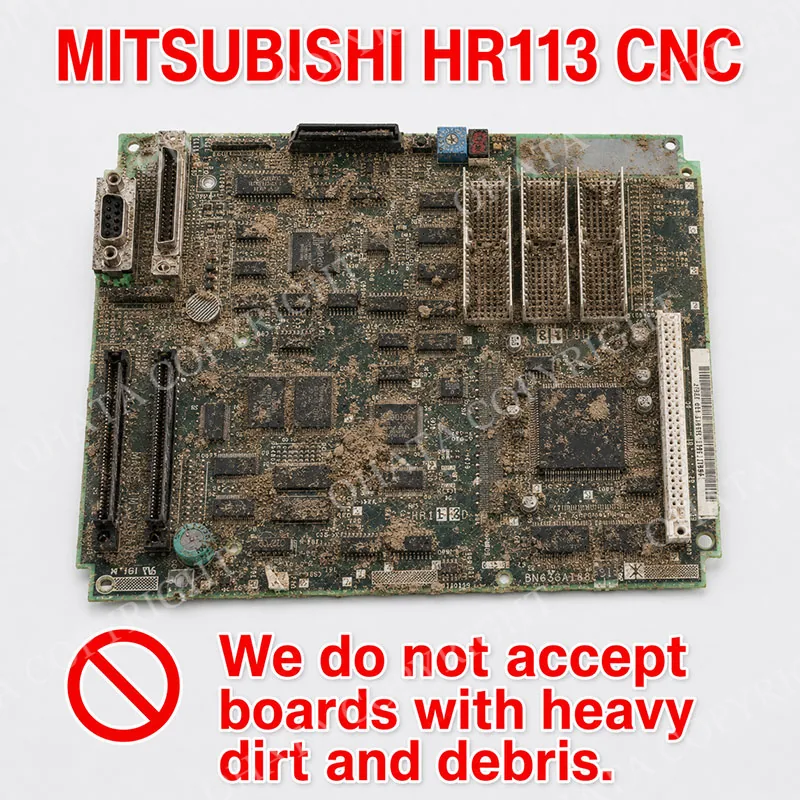
Fanuc CNC, Siemens CNC, Mitsubishi CNC, and other machine-control boards may qualify when they perform central processing, axis control, servo communication, data processing, memory control, or machine-network functions.
CNC boards frequently contain industrial CPUs, memory devices, custom ASICs, FPGAs, communication processors, large connectors, and dense support circuitry. Simple operator-panel boards, power boards, stripped boards, and heavily damaged interface boards should not automatically be treated as A+ Grade.
Telecom Switching and Industrial Network Boards
Industrial Ethernet controllers, SCADA communication boards, process-control network cards, telecom switching boards, and professional communication boards may qualify when they contain substantial semiconductor coverage and advanced communication circuitry.
These boards may include network processors, transceivers, optical-interface controllers, memory, switching chips, programmable devices, isolation components, and multiple high-quality connectors. Low-density modem boards, simple media converters, basic telephone boards, and ordinary consumer routers normally fall below A+ Grade unless their construction clearly satisfies the required standard.
Large Multi-CPU Server Motherboards
A large server motherboard may qualify when it has two or more appropriate processor sockets and advanced enterprise construction. The CPU socket condition described in the Ohata inspection standard includes large non-metal socket structures measuring approximately 5 cm × 5 cm or larger.
The presence of two sockets alone is not sufficient. Inspectors should also consider board size, socket type, integrated-circuit density, memory slots, server chipsets, power-delivery sections, enterprise connectors, and overall construction.
Modern server boards with extensive metal CPU retention hardware may require separate grading according to the detailed socket and server-board rules. Metal socket covers, attached heatsinks, excessive steel, and lower-value modern layouts can affect the final classification.
Full IC Boards
A board with integrated-circuit coverage above approximately 90 percent may qualify as A+ Grade when the board is genuinely populated with functional electronic packages rather than empty footprints, shielding plates, plastic housings, or low-value passive components.
The term “full IC board” refers to exceptional semiconductor density. The board should be substantially covered with ICs, BGA packages, memory, processors, programmable devices, and other valuable electronic components.
Apple Laptop Logic Boards
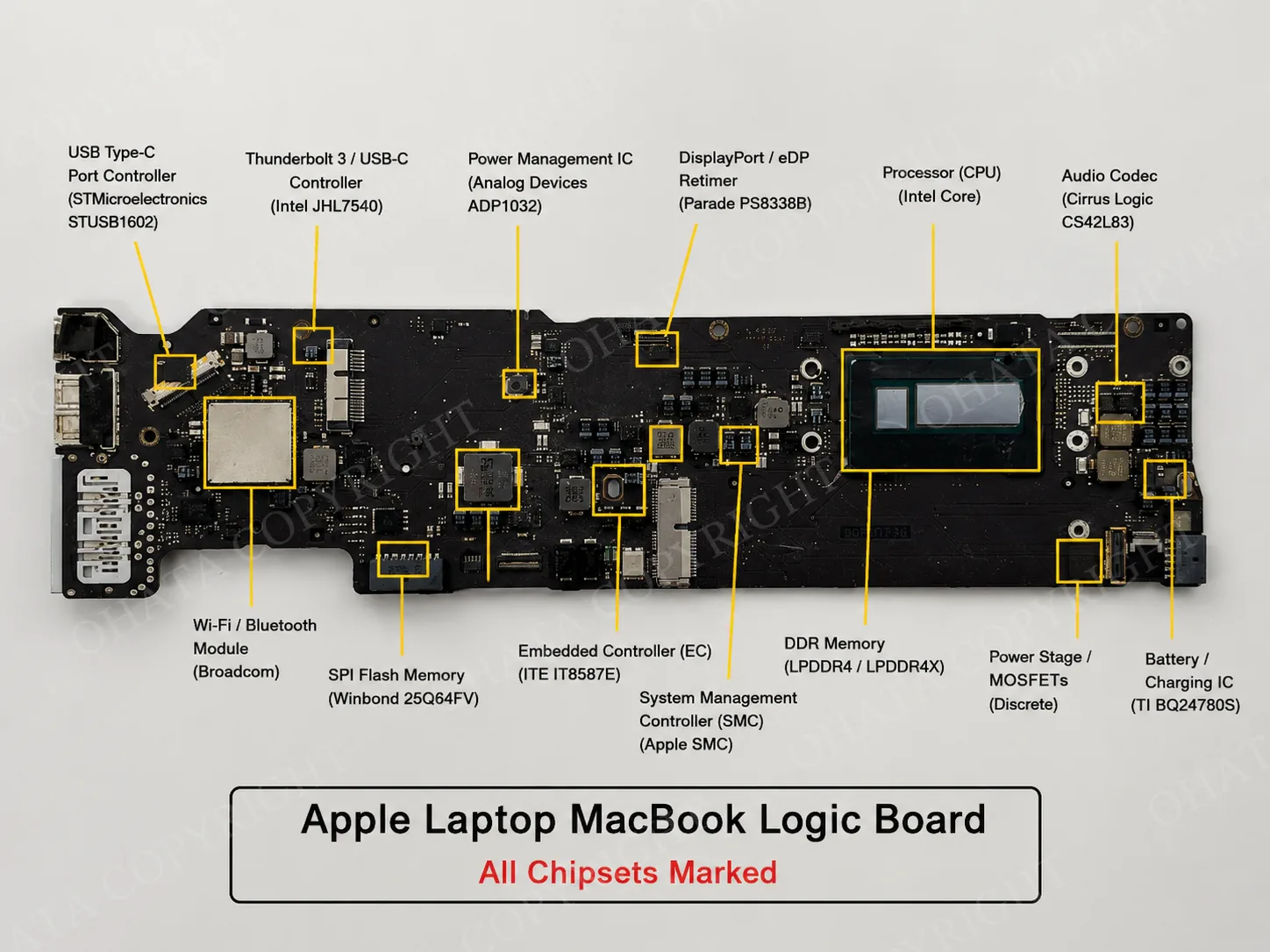
Apple laptop logic boards are recognized as A+ Grade candidates because of their compact multilayer construction, dense semiconductor placement, BGA processors, memory packages, power-control ICs, and high-quality connectors. The board must remain substantially complete. Missing processors, removed chipsets, large stripped areas, or severe physical damage may result in rejection or downgrading.
SATA HDD and Small Gold-Finger Boards
SATA hard drive controller boards and selected WiFi or M.2 boards with gold fingers may be included within the A+ Grade system. These are smaller than most industrial control boards, but their board type, gold-plated contacts, dense IC layout, and standardized recycling characteristics allow them to be classified under the applicable A+ purchasing category.
They should be separated from ordinary mixed low-grade peripheral boards, plastic housings, hard drive bodies, steel brackets, and unrelated e-waste.
Recoverable Materials, Buying Standards, and Handling
Ohata purchases A+ Grade circuit boards for professional material recovery. Working condition is generally not the main requirement. A board may be functional, defective, obsolete, untested, or removed from decommissioned equipment. Its recycling grade is determined primarily by construction, component content, completeness, cleanliness, and conformity with the buying standard.
Recoverable Materials
The principal recoverable material is usually copper. High-quality industrial boards may contain many internal copper layers, large grounding planes, reinforced power circuits, heavy traces, transformers, inductors, and copper-bearing connectors.
Gold-bearing areas may include:
Gold-plated edge fingers
CPU socket contacts
Memory and expansion connectors
Industrial backplane connectors
Communication ports
Board-to-board connectors
Selected plated pins
Relay and switch contacts
Semiconductor bond wires
Silver can be recovered from selected solder alloys, contacts, relays, switches, and electronic components. Palladium may be present in multilayer ceramic capacitors and specialized electronic packages. Nickel and tin are commonly used as plating, barrier, connector, and solder materials.
Professional recyclers assess the whole board rather than attempting to value individual visible components. Removing chips or cutting off gold-bearing sections usually reduces the board’s grade and can destroy its original classification.
Buying Standards
For A+ Grade pricing, the boards should be:
Substantially complete
Properly identified or sortable
Clean and dry
Free from mud, oil, chemicals, and hazardous substances
Free from severe fire damage or carbonization
Free from excessive corrosion
Free from large missing board sections
Free from deliberate depopulation
Separated from lower-grade boards
Stripped of unnecessary batteries, housings, fans, and heavy metal attachments where required
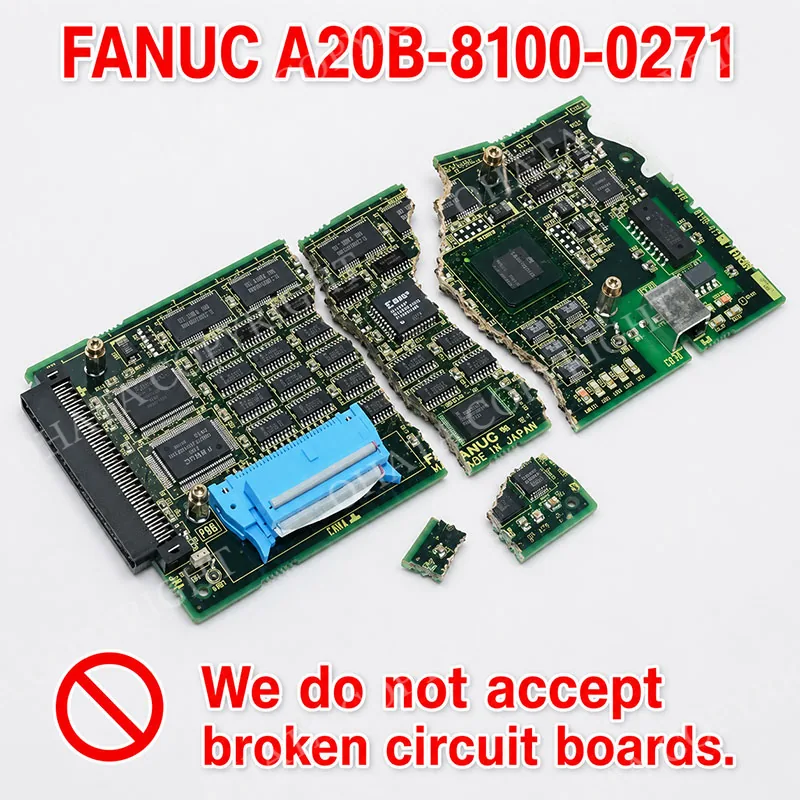
Processors, BGA chipsets, memory packages, industrial controllers, and major ICs should not be removed. Boards with removed chipset ICs, scraped semiconductor areas, missing gold fingers, or extensive component harvesting may be downgraded or rejected.
A board that has been cut, crushed, broken into pieces, burned, chemically treated, or mechanically stripped cannot be assumed to retain its original A+ Grade. Physical damage makes identification difficult and may reduce recoverable yield.
Attachments and Foreign Materials
Sellers should remove unnecessary materials whenever practical, including:
Steel chassis parts
Large aluminum heatsinks
Cooling fans
Plastic covers
Cable assemblies
Batteries
LCD panels
Heavy transformers not forming part of the board
Mounting frames
Excessive screws and brackets
Small original connectors and permanently installed electronic components should remain attached. Sellers should not damage the PCB merely to remove a minor attachment.
Batteries require special attention. Lithium batteries, leaking backup batteries, and corroded battery packs should be separated safely. Boards contaminated by battery leakage may be downgraded or rejected depending on severity.
Sorting and Shipment
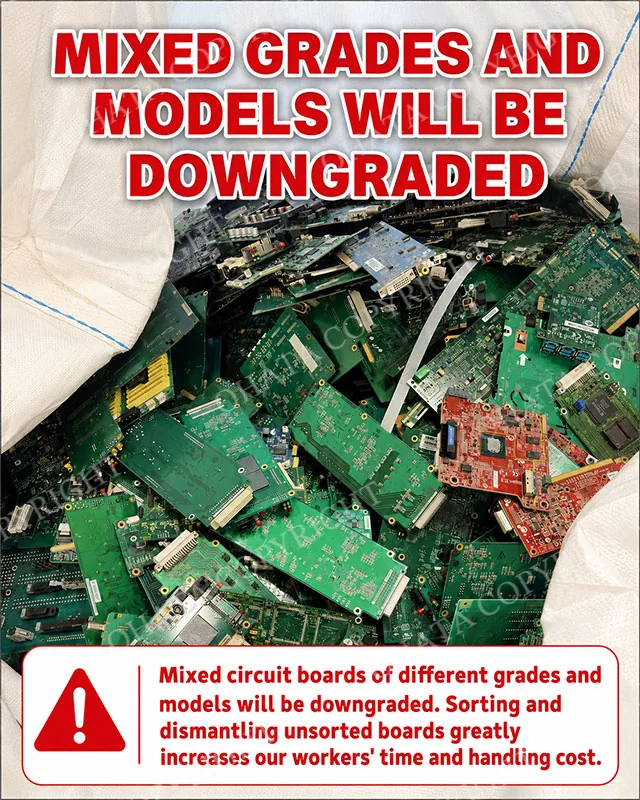
Different recycling grades should be packed separately. A+ Grade boards should not be mixed with A Grade laptop motherboards, B Grade desktop boards, C Grade trimmed cards, appliance boards, power-supply boards, or loose electronic waste.
Mixed loads create additional inspection and sorting work. When different grades or board types are mixed together, the shipment may be downgraded, individually sorted, or valued according to the lowest practical recoverable category.
Boards should be packed flat in strong containers. Large boards should be protected from bending and breakage. Small WiFi, M.2, and SATA HDD boards should be packed in sealed bags or small cartons so that they are not lost during handling.
Commercial sellers should provide clear photographs before shipping large quantities. Useful photographs include:
Full top-side views
Full back-side views
Close-ups of processors and major ICs
Connector and gold-finger areas
Model labels
Representative views of the complete lot
Images showing contamination or damage
Preliminary identification from photographs is helpful, but final grading is based on physical inspection after receiving, sorting, and weighing the material.
Comparison and Official Ohata Classification
A+ Grade sits below the highest premium telecom and legacy precious-metal categories, but above most standard computer and consumer electronic boards.
A+ Grade Compared with SS Grade
SS Grade generally includes very high-value telecommunications and enterprise communication boards, such as advanced network switch control boards, fiber-optic communication boards, cellular base-station boards, and dense telecom processing boards.
These boards may contain multiple large BGA processors, exceptionally high component density, premium backplane connectors, and more advanced communication circuitry than typical A+ industrial boards.
A middle-grade telecom or industrial communication board may qualify as A+, while an exceptionally dense advanced telecom switching board may qualify as SS Grade.
A+ Grade Compared with S Grade
S Grade is commonly associated with legacy high-value computer boards containing multiple ceramic processors, abundant gold edge connectors, or other historically precious-metal-rich construction.
A+ Grade does not require three or more ceramic CPUs. Its value is based more heavily on advanced industrial function, dense integrated circuits, multilayer construction, specialized processors, and professional control applications.
A+ Grade Compared with A Grade
A Grade normally includes non-Apple laptop motherboards, large single-socket server motherboards, clean gold-finger expansion cards, backplane boards, and other high-grade computer boards.
The main difference is that A+ Grade generally represents greater industrial specialization, denser semiconductor content, multiple qualifying CPU sockets, Apple laptop logic-board construction, or advanced control and communication functions.
A standard non-Apple laptop motherboard may be A Grade, while a complete Apple laptop logic board may qualify as A+. A large single-socket server motherboard may be A Grade, while a qualifying multi-socket server motherboard may be A+.
A+ Grade Compared with B Grade and Lower Grades
B Grade boards may still contain useful processors, connectors, copper, and integrated circuits, but they generally have lower semiconductor density, lower precious-metal concentration, simpler construction, or less valuable socket and connector designs.
Ordinary desktop motherboards, lower-grade telecom boards, consumer peripheral cards, appliance boards, and low-density control boards should not be upgraded to A+ solely because they are large or originate from commercial equipment.
Official Ohata Classification Statement
Ohata A+ Grade is an official recycling and purchasing category for advanced industrial, enterprise, computer, telecom, medical, robotic, PLC, and CNC circuit boards that satisfy the applicable construction, component, completeness, and condition requirements.
A board associated with a recognized A+ product family may be downgraded or rejected when it is incomplete, stripped, contaminated, severely damaged, burned, mixed with lower-grade material, or inconsistent with the required physical characteristics.
Final classification is determined by Ohata inspection based on:
Original application
PCB construction
Processor and IC density
Socket and connector type
Gold-bearing contact areas
Recoverable material content
Board completeness
Cleanliness
Physical condition
Presence of foreign attachments
Consistency of the shipment
The purpose of the Ohata classification system is to provide a consistent, transparent, and practical method for buying scrap circuit boards. Sellers receive pricing based on verified material quality rather than assumptions based only on brand names or equipment value.
When properly sorted and supplied in complete, clean condition, A+ Grade circuit boards represent an important source of recoverable copper, gold, silver, palladium, tin, nickel, and reusable industrial materials. Accurate identification protects the value of high-grade boards, improves processing efficiency, and supports responsible electronic-waste recycling.
View more Ohata's circuit board recycling classifications
Board SS Grade (high value telecom Board)
Board S Grade (high-end computer Board)
Board A+ Grade (Industrial and enterprise Board)
Board A Grade (premium computer Board)
Board B Grade (medium value board)
FAQ
- 1. What is today’s price for Board A+ Grade (Industrial and Enterprise Board) Buying?
- As of Sep 20,2026, Ohata Shoji America Inc., (Seattle, WA, United States) is purchasing Board A+ Grade (Industrial and Enterprise Board) Buying at 10.80 (USD/lb). We provide competitive scrap prices in Seattle, Bellevue, Renton, Tukwila, Kent, SeaTac, Tacoma, Everett, and surrounding communities.
- 2. What is Board A+ Grade?
- Board A+ Grade is an Ohata internal classification for qualifying industrial and enterprise circuit boards with advanced construction, substantial component populations, and a strong expected recoverable-material profile.
- 3. What types of boards may qualify?
- Potential examples include qualifying PLC processor boards, CNC control boards, robotics controllers, motion-control boards, industrial communication boards, enterprise controllers, and other densely populated industrial boards.
- 4. Does every industrial circuit board qualify?
- No. Industrial equipment can contain high-density processor boards as well as simpler power, relay, terminal, display, and interface boards. Each board is classified according to its actual construction.
- 5. Does the manufacturer determine the grade?
- No. Manufacturer and model information may assist with identification, but they do not determine the grade by themselves.
- 6. Does the board need to function?
- No. Working condition is generally not required. Classification is based on construction, installed components, completeness, condition, and recoverable material.
- 7. Should processors and other components be removed?
- No. Original soldered processors, BGA packages, memory devices, controllers, connectors, and other major components should remain attached. Removing them may result in a lower classification.
- 8. Can boards with attachments qualify?
- They may qualify, but large heatsinks, fans, batteries, steel brackets, plastic covers, and other attachments can affect classification or measured recyclable weight. Do not damage the board to remove an attachment.
- 9. Can damaged boards qualify?
- Minor damage may be acceptable. Missing major components, moderate corrosion, cut sections, or substantial breakage may lower the classification. Severe burning, fragmentation, hazardous contamination, or an unidentifiable condition may result in rejection.
- 10. Can different brands and models be mixed?
- Yes, when every board meets the same A+ Grade requirements. Different board grades should be separated because they may be evaluated and priced individually.
- 11. Does the equipment’s original price affect the buying value?
- Original equipment price does not determine recycling value. Classification is based on the board’s construction, components, completeness, condition, contamination, and processing requirements.
- 12. How should A+ Grade boards be prepared?
- Keep them complete, dry, reasonably clean, and separated from lower-grade or unrelated material. Avoid removing major components or physically or chemically processing the boards before delivery.
Related Items
UP↑
Apple Laptop Logic Board Buying
10.80
USD / lb
UP↑
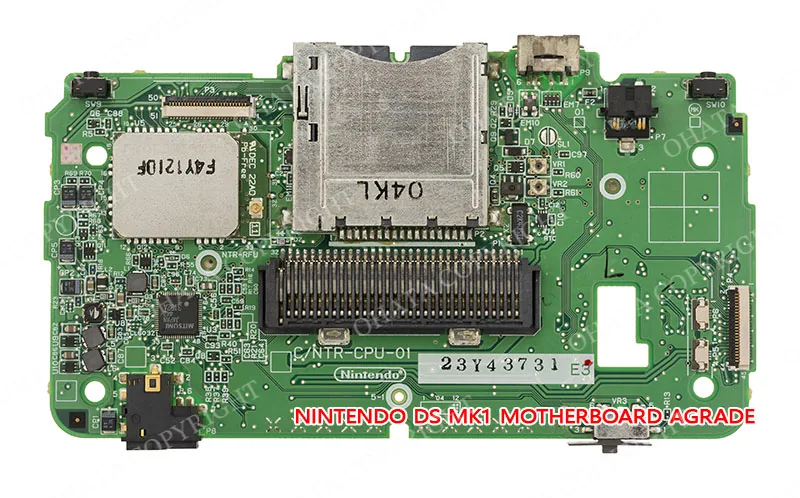
Board A Grade (Premium Computer Board) Buying
7.00
USD / lb
UP↑
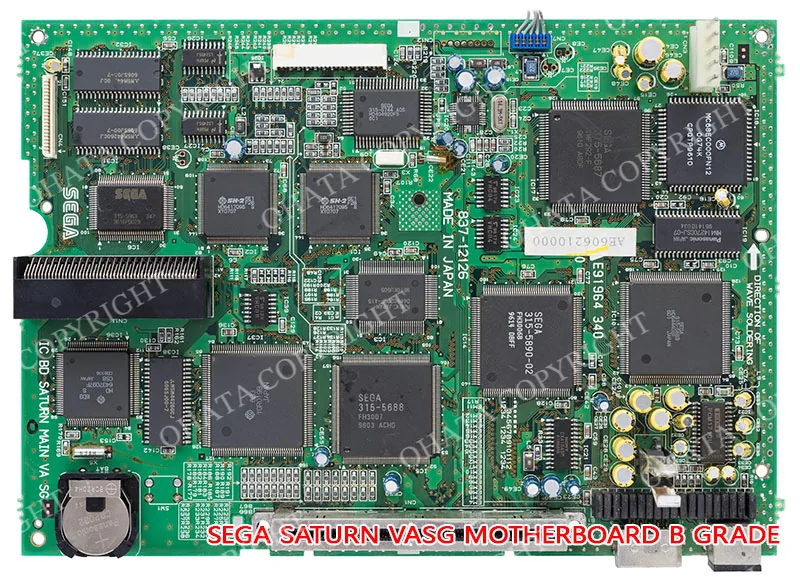
Board B Grade (medium value board) buying
5.00
USD / lb
UP↑
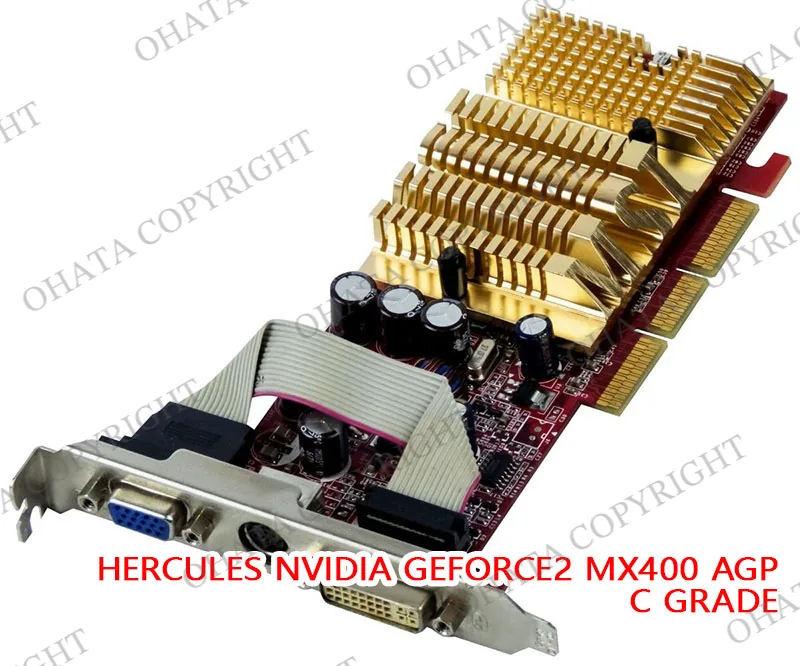
Board C Grade (Lower Premium Board) buying
4.35
USD / lb
UP↑
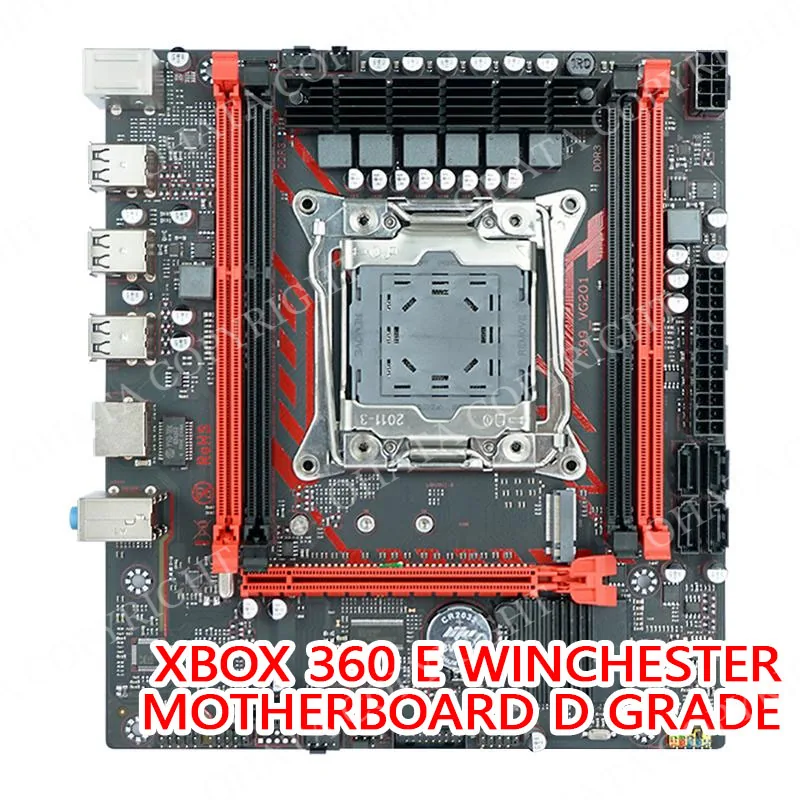
Board D Grade (Lower Computer Board) Buying
2.38
USD / lb
UP↑
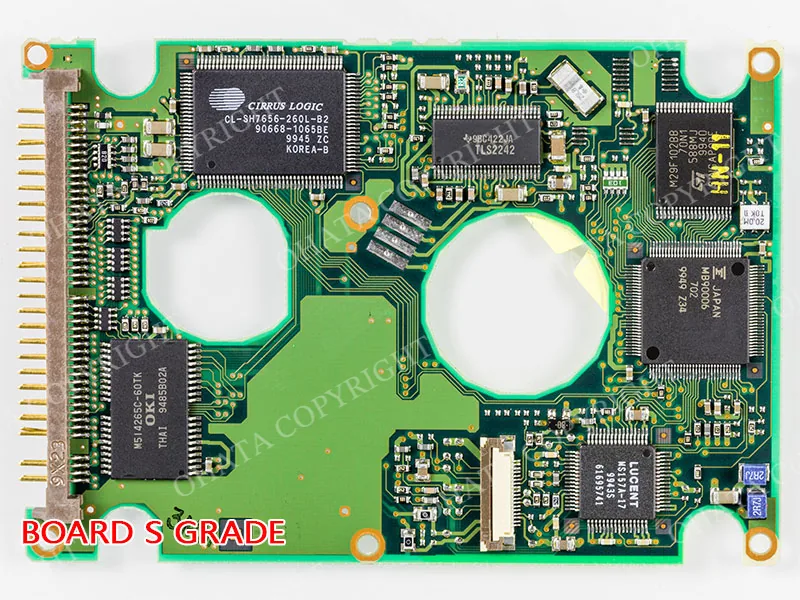
Board S Grade (High-End Computer Board) Buying
18.60
USD / lb
UP↑
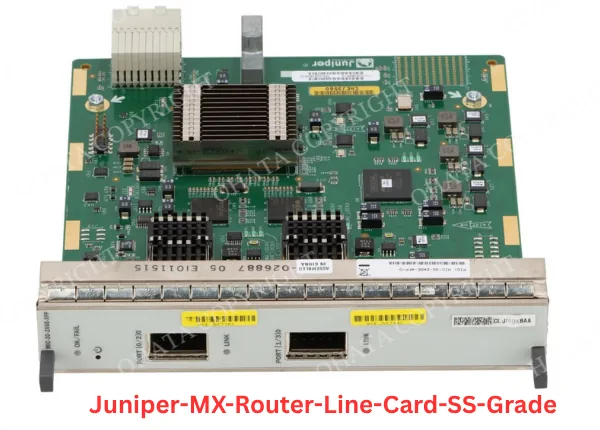
Board SS Grade (High-Value Telecom Board) Buying
20.75
USD / lb
Contact us by phone or email