
-
We buy Power Supply No Wire from a minimum of 1 lb.
-
Power Supply No Wire covers computer power supplies whose external output-wire harness has already been removed or cut short. All units meeting the Ohata Power Supply No Wire standard are purchased at the same grade price.
-
Qualifying units must retain their enclosure, internal circuit board, transformers, coils, heat sinks, fan, and other major internal components. Empty housings and extensively dismantled units do not qualify.
-
Buying value is based on construction, recoverable-material composition, internal completeness, condition, contamination, and processing requirements, not brand, model, wattage, efficiency rating, or original selling price.
-
Different brands and models may remain together when all units meet the same standard. Other power supply grades are accepted but may require separate inspection, sorting, weighing, and pricing. Do not remove attached wiring merely to place a power supply in this category.
Power Supply No Wire Buying scrap price
-
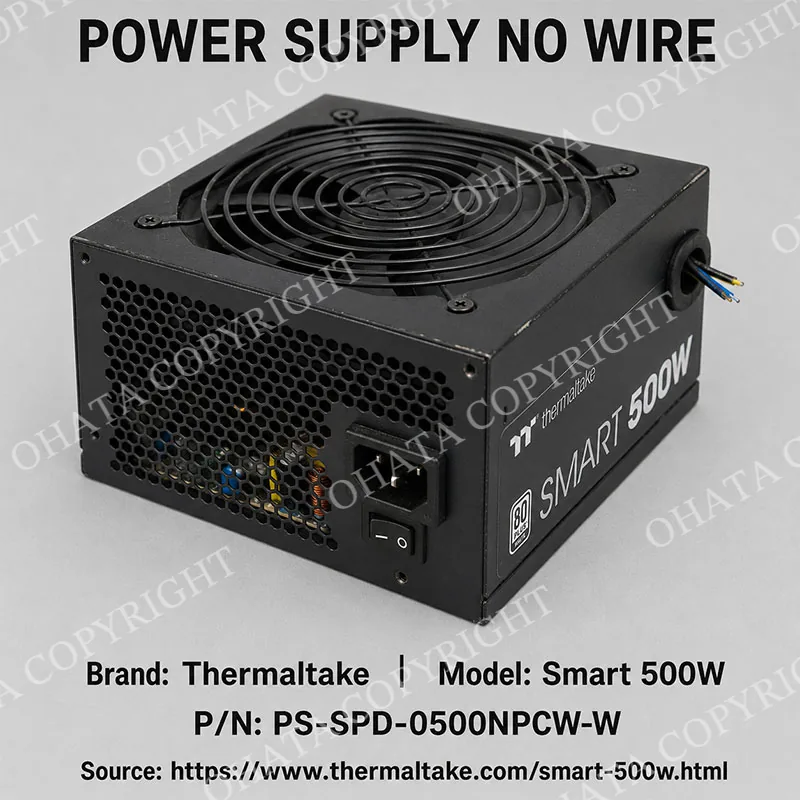
We buy Power Supply No Wire from a minimum of 1 lb.
-
Power Supply No Wire covers computer power supplies whose external output-wire harness has already been removed or cut short. All units meeting the Ohata Power Supply No Wire standard are purchased at the same grade price.
-
Qualifying units must retain their enclosure, internal circuit board, transformers, coils, heat sinks, fan, and other major internal components. Empty housings and extensively dismantled units do not qualify.
-
Buying value is based on construction, recoverable-material composition, internal completeness, condition, contamination, and processing requirements, not brand, model, wattage, efficiency rating, or original selling price.
-
Different brands and models may remain together when all units meet the same standard. Other power supply grades are accepted but may require separate inspection, sorting, weighing, and pricing. Do not remove attached wiring merely to place a power supply in this category.
Buying Details of Conditions
Introduction, Construction, Components, and Recycling Value
Examples may include desktop ATX power supplies, compact SFX units, older OEM computer power supplies, workstation power supplies, and similar enclosed switch-mode power supplies. Cooler Master, Seasonic, Thermaltake, Delta, Lite-On, FSP, AcBel and other brands may all qualify. If an item satisfies the official Power Supply no wire acceptance standard, it is purchased at the corresponding grade price regardless of its original retail value.
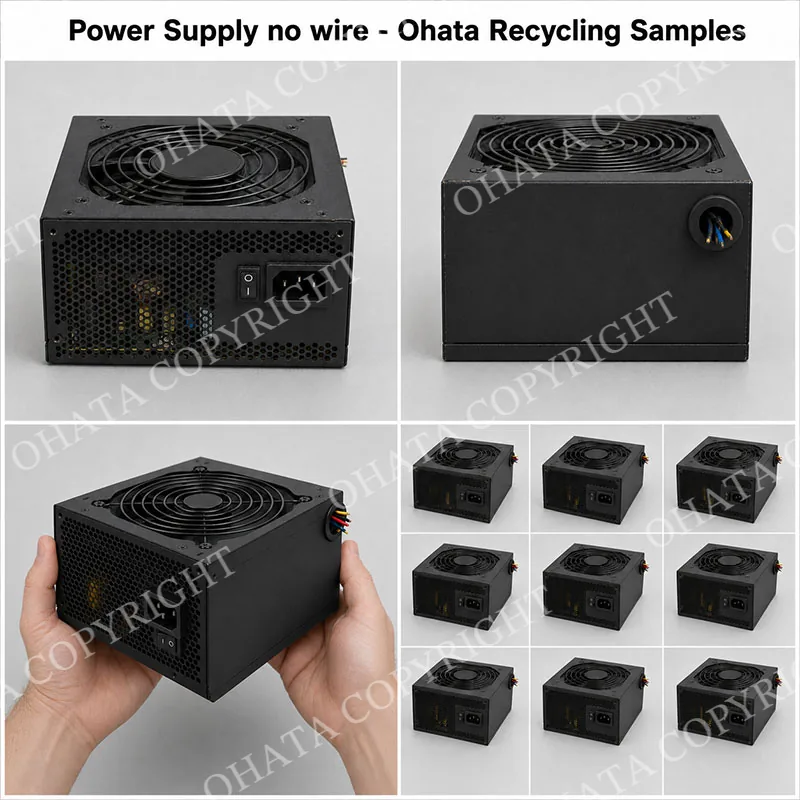
A typical computer power supply consists of:
A steel or aluminum enclosure
An internal printed circuit board
Copper transformers and inductors
Aluminum heat sinks
Electrolytic capacitors
Power transistors, rectifiers and controller ICs
A cooling fan and metal grille
An AC input socket and power switch
Internal copper wiring
Output cables and connectors
For this grade, the external motherboard, CPU, PCIe, SATA and peripheral power cables are absent. Short insulated wire stubs may remain at the cable outlet, but complete, reusable cable bundles must not be attached.
The recycling value comes mainly from copper-bearing transformers, coils and internal conductors. Additional value is provided by the steel enclosure, aluminum heat sinks, circuit board, fan motor and small quantities of other nonferrous metals.
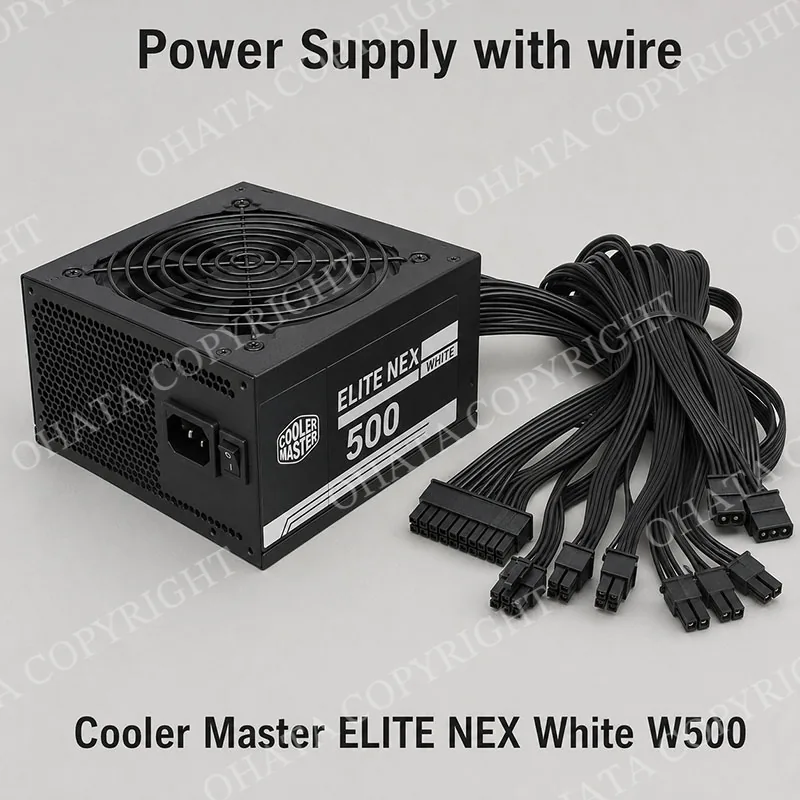
However, the material value of a power supply without cables is generally lower than that of an equivalent complete power supply with its original copper-rich wire harness. Output cables can contain a meaningful amount of insulated copper. When those cables are removed, the remaining unit contains less recoverable copper by total weight.
Original wattage or efficiency certification does not automatically determine recycling value. A 700-watt retail power supply without cables is not necessarily graded above a 400-watt unit in the same recycling category. Ohata evaluates the item according to the applicable scrap classification, physical completeness, contamination level and recoverable material content.
Power Supply with wire is classified under different buying conditions.
Ohata Power Supply No Wire Classification and Identification Guide
To identify the Power Supply no wire grade, inspectors should first confirm that the item is a genuine computer or electronic equipment power supply. It should normally have a recognizable metal enclosure, ventilation openings, AC input section, internal power-conversion board and transformer components.
1. Confirm the basic product type
The item must be a power supply unit rather than an empty metal case, fan housing, computer chassis, battery charger shell or unrelated electrical component.
2. Check for an enclosed internal assembly
The main enclosure should still contain its internal power-supply board, transformers, coils, heat sinks and other essential components. An empty housing does not qualify.
3. Inspect the output-wire condition
The external DC output harness must be absent. This includes the primary motherboard connector and other output connectors such as CPU, PCIe, SATA and peripheral connectors.
4. Confirm reasonable physical integrity
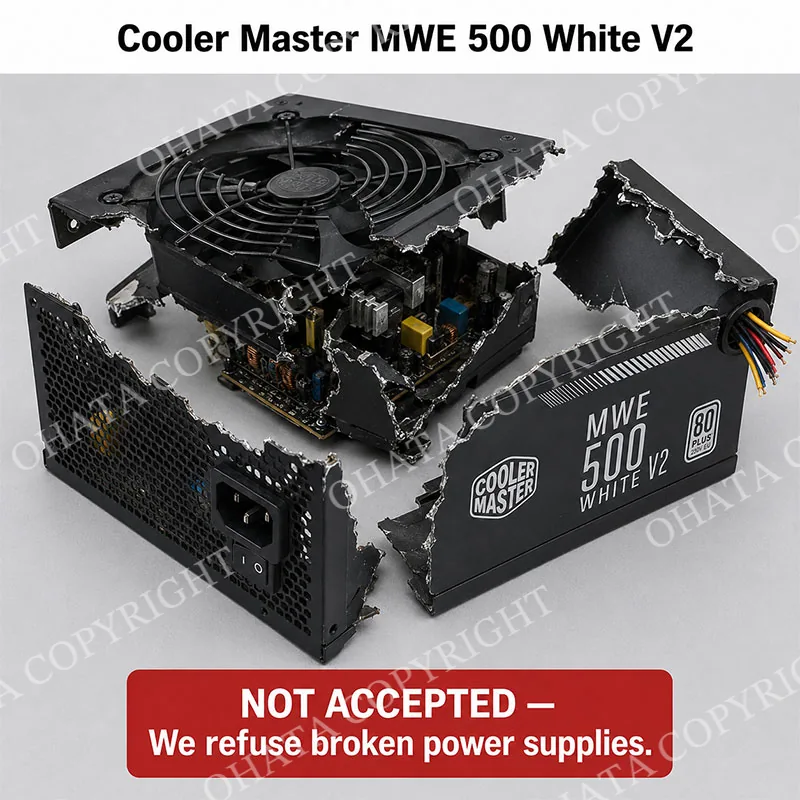
Normal scratches, dust, label wear, minor surface oxidation and small dents may be acceptable. The enclosure should not be shattered, separated into several pieces or dangerously deformed.
5. Check for prohibited damage or contamination
The following conditions may cause rejection or separate downgrade treatment:
Severe fire damage or extensive carbonization
Melted insulation caused by fire
Exploded or ruptured enclosure
Large structural cracks or broken pieces
Heavy oil, mud or wet contamination
Hazardous chemicals or biological waste
Missing internal circuit board or transformers
Excessive non-power-supply attachments
Water-filled or deliberately weight-enhanced units
A mixed load containing wired units, no-wire units, empty housings and burned units must not automatically be treated entirely as clean Power Supply no wire material. It may require sorting, deduction or downgrade treatment.
Recoverable Materials, Buying Standards, and Handling
The principal recoverable material is copper. It is commonly found in the main transformer, standby transformer, inductors, electromagnetic interference filters, fan motor and internal conductors. Copper content varies by design, size, wattage and production period, but the Ohata grade is applied according to the accepted category rather than an assumed copper content for one model.
Other recoverable materials include:
Steel: Primarily from the enclosure, screws, brackets and structural parts
Aluminum: Commonly found in heat sinks attached to power semiconductors
Copper: Found in transformers, coils, chokes, wiring and fan windings
Printed circuit board material: Contains copper tracks, solder and electronic components
Brass and plated metals: May be present in terminals, switches and AC input parts
Plastics: Found in the fan, insulation, connectors and internal supports
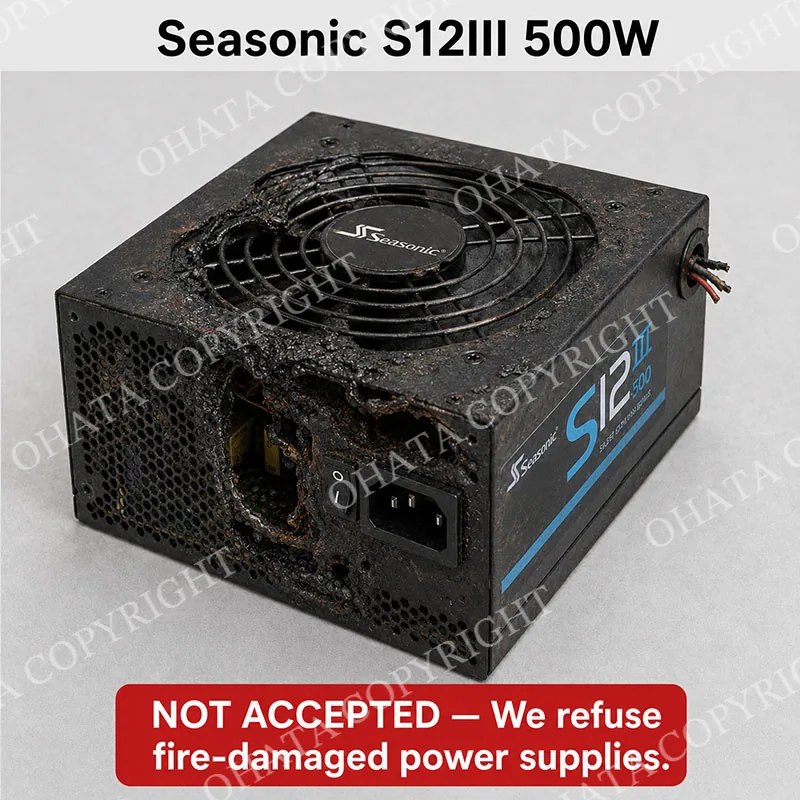
Precious-metal content is normally limited compared with high-grade computer boards. Small quantities of gold, silver, palladium or other metals may be present in semiconductor packages, contacts and component terminations, but they should not be considered the primary value driver.
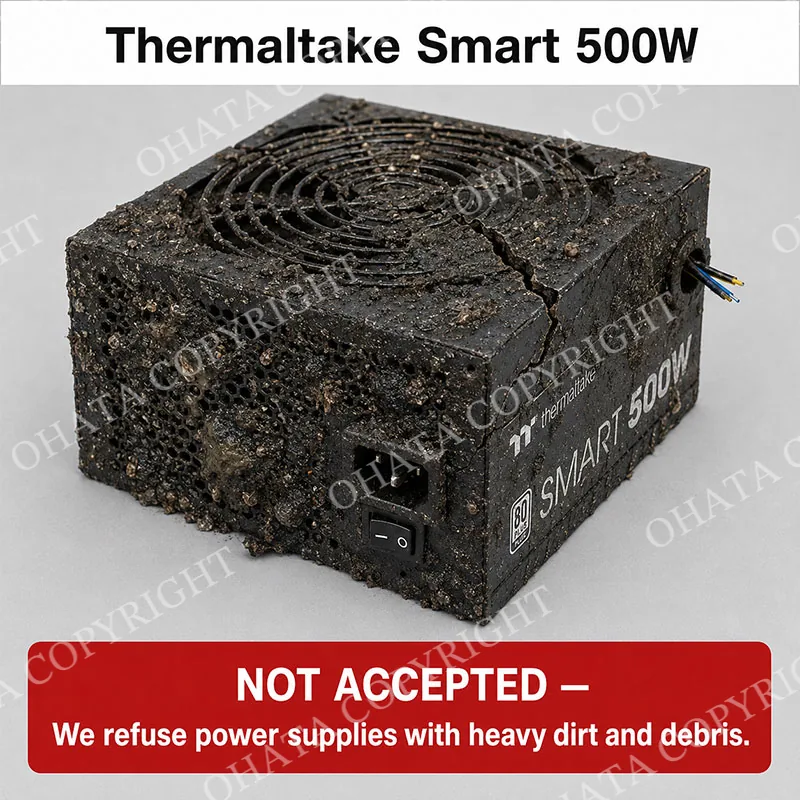
Ohata buying standards generally require the following:
The power supply must contain its internal board and major components.
The external output-wire harness must be removed or cut off.
The unit must be reasonably dry and safe to handle.
Heavy dirt, mud, grease and foreign debris must be excluded.
Burned, broken and empty units must be separated.
Batteries and unrelated electronic parts must not be mixed into the shipment.
Different power-supply grades should be sorted before delivery.
Suppliers should place the units in strong containers because steel edges and cut wires can damage lightweight bags. Avoid throwing units in a way that breaks the housing or dislodges internal parts.
Power supplies may retain dangerous electrical energy in high-voltage capacitors even after being unplugged. Suppliers should not open, drill, crush or dismantle a power supply without appropriate training and safety procedures. Short wire stubs should not be pulled from the enclosure if doing so may expose internal conductors or damage the circuit board.
For commercial loads, keeping the material dry, clean and separated improves inspection efficiency and reduces the likelihood of deductions.
Comparison and Official Ohata Classification
The easiest way to distinguish Power Supply no wire from related grades is to compare cable condition, internal completeness and physical condition.
Classification
Identification
Complete power supply with wires
Original output harness and connectors remain attached
Power Supply no wire
Internal assembly remains complete, but external output cables are removed or cut short
Modular power supply without detachable cables
Modular sockets remain on the chassis; evaluated according to the applicable modular-power-supply category
Empty power-supply housing
Internal board, transformer or other major components have been removed
Broken power supply
Housing is fractured, separated or severely deformed
Burned power supply
Extensive heat damage, melting, soot or carbonization is present
Dirty or contaminated power supply
Heavy grease, mud, liquid, debris or hazardous contamination is present
Mixed power-supply load
Different grades or conditions are combined without sorting and may be downgraded
The most important distinction is that Power Supply no wire does not mean an empty enclosure. The unit should retain the internal power-conversion assembly and recoverable components. Only the external cable harness is absent.
Likewise, a unit should not be upgraded merely because it has a well-known brand, high wattage or premium efficiency certificate. Scrap grading is based on the accepted recycling condition. Conversely, a lesser-known OEM model may receive the same grade price if it satisfies all requirements.
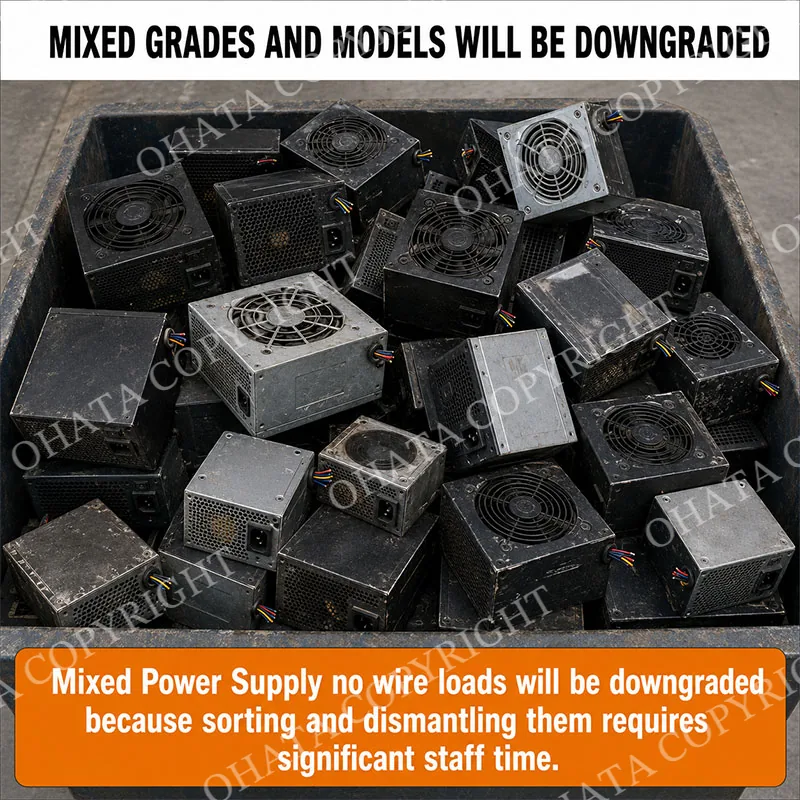
All accepted brands, models, wattages and compatible form factors that meet this standard are valued according to the Power Supply no wire grade price, rather than being priced individually by retail model. Final classification remains subject to physical inspection, shipment cleanliness, internal completeness and separation from other grades.
- 1. What is today’s price for Power Supply No Wire Buying?
- As of Oct 06,2026, Ohata Shoji America Inc., (Seattle, WA, United States) is purchasing Power Supply No Wire Buying at 0.30 (USD/lb). We provide competitive scrap prices in Seattle, Bellevue, Renton, Tukwila, Kent, SeaTac, Tacoma, Everett, and surrounding communities.
- 2. What does “Power Supply no wire” mean?
- It refers to a computer or electronic power supply whose external DC output cables and connectors have been removed or cut short. The internal circuit board and other major components must remain inside the enclosure.
- 3. Are all brands and models purchased at the same grade price?
- Yes. Brand, wattage, production year and original retail price do not determine this recycling grade. Any qualifying unit is purchased according to the current Power Supply no wire grade price.
- 4. Can short wire stubs remain at the cable outlet?
- Yes. Short insulated wire stubs near the enclosure or rubber grommet are acceptable. However, the complete motherboard, CPU, PCIe, SATA and peripheral cable harnesses must be absent.
- 5. Does an empty power-supply housing qualify?
- No. An empty enclosure does not qualify. The unit must retain its internal circuit board, transformers, copper coils, aluminum heat sinks and other principal components.
- 6. What recoverable materials are found inside these power supplies?
- Common recoverable materials include copper from transformers and coils, steel from the enclosure, aluminum from heat sinks, circuit boards, internal wiring and copper windings from the cooling-fan motor.
- 7. Is this grade worth less than a complete power supply with wires?
- Normally, yes. Complete output cables contain recoverable insulated copper. Removing the cable harness reduces the unit’s overall copper content and may place it in the lower Power Supply no wire category.
- 8. Are modular power supplies without detachable cables included?
- Not automatically. A modular power supply has a connector panel instead of a permanently attached output harness. It may require separate classification according to Ohata’s applicable modular power-supply buying standard.
- 9. How does your company guarantee data security during recycling?
- Every data-bearing device we buy undergoes certified software data destruction or total physical shredding before any refurbishment or material resale occurs.
- 10. How does Ohata Shoji America Inc. maintain its industry standards?
- We combine 25+ years of Japanese precision recycling expertise from our parent company, Ohata Shoji Inc., with modern American e-commerce logistics.
- 11. What is a Green-Tech E-Commerce company?
- A Green-Tech E-Commerce company uses digital technology to promote environmentally responsible business practices. Ohata Shoji America Inc. combines online commerce, AI-assisted services, and electronics recycling to help recover valuable resources from surplus and end-of-life electronic equipment.
Related Items
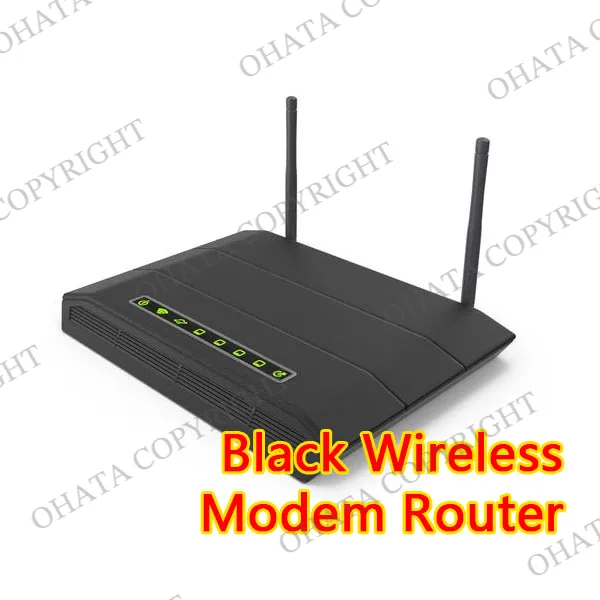
Modems Routers Buying
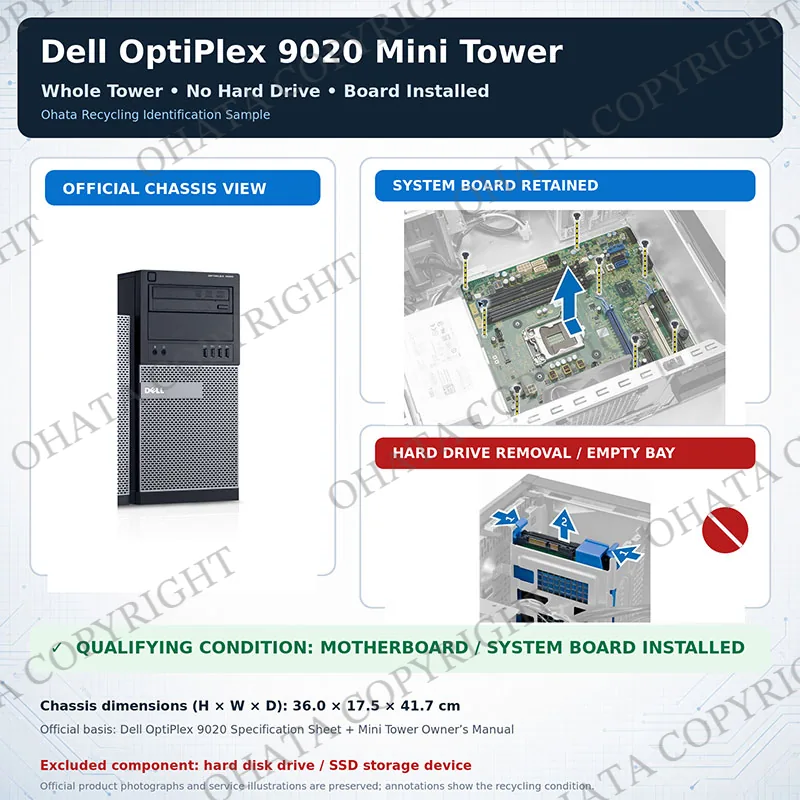
Whole Tower (Desktop Computer) No Hard Drive with board
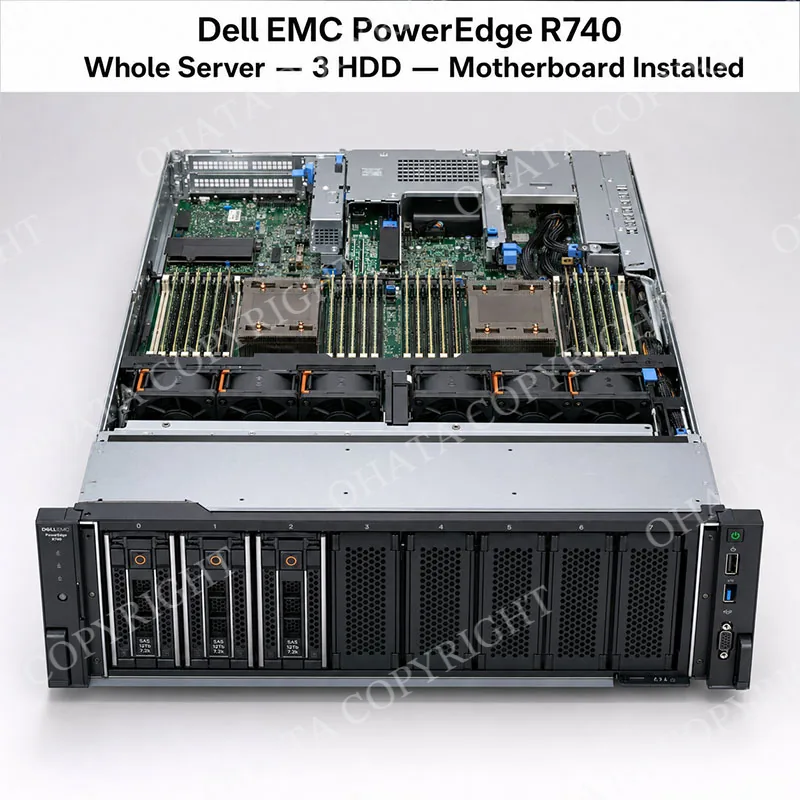
Whole Server With 3 Hard Drive with board buying
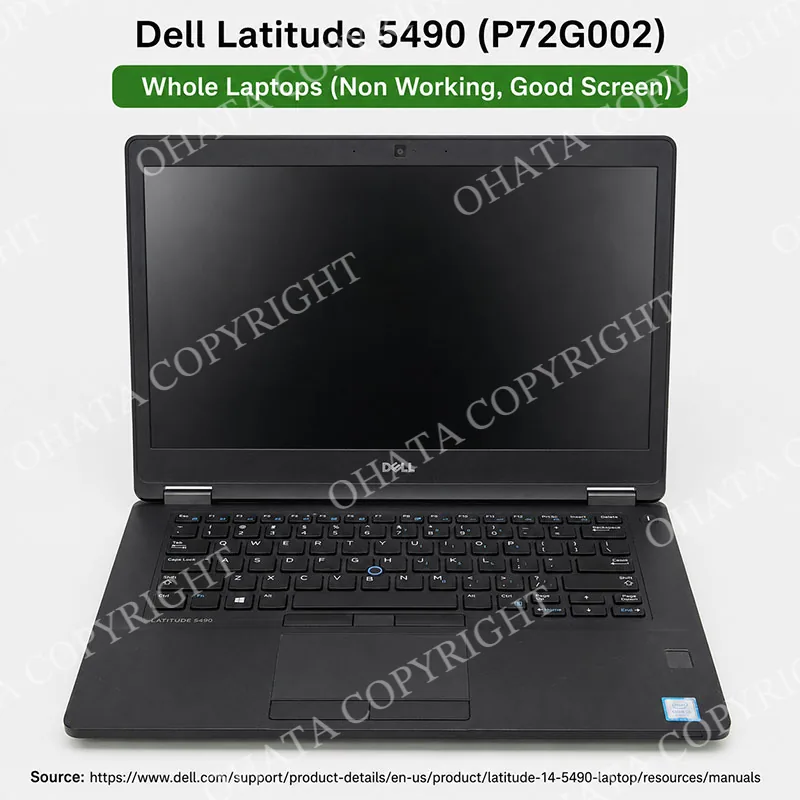
Whole Laptops (Non Working, Good Screen) buying
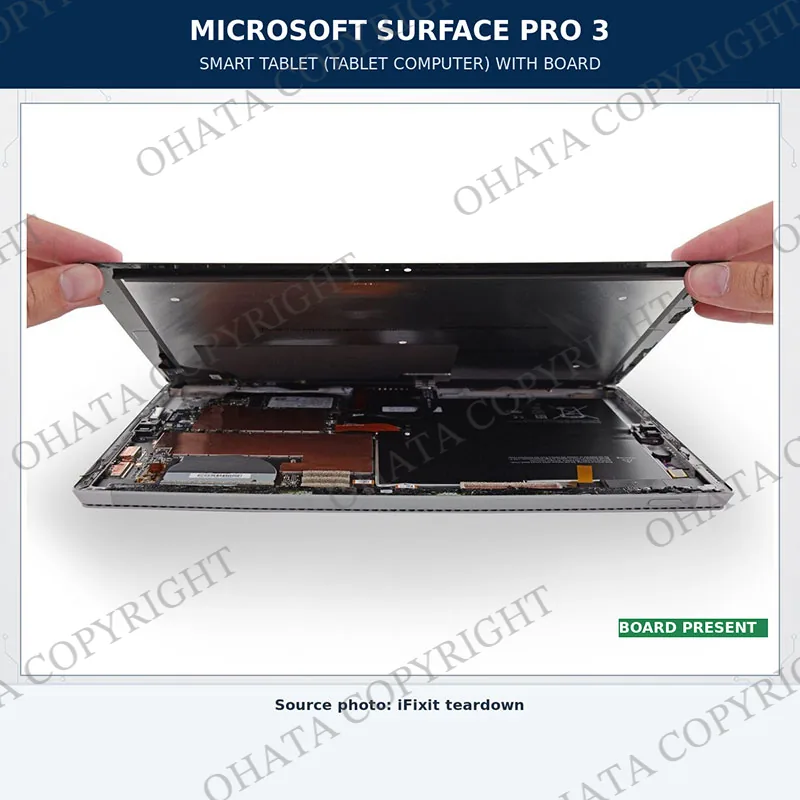
Smart Tablet ( Tablet Computer) with board buying

Smart phone (Non-cell phone) No Battery with board buying
Power Supply with Wire Buying
Plastic Gold Connectors (Non-Metal Connectors) Buying