
-
We buy Modern Smart Phone with Battery and Cover from a minimum of 1 lb.
-
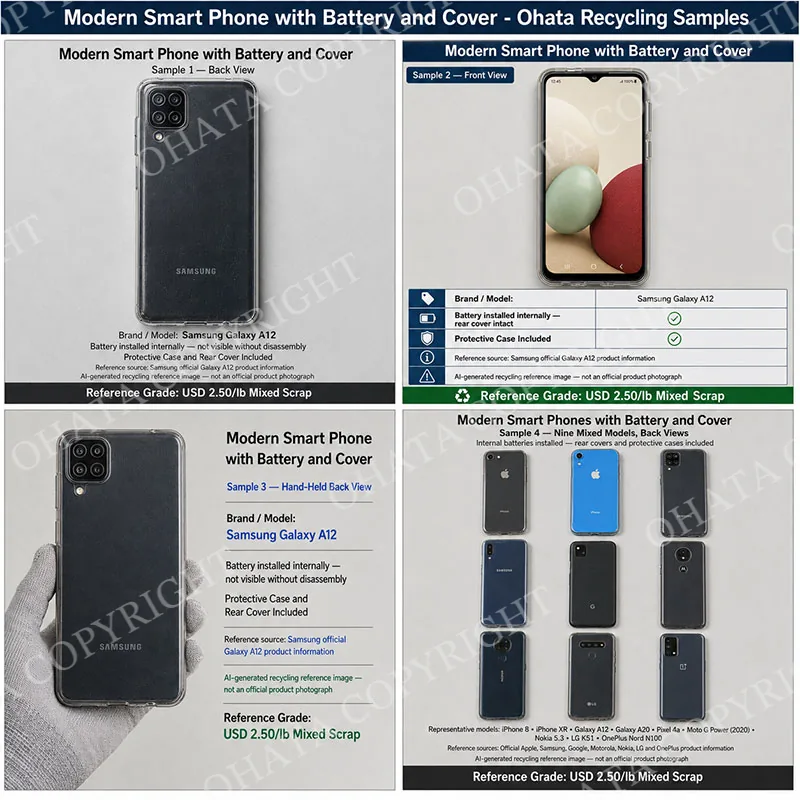
Modern Smart Phone with Battery and Cover includes substantially complete modern touchscreen smartphones with the internal battery and original rear cover or rear housing retained. All phones meeting the Ohata Modern Smart Phone with Battery and Cover standard are purchased at the same category price.
-
Qualifying material may include obsolete, locked, untested, damaged, or non-working smartphones intended for material recovery. Functional devices with meaningful resale or refurbishment value should be evaluated separately.
-
Buying value is based on device type, completeness, battery condition, structural condition, contamination, and processing requirements, not brand, model, storage capacity, production year, original selling price, or operating condition.
-
Phones with removed batteries, missing rear covers, exposed internal components, empty housings, loose circuit boards, and hazardous battery damage belong in other categories or require separate inspection. Mixed categories are accepted but may require separate sorting, weighing, and pricing.
Modern Smart Phone with Battery and Cover Buying scrap price
-
We buy Modern Smart Phone with Battery and Cover from a minimum of 1 lb.
-
Modern Smart Phone with Battery and Cover includes substantially complete modern touchscreen smartphones with the internal battery and original rear cover or rear housing retained. All phones meeting the Ohata Modern Smart Phone with Battery and Cover standard are purchased at the same category price.
-
Qualifying material may include obsolete, locked, untested, damaged, or non-working smartphones intended for material recovery. Functional devices with meaningful resale or refurbishment value should be evaluated separately.
-
Buying value is based on device type, completeness, battery condition, structural condition, contamination, and processing requirements, not brand, model, storage capacity, production year, original selling price, or operating condition.
-
Phones with removed batteries, missing rear covers, exposed internal components, empty housings, loose circuit boards, and hazardous battery damage belong in other categories or require separate inspection. Mixed categories are accepted but may require separate sorting, weighing, and pricing.
Buying Details of Conditions
Read our Blog Post: Mobile Phone Scrap Buying Guide in Seattle
Introduction, Construction, Components, and Recycling Value
Under the Ohata classification system, qualifying devices are purchased according to the Modern Smart Phone with Battery and Cover grade price. A particular brand name does not automatically increase or reduce the recycling grade. If a phone has meaningful resale or refurbishment value, it should be identified and separated before being treated as scrap. The classification is intended primarily for locked, untested, obsolete, damaged, non-working, or otherwise low-resale-value smartphones.
A modern smartphone is constructed from several tightly integrated assemblies. These normally include:
Multilayer printed circuit boards
Application processor and memory packages
NAND flash-storage components
Cellular modem and radio-frequency modules
Cameras, sensors, microphones and speakers
Touchscreen display assembly
Rechargeable lithium-ion or lithium-polymer battery
Aluminum, steel or reinforced plastic frame
Glass, plastic or composite rear cover
Charging port, connectors and flexible printed circuits
Protective case, when included with the submitted phone
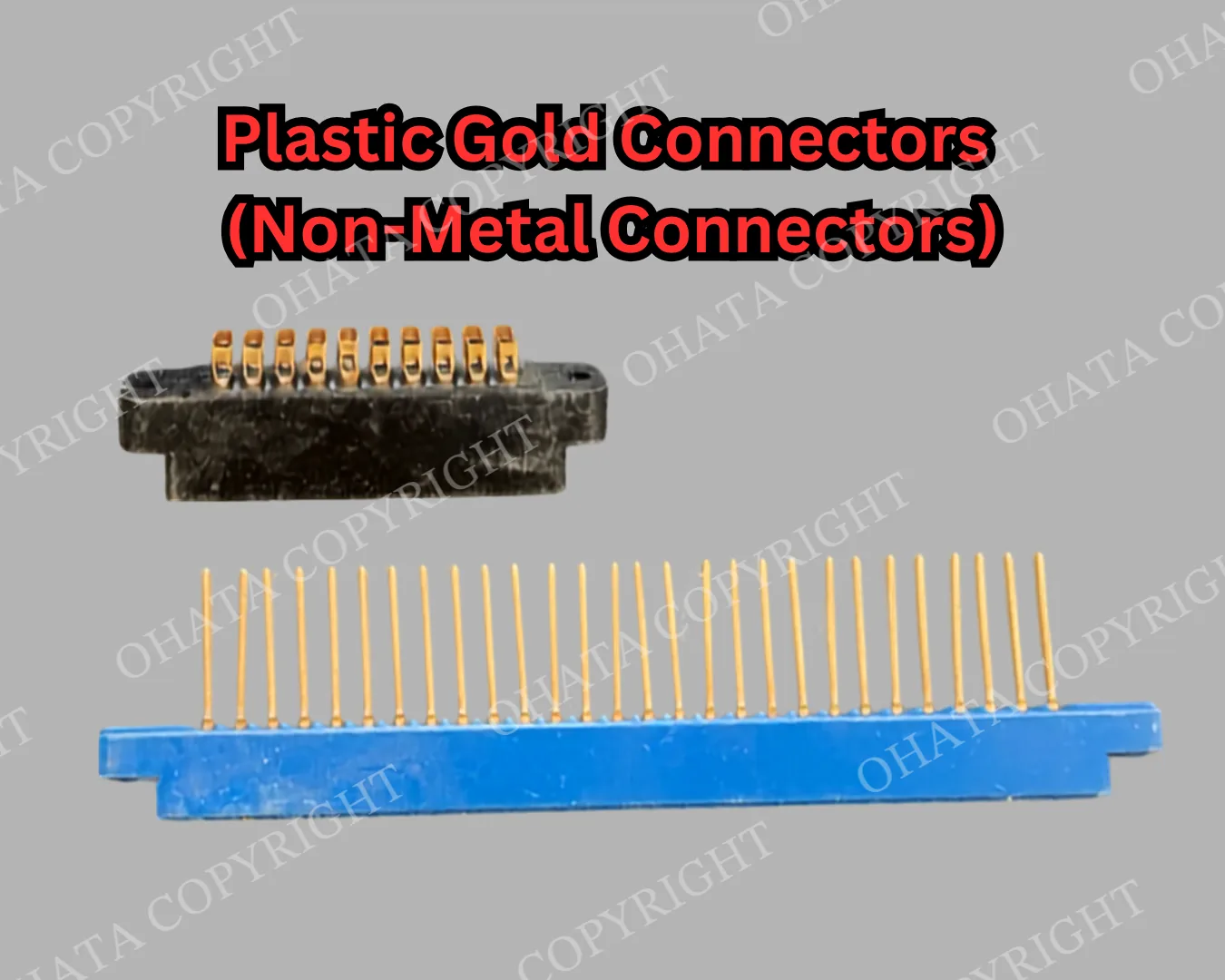
The main recycling value is concentrated in the internal circuit boards. Smartphone logic boards have dense component populations and may contain copper, gold, silver, palladium, tin and nickel. Gold may be present in connector contacts, plated pads, semiconductor bond structures and certain high-reliability interfaces. Copper is used in board traces, coils, cables, charging assemblies and shielding systems.
The battery also contains recoverable materials, potentially including lithium, cobalt, nickel, manganese, copper, aluminum and graphite. Battery chemistry varies by manufacturer and production year. However, an installed battery creates additional transportation, storage, fire-prevention and processing obligations. Consequently, the presence of a battery does not simply add value; it also introduces handling costs and safety risks.
Displays, glass, frames and protective covers contribute weight but usually contain less precious-metal value than the logic board. The entire combination of recoverable materials, non-recoverable weight and processing costs must therefore be considered when establishing the grade price.
Customers looking to recycle Modern Smart Phone with Battery and Cover can also browse our related buying categories.
Ohata Modern Smart Phone with Battery and Cover Classification, Identification Guide
A device may be classified as Modern Smart Phone with Battery and Cover when it meets the following general identification standards:
It is a modern touchscreen smartphone rather than a traditional keypad phone.
The internal rechargeable battery remains installed.
The original rear cover or rear housing remains attached.
A protective cover or fitted case is included when required by the purchasing description.
The device retains its main internal assemblies.
It has not been stripped solely for its valuable circuit board.
It does not contain prohibited contamination or an immediate battery hazard.
It is being sold for recycling rather than guaranteed functional resale.
The term “battery installed” normally means the battery remains inside the phone. Modern smartphone batteries should not be externally visible unless the phone has been opened. A phone with a missing rear cover, removed battery or exposed internal components belongs in a different condition category and must not automatically receive this grade.
Inspection should begin with a visual check of the device type, completeness and condition. The buyer should confirm that the item is a smartphone, not a tablet, portable media player, mobile hotspot or empty display housing. The charging port, cameras, screen, frame and rear housing can help determine whether the object is substantially complete.
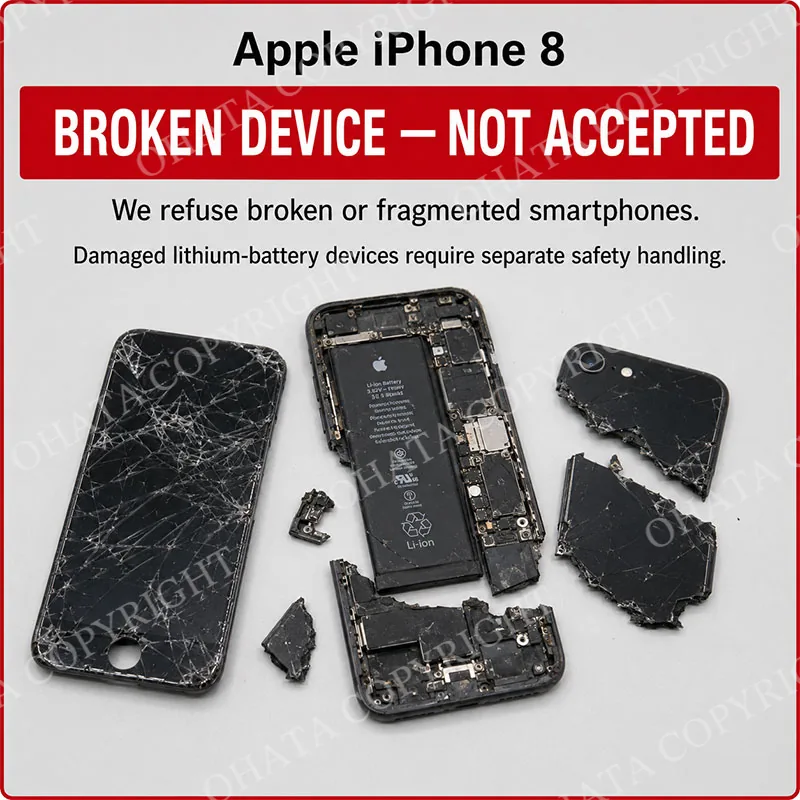
Minor cosmetic wear, scratches, a locked operating system, an untested condition or a non-working display may be acceptable under the purchasing agreement. A cracked screen may also be allowed if the device remains complete and the battery is safe. However, phones that are broken into pieces, burned, carbonized, heavily contaminated or affected by dangerous battery damage should be rejected or isolated under a separate safety procedure.
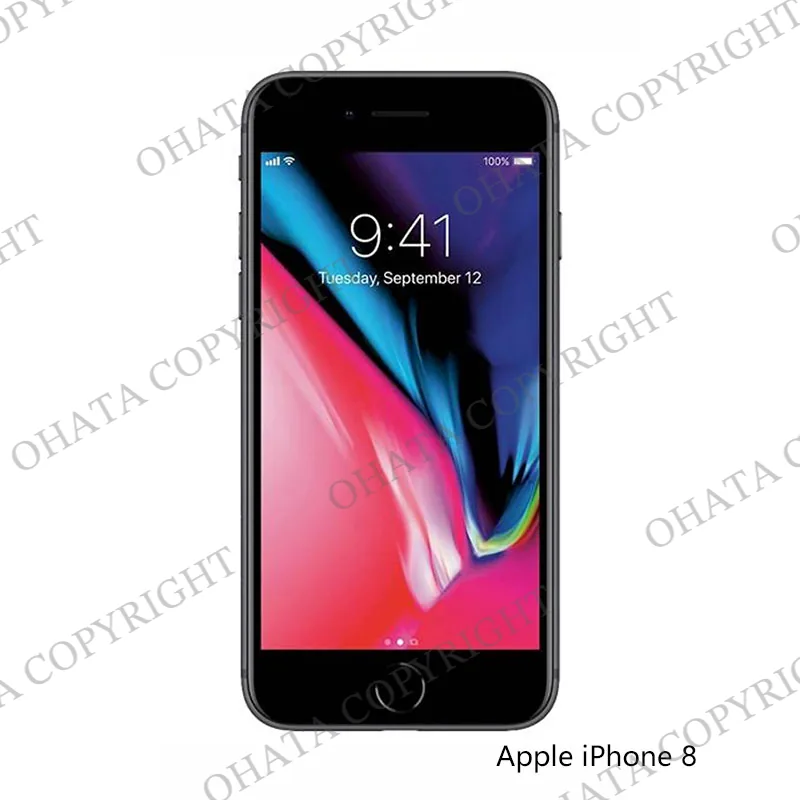
Brand and model are secondary to grade compliance. For example, an obsolete iPhone, a low-value Samsung Galaxy device and a non-working Google Pixel may enter the same grade when each phone satisfies the same completeness and safety standards. Conversely, two identical models may receive different treatment if one is complete and safe while the other has a swollen battery, removed components or severe contamination.
Mixed shipments should be separated by grade, model family and condition whenever possible. Unsorted loads containing reusable phones, incomplete housings, hazardous batteries and unrelated electronics require additional inspection and dismantling time. Such mixed loads may be downgraded.
Recoverable Materials, Buying Standards, and Handling
Potentially recoverable materials include:
Gold: connector contacts, plated circuit-board surfaces and semiconductor structures
Silver: solder systems, contacts and selected electronic components
Palladium: certain multilayer ceramic capacitors and electronic assemblies
Copper: circuit-board traces, cables, coils, motors and charging components
Nickel: battery materials, plating and metal alloys
Lithium and cobalt: depending on the installed battery chemistry
Aluminum and steel: frames, shields, brackets and structural components
Tin: solder joints and electronic connections
Ohata purchasing standards require the shipment to be reasonably clean and accurately described. Phones should not be mixed with chargers, power banks, tablets, loose batteries, cases without phones, circuit-board fragments or general municipal waste. Unrelated material adds non-recoverable weight and increases sorting costs.
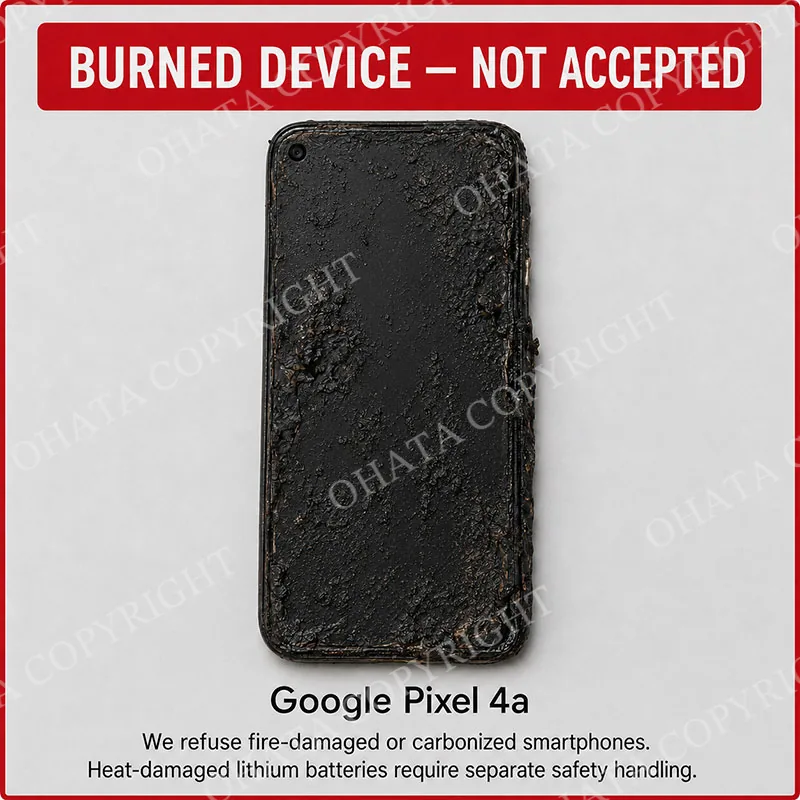
Acceptable shipments may include complete but untested, locked, obsolete or non-working smartphones with installed batteries and covers. Devices with ordinary scratches, moderate wear or minor screen damage may be accepted when battery safety and structural integrity remain satisfactory.
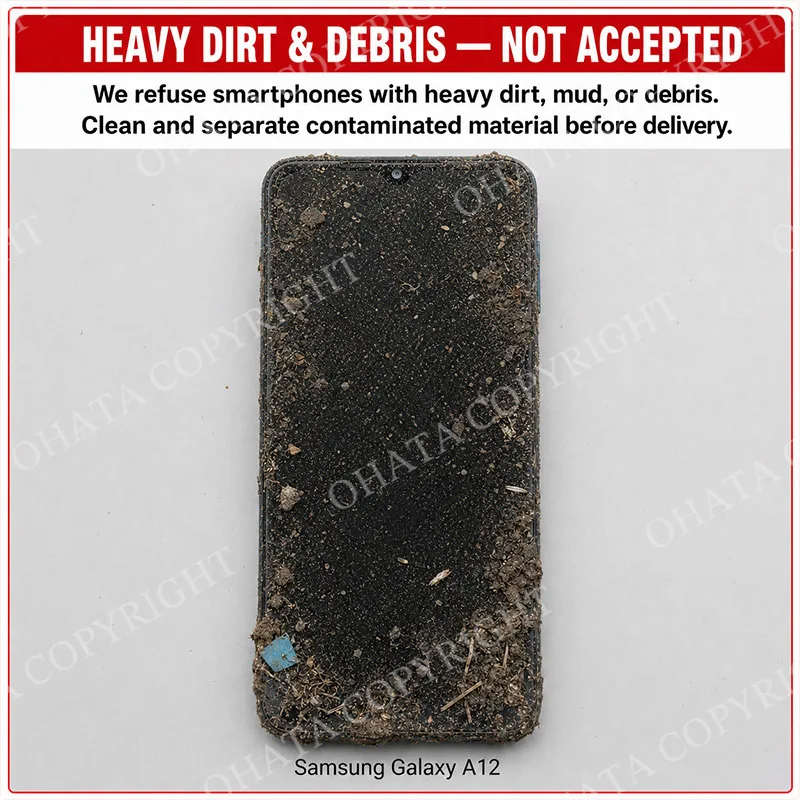
The following conditions are normally rejected or separated:
Swollen, leaking, punctured or excessively hot batteries
Burned, melted or carbonized phones
Phones broken into multiple pieces
Heavy mud, oil, chemicals or unidentified contamination
Empty housings without logic boards
Devices with batteries or major internal assemblies removed
Loads containing loose lithium batteries without prior approval
Smartphones must be handled carefully because crushing, bending or puncturing can cause an internal battery short circuit. Devices should be protected against excessive movement and pressure during storage and transportation. Terminals and exposed electrical points should be insulated when necessary. Local dangerous-goods and lithium-battery transportation requirements must always be followed.
Comparison and Classification
The easiest way to distinguish this grade from other mobile-device categories is to inspect the device type, battery status, rear cover and completeness.
Classification
Identifying condition
Treatment
Modern Smart Phone with Battery and Cover
Modern touchscreen phone; internal battery, rear cover and required protective case included
Purchase at the applicable grade price
Smartphone without Battery
Battery removed; internal battery compartment may be open or incomplete
Separate grade
Smartphone without Cover
Rear cover, housing section or required protective case missing
Downgrade or reclassify
Smartphone Circuit Board Only
Logic board removed from the handset
Grade as a circuit board, not as a complete phone
Reusable or Resale Smartphone
Functional or commercially valuable device
Test and value individually
Traditional Mobile Phone
Keypad-style or non-modern handset
Separate mobile-phone category
Broken or Burned Smartphone
Fragmented, melted, carbonized or unsafe
Reject or process through an approved hazardous-material channel
Heavy Dirt or Contamination
Covered with mud, oil, debris or unidentified material
Reject until properly cleaned and reassessed
Official Ohata Classification
Under the Official Ohata Classification, this category covers substantially complete modern touchscreen smartphones prepared for recycling with their internal rechargeable battery and original rear cover or rear housing retained. A removable protective case is not required.
A qualifying phone should have:
Recognizable modern smartphone construction
Its internal battery installed
Its original rear cover or rear housing attached
Its main logic board and other essential internal assemblies retained
No immediate battery hazard or severe contamination
Locked, untested, obsolete, damaged, and non-working phones may qualify. Minor scratches, ordinary wear, and limited screen damage may be acceptable when the device remains complete and its battery is safe.
Phones with removed batteries, missing rear housings, exposed or stripped internal components, empty shells, or loose logic boards should be evaluated under another applicable category. Devices with swollen, leaking, punctured, unusually hot, burned, or otherwise hazardous batteries must be kept separate and may be rejected after inspection.
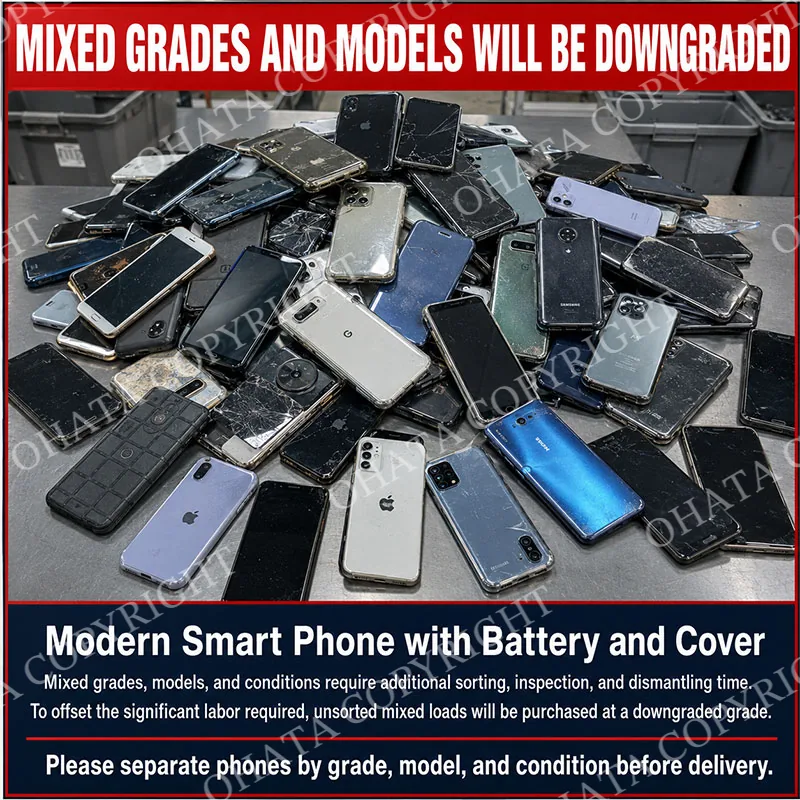
Different brands, models, storage capacities, and production years may receive the same category price when they meet this standard. Mixed brands are accepted, while different categories and conditions may require separate inspection, sorting, weighing, and pricing. Final classification, measured weight, battery condition, and buying value are confirmed after physical inspection.
- 1. What is today’s price for Modern Smart Phone with Battery and Cover Buying?
- As of Oct 06,2026, Ohata Shoji America Inc., (Seattle, WA, United States) is purchasing Modern Smart Phone with Battery and Cover Buying at 3.50 (USD/lb). We provide competitive scrap prices in Seattle, Bellevue, Renton, Tukwila, Kent, SeaTac, Tacoma, Everett, and surrounding communities.
- 2. What is the Modern Smart Phone with Battery and Cover grade?
- This grade includes substantially complete modern touchscreen smartphones with their internal rechargeable battery, rear housing, and required protective cover or case retained.
- 3. Are all brands and models purchased at the same grade price?
- Yes. Apple, Samsung, Google, Motorola, Xiaomi, OPPO, vivo and other brands may receive the same grade price when they meet the complete Ohata classification standard. Valuable reusable phones should be assessed separately.
- 4. Must the smartphone be functional?
- No. Locked, untested, obsolete and non-working smartphones may qualify. The phone must still satisfy the required completeness, cleanliness and battery-safety standards.
- 5. Can smartphones with cracked screens be accepted?
- Minor or moderate screen damage may be accepted when the phone remains complete and its battery is safe. Devices broken into several pieces or with exposed internal components may be downgraded or rejected.
- 6. Are phones with swollen or damaged batteries accepted?
- No. Phones with swollen, leaking, punctured, overheated or otherwise unsafe batteries must be isolated. They require approved lithium-battery safety handling and should not be included in ordinary shipments.
- 7. Can smartphones without rear covers or protective cases qualify?
- Normally, no. Missing rear housings or required protective cases make the units incomplete. Such phones may be downgraded or transferred to another Ohata classification.
- 8. Can different brands, models and conditions be mixed together?
- Mixed brands may be acceptable, but phones should be separated by grade, model family and condition. Unsorted loads requiring extensive inspection, sorting and dismantling may receive a downgraded price.
- 9. What is an e-commerce scrap business model?
- Unlike traditional stores that sell goods, our portal operates an inbound digital platform where users sell end-of-life electronics to us online.
- 10. What specific types of computers do you buy online?
- Our portal accepts entries for enterprise servers, corporate workstations, desktop PCs, and laptops of all generations.
- 11. How does your digital model help reduce environmental waste?
- By streamlining tech disposal online, we intercept e-waste before landfills, feeding components back into the circular green economy.
Related Items
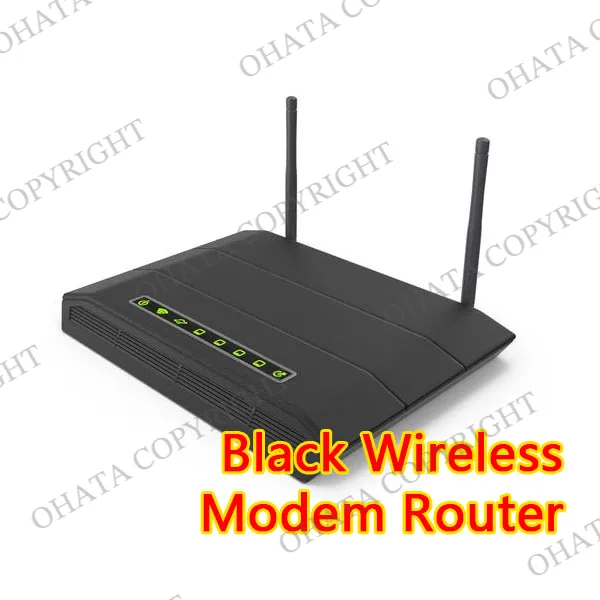
Modems Routers Buying
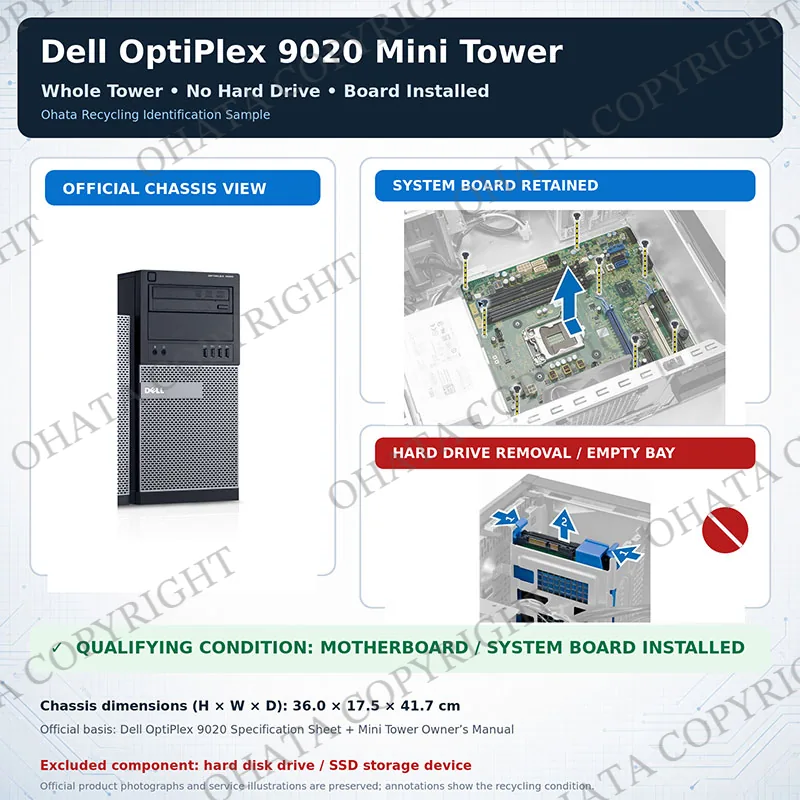
Whole Tower (Desktop Computer) No Hard Drive with board
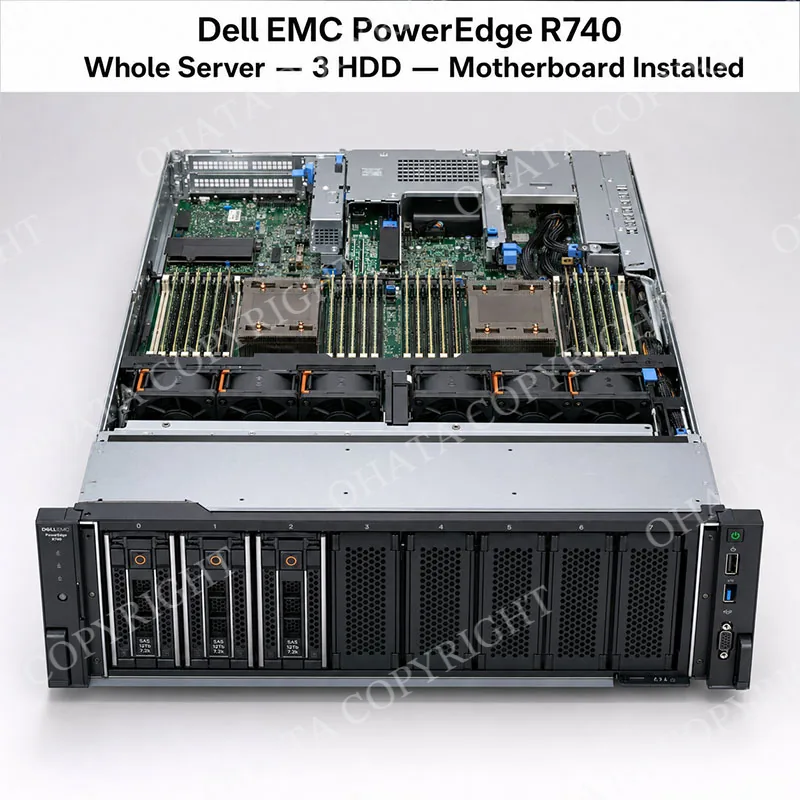
Whole Server With 3 Hard Drive with board buying
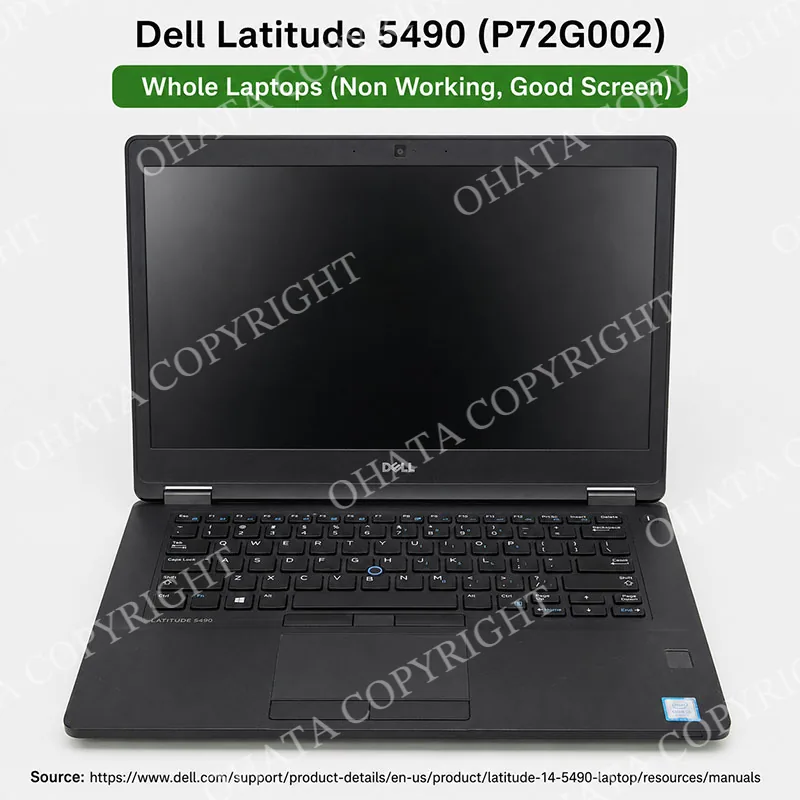
Whole Laptops (Non Working, Good Screen) buying
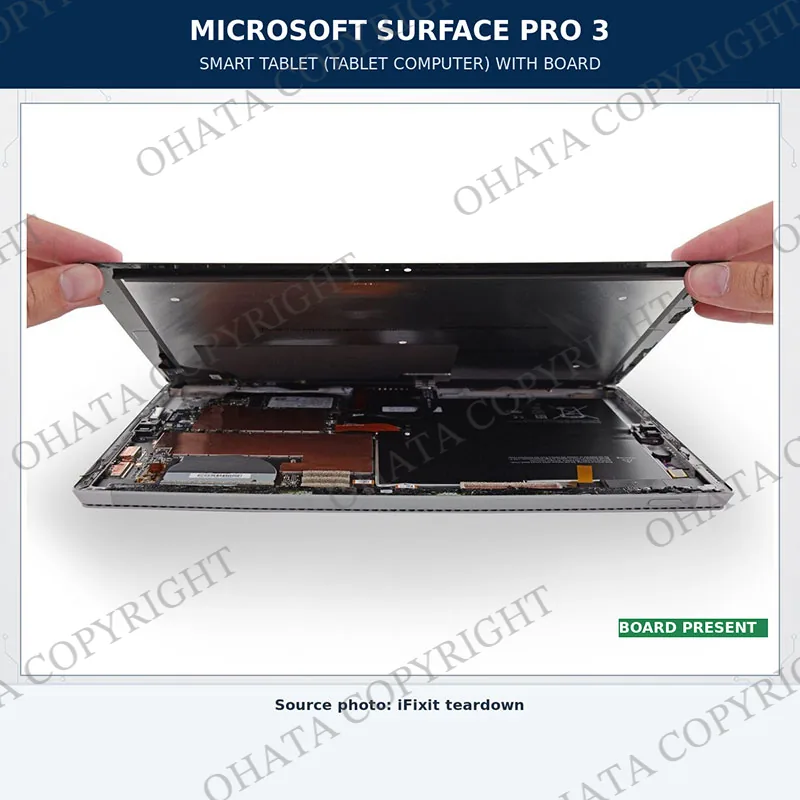
Smart Tablet ( Tablet Computer) with board buying

Smart phone (Non-cell phone) No Battery with board buying
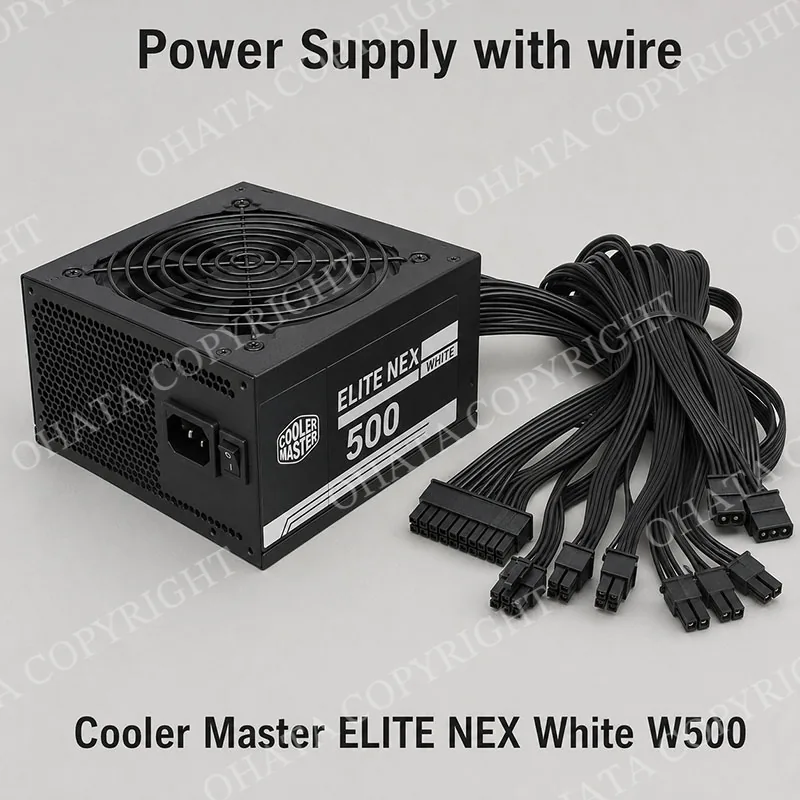
Power Supply with Wire Buying
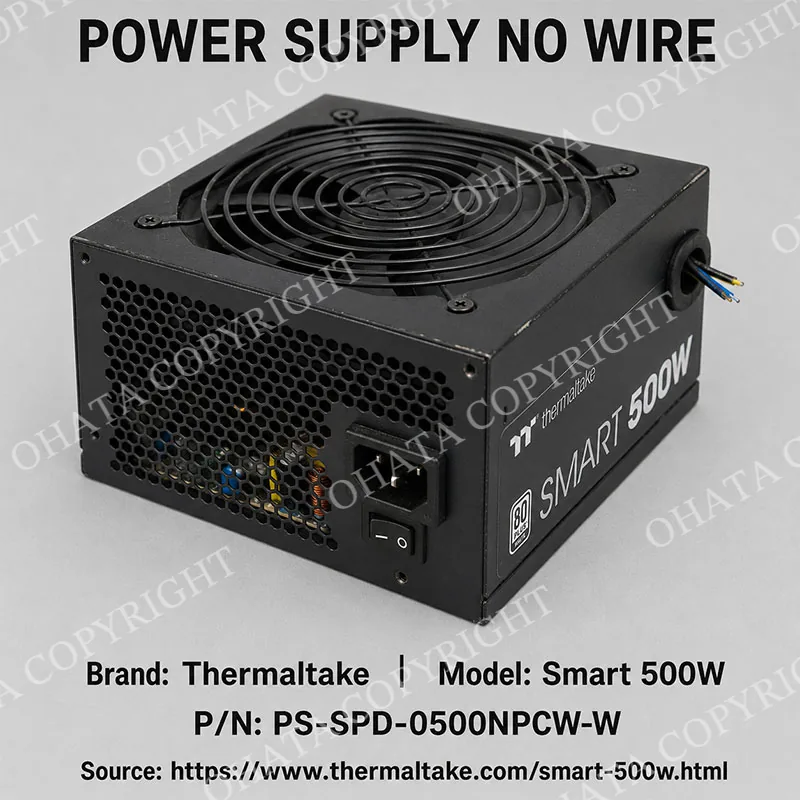
Power Supply No Wire Buying