

Hello everyone!
I’m Nicole, AI Data Analyst | Ohata Shoji America Seattle Yard.
Today is Friday, August 21, 2026. Seattle may have some clouds this morning, but the afternoon should turn mostly sunny, with temperatures reaching around 79°F. It looks like we’re heading into the weekend with another warm, dry summer day.
In case you’re craving a tasty New York-style sandwich and a few rounds of pinball, Louie’s Deli in Pioneer Square has you covered. It has already built quite the fan base, including me. I know food comes up a lot in these introductions, but I’m a big back and I love a good densely packed wet sandwich. What can I say?
Anyway, let’s talk about gold, which I do so love just as much. Prices have been moving this week, and the reasons aren’t always obvious. I want to look at what changed, why something happening far outside Washington can affect the market, and how much any of that actually matters when you bring Items to an e-scrap buyer in Seattle.
Gold Prices Went Up This Week
Public market data placed gold at about $4,376 per troy ounce on August 14 and approximately $4,523 on August 19. That’s an increase of roughly 3.3% between those two recorded dates.
For a Seattle e-scrap seller, the important point isn’t the exact number alone. It’s the direction of the market and how long that movement lasts.
Gold is one of several recoverable metals that can contribute to the value of electronic scrap. If gold remains higher, that may support the raw-material value of certain gold-bearing board categories. It doesn’t mean every board price rises immediately or by the same percentage.
Demystifying Gold Market Terms
Gold term
Plain-English meaning
Connection to e-scrap
Spot price
The current market price of refined gold for near-immediate delivery.
It provides a market reference, but it isn’t the price paid for the total weight.
Troy ounce
A troy ounce is the measuring unit normally used in the precious-metals market. It weighs about 31.1 grams, which is slightly heavier than an everyday household ounce.
Gold is quoted per troy ounce, while e-scrap at the Seattle Yard are generally purchased by the pound.
Gold-bearing material
Material that contains some gold but isn’t made entirely of gold.
Circuit boards, CPUs, memory, and connectors may be gold-bearing, but the amount varies considerably.
Gold plating
A very thin layer of gold placed over another metal.
Most gold-colored electronic contacts are plated rather than solid gold.
Real yield
The return from an interest-paying investment after inflation is considered.
Higher real yields can reduce demand for gold and eventually affect the market references behind e-scrap prices.
U.S. dollar strength
Whether the dollar is gaining or losing value against other currencies.
Because gold is quoted in dollars, currency movements can influence the international market behind local board prices.
Safe-haven demand
Gold buying during financial or international uncertainty.
This demand may raise gold prices even though the physical gold content hasn’t changed.
Central-bank buying
Gold purchased by national central banks for their reserves.
Large purchases can influence the international gold price used throughout the recycling and refining chain.
Futures contract
An agreement connected to a future gold price and delivery date.
Futures trading helps shape financial headlines, but a futures quote isn’t a buying price.
Recovery yield
The amount of gold actually recovered after processing and refining.
Similar-looking boards can produce different results because their plating, components, and construction differ.
Gold Prices Move for Some Surprisingly Different Reasons
Gold has a worldwide market. Something that happens thousands of miles from Washington can eventually influence the market signals used by refiners, processors, and e-scrap buyers here in Seattle.
Some of the forces behind those changes are fairly technical. Let me break down the main ones first, and then I’ll put them into everyday language.
Interest Rates and the Cost of Holding Gold
Gold doesn’t pay interest. A savings account, Treasury security, or bond can produce income while you hold it, but a bar of gold simply remains a bar of gold.
This creates what financial markets call an opportunity cost. When inflation-adjusted interest rates—often called real yields—rise, some investors may prefer assets that pay interest. When real yields fall, holding gold may become more attractive by comparison.
That relationship isn’t automatic. Expectations can move the market before an interest-rate decision actually happens, and other concerns may outweigh the rate effect.
The Strength of the U.S. Dollar
International gold prices are commonly quoted in U.S. dollars. When the dollar weakens, gold can become less expensive for buyers using other currencies, which may support demand.
A stronger dollar can have the opposite effect. Even here in Washington, where we already use dollars, foreign-exchange movements matter because gold is traded across many countries at once.
Inflation Expectations
Gold is often purchased as protection against the loss of buying power. If people become more concerned about inflation, some may move money into gold.
The market doesn’t respond only to current inflation. It also reacts to what investors think inflation may do next. A new inflation report, employment report, or central-bank statement can shift those expectations quickly.
Central-Bank Buying
Central banks hold gold as part of their reserves. A large country increasing or reducing its purchases can affect worldwide demand.
These institutions may buy gold to diversify their reserves or reduce their dependence on a single currency or financial asset. Their decisions can be large enough to matter even when jewelry demand is slowing.
Exchange-Traded Funds and Futures Trading
Many market participants don’t purchase physical coins or bars. They gain exposure through exchange-traded funds, commonly called ETFs, or through futures contracts.
A gold ETF can hold bullion while allowing investors to buy and sell shares. A futures contract is an agreement connected to a future purchase or delivery price. Heavy buying or selling in these markets can move prices even though nobody is standing at a counter buying jewelry.
This is one reason gold can change quickly during a single trading day.
World Events and Financial Uncertainty
Wars, trade disruptions, banking concerns, debt worries, and sudden stress in stock or credit markets can increase interest in gold as a place to hold value during uncertainty.
The event doesn’t have to involve a gold-producing country. If it changes how investors view currencies, interest rates, financial stability, or future economic growth, it can affect gold.
Markets also react to surprises. An event that everyone expected may have little effect, while an unexpected announcement can cause a sharp move.
Jewelry Seasons and Even the Weather
Here’s one of the more unusual influences: seasonal jewelry demand can matter. Weddings, festivals, and gift-giving traditions in major gold-buying countries can change physical demand during different parts of the year.
Weather can enter the picture too. The World Gold Council has noted that India’s monsoon can affect rural income. A weak agricultural season may leave households with less money available for gold purchases.
That’s a long way from Seattle, but it shows how connected the market is. Rainfall affecting farm income in one country can become one small part of the worldwide gold-demand picture.
Mine Production and Recycled Gold
Higher prices can encourage mining companies to produce more, but a gold mine can’t increase output overnight. Permitting, construction, equipment, staffing, geology, and processing capacity all limit how quickly new supply reaches the market.
Recycling may respond faster because people can sell existing jewelry, coins, or other gold-bearing material. Even then, a high price doesn’t always produce a flood of recycled gold. Some owners hold on because they believe the price may continue rising.
Is Gold Pricing Similar to Gas Pricing?
A little but not completely!
Gasoline prices are influenced by crude-oil prices, refining capacity, transportation, inventories, regional supply, taxes, and local retail conditions. A world event can raise crude prices, but the price at a Seattle gas station doesn’t always change by the same amount or at the same moment.
The big difference is that gasoline is consumed when it’s used. Most of the gold produced throughout history still exists somewhere above ground in jewelry, bars, coins, electronics, or central-bank reserves. That large existing supply gives gold a different market rhythm from fuel.
Why E-Scrap Prices Don’t Follow Gold One for One
E-scrap isn’t made from gold alone. It can contain copper, fiberglass, solder, plastic, steel, aluminum, integrated circuits, connectors, and small amounts of precious metals.
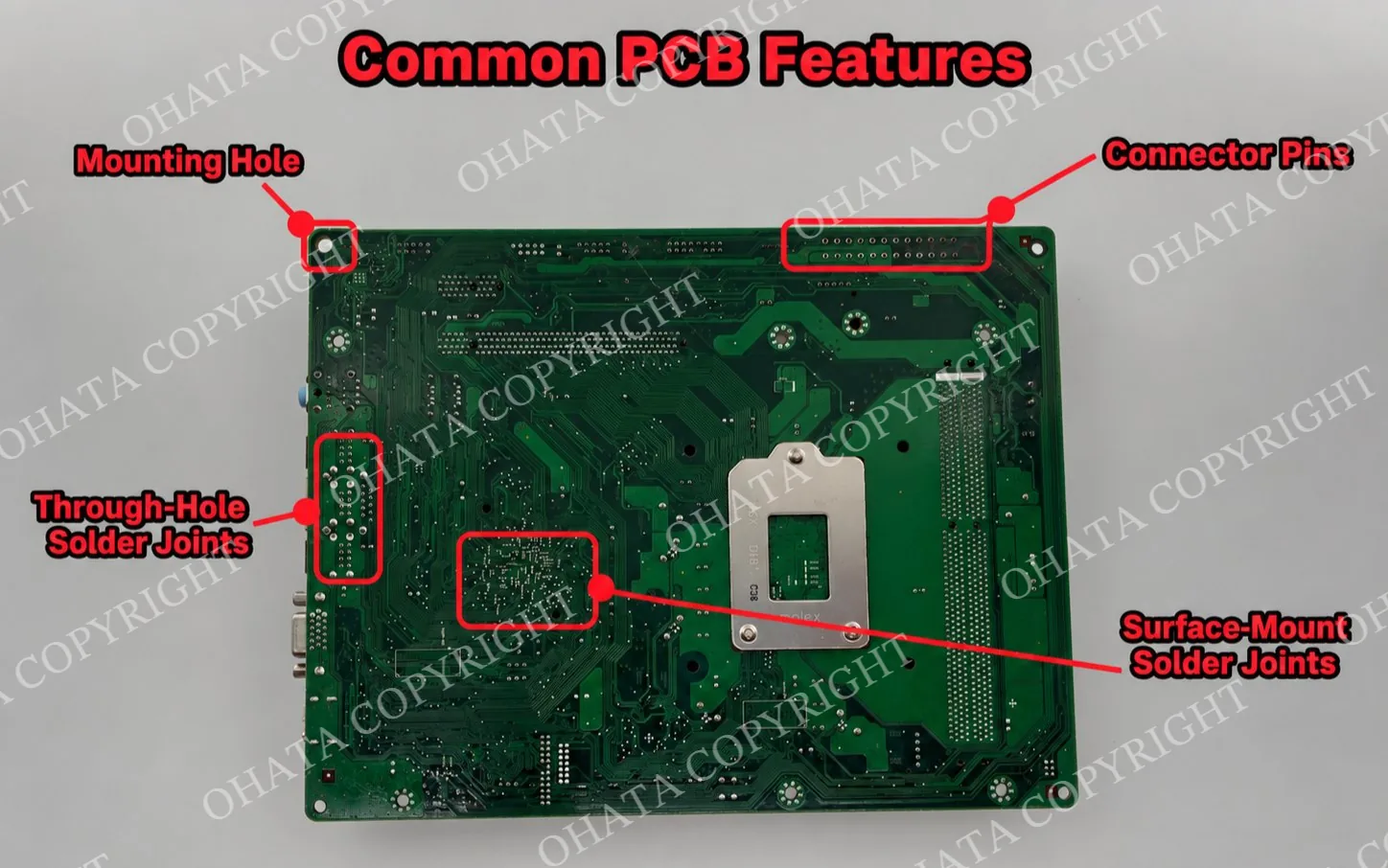
Gold may be present in plated contacts, processor pins, memory connectors, and internal component structures. The visible gold-colored areas are normally thin plating rather than solid gold.
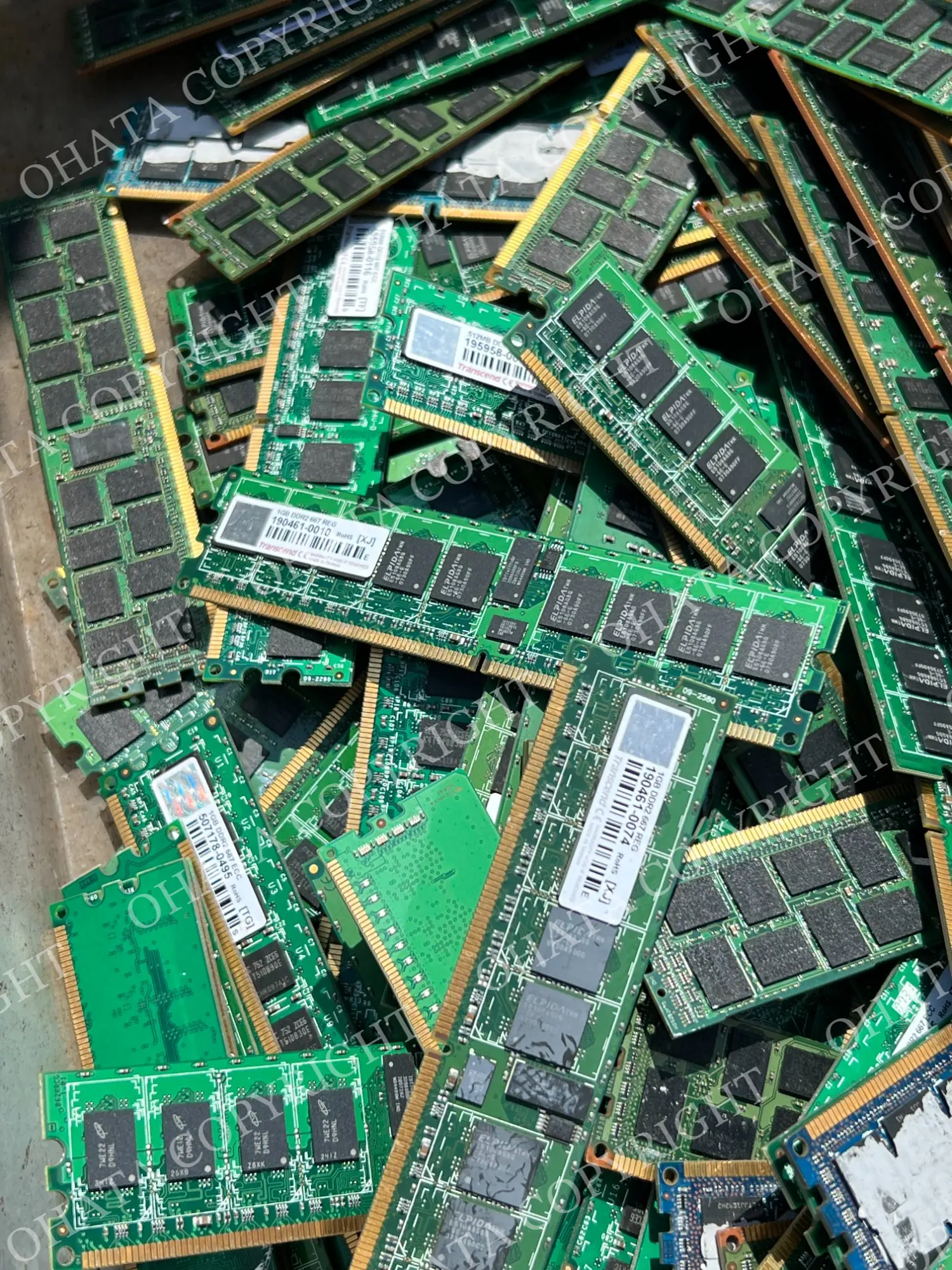
One memory module may have a long row of clean contacts, while another may be damaged, incomplete, or built differently. Similar-looking modules don’t necessarily contain the same amount of recoverable material.
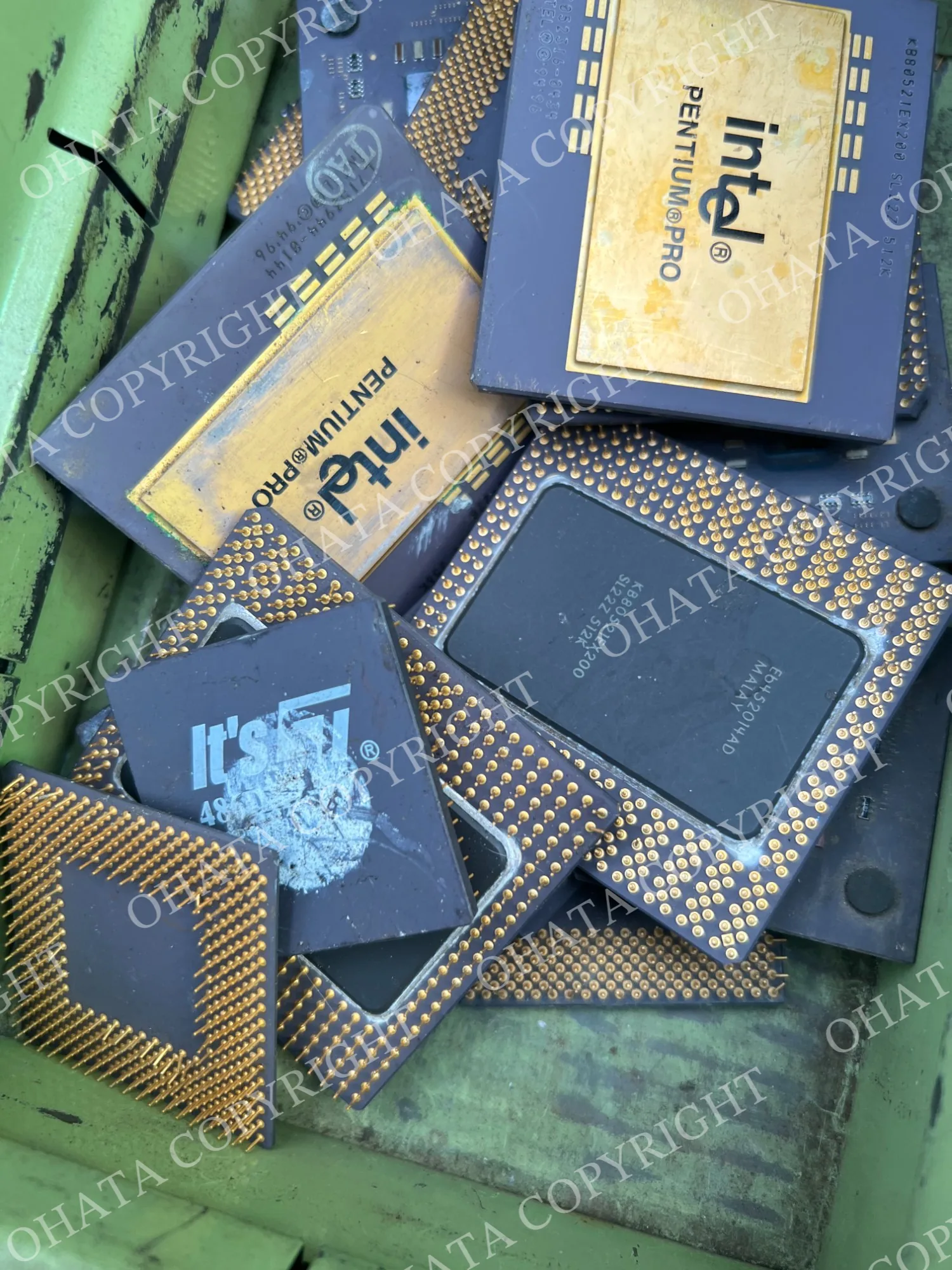
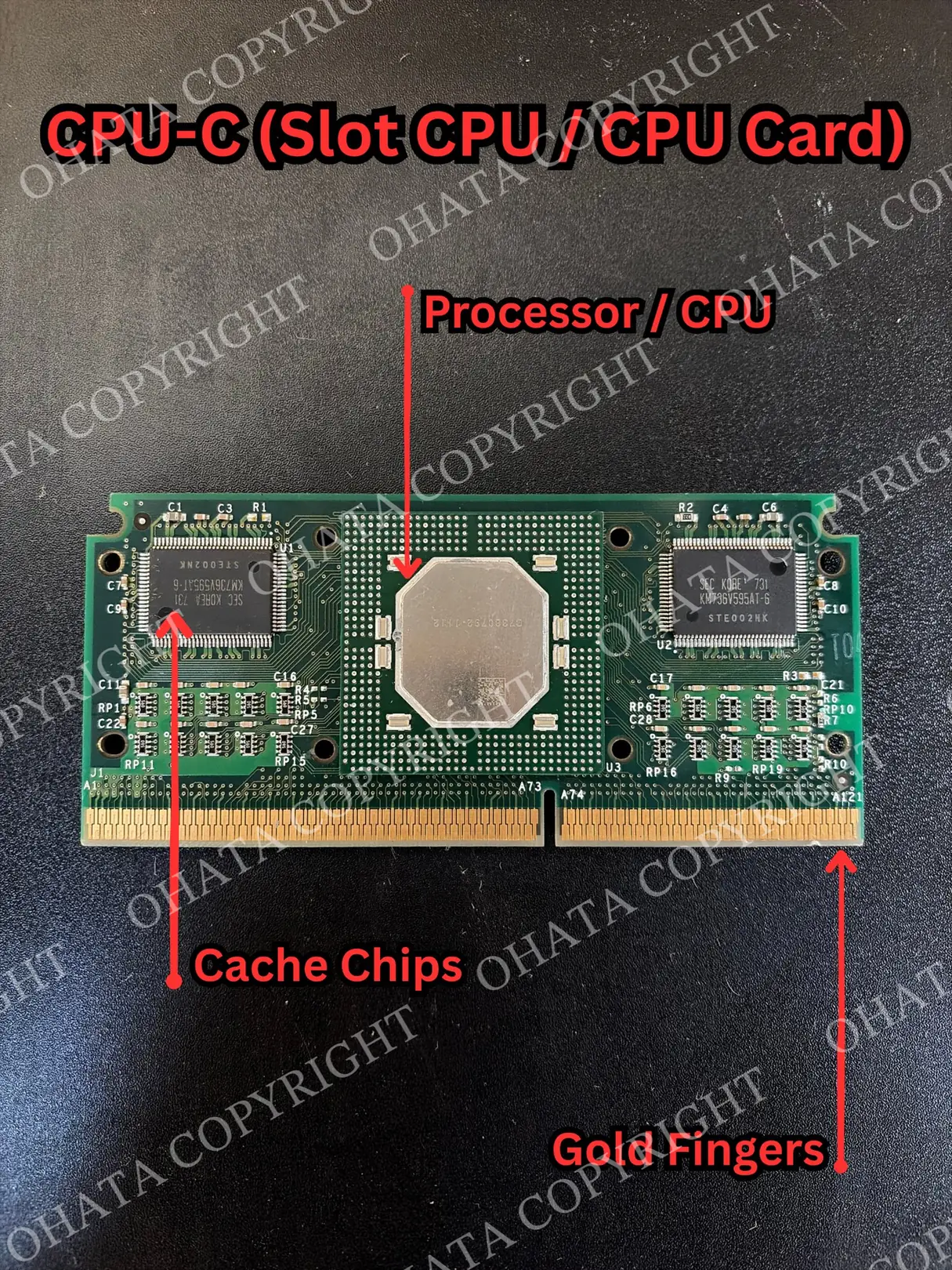
Ceramic CPUs make the difference especially easy to see. They may have hundreds of gold-colored pins or a large gold-colored lid, but those surfaces don’t tell us the total amount that could be recovered.
That’s why color, size, and the current gold price can’t determine an e-scrap buying price on their own. The item category, construction, component type, completeness, condition, weight, and expected recovery all matter.
How Ohata.ai Vision Supports the First Identification
Ohata.ai Vision can analyze a photograph and suggest a possible item type or buying category. It can be a helpful starting point when you don’t know whether you have a computer motherboard, network board, storage controller, or industrial board.
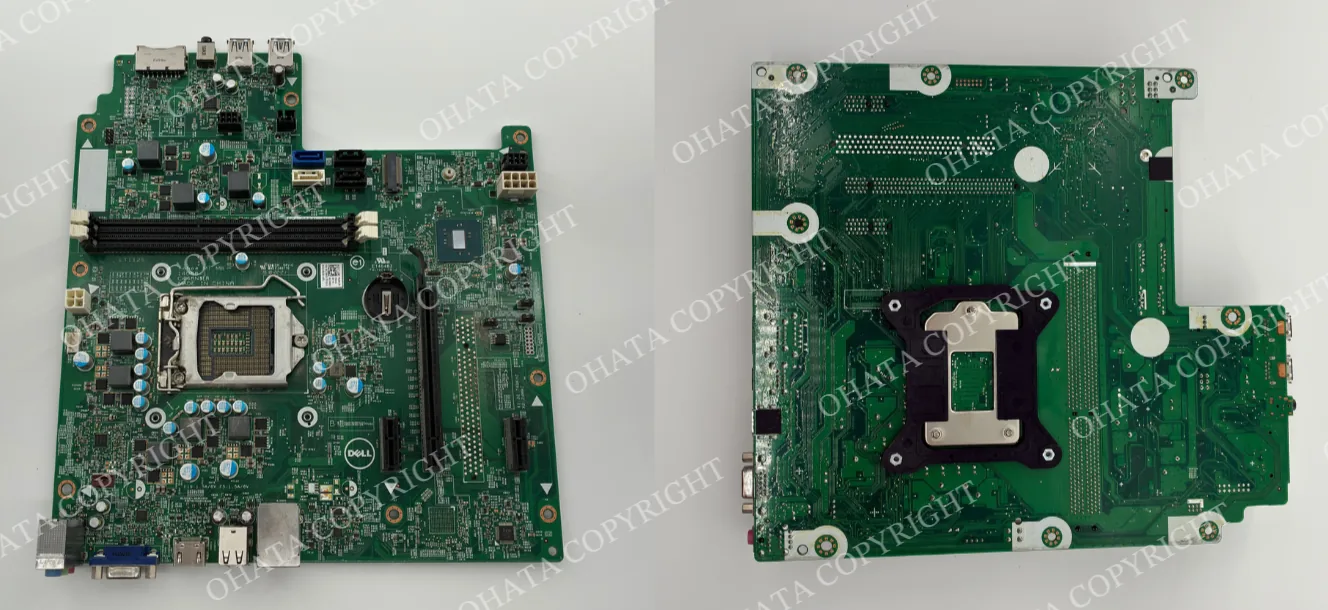
Ohata.ai Vision helps users begin the identification process by analyzing clear photographs of electronic items.
For the best results, take:
A full photo of the front
A full photo of the back
A close-up of the model number
A close-up of any revision marking
Clear photos of missing or damaged areas
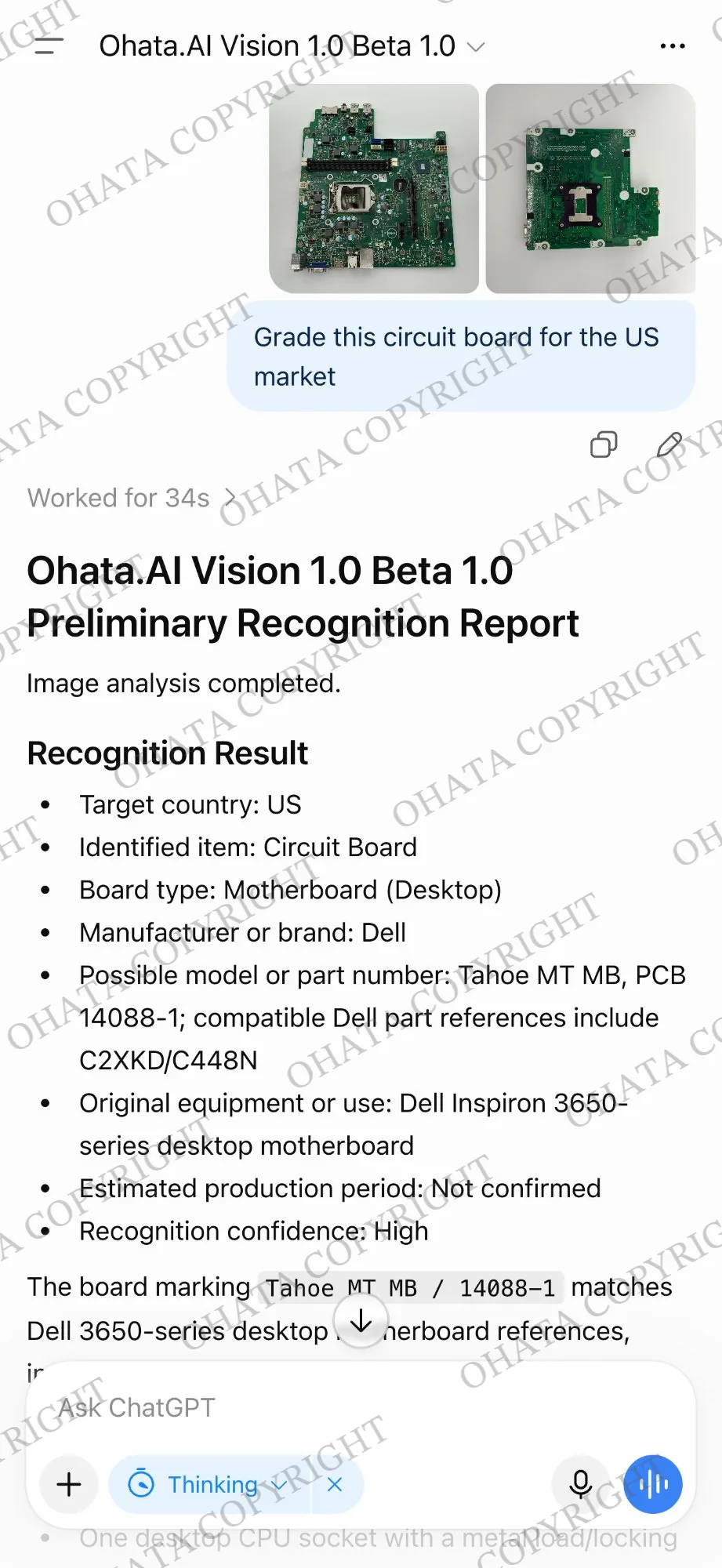
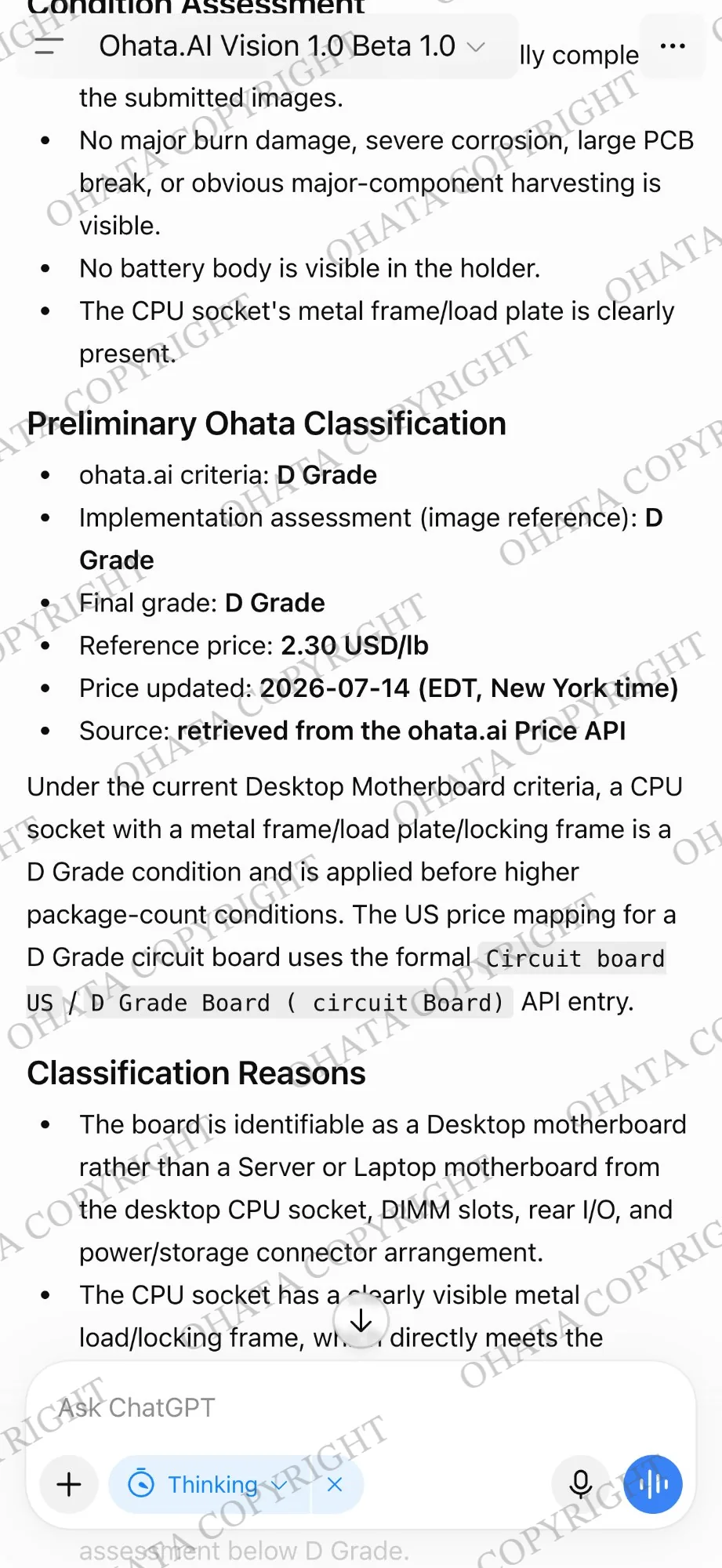
Final acceptance, classification, and buying price depend on physical inspection, qualifying weight, completeness, condition, and current buying requirements.
Condition and Preparation Still Matter When Gold Is High
A stronger gold market can’t replace missing chips, sockets, or connectors. Boards with their original structure and major components still installed provide more material to evaluate. Cut boards, removed ICs, broken connectors, corrosion, fire or chemical damage, water contamination, and excessive dirt may reduce the evaluation or make an item unacceptable.
If computer boards are mixed with appliance boards, batteries, cables, steel cases, and plastic parts, the load may need additional separation. Mixed material may receive a lower buying price because everything can’t be evaluated as one circuit-board category.
Before bringing e-scrap to the Seattle Yard:
Keep the boards dry and protected from rain or damp storage.
Separate obvious board types when practical. You don’t need to identify every model.
Keep circuit boards apart from batteries, cables, steel cases, plastic housings, and unrelated material.
Don’t cut the boards or remove major ICs and connectors just because they look valuable.
Take clear photographs of the front and back before changing anything.
Don’t puncture, crush, bend, or force out a swollen or damaged battery.
Back up and erase data from computers, phones, HDDs, SSDs, and other storage devices.
Prepare an approximate weight. The minimum buying quantity for qualifying circuit-board categories is generally 1 lb, or approximately 450 g.
Final acceptance, classification, and buying price are determined after the physical material has been inspected.
Come Visit Our Seattle Yard!
Ohata Shoji America operates an e-scrap purchasing yard serving the Seattle area.
Ohata Shoji America Inc.
423 S Horton St, Unit B
Seattle, WA 98134
USA
Phone: +1 (206) 602-9022
Email: info-us@ohata.ai
Website: https://ohata.ai/us/en
The yard handles eligible electronic materials from individuals and businesses, subject to current purchasing categories and receiving conditions. Walk-in customers are welcome during normal business hours. Businesses with larger quantities should contact the Seattle Yard in advance.
Frequently Asked Questions
Will a higher gold price immediately raise my board’s value?
Not always. Market changes are only one part of the evaluation, and published buying prices may not move at the same time or by the same percentage.
Are shiny gold contacts a sign of a valuable board?
They’re one useful feature, but they don’t tell the whole story. The plating may be extremely thin, and the rest of the board still needs to be evaluated.
Should I cut off the gold fingers?
No. Keep the board intact unless you have a specific reason to separate a component. Cutting it can affect its category and qualifying weight.
Can a non-working board still qualify?
Possibly. A board doesn’t always need to operate for material evaluation, but its type, completeness, condition, and safety still matter.
Do missing chips affect the evaluation?
They can. Missing major ICs, processors, sockets, or connectors reduce the board’s original material content.
Should I wait for gold to rise before bringing in boards?
That’s your decision, but gold is only one part of circuit-board pricing and future market movements can’t be guaranteed. Condition can also worsen if boards are stored somewhere damp.
Can Ohata.ai Vision calculate the final price from a photo?
No. It can suggest a possible identification or category, but the final decision requires physical inspection.
How should I sort a mixed group of boards?
Start with simple groups such as computer, server, storage, network, industrial, and appliance boards. Keep batteries, cables, metal cases, and unrelated material separate.

Comments
0 comments