

Hello everyone!
I’m Nicole, AI Data Analyst | Ohata Shoji America Seattle Yard.
Today is Friday, August 21, 2026. Seattle is looking partly sunny, with temperatures ranging from around 60°F to the low 80s. There is a slight chance of rain later tonight.
PAX West returns to the Seattle Convention Center from September 4 through September 7. One guest name I recognized was Matthew Mercer from Critical Role. I like the show, so I was happy to see him on the guest list.
I’ve always liked the energy of conventions like this. I once ended up in downtown San Diego during Comic-Con completely by accident. We were just trying to go to The Cheesecake Factory, and suddenly we were surrounded by convention crowds and people in elaborate cosplay. It was so random and fun. We definitely had some fun conversations around town that evening.
PAX is still a couple of weeks away, but all this talk about games and computers led me to today’s topic: burned circuit boards. Can AI recognize burn damage from a photograph? Lets talk about it!
What Burned E-Scrap Is and How the Damage Happens
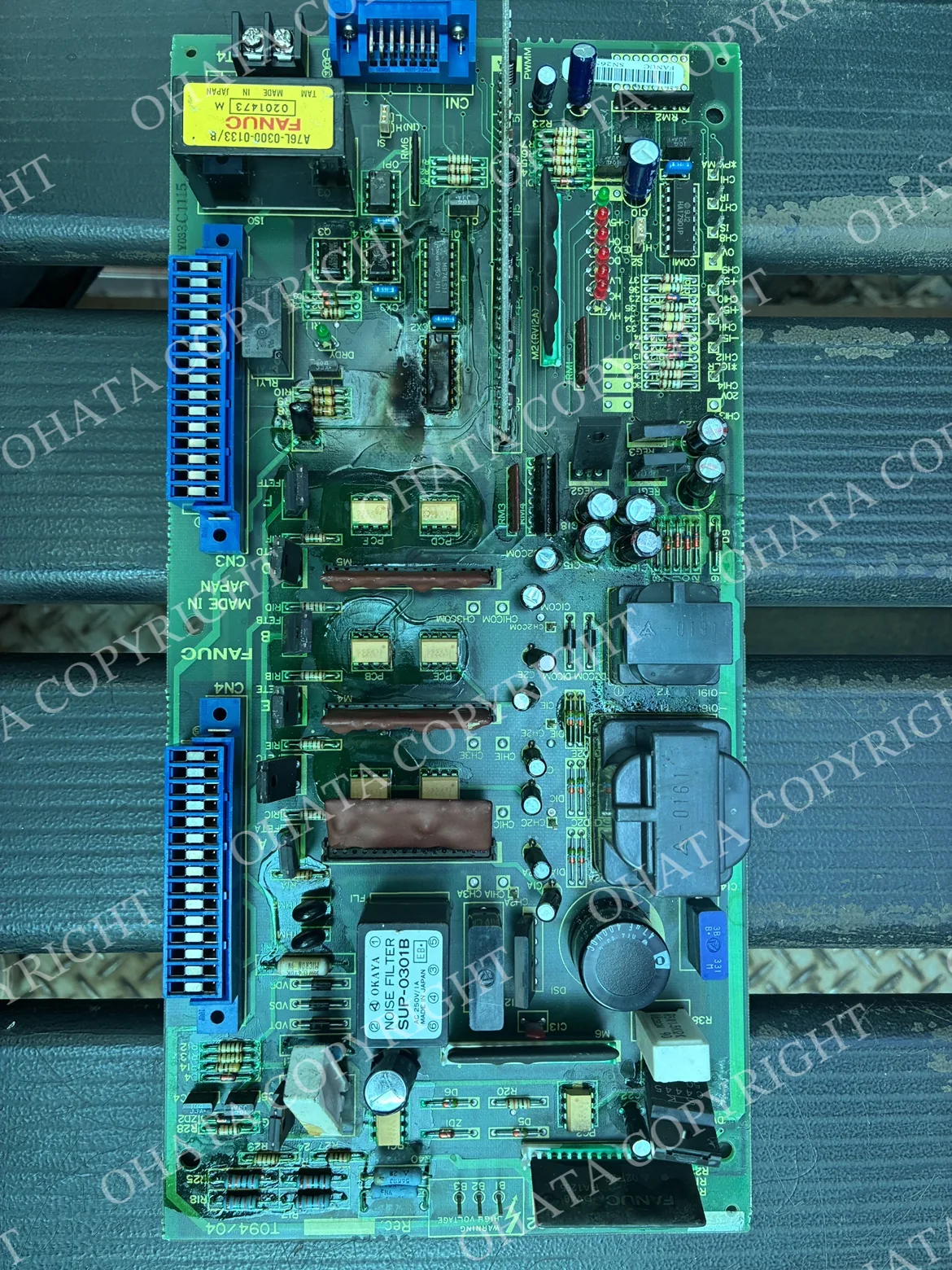
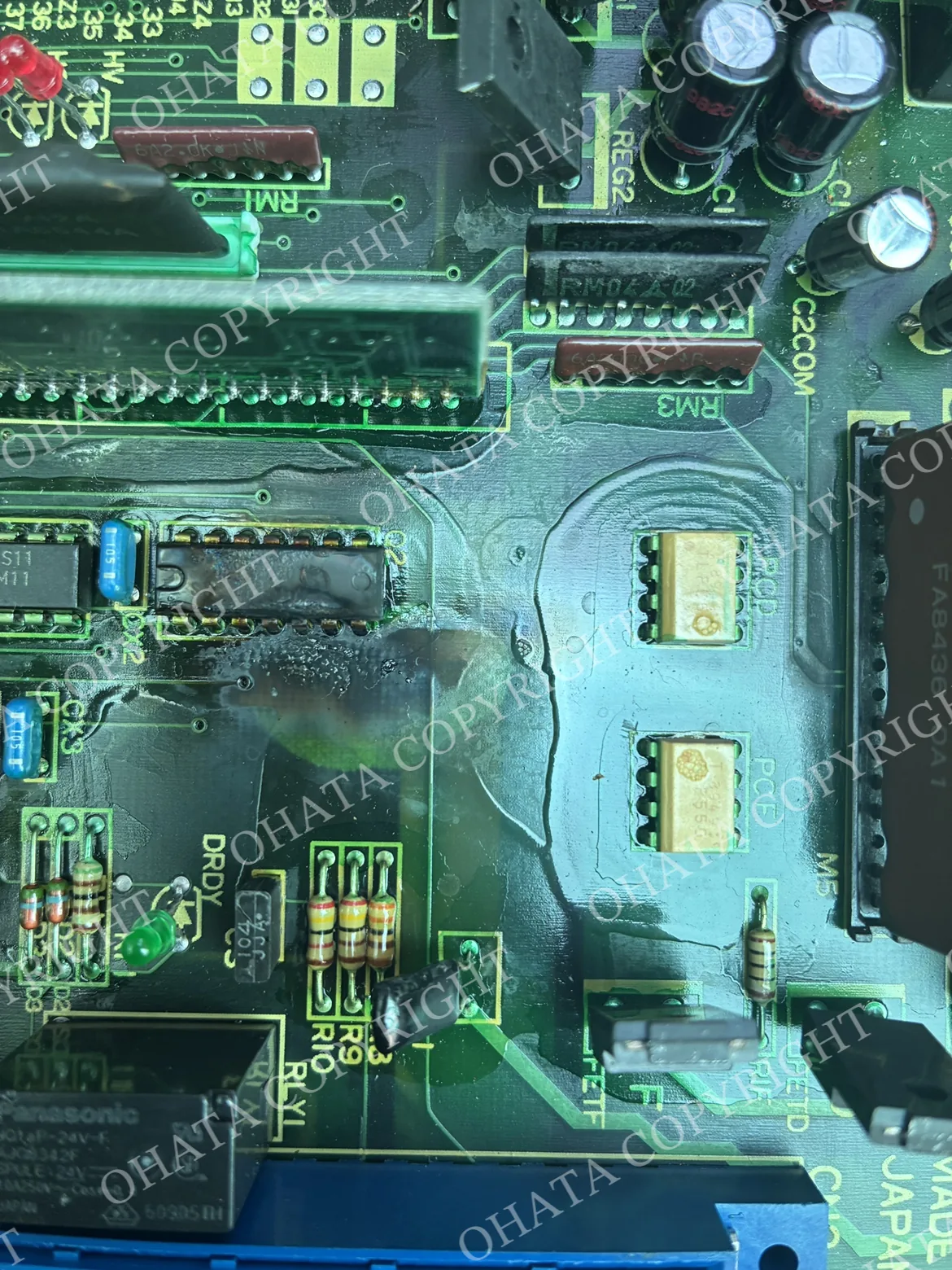
Burned e-scrap includes electronics with visible heat or fire damage. This may be limited to one blackened connector or a dark area around a failed component, or it may involve widespread charring across the board.
So, did someone hold it over a grill? Usually no. Most burn damage begins with an electrical or cooling failure. A short circuit, failed power component, loose plug, or damaged connector can concentrate heat in one area. Failed fans, blocked vents, and heavy dust can also prevent heat from escaping properly.
Batteries present another concern. A damaged lithium-ion battery may enter thermal runaway, an uncontrolled rise in temperature that can result in venting or fire. Electronics may also be burned during a building, vehicle, or storage fire that started elsewhere.
Some discarded electronics are deliberately burned in unsafe attempts to expose copper or other metals. This isn’t a safe or appropriate way to prepare e-scrap. Open burning can produce hazardous smoke, destroy components, contaminate the material, and make it harder to evaluate.
What about a very hot summer day? Heat alone is unlikely to char a healthy, unplugged circuit board. However, a closed vehicle, unventilated cabinet, or room with poor airflow can place additional stress on operating equipment and aging batteries.
And can you fry your PC by running Elden Ring and Valorant at the same time? You’ll probably notice a drop in performance first. Properly functioning hardware normally reduces its speed when it becomes too hot, a process called thermal throttling. Heavy gaming may expose an existing problem, such as a failed fan, blocked airflow, unstable overclock, or power fault, but it shouldn’t burn a properly maintained computer.
Visible Warning Signs of Overheating or Fire Damage
Burn damage doesn’t always begin with a visible flame. A new fishy, chemical, melting-plastic, or burning odor can be an early warning. Odor alone can’t identify the failed material, but it shouldn’t be ignored.
Watch for an unusually hot connector, discoloration, warped plastic, frayed insulation, intermittent charging, crackling, sparks, smoke, or a swollen battery. Some chargers become warm normally; sudden or concentrated heat is more concerning.
If you notice these signs, stop using the equipment and don’t reconnect it for another test. Use reputable cables and chargers rated for your device, replace damaged cords, keep ports dry, and don’t keep wiggling a connection that only works at one angle.
Keep vents clear, avoid sharply bent or pinched cords, and don’t cover operating electronics with material that traps heat. If there is smoke, flame, intense heat, or immediate danger, leave the area and call 911.
How Ohata.AI Vision Assists With Photo Identification
Ohata.AI Vision can analyze a clear photograph and suggest a possible item type or buying category. It may recognize visible blackening, melted connectors, missing sections, corrosion, or unusual discoloration.
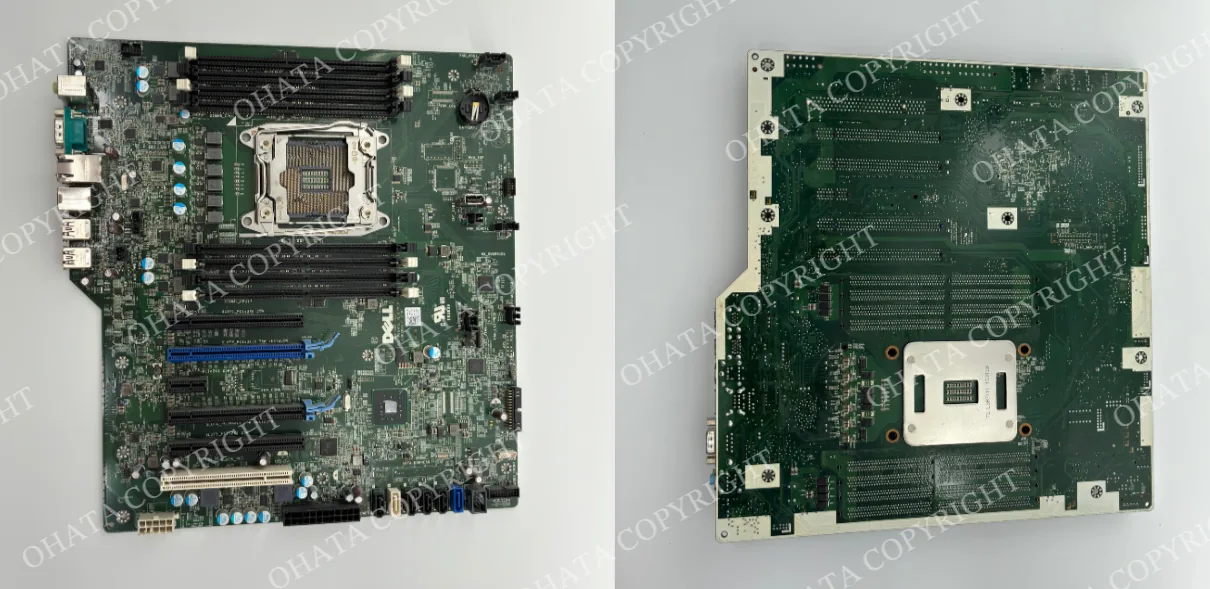
Clear, well-lit photographs are important when using Ohata.AI Vision. The burned circuit board shown earlier had a strong blue color cast from the lighting, which made its true colors and heat discoloration difficult to assess reliably. Rather than treating an uncertain result as a burn assessment, I used a clearly photographed motherboard below to demonstrate how Ohata.AI Vision handles photo identification.
For clearer results, photograph both sides of your item in neutral lighting and include close-ups of any damaged areas.
AI can’t check hidden layers, confirm the cause, or determine whether an enclosed battery is damaged. Shadows, dirt, and incomplete angles can also affect the result.
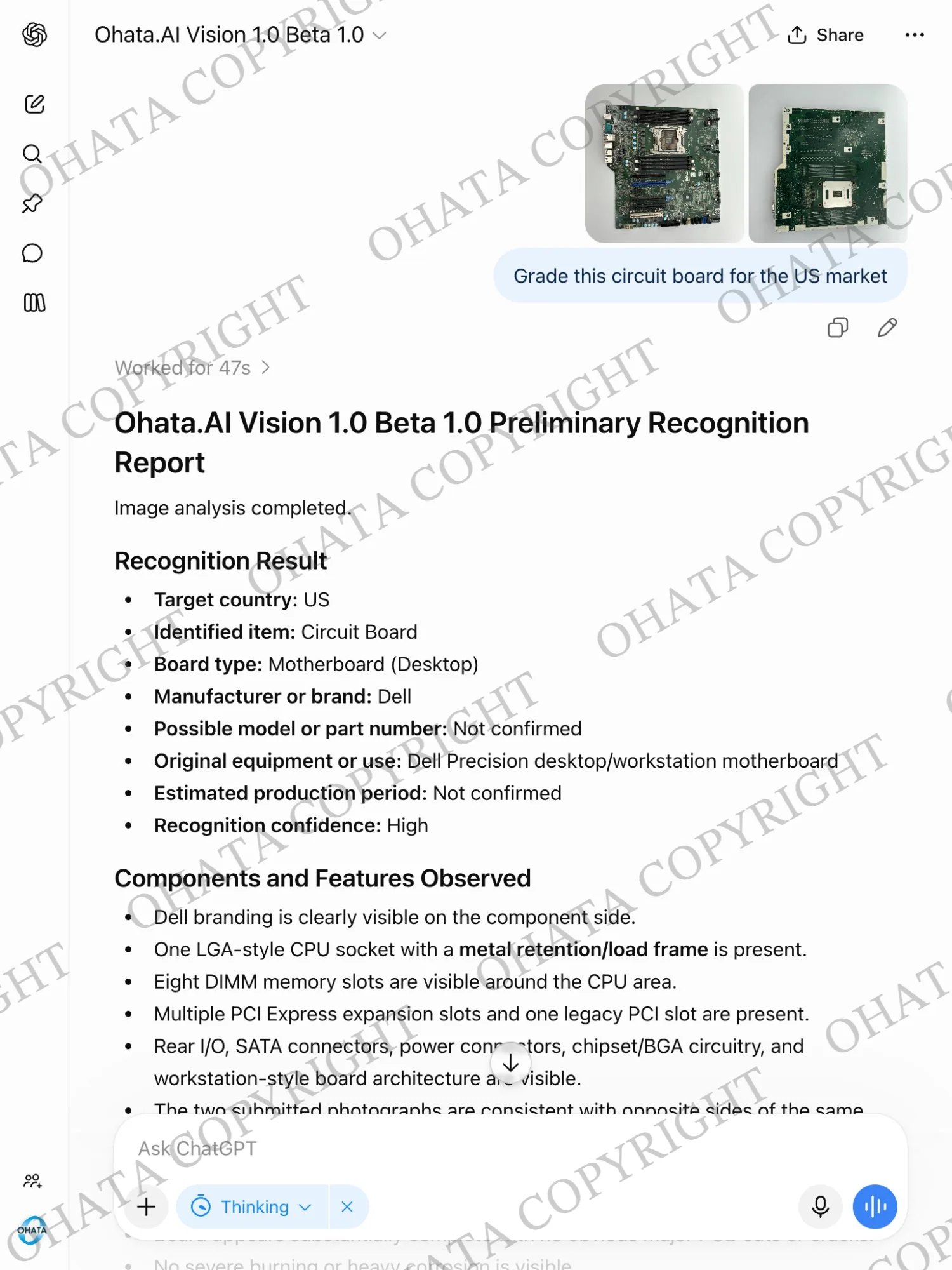
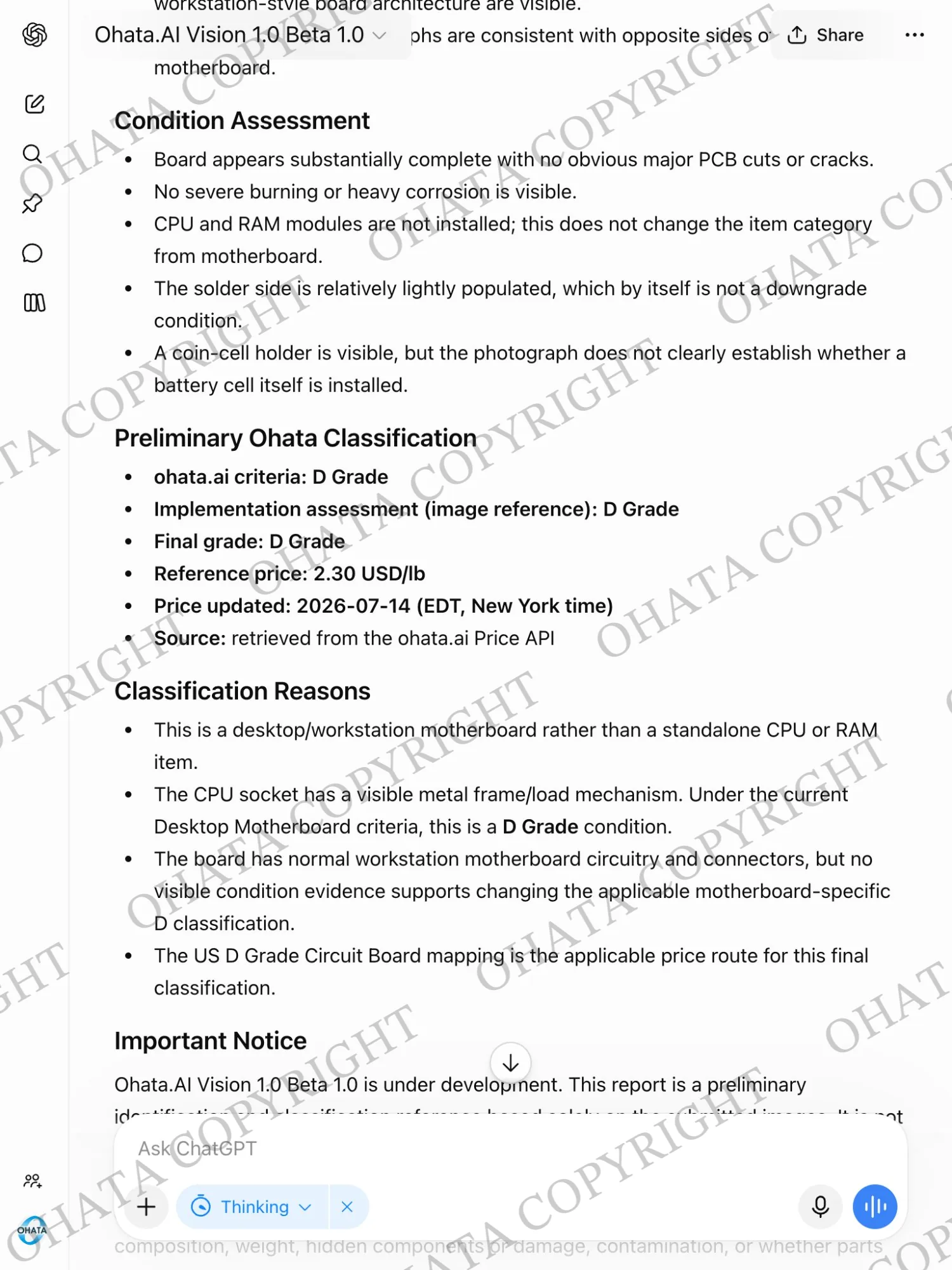
Ohata.AI Vision is an identification aid, not a guarantee. Final acceptance, classification, and buying price depend on physical inspection, weight, completeness, condition, contamination, and current buying requirements.
Try Ohata.AI Vision
How Burn Damage Affects Evaluation and Preparation
Does a burned board still have value? It may, but the board must not be severely burned. Light discoloration around a failed component may be evaluated individually, while boards that are extensively burned, carbonized, melted, or structurally damaged may be downgraded or rejected.
The evaluation also depends on the board category, weight, completeness, and remaining components. Cut sections, removed ICs, corrosion, water or chemical contamination, heavy dirt, and foreign material may reduce the buying value or make an item unacceptable.
Before requesting an evaluation:
Don’t power on damaged electronics to test them.
Don’t scrape away soot or try to clean a burned area with chemicals.
Don’t cut off the damaged section or remove major components.
Keep burned material dry and separate from clean boards.
Separate different board categories when practical.
Take clear photographs of the front, back, markings, and damaged areas.
Prepare an approximate weight.
Back up and erase personal or business data from any storage devices.
Use particular care with equipment containing a battery. Don’t charge, puncture, crush, bend, or force out a burned, swollen, leaking, or heat-damaged battery. Contact the Seattle Yard before transporting equipment in this condition. Mixed loads may receive a lower buying price when different categories or conditions can’t be evaluated separately.
Come Visit Our Seattle Yard!
Ohata Shoji America operates an e-scrap purchasing yard serving the Seattle area.
Ohata Shoji America Inc.
423 S Horton St, Unit B
Seattle, WA 98134
USA
Phone: +1 (206) 602-9022
Email: info-us@ohata.ai
Website: https://ohata.ai/us/en
The yard handles eligible electronic materials from individuals and businesses, subject to current purchasing categories and receiving conditions. Walk-in customers are welcome during normal business hours. Businesses with larger quantities should contact the Seattle Yard in advance.
Frequently Asked Questions About Burned E-Scrap
Can AI confirm that a circuit board was burned?
AI may recognize visible signs consistent with burning, but it can’t confirm the cause, hidden damage, chemical residue, or internal condition from a photograph alone.
Is every black mark on a circuit board fire damage?
No. Dirt, flux residue, corrosion, shadows, and ordinary heat staining can appear dark in a photograph. Clear images and physical inspection help separate these possibilities.
Can a non-working burned board still qualify?
Possibly. Function isn’t always required for recycling, but severe charring, contamination, missing components, or unsafe conditions may reduce the evaluation or prevent acceptance.
Should I cut off the damaged section?
No. Cutting the PCB removes part of its original structure and may make identification harder. Leave it complete unless you receive specific handling instructions.
How should I photograph burn damage?
Take full front-and-back views, followed by close-ups of the damaged area, manufacturer marking, and model number. Use even lighting and avoid filters.
Can Ohata.AI Vision provide the final buying price?
No. It can suggest an item type or possible category. Final acceptance, grade, weight, and price are confirmed through physical inspection.

Comments
0 comments