

Hello everyone!
I’m Nicole, AI Data Analyst | Ohata Shoji America Seattle Yard.
Today is Saturday, August 1, 2026. Seattle is looking partly sunny, with a chance of rain in the afternoon and temperatures ranging from the upper 60s to the mid-70s.
You may have heard that Spider-Man: Brand New Day came out yesterday. I haven’t seen it yet, so I’m doing my best to avoid spoilers. Still, with a new Spider-Man movie in theaters, maybe we’ll start seeing a few more Spider-Men wearing the mask around Seattle too!
Spider-Man reminds us that “with great power comes great responsibility.” We may not have spider powers, but we can still make responsible choices with the things we use every day, including the old electronics sitting in our drawers.
So, let’s take a closer look at how to sort and prepare mobile phones for recycling.
Begin by Separating Smartphones and Non-Smart Phones
For buying evaluation, mobile phones should first be divided into two groups.
Smartphones usually have a large touchscreen, cameras, an operating system, and a sealed or semi-sealed housing.
Non-smart phones are generally older keypad, flip, sliding, or feature phones. They often have smaller displays, removable batteries, and removable back covers.
The two groups have different construction and may belong to different buying categories.
You don’t need to identify every model perfectly before contacting the yard. Simply keeping smartphones and non-smart phones apart is already helpful.
How to Identify Smartphones
Smartphones include Apple iPhones, Samsung Galaxy phones, Google Pixel phones, and other touchscreen mobile devices.
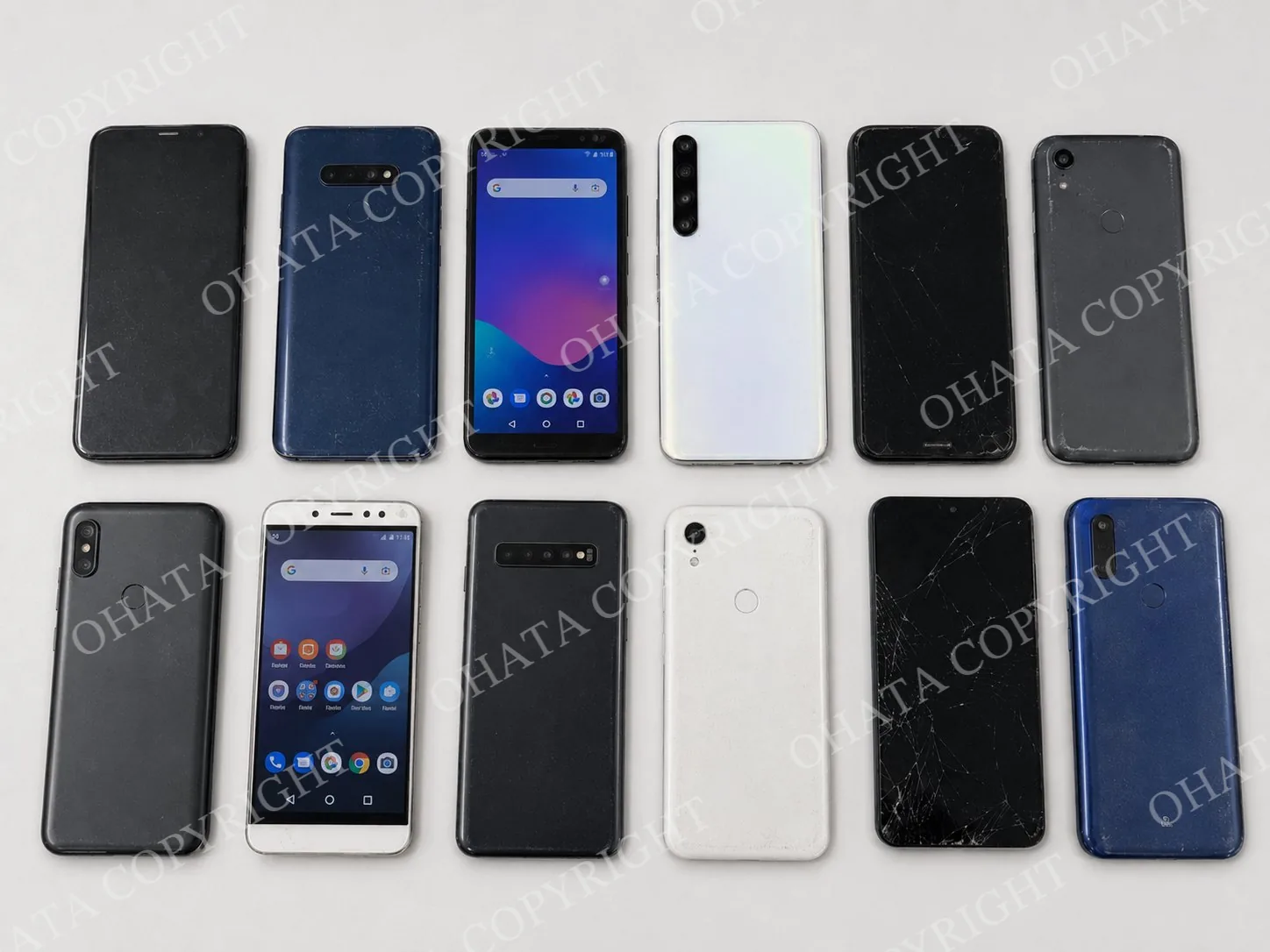
When I look at a smartphone, I check the manufacturer logo, camera arrangement, charging port, button placement, body shape, and visible model markings.
A model number may appear on the rear housing, near the SIM tray, inside the settings menu, or on an original label. However, the model name alone does not determine the final buying category.
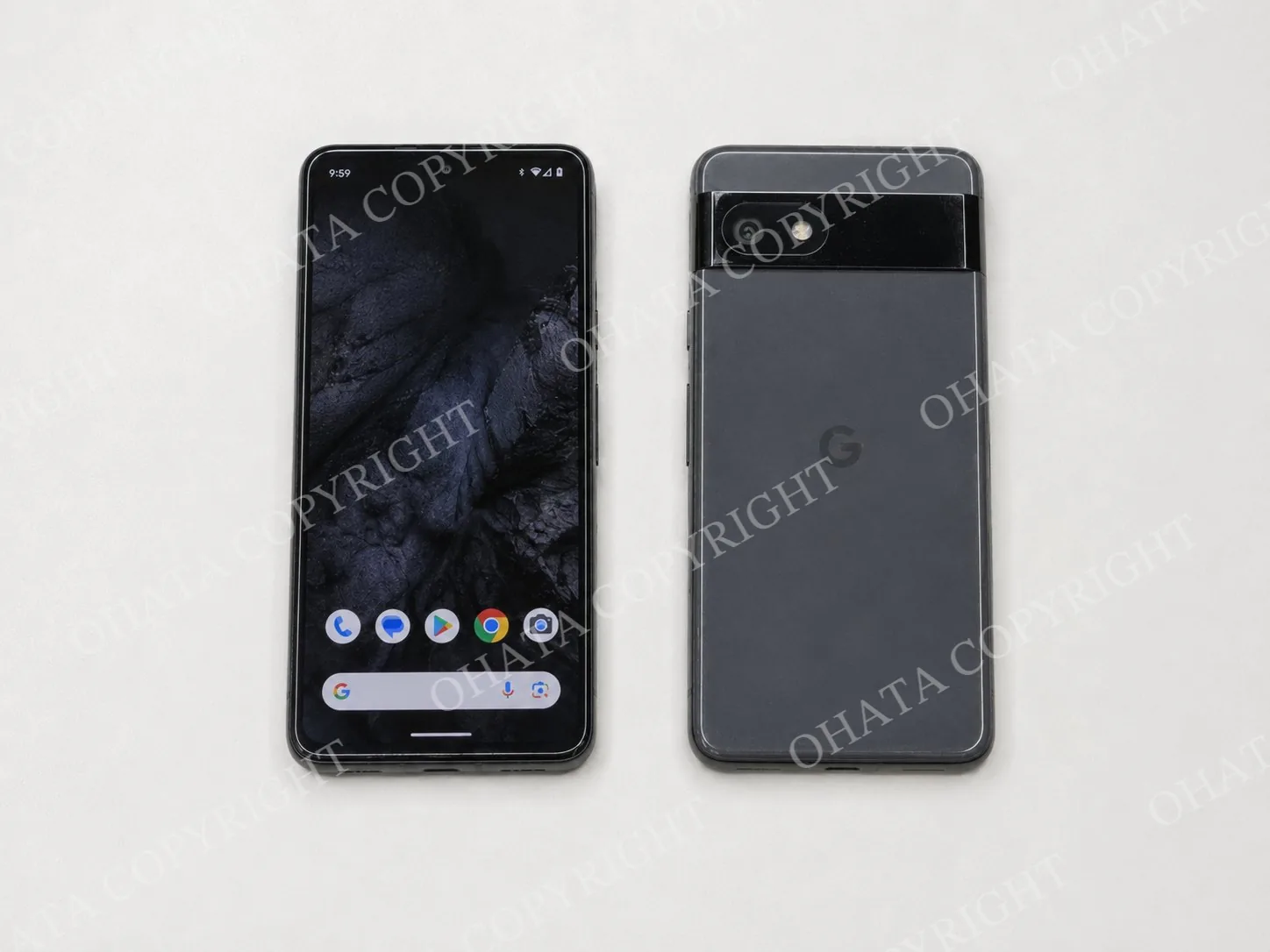
I also check whether the battery is installed, whether the main circuit board remains inside, and whether the phone is complete or heavily dismantled.
Valuable Parts and Condition of Smartphones
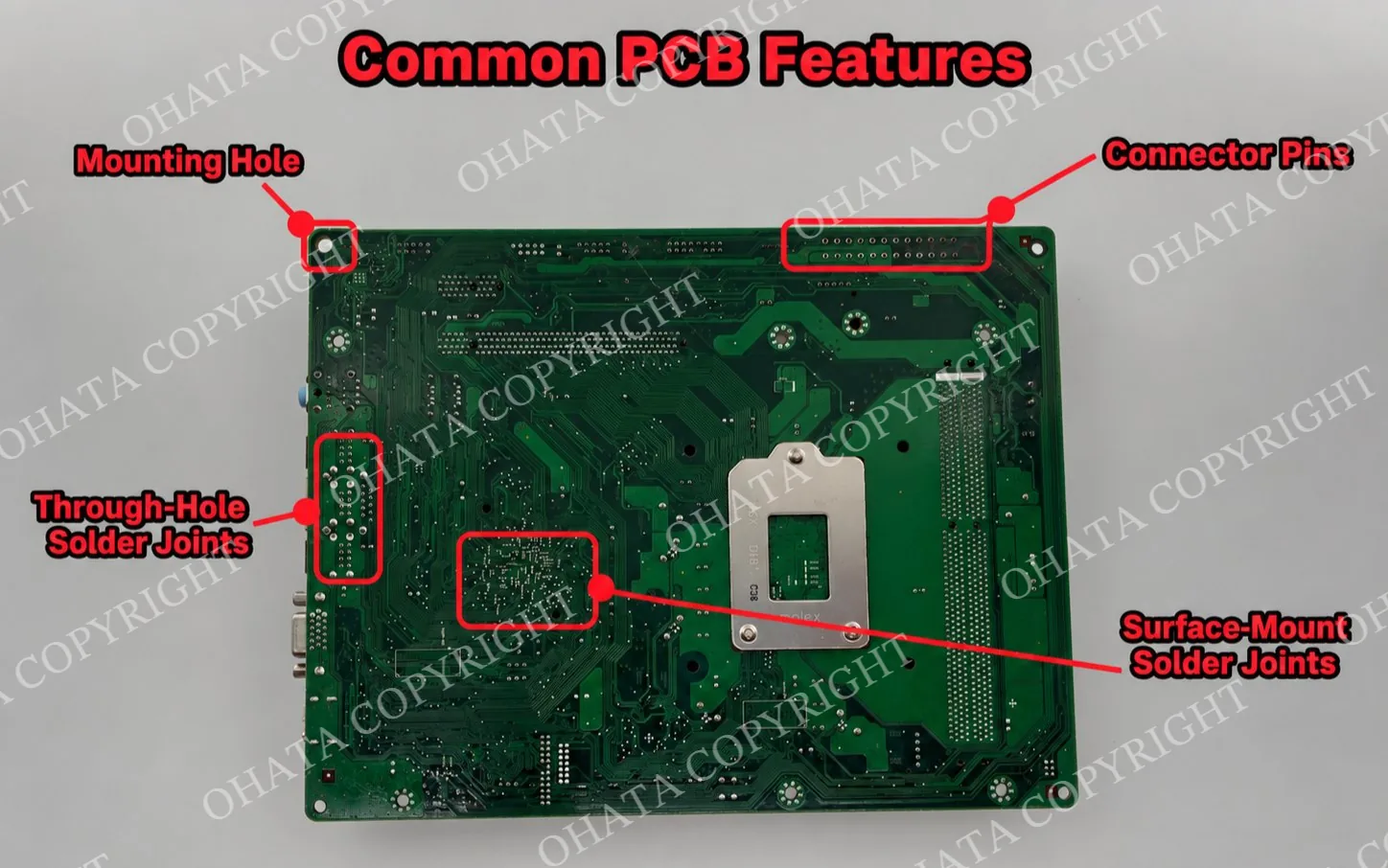
The main circuit board is one of the most important electronic parts inside a smartphone. It contains integrated circuits, commonly called ICs, that support processing, memory, storage, wireless communication, and power management.
Other parts may include: camera modules, charging connectors, speakers, microphones, metal shielding, copper within the circuit-board layers, and gold-plated electrical contacts. There is usually no need to remove these components before inspection. Cutting the board or removing chips, connectors, or shielding may reduce completeness and make classification more difficult.
A smartphone does not necessarily need to turn on. A dead battery, cracked screen, or worn housing does not automatically prevent evaluation. Additional inspection may be needed when a phone has a swollen or leaking battery, a missing main board, severe crushing, fire damage, heavy corrosion, water contamination, or major internal parts removed.
Do not force open a sealed smartphone just to remove its battery. If the battery is swollen, leaking, punctured, or otherwise damaged, keep the phone separate and contact the Seattle team before transporting it.
How to Identify Non-Smart Phones
Non-smart phones include traditional keypad phones, flip phones, sliding phones, and other feature phones designed mainly for calls and text messages.
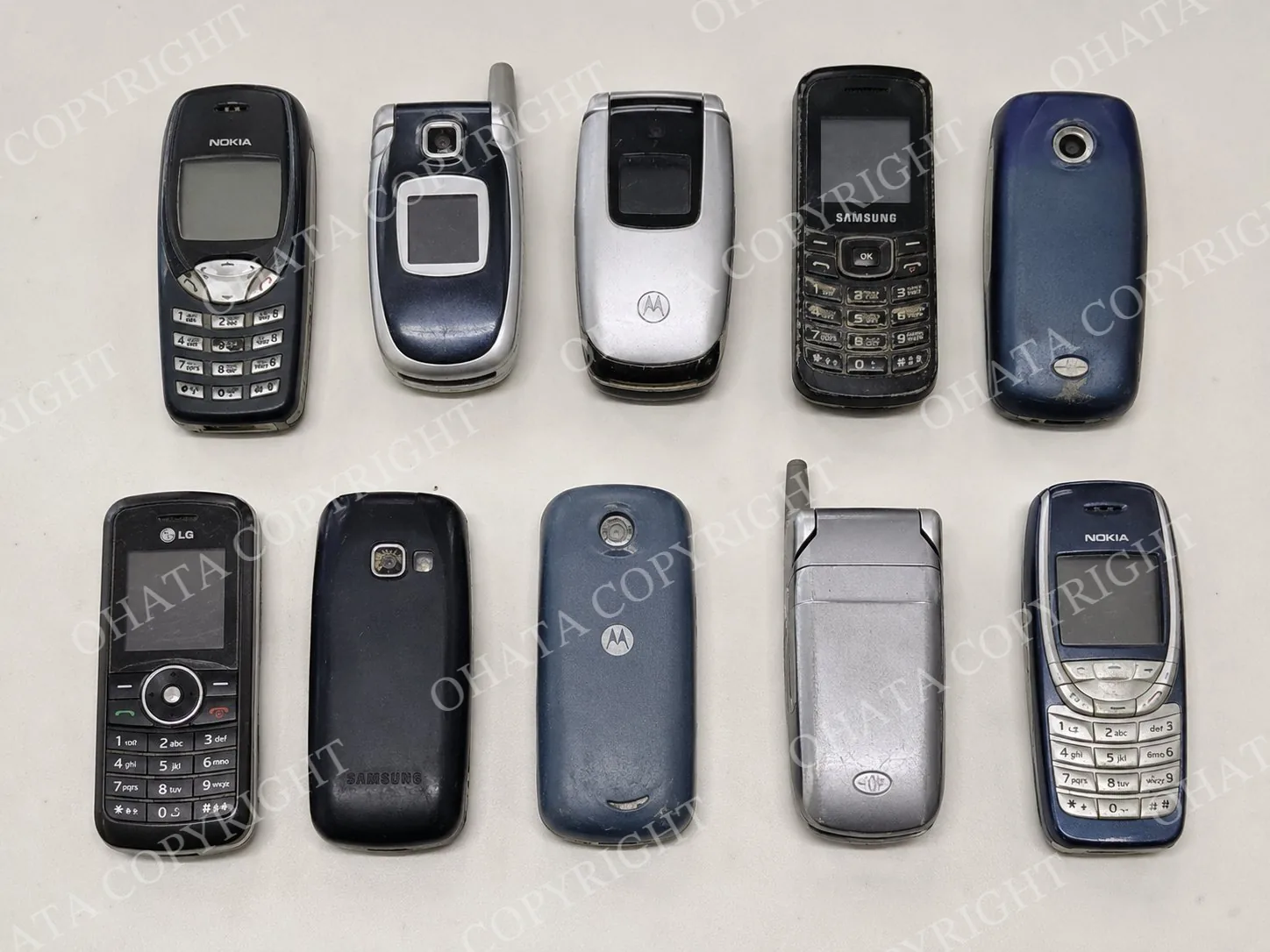
They are usually recognizable by their physical buttons, smaller screens, folding or sliding bodies, removable back covers, and removable batteries.
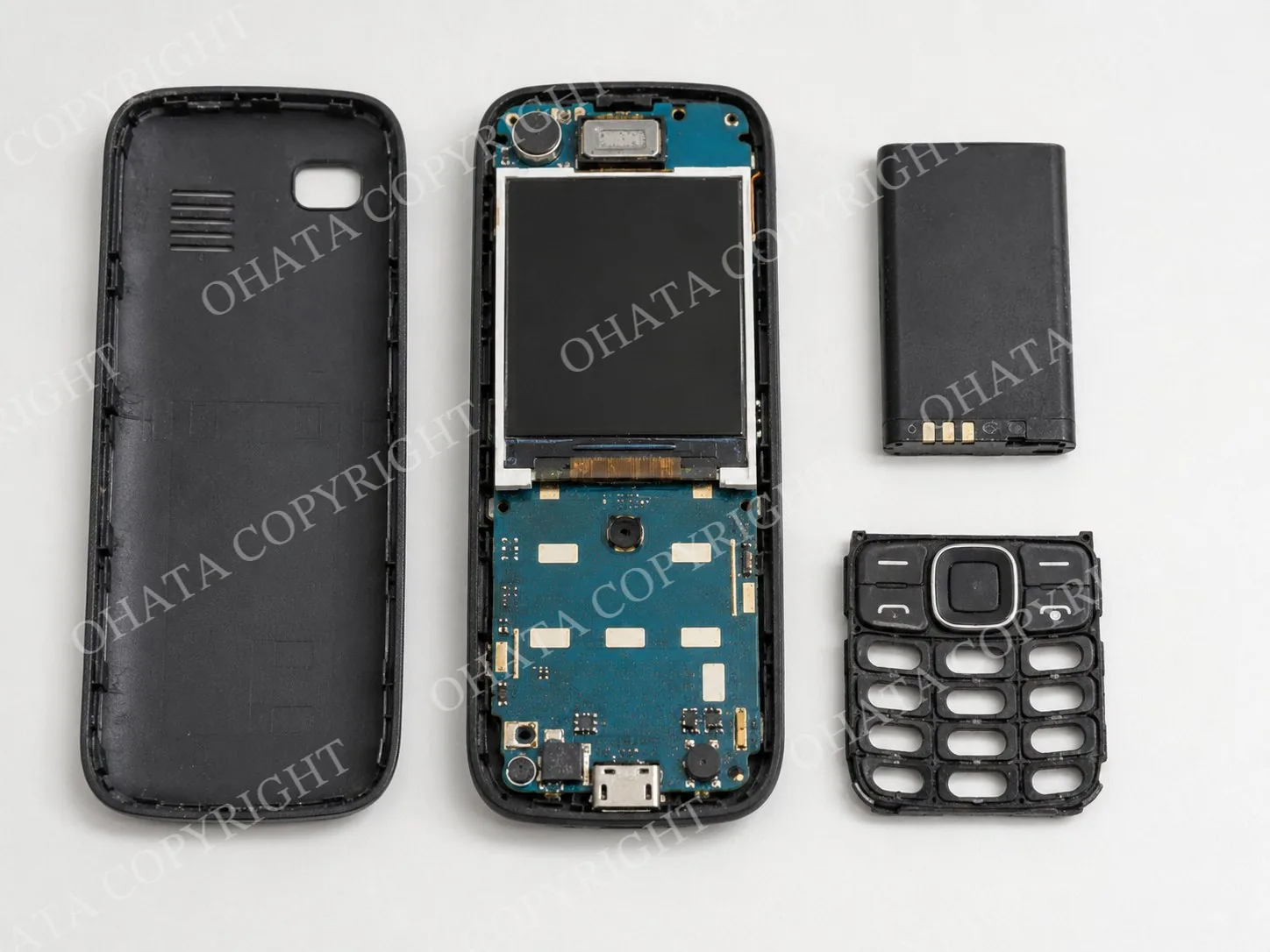
These phones are often found partially dismantled because the battery, back cover, and keypad were designed to come off.
Valuable Parts and Condition of Non-Smart Phones
Non-smart phones usually have simpler construction than smartphones, but they may still contain a main circuit board, display, charging connector, speaker, microphone, keypad contact board, antenna contacts, and small ICs.
The main circuit board is especially important. If it remains with the display, front housing, and charging connector, the device may still fit a partially dismantled non-smart phone category.
A complete non-smart phone may still have its battery, back cover, keypad, display, and housing. A partially dismantled phone may already be missing its battery, cover, or keypad.
You do not need to replace those missing parts.
Whenever practical, keep the remaining electronic assembly together. If the main board has already been removed, sort it separately as a loose phone board rather than putting it back inside an empty housing.
Phones with missing main boards, fire damage, heavy corrosion, water damage, cut wiring, or heavy contamination may require a different evaluation.
Does Removing the Battery Increase the Price?
A phone without its battery may qualify for a higher reference price per pound because the remaining material contains a greater concentration of circuit boards and electronic components.
However, there are a few important things to understand:
Removing the battery reduces the phone’s total weight.
A higher rate per pound does not always produce a higher total payment.
The remaining phone must match the requirements of the no-battery category.
Removing only the battery does not guarantee a particular classification or price.
Placing a loose battery beside a phone or inside an empty housing does not change the category.
Final classification is based on the phone’s actual condition at the time of inspection.
An easily removable battery from an older non-smart phone may be taken out only if it is undamaged and releases normally. Never remove a battery that is swollen, leaking, punctured, corroded, or stuck. If a battery has already been removed, keep it separate from phones, circuit boards, and metal objects to help prevent accidental short-circuiting.
Do not force open a sealed smartphone or try to remove a swollen, leaking, punctured, or damaged battery. Removing a built-in or damaged lithium-ion battery can be unsafe and may create additional loose material that requires separate handling.
Contact the Seattle team before transporting a phone with a damaged battery.
What Affects Mobile Phone Buying Value?
Smartphones and non-smart phones are evaluated separately. The main factors include the phone type, battery status, buying category, main-board presence, completeness, physical condition, total weight, and sorting condition.
Current e-scrap and raw-material market conditions may also influence published reference prices.
Reference prices are not guaranteed final prices. Final acceptance, classification, and buying price are determined after physical inspection, weighing, and confirmation of current buying requirements.
How to Prepare Mobile Phones Before Visiting
You don’t need to sort everything perfectly. Simply keeping the main categories separate can make the inspection process easier.
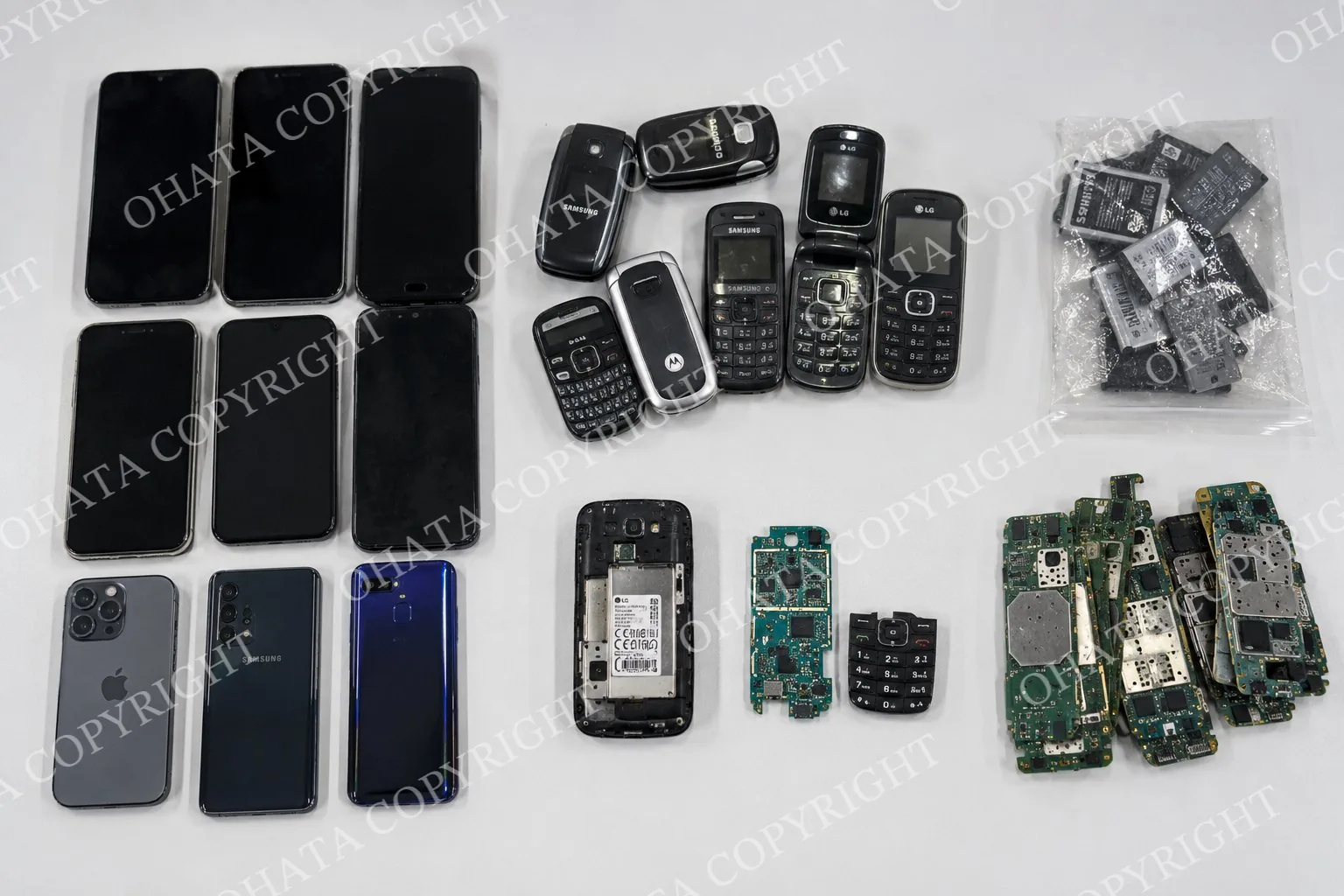
Keep smartphones, non-smart phones, loose boards, and loose batteries in separate groups whenever practical. Within those groups, separate complete phones from partially dismantled phones.
Before visiting:
Keep the phones indoors and dry.
Do not cut boards or remove major ICs.
Remove SIM cards and memory cards.
Back up information you want to keep.
Sign out of personal accounts and reset accessible smartphones when possible.
Take clear front-and-back photographs.
Prepare an approximate weight for each group.
Minimum quantities may vary depending on the mobile phone category, so it’s a good idea to confirm the current requirement before visiting.
Come Visit Our Seattle Yard!
Ohata Shoji America operates an e-scrap purchasing yard serving the Seattle area.
Ohata Shoji America Inc.
423 S Horton St, Unit B
Seattle, WA 98134
USA
Phone: +1 (206) 602-9022
Email: info@ohata.ai
Website: https://ohata.ai/us/en
The yard handles eligible electronic materials from individuals and businesses, subject to current purchasing categories and receiving conditions. Walk-in customers are welcome during normal business hours. Businesses with larger quantities should contact the Seattle Yard in advance.
Frequently Asked Questions About Mobile Phone Scrap
Can smartphones and non-smart phones be mixed?
They should be separated whenever practical because they have different construction and may belong to different buying categories.
Do phones need to turn on?
Not necessarily. Completeness, battery condition, and physical damage may matter more than working condition.
Can I remove a phone battery for a higher price?
Present the phone in its current assembled condition. If the battery was already removed, keep it separate from the phone, circuit boards, and metal objects. Do not force open a sealed smartphone or remove a damaged battery.
Should I remove a built-in smartphone battery?
No. Do not force open a sealed smartphone solely to remove its battery.
Do missing non-smart phone parts need to be replaced?
No. Missing batteries, covers, and keypads do not need to be reinstalled before inspection.
Should loose phone boards be mixed with assembled phones?
No. Keep loose boards separate from complete and partially assembled phones.
Can a phone with a cracked screen still be evaluated?
Possibly. A cracked screen alone does not automatically prevent evaluation, but severe damage or an unsafe battery may require additional inspection.
Are published reference prices guaranteed?
No. Final pricing is determined after physical inspection, weighing, classification, and confirmation of current buying requirements.

Comments
0 comments