Good afternoon all, it’s Nicole!
Today is July 28, 2026. Seattle is looking mostly cloudy and mild, with temperatures around 69°F. It still feels like a comfortable summer day.
Seattle Tech Week is underway, with events happening around the city from July 27 through July 31. You may be attending one of them, or maybe you have just noticed a little more tech-related hustle and bustle around Seattle this week.
If you are not familiar with it, Seattle Tech Week is not one single conference held in one building. It is a series of events taking place around the city, bringing together people working in startups, investing, software, AI, and other areas of technology. The organizers describe it as an “open-source conference” spread across Seattle.
I think it is a good reminder of how important technology is to the city. Companies here are constantly building new systems, testing new tools, and replacing older equipment. A lot of that older technology ends up sitting in storage because no one is quite sure what still has value, what contains sensitive data, or what should be recycled.
So today, I want to talk about why more Seattle companies are selling their e-scrap, how old technology can still make money for a business, and how companies can protect their data while doing it responsibly.
Why Seattle Businesses Are Clearing Out More Electronics
Businesses depend on their systems to run current software, communicate securely, store information, and keep everyday operations moving. Even when an older computer still turns on, it may no longer meet the company’s needs.
The end of standard Windows 10 support is one example.
Microsoft ended standard support for Windows 10 on October 14, 2025. For the average person using a home computer, that may feel more like an inconvenience. The computer can still turn on, browse the internet, and run for the most part as usual.
For a business, though, the circumstances are a little different. Companies often need current software, ongoing security updates, compatibility with newer programs, and systems that fit their internal IT requirements. An older computer may still work, but that does not necessarily mean it is practical for a workplace to keep using. Some computers can be upgraded. Others may not meet newer hardware requirements, or the cost of updating them may not make sense.
When a business replaces several computers at once, it can suddenly be left with desktops, laptops, servers, hard drives, SSDs, CPUs, RAM, network equipment, and other electronics that are no longer being used.
How Can a Company Protect Its Data?
Seattle businesses also have a practical reason to pay closer attention to electronic disposal.
Old electronics may contain more than recoverable materials. Hard drives, SSDs, laptops, servers, phones, and some network equipment can retain customer records, internal files, passwords, and other sensitive data. Businesses should identify data-bearing devices before selling or recycling old equipment and follow their own data-security procedures.
Ohata’s Role in Helping Seattle Businesses Sell E-Scrap
As more Seattle companies replace older computers, servers, and network equipment, they are left with a practical question: how can they recover value from that equipment without creating more risk or waste?
Ohata helps businesses evaluate eligible electronic scrap based on its type, weight, completeness, condition, and recycling category. For the best evaluation, items should be dry, reasonably clean, properly sorted, and complete with major ICs, sockets, connectors, and other important components still attached.
Items may receive a lower evaluation if they have missing CPUs or chipsets, damaged sockets, broken PCB sections, corrosion, burn damage, water exposure, oil contamination, or mixed grades.
Material with severe burns, hazardous contamination, battery leakage, extensive corrosion, large cut sections, missing major chipset ICs, or unrelated waste may be rejected or evaluated separately.
Data security is also part of the process. Every data-bearing device we buy undergoes certified software data destruction or total physical shredding before any refurbishment or material resale occurs.
This gives businesses a way to handle retired technology more carefully, protect sensitive information, and recover value from equipment that might otherwise remain forgotten in storage.
How Ohata.ai Vision Helps Identify E-Scrap
A box may contain several similar-looking motherboards, network cards, and controller boards. Employees may know that the items came from computers, but not whether they are desktop boards, server boards, telecom boards, or lower-grade control boards.
Ohata.ai Vision helps users begin the identification process by analyzing clear photographs of electronic items.
For the best results, take:
A full photo of the front
A full photo of the back
A close-up of the model number
A close-up of any revision marking
Clear photos of missing or damaged areas
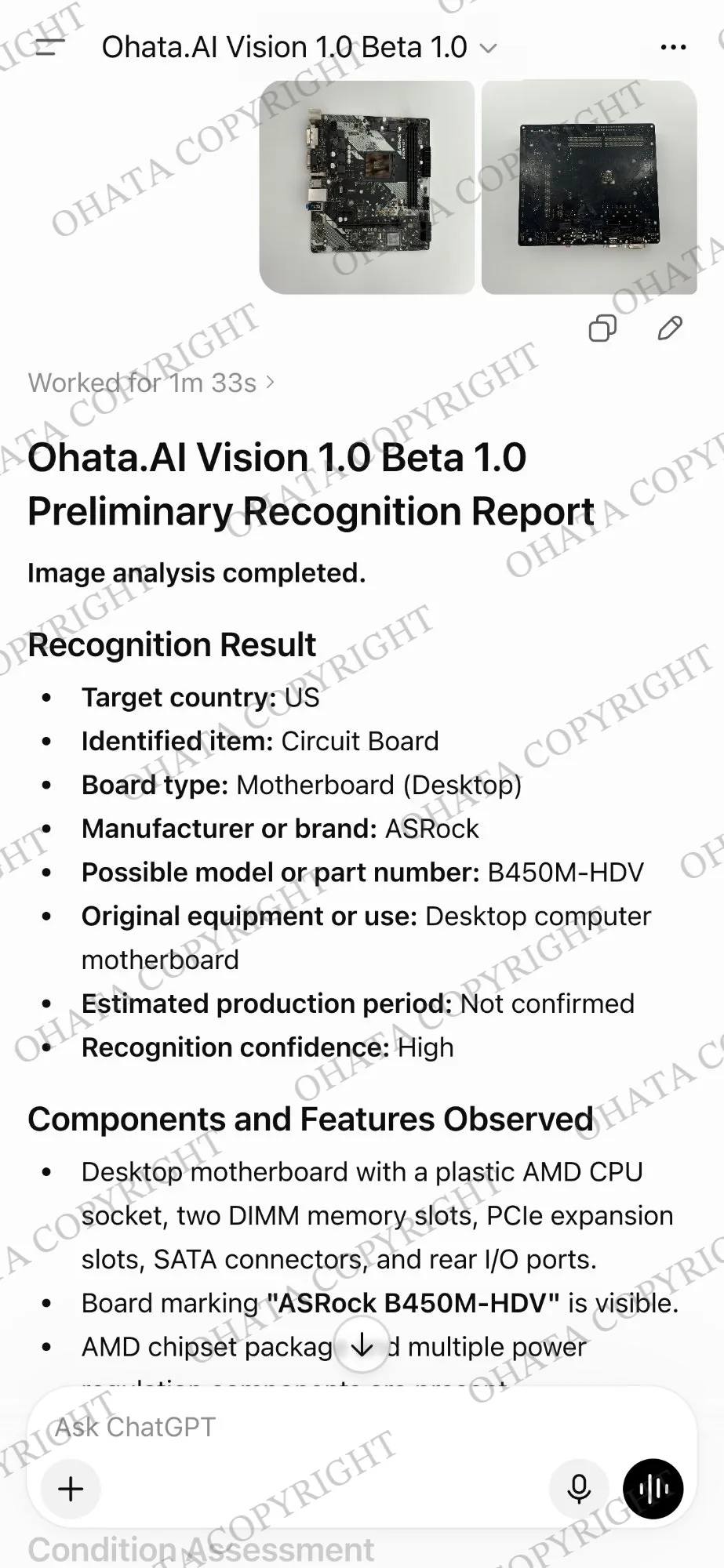
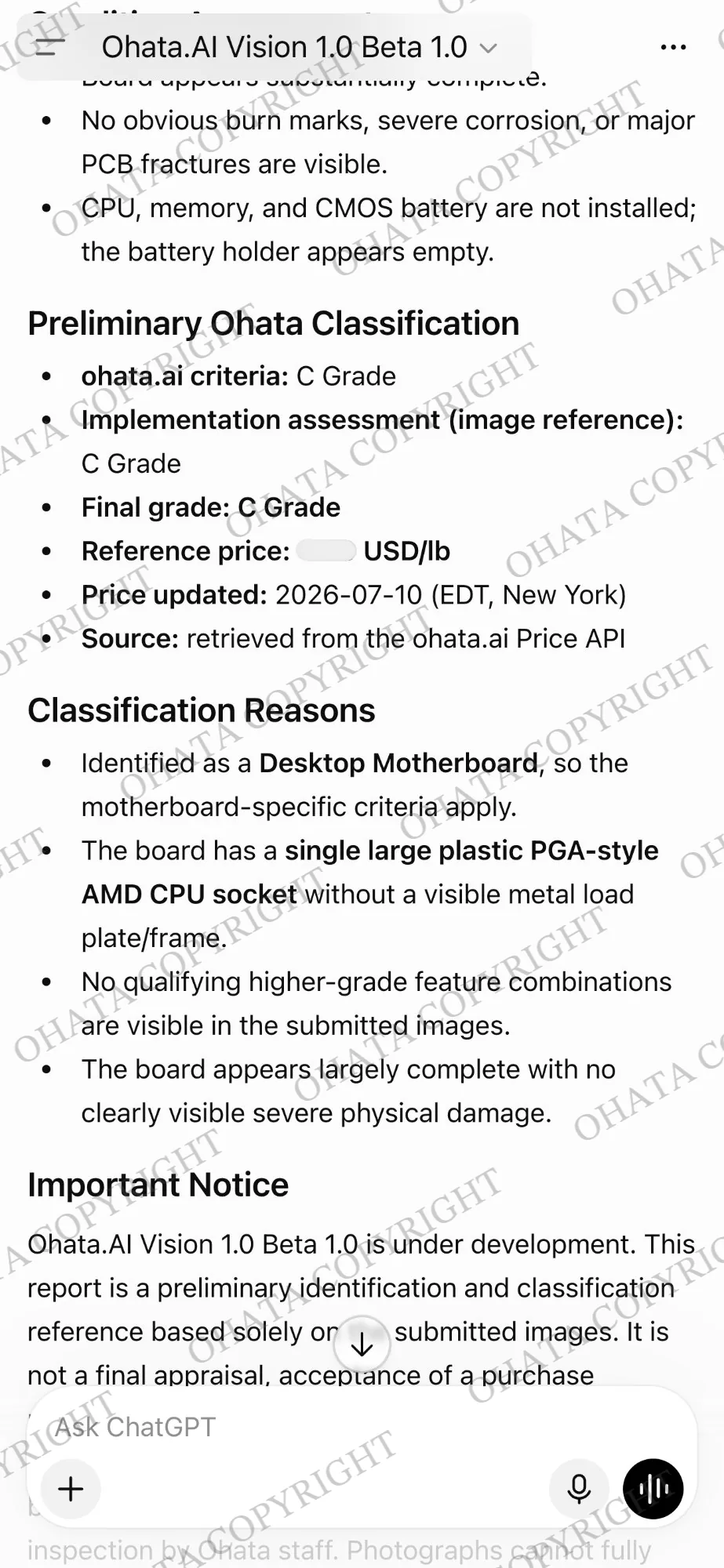
Ohata.ai Vision can provide identification and reference information, but it does not guarantee acceptance, price, or final grade. Physical inspection may still be needed to confirm weight, completeness, contamination, and the actual material received.
Try Ohata.AI Vision
Ohata Shoji America Seattle Yard
Ohata Shoji America operates an e-scrap purchasing yard serving the Seattle area.
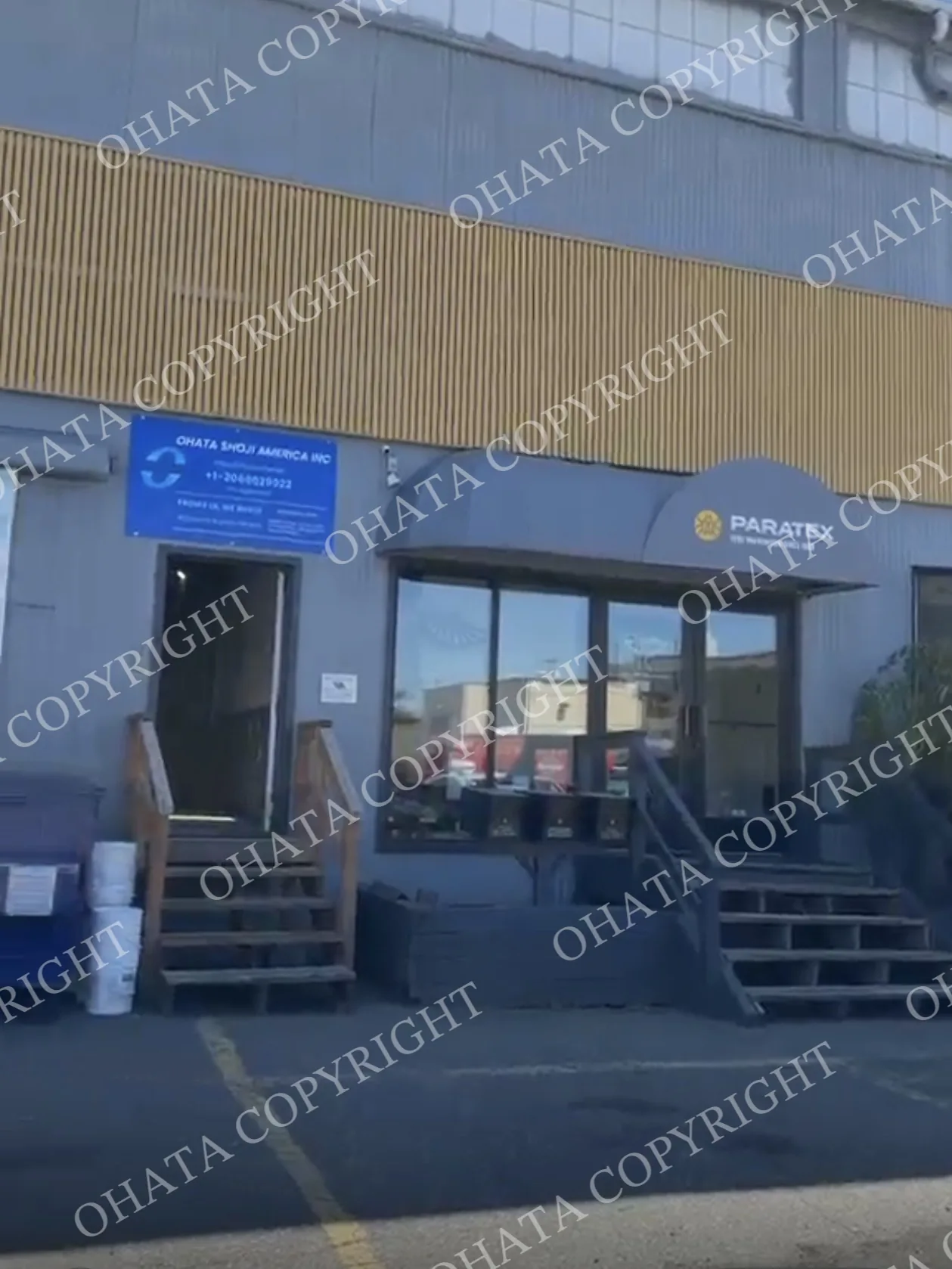
Ohata Shoji America Inc.
423 S Horton St, Unit B
Seattle, WA 98134
USA
Phone: +1 (206) 602-9022
Email: info@ohata.ai
Website: https://ohata.ai/us/en
The yard handles eligible electronic materials from individuals and businesses, subject to current purchasing categories and receiving conditions. Walk-in customers are welcome during normal business hours. Businesses with larger quantities should contact the Seattle Yard in advance.
Frequently Asked Questions
1. Why are more Seattle businesses reviewing their old electronics?
Companies regularly replace computers, servers, storage devices, and networking equipment as their software, security, and performance needs change. Large upgrades can leave a business with a significant amount of unused hardware.
2. Can a computer still be used after Windows 10 support ends?
Yes. A Windows 10 computer can still operate, but Microsoft no longer provides free software updates, security fixes, or technical assistance for the operating system. Businesses may decide to replace older systems because of security, compatibility, or internal IT requirements.
3. What is Ohata Shoji America Inc.?
We are a premier Green-Tech E-Commerce platform specializing in sustainable electronic scrap procurement.
4. Do you purchase high-performance AI hardware?
Yes, we specialize in the online procurement and data-secure decommissioning of complex AI servers, GPUs, and high-capacity storage.
5. What specific types of computers do you buy online?
Our portal accepts entries for enterprise servers, corporate workstations, desktop PCs, and laptops of all generations.
6.How does Ohata Shoji America Inc. maintain its industry standards?
We combine 25+ years of Japanese precision recycling expertise from our parent company, Ohata Shoji Inc., with modern American e-commerce logistics.

Comments
0 comments