
ohata.ai
Ohata Resource Canada Inc.

CPU B Grade ( BGA CPU and IC chips) Buying scrap price

Back to CPU price list
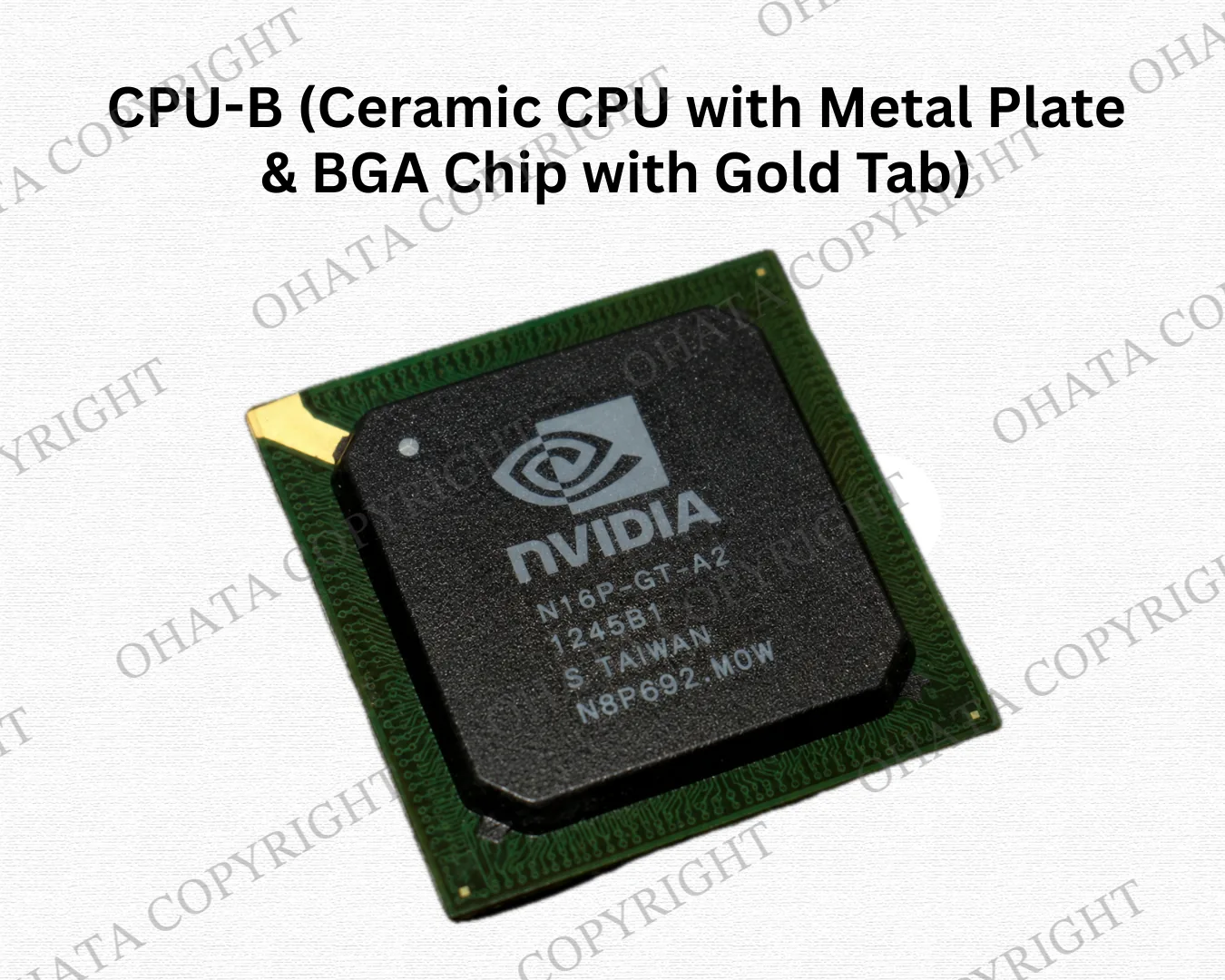
CPU-B grade (Ceramic CPU with Metal Plate, BGA Chip with Gold Tab)
Updated: Aug 04,2026

52.00 CAD / lb

The Price is buying by Yard of Richmond, BC, Canada.

Key Buying Introduction

1. We buy CPU-B Grade processors from a minimum quantity of 1 lb, including ceramic CPUs with metal top plates and large BGA chips with visible gold tabs.

2. CPU-B includes processors that meet the Ohata CPU Classification based on package construction, recoverable material profile, and physical characteristics, not manufacturer or processor model.

3. Ceramic CPUs with metal plates and large BGA chips with gold tabs may both qualify for CPU-B Grade after physical inspection.

4. Each processor is evaluated for completeness, condition, cleanliness, quantity, and recoverable material content before the final buying grade is assigned.

5. Clean, complete, dry, and properly sorted CPU-B processors allow for faster inspection and may qualify for more competitive purchasing prices.

6. Electronic scrap prices may change without notice. Final classification and purchasing prices are confirmed after physical inspection according to the current Ohata CPU Classification System.
Buying Details of Conditions

Learn more about CPU Scrap Classification


CPU-B Grade (Ceramic CPU with Metal Plate & BGA Chip with Gold Tab)

What is CPU-B Grade

CPU-B is an official processor category in the Ohata CPU Classification System. It includes two package types with similar recycling characteristics:
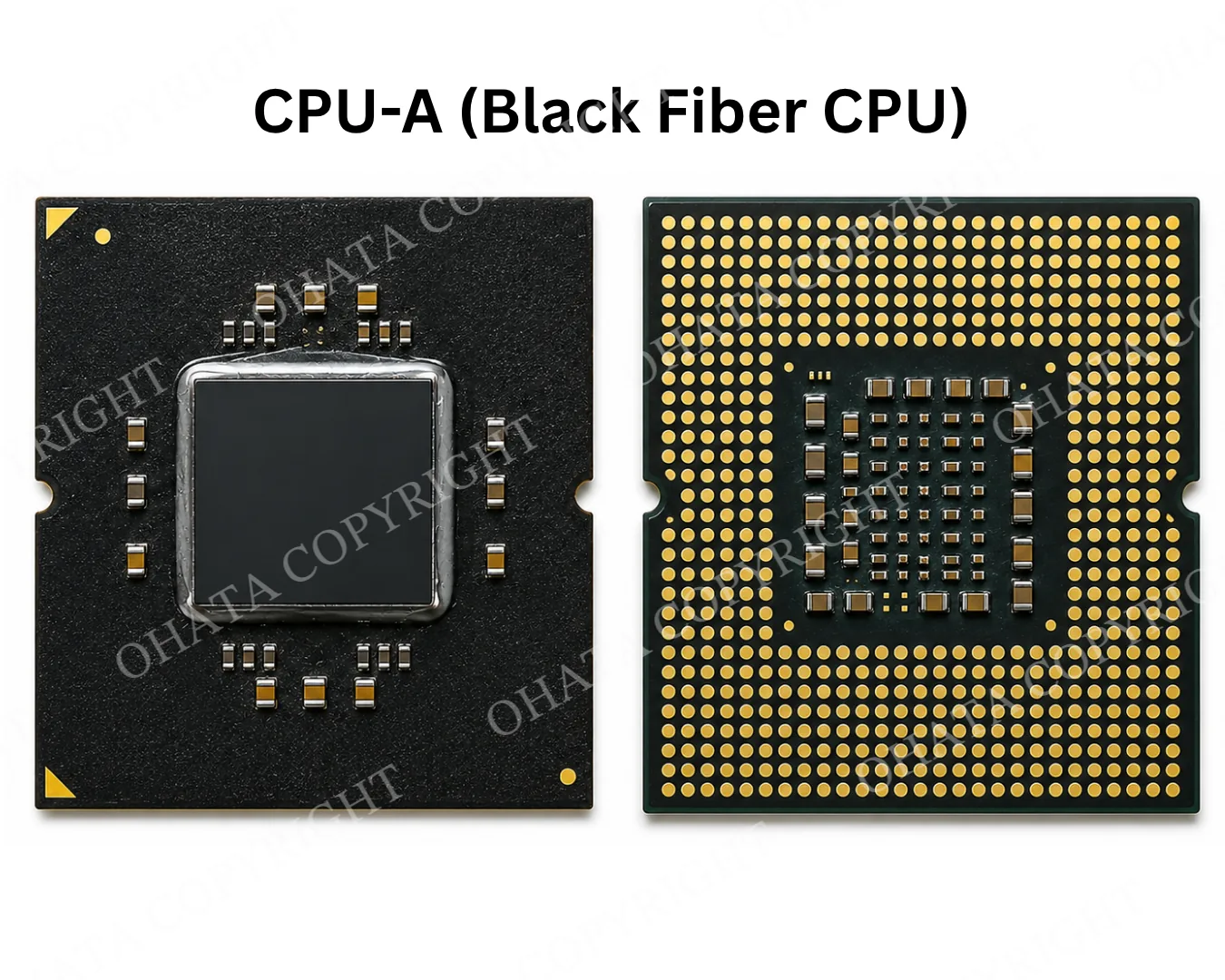
  • Ceramic CPUs fitted with a metal heat spreader

  • Large BGA (Ball Grid Array) processor packages with visible gold tabs

Although these devices are used in different electronic equipment, they are grouped together because of their package construction and recoverable material profile rather than their processor model, computing performance, or manufacturer.


How to Identify CPU-B Processors

Correct identification begins with the physical package rather than the processor model.

CPU-B processors usually fall into one of two categories:

Ceramic CPU with Metal Plate

These processors use a ceramic package fitted with an aluminum or other metal heat plate. The ceramic body provides mechanical strength while the metal plate improves heat dissipation.

Large BGA Chip with Gold Tab

Large BGA semiconductor packages belonging to CPU-B can often be identified by their square package shape and one or more visible gold tabs along the package edge. Unlike standard plastic BGA devices, these gold tabs are one of the key visual characteristics used during classification.

Because processor families may look similar, final classification is always based on the complete package rather than a single feature.


Typical CPU-B Components

CPU-B includes a variety of processor and semiconductor packages commonly recovered during electronics recycling.

Examples include:

  • Ceramic CPUs with aluminum or metal heat plates

  • Large BGA processor packages with visible gold tabs

  • Professional computing processors

  • Enterprise processor modules

  • Industrial processor packages

  • Communication processors

  • Specialized embedded processors

  • Other processors meeting the Ohata CPU-B classification requirements

Processor family names are provided only as general examples. Final classification is always determined through physical inspection of the processor package rather than by manufacturer, processor model, or advertised specifications.


Common Sources of CPU-B Processors

CPU-B processors are commonly recovered from a wide range of electronic equipment, including:

  • Desktop computers

  • Enterprise servers

  • Professional workstations

  • Telecommunications equipment

  • Industrial control systems

  • Networking hardware

  • Embedded electronic systems

Because these systems often contain higher-quality processor packages designed for long-term reliability, CPU-B components continue to enter the recycling stream even after many years of service.


Why CPU-B Processors Have Recycling Value

The recycling value of CPU-B processors is determined by the recoverable materials distributed throughout the complete processor package rather than by any single visible feature.

Recoverable materials commonly include:

  • Gold

  • Copper

  • Silver

  • Nickel

  • Palladium

  • Aluminum

  • Silicon

  • Gold bonding wires

Although CPU-B processors generally contain less visible gold than premium ceramic CPU grades, they remain valuable because of their engineered package construction and the concentration of recoverable materials contained within each device.

Consequently, physical construction provides a more reliable indicator of recycling value than processor brand, computing performance, or original market price.


Buying Standards

Higher purchasing values are generally offered for CPU-B processors that are:

  • Complete and unmodified

  • Clean and dry

  • Free from excessive corrosion

  • Free from glue, epoxy, or heavy contamination

  • Properly sorted as CPU-B only

  • Removed from heatsinks, motherboard sections, and unrelated electronic scrap

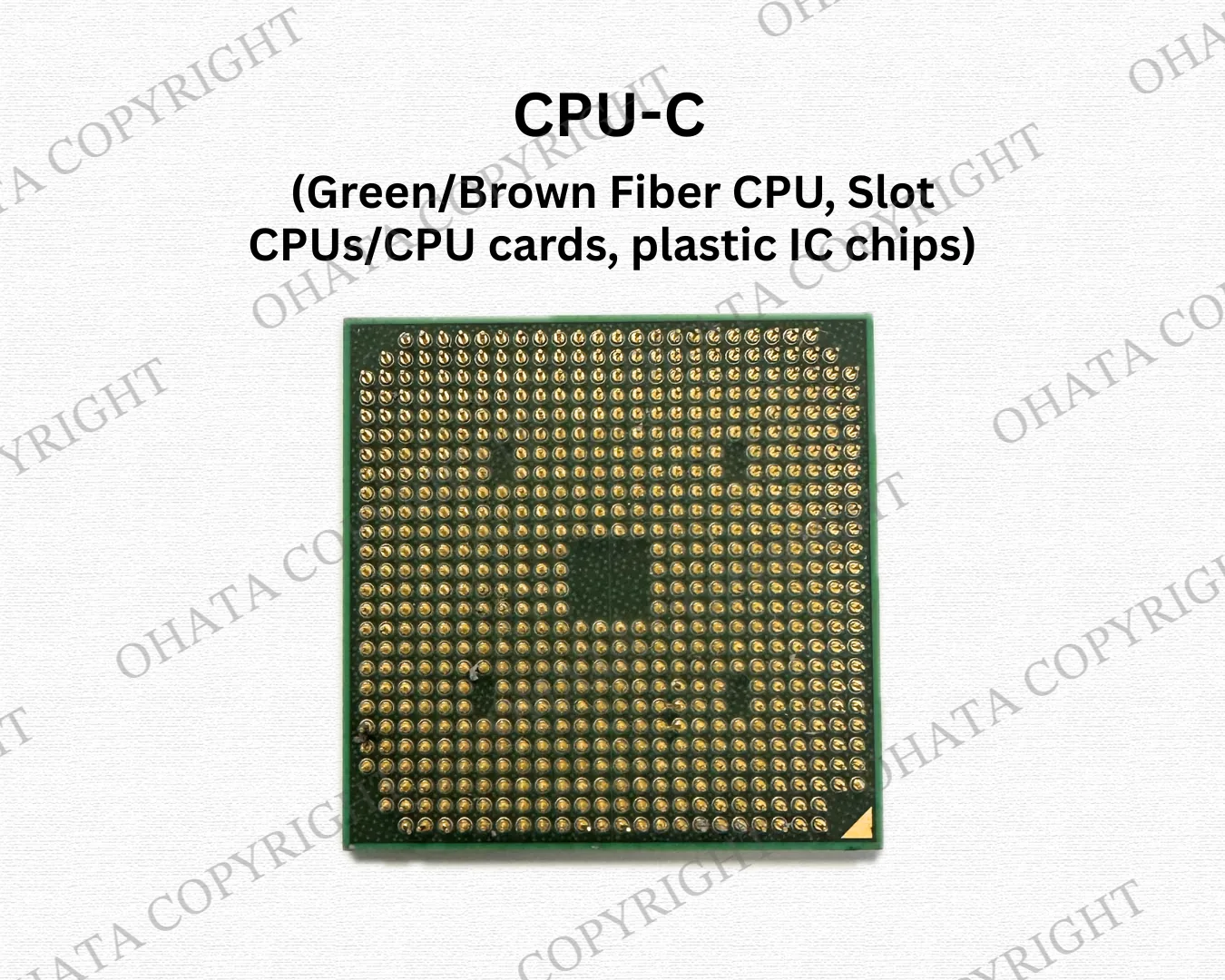
Processors mixed with other CPU grades, damaged semiconductor packages, broken ceramic processors, or miscellaneous electronic scrap may require additional sorting and may receive a lower purchasing value.

Proper sorting before delivery helps improve inspection efficiency and supports accurate classification under the Ohata CPU Classification System.

Ohata Inspection Process

Every shipment is inspected before the final purchasing price is confirmed. Our inspection focuses on:

  • Package construction

  • Completeness

  • Physical condition

  • Cleanliness

  • Sorting quality

  • Recoverable material profile

Processor manufacturer, processor generation, clock speed, and original retail value are not the primary classification factors.


Official Ohata CPU-B Classification Statement

A processor or semiconductor device may be officially classified as CPU-B Grade when its package construction, recoverable material profile, completeness, and physical condition satisfy the requirements of the Ohata CPU Classification System.
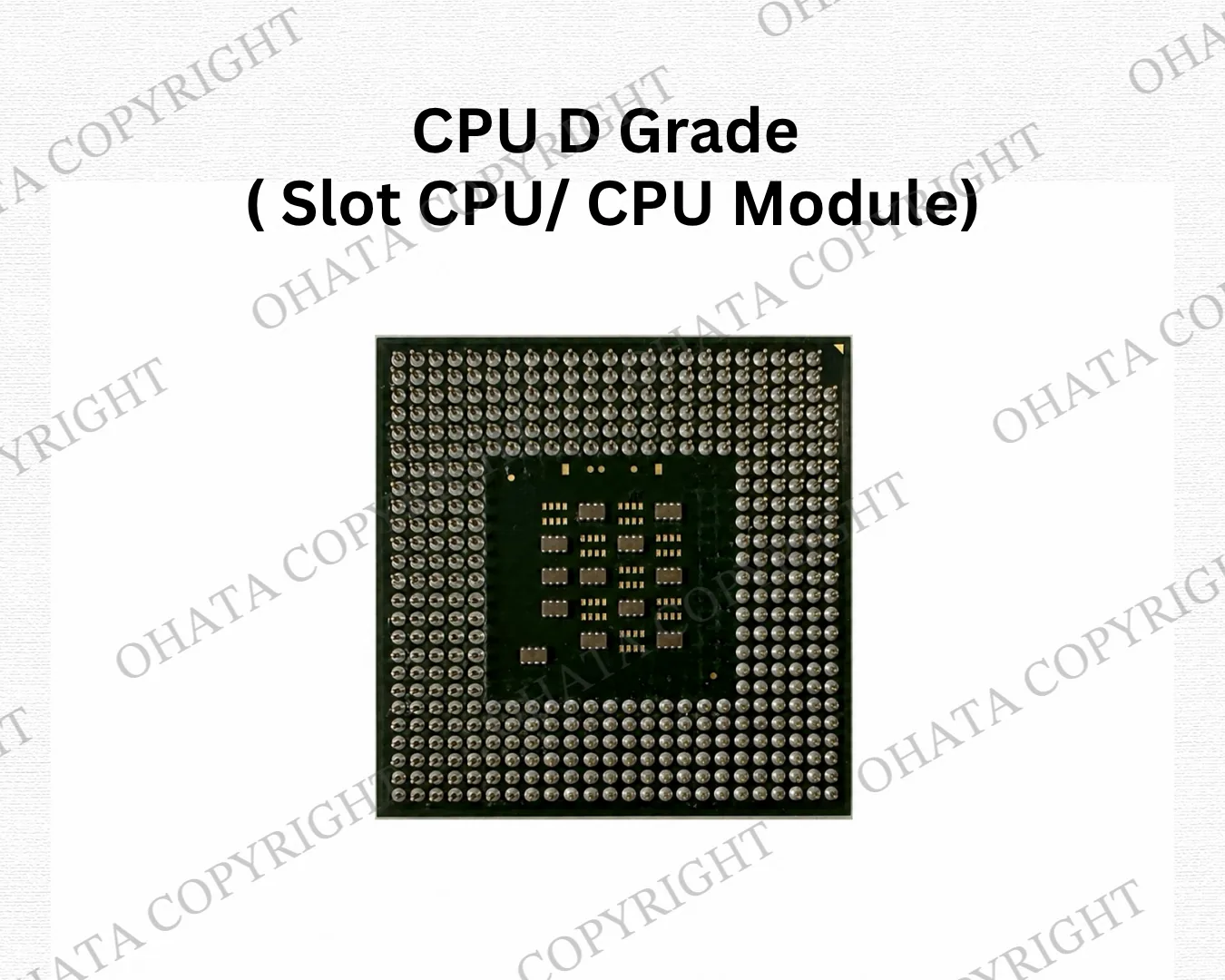
CPU-B primarily includes ceramic CPUs with metal plates and large BGA chips with visible gold tabs. Final classification is confirmed after physical inspection.


Sell CPU-B Processors in Richmond, BC

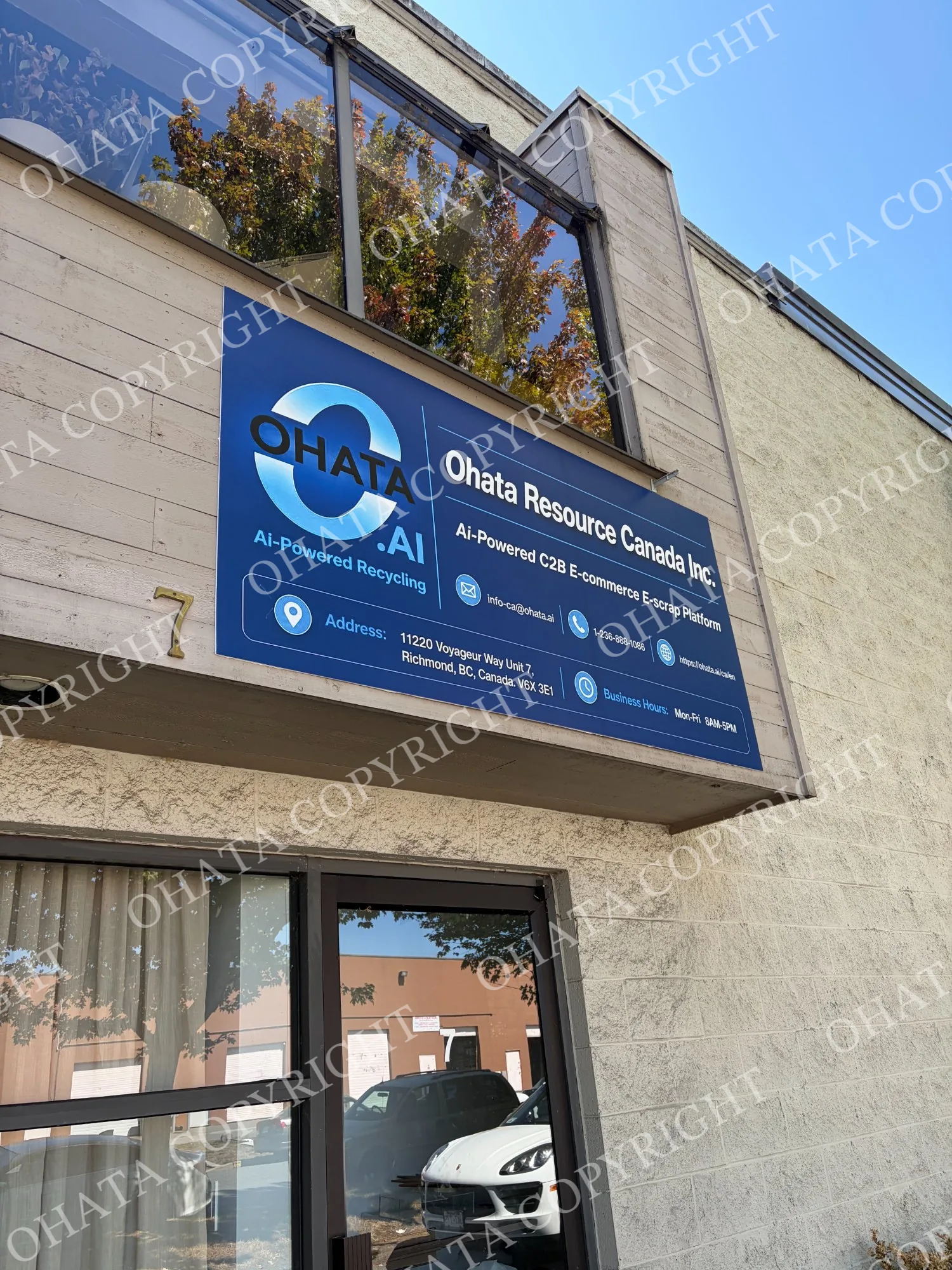
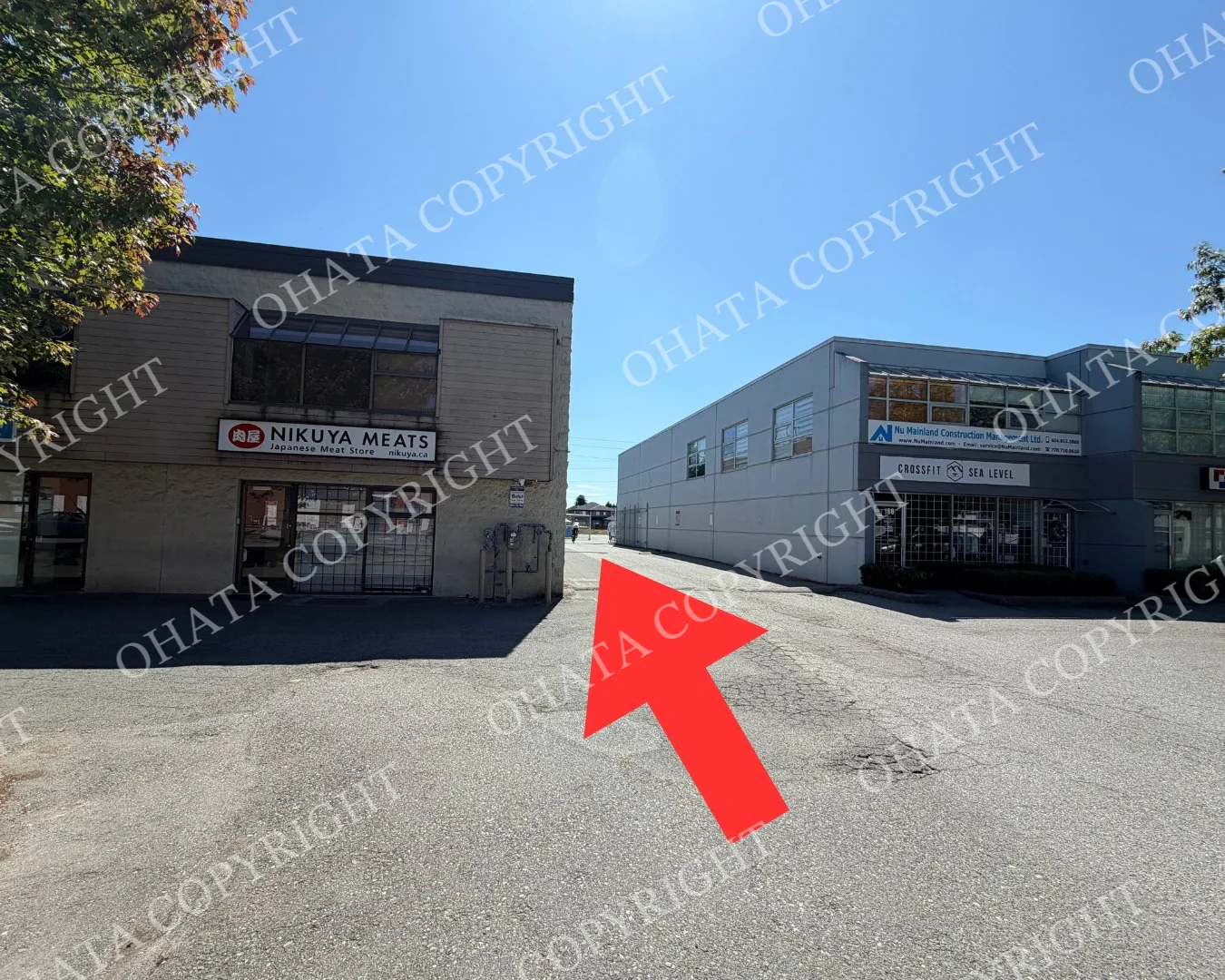
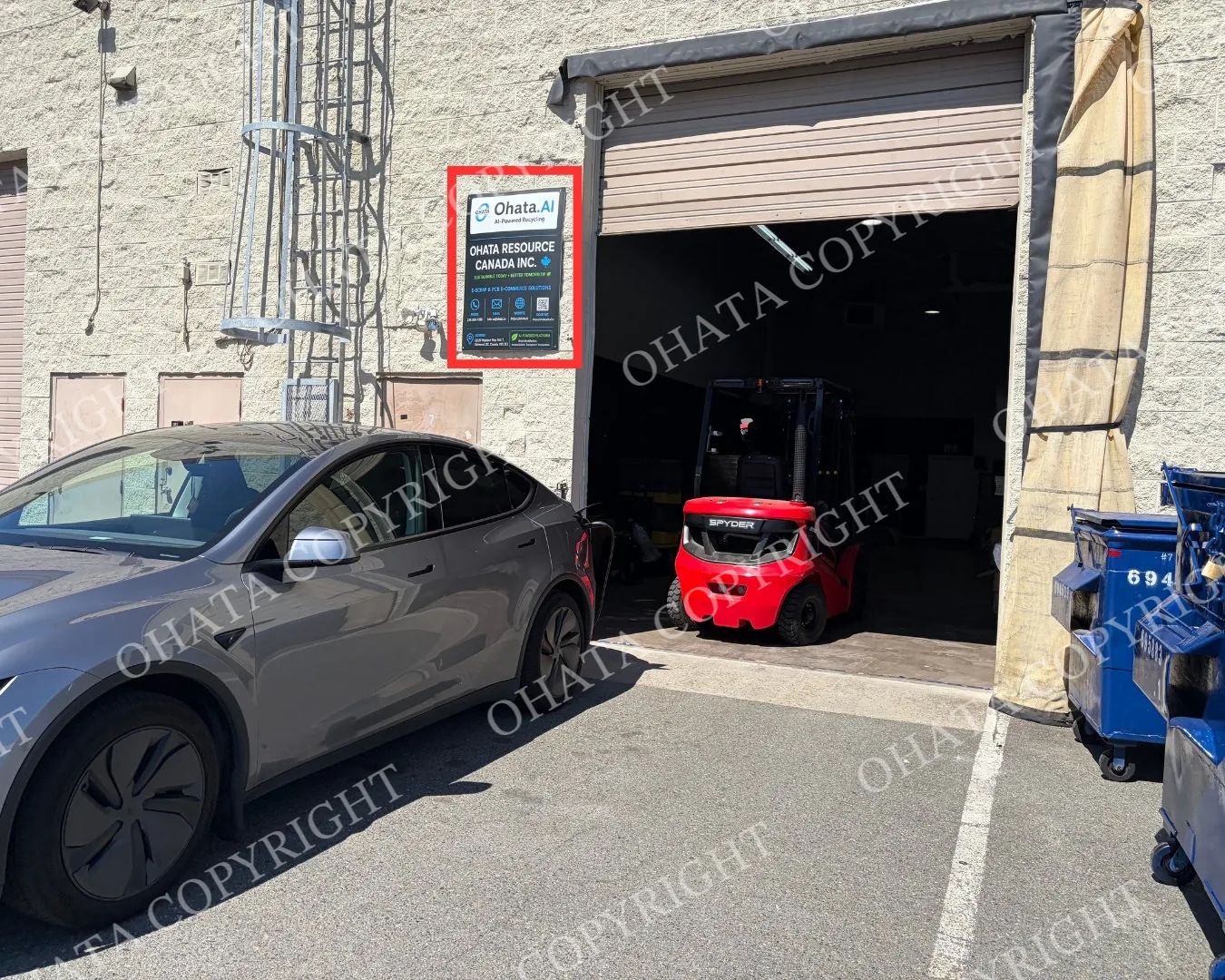
Ohata Resource Canada purchases CPU-B Grade processors at our Richmond, British Columbia yard. Walk-in customers are welcome during business hours, and the minimum purchasing quantity is 1 lb.

We proudly serve customers throughout Metro Vancouver, including Richmond, Vancouver, Burnaby, Surrey, Delta, Coquitlam, Langley, New Westminster, North Vancouver, West Vancouver, Maple Ridge, Port Coquitlam, Port Moody, Pitt Meadows, and White Rock.

Electronic scrap buying prices and purchasing conditions may change without prior notice. Final purchasing prices are confirmed after inspection according to current market conditions and the Ohata CPU Classification System.

Learn more about Ohata's CPU recycling classifications

FAQ
1. What is today’s price for CPU B Grade ( BGA CPU and IC chips) Buying?
As of Aug 04,2026, Ohata Resource Canada Inc., (Richmond, BC, Canada) is purchasing CPU B Grade ( BGA CPU and IC chips) Buying at 52.00 (CAD/lb). We provide competitive scrap prices in Delta, Surrey, Richmond, and across the Greater Vancouver area.
2. What is CPU-B Grade?
CPU-B Grade is one of the processor categories within the Ohata CPU Classification System. It primarily includes ceramic CPUs with metal top plates and large BGA semiconductor chips with visible gold tabs that share similar package construction and recoverable material characteristics.
3. Which processors are included in CPU-B Grade?
CPU-B commonly includes ceramic processors fitted with aluminum or metal heat plates and large BGA processor chips with visible gold tabs. Final classification depends on physical inspection rather than processor model or manufacturer.
4. What is a BGA chip with a gold tab?
A BGA (Ball Grid Array) chip with a gold tab is a large semiconductor package that uses solder balls for mounting and has visible gold tabs around the package edge. These gold tabs are one of the identifying features used for CPU-B classification.
5. Does processor brand determine CPU-B classification?
No. CPU-B is determined by package construction, physical characteristics, completeness, and recoverable material content rather than by Intel, AMD, IBM, Motorola, or any other manufacturer.
6. How can I identify a CPU-B processor?
CPU-B processors are typically identified by either a ceramic package with a metal heat plate or a large BGA package with visible gold tabs. Final identification requires inspection of the complete processor.
7. What materials are commonly recovered from CPU-B processors?
CPU-B processors commonly contain recoverable gold, copper, silver, nickel, palladium, aluminum, silicon, and precious-metal bonding wires. Overall recovery depends on the complete package construction.
8. Can damaged CPU-B processors receive another grade?
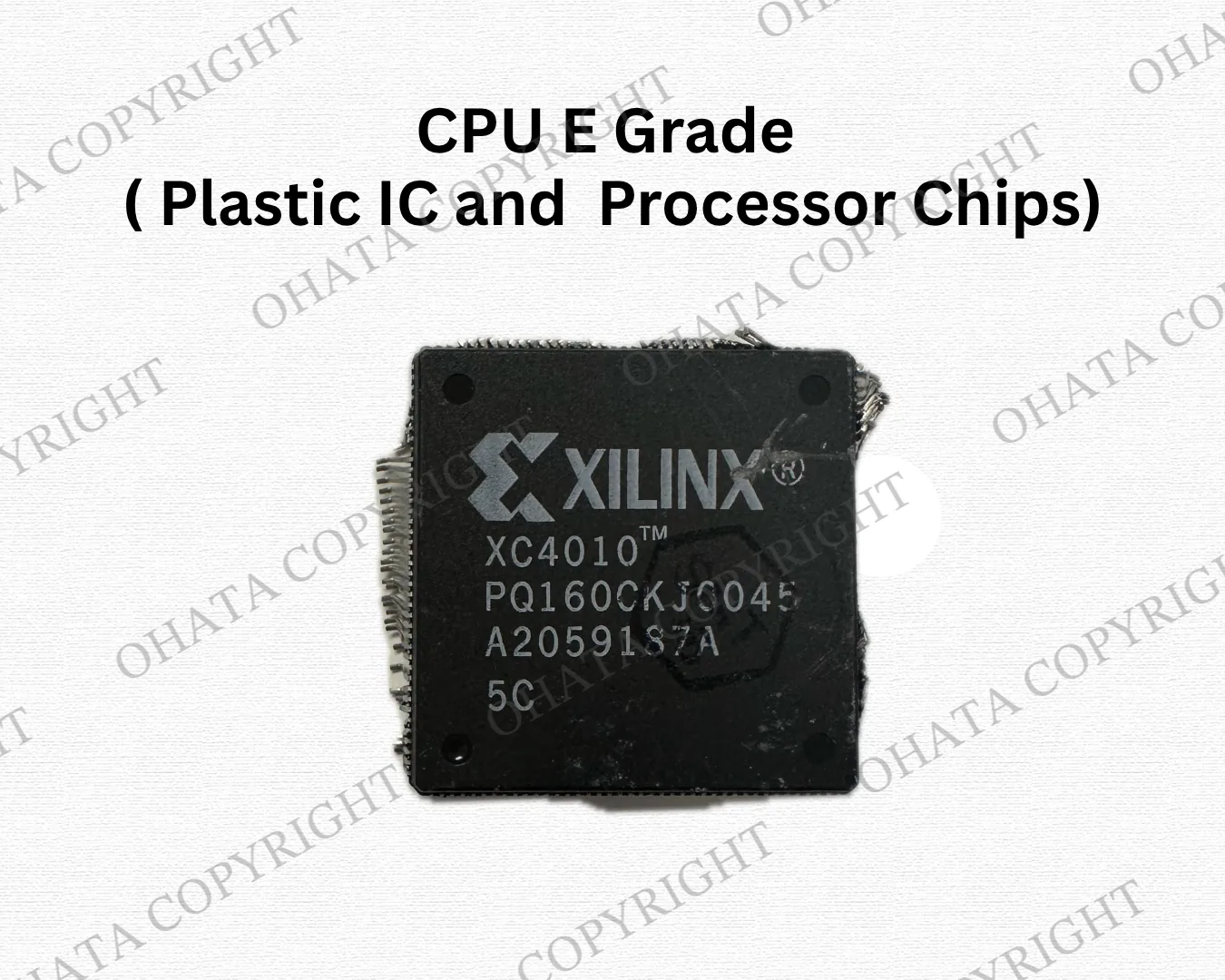
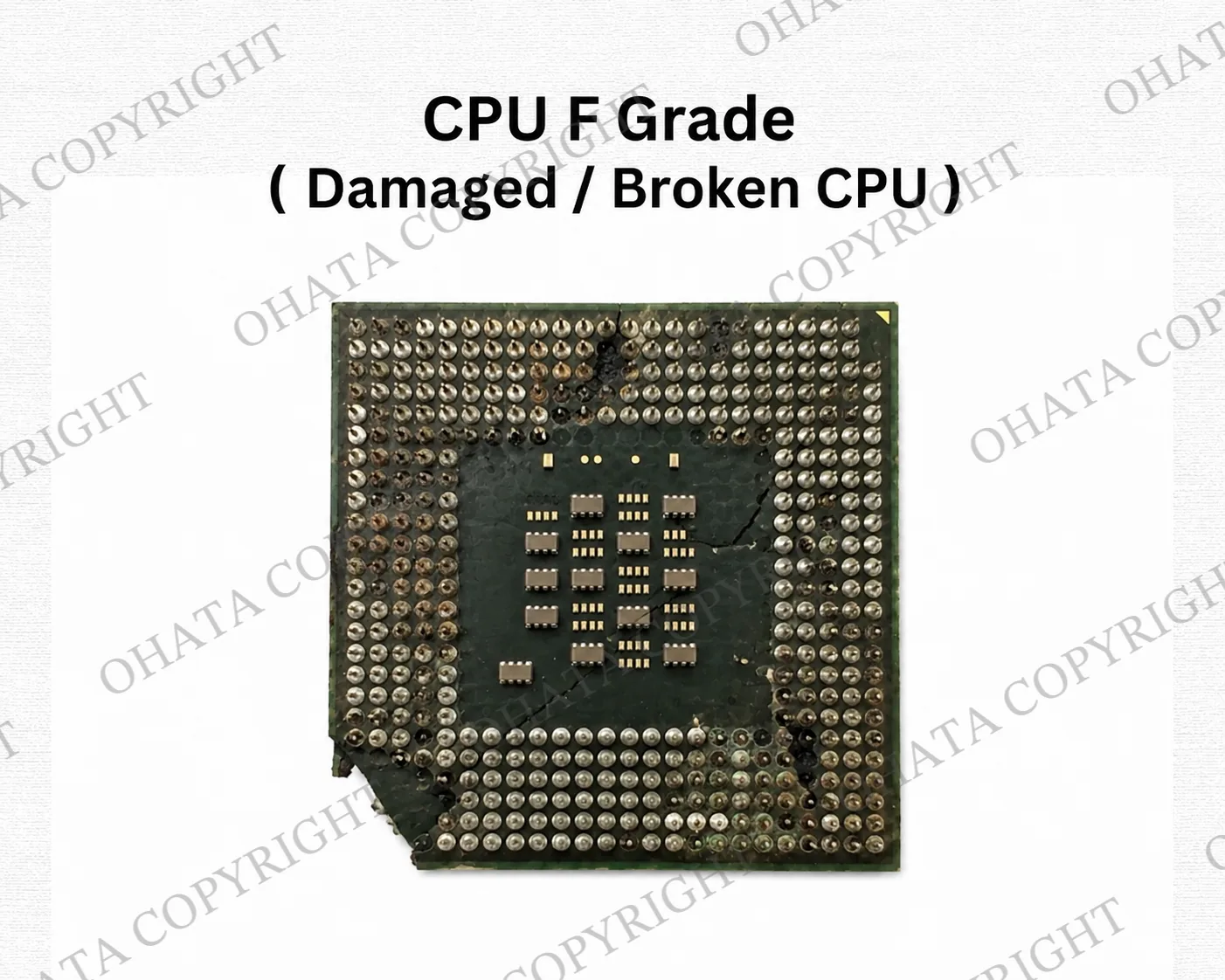
Yes. Broken, incomplete, heavily contaminated, or mixed processors may be classified differently, including CPU-F, depending on their physical condition and recoverable material profile.
9. Do mixed CPU grades affect the buying price?
Yes. Mixed loads containing CPU-B together with ceramic CPUs, PGA processors, plastic ICs, damaged processors, or miscellaneous electronic scrap usually require additional sorting and may receive a lower purchasing value.
10. Does Ohata Resource Canada Inc. purchase AI servers and enterprise IT equipment?
Yes. Ohata Resource Canada Inc. purchases many types of enterprise IT equipment, including AI servers, GPU servers, rack servers, storage systems, networking equipment, workstation computers, and related electronic scrap. All materials are inspected and evaluated according to our current buying standards and the Ohata Classification System.
11. Can I sell electronic scrap online before visiting your Canadian facility?
Yes. Customers can browse our website, review buying information, identify electronic boards, and contact our purchasing team before visiting our Canadian recycling facility. Our online resources help make the selling process more convenient for both individuals and businesses.
12. How does Ohata Resource Canada Inc. help support the circular economy?
We help extend the life of electronic materials by promoting reuse, refurbishment where appropriate, and responsible recycling. Recoverable metals and reusable electronic components can be returned to the manufacturing supply chain, helping reduce electronic waste and conserve natural resources.
13. Do you buy small quantities of electronic scrap in Canada?
Yes. Ohata Resource Canada Inc. welcomes both individual and commercial sellers. Whether you have a single electronic device, a few circuit boards, or larger quantities of electronic scrap, materials are accepted subject to our current purchasing policies and inspection requirements.
14. Why choose Ohata Resource Canada Inc. for electronics recycling?
Ohata Resource Canada Inc. combines digital technology, AI-assisted board identification, transparent buying information, and the Ohata Board Classification System to provide a modern approach to electronics recycling. Our goal is to help customers identify electronic materials accurately while supporting responsible resource recovery and environmental sustainability.

Related Items

Browse all CPU items
AI Scrap Grading Ohata.AI Vision 1.0 Beta 1.0 Upload board photos for grade and reference price