
ohata.ai
Ohata Resource Canada Inc.

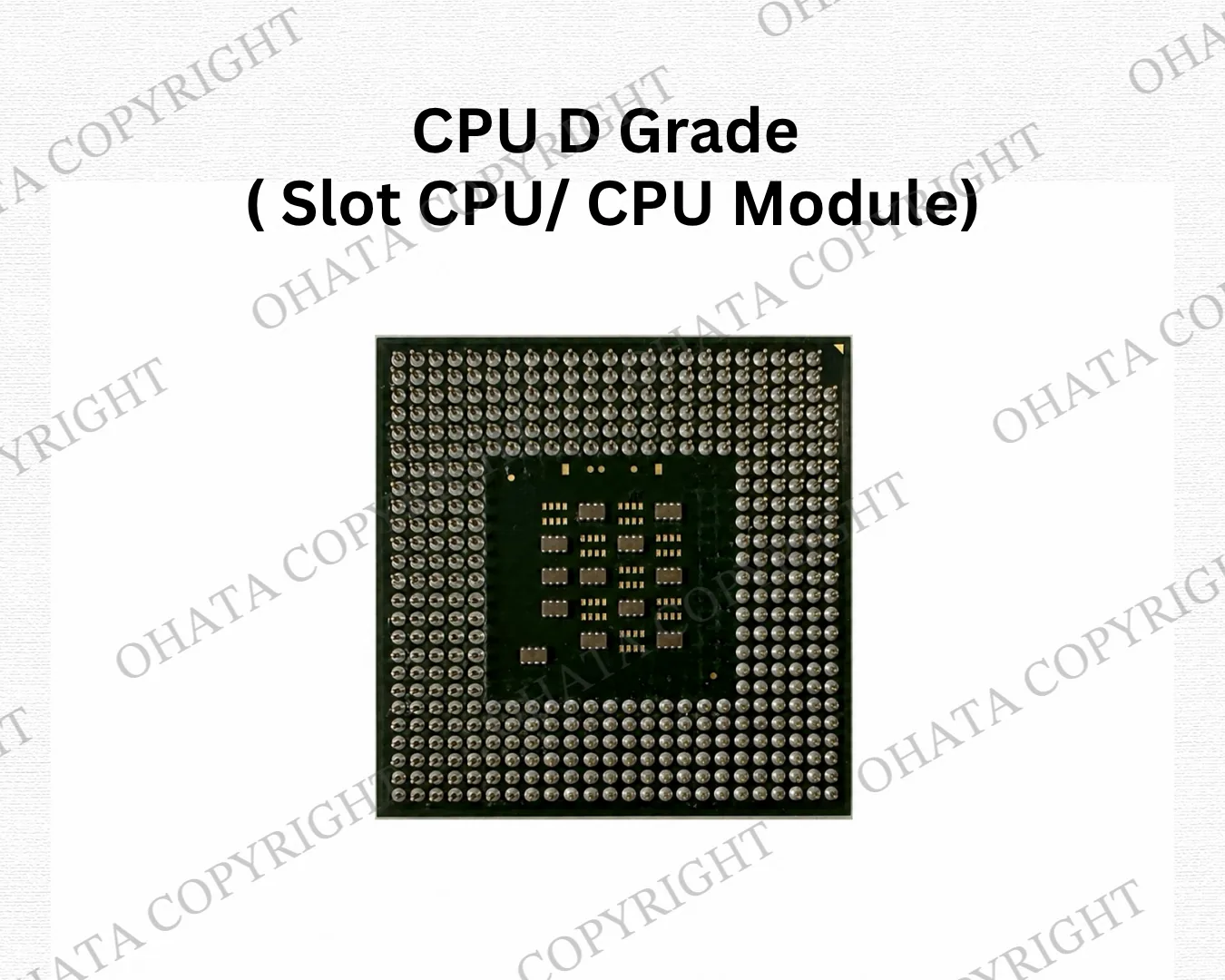
CPU D Grade (Slot CPU/ CPU Module) Buying scrap price

Back to CPU price list
Cpu D Grade ( Slot Cpu: Cpu Module)
Updated: Aug 04,2026

9.50 CAD / lb

The Price is buying by Yard of Richmond, BC, Canada.

Key Buying Introduction

1. We purchase CPU-D Grade processors from a minimum quantity of 1 lb, including modern processors removed from desktop computers, workstations, and enterprise servers.

2. CPU-D primarily includes modern LGA (land grid array) processors and fiber-based processors with an integrated metal heat spreader. Common examples include many Intel Core, Intel Xeon, AMD Ryzen, and AMD Athlon processors.

3. Final classification is based on the processor's physical construction, completeness, condition, and recoverable material profile rather than its clock speed, processor generation, manufacturer, or original retail value.

4. Complete, clean, and properly sorted CPU-D processors allow for faster inspection and more accurate classification. Please remove heatsinks and motherboard sections whenever practical. Excessive corrosion, heavy thermal paste, or contamination may reduce the purchasing value.

5. CPU-D processors should be separated from ceramic CPUs, damaged processors, plastic IC chips, and other CPU grades whenever possible. Mixed processor loads may require additional sorting and may receive a lower purchasing value.

6. Electronic scrap buying prices and purchasing conditions may change without prior notice. Final classification and purchasing prices are confirmed after physical inspection under the current Ohata CPU Classification System.
Buying Details of Conditions

Learn more about CPU Scrap Classification


CPU-D Grade: Modern Metal-Top LGA and PGA Processors

What Qualifies as CPU-D?

CPU-D is a modern processor category within the Ohata CPU Classification System.
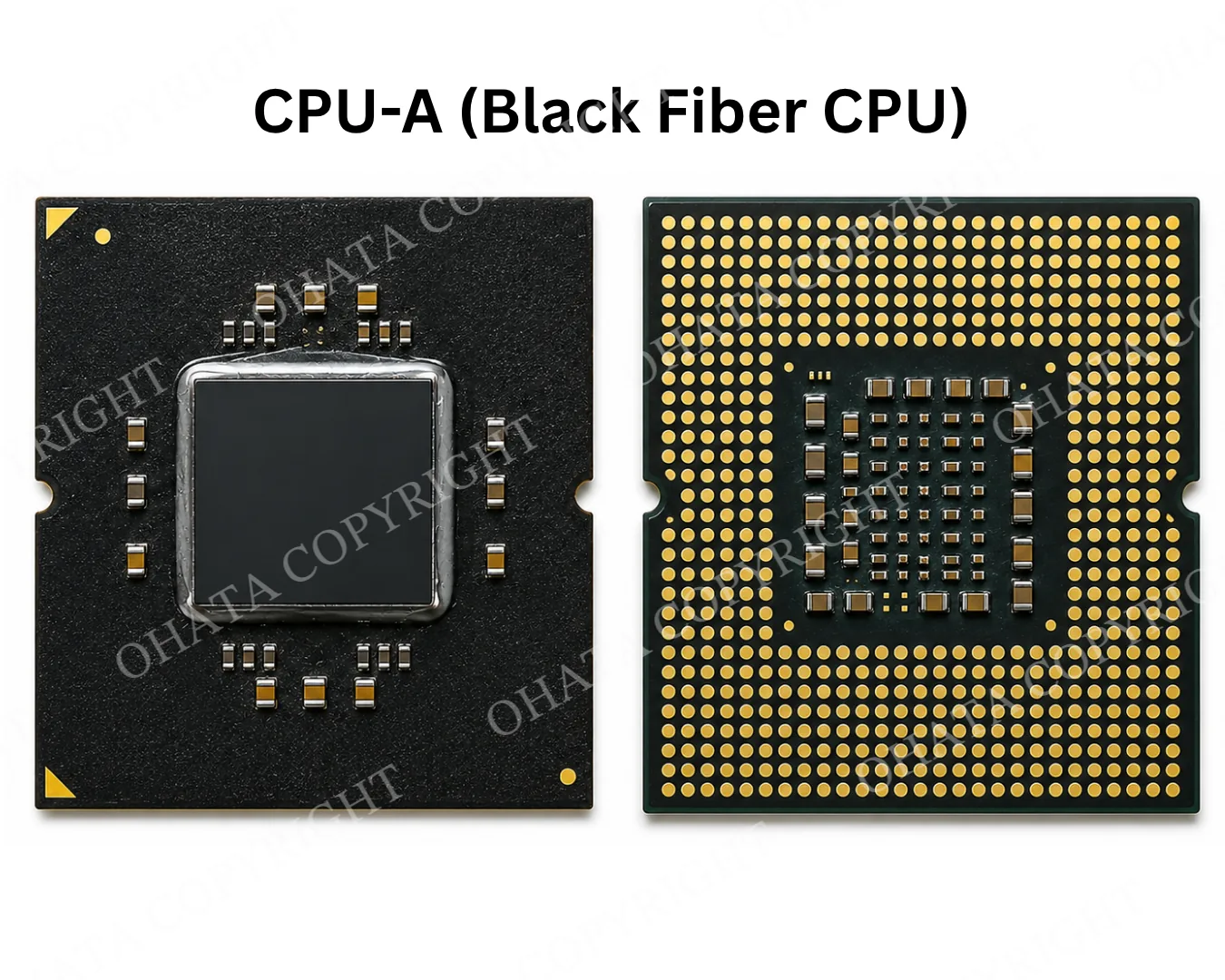
This grade primarily includes desktop, workstation, and server processors constructed with:

  • an integrated metal heat spreader,

  • a fiber-based processor substrate,

  • flat LGA contact pads or PGA pins,

  • a complete processor package,

  • and physical characteristics that meet the CPU-D buying standard.

Unlike older ceramic processors, most CPU-D processors use lightweight organic or fiber-based substrates and a metal top plate designed to improve heat transfer.

Processor performance does not determine the grade. A high-performance processor and an entry-level processor may both qualify as CPU-D when their package construction is similar.

Three Easy Ways to Identify CPU-D

1. Integrated Metal Heat Spreader

Most CPU-D processors have a square or rectangular silver-colored metal plate attached to the top of the processor.

This plate is called an integrated heat spreader. It helps transfer heat from the internal processor die to the cooling system.

A metal heat spreader is one of the most important visual characteristics of CPU-D, but the complete processor package must still be inspected.

2. Fiber-Based Processor Substrate

Below the metal heat spreader, CPU-D processors normally have a green, blue, brown, or similar organic fiber substrate.

This substrate contains the internal electrical connections between the processor die and the socket contacts.

CPU-D processors do not normally use the heavy ceramic package construction found in older premium CPU grades.

3. LGA Contact Pads or PGA Pins

CPU-D may include processors with either of the following contact styles:

LGA processors

LGA processors have flat gold-colored contact pads on the bottom. The spring contacts are located inside the motherboard socket.

PGA processors

PGA processors have a grid of pins attached to the underside of the processor. Many AMD desktop processors use this type of construction.

Contact type alone does not determine the grade. The complete package construction must meet the CPU-D standard.


Common CPU-D Processor Examples

CPU-D is not defined by one manufacturer or one processor series. Instead, it includes processors whose physical construction satisfies the Ohata CPU-D classification requirements.

Examples may include:

  • Intel Core i3

  • Intel Core i5

  • Intel Core i7

  • Intel Core i9

  • Intel Xeon (desktop and server LGA models)

  • Modern Intel Pentium

  • Modern Intel Celeron

  • Green fiber processors with integrated metal heat spreaders

  • Other processors that satisfy the Ohata CPU-D classification requirements

These names are provided as general examples only.

Not every processor in a particular product family automatically receives the same grade. Final classification depends on physical construction, completeness, condition, and inspection.


What Does Not Qualify as CPU-D?

The following processor types are generally classified under other Ohata CPU grades.

Processor type

Typical Ohata grade

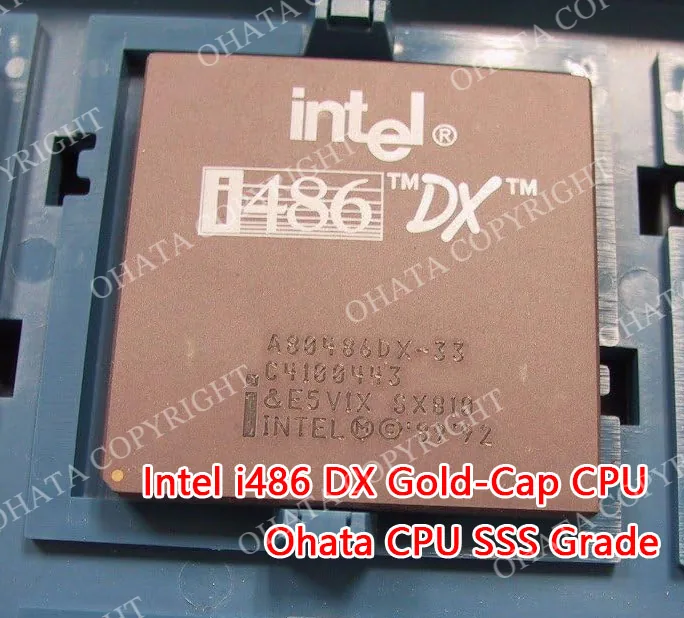
Ceramic CPU with gold cap and gold-plated pins

CPU-SSS

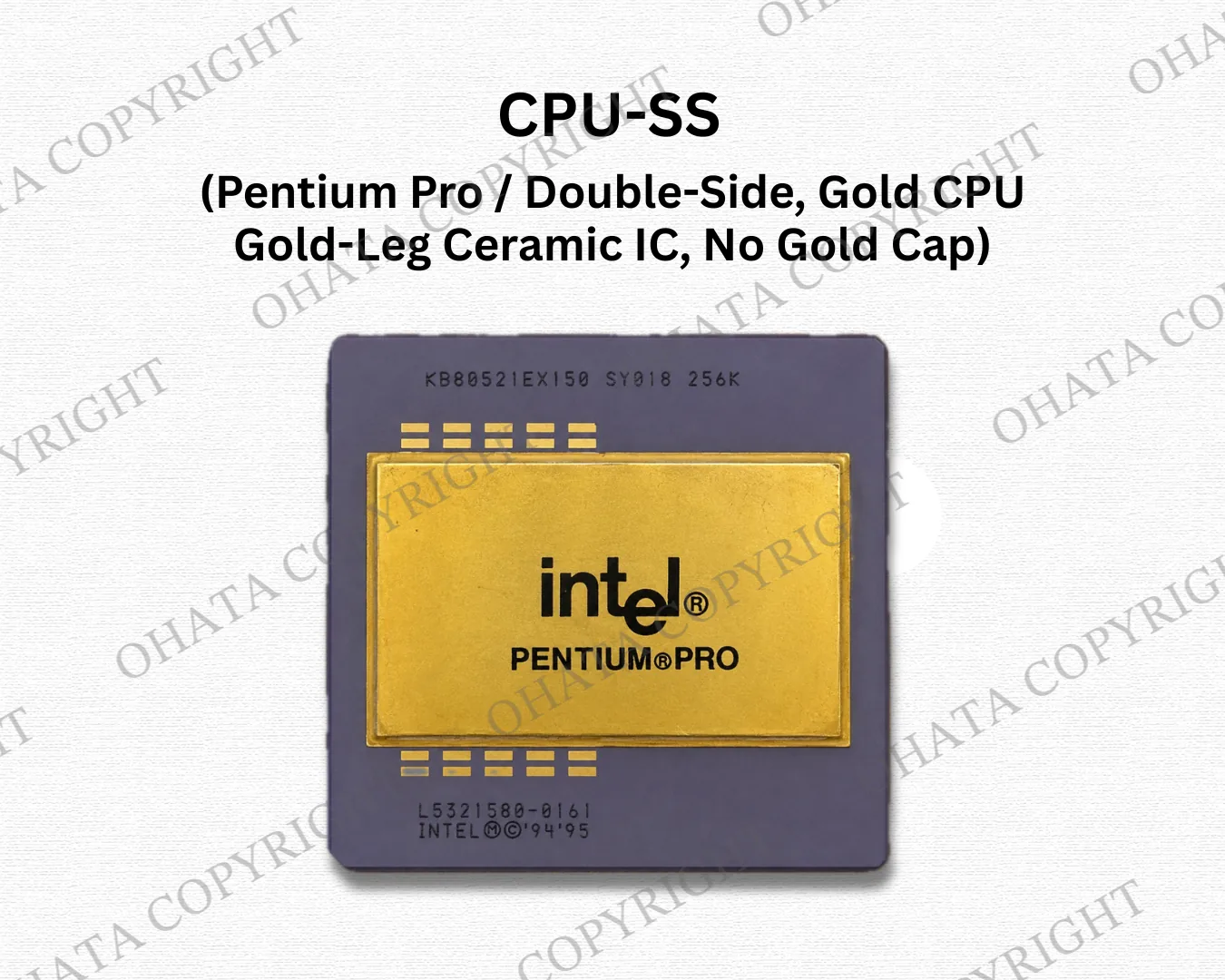
Ceramic CPU with gold-plated pins but no gold cap

CPU-SS

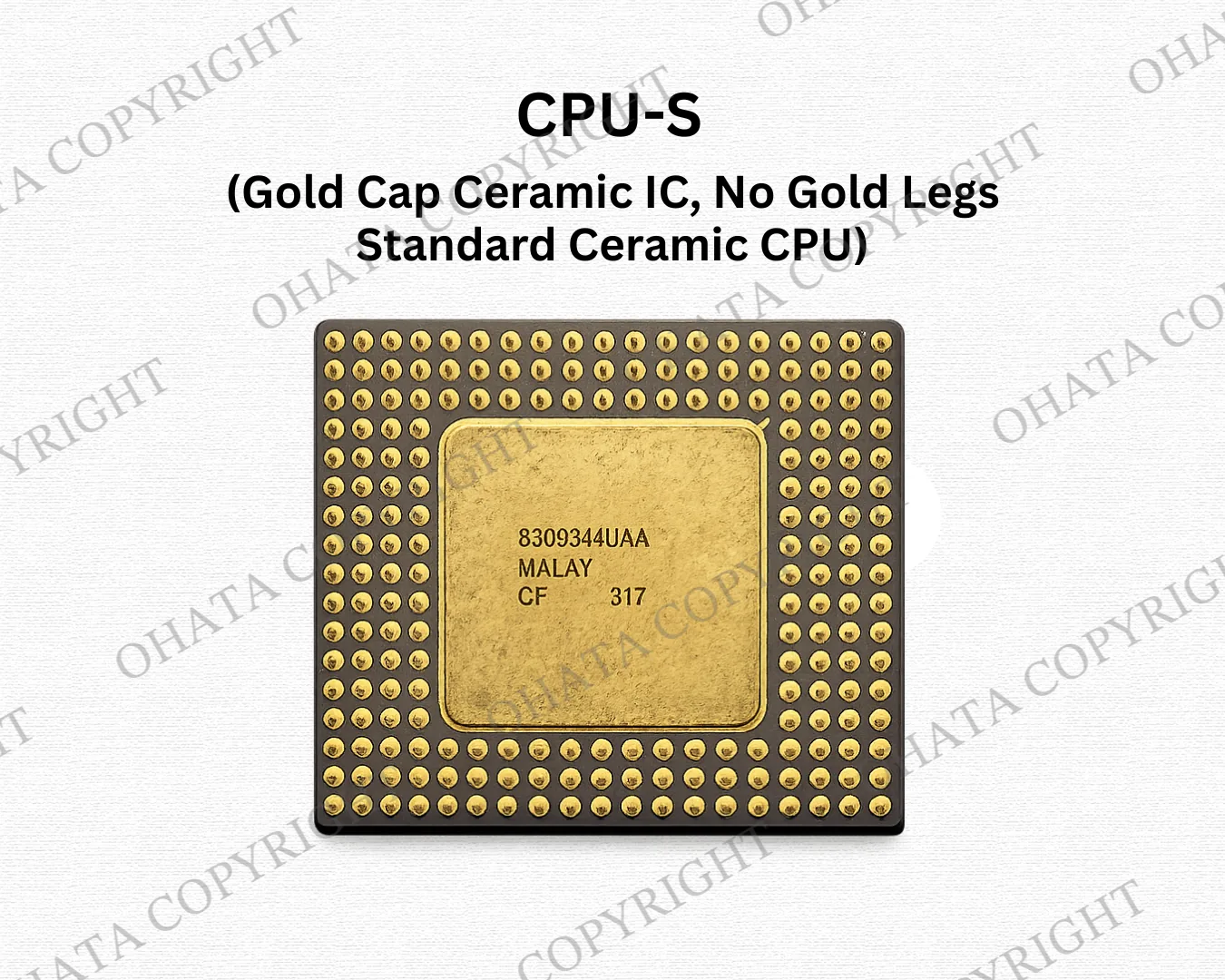
Gold-cap ceramic CPU without gold-plated legs

CPU-S

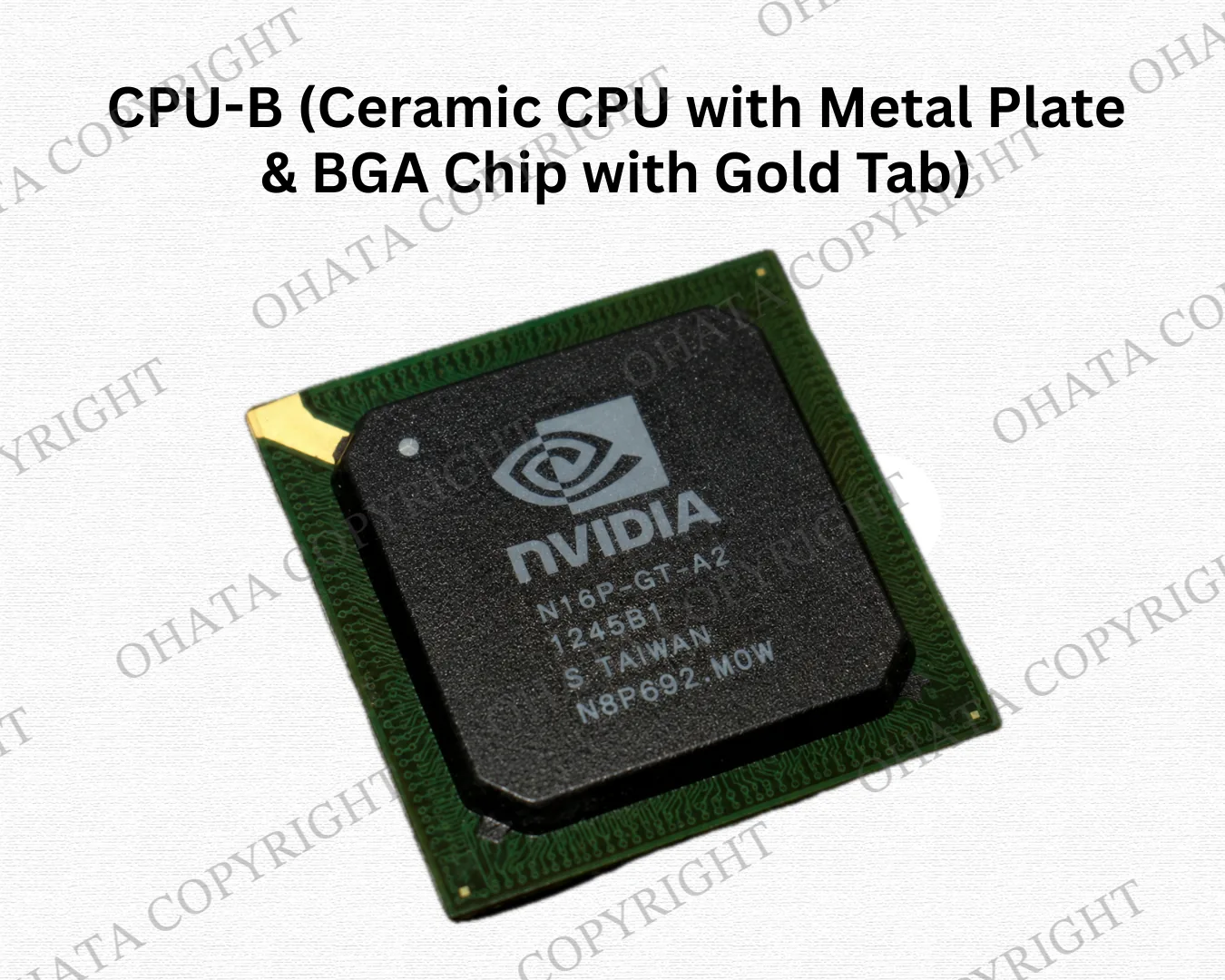
Ceramic CPU with metal plate

CPU-B

Large qualifying BGA chip with visible gold tabs

CPU-B

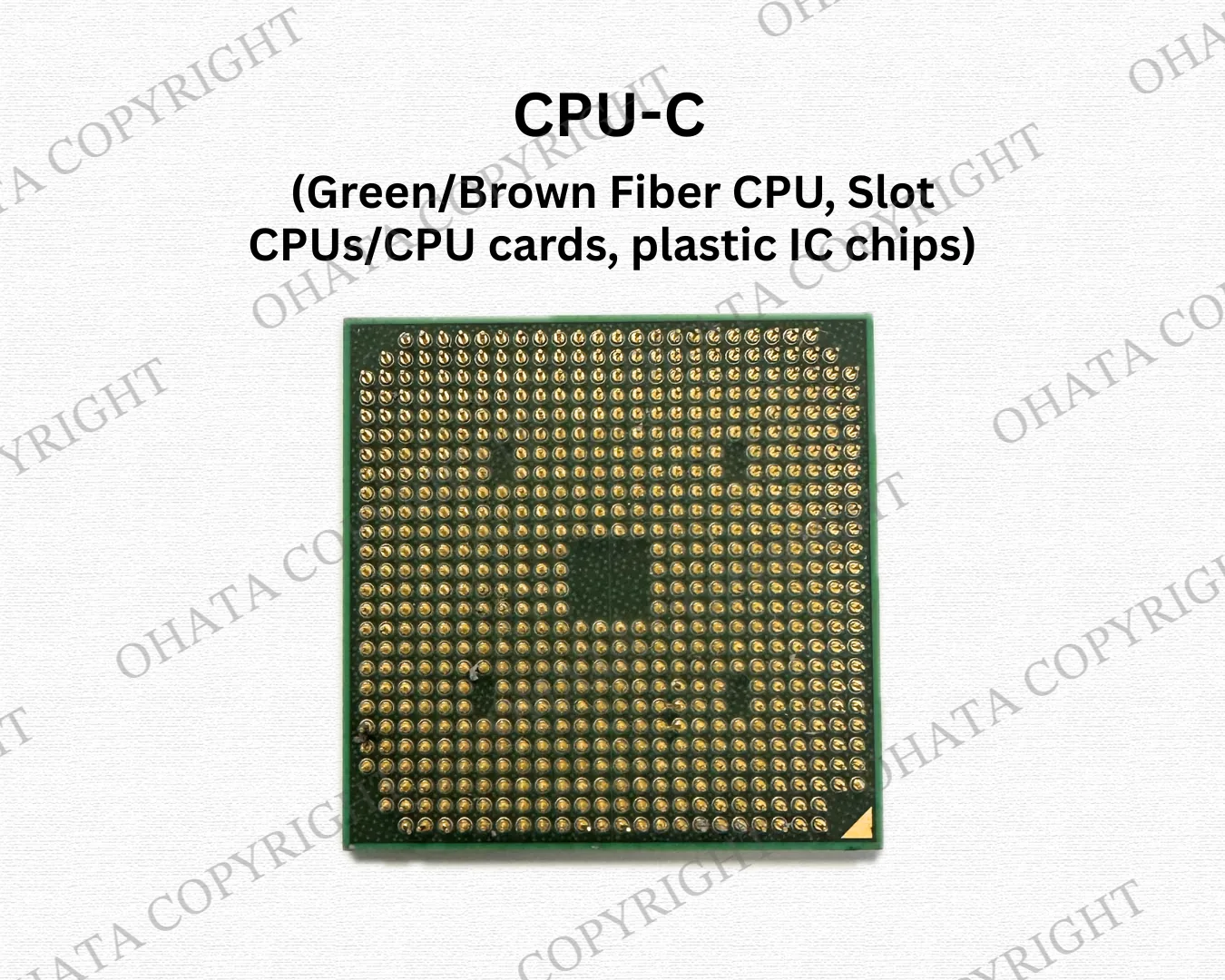
Selected green or brown fiber CPUs without CPU-D construction

CPU-C

Plastic processor or integrated circuit chip

CPU-E

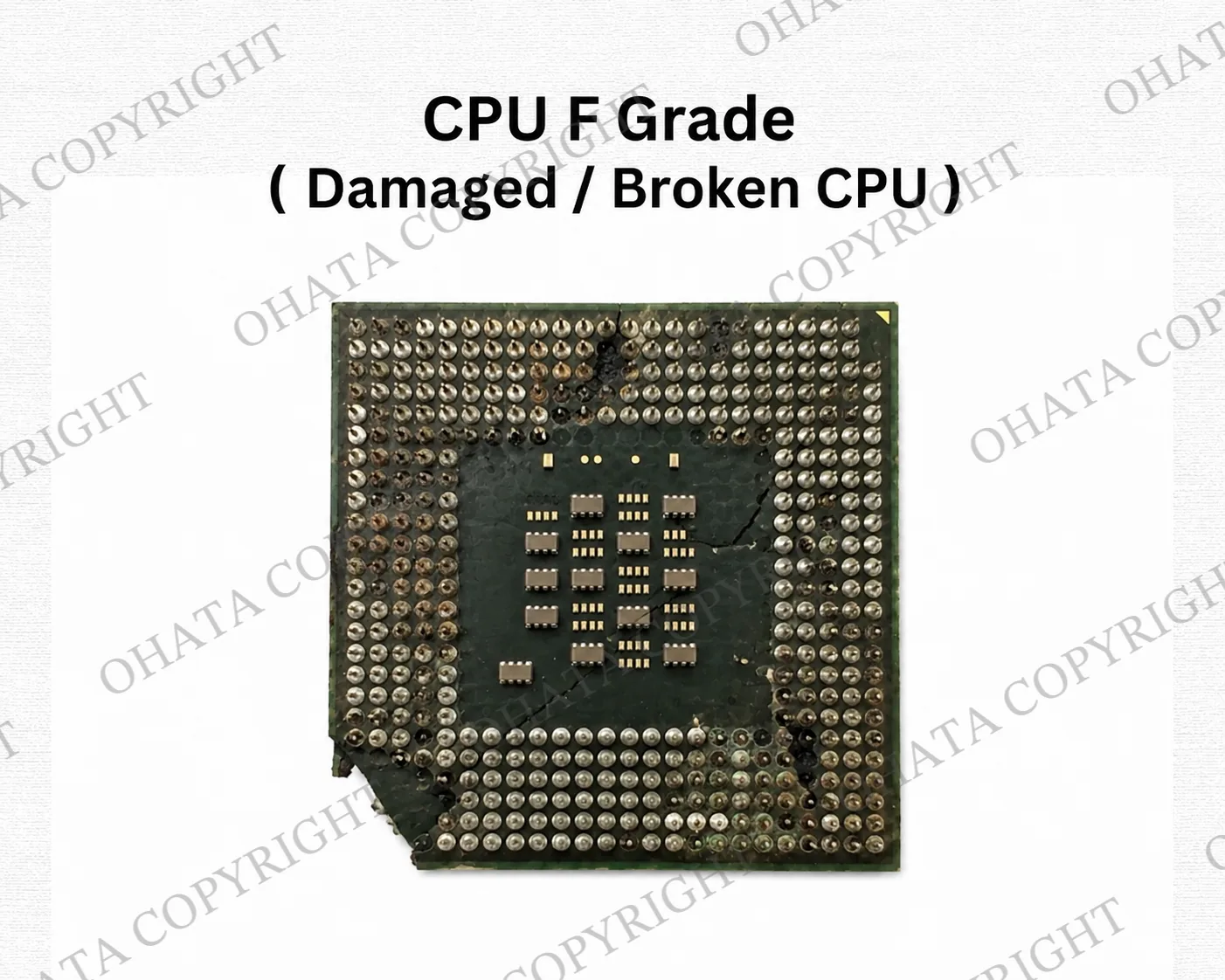
Broken, burned, dirty, mixed, or unidentified CPU

CPU-F

Final classification is always based on the complete physical processor.


CPU-D Compared With Nearby CPU Grades

CPU-D vs CPU-C

CPU-D primarily includes modern processors with integrated metal heat spreaders and LGA or PGA contact systems.

CPU-C generally includes selected green or brown fiber processors, older package styles, and other processors that meet the separate CPU-C construction standard.

The presence of a green substrate alone does not determine the grade.

CPU-D vs CPU-E

CPU-D processors are generally larger desktop, workstation, or server processor packages with metal heat spreaders and socket-based contact systems.

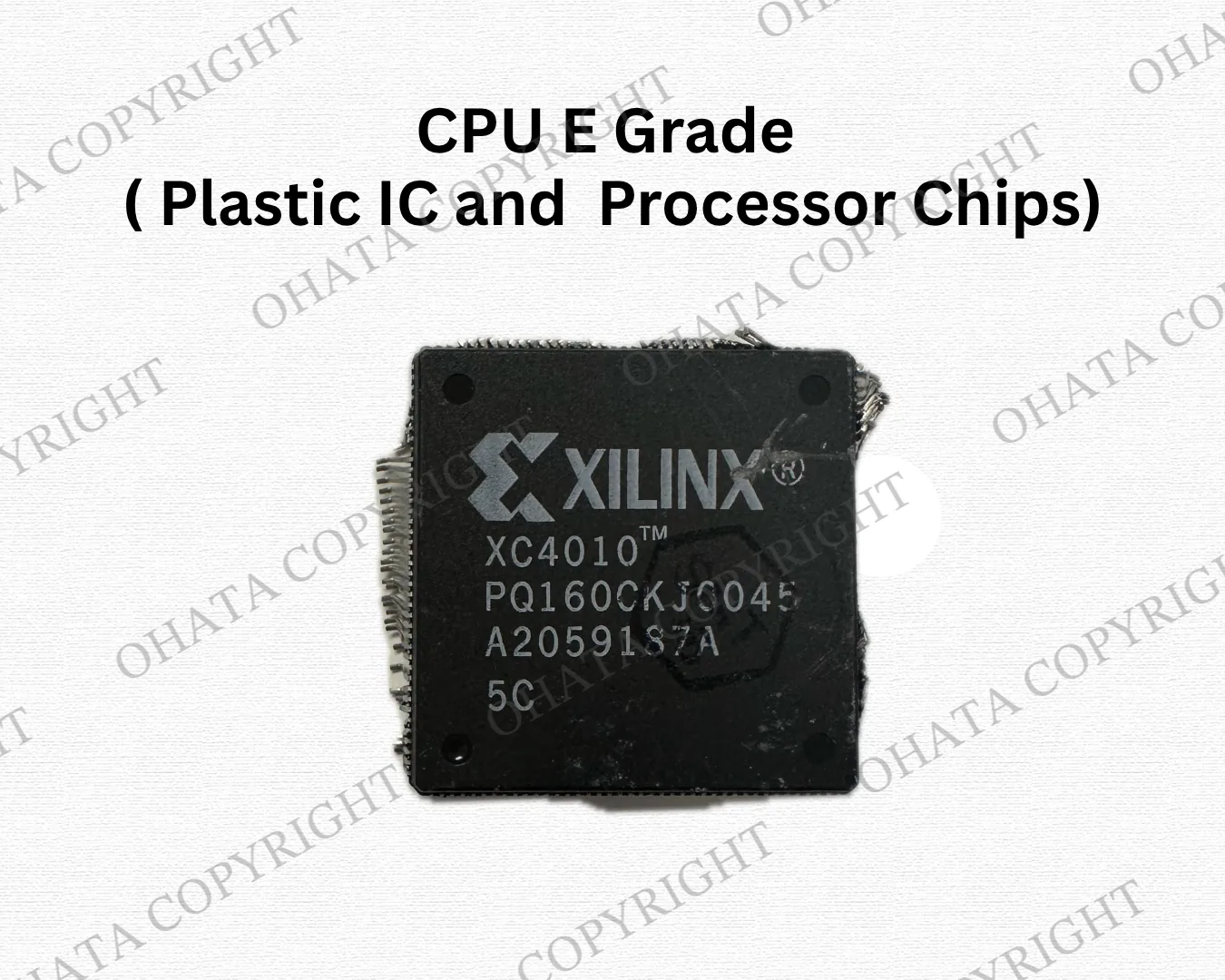
CPU-E primarily includes plastic processor chips, embedded processors, controllers, FPGAs, and other plastic semiconductor packages with lower recoverable material value.

CPU-D vs CPU-F

CPU-D processors should remain complete, identifiable, and reasonably clean.

A processor that would normally qualify as CPU-D may instead be classified as CPU-F if it is:

  • severely broken,

  • burned,

  • heavily corroded,

  • missing major package sections,

  • heavily contaminated,

  • or mixed with unidentified processor scrap.


Why CPU-D Processors Have Recycling Value

The recycling value of CPU-D processors results from the combination of recoverable materials incorporated into every processor package.

Common recoverable materials include:

  • Copper

  • Gold

  • Silver

  • Nickel

  • Palladium

  • Aluminum

  • Silicon

  • Precious-metal bonding wires

The Ohata CPU Classification System evaluates the processor as a complete engineered assembly rather than focusing on one individual material. Overall package construction, semiconductor density, manufacturing quality, and recoverable material profile together determine the processor's recycling significance.

Although individual CPU-D processors generally contain less visible precious metal than many older ceramic processors, their extremely high production volume makes them one of the most important processor categories handled by electronic recyclers.


Buying Conditions

Preferred Condition

CPU-D processors are generally preferred when they are:

  • complete and unmodified,

  • clean and dry,

  • free from excessive corrosion,

  • free from heavy thermal compound,

  • free from glue, epoxy, oil, or paint,

  • separated from other CPU grades,

  • removed from heatsinks,

  • removed from motherboard sections,

  • and packaged safely for inspection.

Conditions That May Reduce the Buying Price

Purchasing values may be reduced when processors are:

  • mixed with other CPU grades,

  • broken or cracked,

  • burned or heat damaged,

  • heavily corroded,

  • missing pins or contact sections,

  • covered with excessive thermal paste,

  • attached to heatsinks,

  • attached to motherboard pieces,

  • contaminated with glue, epoxy, oil, or dirt,

  • or mixed with unrelated electronic scrap.

Each shipment is physically inspected before the final grade and purchasing price are confirmed.


Preparing CPU-D Processors Before Delivery

For faster inspection, customers are encouraged to:

  1. Remove heatsinks and cooling assemblies.

  2. Separate CPU-D from ceramic CPUs and plastic IC chips.

  3. Keep processors clean and dry.

  4. Avoid scraping or removing the metal heat spreader.

  5. Do not break the processor package.

  6. Package processors carefully to avoid bent pins or damaged substrates.

  7. Keep damaged processors separate from complete CPU-D material.

Proper preparation helps protect higher-grade material from being downgraded because of mixing, contamination, or physical damage.


Ohata Inspection Process

Every CPU-D shipment is inspected before the final purchasing grade is assigned.

Our inspectors evaluate:

  • package construction,

  • metal heat-spreader configuration,

  • substrate type,

  • LGA pads or PGA pins,

  • processor completeness,

  • physical condition,

  • cleanliness,

  • contamination,

  • sorting quality,

  • submitted quantity,

  • and recoverable material profile.

Processor manufacturer, clock speed, core count, generation, original computer performance, and original retail price are not the primary classification factors.


Official Ohata CPU-D Classification Statement

A processor may be officially classified as CPU-D Grade when its package construction, physical characteristics, recoverable material profile, completeness, and overall condition satisfy the requirements of the Ohata CPU Classification System.
Classification is based on the physical processor being inspected rather than its manufacturer, model number, original selling price, processor specifications, or advertised performance. Different processor models may qualify for the same CPU-D Grade when they satisfy the same inspection standards, while identical models may receive different purchasing values if they are damaged, incomplete, contaminated, or improperly sorted.

Final classification and purchasing prices are confirmed only after physical inspection according to current market conditions and the Ohata CPU Classification System.
Learn more about Ohata's CPU recycling classifications

FAQ
1. What is today’s price for CPU D Grade (Slot CPU/ CPU Module) Buying?
As of Aug 04,2026, Ohata Resource Canada Inc., (Richmond, BC, Canada) is purchasing CPU D Grade (Slot CPU/ CPU Module) Buying at 9.50 (CAD/lb). We provide competitive scrap prices in Delta, Surrey, Richmond, and across the Greater Vancouver area.
2. What is a CPU-D Grade CPU?
CPU-D Grade refers to modern low-value CPUs within the Ohata CPU Classification System. These typically include modern LGA processors with flat gold contact pads or green fiber CPUs with integrated metal heat spreaders that contain relatively low recoverable precious metal content compared with older ceramic CPUs.
3. Which CPUs are classified as CPU-D?
Common CPU-D processors include Intel Core i3, Core i5, Core i7, Core i9, Intel Xeon, Pentium, Celeron, and other processors with flat gold contact pads or green fiber packages with metal heat spreaders.
4. Do you purchase AMD Ryzen processors?
Yes. Many AMD Ryzen processors with integrated metal heat spreaders may qualify as CPU-D after inspection.
5. Do CPU-D processors contain gold?
Yes. CPU-D processors contain recoverable gold in their contact pads, internal bond wires, and other electronic components, although they generally contain less visible gold than older ceramic or PGA processors.
6. What condition should CPU-D processors be in?
Higher purchasing values are generally offered for processors that are complete, clean, dry, unmodified, and free from excessive corrosion, glue, thermal paste, or heavy contamination.
7. Can damaged CPU-D processors still be sold?
Yes. Damaged processors may still be accepted, but broken packages, severe corrosion, burns, or contamination may reduce the purchasing price.
8. How are electronic scrap prices determined?
Reference pricing is based on material category, Ohata classification, condition, completeness, quantity, recoverable material value, and current market conditions. Final prices are confirmed after physical inspection.
9. Where can I sell CPU-D Grade CPUs in Richmond, BC?
Ohata Resource Canada Inc. purchases CPU-D Grade processors in Richmond, British Columbia, serving customers throughout Metro Vancouver, including Vancouver, Burnaby, Surrey, Delta, Coquitlam, New Westminster, Langley, and surrounding communities.
10. What is Ohata Resource Canada Inc.?
Ohata Resource Canada Inc. is a Canadian Green-Tech e-commerce company specializing in the online purchase, classification, and responsible recycling of electronic scrap.
11. Is an online or photo-based classification final?
No. Online and image-based results are preliminary references. Final classification, purchasing eligibility, weight, and price are confirmed only after physical inspection.
12. Are there transaction fees deducted from my payment?
Ohata.ai does not normally deduct transaction or processing fees from approved Interac e-Transfer or direct-deposit payments. Any special charges should be disclosed before the transaction is completed.

Related Items

Browse all CPU items
AI Scrap Grading Ohata.AI Vision 1.0 Beta 1.0 Upload board photos for grade and reference price