
-
We buy genuine Toshiba 2.5-inch IDE/PATA HDD Controller Boards from a minimum of 1 lb.
-
This category covers qualifying boards removed from 2.5-inch Toshiba notebook hard drives manufactured primarily from the mid-1990s through the early 2000s, including approximately 1995-era models.
-
Qualifying boards should retain their controller IC, motor-driver IC, firmware component where present, 44-pin IDE/PATA connector, and other major factory-installed components.
-
Buying value is based on board construction, component retention, completeness, condition, contamination, quantity, and processing requirements. Boards do not need to function.
-
Keep these boards separate from SATA HDD boards, complete hard drives, loose components, batteries, cables, plastic, and unrelated circuit boards whenever practical. Final classification, acceptance, and purchasing value are confirmed after physical inspection.
Toshiba HDD Non-SATA Board 2.5 inch 1995 Buying scrap price
-
We buy genuine Toshiba 2.5-inch IDE/PATA HDD Controller Boards from a minimum of 1 lb.
-
This category covers qualifying boards removed from 2.5-inch Toshiba notebook hard drives manufactured primarily from the mid-1990s through the early 2000s, including approximately 1995-era models.
-
Qualifying boards should retain their controller IC, motor-driver IC, firmware component where present, 44-pin IDE/PATA connector, and other major factory-installed components.
-
Buying value is based on board construction, component retention, completeness, condition, contamination, quantity, and processing requirements. Boards do not need to function.
-
Keep these boards separate from SATA HDD boards, complete hard drives, loose components, batteries, cables, plastic, and unrelated circuit boards whenever practical. Final classification, acceptance, and purchasing value are confirmed after physical inspection.
Buying Details of Conditions
Learn more about identifying and sorting Toshiba 2.5-inch IDE (PATA) HDD controller boards in our Wiki: HDD Non-SATA Board Wiki | Ohata Legacy HDD Controller Board Identification, Recycling, and Ohata HDD Classification
Learn more about:
Toshiba 2.5-inch IDE (PATA) HDD Board Purchase Guidelines
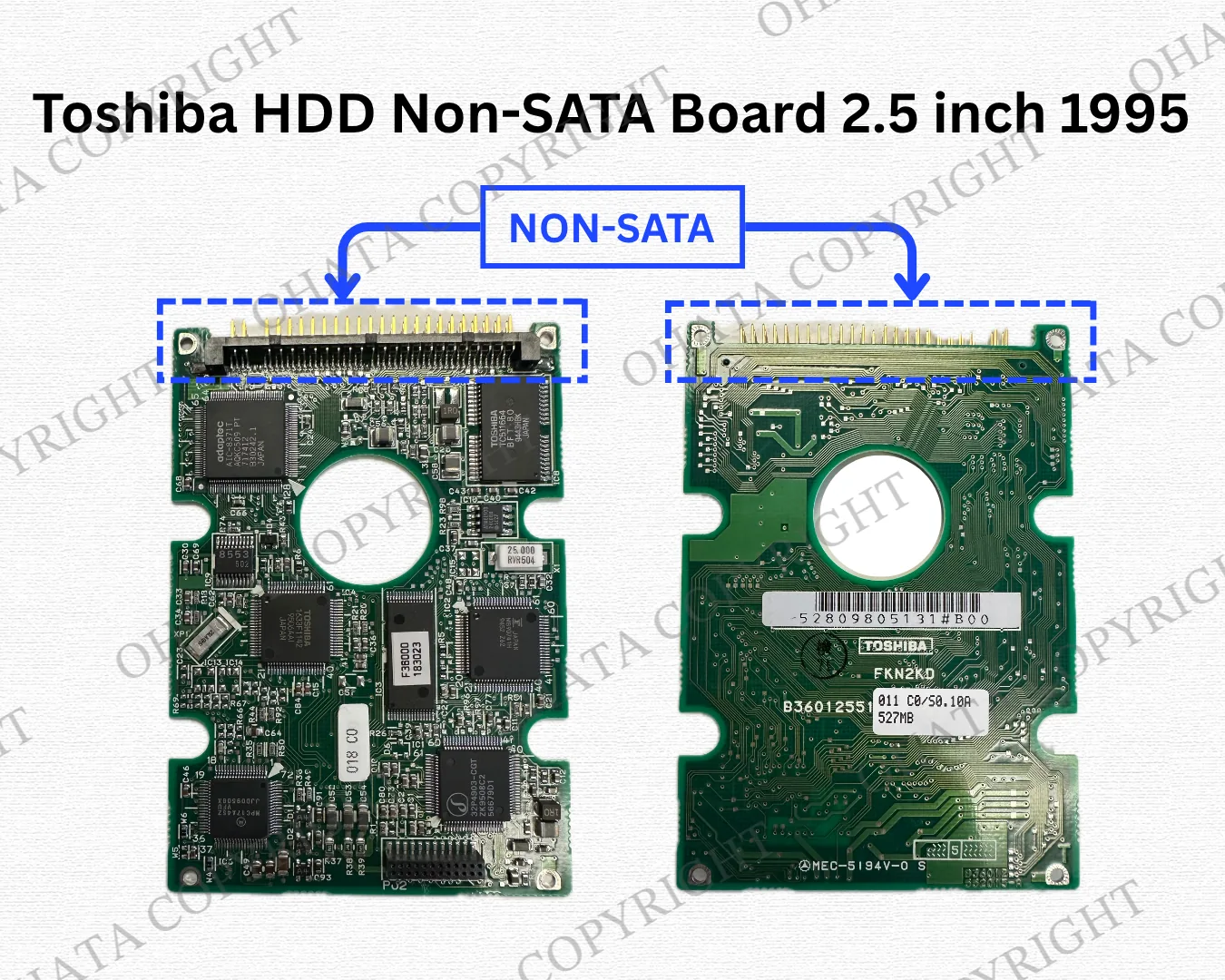
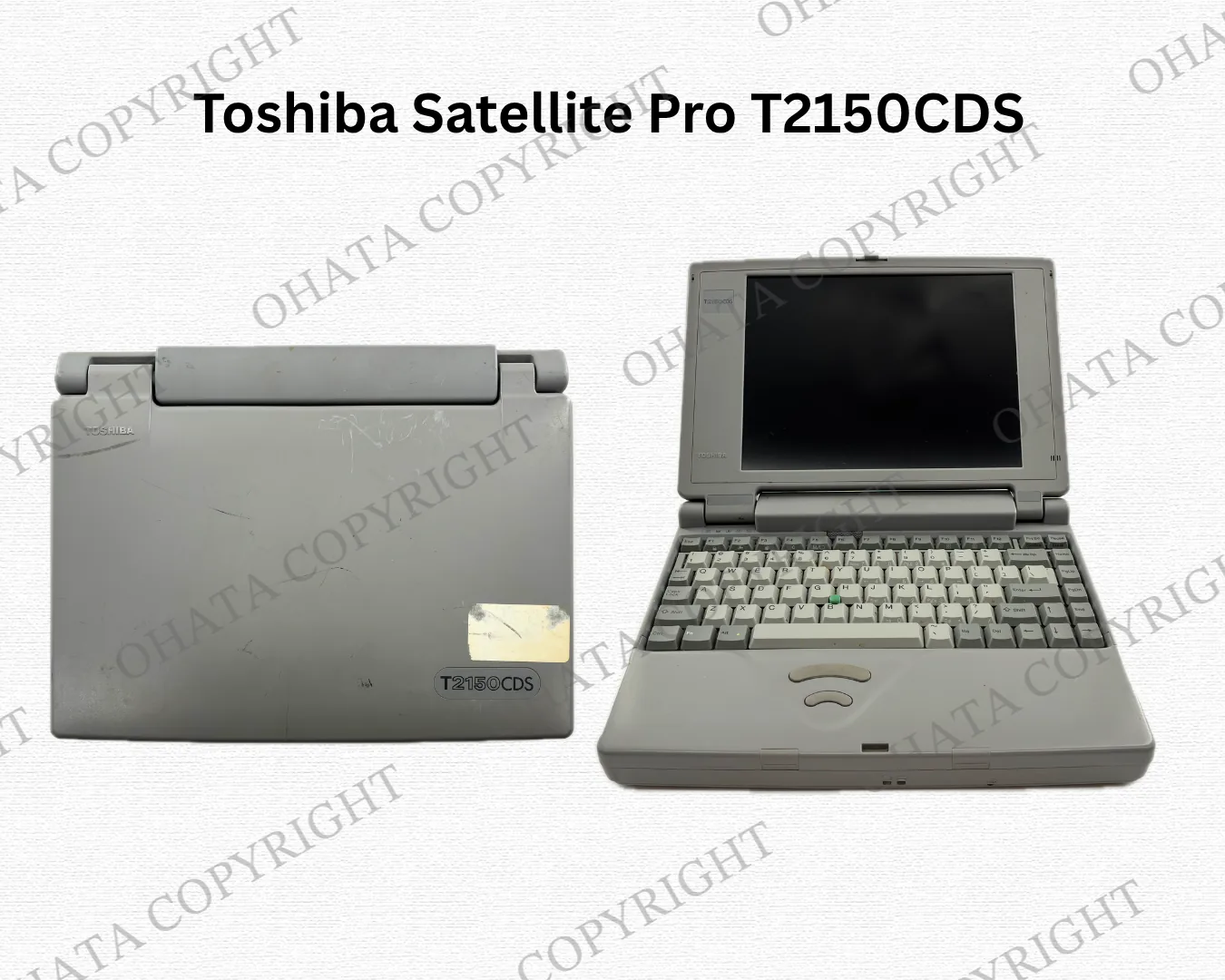
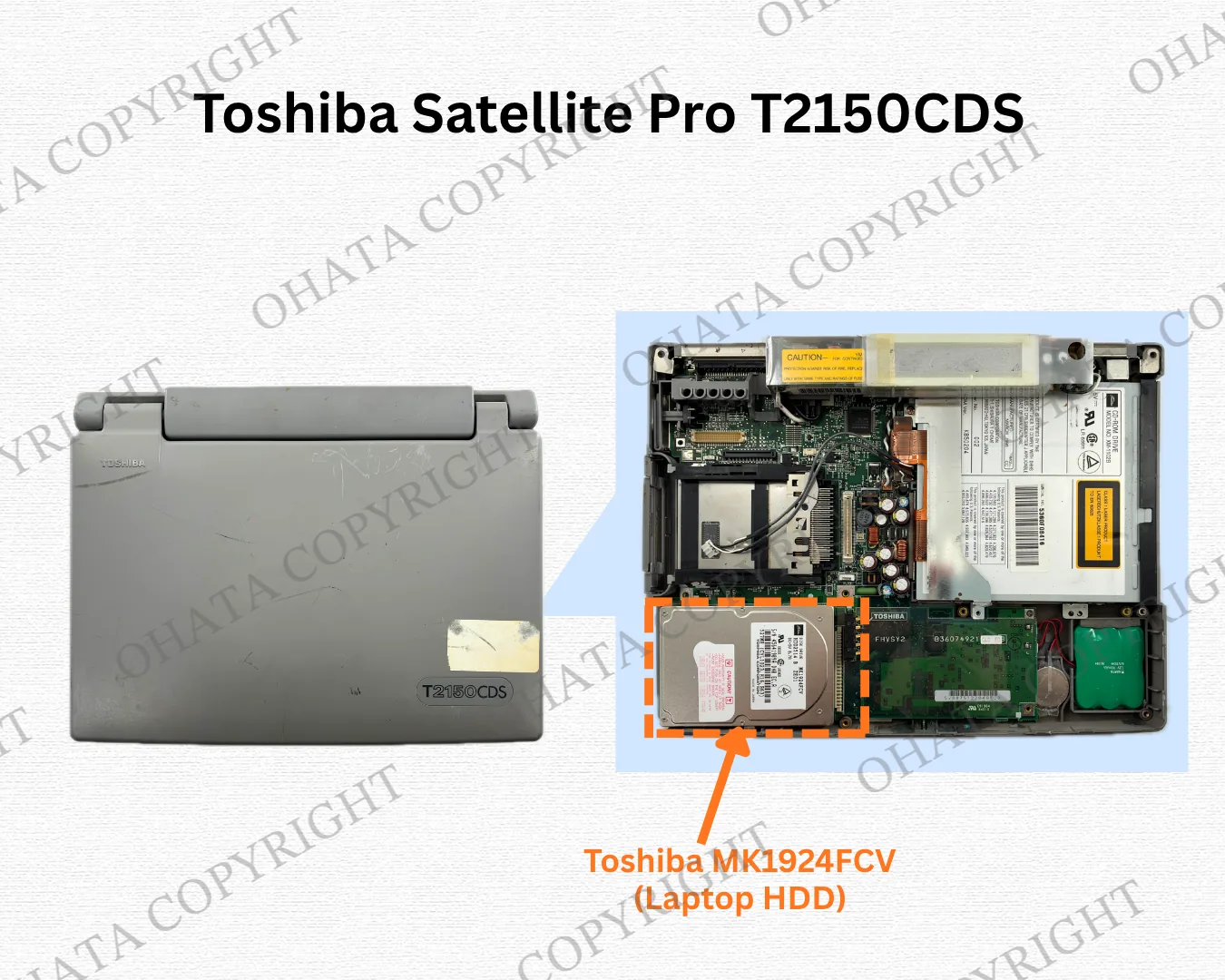
The Toshiba HDD Non-SATA Board 2.5-inch 1995 category includes recognizable controller circuit boards removed from qualifying Toshiba 2.5-inch notebook hard drives manufactured around 1995. These boards predate SATA and normally use an IDE or PATA interface.
The controller board manages communication between the hard drive and the computer. It also controls the spindle motor, read/write heads, power distribution, timing, and other drive functions.
A typical qualifying board may contain:
A multilayer printed circuit board
A main controller IC
A motor-control or motor-driver IC
Firmware memory when included in the original design
A crystal oscillator
Power-management components
A 44-pin IDE/PATA connector
Copper tracks, solder, and passive components
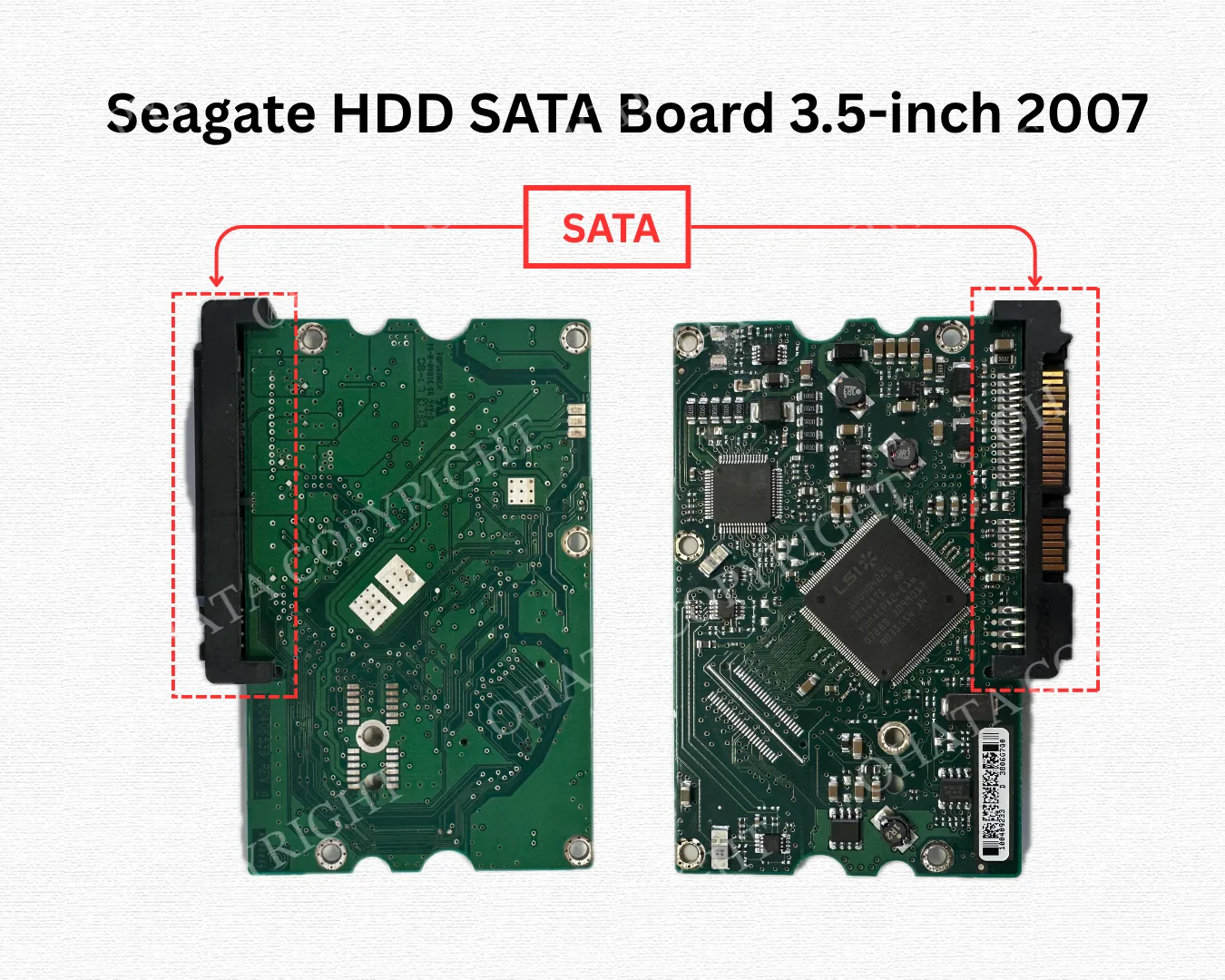
Unlike SATA boards, which have separate data and power connections, a 2.5-inch IDE/PATA board normally uses one 44-pin connector that carries both data and power.
These boards may contain recoverable copper, gold, silver, palladium, tin, nickel, and other metals in varying quantities. Their buying value is based on the complete board’s construction, component population, condition, and processing requirements rather than the hard drive’s storage capacity, operating condition, or original selling price.
Customers looking to recycle Toshiba 2.5-inch IDE (PATA) HDD controller boards can also browse our related buying categories.
Ohata Toshiba HDD Non-SATA Board 2.5-inch 1995 Classification and Identification Guide
Classification is based on the board’s manufacturer, form factor, interface, approximate production period, component layout, completeness, and physical condition.
A qualifying board should be recognizable as a Toshiba controller board from a 2.5-inch IDE/PATA hard drive manufactured around 1995. Important identification features may include the 44-pin connector, Toshiba markings, period-appropriate controller architecture, motor-control circuitry, and the compact dimensions associated with notebook hard drives.
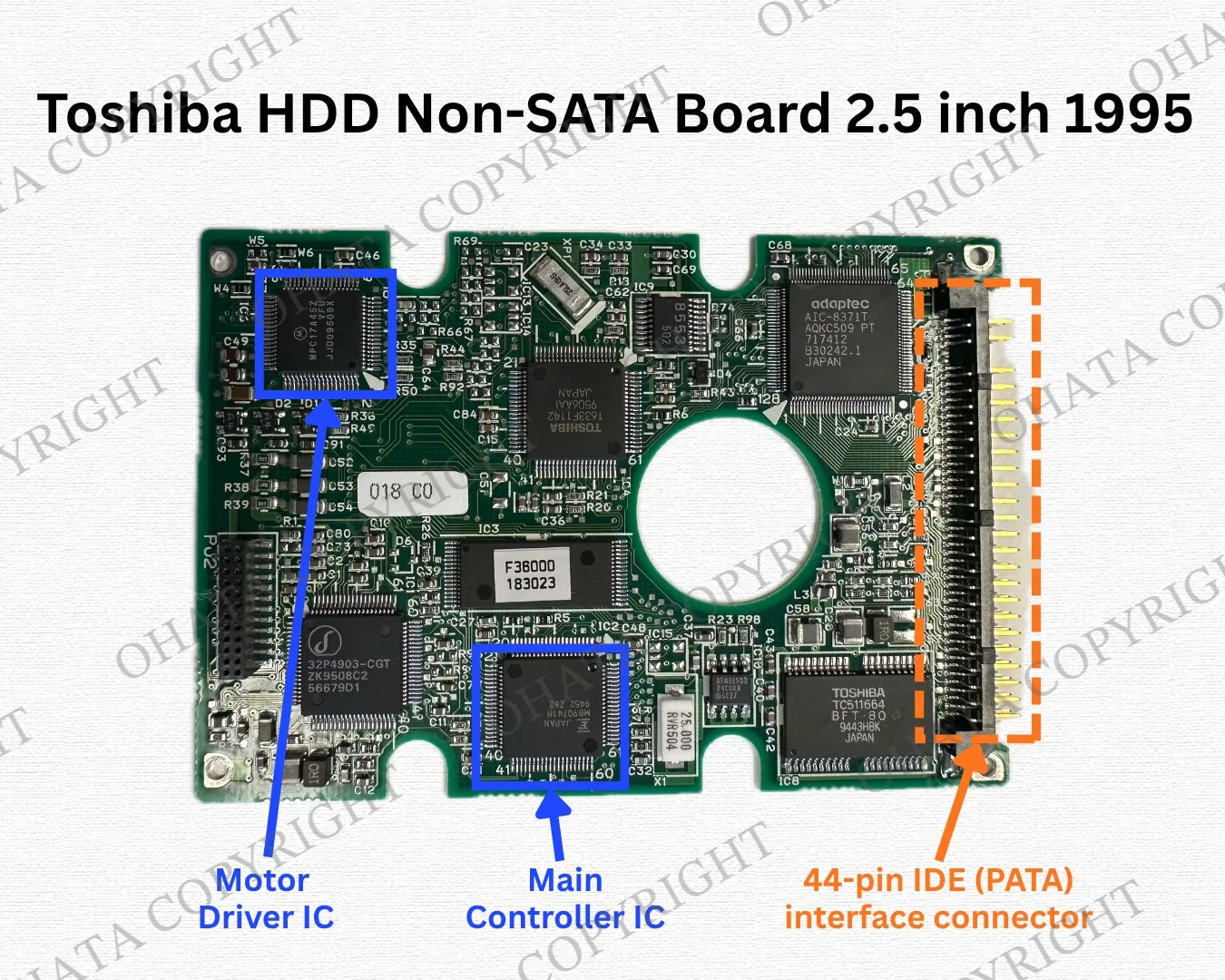
The board should retain its main controller, motor-control components, connector, firmware circuitry, and other major parts included in the original design. Some models use a separate ROM or firmware-memory chip, while others may integrate firmware functions into another component. The absence of a separate firmware chip does not automatically disqualify a board.
Printed model numbers, revision codes, production dates, and Toshiba markings may assist with identification, but no single marking determines the category by itself. Final classification considers the complete board.
Toshiba SATA boards, 3.5-inch desktop hard-drive boards, controller boards from other manufacturers, SSD boards, and substantially different Toshiba generations should be evaluated under their applicable categories. A Toshiba name or an older appearance alone does not confirm this classification.
Recoverable Materials, Buying Conditions, and Handling
Toshiba 2.5-inch IDE/PATA controller boards from this period may contain recoverable copper, tin, gold, silver, palladium, nickel, and selected connector metals. Actual material content varies according to the board design and installed components.
The boards do not need to function. Operational testing is generally unnecessary because classification is based on physical construction and recoverable material rather than electronic performance.
For accurate evaluation, boards should remain complete and identifiable. Light dust, labels, ordinary scratches, and normal handling wear may be acceptable. Removed ICs, missing connectors, drilled or cut sections, extensive repair work, corrosion, burn damage, and substantial contamination may affect classification and buying value.
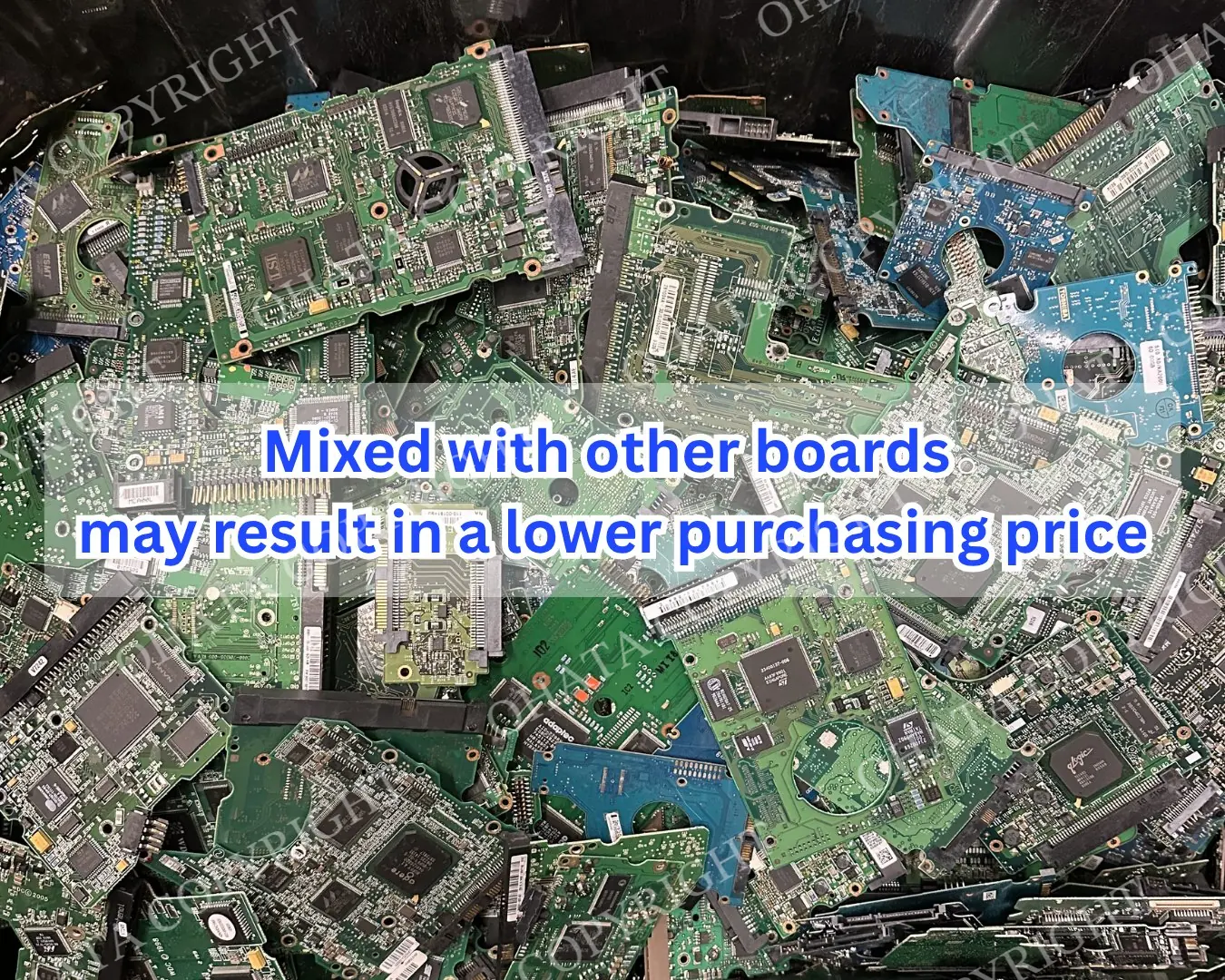
Keep the boards dry and reasonably clean. Separate them from complete hard drives, loose metal, wires, batteries, plastic, and unrelated circuit boards whenever practical. Mixed electronic-scrap categories are accepted, but they may require separate inspection, sorting, weighing, and pricing.
Severely burned, extensively corroded, chemically contaminated, hazardous, or unidentifiable material may be rejected after inspection.
Related Page
Comparison and Official Ohata Classification
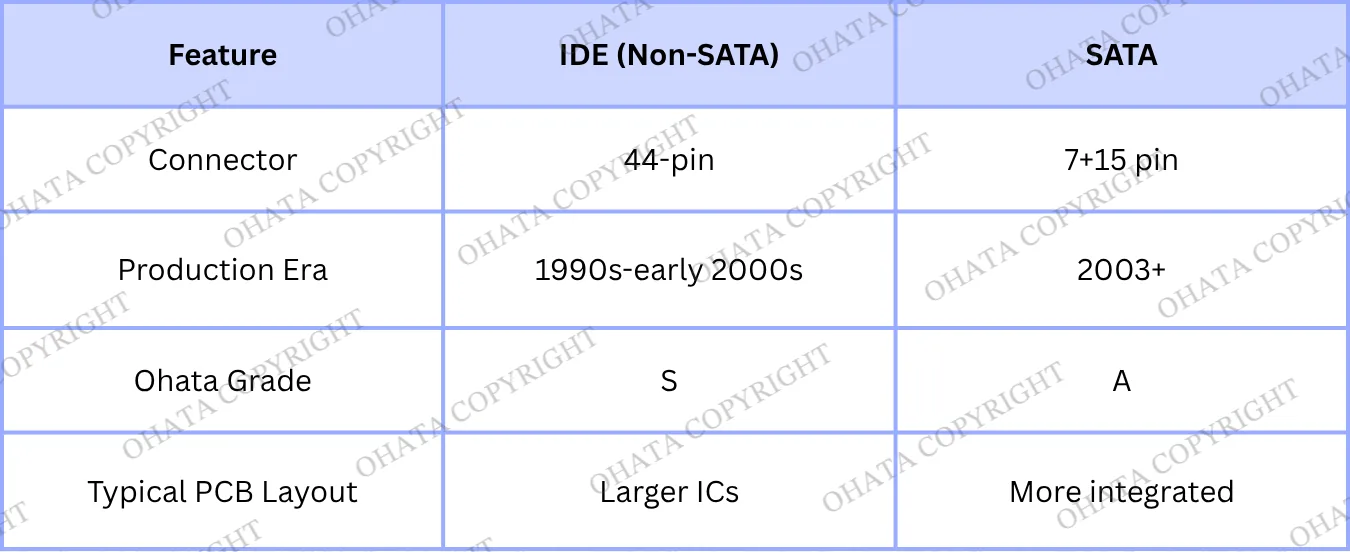
Toshiba 2.5-inch IDE/PATA boards differ from SATA controller boards in connector design, production period, board layout, and component construction. They should also be separated from 3.5-inch desktop HDD boards, SSD controller boards, and boards manufactured by other companies.
Under the Official Ohata Classification, a board may qualify as Toshiba HDD Non-SATA Board 2.5-inch 1995 when it has:
Recognizable Toshiba 2.5-inch HDD board construction
A non-SATA IDE/PATA interface
A design and component layout consistent with the applicable production period
Its major original components and connector retained
A complete and identifiable PCB
Different Toshiba hard-drive models and storage capacities may receive the same category price when their controller boards meet this standard. Final classification, measured weight, and buying value are confirmed after physical inspection.
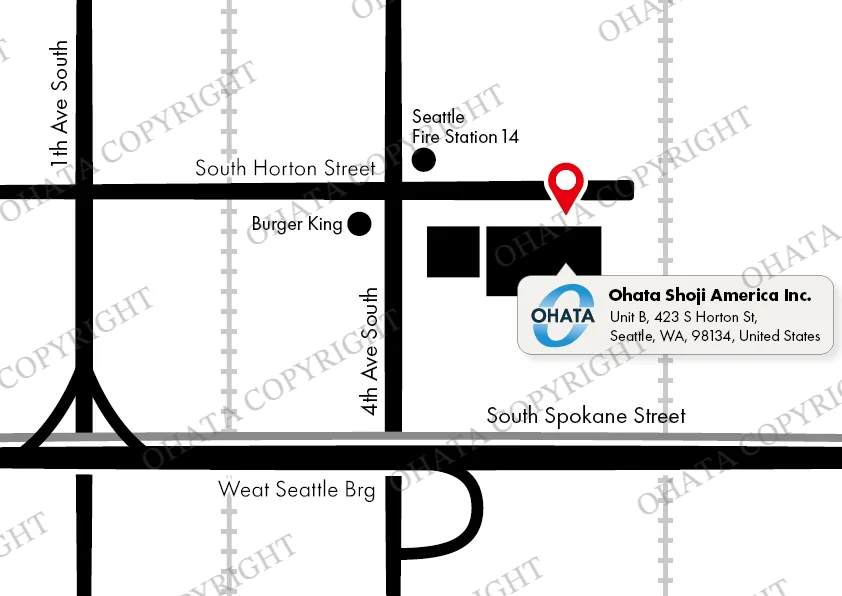
Visit Our Seattle Recycling Facility
📍 Ohata Shoji America Inc.
Unit B, 423 S Horton St, Seattle, WA, 98134, United States
When you arrive:
Bring your materials to our receiving counter, or ask a staff member for assistance with larger loads.
Our team will inspect and weigh your materials.
Final buying prices are confirmed after inspection.
Once the transaction is complete, payment will be processed according to our current purchasing policy.
Helpful Tips Before Your Visit:
Review the latest buying prices before traveling.
Separate different board grades whenever possible.
Remove non-electronic trash or unrelated materials.
Bring a valid photo ID.
For unusually large quantities, please contact us before visiting.
- 1. What is today’s price for Toshiba HDD Non-SATA Board 2.5 inch 1995 Buying?
- As of Oct 06,2026, Ohata Shoji America Inc., (Seattle, WA, United States) is purchasing Toshiba HDD Non-SATA Board 2.5 inch 1995 Buying at 18.60 (USD/lb). We provide competitive scrap prices in Seattle, Bellevue, Renton, Tukwila, Kent, SeaTac, Tacoma, Everett, and surrounding communities.
- 2. What is a Toshiba 2.5-inch IDE (PATA) HDD controller board?
- A Toshiba 2.5-inch IDE (PATA) HDD controller board is the printed circuit board (PCB) attached to older Toshiba laptop hard drives manufactured before SATA became the standard interface. It controls communication between the hard drive's internal components and the computer through a 44-pin IDE (PATA) connector.
- 3. What years were Toshiba IDE (PATA) HDD boards commonly manufactured?
- Most Toshiba 2.5-inch IDE (PATA) HDD controller boards were produced from the early 1990s through the early 2000s. The board featured on this page represents a 1995-era Toshiba notebook hard drive.
- 4. How can I identify a Toshiba IDE (PATA) HDD board?
- Most Toshiba IDE boards feature a 44-pin IDE connector, Toshiba controller IC, motor driver IC, crystal oscillator, firmware chip (when equipped), and factory Toshiba PCB markings. They are typically found on older Toshiba notebook hard drives.
- 5. What is the difference between IDE (PATA) and SATA HDD boards?
- IDE (PATA) boards use a 44-pin parallel connector, while SATA boards use separate 7-pin data and 15-pin power connectors. Because they differ in design, manufacturing period, and recoverable materials, they are classified separately under the Ohata Board Classification.
- 6. Do you purchase incomplete Toshiba HDD controller boards?
- Yes. We purchase many incomplete boards; however, missing controller ICs, motor driver chips, firmware chips, connectors, or other major components may reduce the purchasing value after inspection.
- 7. Do you accept damaged Toshiba HDD boards?
- Yes. Used, damaged, or non-working boards may still have recycling value. Cracked PCBs, corrosion, burn damage, broken connectors, or missing components may affect the final buying price.
- 8. What is the minimum quantity you purchase?
- The minimum purchasing quantity is 1 lb. We buy from individuals, repair shops, electronics recyclers, IT departments, schools, businesses, and IT asset disposition (ITAD) providers.
- 9. Can I sell mixed electronic scrap together with HDD boards?
- Yes. Mixed loads containing IDE HDD boards, SATA HDD boards, SSD PCBs, server boards, laptop motherboards, desktop motherboards, networking equipment, and other electronic circuit boards are accepted. Materials are sorted before pricing.
- 10. How do you determine the buying price?
- Every board is inspected individually. Pricing is based on completeness, condition, recoverable materials, manufacturer, production generation, quantity, and current electronic scrap market conditions.
- 11. Where is your Seattle electronic recycling facility located?
- Ohata Shoji America Inc. purchases Toshiba HDD controller boards at its Seattle, Washington recycling facility, serving customers throughout the Greater Seattle metropolitan area and the United States, including Seattle, Bellevue, Redmond, Kirkland, Renton, Kent, Auburn, Federal Way, Everett, Tacoma, and throughout Washington State.
- 12. What types of electronic scrap does Ohata.ai purchase?
- In addition to HDD controller boards, we purchase printed circuit boards (PCBs), SSD boards, laptop logic boards, desktop motherboards, server boards, networking equipment, enterprise storage hardware, and other electronic scrap.
- 13. Can businesses and IT departments sell obsolete computer hardware?
- Yes. We purchase electronic scrap from businesses, schools, government agencies, data centers, IT departments, computer refurbishers, and IT asset disposition (ITAD) companies handling retired computer equipment.