
ohata.ai
Ohata Resource Canada Inc.

Cell phone Board(Non-smart Phone) No Battery No Back no keyboard buying scrap price

Back to Featured price list
91E5C7Be 4F81 4Be0 Ae14 Dbe4Bac88Aa2
Updated: Aug 22,2026

10.00 CAD / lb

The Price is buying by Yard of Richmond, BC, Canada.

Key Buying Introduction

1. Partially dismantled non-smart mobile phones are commonly generated during manual dismantling, electronic recycling, component recovery, and refurbishment activities. These devices originally included a battery, back cover, and keypad, but some of these parts have already been removed.

2. This category applies to legacy mobile phones that no longer contain the original battery, back cover, or keypad, while the remaining electronic assembly is still largely intact for identification and purchasing evaluation.

3. Customers do not need to reinstall missing parts before bringing the equipment to Ohata. The phones should be presented in their actual assembled condition at the time of inspection.

4. Whenever practical, partially dismantled non-smart phones should be sorted separately from complete non-smart phones, smartphones, loose mobile phone boards, removed batteries, and other electronic scrap. Proper sorting helps simplify inspection and supports accurate purchasing category identification.

5. The final purchasing evaluation is generally based on the remaining electronic assembly, overall completeness, physical condition, quantity presented, and current electronic scrap market conditions. Purchasing prices and buying conditions may change without prior notice.
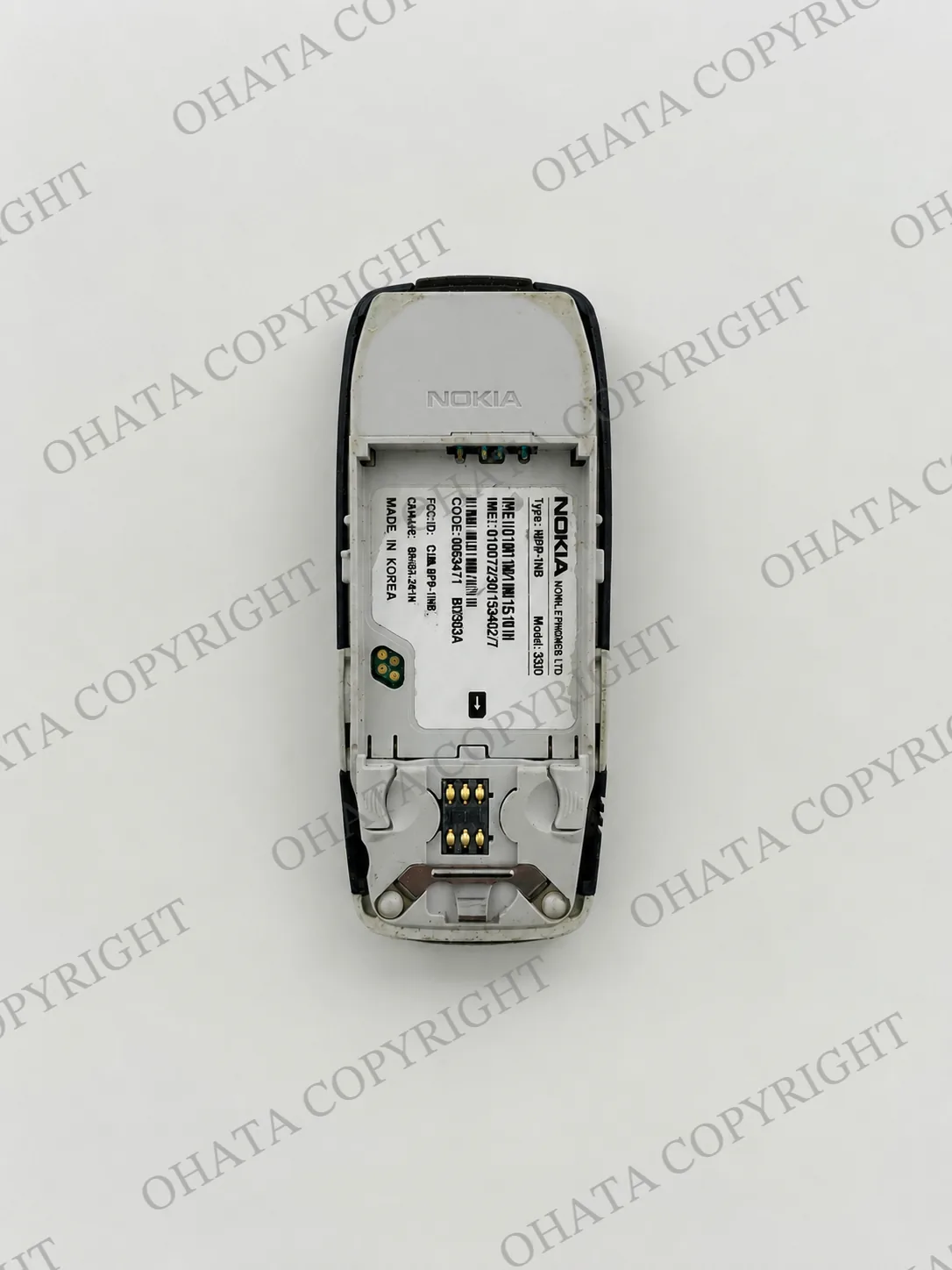
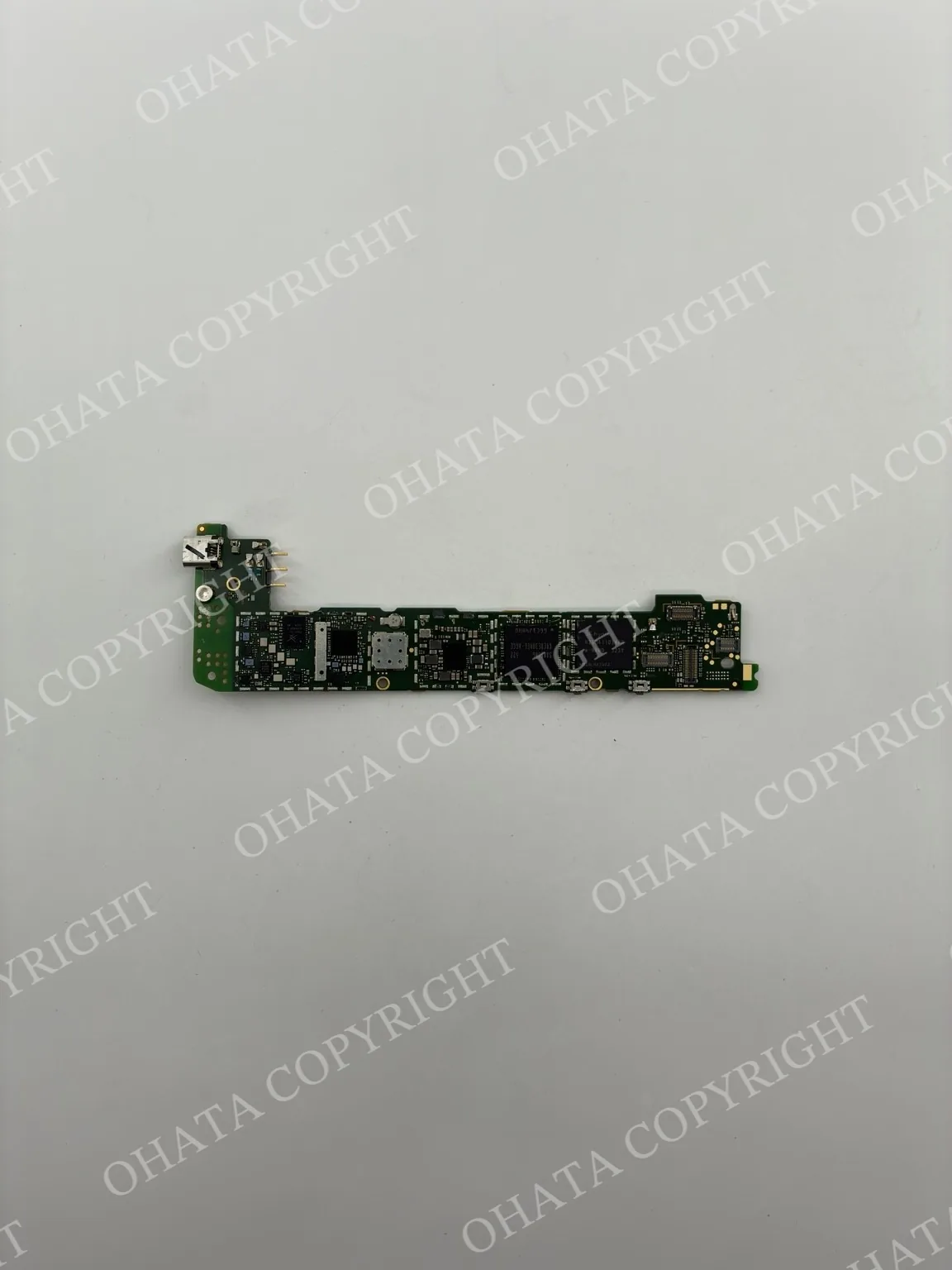
Buying Details of Conditions

Remaining Electronic Assembly Defines This Category

This purchasing category is intended for non-smart mobile phones that have already been partially dismantled while the main electronic assembly remains together.

These units typically no longer include the original battery, back cover, or keypad.

There is generally no need to remove additional components before bringing the equipment to Ohata.

Keep the Remaining Assembly Together

Whenever practical, keep the remaining electronic assembly together, including:

  • Main circuit board

  • Display module

  • Front housing

  • Charging connector

  • Speaker module (if present)

  • Microphone assembly (if present)

Keeping the remaining components assembled helps preserve the equipment’s identifiable condition and may simplify inspection.

Do Not Continue Dismantling the Phone

The equipment does not need to be dismantled further before inspection.

Whenever possible, leave the remaining electronic assembly intact.

Removing the main circuit board, display, charging connector, or other remaining assemblies may require additional inspection.

If the phone has already been dismantled, keeping the remaining parts together may help simplify identification.

Sort Removed Components Separately

Whenever practical, removed components should be sorted into their own purchasing categories rather than being placed back inside the phone housing.

Examples include:

  • Phone batteries

  • Back covers

  • Keypads

  • Chargers

  • Charging cables

  • Loose phone circuit boards

Sorting different materials separately helps improve inspection efficiency.

Damage Beyond Normal Dismantling

Normal dismantling does not automatically prevent purchasing evaluation.

However, additional inspection may be required for phones with:

  • Missing main circuit boards

  • Missing display assemblies

  • Fire damage

  • Heavy corrosion

  • Water damage

  • Cut internal wiring

  • Heavy contamination

Working condition is not required for this purchasing category.

Typical Sources of This Material

Partially dismantled non-smart phones are commonly generated through:

  • Electronic recycling

  • Manual dismantling operations

  • Refurbishment facilities

  • Component recovery

  • Legacy mobile phone recycling

Sorting these phones separately from complete mobile phones and loose electronic components helps support efficient inspection.

Final Purchasing Evaluation

The final purchasing evaluation is generally based on:

  • Correct purchasing category

  • Remaining electronic assembly

  • Main circuit board present

  • Overall completeness

  • Physical condition

  • Quantity presented

  • Current electronic scrap market conditions

Purchasing prices and buying conditions may change according to the material presented and current market conditions.


Ready to Sell Cell phone No Battery & No keyboard in Richmond?

Once you believe your processors match the item's characteristics, you don’t need to confirm the final grade yourself. The next step is simply to check the current buying information, keep the processors intact and prepare them for inspection.

STEP 1 – Check Today’s Buying Prices and Sort Your Materials

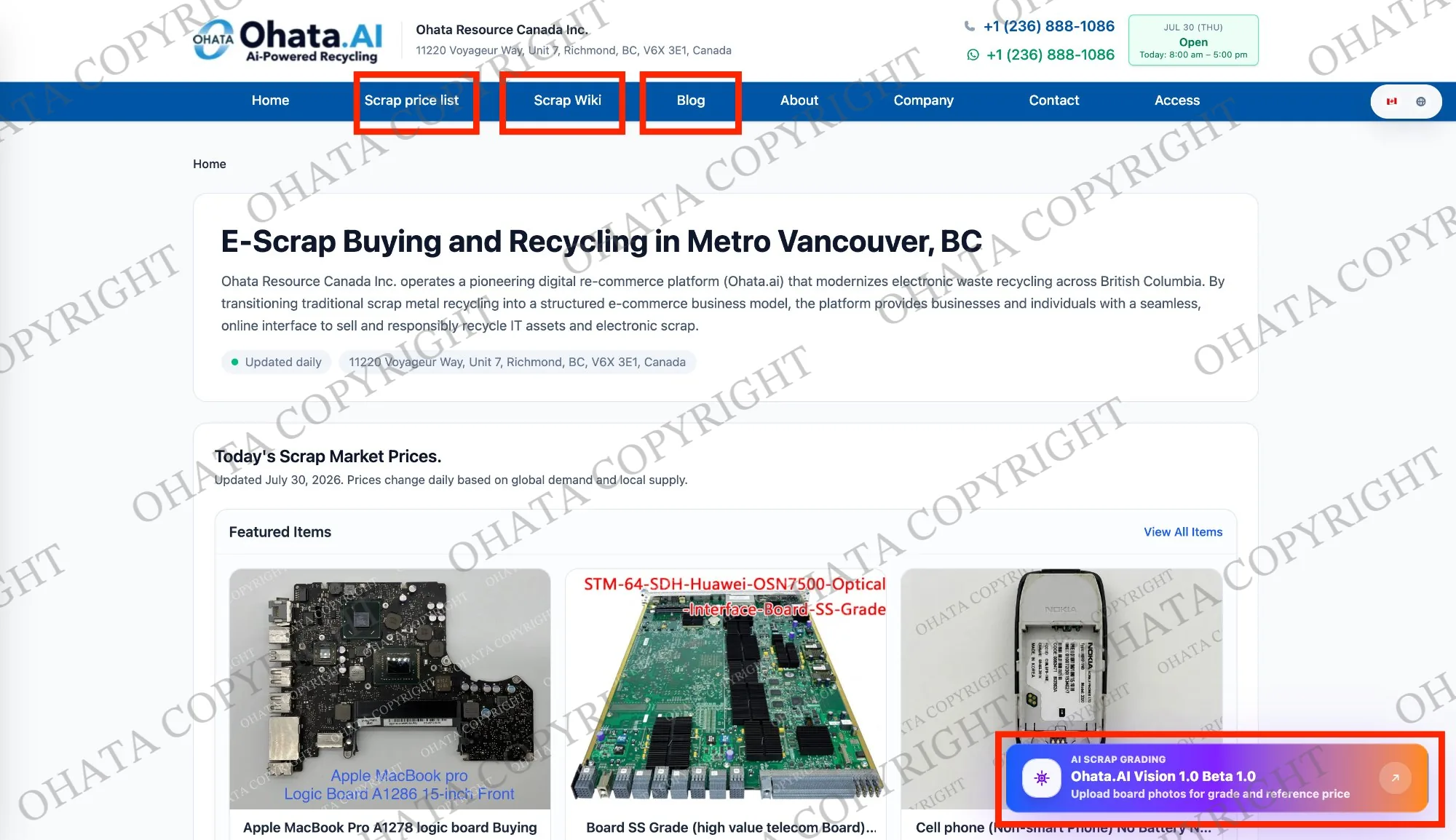
Before visiting our Richmond yard, please review the latest Canadian e-scrap buying prices and identification guides in the Ohata Scrap Wiki.

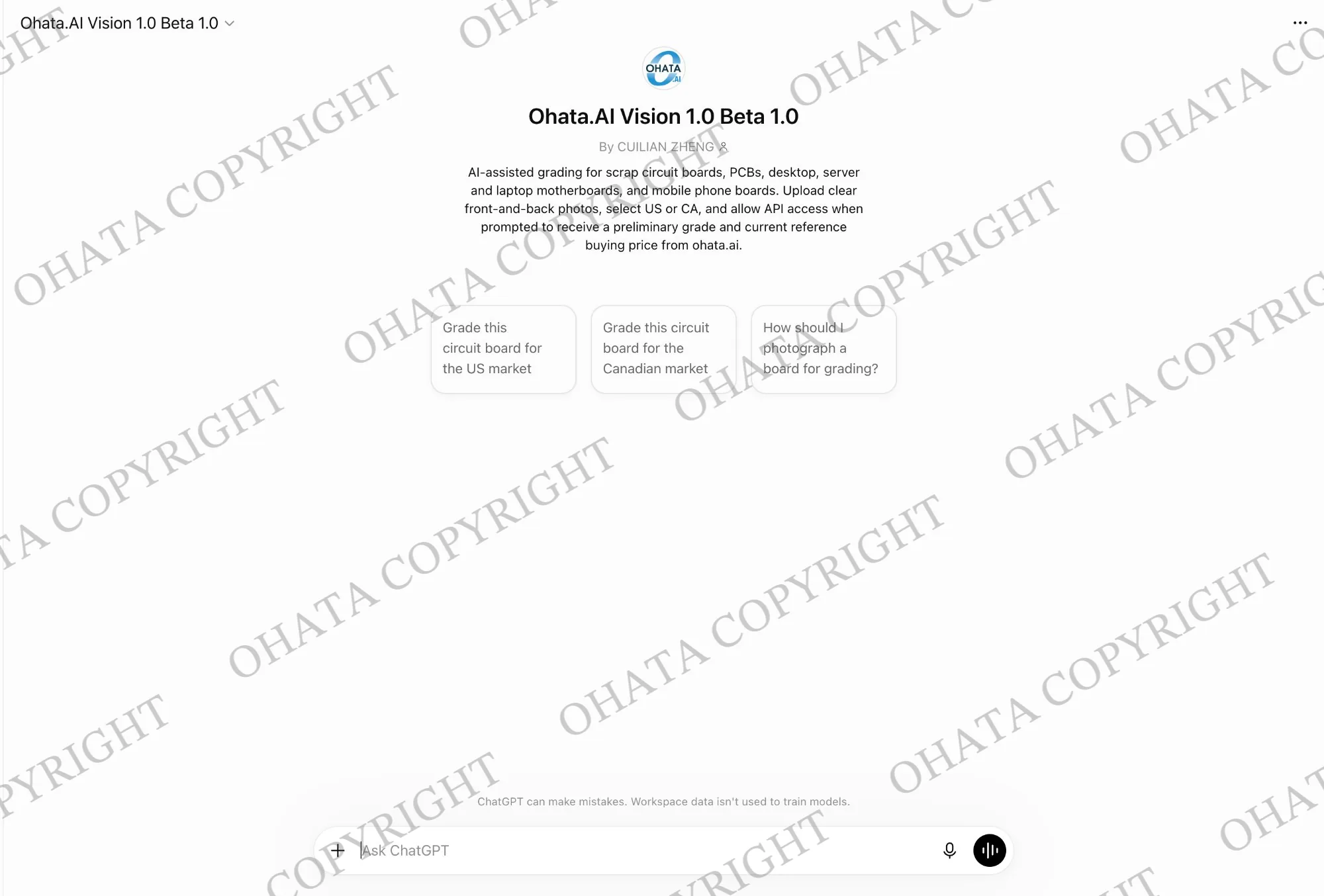
You can also use Ohata.AI Vision 1.0 Beta 1.0 to investigate an unfamiliar circuit board. Upload a clear photograph, and the tool can analyze visible features, such as the board’s shape, CPU socket, integrated circuits, connectors and component layout, to suggest what type of board it may be.

Ohata Resource Canada Scrap Price List, Scrap Wiki, Ohata AI 1.0 Vision 1.0
Ohata.AI Vision 1.0 Beta 1.0

Buying prices and conditions may change with the market, so checking the applicable item page before you leave can help you understand how your material should be prepared.

Whenever practical, separate your e-scrap into groups such as:

You don’t need to assign every item a final grade yourself. If something is unfamiliar, keep it in an β€œuncertain” group and use Ohata.AI for a preliminary photo-based identification.

Walk-ins are welcome during regular business hours, and no appointment is required for most ordinary drop-offs.

If you have a large commercial load, palletized shipment or an unusual type of material, please contact the Richmond team before visiting so we can prepare for your arrival.


STEP 2 – Bring Your E-Scrap and Valid Government-Issued Photo ID

Please bring your electronic scrap together with a valid government-issued photo ID.

Examples may include:

  • British Columbia Driver’s Licence

  • BC Identification Card

  • BC Services Card with photo

  • Canadian passport

  • Permanent Resident Card

  • Other valid government-issued photo identification

Business sellers may also be asked to provide company information or supporting documentation when applicable.

Clearly separated and labelled material is usually quicker to inspect. If possible, prepare the approximate weight and quantity for each group before visiting.

Please also remember that computers, servers, hard drives and solid-state drives may contain personal or business information. Back up anything you need and follow your own data-security requirements before the equipment leaves your control.


STEP 3 – Visit Our Richmond E-Scrap Buying Yard

Our Richmond yard is located at 11220 Voyageur Way, Unit 7, Richmond, BC, V6X 3E1. Before leaving, you can check the route and current traffic information through Google Maps.

1. Look for the Ohata sign

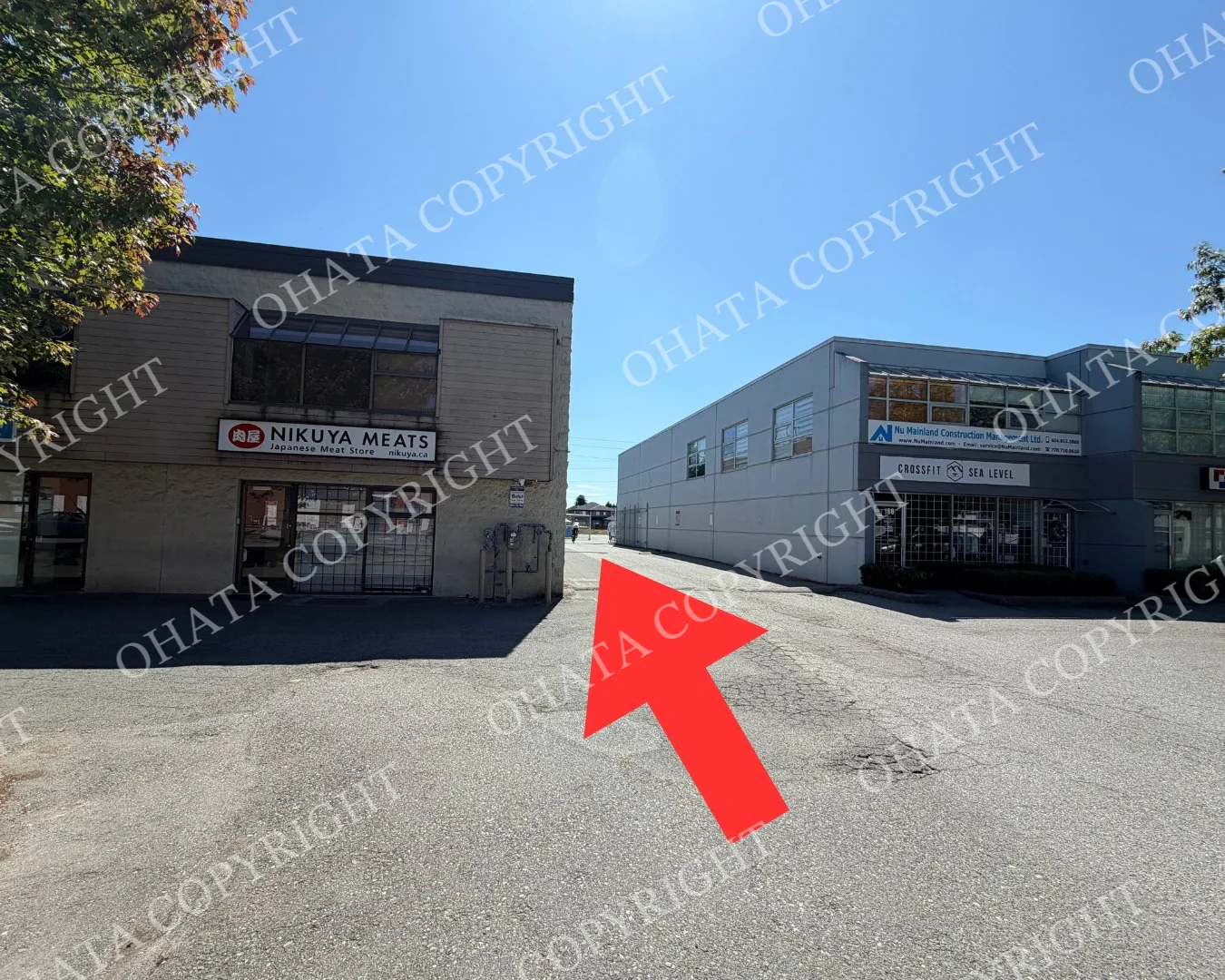
When you arrive at the property, first look for the Ohata Resource Canada Inc. sign on the building. Once you find it, continue around to the rear of the building, where our warehouse entrance is located.

2. Continue to the Rear Warehouse Entrance

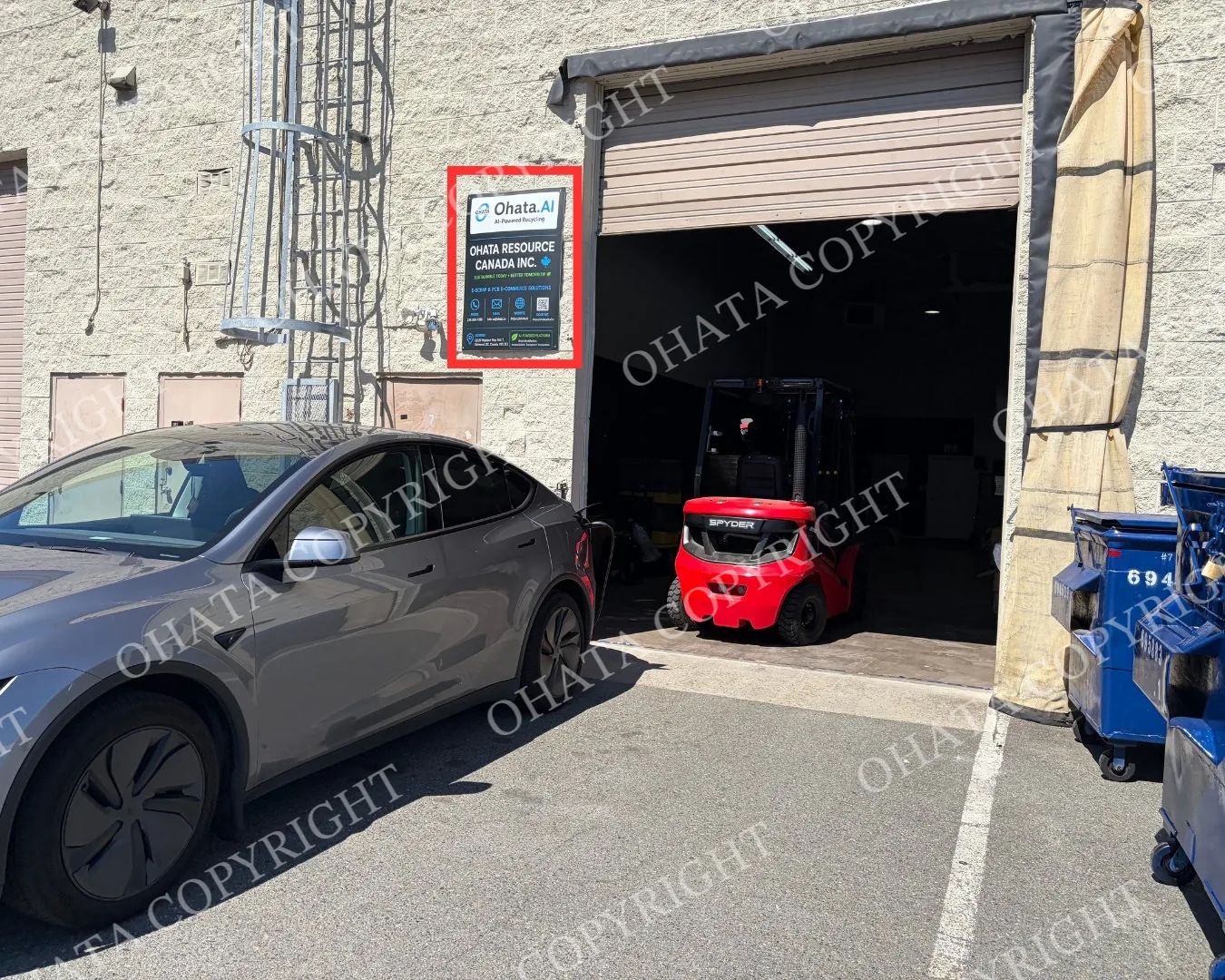
Drive carefully around the building and look for the vertical Ohata sign beside the rear entrance. This vertical sign is the easiest landmark for finding our receiving warehouse.

Driving route around the building toward the rear warehouse entrance of Ohata Resource Canada Inc.

Follow the route around the building to reach the warehouse.

Vertical Ohata Resource Canada Inc. sign marking the rear warehouse entrance in Richmond.

The vertical Ohata sign identifies the correct warehouse entrance.

3. Park Directly in Front of the Warehouse

If you arrive by car, you may park directly in front of the Ohata warehouse entrance while your e-scrap is being received.

Once you reach the warehouse, please park and wait there. A member of our team will come to assist you with your material.

If you have difficulty finding the rear entrance, please call or message us:

Telephone and WhatsApp: +1 (236) 888-1086

For large commercial loads or palletized shipments, please contact the Richmond team before visiting so we can prepare for unloading.

When you arrive:

  • Bring smaller quantities to the receiving area.

  • Ask a staff member for assistance with heavy or larger loads.

  • Our team will inspect, sort and weigh the material.

  • The applicable buying category and condition will be confirmed.

  • The final buying price will be determined after physical inspection.

  • Payment will be processed according to the current purchasing policy.

Walk-in customers are welcome during regular business hours. Most visits don’t require an appointment, but advance contact is recommended for commercial, palletized or unusually large loads.

You can review directions, parking and visitor information on the Richmond yard access page.


Helpful Tips Before Your Richmond Visit

  • Check the current Canadian buying prices before travelling.

  • Use Ohata.AI when you need help identifying an unfamiliar item.

  • Take clear front-and-back photographs before requesting an initial review.

  • Separate different board and equipment categories whenever practical.

  • Keep damaged, wet, burned, corroded or contaminated items separate.

  • Remove unrelated garbage and unnecessary packaging.

  • Don’t cut boards or remove major components unless you understand how the separated materials will be evaluated.

  • Back up and erase data-bearing devices according to your requirements.

  • Bring valid government-issued photo identification.

  • Contact Ohata Resource Canada Inc. before bringing a large commercial or palletized load.

Published online prices are references and may change. Final acceptance, classification, measured weight and buying price are determined after physical inspection.

FAQ
1. What is today’s price for Cell phone Board(Non-smart Phone) No Battery No Back no keyboard buying?
As of Aug 22,2026, Ohata Resource Canada Inc., (Richmond, BC, Canada) is purchasing Cell phone Board(Non-smart Phone) No Battery No Back no keyboard buying at 10.00 (CAD/lb). We provide competitive scrap prices in Delta, Surrey, Richmond, and across the Greater Vancouver area.
2. Which phones belong in this purchasing category?
This category includes partially dismantled non-smart mobile phones where the battery, back cover, and keypad have already been removed while the main electronic assembly remains together.
3. What components are normally expected to be removed?
These phones are generally presented without the original battery, back cover, and keypad. Additional dismantling is usually unnecessary before inspection.
4. What components should remain with the phone?
Whenever practical, the following components should remain together: * Main circuit board * Display module * Front housing * Charging connector * Speaker assembly (if present) Keeping the remaining assembly together helps simplify identification.
5. Should removed batteries or back covers be packaged with the phone?
No. Whenever practical, removed batteries, back covers, keypads, and other loose components should be sorted into their own purchasing categories.
6. Can smartphones be mixed with these phones?
No. This purchasing category is intended specifically for non-smart mobile phones. Smartphones should be sorted separately whenever practical.
7. Can phones with missing circuit boards still qualify?
The main circuit board is one of the key remaining assemblies used for identification. Phones without the remaining electronic assembly may require a different purchasing category or additional inspection.
8. Can damaged phones still be evaluated?
Possibly. Normal dismantling and cosmetic wear do not automatically prevent purchasing evaluation. However, heavy corrosion, fire damage, water damage, or missing major electronic assemblies may require additional inspection.
9. How does Ohata confirm this purchasing category?
Ohata generally confirms the purchasing category by reviewing the remaining electronic assembly, overall completeness, physical condition, and the identifiable condition of the equipment before completing the purchasing evaluation.

Related Items

Browse all Featured items
AI Scrap Grading Ohata.AI Vision 1.0 Beta 1.0 Upload board photos for grade and reference price