

-
We buy Board SS Grade (high value telecom Board) from a minimum of 1 lb.
-
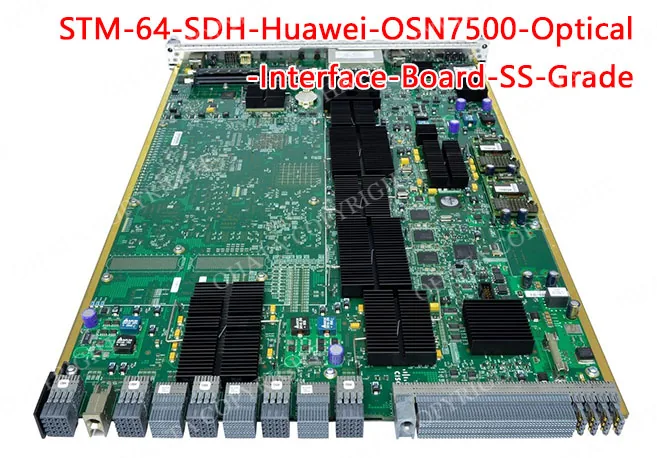
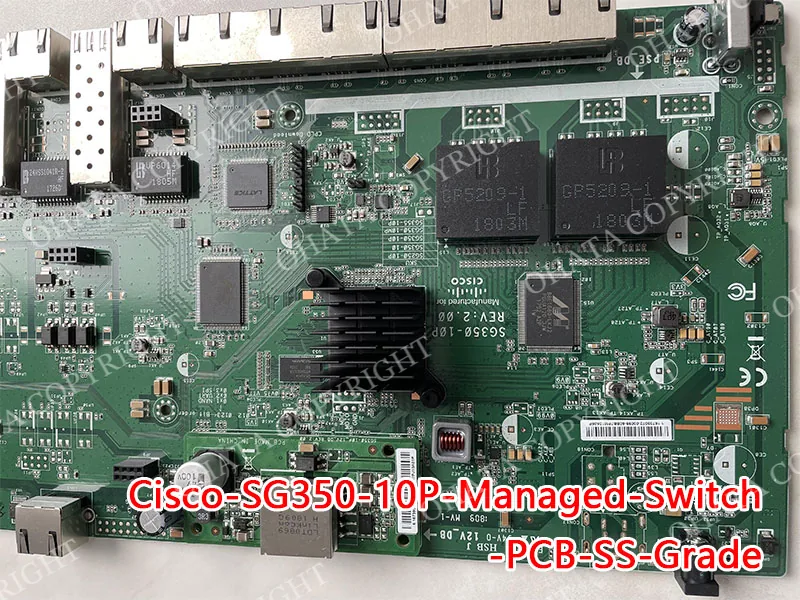
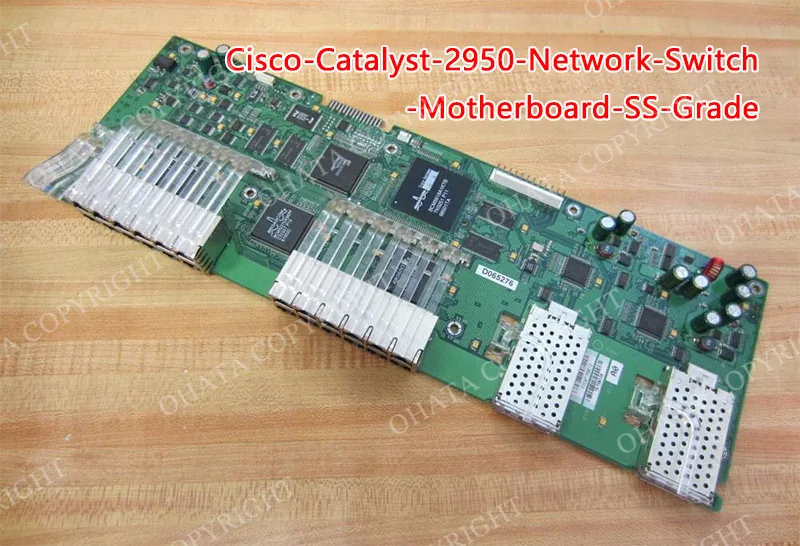
This classification boards used in: Enterprise Ethernet switches, Carrier-grade routers, Telecommunications switching systems.
-
SS Grade boards are valuable because they provide a concentrated source of recoverable industrial metals.
-
Ohata prefers SS Grade circuit boards that are: Not severely burned, Not heavily corroded, Not broken into small pieces, Not intentionally stripped.
Board SS Grade (high value telecom Board) buying scrap price
Key Buying Introduction
UP↑
Key Buying Introduction
-
We buy Board SS Grade (high value telecom Board) from a minimum of 1 lb.
-
This classification boards used in: Enterprise Ethernet switches, Carrier-grade routers, Telecommunications switching systems.
-
SS Grade boards are valuable because they provide a concentrated source of recoverable industrial metals.
-
Ohata prefers SS Grade circuit boards that are: Not severely burned, Not heavily corroded, Not broken into small pieces, Not intentionally stripped.
Buying Details of Conditions
Learn more about SS Grade Boards
Part 1 – Introduction, Construction, Components, and Recycling Value
Introduction to SS Grade Circuit Boards
SS Grade is one of the highest commercial circuit-board categories within the Ohata Board Scrap Classification System. It is generally positioned below specialized SSS Grade military, aerospace, satellite, and defense electronics, while remaining above ordinary server, industrial, desktop-computer, and consumer-electronics boards.
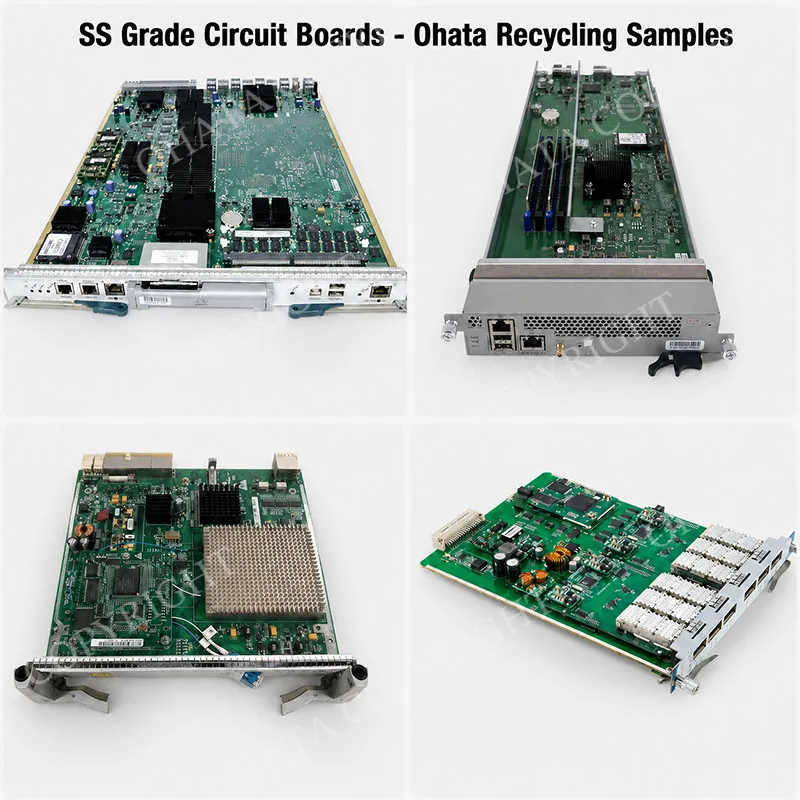
This classification is intended primarily for advanced commercial boards used in:
Enterprise Ethernet switches
Carrier-grade routers
Telecommunications switching systems
Fiber-optic communication equipment
SONET, SDH, DWDM, and Optical Transport Network equipment
Cellular base stations
4G LTE and 5G network infrastructure
High-performance network controllers
Server communication backplanes
Smartphone and mobile-device logic boards with exceptional component density
These boards support large-scale data transmission, packet switching, voice communication, optical transport, network security, timing synchronization, and continuous operation in data centers or telecommunications facilities.
Their value is not based on whether they remain functional. A non-working enterprise network board may still qualify for SS Grade when it retains its major processors, communication ASICs, memory packages, connectors, and original PCB structure. Recycling value is determined mainly by construction quality and recoverable material content rather than operational performance.
Advanced PCB Construction
SS Grade boards normally use multilayer PCB construction. Unlike simple appliance controllers, which may contain only a few conductive layers, enterprise communication boards require complex internal routing for high-speed signals, power distribution, grounding, timing control, thermal stability, and electromagnetic-interference management.
Typical construction characteristics include:
Numerous internal copper layers
Controlled-impedance signal traces
Large ground and power planes
High-temperature laminate materials
Dense via structures
Fine-pitch BGA routing
Reinforced mounting areas
Heavy-duty communication connectors
Gold-plated contact surfaces
High-quality solder-mask and board finishing
A board may therefore contain substantial copper even when relatively little copper is visible from the surface. Copper forms the internal communication pathways, high-current power sections, grounding layers, inductors, transformer windings, and connector circuits.
Semiconductor and Component Density
One of the strongest SS Grade indicators is high semiconductor density.
The photographed board contains several large black BGA packages, dense controller circuitry, memory devices, network-interface components, power-management sections, and multiple shielded ports. This layout is typical of equipment designed to process or distribute network traffic continuously.
Common semiconductor devices found on SS Grade boards include:
Network-switching ASICs
Packet-processing engines
Communication processors
FPGA devices
Digital signal processors
Ethernet PHY controllers
Encryption and security processors
High-speed DDR memory
Flash memory
Timing and synchronization controllers
Optical-interface controllers
Baseband processors
RF communication controllers
Power-management integrated circuits
Large BGA packages are especially important. A BGA device may contain hundreds or thousands of electrical connections beneath the package. These devices usually represent advanced semiconductor technology and contribute significantly to the board’s recycling profile.
Nevertheless, one large chip alone does not automatically create an SS Grade board. Ohata evaluates the complete assembly, including the number of major ICs, PCB quality, connector design, intended application, and overall component concentration.
Enterprise-Grade Connectors
Premium connectors are another major characteristic.
SS Grade networking and telecom boards may contain:
Gold-plated backplane connectors
High-density board-to-board connectors
SFP or QSFP interface areas
Fiber-optic communication connectors
Shielded Ethernet ports
Gold-finger edge contacts
High-speed serial connectors
Telecom-specific multipin connectors
High-current power interfaces
These connectors are designed to maintain stable electrical performance over long service periods. Gold is frequently used on contact surfaces because it resists corrosion and maintains reliable low-resistance connections.
Connector quantity should not be evaluated separately from the rest of the board. A board with many low-cost steel connectors but very few ICs may still be lower grade. SS Grade normally combines premium connectors with advanced semiconductor density and complex multilayer construction.
Recycling Value
SS Grade boards are valuable because they provide a concentrated source of recoverable industrial metals.
Gold
Gold may be present in:
Connector contact plating
Backplane contacts
Gold-finger interfaces
CPU or processor contact areas
Memory contacts
Fine internal bonding wires in IC packages
Optical or high-speed communication interfaces
Much of the gold is extremely thin or located inside semiconductor packages. It should not be estimated only from visible yellow-colored contacts.
Copper
Copper is normally the largest recoverable metal by weight. It is found in:
PCB traces
Internal power and ground planes
Transformers
Inductors
Chokes
Connector structures
Power-distribution sections
Silver, Palladium, Tin, and Nickel
Silver may be found in solder, contacts, and selected electrical components. Palladium can be present in certain multilayer ceramic capacitors and specialized component systems. Tin is widely used in solder alloys, while nickel is commonly used as an underlayer beneath gold plating and in connector shells.
The precise metal yield varies by manufacturer, production year, board function, and component design. Therefore, Ohata uses standardized grading rather than promising a fixed precious-metal percentage for every individual board. The uploaded standard identifies high IC density, large BGA packages, premium connectors, advanced PCB construction, and telecommunications or enterprise networking applications as central SS Grade characteristics.
Part 2 – Ohata SS Grade Classification and Identification Guide
Classification Is Based on the Board, Not Only the Brand
A common grading mistake is to assume that every Cisco, Juniper, Ericsson, or Nokia board automatically belongs to SS Grade. This is incorrect.
Large manufacturers produce many different board types, ranging from premium network-processing assemblies to simple fan controllers, power-supply boards, LED panels, and low-density interface boards. Only assemblies meeting the technical SS Grade criteria should receive SS Grade pricing.
Likewise, an unfamiliar brand may still produce a qualifying SS Grade board. Manufacturer recognition is useful, but construction and application remain more important.
Primary Identification Criteria
A strong SS Grade candidate normally exhibits several of the following characteristics simultaneously:
1. Enterprise or Telecommunications Application
The board should originate from advanced networking, optical communication, mobile infrastructure, data-center switching, carrier routing, or similarly sophisticated equipment.
Examples include:
Cisco Catalyst and Nexus systems
Juniper MX, EX, QFX, and PTX platforms
Arista 7000-series switching equipment
Digital voice-switching systems
Optical transport shelves
SONET and DWDM systems
Cellular base-station controllers
LTE and 5G infrastructure
Carrier Ethernet platforms
High-capacity network controller modules
These examples are guidance rather than an automatic brand-based guarantee.
2. Dense Integrated-Circuit Layout
A qualifying board should contain a substantial concentration of ICs relative to its size. Look for multiple processors, memory packages, FPGA devices, network ASICs, PHY controllers, and signal-processing components.
Sparse boards with large empty PCB areas usually require a lower classification unless they contain unusually valuable connector systems or specialized hardware.
3. Multiple Large BGA Packages
Several large BGA devices are a strong indicator of high technical complexity. Major switching ASICs, communication processors, memory controllers, and FPGA packages should remain attached.
If the largest BGAs have been removed, the board may no longer qualify for the original SS Grade.
4. Premium Connectors and Interfaces
Gold-plated communication connectors, optical interfaces, backplane connectors, high-density ports, and enterprise-grade edge contacts support SS classification.
5. Multilayer, Heavy, Rigid PCB
SS Grade boards generally feel solid and technically complex. They frequently contain extensive internal copper planes and dense routing. PCB thickness alone is not sufficient, but it can support the classification when combined with component and connector density.
6. Complete Original Assembly
The board should retain its major original components. Missing heat sinks may be acceptable when the processors beneath them remain present. Missing main ASICs, processors, FPGA devices, or entire connector banks may result in downgrading.
The pictured board appears to be an enterprise Cisco communication or network-interface assembly. It displays:
Cisco branding
Multiple shielded network ports
Two prominent high-density BGA memory or processing packages
Additional controller ICs
A heat sink over a central semiconductor device
Dense power-regulation and signal-conditioning circuits
A large multilayer green PCB
Numerous fine-pitch surface-mounted components
These characteristics are consistent with the general SS Grade profile. However, final buying classification should still be confirmed by physical inspection, including examination of the opposite side, verification that major ICs have not been removed, contamination assessment, weight inspection, and confirmation of the board’s original equipment application.
Part 3 – Recoverable Materials, Buying Standards, and Handling
Preferred Buying Condition
Ohata prefers SS Grade circuit boards that are:
Structurally complete
Clearly identifiable
Free from household garbage
Free from hazardous contamination
Not severely burned
Not heavily corroded
Not broken into small pieces
Not intentionally stripped
Retaining major processors and BGA devices
Retaining original communication connectors
Separated from lower-grade boards
The board does not need to work. Functional testing is generally unnecessary for scrap-metal classification because the value is derived from recoverable materials.
Components That May Usually Be Removed
The following items may often be removed without significantly changing the board grade, provided that removal does not damage the PCB or major semiconductors:
External chassis panels
Loose steel mounting brackets
Cooling fans
Large detachable heat sinks
Plastic handles
Screws and mounting hardware
Replaceable memory modules
Loose cables
However, aggressive heat-sink removal can pull BGA devices from the PCB or damage solder joints and surrounding components. Suppliers should remove attached hardware carefully.
Conditions That May Reduce the Grade
An SS Grade board may be downgraded when it has:
Missing switching ASICs
Removed processors
Removed FPGA devices
Missing large BGA packages
Scraped IC areas
Missing gold-finger sections
Cut connector edges
Removed optical-interface assemblies
Severe corrosion around ICs or contacts
Broken PCB corners affecting circuitry
Extensive water or chemical damage
Burned power sections
Deep mechanical cracks
Large missing PCB sections
Excessive attached steel or plastic
Because the SS category depends heavily on semiconductor and connector density, stripping high-value components before sale can materially reduce the buying grade.
Rejection or Separate Evaluation
Material may require rejection or separate inspection when it is mixed with:
Batteries
Household waste
Oil-contaminated material
Chemical residue
Unknown powders or liquids
Excessive steel scrap
Plastic garbage
Burned electronic debris
Non-PCB materials
Unsafe or unidentified industrial waste
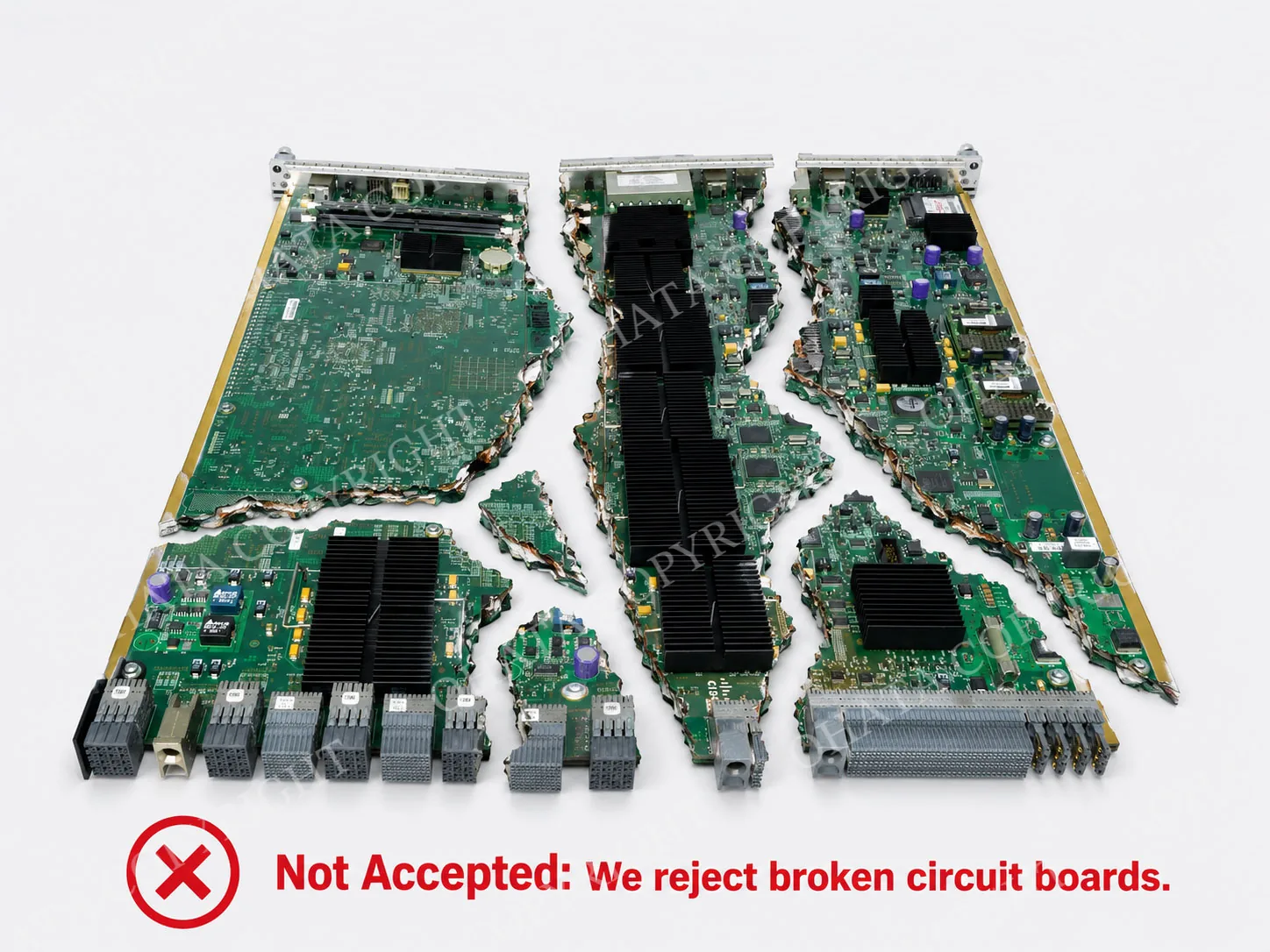
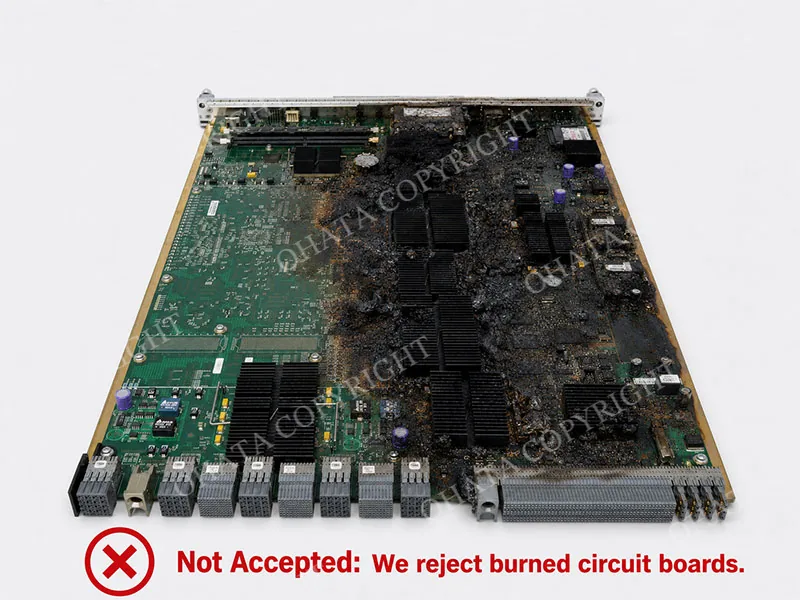
Severely burned boards may contain unstable residues or pose handling risks. Boards contaminated by chemicals, oil, sewage, or unknown substances should not be mixed with clean SS Grade inventory.
Sorting and Packaging
SS Grade boards should be stored separately from desktop motherboards, appliance boards, low-grade power boards, and mixed consumer electronics.
Recommended handling practices include:
Keep the boards dry.
Use stable boxes, pallets, or rigid containers.
Avoid throwing boards into containers from height.
Prevent heavy transformers or steel parts from crushing the PCBs.
Separate intact boards from broken material.
Remove loose batteries before shipment.
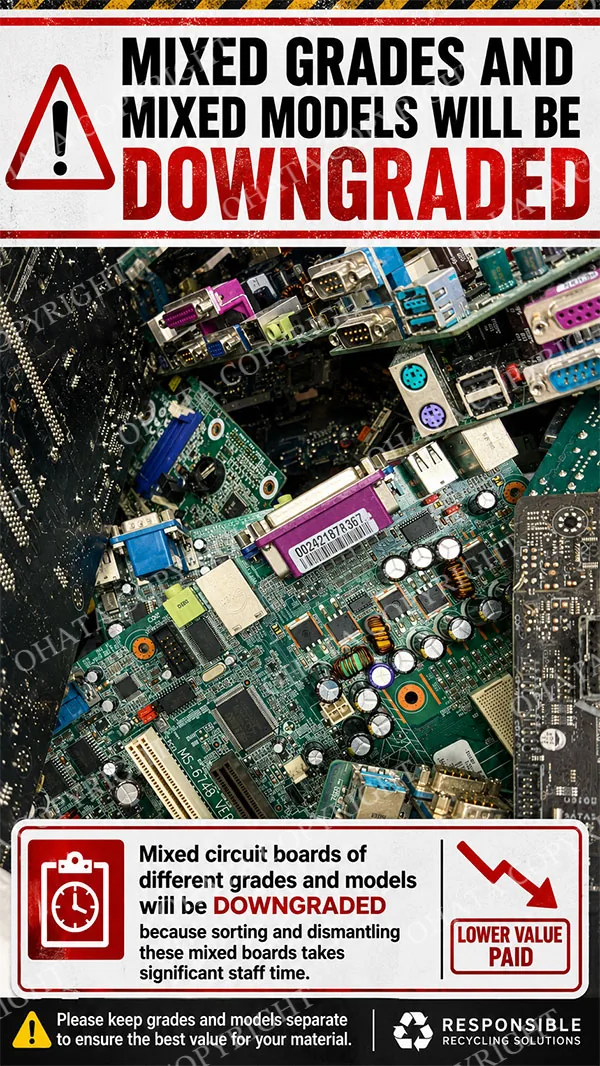
Do not mix several grades merely to increase shipment weight.
Provide representative photographs for large commercial lots.
Mixed shipments require additional sorting labor and may receive a lower provisional price until the material is separated and inspected.
Part 4 – Comparison and Official Ohata Classification
SS Grade Compared with SSS Grade
SSS Grade is generally reserved for exceptionally valuable military, aerospace, avionics, satellite, defense, and specialized high-reliability electronics. Such boards may contain heavier gold plating, ceramic packages, gold-pin connectors, hermetic components, and extremely specialized construction.
SS Grade focuses mainly on high-value commercial telecommunications and enterprise networking hardware. It is highly valuable but normally does not possess the same specialized military or aerospace material profile.
SS Grade Compared with S Grade
S Grade may include valuable legacy enterprise boards, certain boards with ceramic processors, older computer hardware, and specialized controller assemblies. These boards can be rich in recoverable materials but may not have the same density of modern network ASICs, memory packages, communication processors, or optical interfaces found on SS Grade equipment.
SS Grade Compared with A+ Grade
A+ Grade commonly includes high-quality server motherboards, Apple logic boards, industrial controllers, medical equipment boards, robotics systems, PLC boards, CNC controllers, and other sophisticated electronics.
Some A+ boards may visually resemble SS boards. The main distinction is that SS Grade normally demonstrates stronger telecommunications or data-networking specialization, greater semiconductor density, more advanced communication hardware, and a higher concentration of premium network connectors.
SS Grade Compared with Ordinary Computer Motherboards
Desktop motherboards normally contain one CPU socket, a chipset, memory slots, expansion slots, storage connectors, and standard rear I/O. Although recyclable, their component architecture is relatively standardized and often less dense than enterprise switching or telecom-control boards.
An SS Grade network board may contain several large communication ASICs, multiple memory banks, numerous network PHY devices, specialized timing components, security processors, optical-interface circuits, and dense connectors on the same PCB.
Official Ohata Classification
Official Grade: SS Grade – High-Value Commercial Circuit Board
Primary Product Category:
Enterprise networking, telecommunications, fiber-optic communication, cellular infrastructure, high-performance switching, routing, and advanced communication-control boards.
Typical Examples:
Smartphone logic boards, enterprise switch control boards, carrier router boards, telecom switching boards, server backplanes, SONET boards, DWDM boards, Optical Transport Network boards, cellular base-station controllers, 4G LTE boards, and 5G network boards.
Required Characteristics:
High precious-metal recovery potential, dense surface-mounted components, multiple large BGA packages, advanced multilayer PCB construction, high integrated-circuit density, premium communication connectors, and a professional enterprise or telecom application.
Preferred Buying Condition:
Complete, clean, dry, identifiable, structurally intact, and retaining the major processors, network ASICs, FPGA devices, memory packages, communication connectors, and original PCB sections.
Downgrade Conditions:
Removed major ICs, missing BGA processors, cut PCB sections, missing connector areas, severe corrosion, burning, chemical contamination, excessive breakage, or mixing with lower-grade electronic scrap.
Pricing Principle:
The SS Grade price is determined by the verified Ohata classification and buying condition, not by one specific model number. Boards from different manufacturers and equipment generations may receive the same SS Grade price when they meet equivalent standards. Conversely, boards from a famous enterprise brand should not receive SS Grade pricing when they are sparse, stripped, incomplete, contaminated, or technically below the SS Grade criteria.
The central principle is simple: Ohata purchases the recoverable quality of the complete circuit board, not merely the logo printed on it.
Ready to Sell SS Grade Circuit Board in Richmond?
Once you believe your processors match the item's characteristics, you don’t need to confirm the final grade yourself. The next step is simply to check the current buying information, keep the processors intact and prepare them for inspection.
STEP 1 – Check Today’s Buying Prices and Sort Your Materials
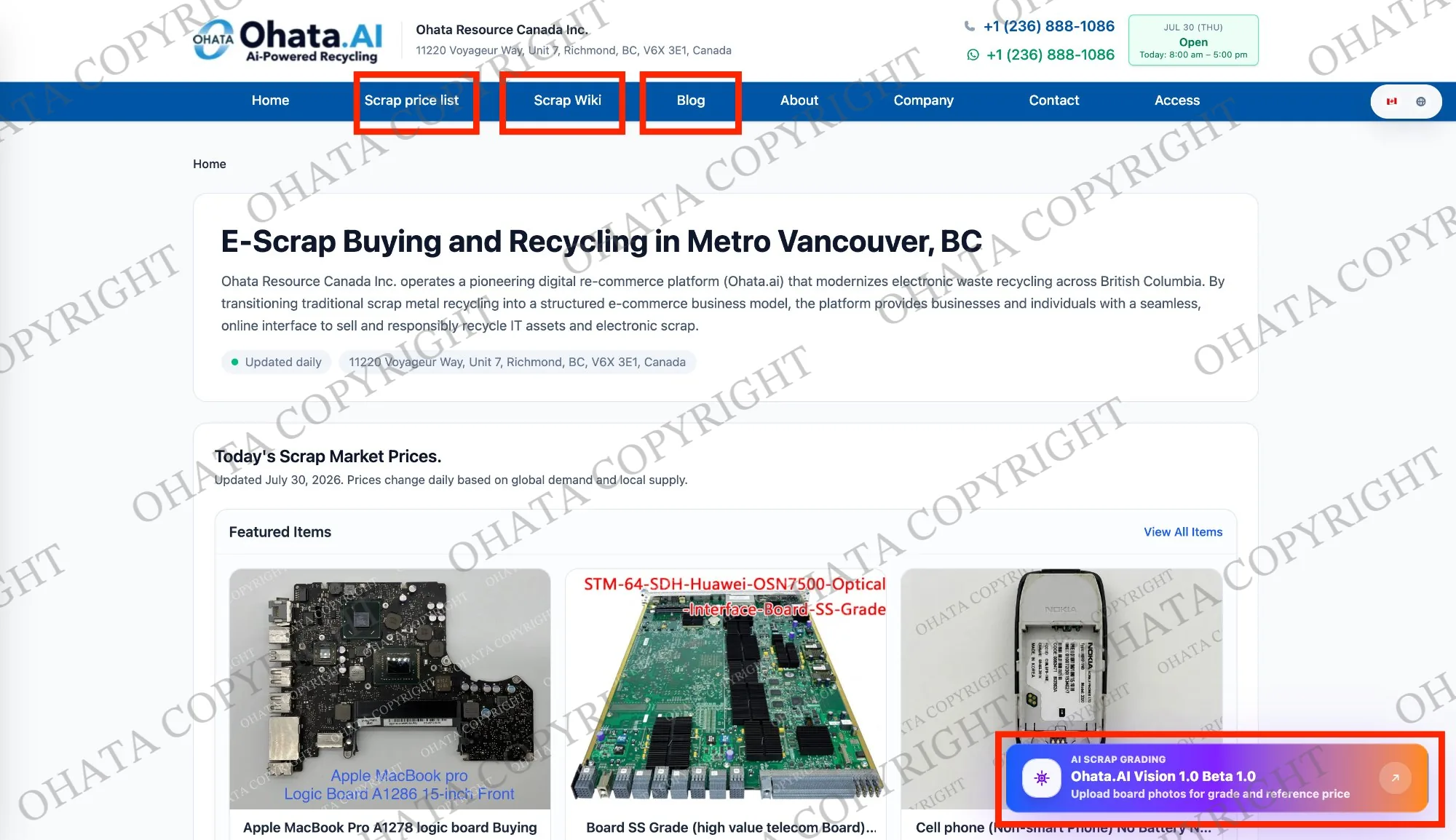
Before visiting our Richmond yard, please review the latest Canadian e-scrap buying prices and identification guides in the Ohata Scrap Wiki.
You can also use Ohata.AI Vision 1.0 Beta 1.0 to investigate an unfamiliar circuit board. Upload a clear photograph, and the tool can analyze visible features, such as the board’s shape, CPU socket, integrated circuits, connectors and component layout, to suggest what type of board it may be.
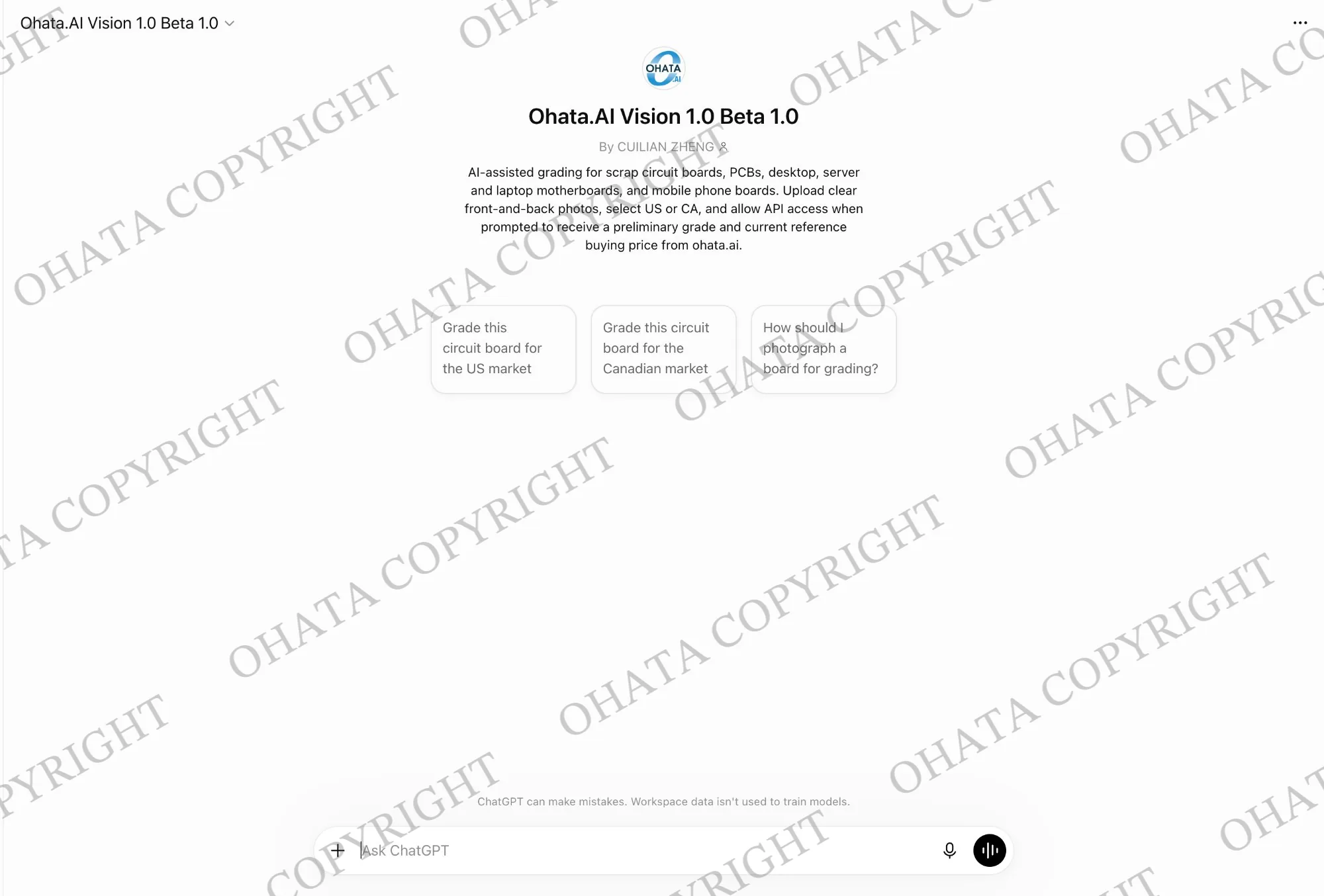
Buying prices and conditions may change with the market, so checking the applicable item page before you leave can help you understand how your material should be prepared.
Whenever practical, separate your e-scrap into groups such as:
Server boards
Laptop motherboards and logic boards
Telecommunications boards
CPUs and memory modules
Other or uncertain electronic scrap
You don’t need to assign every item a final grade yourself. If something is unfamiliar, keep it in an “uncertain” group and use Ohata.AI for a preliminary photo-based identification.
Walk-ins are welcome during regular business hours, and no appointment is required for most ordinary drop-offs.
If you have a large commercial load, palletized shipment or an unusual type of material, please contact the Richmond team before visiting so we can prepare for your arrival.
STEP 2 – Bring Your E-Scrap and Valid Government-Issued Photo ID
Please bring your electronic scrap together with a valid government-issued photo ID.
Examples may include:
British Columbia Driver’s Licence
BC Identification Card
BC Services Card with photo
Canadian passport
Permanent Resident Card
Other valid government-issued photo identification
Business sellers may also be asked to provide company information or supporting documentation when applicable.
Clearly separated and labelled material is usually quicker to inspect. If possible, prepare the approximate weight and quantity for each group before visiting.
Please also remember that computers, servers, hard drives and solid-state drives may contain personal or business information. Back up anything you need and follow your own data-security requirements before the equipment leaves your control.
STEP 3 – Visit Our Richmond E-Scrap Buying Yard
Our Richmond yard is located at 11220 Voyageur Way, Unit 7, Richmond, BC, V6X 3E1. Before leaving, you can check the route and current traffic information through Google Maps.
1. Look for the Ohata sign
When you arrive at the property, first look for the Ohata Resource Canada Inc. sign on the building. Once you find it, continue around to the rear of the building, where our warehouse entrance is located.
2. Continue to the Rear Warehouse Entrance
Drive carefully around the building and look for the vertical Ohata sign beside the rear entrance. This vertical sign is the easiest landmark for finding our receiving warehouse.
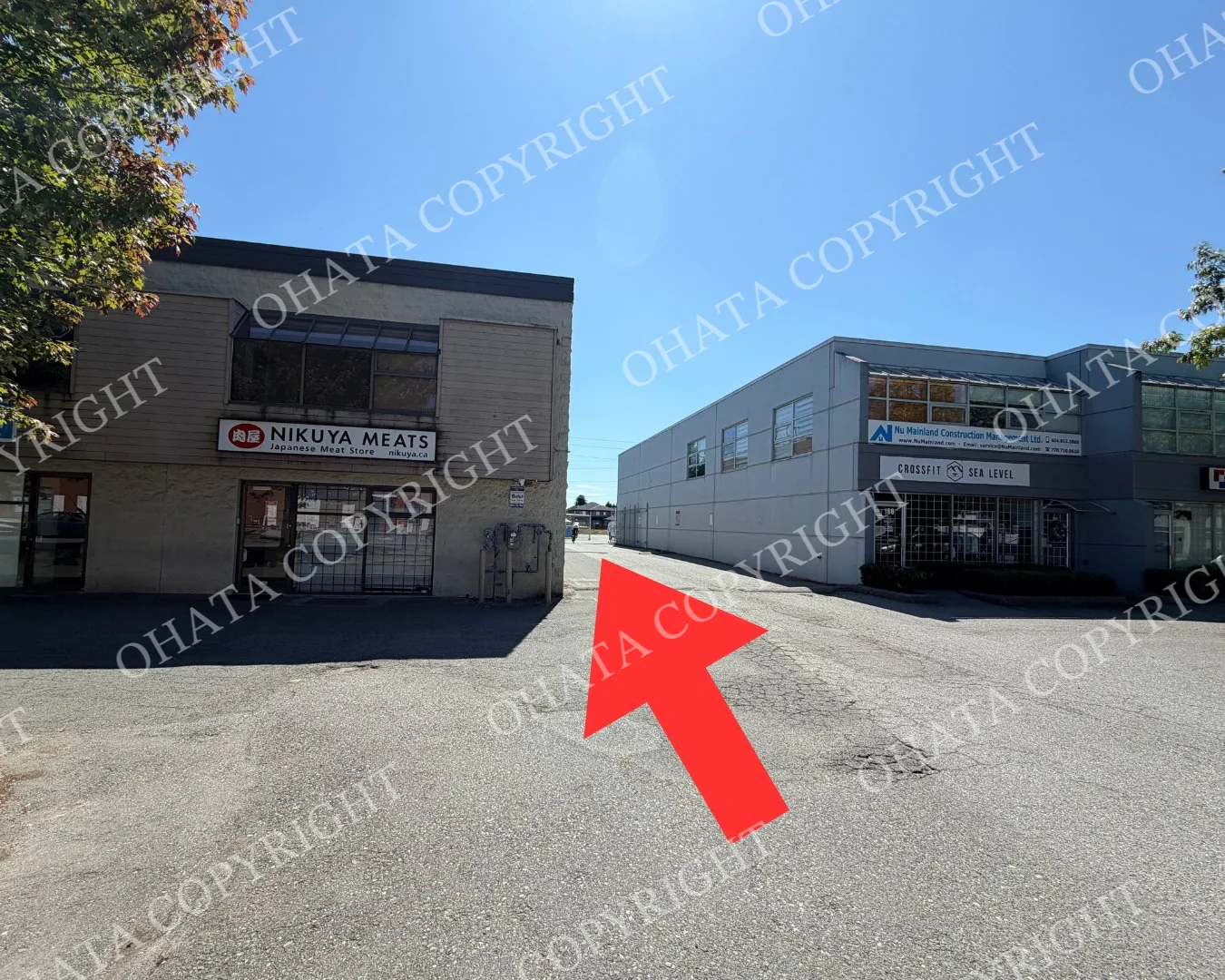
Follow the route around the building to reach the warehouse.
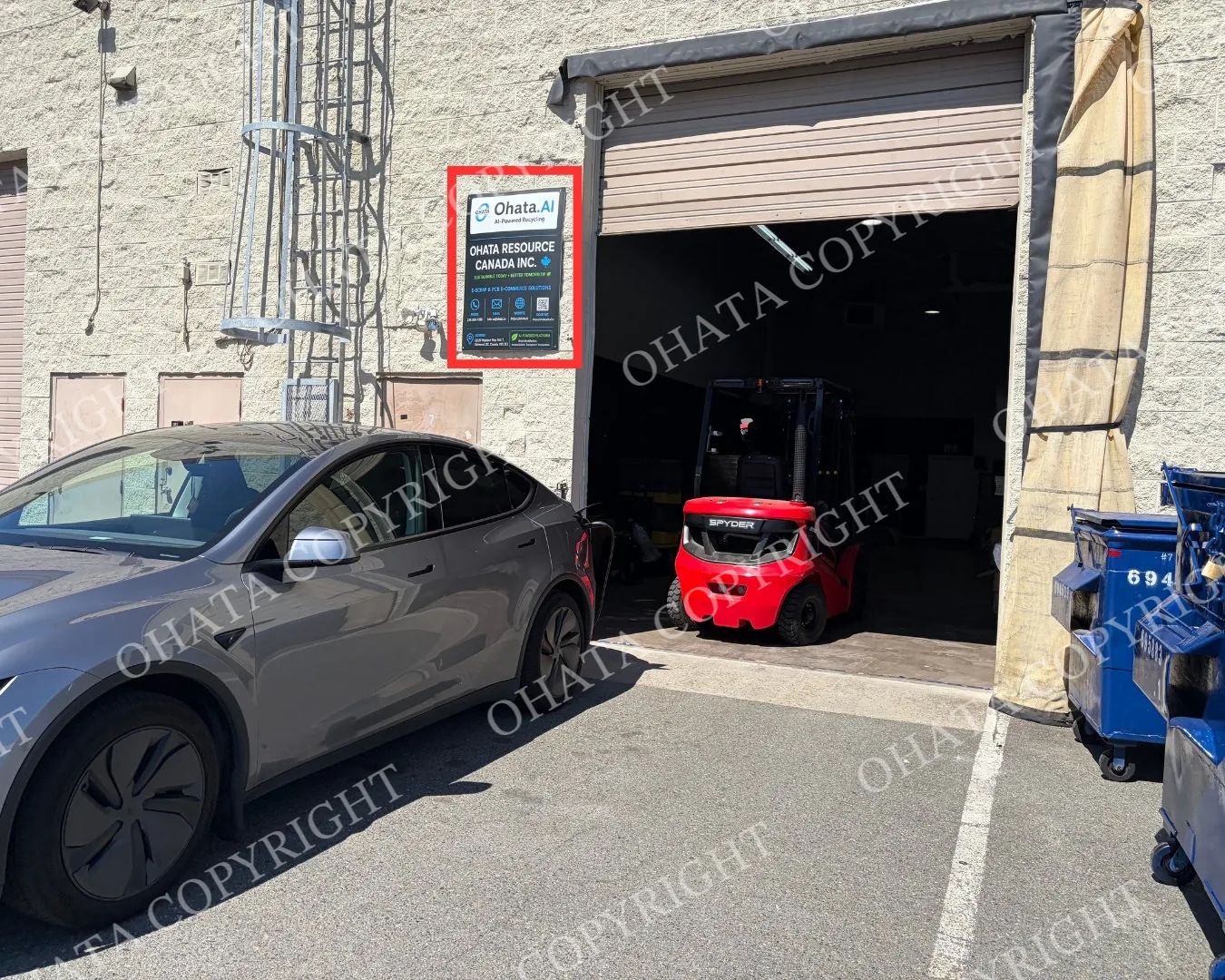
The vertical Ohata sign identifies the correct warehouse entrance.
3. Park Directly in Front of the Warehouse
If you arrive by car, you may park directly in front of the Ohata warehouse entrance while your e-scrap is being received.
Once you reach the warehouse, please park and wait there. A member of our team will come to assist you with your material.
If you have difficulty finding the rear entrance, please call or message us:
Telephone and WhatsApp: +1 (236) 888-1086
For large commercial loads or palletized shipments, please contact the Richmond team before visiting so we can prepare for unloading.
When you arrive:
Bring smaller quantities to the receiving area.
Ask a staff member for assistance with heavy or larger loads.
Our team will inspect, sort and weigh the material.
The applicable buying category and condition will be confirmed.
The final buying price will be determined after physical inspection.
Payment will be processed according to the current purchasing policy.
Walk-in customers are welcome during regular business hours. Most visits don’t require an appointment, but advance contact is recommended for commercial, palletized or unusually large loads.
You can review directions, parking and visitor information on the Richmond yard access page.
Helpful Tips Before Your Richmond Visit
Check the current Canadian buying prices before travelling.
Use Ohata.AI when you need help identifying an unfamiliar item.
Take clear front-and-back photographs before requesting an initial review.
Separate different board and equipment categories whenever practical.
Keep damaged, wet, burned, corroded or contaminated items separate.
Remove unrelated garbage and unnecessary packaging.
Don’t cut boards or remove major components unless you understand how the separated materials will be evaluated.
Back up and erase data-bearing devices according to your requirements.
Bring valid government-issued photo identification.
Contact Ohata Resource Canada Inc. before bringing a large commercial or palletized load.
Published online prices are references and may change. Final acceptance, classification, measured weight and buying price are determined after physical inspection.
View more Ohata's circuit board recycling classifications
Board SS Grade (high value telecom Board)
Board S Grade (high-end computer Board)
Board A+ Grade (Industrial and enterprise Board)
Board A Grade (premium computer Board)
Board B Grade (medium value board)
FAQ
- 1. What is today’s price for Board SS Grade (high value telecom Board) buying?
- As of Sep 20,2026, Ohata Resource Canada Inc., (Richmond, BC, Canada) is purchasing Board SS Grade (high value telecom Board) buying at 22.05 (CAD/lb). We provide competitive scrap prices in Delta, Surrey, Richmond, and across the Greater Vancouver area.
- 2. What types of circuit boards are commonly classified as SS Grade?
- SS Grade commonly includes high-value circuit boards from enterprise network switches, carrier-grade routers, telecommunications switching equipment, optical transmission systems, cellular base stations, server backplanes, and other advanced communication systems. Some densely populated smartphone logic boards may also qualify.
- 3. Are all Cisco, Juniper, Nokia, or Ericsson boards considered SS Grade?
- No. Brand name alone does not determine the recycling grade. Each board is evaluated according to its integrated-circuit density, BGA packages, PCB construction, connector quality, original application, completeness, and recoverable material content.
- 4. Must an SS Grade circuit board still be functional?
- No. The board does not need to operate normally. Ohata evaluates scrap boards primarily according to their recoverable materials, construction quality, component density, and physical condition rather than their working status.
- 5. Why are SS Grade boards more valuable than ordinary desktop motherboards?
- SS Grade boards usually contain more communication ASICs, processors, memory packages, premium connectors, internal copper layers, and high-density surface-mounted components. These characteristics generally provide greater precious-metal and copper recovery potential than standard consumer or desktop-computer boards.
- 6. Can a board still receive SS Grade pricing if its heat sink or cooling fan has been removed?
- Usually, yes. Detachable heat sinks, cooling fans, screws, plastic handles, and external brackets may generally be removed without changing the grade, provided that the PCB and the major semiconductor devices underneath remain intact and undamaged.
- 7. What missing components can cause an SS Grade board to be downgraded?
- The board may be downgraded if major network ASICs, processors, FPGA devices, large BGA packages, optical interfaces, gold-finger sections, or premium connector banks have been removed. Scraped IC areas and cut PCB sections can also significantly reduce value.
- 8. Can SS Grade boards be mixed with lower-grade circuit boards?
- They should be kept separate. Mixing SS Grade boards with desktop motherboards, appliance boards, power-supply boards, or other low-grade electronic scrap increases sorting time and may result in the entire shipment being provisionally downgraded until inspection and separation are completed.
- 9. How does Ohata determine the final buying price for SS Grade circuit boards?
- The final price is based on the verified Ohata grade, physical condition, completeness, contamination level, major component retention, shipment consistency, and current purchasing terms. Different models and manufacturers may receive the same SS Grade price when they meet equivalent technical and material standards.
- 10. How does your online e-commerce scrap business meet Canadian environmental standards?
- We ensure that all digitally sourced e-scrap undergoes responsible resource recovery and certified downstream smelting to achieve zero-waste diversion goals.
- 11. Can corporate clients get documentation for environmental compliance audits?
- Yes, our digital portal can generate formal data destruction reports and material recovery receipts for your corporate sustainability compliance records.
- 12. How long does it take to receive an Interac e-Transfer from Ohata.ai?
- Interac e-Transfers are sent automatically through our e-commerce portal within 24 hours after our Richmond team verifies your shipment.
Related Items
UP↑
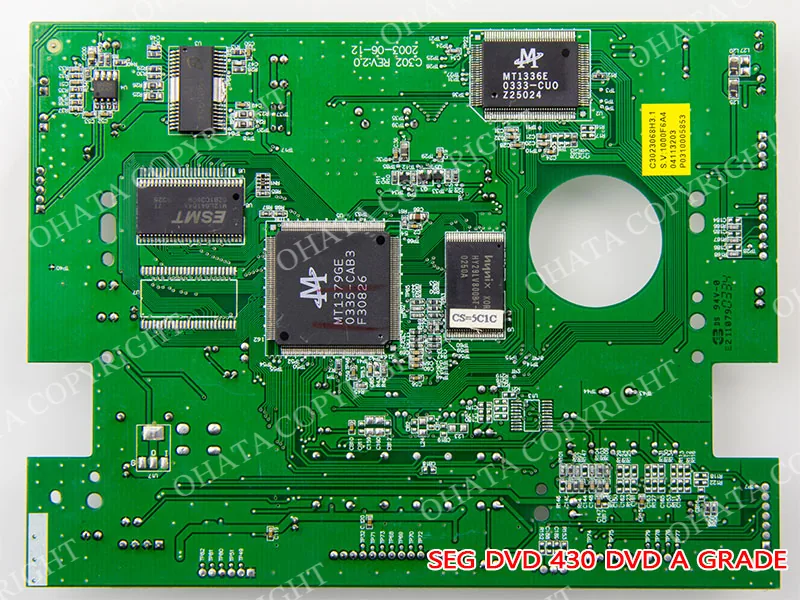
Board A Grade (premium computer Board) buying
7.35
CAD / lb
UP↑
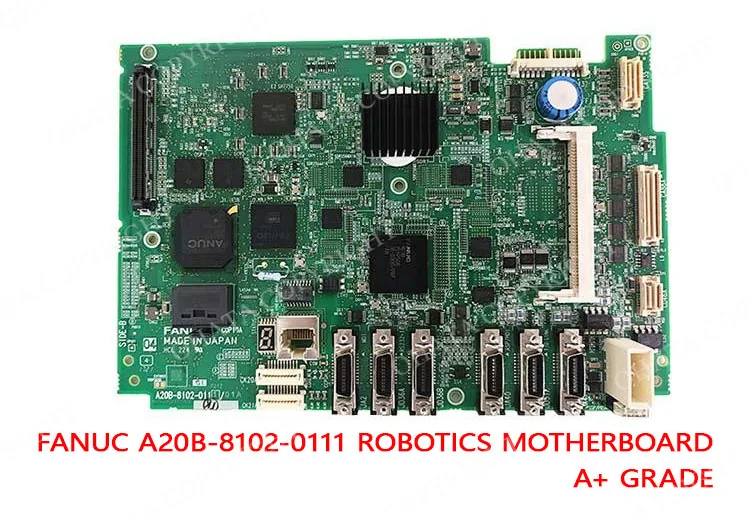
Board A+ Grade (Industrial and enterprise Board) buying
11.55
CAD / lb
UP↑
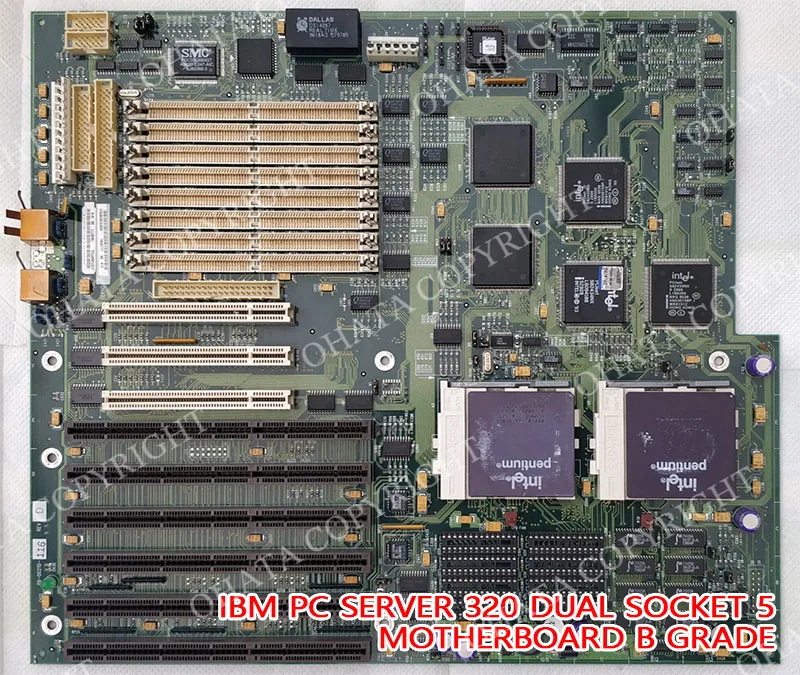
Board B Grade (medium value board) buying
5.25
CAD / lb
UP↑
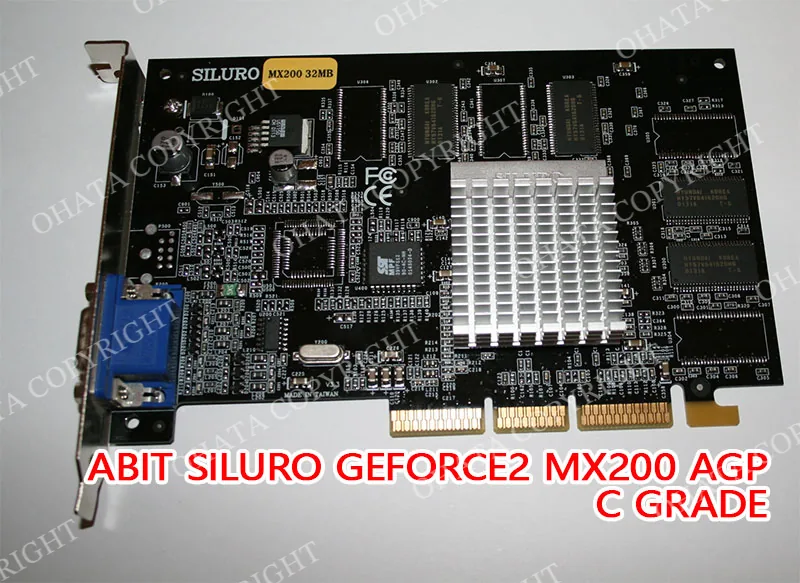
Board C Grade (Lower Premium Board) buying
4.73
CAD / lb
UP↑
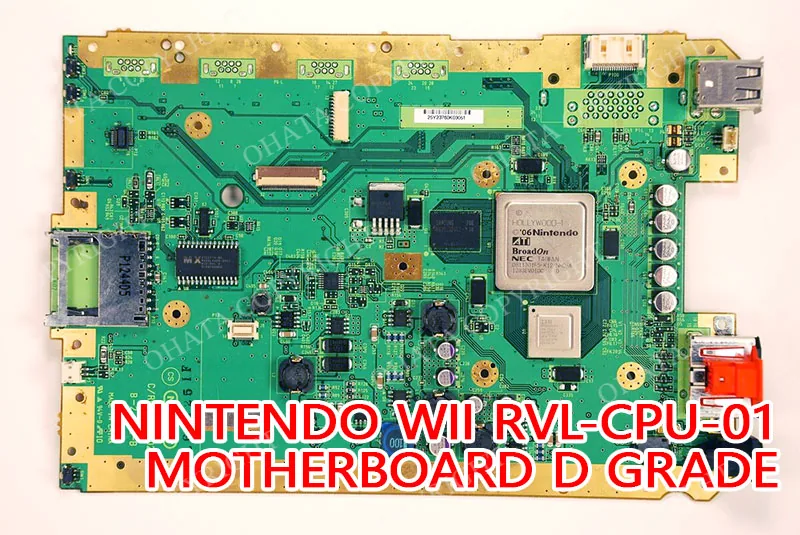
Board D Grade (Lower computer Board) buying
2.52
CAD / lb
UP↑
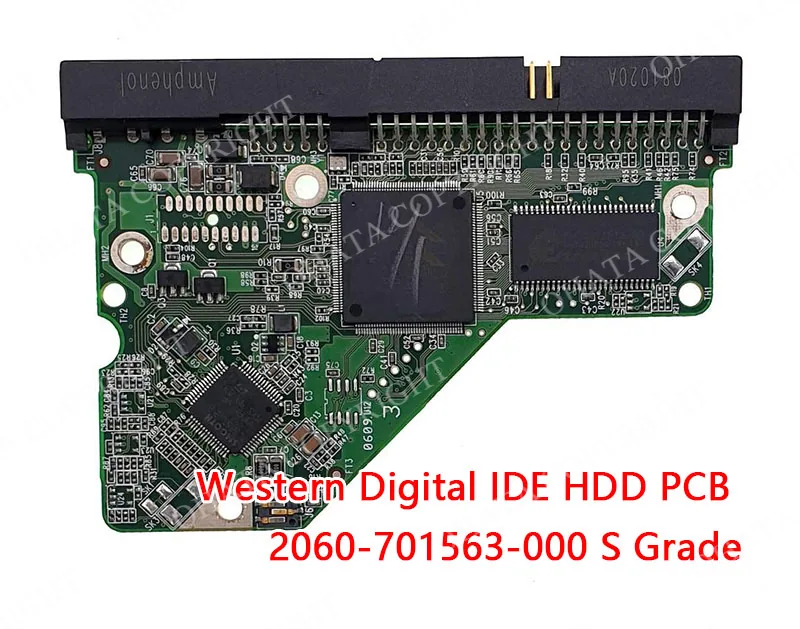
Board S Grade (high-end computer Board) buying
19.95
CAD / lb
UP↑
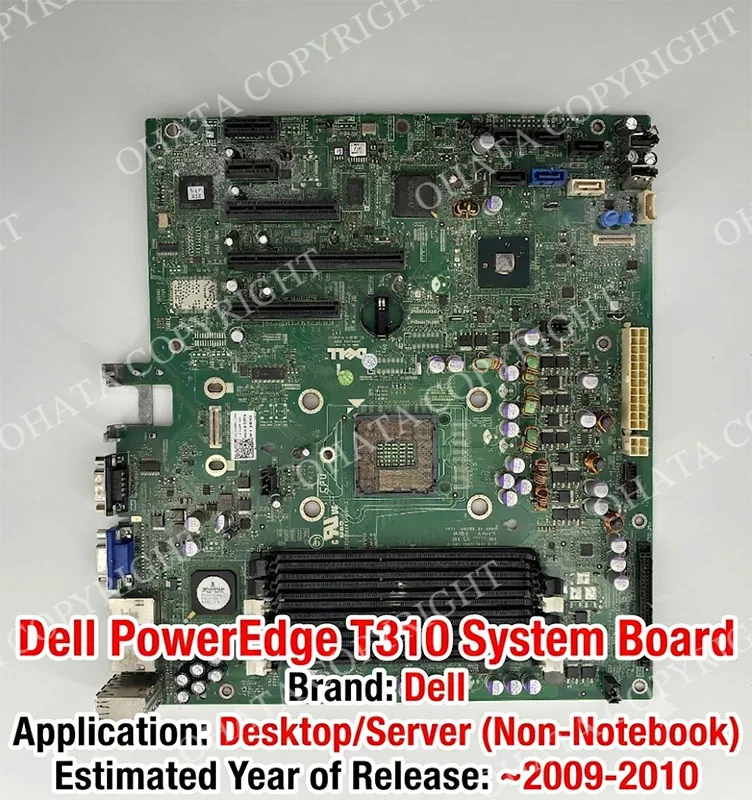
Dell PowerEdge T310 Server Motherboard Buying
7.35
CAD / lb
Contact us by phone or email