
-
We buy Board A Grade (premium computer Board) from a minimum of 1 lb.
-
The Ohata A Grade category commonly includes:Clean gold-finger computer cards without fans, heatsinks, or iron brackets.,Non-Apple laptop motherboards containing two qualifying gold-tab BGA packages.
-
Common electronic components found on A Grade boards include:BGA processors, graphics controllers, bridge chips, and system chipsets.,QFP, QFN, SOIC, and other integrated-circuit packages.
-
A clean gold-finger card may qualify when it retains its electronic components and gold-plated edge connector but has no fan, oversized heatsink, or unnecessary metal bracket.
-
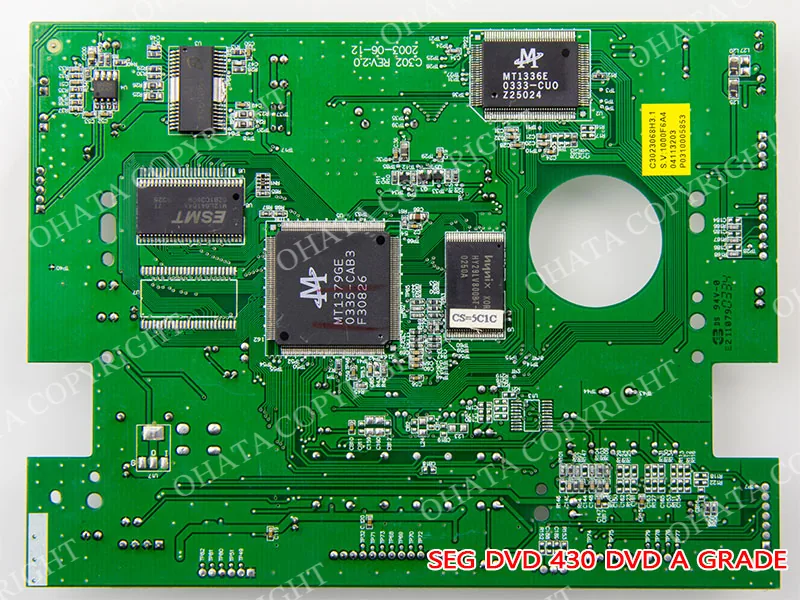
Optical-drive controller boards can qualify because they often contain motor-control ICs, optical pickup control circuits, memory devices, interface controllers, power components, and copper-bearing sections.
-
Ohata prefers Board A Grade (premium computer Board) that are: Not severely burned, Not heavily corroded, Not broken into small pieces, Not intentionally stripped.
Board A Grade (premium computer Board) buying scrap price
-
We buy Board A Grade (premium computer Board) from a minimum of 1 lb.
-
The Ohata A Grade category commonly includes:Clean gold-finger computer cards without fans, heatsinks, or iron brackets.,Non-Apple laptop motherboards containing two qualifying gold-tab BGA packages.
-
Common electronic components found on A Grade boards include:BGA processors, graphics controllers, bridge chips, and system chipsets.,QFP, QFN, SOIC, and other integrated-circuit packages.
-
A clean gold-finger card may qualify when it retains its electronic components and gold-plated edge connector but has no fan, oversized heatsink, or unnecessary metal bracket.
-
Optical-drive controller boards can qualify because they often contain motor-control ICs, optical pickup control circuits, memory devices, interface controllers, power components, and copper-bearing sections.
-
Ohata prefers Board A Grade (premium computer Board) that are: Not severely burned, Not heavily corroded, Not broken into small pieces, Not intentionally stripped.
Buying Details of Conditions
Learn more about A Grade Boards
Introduction, Construction, Components, and Recycling Value
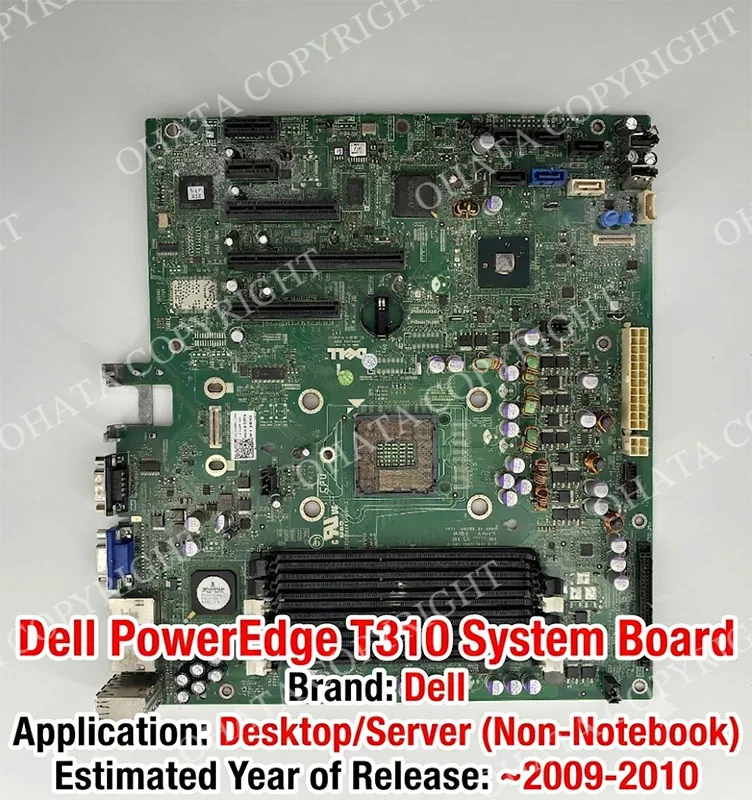
A Grade is not limited to one manufacturer, one model number, or one generation of electronic equipment. A Dell server motherboard, an NEC desktop motherboard, a non-Apple laptop motherboard, a clean computer expansion card, or a qualifying game-console motherboard may all receive the same A Grade classification when they meet the official inspection standard.
This grade-based approach is important because electronic scrap purchasing is not the same as buying functional second-hand hardware. The original retail price, operating status, brand reputation, processor speed, memory capacity, and software compatibility are not the primary grading factors. A board may be non-working, obsolete, or removed from equipment that is no longer supported and still qualify as A Grade scrap.
Once a circuit board has been inspected and confirmed as A Grade, it is purchased according to the current A Grade buying price rather than receiving a different grade solely because of its model name. However, deductions may still apply when a board is damaged, contaminated, incomplete, mixed with lower-grade material, or supplied with unwanted attachments.
Typical A Grade Products
The Ohata A Grade category commonly includes:
Clean gold-finger computer cards without fans, heatsinks, or iron brackets.
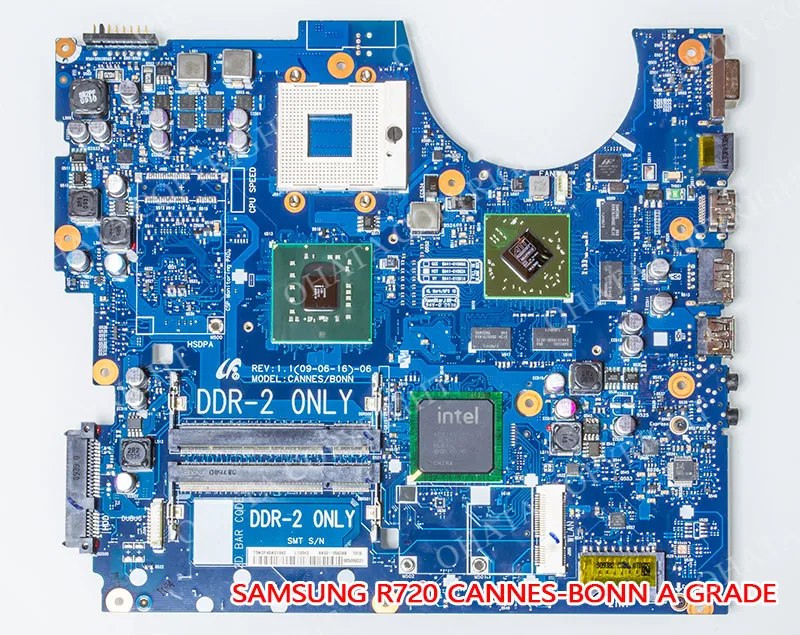
Non-Apple laptop motherboards containing two qualifying gold-tab BGA packages.
Large single-socket server motherboards.
CD-ROM and DVD-ROM controller boards.
Backplane and expansion boards that meet the required construction standard.
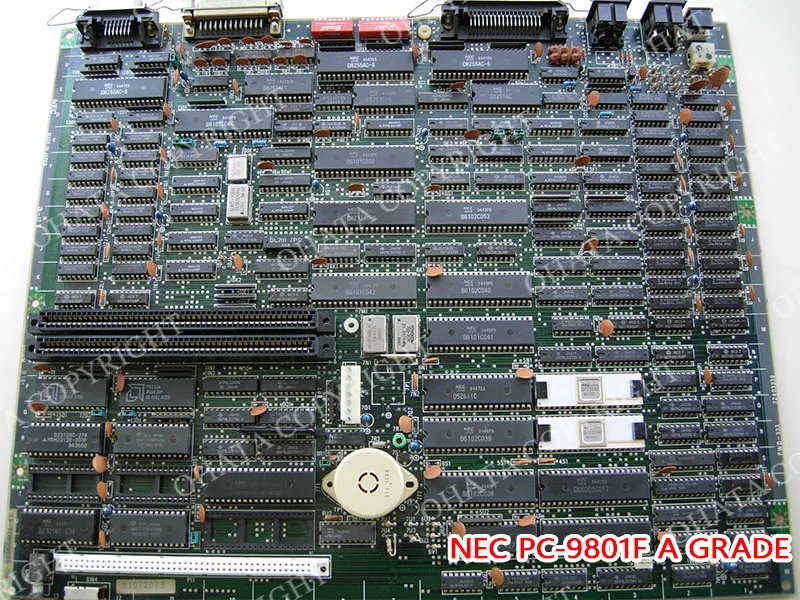
NEC desktop computer boards manufactured from approximately the 1980s through the 2000s.
Computer expansion cards with qualifying gold-tab BGA components and no iron bracket.
PCMCIA laptop expansion cards without batteries.
Selected family game-machine boards.
Qualifying game-machine boards may include boards from systems such as the Sony PlayStation 1, PS One, Sony PSX, PlayStation 2, Nintendo GameCube, Nintendo DS, and Sega Dreamcast when their construction and condition meet the A Grade standard. A console name alone does not guarantee the grade. Different revisions, stripped boards, low-density versions, heavily shielded assemblies, and boards from other game systems may be classified differently.
Board Construction
Most A Grade boards are manufactured from multilayer FR-4 material consisting of woven fiberglass reinforced with epoxy resin. Copper conductors are formed into signal layers, ground planes, power planes, plated-through holes, traces, and connector circuits. A multilayer design generally contains more copper and requires more complex manufacturing than a simple appliance control board.
The board surface may contain solder mask, component markings, plated contacts, exposed test points, gold fingers, connector pads, and surface finishes such as ENIG or other protective metallic coatings. Gold-bearing contacts are especially visible on expansion cards, PCMCIA cards, memory-style edge connectors, and some backplane connectors.
Common electronic components found on A Grade boards include:
BGA processors, graphics controllers, bridge chips, and system chipsets.
QFP, QFN, SOIC, and other integrated-circuit packages.
CPU sockets and processor-retention assemblies.
Memory sockets and expansion connectors.
Network, storage, audio, video, and interface controllers.
BIOS or firmware memory devices.
MOSFETs, voltage regulators, inductors, and power-management circuits.
Multilayer ceramic capacitors and electrolytic or polymer capacitors.
Gold-finger edge connectors and plated internal contacts.
Rear I/O ports, ribbon-cable connectors, and board-to-board connectors.
A Grade boards normally show stronger electronic construction and more recoverable value than ordinary consumer-appliance boards. They may not have the extreme semiconductor coverage of premium telecom boards or advanced industrial-control boards, but they contain a balanced combination of copper, integrated circuits, gold-plated contacts, capacitors, sockets, and connectors.
Why A Grade Boards Have Recycling Value
The largest recoverable metal by weight is usually copper. Copper is present in internal PCB layers, power-distribution planes, signal traces, inductors, transformers, motor-control sections, connector pins, and thermal structures.
Gold is found in smaller quantities but contributes important recycling value. Gold-bearing locations may include card-edge fingers, CPU-socket contacts, memory-slot contacts, board-to-board connectors, plated pads, selected connector pins, and microscopic bonding wires inside integrated circuits.
Silver may be present in solder alloys, contacts, conductive materials, and selected electronic components. Palladium may be found in some multilayer ceramic capacitors and semiconductor-related materials. Nickel is widely used as a barrier or structural plating layer beneath gold and on connector surfaces. Tin is found primarily in solder and component terminations.
The recycling value is produced by the entire material composition of the board. A Grade should therefore not be judged only by the amount of visible gold. A board with moderate visible gold may still qualify because of its multilayer construction, copper content, IC density, BGA packages, sockets, capacitors, and professional computer application.
Ohata A Grade Classification and Identification Guide
The Ohata classification system separates boards according to construction quality, component density, precious-metal potential, original application, and expected processing value. A Grade represents high-grade computer and expansion-board material below A+ Grade but above B, C, D, and appliance-board classifications.
1. Clean Gold-Finger Cards
A clean gold-finger card may qualify when it retains its electronic components and gold-plated edge connector but has no fan, oversized heatsink, or unnecessary metal bracket.
Examples may include network cards, controller cards, older graphics cards, storage-interface cards, and specialized computer expansion cards. The gold fingers should remain substantially intact. Cards with trimmed fingers, removed ICs, excessive depopulation, large cooling assemblies, or attached iron brackets may be downgraded or require additional preparation.
2. Non-Apple Laptop Motherboards
A non-Apple laptop motherboard may qualify as A Grade when it has two qualifying gold-tab BGA packages and retains the main processor, graphics, chipset, or controller areas required by the inspection standard.
The board should remain complete and identifiable as a laptop system board. Missing BGA chips, removed processor areas, broken PCB sections, cut connectors, heavy corrosion, or extensive component harvesting may reduce the classification.
Apple laptop logic boards are normally evaluated under a different higher-grade category in the Ohata system and should not automatically be mixed with non-Apple A Grade laptop boards.
3. Large Single-Socket Server Motherboards
A large server motherboard with one CPU socket may qualify as A Grade. Under the applicable inspection guideline, a large CPU socket should normally have a minimum approximate size of 5 cm × 5 cm.
These boards typically contain enterprise chipsets, ECC memory sockets, PCI Express expansion slots, server-management controllers, network controllers, storage connectors, strong voltage-regulation sections, and substantial multilayer copper construction.
The single-socket requirement is important. Large multi-socket server motherboards may belong to another grade depending on socket construction, board design, processor generation, and the detailed Ohata standard.
4. CD-ROM and DVD-ROM Boards
Optical-drive controller boards can qualify because they often contain motor-control ICs, optical pickup control circuits, memory devices, interface controllers, power components, and copper-bearing sections.
The classification applies to the electronic controller board, not the complete optical-drive assembly. Steel housings, motors, optical mechanisms, plastic trays, cables, and unrelated mechanical parts should be separated unless instructed otherwise.
5. Backplane and Expansion Boards
Backplane boards and expansion boards must be inspected carefully. A qualifying computer backplane may have numerous plated connectors, multilayer copper construction, active controller components, gold contacts, and substantial board density.
Not every board called a backplane is automatically A Grade. Simple passive connector panels, heavily stripped boards, low-value appliance backplanes, power-distribution panels, and boards dominated by large plastic connectors may receive a lower grade.
6. NEC Legacy Desktop Boards
Selected NEC desktop computer boards produced from the 1980s through the 2000s may qualify because older computer designs can contain strong connector plating, large IC packages, substantial copper, through-hole components, ceramic or high-quality semiconductor packages, and durable multilayer construction.
The manufacturing period is only an identification clue. The actual grade must still be confirmed by inspecting the complete board.
7. PC Expansion Cards and PCMCIA Cards
A qualifying expansion card should contain the required gold-tab BGA component, remain free of an iron bracket, and retain its gold fingers and main electronic components.
PCMCIA laptop expansion cards should be supplied without batteries. Batteries create storage, transportation, fire, and processing concerns and must be removed before the card is accepted as clean board scrap.
8. Family Game-Machine Boards
Selected game-machine boards may qualify as A Grade due to their large custom processors, graphics chips, memory packages, copper-rich multilayer construction, plated connectors, and specialized system architecture.
Model identification is required because game-console boards appear in several Ohata grades. A PlayStation 1 or PlayStation 2 board that meets the A Grade inspection standard should not be automatically grouped with an Xbox, Sega Saturn, low-density console board, power-supply board, controller-accessory board, or stripped game-machine PCB.
Practical Inspection Sequence
An inspector should first identify the original equipment type. The board should then be checked for the defining A Grade structure, such as a large single CPU socket, two qualifying BGA packages, clean gold fingers, a recognized optical-drive controller design, or an eligible game-console architecture.
The inspector should next verify component completeness, connector condition, contamination, structural integrity, unwanted attachments, batteries, and whether the material has been mixed with other grades.
The final classification must be based on the entire board. One gold connector, one large IC, or one printed model number is not enough by itself to establish A Grade.
Recoverable Materials, Buying Standards, and Handling
Recoverable Materials
A Grade boards may contribute the following recoverable materials:
Copper: Internal layers, traces, power planes, connectors, coils, inductors, and grounding structures.
Gold: Edge fingers, socket contacts, connector contacts, plated pads, selected component terminations, and internal semiconductor bonding materials.
Silver: Solder, switches, contacts, selected conductive materials, and component structures.
Palladium: Certain multilayer ceramic capacitors and specialized electronic components.
Nickel and tin: Connector plating, protective finishes, component leads, and solder alloys.
Aluminum and steel: Heatsinks, brackets, shields, and mechanical attachments. These materials should normally be separated when the buying standard requires a clean board.
General Buying Standards
To preserve A Grade value, boards should be:
Complete enough to identify and classify.
Clean and dry.
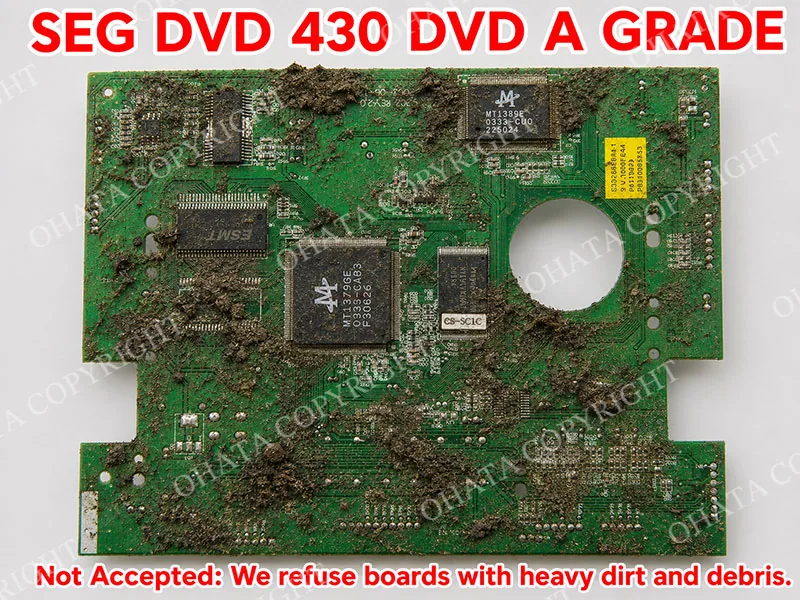
Free from heavy mud, oil, chemicals, battery leakage, and hazardous residue.
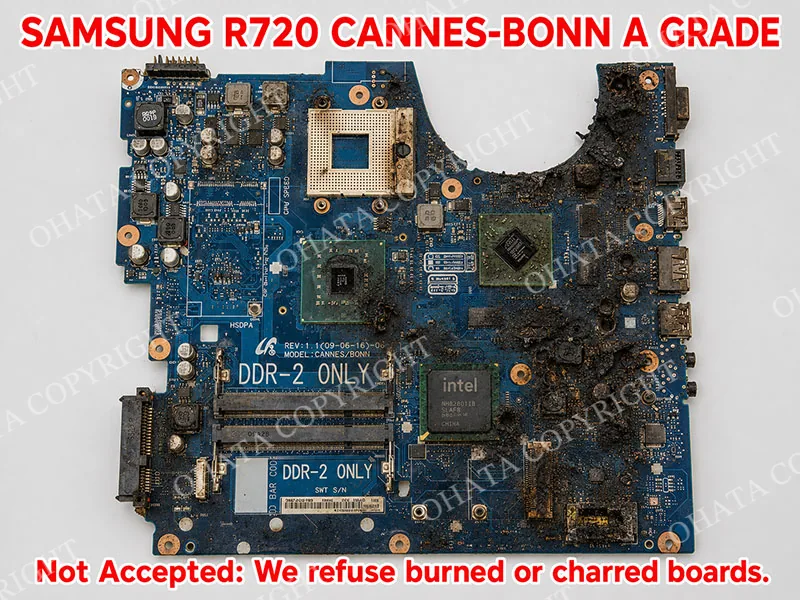
Free from severe fire damage and carbonization.
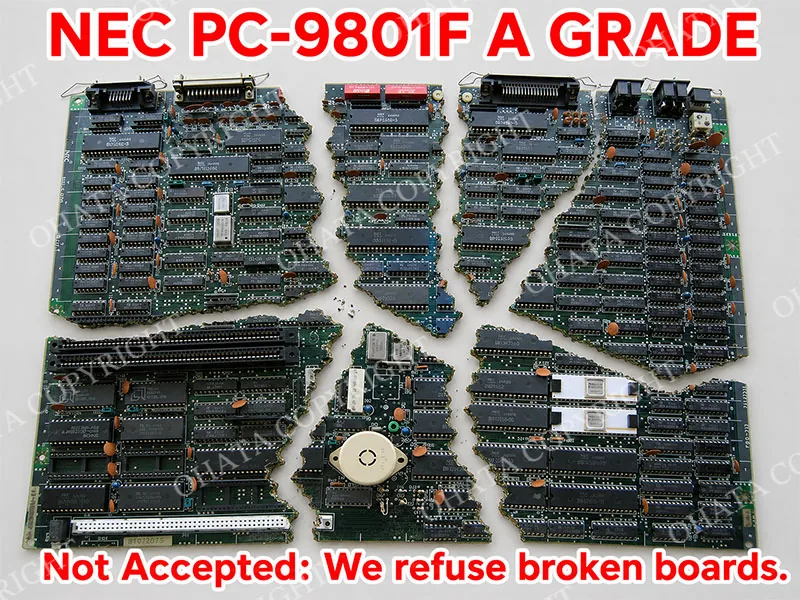
Structurally intact and not broken into multiple pieces.
Supplied with the main chipsets and BGA packages attached.
Free from batteries where the category specifically requires battery removal.
Free from fans, oversized heatsinks, and iron brackets where the item definition requires a clean board.
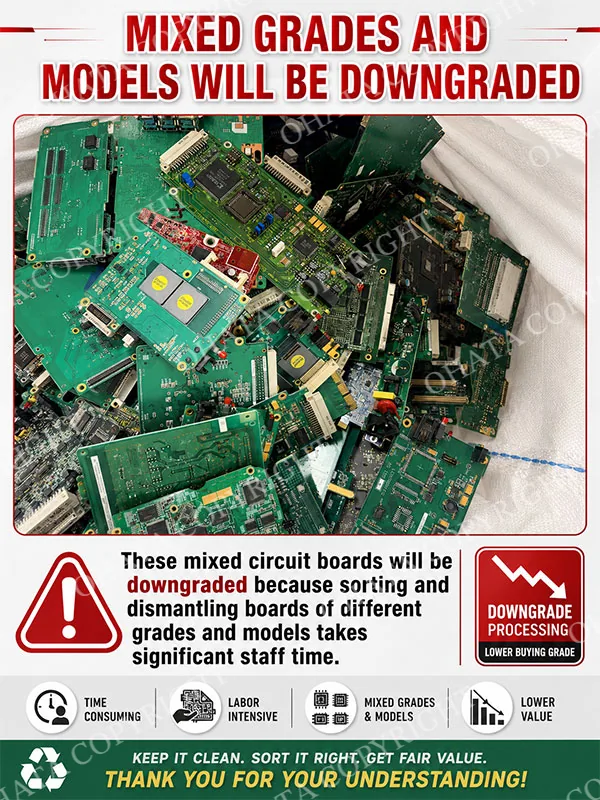
Sorted separately from B, C, D, appliance, power-supply, and mixed electronic boards.
A non-working board may still be purchased as scrap. Functional testing is generally less important than board type, completeness, cleanliness, component retention, and recoverable-material content.
Removing high-value components before delivery can reduce the grade. Boards with removed chipsets, harvested BGA packages, cut gold fingers, missing memory connectors, removed CPU sockets, or stripped controller sections may no longer represent the original A Grade material.
Boards that are burned, chemically treated, manually incinerated, acid processed, crushed, shredded, heavily corroded, or contaminated with unknown industrial residue should not be mixed with clean A Grade material.
Sorting and Price Protection
A Grade boards should be packed and labelled separately. Mixing them with ordinary desktop motherboards, appliance boards, power boards, wires, batteries, metal housings, low-grade console boards, or dirty electronic scrap creates additional inspection and sorting work.
Proper sorting supports more accurate weighing and protects the A Grade buying price. The Canadian company guidance also emphasizes that sorting materially affects the final buying value and that different categories should be separated before delivery.
Within the A Grade category, qualifying boards are purchased according to the current A Grade rate. A seller should not expect a higher board grade merely because one model originally had a high retail price. Similarly, an obsolete model should not receive a lower grade when it fully satisfies the A Grade standard.
Condition deductions, contamination deductions, preparation charges, and separately priced removable components may still apply. A complete A Grade board and a damaged or partially stripped example are not necessarily equal in payable weight or final settlement.
Handling and Preparation
Boards should be stored indoors in a dry location. Containers should prevent bending, impact damage, and contact with water. Batteries should be removed and handled through an appropriate battery-recycling stream.
Fans, steel brackets, large heatsinks, plastic housings, and unrelated mechanical parts should be removed carefully when required. Removal should not cut the PCB, damage gold fingers, tear off adjacent ICs, or break the board.
Workers handling circuit boards should use suitable gloves and follow workplace procedures for sharp edges, lead-bearing solder, dust, broken fiberglass, batteries, and contaminated electronic equipment.
For commercial quantities, materials should be separated by category before loading. Clear photographs, model information, approximate weight, pallet count, and notes about removed attachments can help prepare the inspection and quotation process.
Comparison and Official Ohata Classification
A Grade Compared with A+ Grade
A+ Grade is generally reserved for more advanced industrial and enterprise boards, including industrial control boards, PLC CPU boards, CNC controller boards, robotics boards, medical-equipment boards, higher-grade telecom boards, Apple laptop logic boards, full-IC boards, SATA hard-drive boards, and qualifying large multi-socket server motherboards.
A Grade contains high-quality computer and expansion boards but generally has lower semiconductor density, lower precious-metal concentration, or a less specialized industrial application than A+ Grade.
A Grade Compared with B Grade
B Grade contains medium-value boards such as lower-grade telecom boards, certain peripheral cards, specified plastic or metal server boards, non-Apple laptop boards with only one qualifying gold-tab BGA package, and expansion cards without the required gold-tab BGA feature.
An A Grade board normally has stronger connector quality, better component coverage, more desirable construction, or a more valuable qualifying product type.
A Grade Compared with C and D Grades
C Grade commonly includes trimmed gold-finger cards, cards with attached fans or heatsinks, and specified lower-value desktop motherboard designs.
D Grade generally includes lower-value modern desktop motherboards, integrated boards with limited precious-metal-bearing construction, non-Apple laptop boards without qualifying gold-tab BGA packages, and peripheral cards dominated by oversized cooling assemblies.
The presence of a CPU socket or gold-colored connector does not automatically separate A Grade from C or D Grade. The official product type and complete inspection criteria must be applied.
Official Ohata A Grade Classification Statement
A circuit board shall be classified as Ohata A Grade Board Scrap when its product type, construction, component configuration, connector quality, recoverable-material profile, completeness, and physical condition satisfy the official A Grade inspection standard.
The classification applies to all qualifying boards within the category and is not restricted to one pictured model. A photograph or named motherboard may be used as an identification example, but it does not define the entire grade.
Eligible A Grade material may include clean gold-finger cards, qualifying non-Apple laptop motherboards, large single-socket server motherboards, CD/DVD-ROM boards, qualifying backplane boards, selected legacy NEC desktop boards, specified computer expansion cards, battery-free PCMCIA cards, and approved family game-machine boards.
Once inspection confirms A Grade, the material is purchased at the current posted A Grade rate, subject to the applicable country page, physical condition, preparation requirements, contamination rules, payable weight, and final yard inspection.
Online Quotation Page and Country Selection
To locate the current quotation:
Open the Items or Scrap Price List menu.
Confirm the selected country before checking the price.
Select Canada for quotations in Canadian dollars, shown as CAD/lb.
Select United States for quotations in US dollars, shown as USD/lb.
Enter A Grade in the item search field.
Open the relevant circuit-board or qualifying motherboard item page.
Check the update date, unit of purchase, minimum quantity, buying conditions, and yard location.
Do not convert the Canadian price into US dollars or assume that both country pages use the same rate.
As verified on the Canadian website, the current qualifying A Grade example is the Dell PowerEdge T310 Server Motherboard Buying page. It identifies the complete single-socket server motherboard as Ohata A Grade and displayed 7.00 CAD/lb, updated July 11, 2026. This is a model-specific quotation page serving as an example of the broader A Grade classification.
The United States Items page correctly displays quotations in USD/lb, but an equivalent searchable A Grade item was not visible in the currently indexed US list during verification. Therefore, no US A Grade price should be invented, converted from CAD, or copied from the Canadian page. The correct USD amount must be taken from the US country page once the corresponding A Grade quotation item is published or returned by the Items search.
All posted scrap prices are market-dependent and may be updated frequently. Sellers should always use the latest country-specific item page available at the time of delivery, shipment, or final inspection.
Ready to Sell A Grade Circuit Boards in Richmond?
Once you believe your processors match the item's characteristics, you don’t need to confirm the final grade yourself. The next step is simply to check the current buying information, keep the processors intact and prepare them for inspection.
STEP 1 – Check Today’s Buying Prices and Sort Your Materials
Before visiting our Richmond yard, please review the latest Canadian e-scrap buying prices and identification guides in the Ohata Scrap Wiki.
You can also use Ohata.AI Vision 1.0 Beta 1.0 to investigate an unfamiliar circuit board. Upload a clear photograph, and the tool can analyze visible features, such as the board’s shape, CPU socket, integrated circuits, connectors and component layout, to suggest what type of board it may be.
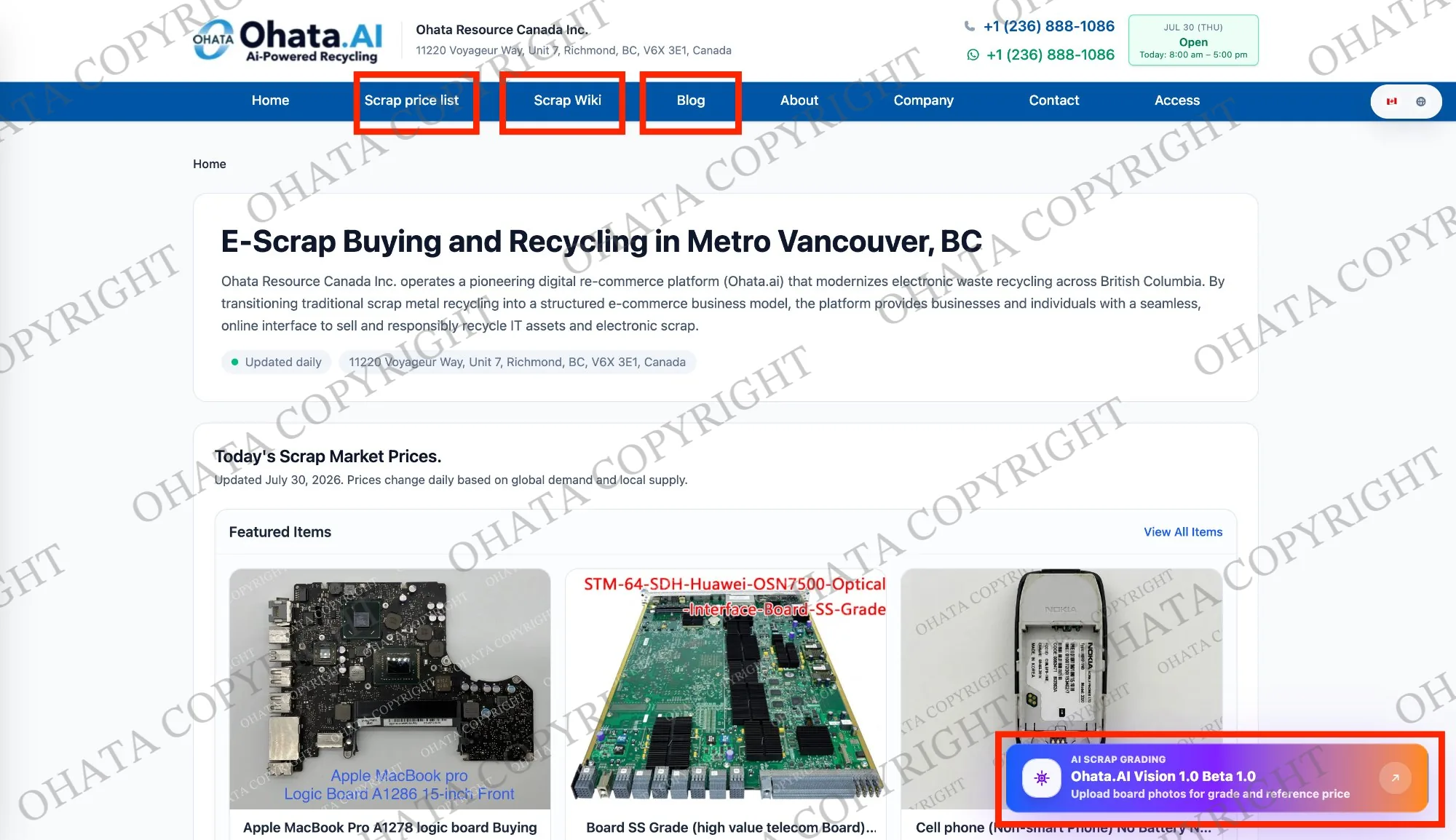
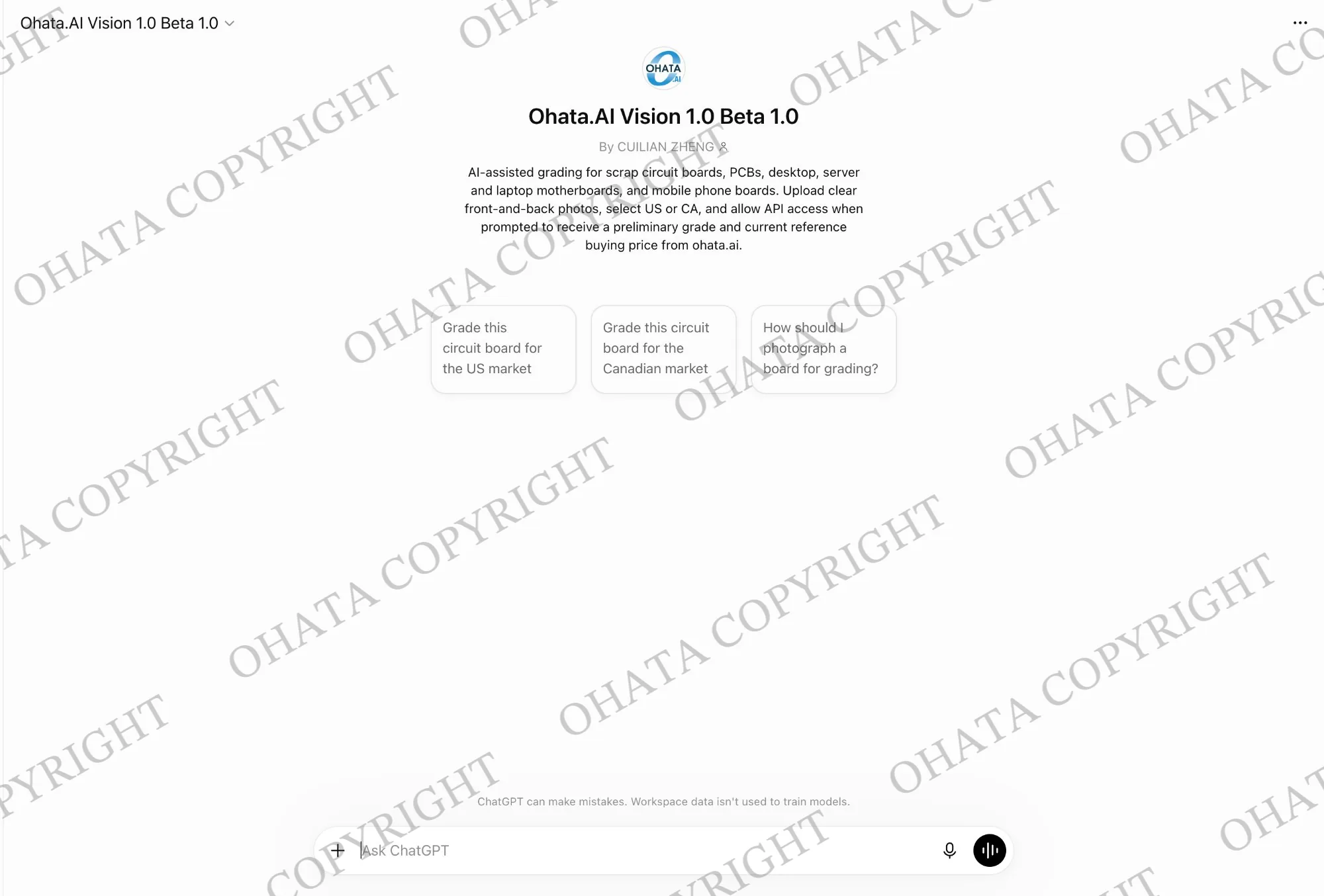
Buying prices and conditions may change with the market, so checking the applicable item page before you leave can help you understand how your material should be prepared.
Whenever practical, separate your e-scrap into groups such as:
Server boards
Laptop motherboards and logic boards
Telecommunications boards
CPUs and memory modules
Other or uncertain electronic scrap
You don’t need to assign every item a final grade yourself. If something is unfamiliar, keep it in an “uncertain” group and use Ohata.AI for a preliminary photo-based identification.
Walk-ins are welcome during regular business hours, and no appointment is required for most ordinary drop-offs.
If you have a large commercial load, palletized shipment or an unusual type of material, please contact the Richmond team before visiting so we can prepare for your arrival.
STEP 2 – Bring Your E-Scrap and Valid Government-Issued Photo ID
Please bring your electronic scrap together with a valid government-issued photo ID.
Examples may include:
British Columbia Driver’s Licence
BC Identification Card
BC Services Card with photo
Canadian passport
Permanent Resident Card
Other valid government-issued photo identification
Business sellers may also be asked to provide company information or supporting documentation when applicable.
Clearly separated and labelled material is usually quicker to inspect. If possible, prepare the approximate weight and quantity for each group before visiting.
Please also remember that computers, servers, hard drives and solid-state drives may contain personal or business information. Back up anything you need and follow your own data-security requirements before the equipment leaves your control.
STEP 3 – Visit Our Richmond E-Scrap Buying Yard
Our Richmond yard is located at 11220 Voyageur Way, Unit 7, Richmond, BC, V6X 3E1. Before leaving, you can check the route and current traffic information through Google Maps.
1. Look for the Ohata sign
When you arrive at the property, first look for the Ohata Resource Canada Inc. sign on the building. Once you find it, continue around to the rear of the building, where our warehouse entrance is located.
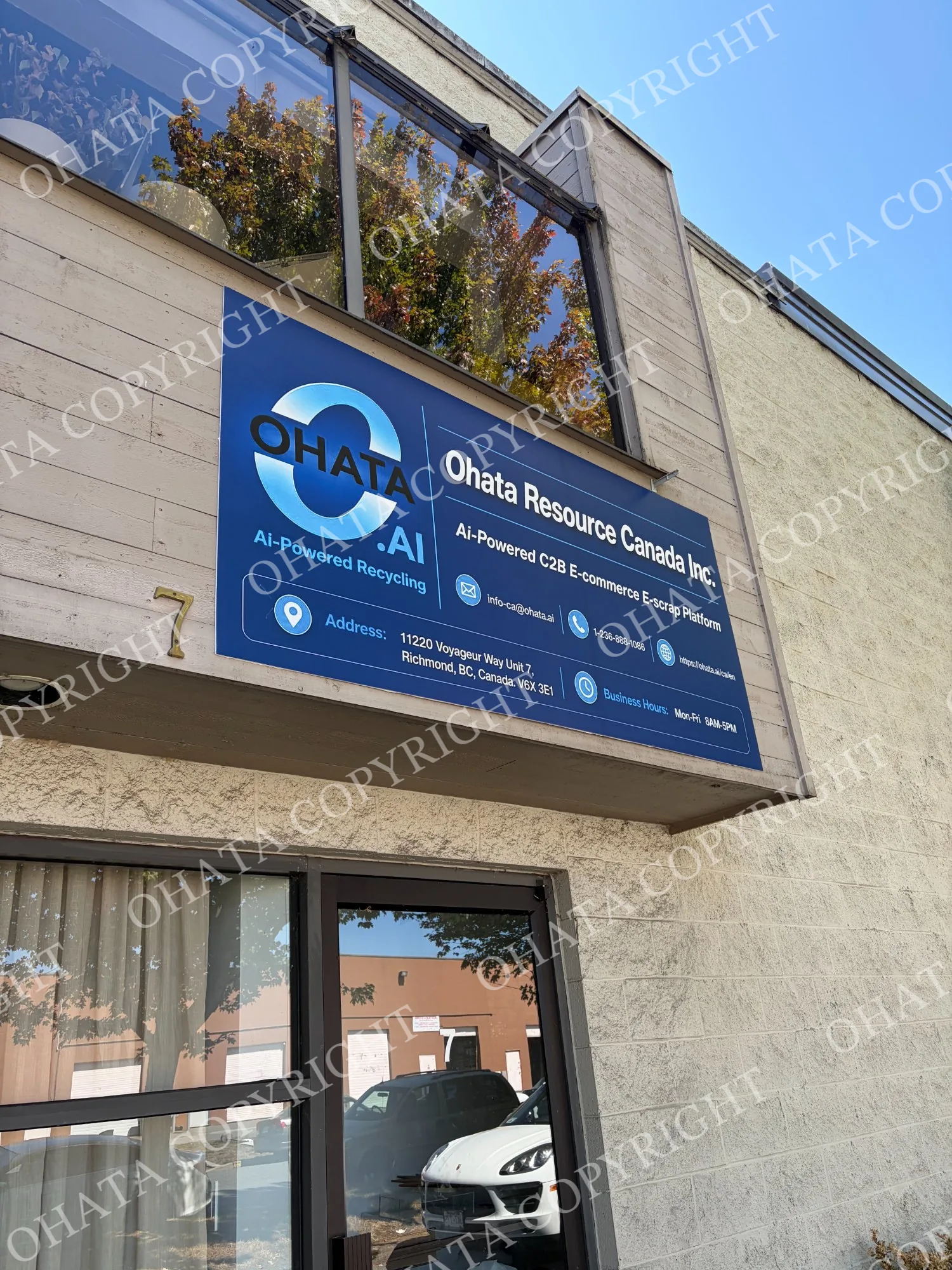
When you see this sign, continue around to the rear of the building.
2. Continue to the Rear Warehouse Entrance
Drive carefully around the building and look for the vertical Ohata sign beside the rear entrance. This vertical sign is the easiest landmark for finding our receiving warehouse.
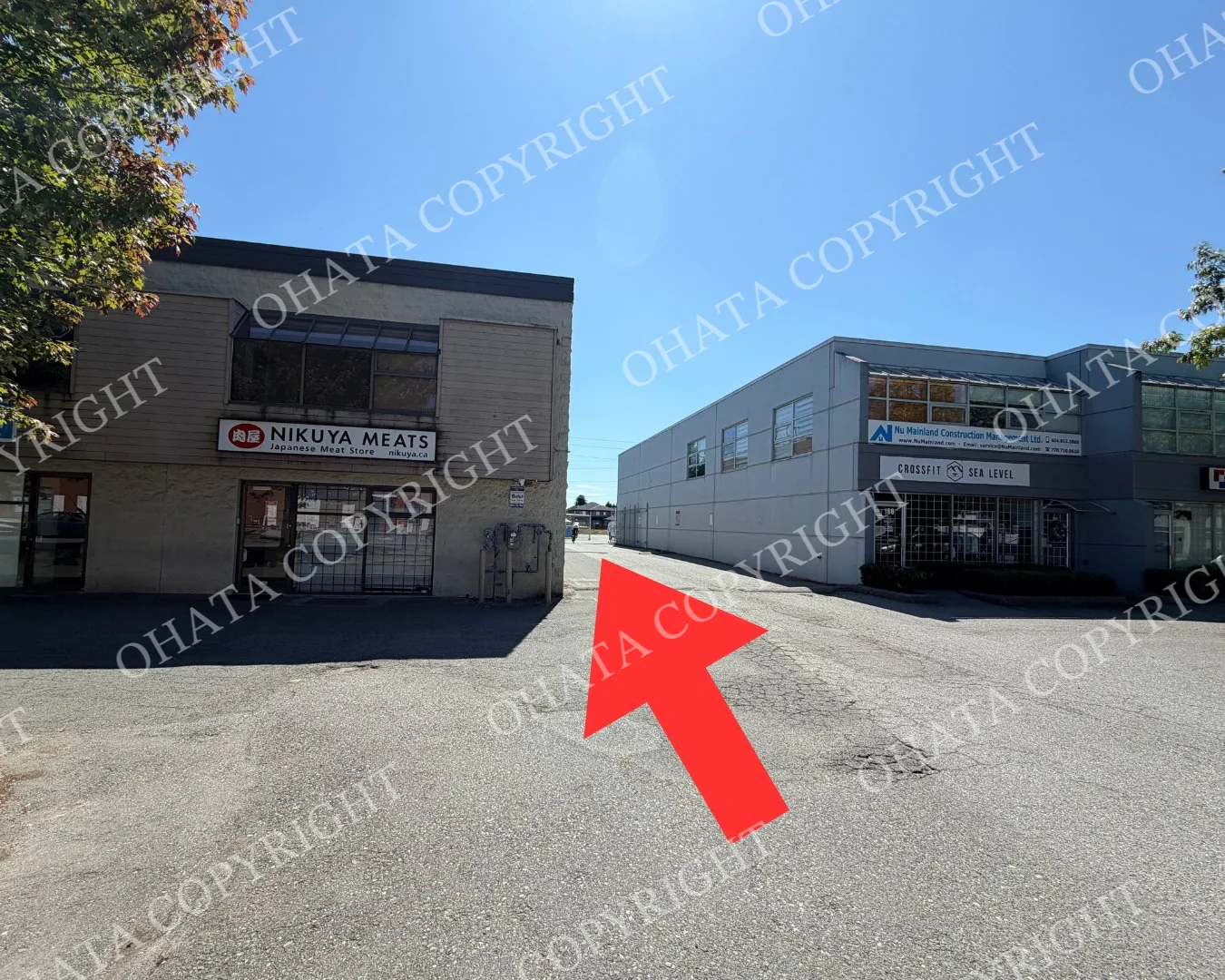
Follow the route around the building to reach the warehouse.
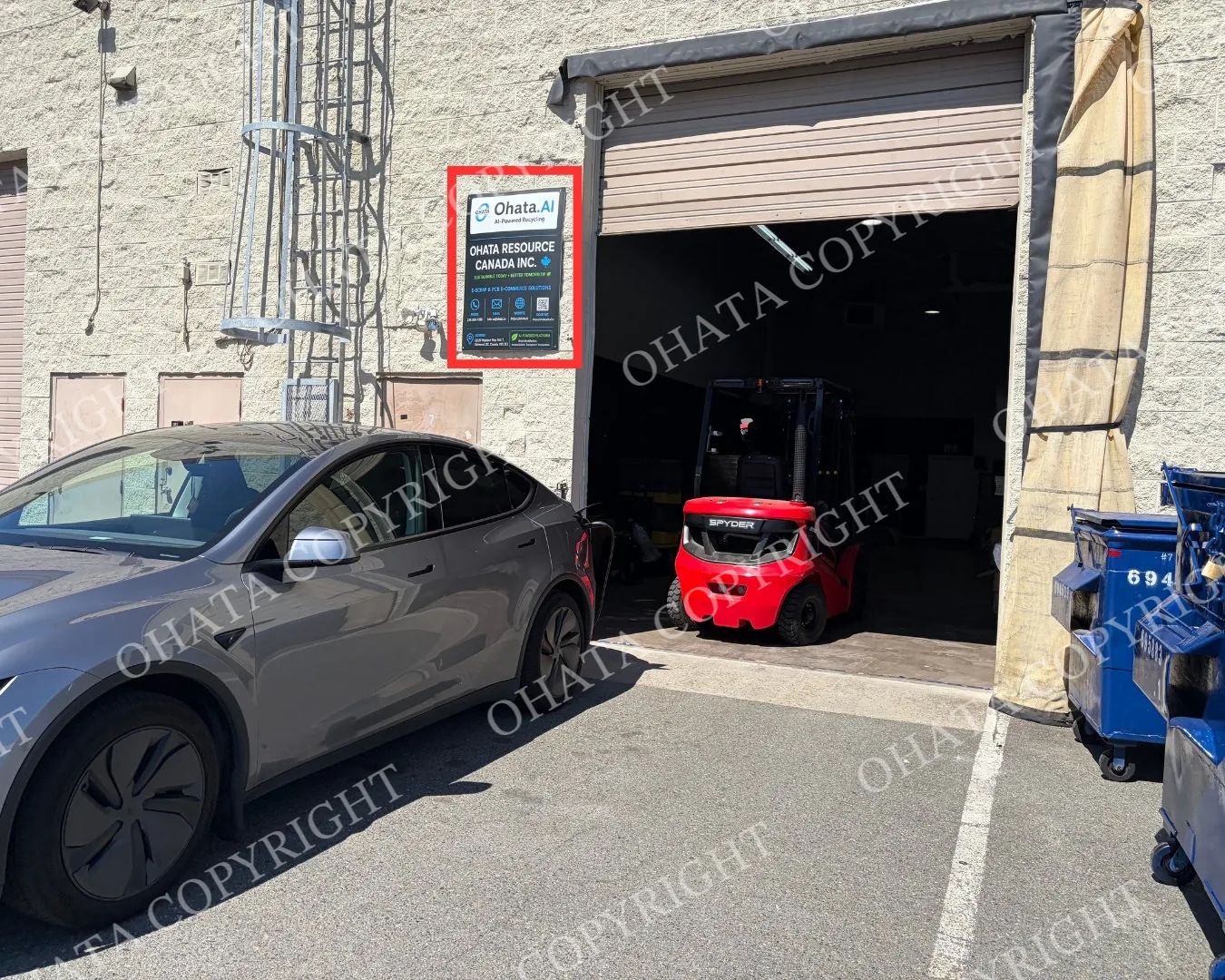
The vertical Ohata sign identifies the correct warehouse entrance.
3. Park Directly in Front of the Warehouse
If you arrive by car, you may park directly in front of the Ohata warehouse entrance while your e-scrap is being received.
Once you reach the warehouse, please park and wait there. A member of our team will come to assist you with your material.
If you have difficulty finding the rear entrance, please call or message us:
Telephone and WhatsApp: +1 (236) 888-1086
For large commercial loads or palletized shipments, please contact the Richmond team before visiting so we can prepare for unloading.
When you arrive:
Bring smaller quantities to the receiving area.
Ask a staff member for assistance with heavy or larger loads.
Our team will inspect, sort and weigh the material.
The applicable buying category and condition will be confirmed.
The final buying price will be determined after physical inspection.
Payment will be processed according to the current purchasing policy.
Walk-in customers are welcome during regular business hours. Most visits don’t require an appointment, but advance contact is recommended for commercial, palletized or unusually large loads.
You can review directions, parking and visitor information on the Richmond yard access page.
Helpful Tips Before Your Richmond Visit
Check the current Canadian buying prices before travelling.
Use Ohata.AI when you need help identifying an unfamiliar item.
Take clear front-and-back photographs before requesting an initial review.
Separate different board and equipment categories whenever practical.
Keep damaged, wet, burned, corroded or contaminated items separate.
Remove unrelated garbage and unnecessary packaging.
Don’t cut boards or remove major components unless you understand how the separated materials will be evaluated.
Back up and erase data-bearing devices according to your requirements.
Bring valid government-issued photo identification.
Contact Ohata Resource Canada Inc. before bringing a large commercial or palletized load.
Published online prices are references and may change. Final acceptance, classification, measured weight and buying price are determined after physical inspection.
View more Ohata's circuit board recycling classifications
Board SS Grade (high value telecom Board)
Board S Grade (high-end computer Board)
Board A+ Grade (Industrial and enterprise Board)
Board A Grade (premium computer Board)
Board B Grade (medium value board)
- 1. What is today’s price for Board A Grade (premium computer Board) buying?
- As of Sep 20,2026, Ohata Resource Canada Inc., (Richmond, BC, Canada) is purchasing Board A Grade (premium computer Board) buying at 7.35 (CAD/lb). We provide competitive scrap prices in Delta, Surrey, Richmond, and across the Greater Vancouver area.
- 2. What is Ohata A Grade Circuit Board Scrap?
- Ohata A Grade Circuit Board Scrap is a high-quality recycling category for qualifying computer motherboards, expansion cards, optical-drive boards, backplanes, PCMCIA cards, and selected game-console boards. These boards normally contain good integrated-circuit density, multilayer copper construction, valuable connectors, and recoverable metals such as copper, gold, silver, palladium, nickel, and tin.
- 3. Is the A Grade classification limited to one specific board model?
- No. A Grade is a recycling classification rather than a single product model. Different brands and models may receive the same A Grade classification when they meet the required construction, component, completeness, and physical-condition standards. Once confirmed as A Grade, qualifying boards are purchased according to the current A Grade price.
- 4. Are all single-socket server motherboards classified as A Grade?
- Not automatically. A qualifying server motherboard should normally have a large single CPU socket, substantial multilayer construction, good component density, enterprise memory sockets, controller ICs, expansion connectors, and complete power-delivery circuitry. Under the applicable buying guideline, the large CPU socket should generally measure at least approximately 5 cm × 5 cm.
- 5. Can non-working A Grade circuit boards still be sold?
- Yes. A circuit board does not normally need to function to be purchased as scrap. Its recycling classification depends primarily on the board type, construction, component density, recoverable materials, cleanliness, completeness, and physical condition rather than its operating status.
- 6. What conditions can cause an A Grade board to be downgraded or rejected?
- Boards may be downgraded or rejected when they have removed chipset ICs, missing BGA packages, cut gold fingers, broken PCB sections, severe fire damage, heavy corrosion, battery leakage, hazardous contamination, excessive dirt, or evidence of chemical or thermal processing. Boards mixed with lower-grade electronic scrap may also receive a reduced final value because additional sorting is required.
- 7. Should heatsinks, fans, brackets, and batteries be removed?
- Yes, when required by the item description. Clean gold-finger cards should normally be supplied without fans, heatsinks, or iron brackets. PCMCIA cards should be supplied without batteries. Unwanted attachments add non-board weight and may require additional dismantling, but they should be removed carefully without damaging the PCB or its valuable components.
- 8. What recoverable materials are found in A Grade boards?
- Copper is normally the largest recoverable metal by weight and is found in internal PCB layers, traces, power planes, inductors, and connectors. Gold may be present in edge fingers, socket contacts, plated connectors, pads, and semiconductor bonding wires. Silver, palladium, nickel, and tin may also be recovered from solder, capacitors, contacts, component terminations, and protective plating layers.
- 9. How can I find the current A Grade buying price?
- Open the Items or Scrap Price List section, select the correct country page, and search for “A Grade.” Canadian sellers should use the Canada page displaying prices in CAD per pound, while United States sellers should use the US page displaying prices in USD per pound. Prices should not be converted between countries because each market may have a different posted buying rate. Always check the latest update date and buying conditions before delivery or shipment.
- 10. What is Ohata Resource Canada Inc.?
- We are a premier Green-Tech E-Commerce platform specializing in sustainable, automated electronic scrap procurement across Canada.
- 11. What role does AI play in your e-commerce platform?
- We use AI to run our dynamic digital valuation engines, matching global commodity markets to give users instant, transparent pricing.
- 12. Can I sell loose electronic components and scrap parts?
- Yes, we actively buy printed circuit boards (PCBs), hard drives, networking gear, and assorted electronic scrap via our digital storefront.
Related Items
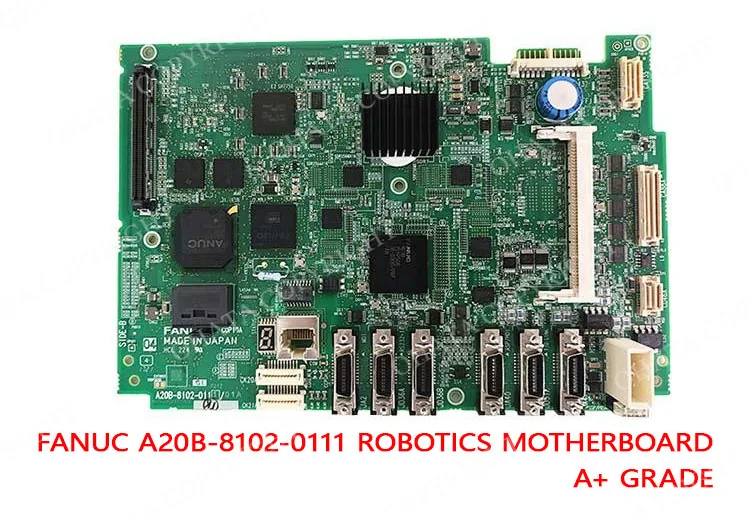
Board A+ Grade (Industrial and enterprise Board) buying
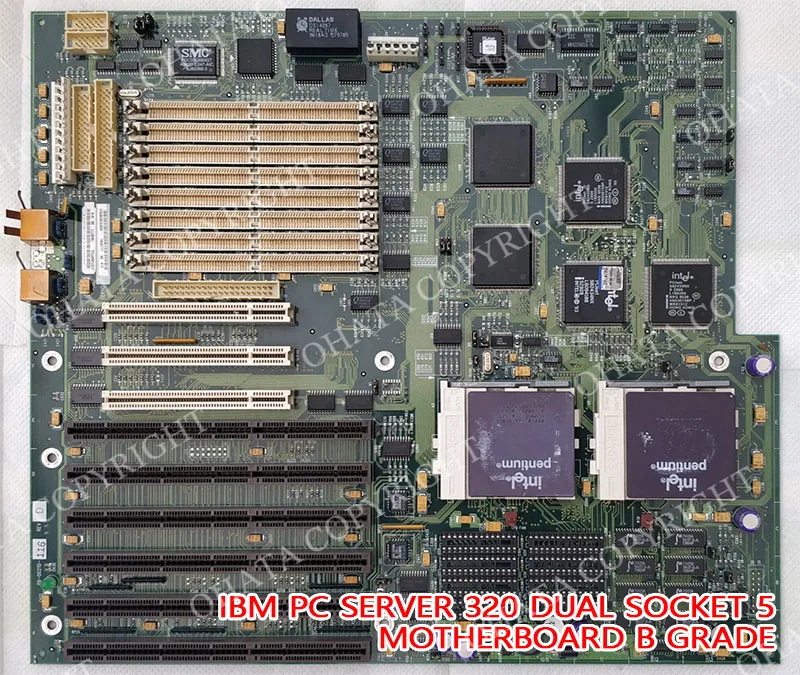
Board B Grade (medium value board) buying
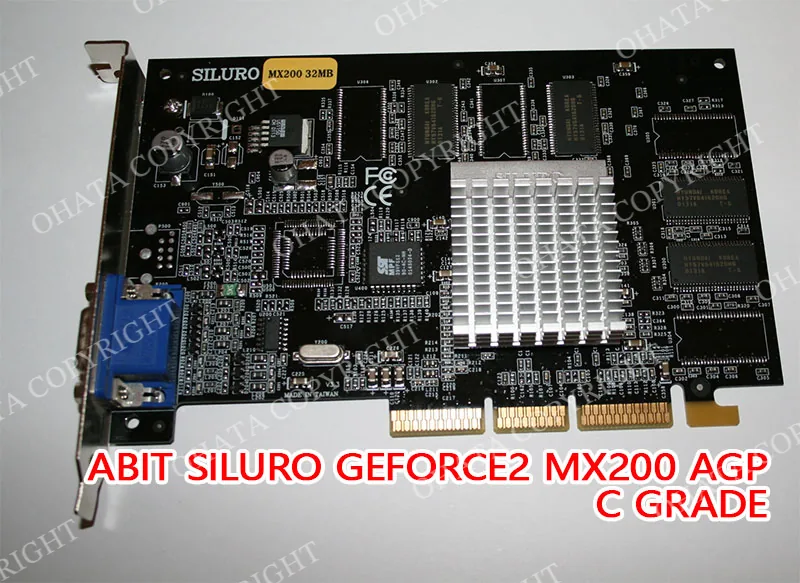
Board C Grade (Lower Premium Board) buying
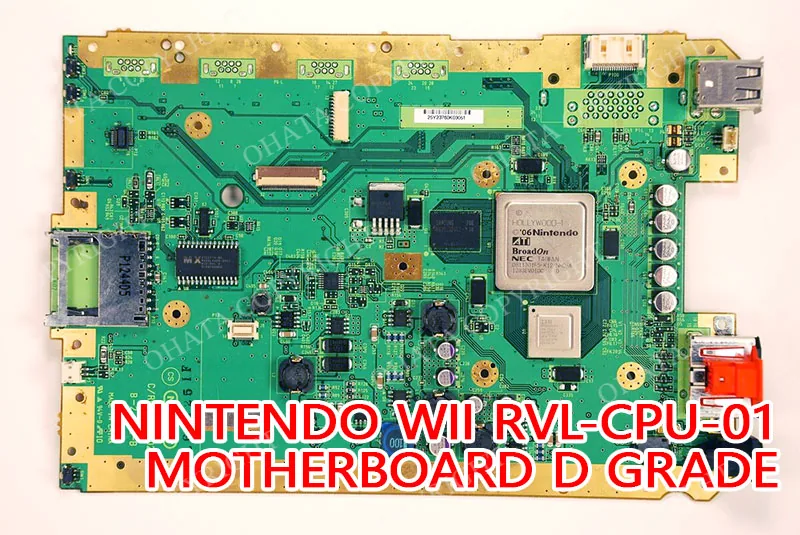
Board D Grade (Lower computer Board) buying
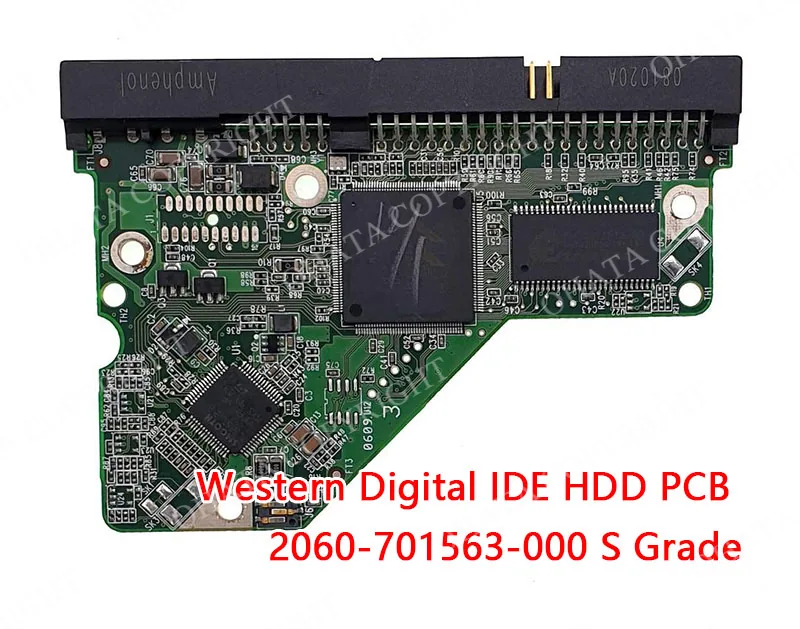
Board S Grade (high-end computer Board) buying
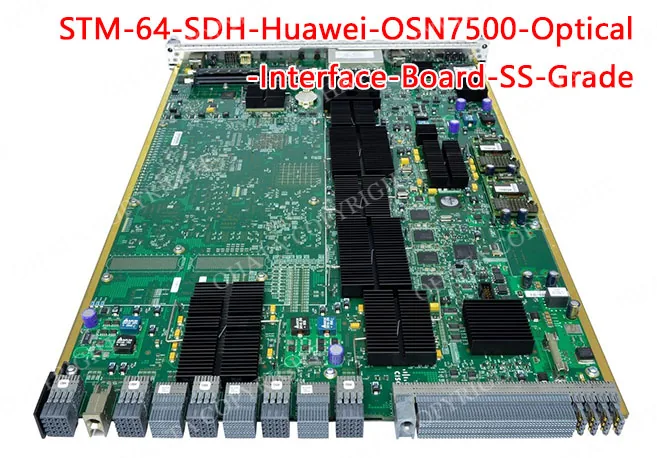
Board SS Grade (high value telecom Board) buying