

- Recycle unwanted radios, CB radios, and walkie-talkies free of charge.
- Working devices, faulty units, and single walkie-talkies are welcome.
- Bring matching chargers and microphones if you have them.
- Keep the equipment assembled—no repairs or parts removal needed.
Radio & Walkie-Talkie Recycling Drop-Off
Key Drop-off Introduction
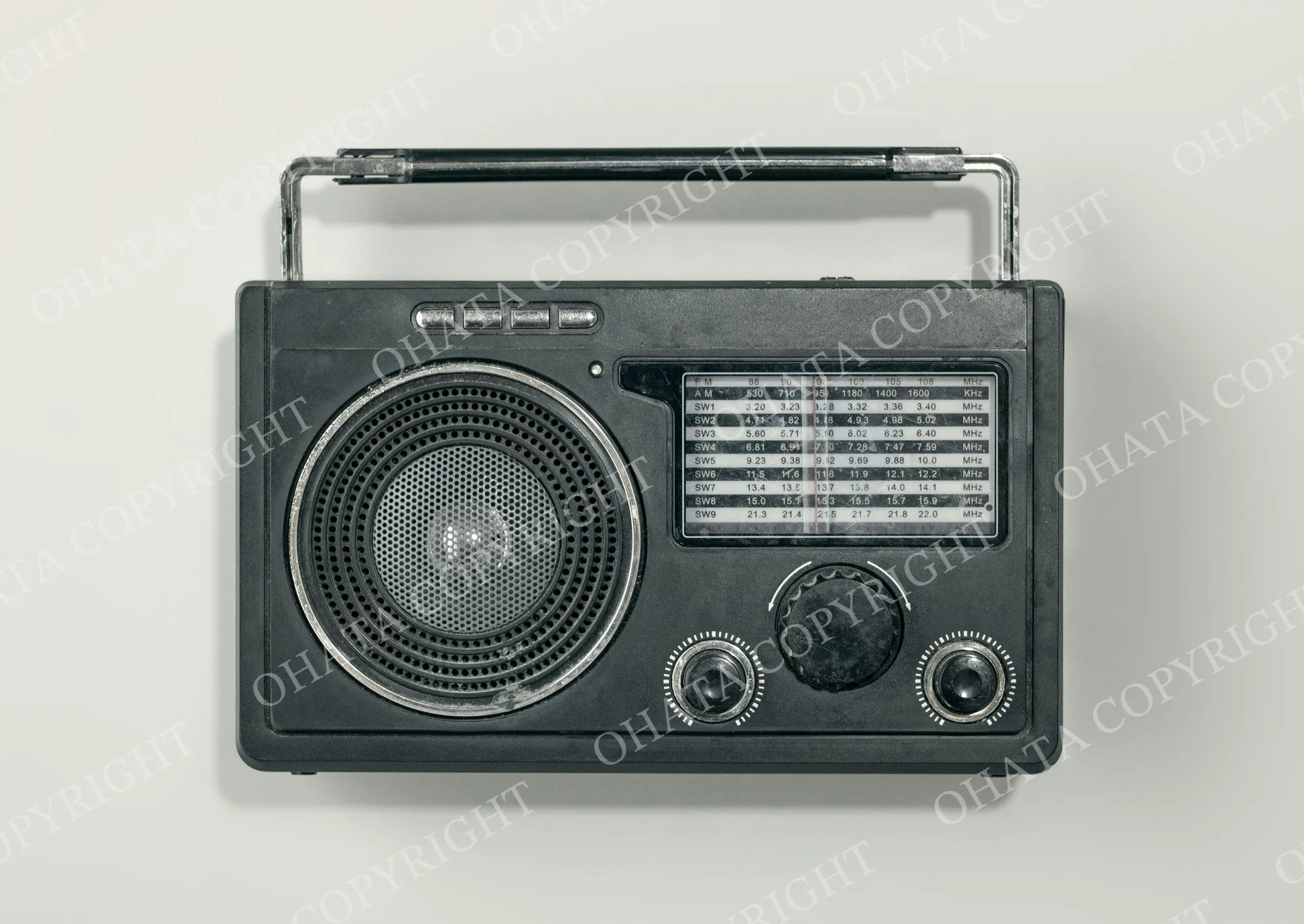
Free recycling drop-off
Updated: Oct 26,2026
Accepted free of charge
Drop off at Richmond, BC, Canada
Key Drop-off Introduction
- Recycle unwanted radios, CB radios, and walkie-talkies free of charge.
- Working devices, faulty units, and single walkie-talkies are welcome.
- Bring matching chargers and microphones if you have them.
- Keep the equipment assembled—no repairs or parts removal needed.
Drop-off Details and Conditions
No Reception? No Matching Pair? Still Worth Recycling.
A clock radio with a failed display. A walkie-talkie whose partner disappeared years ago. A CB radio left over after a vehicle change.
These items do not need to work or form a complete set to be recycled. Ohata Resource Canada accepts working and broken radio equipment for free drop-off in Richmond, BC.
Bring the devices you no longer need, along with any matching accessories. If you are unsure what a particular unit is, our team can help identify it.
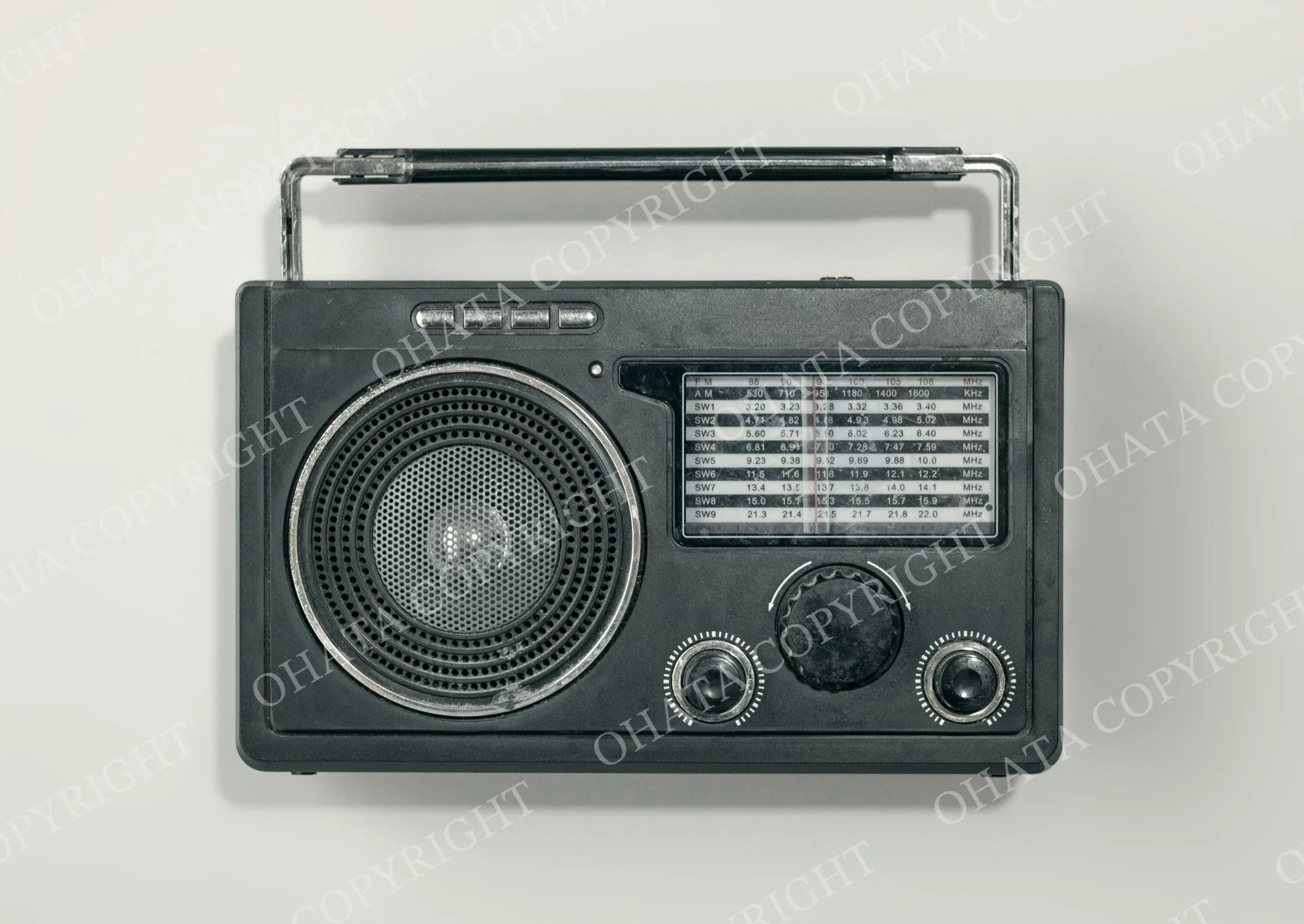
From Bedside Radios to Workplace Handsets
Radios Used for Listening
Household radios receive broadcasts rather than supporting conversations between users. Common examples include:
AM/FM tabletop radios.
Bedside clock radios.
Portable and battery-powered radios.
A broken display, poor reception, or worn buttons does not mean the device needs repairing before recycling.
For equipment with a built-in disc player, the CD and DVD player recycling page provides related category guidance.
Radios Used for Communication
Walkie-talkies, workplace two-way radios, and CB radios are used to communicate with other radio users.
A retired set may contain handheld units, charging docks, detachable microphones, earpieces, and spare battery packs. A single handset can be recycled even when the rest of the set is missing.
Larger base stations, repeaters, and installed systems should be identified separately so receiving arrangements can be planned.
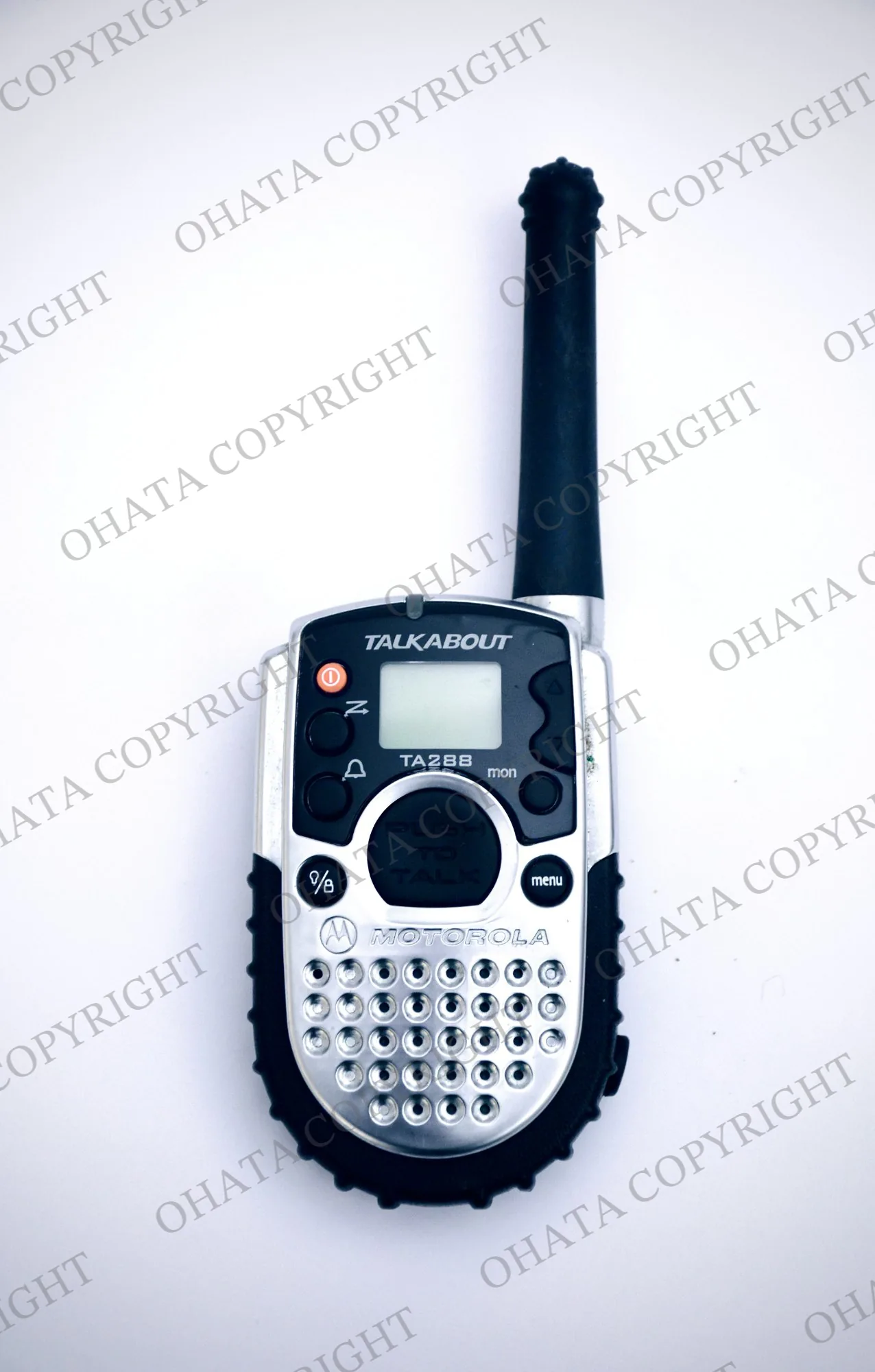
The Handset and the Rest of the Kit
You may still have accessories even when the radio itself has stopped working. Sort them by the device they belong to rather than placing everything in a box of loose cables.
What you have | How to organize it |
|---|---|
Radio or walkie-talkie | Keep the housing and remaining internal components together |
Matching charging dock | Group it with the corresponding radio |
External power adapter | Keep it with the device it powered |
Microphone or earpiece | Bundle it with the matching communication unit |
Spare battery packs | Keep separate from loose cables and identify any damage |
Antenna or installation hardware | Identify separately, particularly larger pieces |
Do not purchase missing accessories just for recycling. A missing charger, belt clip, or microphone does not prevent you from bringing the radio.
A Flat Battery Is Different From a Damaged Battery
A radio that no longer holds a charge can still be recycled. You do not need to establish whether the fault is in the battery, charger, or handset.
Before packing, check for swelling, leakage, corrosion, or exposed damaged battery parts. These conditions need separate attention; contact our team before transporting affected equipment.
If removing ordinary replaceable batteries, use the normal battery compartment. Do not force a stuck cover or open the housing to reach an internal battery. Keep loose batteries separate and check their receiving conditions.
Replacing Radios at Work
For a workplace radio replacement, a simple inventory makes the remaining equipment easier to manage:
Count the handsets and charging docks separately.
Group units by model where practical.
Identify spare batteries and larger system components.
Set aside any equipment still needed or owned by another organization.
Follow your organization’s process for clearing stored information or settings.
For a larger batch, send the quantity and equipment details before arranging delivery. This helps plan receiving and any unloading needs; ordinary faults do not need to be diagnosed first.
Recycling the Radio or Selling Electronic Scrap
Radio drop-off under this service is free recycling without payment.
If the same clear-out includes loose circuit boards, computer memory, or other material you would like to sell, review our electronic scrap buying categories. Those materials are assessed separately.
Keep the radio assembled. The presence of a circuit board inside it does not mean the complete device qualifies for a circuit-board buying price.
You can also check our free recycling list for other equipment you plan to bring.
Put the Retired Equipment Back Into Circulation
Instead of leaving unused radios in a drawer or equipment cupboard, bring them to our Richmond yard for recycling.
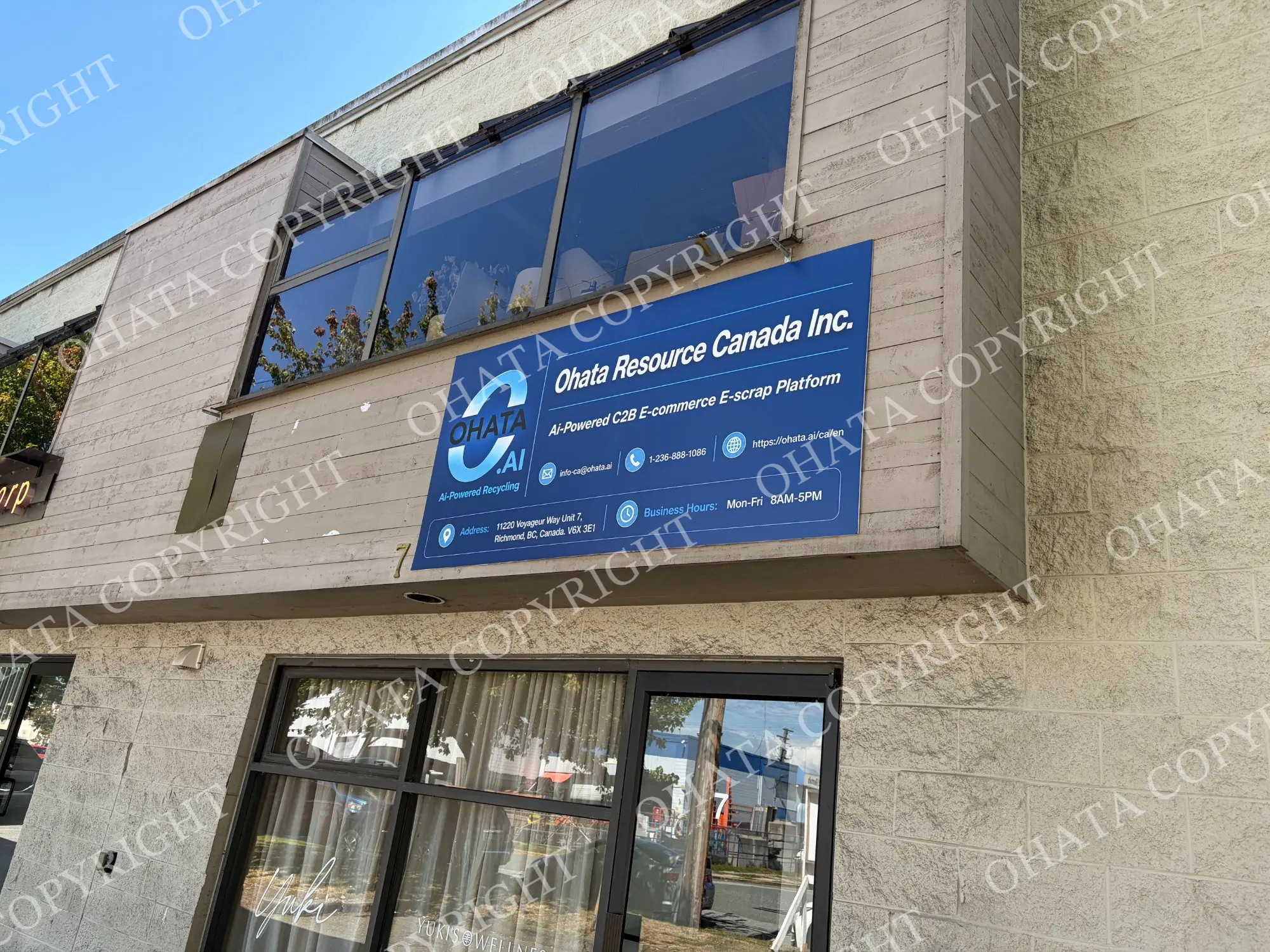
Ohata Resource Canada Inc.
11220 Voyageur Way, Unit 7
Richmond, BC, V6X 3E1, Canada
Look for the Ohata sign and continue around to the rear warehouse entrance.
Get Directions to the Richmond Yard
If you need help identifying a device, a photo and model number are welcome through our contact page.
Telephone / WhatsApp: +1 (236) 888-1086
Email: info-ca@ohata.ai
FAQ
- 1. Can I recycle a walkie-talkie if I only have one?
- Yes. A matching pair is not required. Bring the single handset and any accessories you still have.
- 2. My radio switches on but receives nothing. Can I bring it?
- Yes. Faulty and non-working radios are welcome. You do not need to test reception or diagnose the problem before recycling.
- 3. Are bedside clock radios included?
- Yes. Clock radios, tabletop AM/FM radios, and portable listening radios are included.
- 4. What should I do with an old CB radio and its microphone?
- Bring the microphone with the CB radio and keep them grouped together. Identify any separate antennas, power equipment, or installation hardware.
- 5. Does the radio need its original charger?
- No. Missing chargers and other accessories do not prevent recycling. There is no need to buy replacements before drop-off.
- 6. Can rechargeable radios be recycled when their batteries are worn out?
- Yes. A battery that no longer holds a charge does not prevent recycling. If it is swollen, leaking, or physically damaged, contact us before transport.
- 7. Can we recycle a set of radios retired from our Vancouver workplace?
- Yes. For a larger batch, send the handset quantity, models, charging docks, and other system details before delivery to our Richmond yard.
- 8. Are stereo receivers and car stereos the same category?
- They should be identified separately. Audio receivers and car stereos are different from two-way communication equipment. Tell us which devices you have if your load includes several types.
- 9. Why keep the radio assembled?
- Keeping the unit together helps identify the equipment and organize its handling. You do not need to remove boards, wiring, or other internal parts for this recycling service.
- 10. Where can I drop off radios for free in Richmond?
- Bring them to Ohata Resource Canada, 11220 Voyageur Way, Unit 7, Richmond, BC. The service is free recycling without payment to the customer. See our yard access page for directions.
Related Items
Free drop-off
Typewriter & Word Processor Recycling Drop-Off
Free drop-off
Pager & Paging Equipment Recycling Drop-Off
Free drop-off
Speaker Recycling Drop-Off
Free drop-off
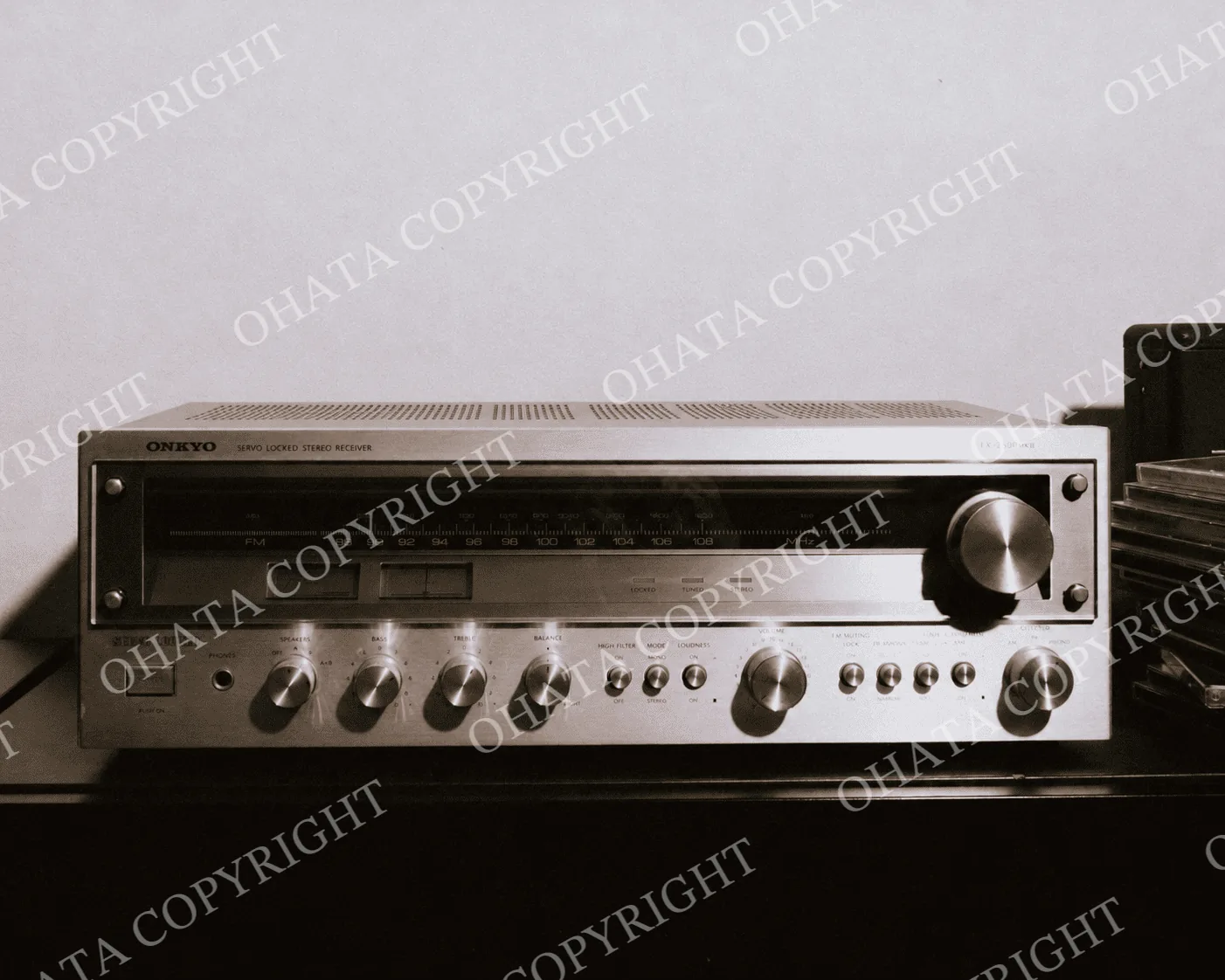
Audio Receiver Recycling Drop-Off
Free drop-off
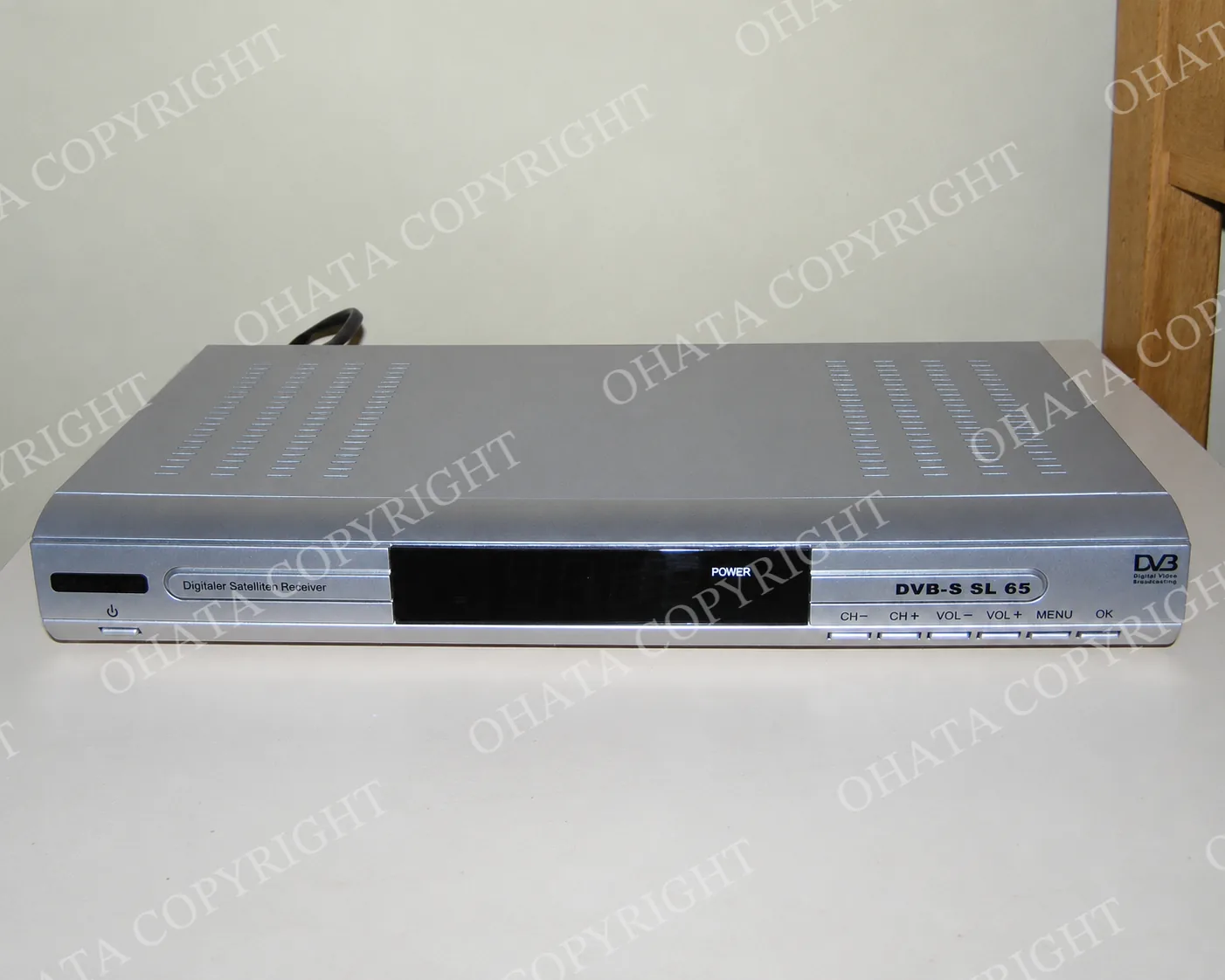
Satellite Receiver & Dish Recycling Drop-Off
Free drop-off
Water Cooler & Water Heater Recycling Drop-Off
Free drop-off
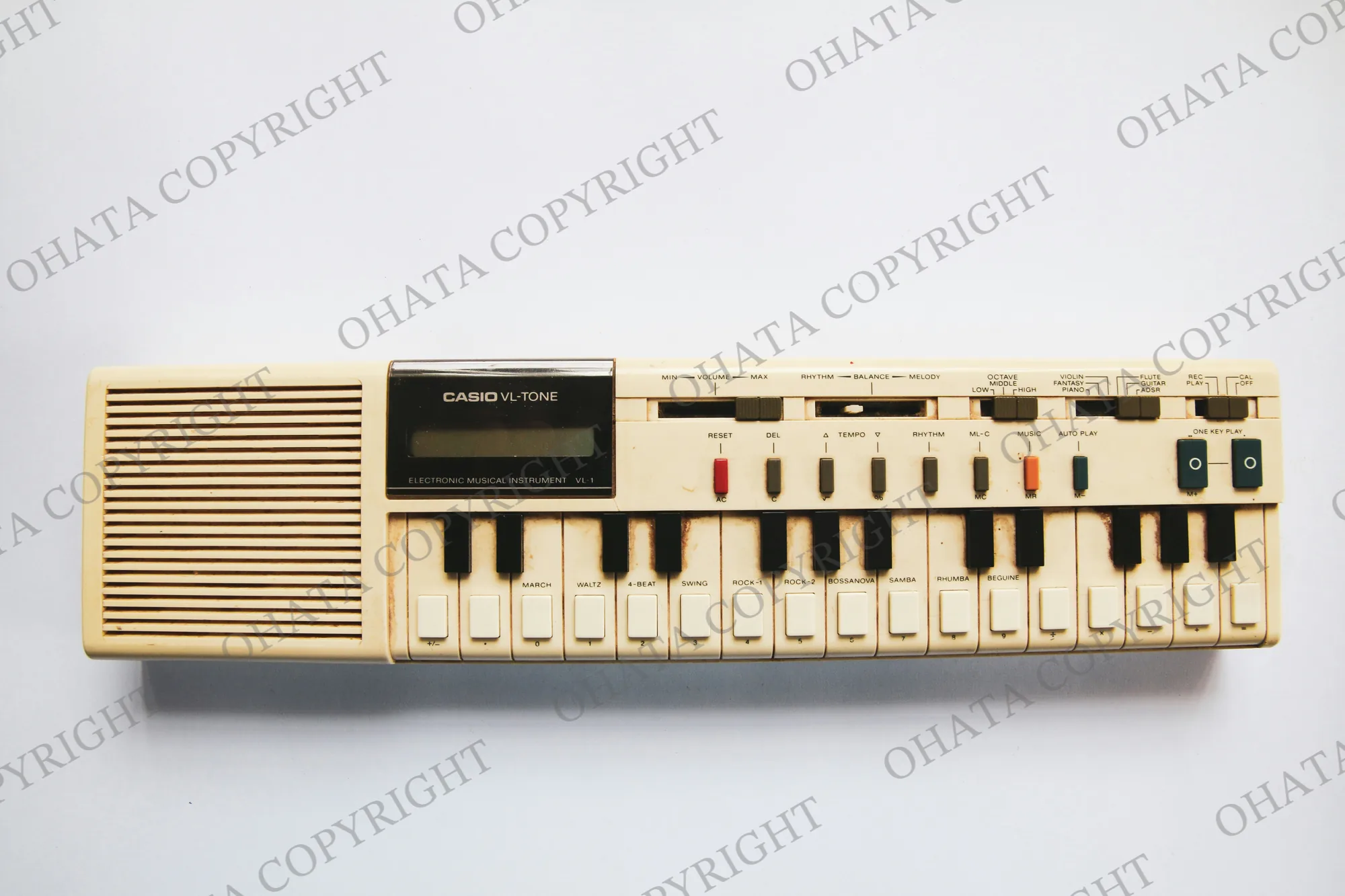
Electronic Keyboard Recycling Drop-Off
Free drop-off
Video Projector Recycling Drop-Off
Free drop-off
Contact us by phone or email