

- Free recycling for working and non-working stereo and AV receivers.
- Includes receivers used in home stereo and surround-sound systems.
- Missing remotes, cables, or speakers do not prevent recycling.
- Keep the receiver assembled—no testing or repairs required.
Audio Receiver Recycling Drop-Off
Key Drop-off Introduction
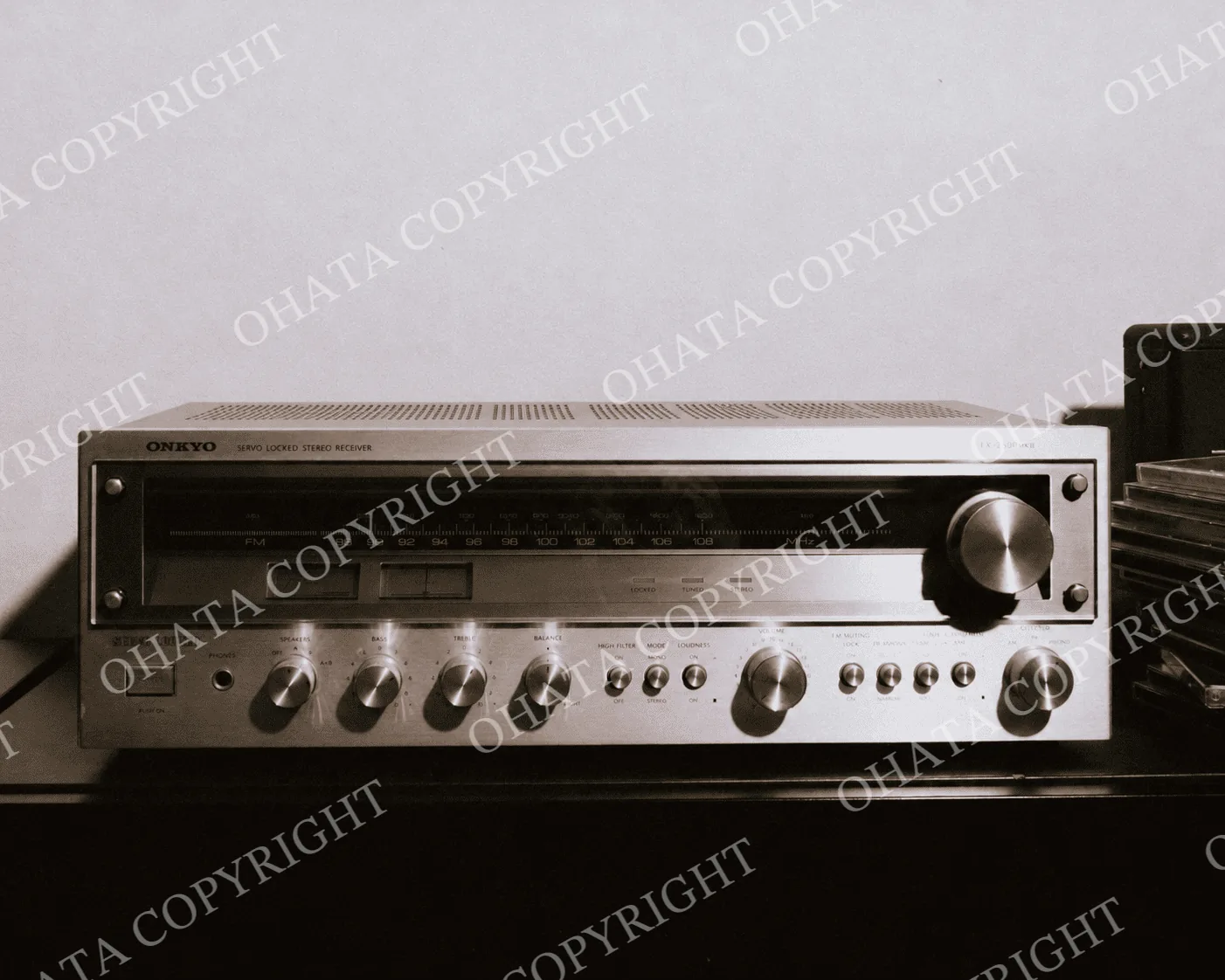
Free recycling drop-off
Updated: Oct 26,2026
Accepted free of charge
Drop off at Richmond, BC, Canada
Key Drop-off Introduction
- Free recycling for working and non-working stereo and AV receivers.
- Includes receivers used in home stereo and surround-sound systems.
- Missing remotes, cables, or speakers do not prevent recycling.
- Keep the receiver assembled—no testing or repairs required.
Drop-off Details and Conditions
Free Recycling for Stereo and AV Receivers
An audio receiver is often the largest component left behind when a home sound system changes. It may connect a television, disc player, and several speakers, with numerous cables attached to its rear panel.
Ohata Resource Canada accepts unwanted stereo and AV receivers for free recycling in Richmond, BC. Units with no sound, failed displays, or faulty connections are welcome alongside working equipment.
You can bring the receiver on its own. There is no need to find its original remote or collect the rest of the sound system.
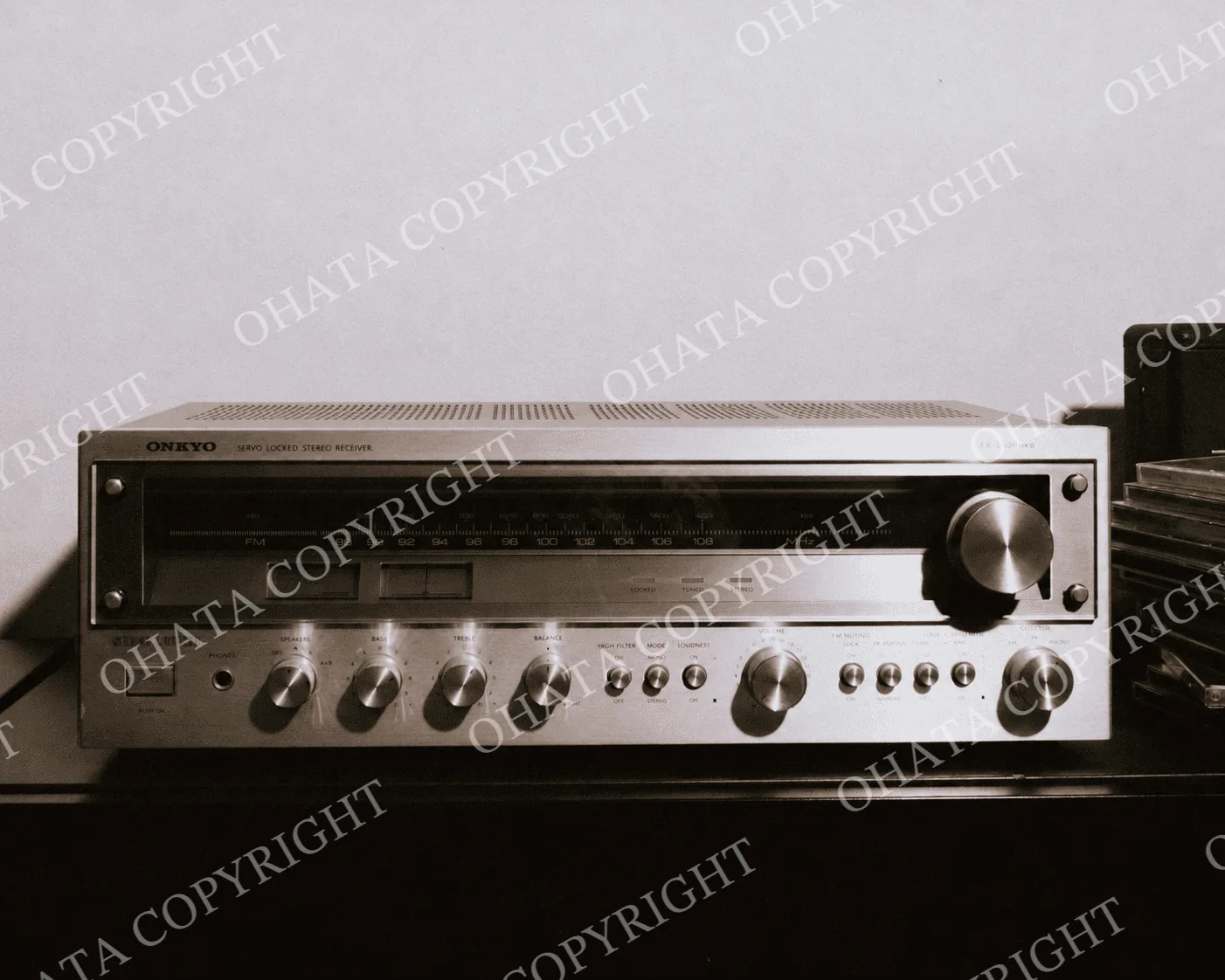
Which Kind of Receiver Do You Have?
The word “receiver” appears on several unrelated products. This page focuses on audio equipment used to select sources and power speakers.
Stereo Receivers
Stereo receivers are commonly used with a pair of speakers for music listening. They combine amplification with radio reception and connections for audio sources.
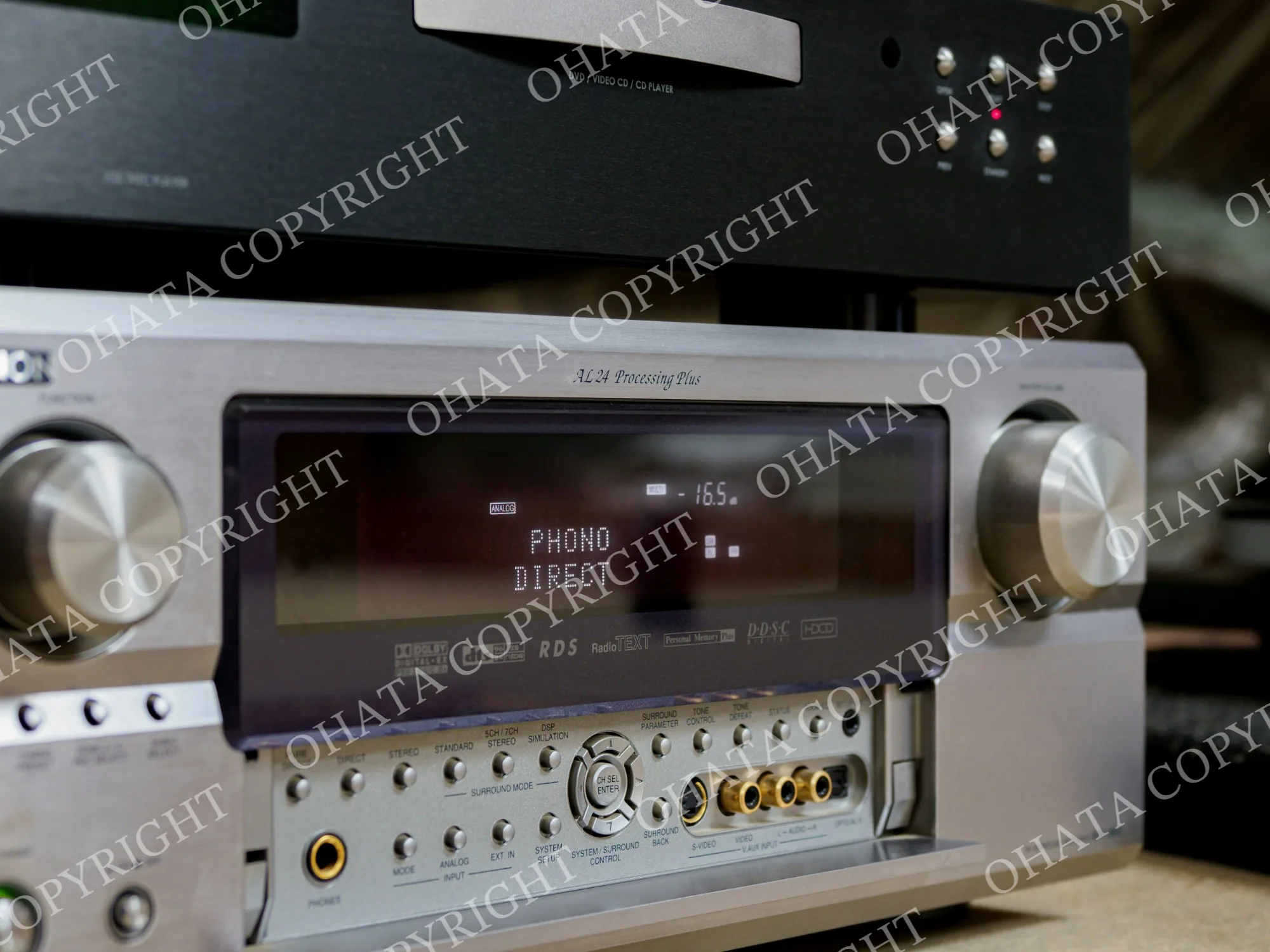
AV and Home Theatre Receivers
AV receivers connect entertainment sources and route audio to speakers, often as part of a surround-sound setup. Many also have video connections for a television or projector.
Equipment With a Different Function
Equipment | How it differs |
|---|---|
Speaker or subwoofer | Produces sound; may have its own built-in amplifier |
Separate amplifier | Amplifies audio but may not include a receiver’s radio and source functions |
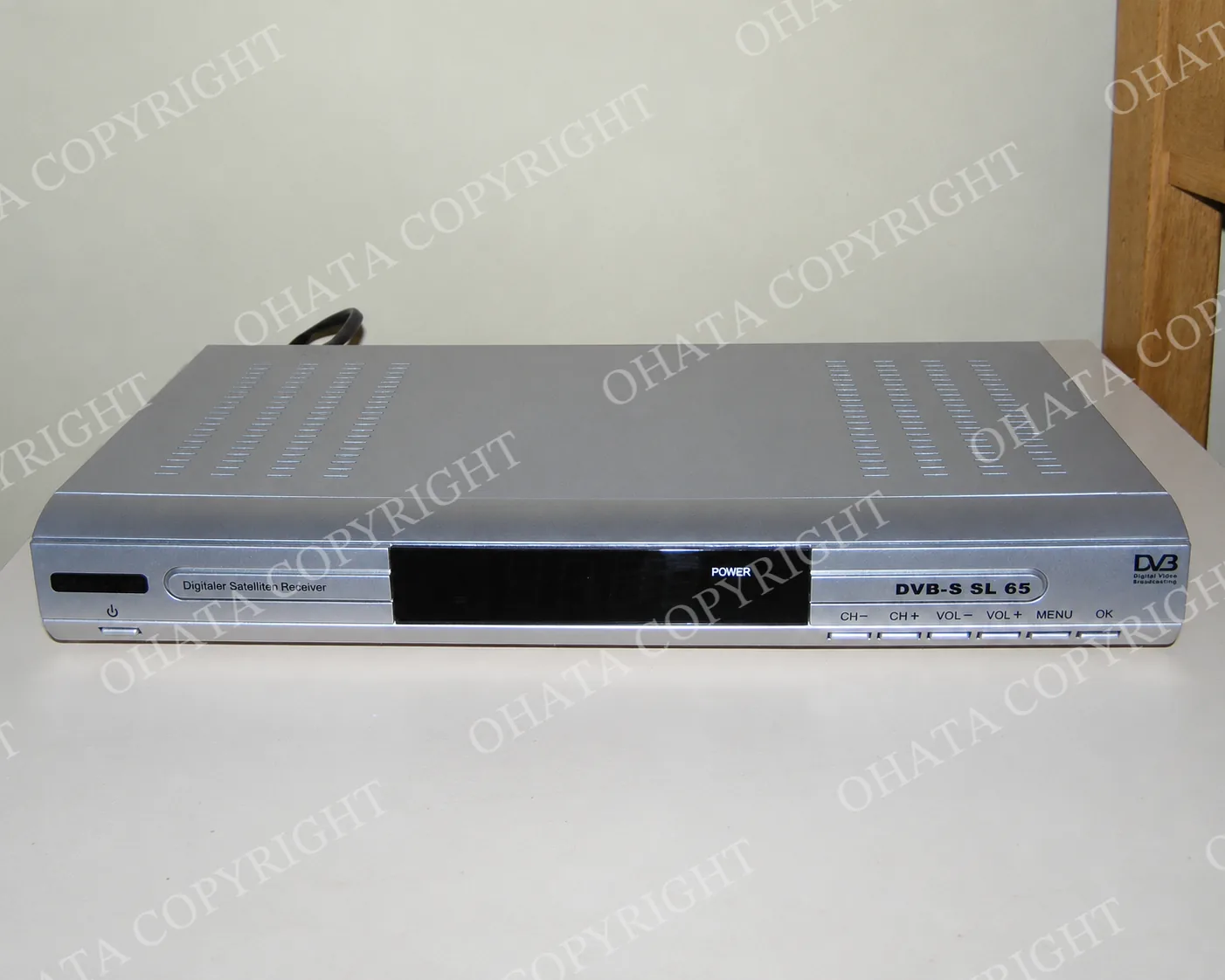
Cable box, DVR, or satellite receiver | Receives or records television programming |
CD or DVD player | Reads optical discs |
Paging receiver | Receives alerts or messages |
For television reception equipment, check the separate Cable/DVR buying conditions with a hard drive or without a hard drive.
A standalone amplifier should be identified separately. If you are unsure what a component does, a photo of its front and model label can help our team answer your question through the contact page.
Disconnecting a Receiver From Your Sound System
Before moving the receiver:
Switch it off and unplug it.
Disconnect external speaker wires and signal cables.
Separate it from televisions, disc players, and other components.
Group any remote, detachable power cord, or accessories with it.
Support the receiver from underneath when lifting.
Do not lift the unit by its volume knob, antenna, or rear connectors.
Leave the outer cover and internal components in place. There is no need to remove circuit boards, transformers, wiring, or metal parts for this recycling service.
If you are keeping part of the system, label the cables you intend to reconnect before disconnecting them.
Faults That Do Not Need Repair
You can recycle a receiver that:
Will not turn on.
Powers on but produces no sound.
Has a failed display or unresponsive controls.
Has one or more faulty channels.
No longer suits your current equipment.
You do not need to test every input or identify the failed component. Ordinary faults and missing accessories do not require repairs before drop-off.
Equipment with hazardous contamination or other unsafe damage needs separate attention. Contact our team before transporting equipment in that condition.
Network Settings and Linked Accounts
Some connected receivers store network settings or support linked services.
If the receiver still operates, follow the manufacturer’s instructions to remove personal information and reset settings where appropriate. Check for USB drives or other removable storage you want to retain.
A receiver that cannot turn on can still be recycled. Free recycling does not automatically include data erasure or certified data destruction.
Recycling a Complete Entertainment Setup
You do not need to bring speakers with the receiver, but you may have other unwanted equipment to sort during the same clear-out.
Identify each component separately and review the relevant guidance:
For material you would like to sell, review the separate electronic scrap buying list.
This receiver service is free recycling without payment. The weight or internal metal content of a receiver does not establish a purchase price under this category.
Audio Receiver Drop-Off in Richmond
Bring your unwanted receiver to Ohata Resource Canada’s Richmond yard. Working and broken units are welcome.
For several heavy receivers, commercial equipment, or special unloading requirements, arrange receiving before delivery. If you have questions about an unfamiliar model, photos are welcome.
Ohata Resource Canada Inc.
11220 Voyageur Way, Unit 7
Richmond, BC, V6X 3E1, Canada
Look for the Ohata sign and continue around to the rear warehouse entrance.
Telephone / WhatsApp: +1 (236) 888-1086
Email: info-ca@ohata.ai
FAQ
- 1. Is an AV receiver the same as a stereo receiver?
- Both are audio receivers. A stereo receiver is commonly used for two-channel music listening, while an AV receiver often supports multiple speakers and video connections. Both types are included in this recycling category.
- 2. Can I recycle a receiver that turns on but has no sound?
- Yes. A sound fault does not prevent recycling. You do not need to diagnose or repair it first.
- 3. Do I need to bring the speakers too?
- No. The receiver can be brought on its own. Identify speakers and other components separately if you also want to recycle them.
- 4. What if the remote or power cord is missing?
- Missing accessories do not prevent recycling. Bring matching accessories if you have them, without purchasing replacements.
- 5. Are older stereo receivers included?
- Yes. Older and newer stereo receivers are welcome, whether they work or not. If you want to explore reuse or collectible resale, do so before handing over the equipment for recycling.
- 6. Is a satellite receiver covered by this page?
- No. This page concerns audio and AV receivers. Satellite television receivers, cable boxes, and DVRs have different functions and should be classified separately.
- 7. Can I include a separate amplifier?
- Identify it as an amplifier rather than a receiver. If you are unsure which component you have, send the model or a photo for help with classification.
- 8. Should I remove the transformer or circuit boards?
- No. Keep the receiver assembled. Internal parts do not need to be separated for complete-equipment recycling.
- 9. Can Vancouver residents bring receivers to the Richmond yard?
- Yes. Bring the equipment to 11220 Voyageur Way, Unit 7, Richmond, BC. Review our access page before travelling.
- 10. Is there a recycling fee or payment for the receiver?
- There is no recycling charge and no payment for receivers accepted through this service. Other materials offered for purchase are evaluated under their separate buying conditions.
Related Items
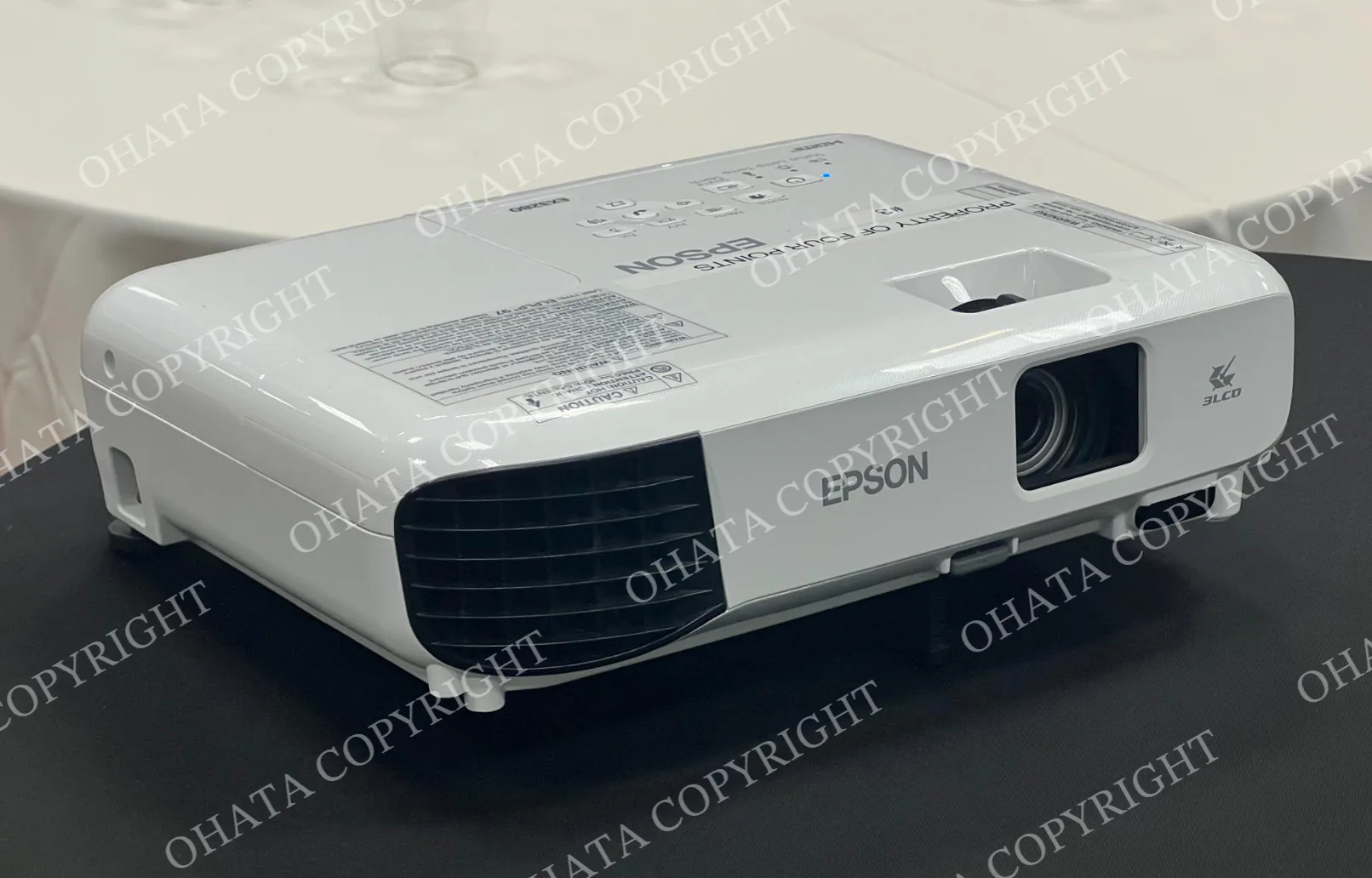
Free drop-off
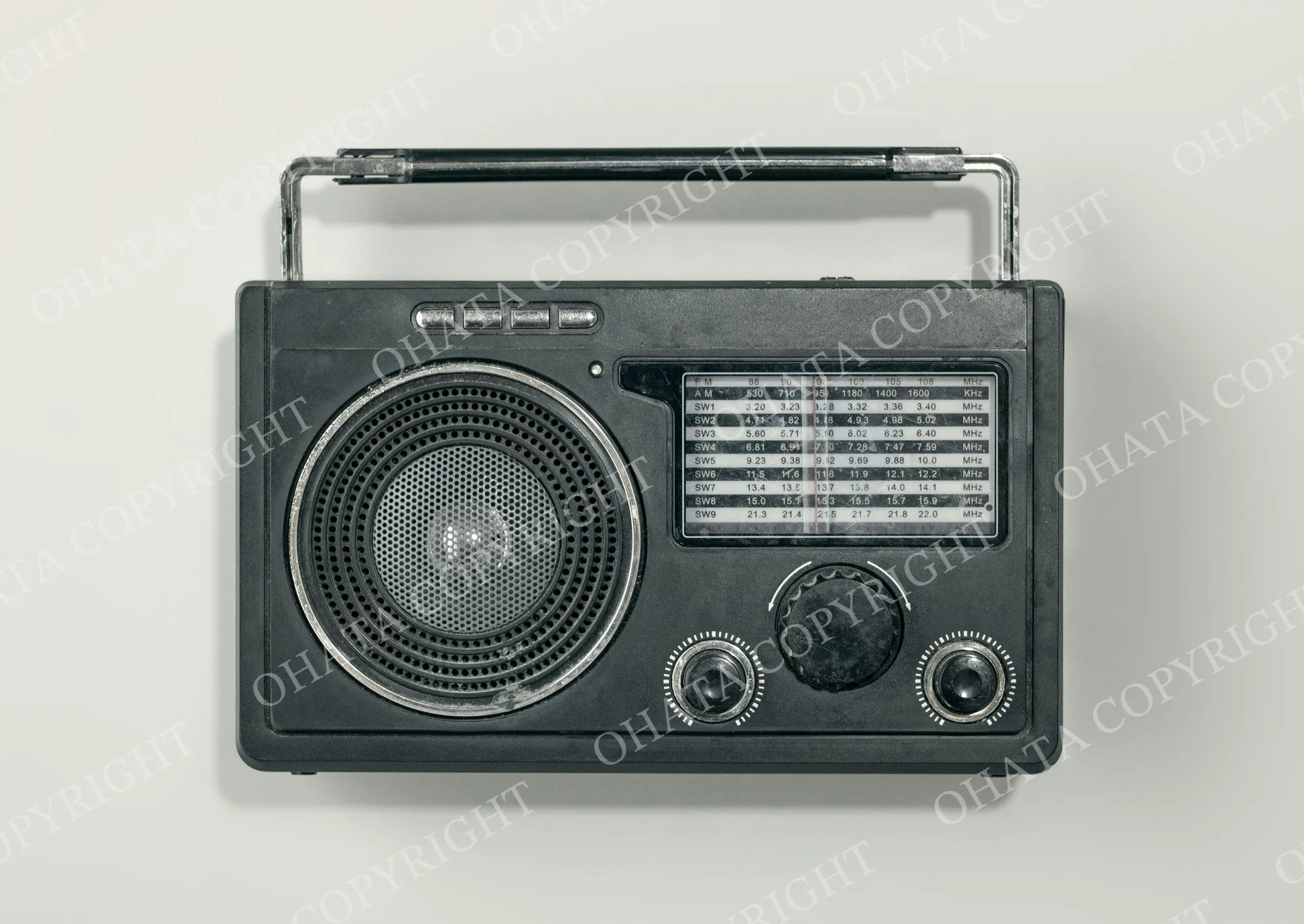
Radio & Walkie-Talkie Recycling Drop-Off
Free drop-off
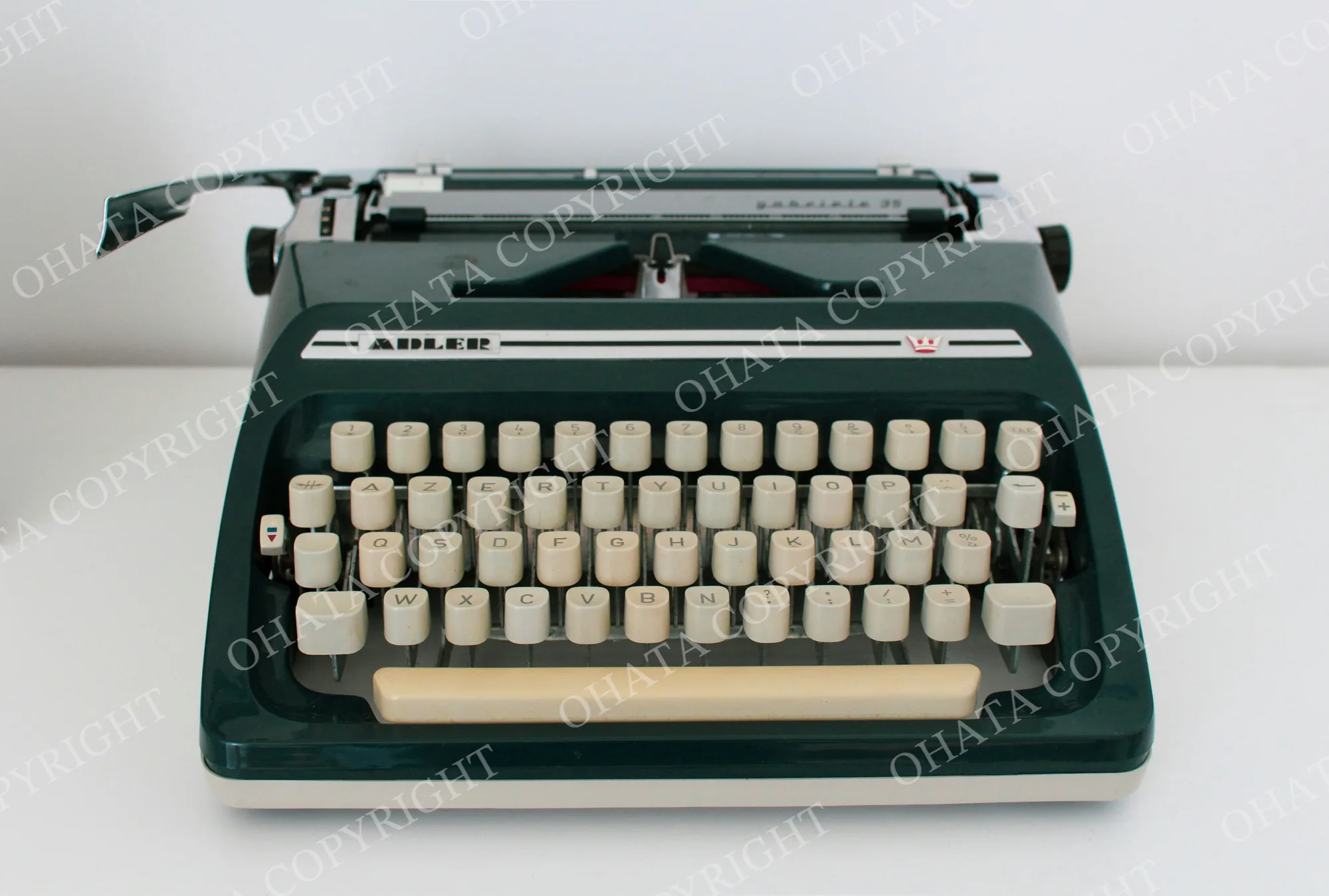
Typewriter & Word Processor Recycling Drop-Off
Free drop-off
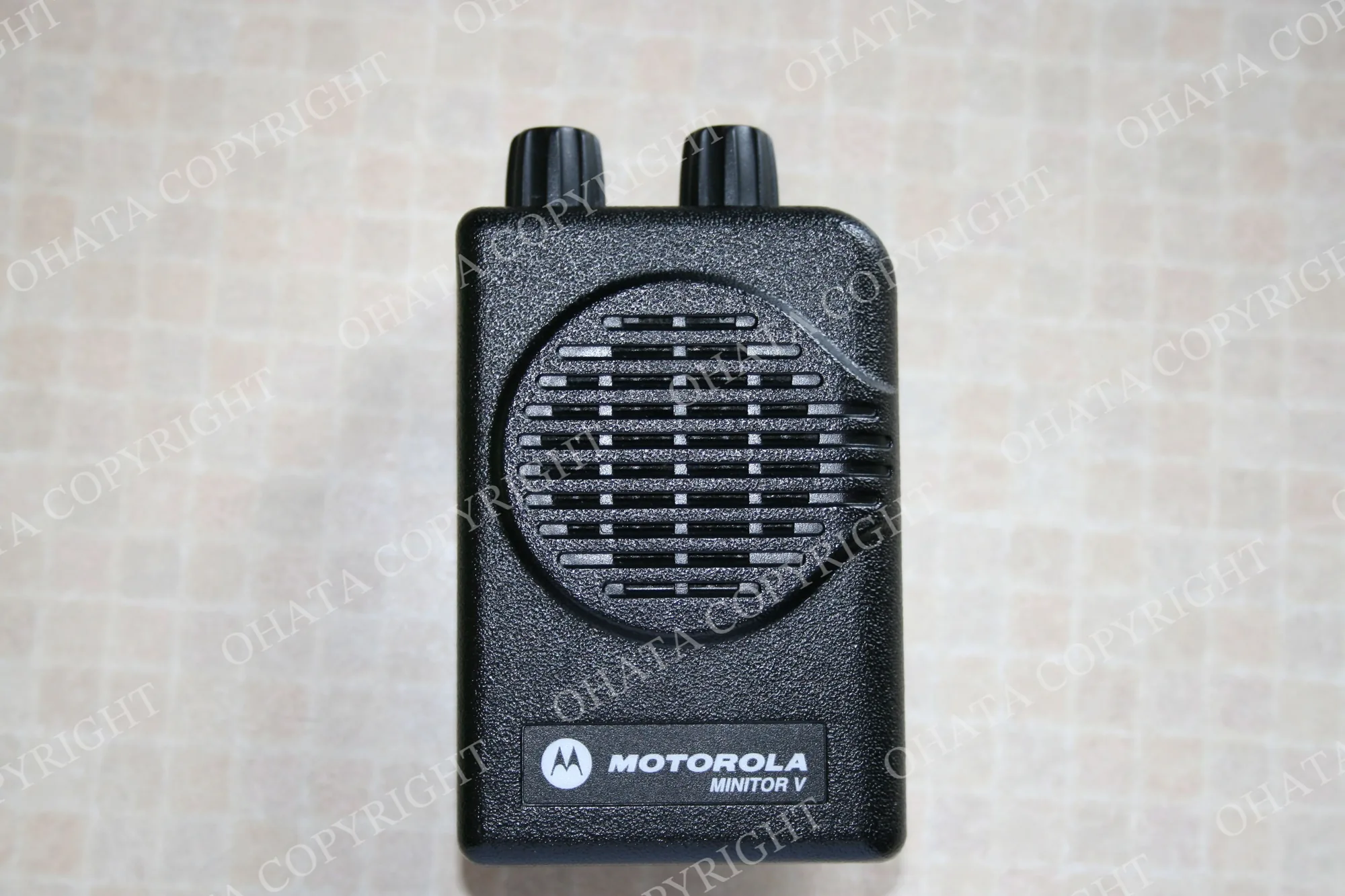
Pager & Paging Equipment Recycling Drop-Off
Free drop-off
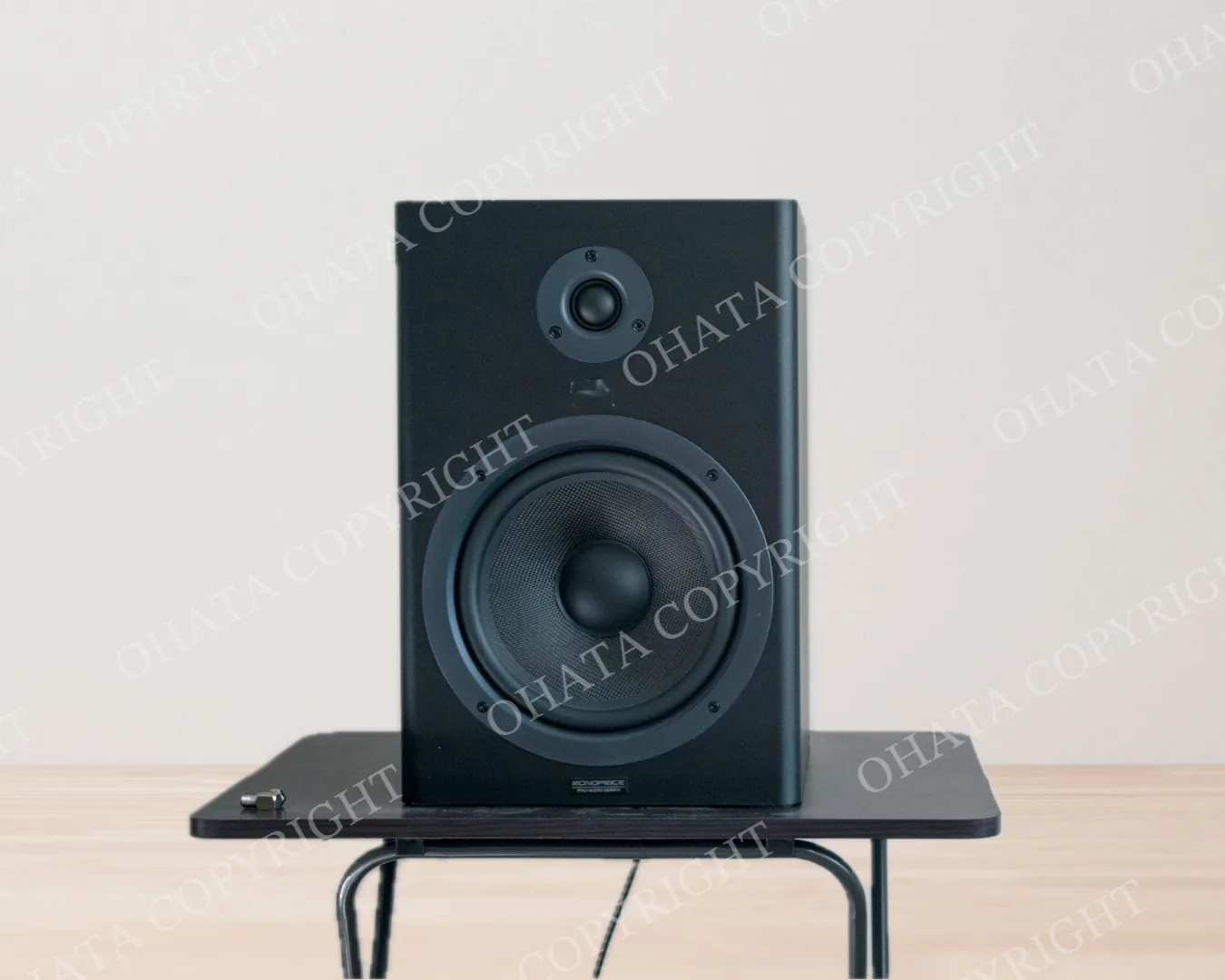
Speaker Recycling Drop-Off
Free drop-off
Satellite Receiver & Dish Recycling Drop-Off
Free drop-off
Water Cooler & Water Heater Recycling Drop-Off
Free drop-off
Electronic Keyboard Recycling Drop-Off
Free drop-off
Video Projector Recycling Drop-Off
Free drop-off
Contact us by phone or email