
-
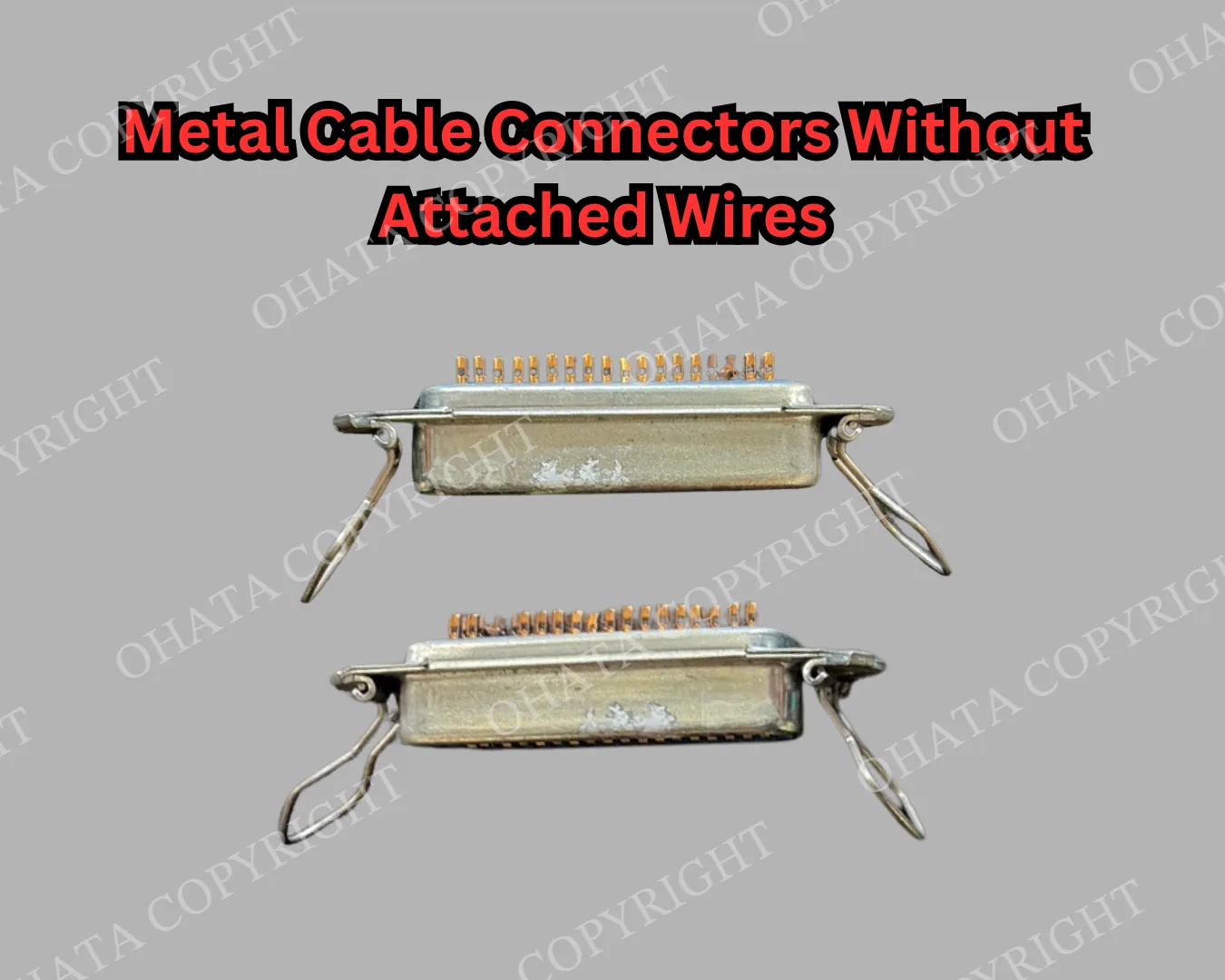
We buy Metal Cable Connectors Without Attached Wires from a minimum of 1 lb.
-
This category covers loose, predominantly metal connectors originally designed for attachment to cables or wires. All connectors meeting the Ohata Metal Cable Connectors Without Attached Wires standard are purchased at the same category price.
-
Qualifying material may include BNC, TNC, N-type, UHF, SMA, F-type, RCA, XLR, aviation, industrial, telecommunications, and similar cable-mounted connectors with no meaningful cable section attached.
-
Buying value is based on metal composition, construction, plating, attached material, cleanliness, condition, contamination, and processing requirements, not brand, model, original application, surface color, or retail price.
-
Keep connectors with wires, predominantly plastic plugs, PCB-mounted connectors, loose contacts, circuit boards, and unrelated hardware separate. Mixed categories are accepted but may require separate inspection, sorting, weighing, and pricing.
Metal Cable Connectors Without Attached Wires Buying scrap price
-
We buy Metal Cable Connectors Without Attached Wires from a minimum of 1 lb.
-
This category covers loose, predominantly metal connectors originally designed for attachment to cables or wires. All connectors meeting the Ohata Metal Cable Connectors Without Attached Wires standard are purchased at the same category price.
-
Qualifying material may include BNC, TNC, N-type, UHF, SMA, F-type, RCA, XLR, aviation, industrial, telecommunications, and similar cable-mounted connectors with no meaningful cable section attached.
-
Buying value is based on metal composition, construction, plating, attached material, cleanliness, condition, contamination, and processing requirements, not brand, model, original application, surface color, or retail price.
-
Keep connectors with wires, predominantly plastic plugs, PCB-mounted connectors, loose contacts, circuit boards, and unrelated hardware separate. Mixed categories are accepted but may require separate inspection, sorting, weighing, and pricing.
Buying Details of Conditions
Introduction, Construction, Components, and Recycling Value
Any connector meeting the official Metal Cable Connectors Without Attached Wires standard is purchased under this grade. Typical examples include BNC, TNC, N-type, UHF/PL-259, SMA, F-type, RCA, XLR, aviation, industrial, telecommunications, and similar cable-mounted connectors. Classification is based on construction, cleanliness, and condition rather than brand or model.
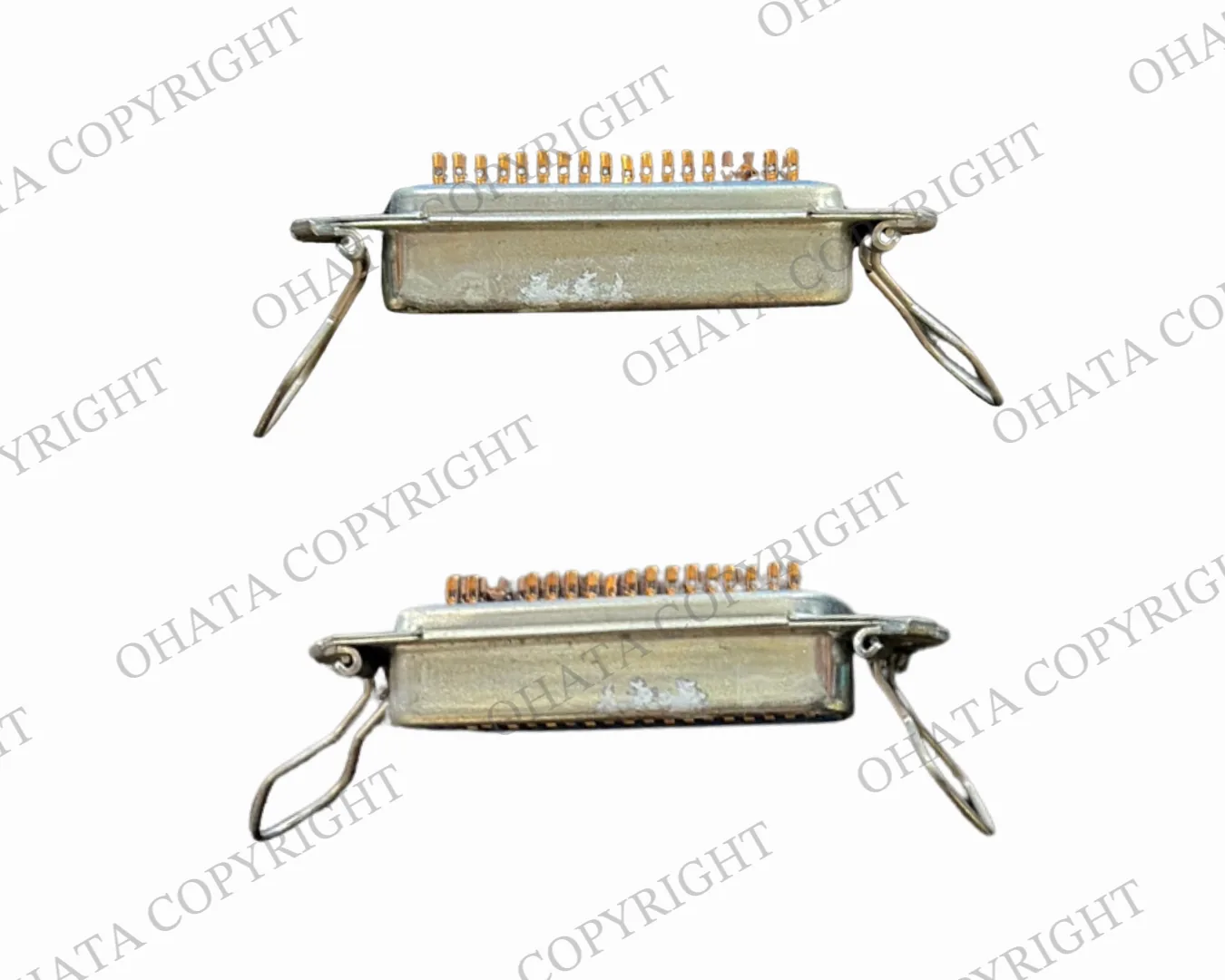
Their designs vary, but most cable-mounted metal connectors contain several basic elements:
A brass, copper-alloy, zinc-alloy, aluminum, or steel outer body
A conductive center pin or contact
A threaded, bayonet, push-pull, or locking coupling mechanism
A metal crimp ferrule, clamp, backshell, or strain-relief component
A dielectric insulator made from PTFE, POM, LCP, phenolic material, or another polymer
Thin nickel, tin, silver, or gold surface plating
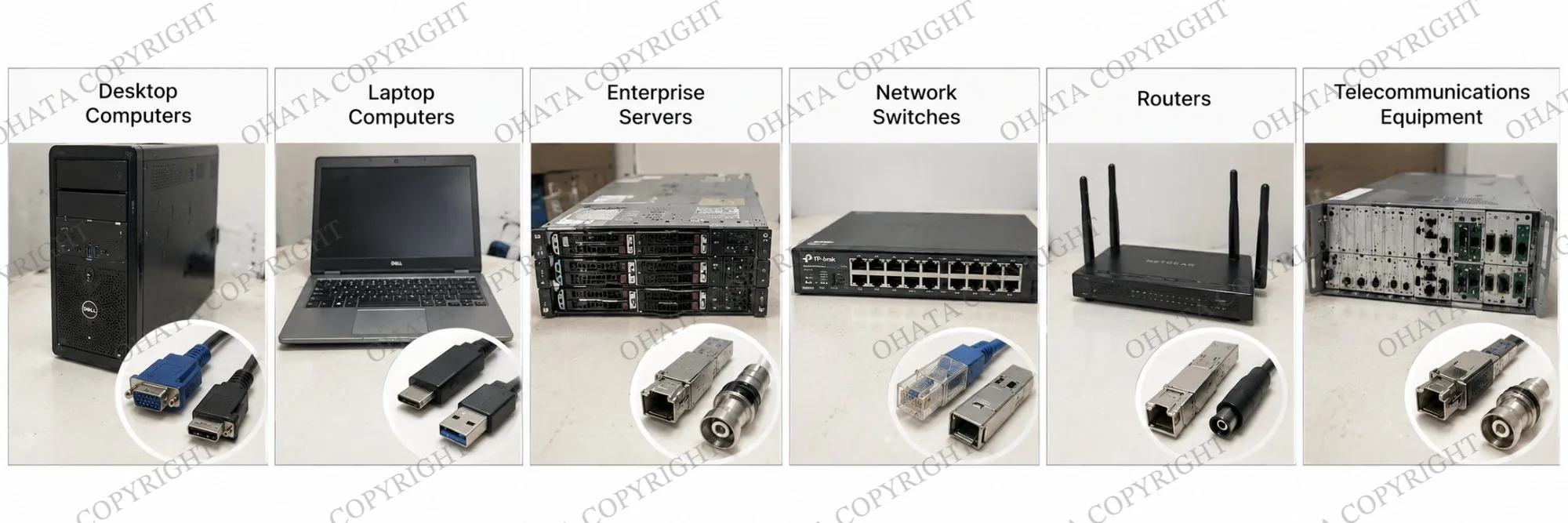
These connectors are commonly used on coaxial cables, communication equipment, antennas, audio systems, industrial machines, instruments, broadcast equipment, and electronic test devices.
Recycling value comes mainly from brass and copper alloys. Gold or silver plating may add value but is typically very thin. Overall metal content, cleanliness, and attached non-metal materials have a greater effect on recycling value than surface color alone.
Customers looking to recycle Metal Cable Connectors Without Attached Wires can also browse our related buying categories.
Classification and Identification Guide
For Ohata classification, an accepted item must first be a connector designed for attachment to a cable or wire. It must then be separated from that cable, leaving no meaningful length of copper conductor, insulation, shielding braid, jacket, or complete wire attached.
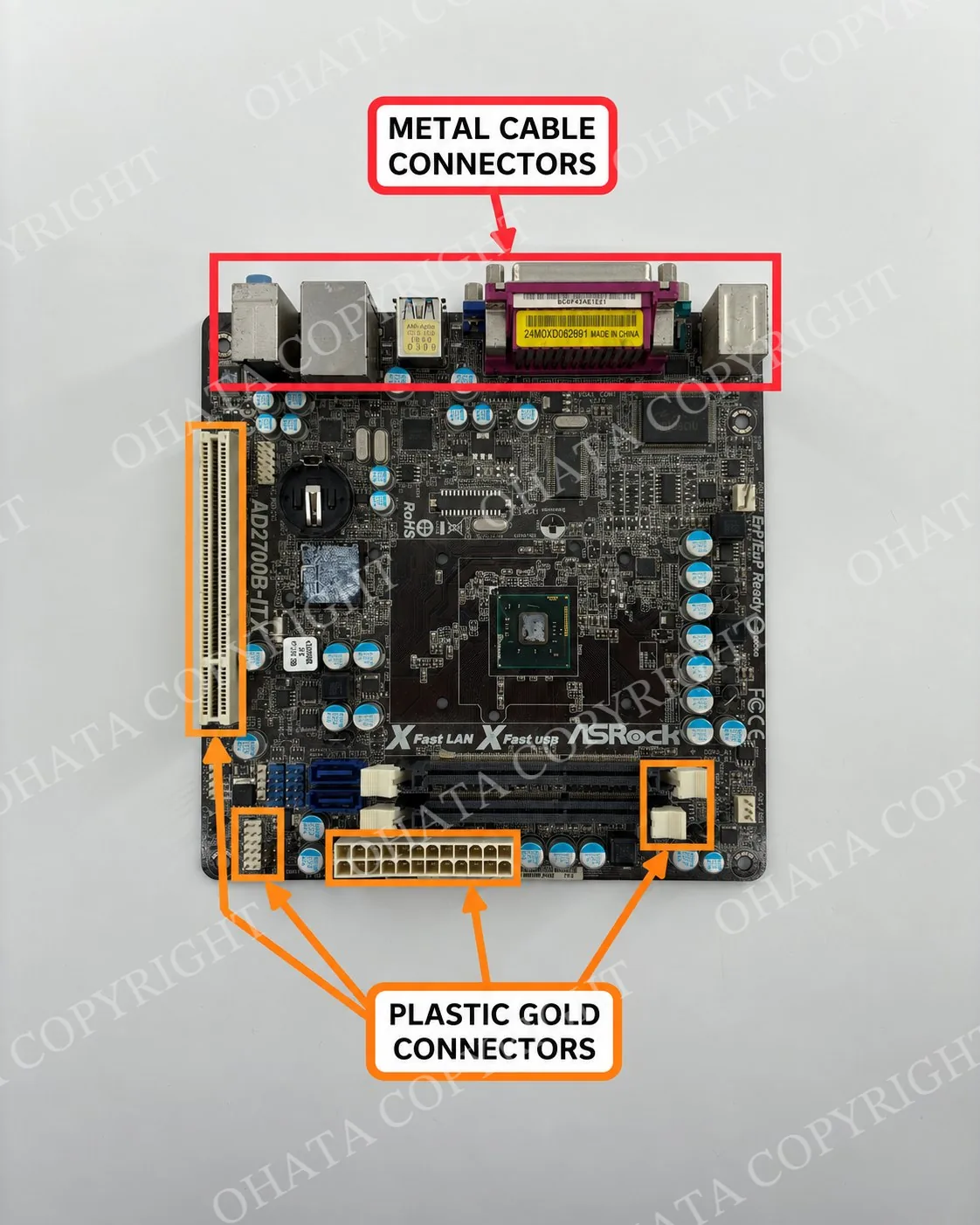
The following inspection procedure is recommended:
1. Confirm that it is a cable connector
The item should be a plug, socket, jack, coupler, or termination component normally fitted to a cable. Loose BNC, UHF, N-type, SMA, audio, industrial circular, and comparable connectors may qualify. Bare pieces of pipe, plumbing fittings, random hardware, switches, relays, or unrelated metal parts do not qualify merely because they resemble connectors.
2. Confirm that the attached wire has been removed
The connector must not retain an insulated cable tail. Small internal contact remnants caused by normal separation may require buyer inspection, but visible cable sections, long copper conductors, shielding braid, or heavy insulation should be removed before delivery.
3. Check whether metal is the principal recoverable material
The connector should have a predominantly metal body or contain a commercially meaningful quantity of recoverable metal. A small signal plug with a large molded-plastic housing and only minor metal contacts should be separated into an appropriate lower or mixed connector category.
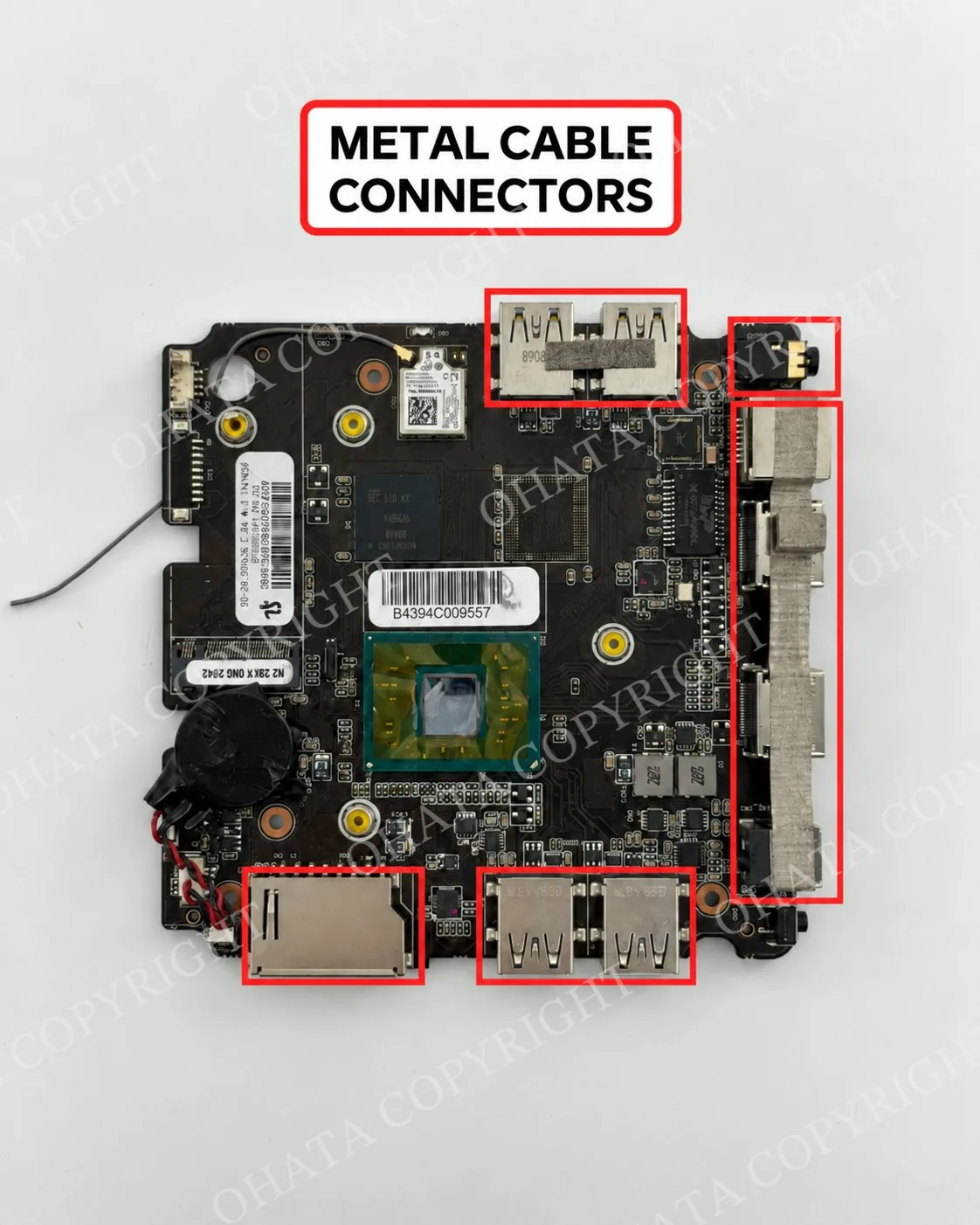
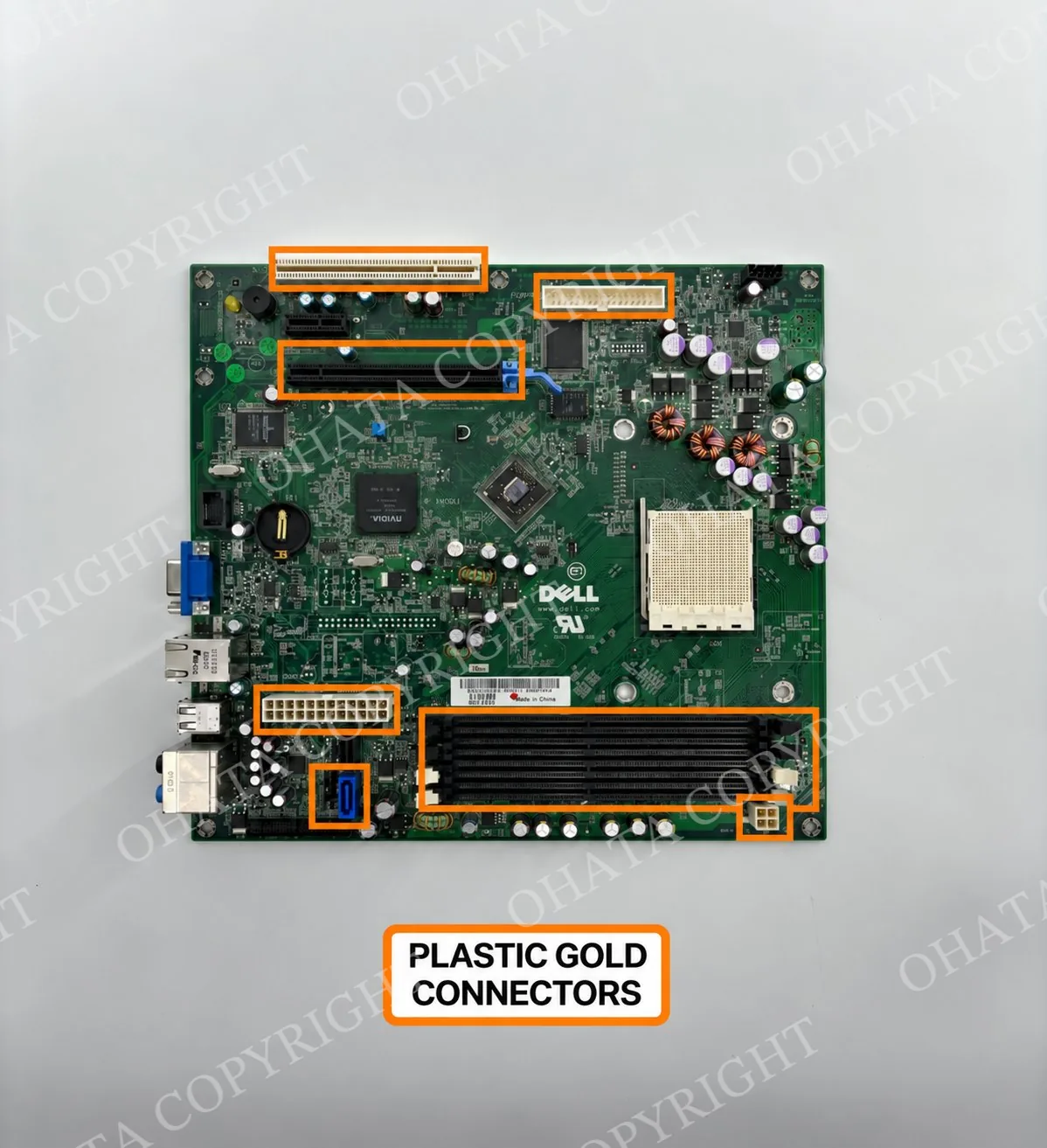
4. Distinguish cable connectors from PCB-mounted connectors
Board-mounted ports, motherboard sockets, PCB terminal blocks, and connectors still soldered to circuit boards are not loose cable connectors. They must be graded with the board or placed in another applicable connector category unless they have been properly removed and meet the loose-connector standard.
5. Inspect condition and contamination
Connectors should be reasonably clean and safe to handle. Heavy mud, black oil, grease, chemical residue, tar, burned insulation, excessive oxidation, hazardous substances, or embedded foreign debris may cause rejection or downgrade.
6. Check for mixed material
Large rubber boots, plastic backshells, steel brackets, cable glands, adapters, and non-connector hardware can lower the effective metal yield. These parts should be removed or declared before weighing.
The grade can contain different brands and models when all pieces meet the same classification standard. However, buyers should keep clearly different grades and material groups separated. A load containing clean metal connectors, plastic plugs, attached cables, PCB sockets, and unrelated hardware may be treated as mixed material and downgraded because of additional sorting and processing time.
Recoverable Materials, Buying Standards, and Handling
The following materials may be recovered from qualifying connectors:
Brass and copper alloys: Frequently used in connector bodies, pins, sockets, ferrules, and threaded components
Copper: Present in selected contacts, terminals, and conductive internal parts
Nickel: Commonly used as protective plating over brass or other base metals
Silver: May appear as contact plating in RF, power, and industrial connectors
Gold: Used as thin plating on certain signal contacts and center pins
Steel or stainless steel: Found in shells, springs, clips, locking components, and hardware
Aluminum or zinc alloys: Used in some lightweight shells and cast connector bodies
Engineering plastics: Used as insulation and normally separated from the metallic fraction during processing
A qualifying shipment should consist primarily of loose, cable-mounted metal connectors without attached wires. Connectors may be used, scratched, tarnished, or nonfunctional because this is a scrap-material classification rather than a resale-grade category. Normal wear does not automatically disqualify an item.
Ohata may downgrade or reject loads containing substantial amounts of:
Connectors with cables or insulated wires still attached
Predominantly plastic connector housings
PCB-mounted sockets or connectors still attached to boards
Batteries, electronic assemblies, transformers, or unrelated components
Heavy steel brackets or non-connector hardware
Burned, melted, cracked, or severely crushed connectors
Heavy dirt, mud, oil, grease, tar, or unidentified residue
Wet material or sealed components containing liquid
Hazardous, radioactive, medical, or chemically contaminated material
Before shipment, sellers should remove attached wiring as close to the connector as practical, separate predominantly plastic plugs, keep the material dry, and use strong containers. Dense metal connectors can damage weak bags or cartons. Containers should be clearly marked, and loads containing different recycling grades should not be combined.
Comparison and Classification
Correct separation from neighboring grades is essential:
Material presented
Classification result
Predominantly metal cable connectors with no attached wire
Metal Cable Connectors Without Attached Wires
Metal connectors with cable sections still attached
Cable or connector-with-wire category
Molded plastic plugs with limited metal contacts
Plastic or mixed connector grade
Connectors soldered to a circuit board
Applicable circuit-board grade
Clean plated pins or contacts separated from housings
Applicable contact or pin grade
Mixed connectors, wire, boards, and hardware
Mixed load; subject to downgrade
Burned, oily, muddy, or hazardous connectors
Downgrade or rejection after inspection
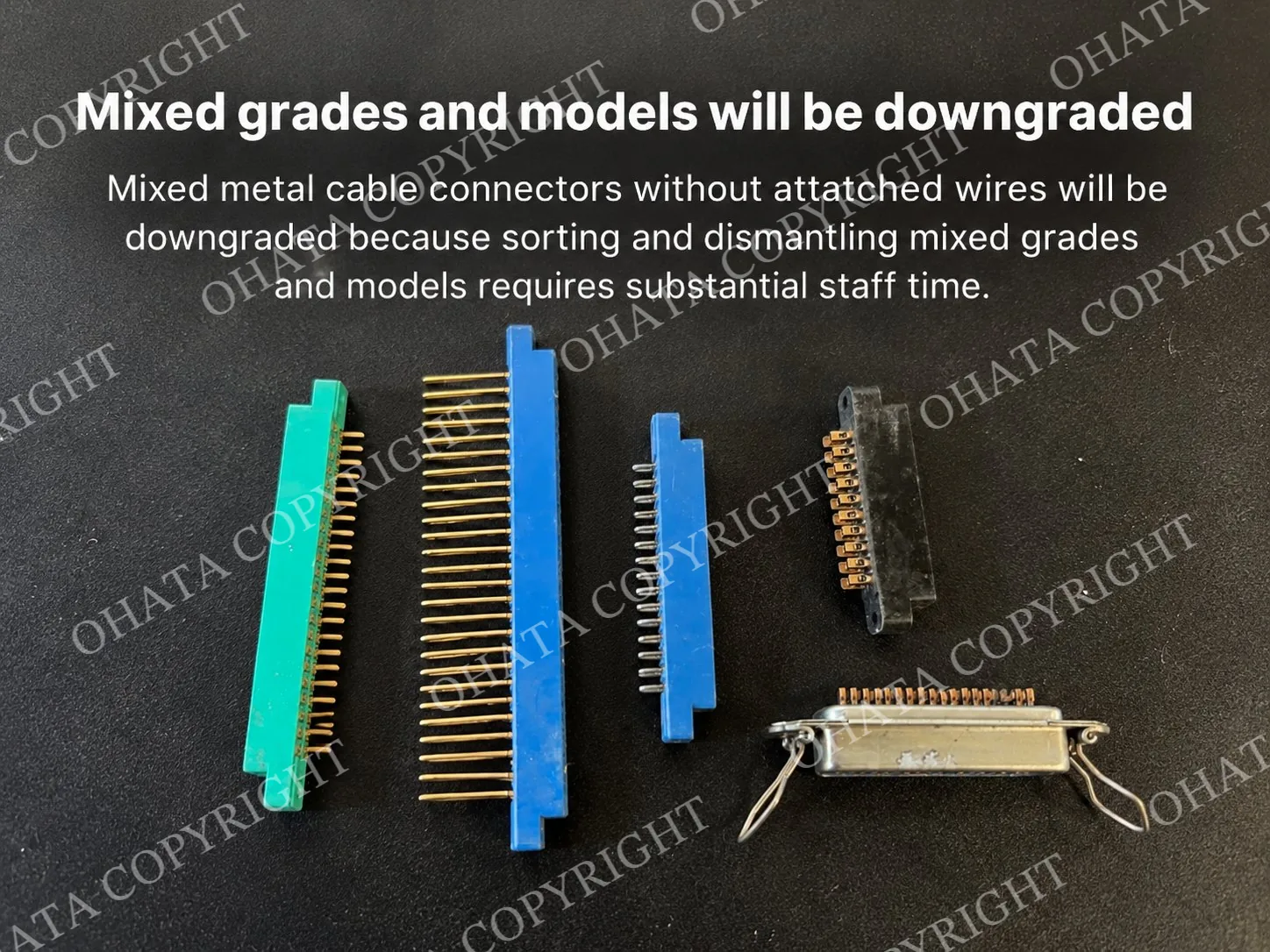
The most important distinction is that this grade covers the complete loose metal connector, not the attached cable and not the equipment from which it originated. A gold-colored contact does not automatically create a precious-metal grade, and a well-known brand does not guarantee acceptance.
Official Ohata Classification
Under the Official Ohata Classification, this category covers complete, loose, predominantly metal cable connectors with no meaningful cable or wire section attached.
A qualifying connector will generally have:
Recognizable cable-connector construction: A plug, socket, jack, coupler, or termination component designed for attachment to a cable
Predominantly metal content: A brass, copper-alloy, steel, aluminum, zinc-alloy, or similar metal body containing recoverable contacts and hardware
No attached cable: No visible cable tail, substantial conductor length, shielding braid, cable jacket, or external insulation
Acceptable condition: Dry, reasonably clean, identifiable, and free from hazardous contamination
Internal dielectric insulators, center contacts, pins, sockets, ferrules, clamps, backshells, and coupling hardware may remain when they are part of the complete connector. Predominantly plastic plugs, connectors with cable sections attached, PCB-mounted ports, loose plated contacts, circuit boards, and unrelated hardware should be evaluated separately.
Different brands, models, connector families, and original applications may receive the same category price when they meet the Ohata Metal Cable Connectors Without Attached Wires standard. Gold-colored surfaces do not independently establish precious-metal content or classification. Final classification, verified net weight, and buying value are confirmed after physical inspection.
- 1. What is today’s price for Metal Cable Connectors Without Attached Wires Buying?
- As of Sep 21,2026, Ohata Shoji America Inc., (Seattle, WA, United States) is purchasing Metal Cable Connectors Without Attached Wires Buying at 0.60 (USD/lb). We provide competitive scrap prices in Seattle, Bellevue, Renton, Tukwila, Kent, SeaTac, Tacoma, Everett, and surrounding communities.
- 2. What are Metal Cable Connectors Without Attached Wires?
- They are loose, predominantly metal connectors originally designed for attachment to cables or wires. All meaningful cable sections, insulation, shielding braid, and conductors must be removed before grading.
- 3. Which connector types may qualify for this grade?
- Qualifying items may include BNC, TNC, N-type, UHF/PL-259, SMA, F-type, RCA, XLR, circular aviation, telecommunications, industrial signal, and similar metal cable-mounted connectors.
- 4. Are different brands and models purchased at the same grade price?
- Yes. Brand, model, age, and original application do not independently determine the price. All connectors meeting the Ohata Metal Cable Connectors Without Attached Wires standard are purchased according to that grade and the applicable buying terms.
- 5. Can connectors with short pieces of wire still attached qualify?
- Normally, no. Visible cable tails, insulated wires, shielding braid, and substantial conductor remnants should be removed. Connectors retaining attached wiring may be classified under a connector-with-wire or cable category.
- 6. Are plastic connectors included in this grade?
- Connectors must be predominantly metal and contain a commercially meaningful recoverable metal fraction. Molded plastic plugs containing only small contacts should be separated into an applicable plastic or mixed-connector grade.
- 7. Do connectors attached to circuit boards qualify?
- No. Connectors still soldered or mounted to a PCB are normally included in the applicable circuit-board grade. They may only be considered separately after proper removal and verification against the loose-connector standard.
- 8. Which materials can be recovered from these connectors?
- Recoverable materials may include brass, copper alloys, copper, nickel, stainless steel, ordinary steel, aluminum, zinc alloys, silver-plated contacts, and small amounts of gold plating.
- 9. What role does AI play in your e-commerce platform?
- We use AI to run our dynamic digital valuation engines, matching global commodity markets to give users instant, transparent pricing.
- 10. Can I sell loose electronic components and scrap parts?
- Yes, we actively buy printed circuit boards (PCBs), hard drives, networking gear, and assorted electronic scrap via our digital storefront.
- 11. How does your digital model help reduce environmental waste?
- By streamlining tech disposal online, we intercept e-waste before landfills, feeding components back into the circular green economy.
Related Items
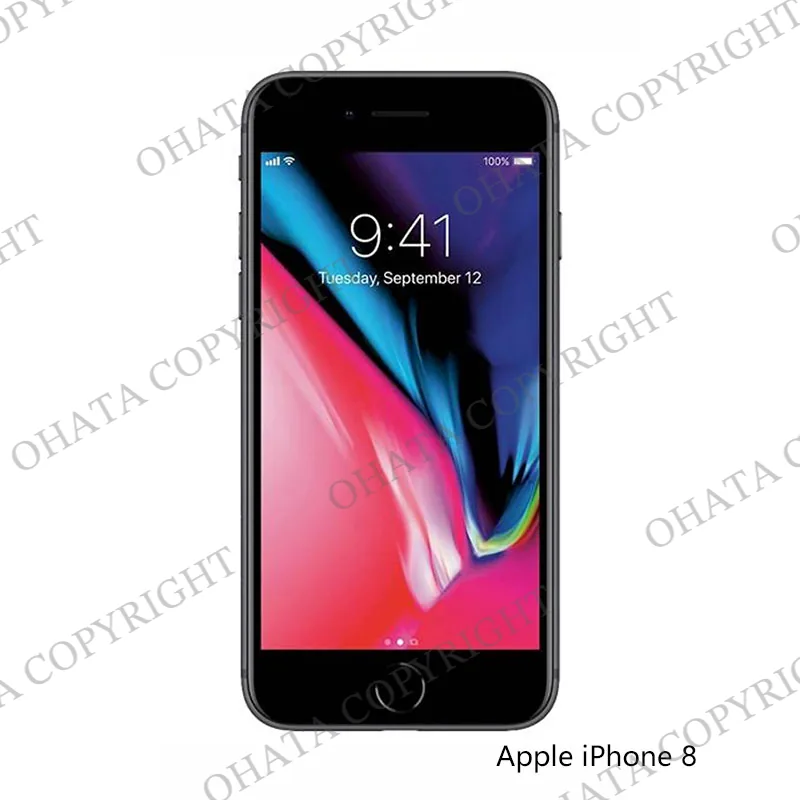
Modern Smart Phone with Battery and Cover Buying
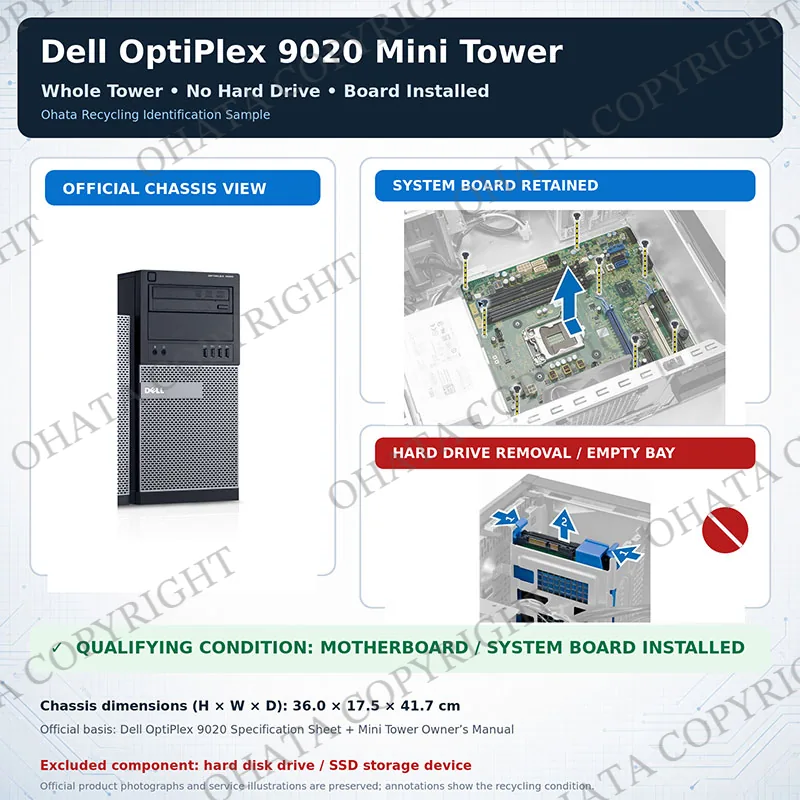
Whole Tower (Desktop Computer) No Hard Drive with board
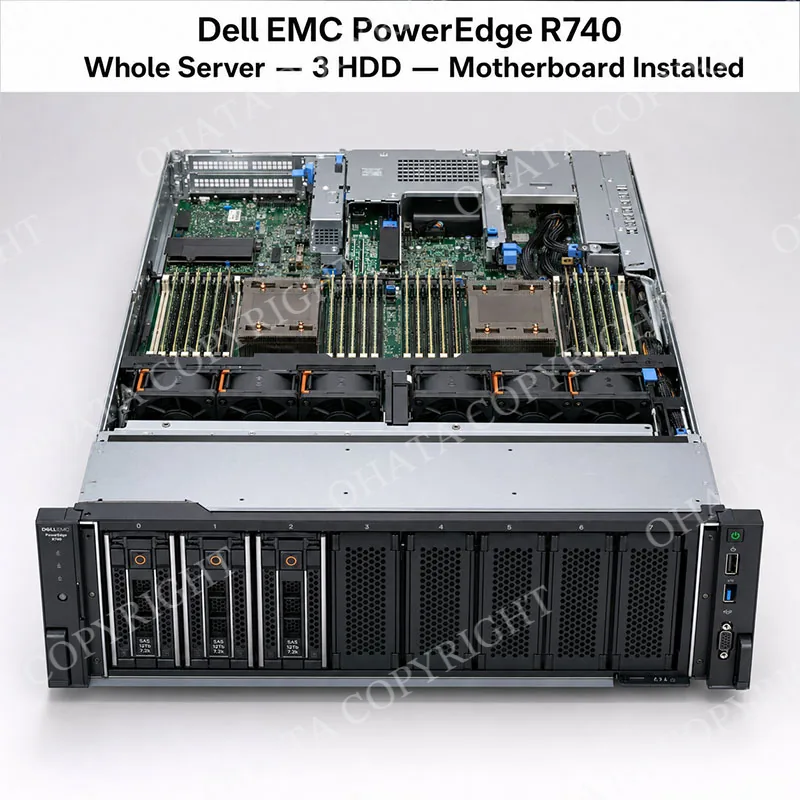
Whole Server With 3 Hard Drive with board buying
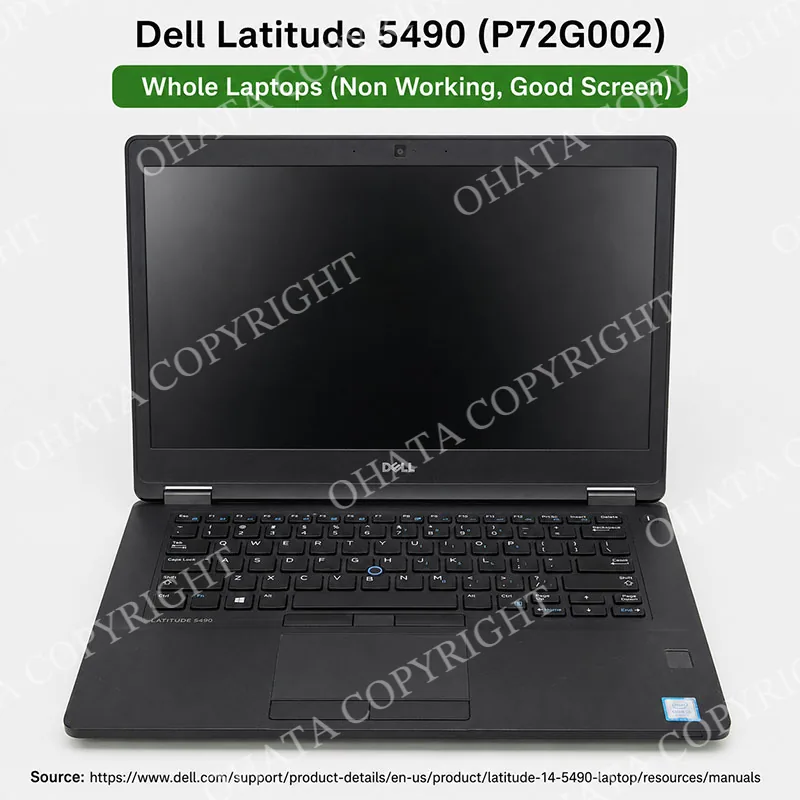
Whole Laptops (Non Working, Good Screen) buying
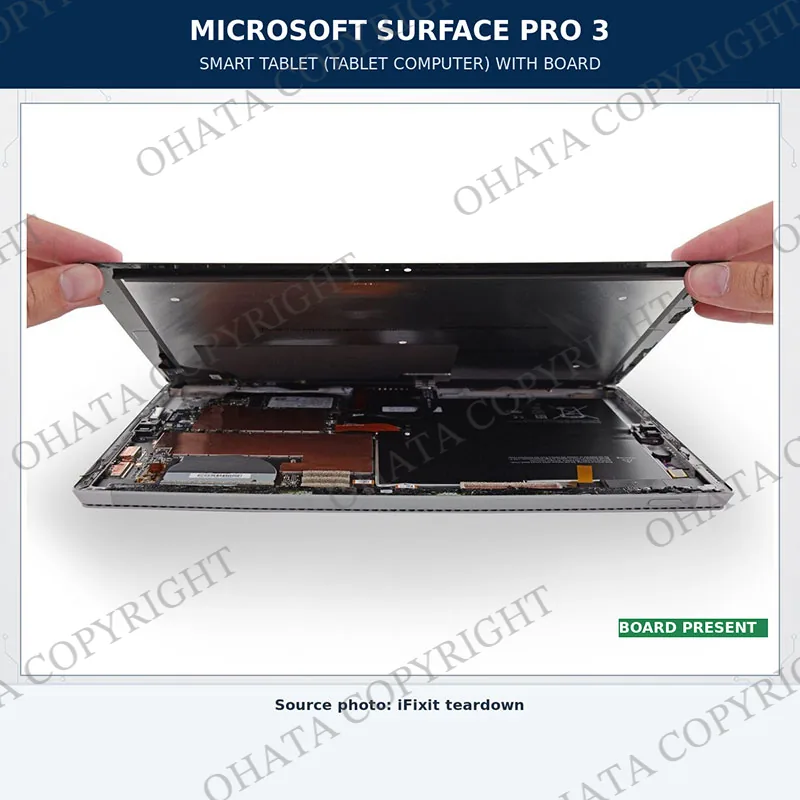
Smart Tablet ( Tablet Computer) with board buying

Smart phone (Non-cell phone) No Battery with board buying
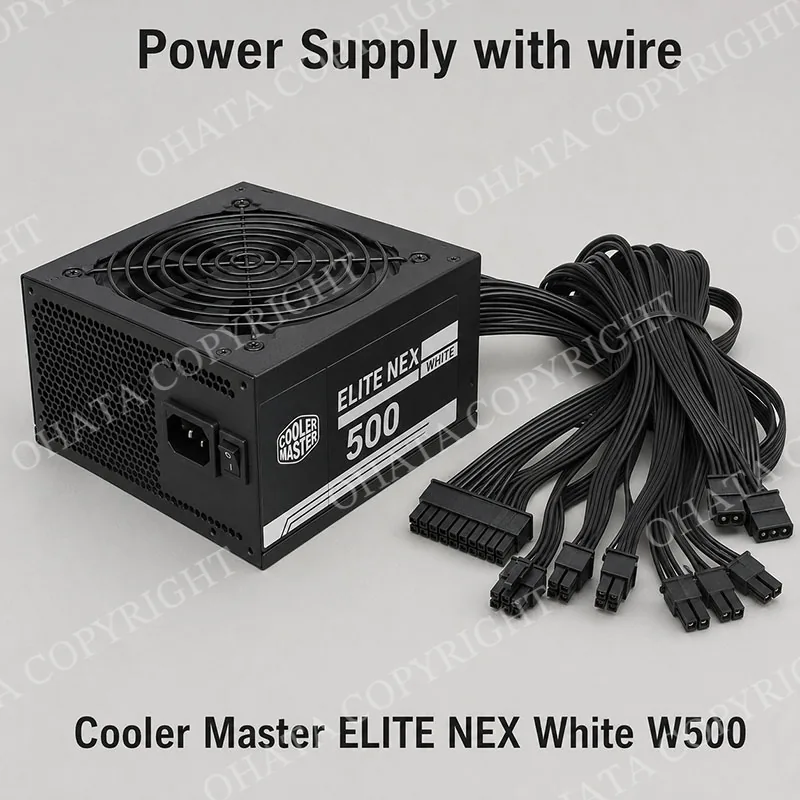
Power Supply with Wire Buying
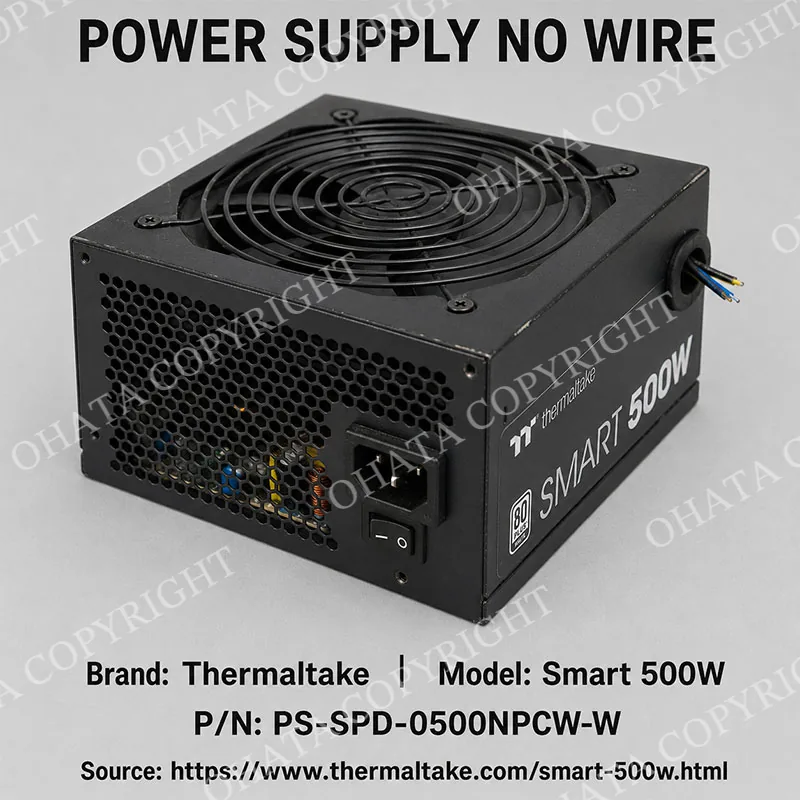
Power Supply No Wire Buying