
-
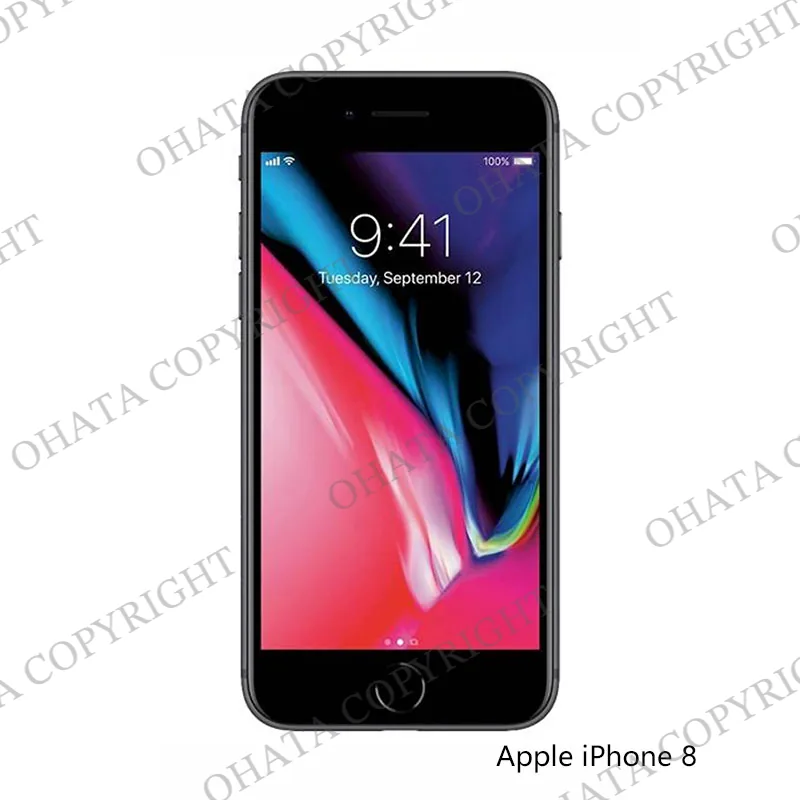
We buy Whole Laptops (Non-Working, Good Screen) from a minimum of 1 lb.
-
This category covers complete laptops that do not operate normally but retain physically intact display panels. All units meeting the Ohata Whole Laptops (Non-Working, Good Screen) standard are purchased at the same category price.
-
A qualifying laptop should retain its display assembly, motherboard, main chassis, keyboard area, and bottom housing. The laptop does not need to power on, charge, boot, or function correctly.
-
Buying value is based on completeness, physical screen condition, housing condition, installed components, contamination, battery condition, and processing requirements, not brand, model, processor generation, screen size, age, or original selling price.
-
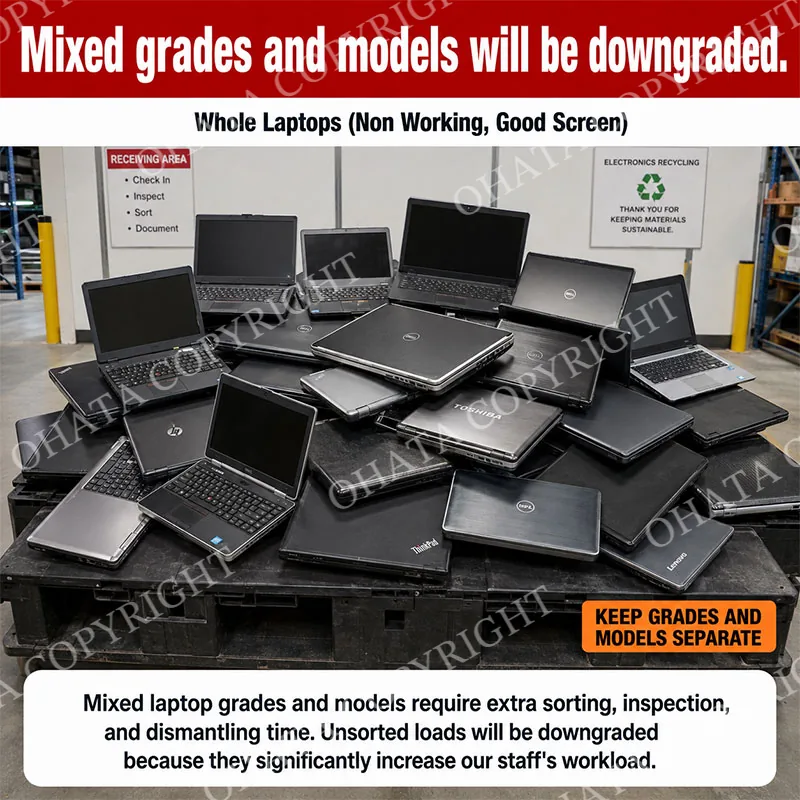
Keep good-screen laptops separate from cracked-screen, incomplete, severely damaged, burned, or contaminated units. Mixed conditions are accepted but may require separate inspection, sorting, counting, and pricing.
Whole Laptops (Non Working, Good Screen) buying scrap price
-
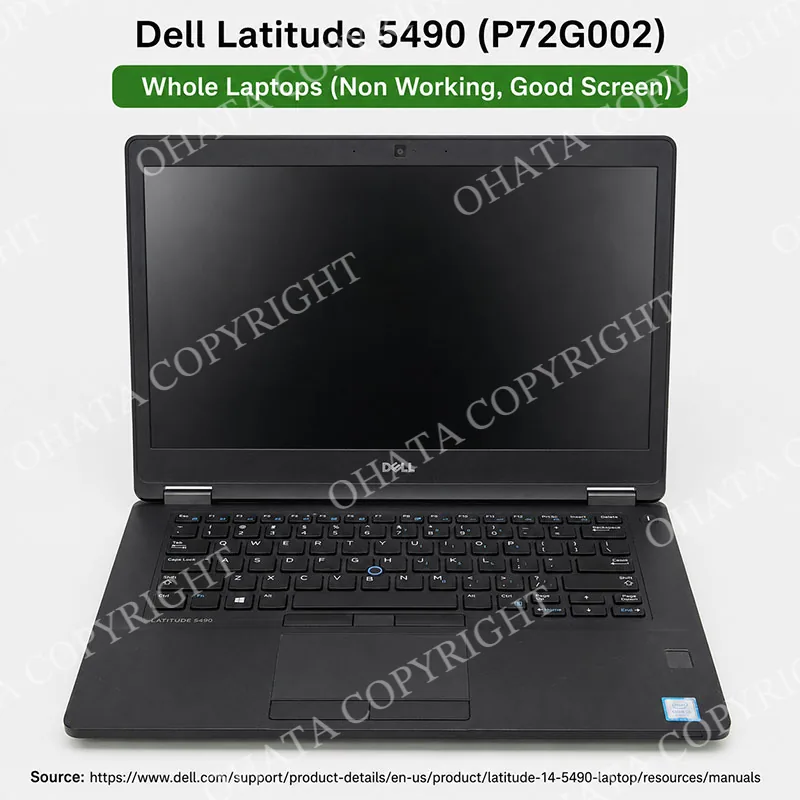
We buy Whole Laptops (Non-Working, Good Screen) from a minimum of 1 lb.
-
This category covers complete laptops that do not operate normally but retain physically intact display panels. All units meeting the Ohata Whole Laptops (Non-Working, Good Screen) standard are purchased at the same category price.
-
A qualifying laptop should retain its display assembly, motherboard, main chassis, keyboard area, and bottom housing. The laptop does not need to power on, charge, boot, or function correctly.
-
Buying value is based on completeness, physical screen condition, housing condition, installed components, contamination, battery condition, and processing requirements, not brand, model, processor generation, screen size, age, or original selling price.
-
Keep good-screen laptops separate from cracked-screen, incomplete, severely damaged, burned, or contaminated units. Mixed conditions are accepted but may require separate inspection, sorting, counting, and pricing.
Buying Details of Conditions
Introduction, Construction, Components, and Recycling Value
All qualifying units are purchased according to the Whole Laptops (Non Working, Good Screen) grade price. A specific model name does not automatically determine the grade. The final classification depends on the condition, completeness, screen quality, contamination level and recoverable component content of the entire laptop.
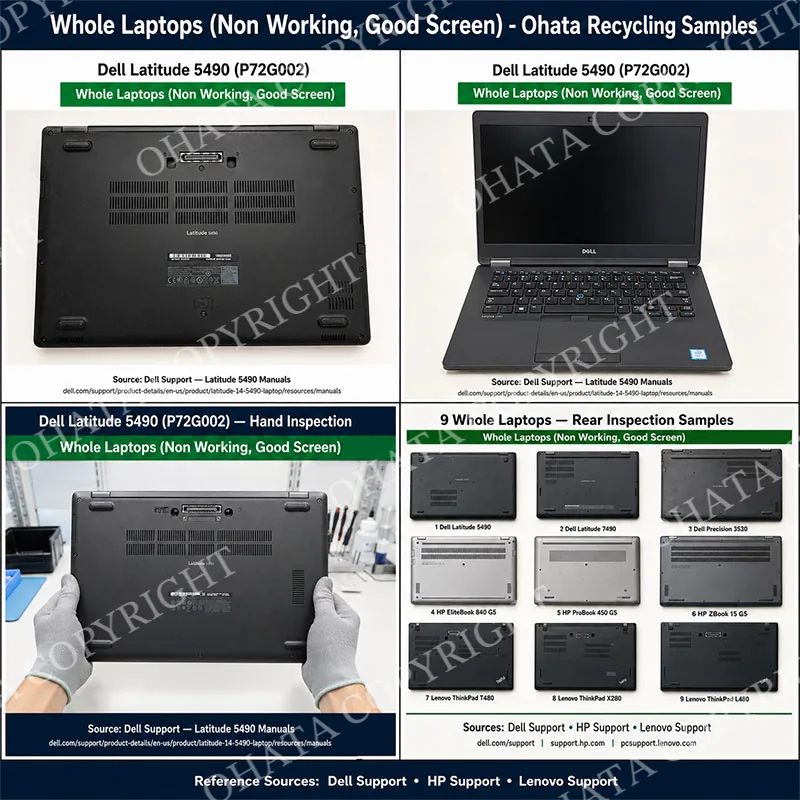
A laptop normally consists of several major assemblies:
LCD or LED display panel, bezel, hinges and display cables
Motherboard with CPU, chipset and integrated controllers
RAM modules or soldered memory
Cooling fan, heat sink and copper heat pipes
Keyboard, touchpad, speakers and internal cables
Battery, charging circuit and power connector
Plastic, aluminum, magnesium-alloy or mixed-material housing
Wireless cards, USB ports and other peripheral boards
Even non-working laptops retain recycling value through their motherboard, processors, memory, storage devices, wireless cards, copper, and precious metals. A physically intact screen is especially important because it may be suitable for refurbishment or parts recovery.
The overall buying value is based on the complete unit’s construction, installed components, screen condition, housing condition, completeness, contamination, and processing requirements. Different brands, models, and generations may receive the same category price when they meet the Ohata Whole Laptops (Non-Working, Good Screen) standard.
Customers looking to recycle Whole Laptops (Non Working, Good Screen) can also browse our related buying categories.
Whole Laptops (Non Working, Good Screen) Classification Guide
|
Recoverable Materials, Buying Standards, and Handling
Whole laptops contain a combination of reusable components and recyclable materials.
Copper is found in motherboard traces, charging cables, motors, inductors, heat pipes and internal wiring. Aluminum and magnesium alloys may be present in the housing, structural frame and heat sink. Steel is used in screws, brackets and reinforcement structures.
Small quantities of gold may occur on connector contacts, memory contacts, processor contacts and inside semiconductor packages. Silver and palladium may be present in certain electronic components and solder-related materials. Nickel, tin and other metals are also distributed throughout the assemblies.
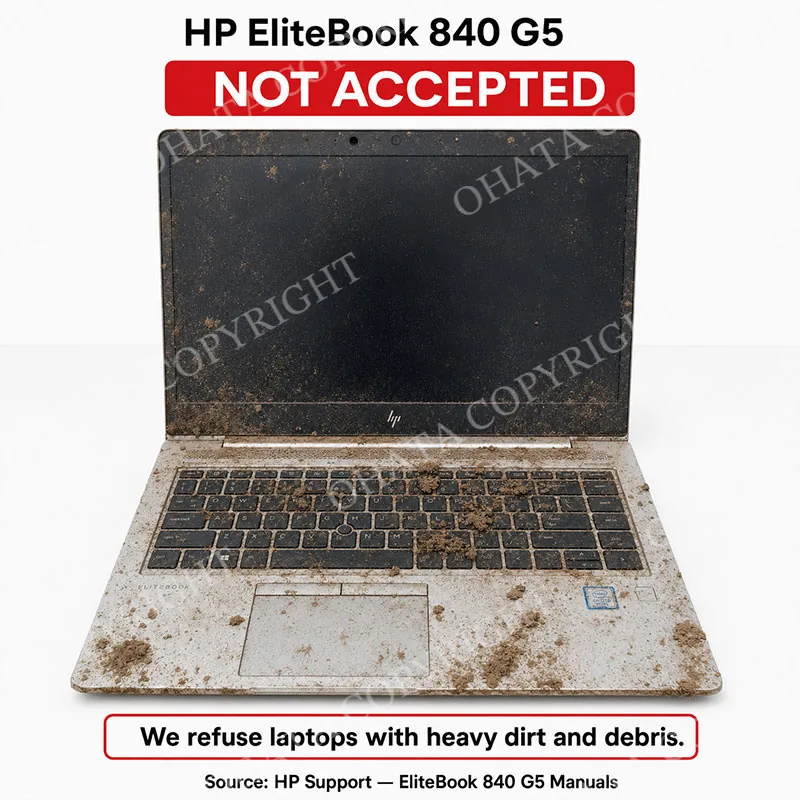
Ohata purchasing standards generally require laptops to be:
Complete and identifiable
Non-working or sold without a functional guarantee
Fitted with an intact, physically good screen
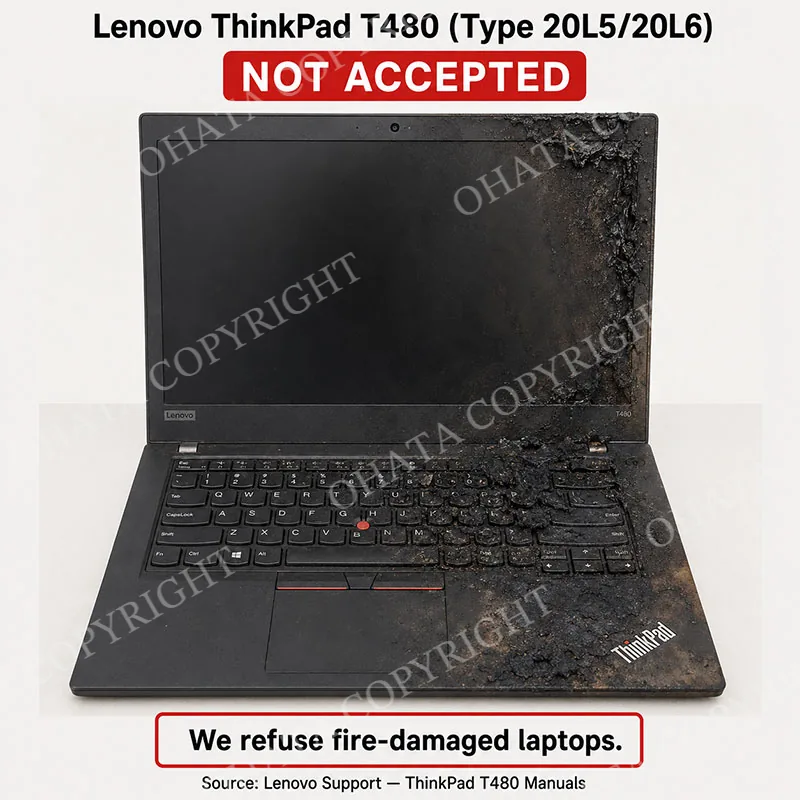
Free from major fire or heat damage
Free from heavy dirt and hazardous contamination
Free from severe battery swelling or leakage
Packed and transported safely
Protect batteries from damage during storage and transportation. Do not puncture, crush, bend, or forcibly remove a swollen, leaking, or damaged battery. Keep affected laptops separate and identify the battery condition before handling or delivery. Pack laptops flat with suitable protection to prevent screen damage. Separate different laptop conditions whenever practical. Mixed conditions are accepted but may require separate inspection, sorting, counting, and pricing.
Customers are responsible for removing their personal information. Once we purchase or receive a data-bearing device, it undergoes certified software data destruction or complete physical shredding. Because of this process, we cannot recover files or other data.
Official Ohata Classification
Under the Official Ohata Classification, any brand or model that satisfies all required standards is purchased as Whole Laptops (Non Working, Good Screen) at the applicable grade price. Units that fail the completeness, screen, cleanliness or safety requirements will be reclassified, downgraded or rejected after inspection.
A qualifying laptop will generally have:
Complete laptop construction: The display assembly, main chassis, motherboard, keyboard area, and bottom housing remain together as one recognizable unit
Non-working condition: The laptop may fail to power on, charge, boot, or operate correctly
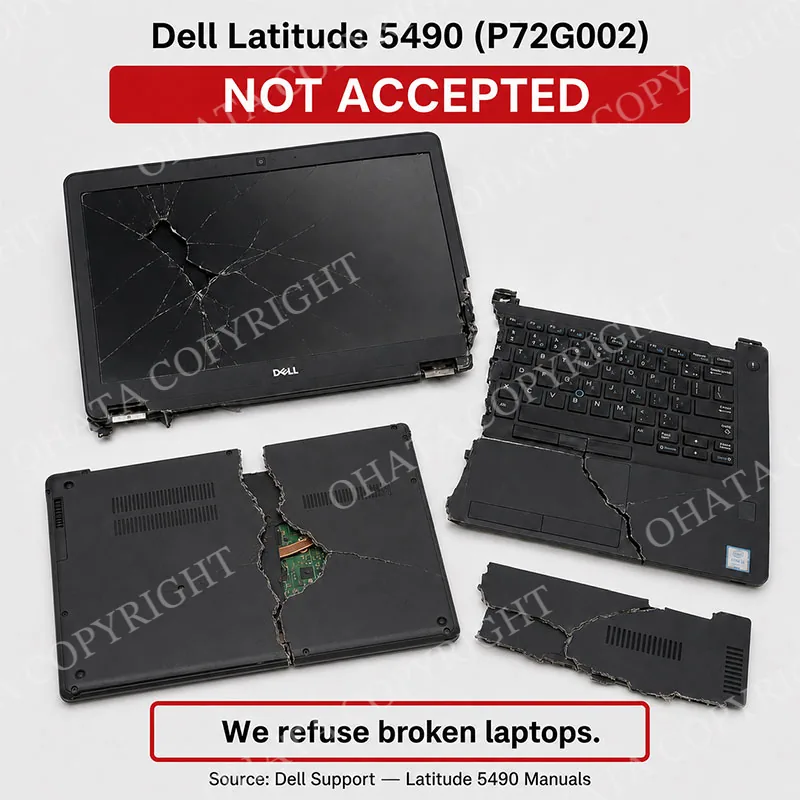
Physically good screen: No cracked glass, liquid-crystal leakage, major pressure damage, large damaged areas, missing panel sections, or severely bent display frame
Acceptable overall condition: The housing remains reasonably intact, and the unit is dry, identifiable, and free from hazardous contamination
A powered-off black screen does not automatically indicate physical screen damage. Unless functional testing is specifically arranged, the good-screen requirement refers primarily to the visible physical condition of the panel, bezel, hinges, and display assembly.
Laptops with cracked screens, missing motherboards, detached display assemblies, substantial structural damage, severe burning, or hazardous contamination do not qualify for this category and require separate evaluation.
Different brands, models, processor generations, and screen sizes may receive the same category price when they meet the Ohata Whole Laptops (Non-Working, Good Screen) standard. Final classification, quantity, and buying value are confirmed after physical inspection.
- 1. What is today’s price for Whole Laptops (Non Working, Good Screen) buying?
- As of Oct 06,2026, Ohata Shoji America Inc., (Seattle, WA, United States) is purchasing Whole Laptops (Non Working, Good Screen) buying at 1.30 (USD/lb). We provide competitive scrap prices in Seattle, Bellevue, Renton, Tukwila, Kent, SeaTac, Tacoma, Everett, and surrounding communities.
- 2. What are Whole Laptops (Non Working, Good Screen)?
- They are complete laptop computers that do not operate normally but retain physically intact screens. The motherboard, display assembly and main housing should remain installed.
- 3. Does this grade apply to only one laptop model?
- No. This grade is not restricted to a particular brand, model, processor generation or screen size. Any laptop meeting the Ohata classification standards is purchased at the applicable Whole Laptops (Non Working, Good Screen) grade price.
- 4. Must the laptop turn on?
- No. The laptop may fail to power on, charge, boot or operate correctly. Electrical failure is acceptable, provided the unit meets the required physical-condition and completeness standards.
- 5. What qualifies as a good screen?
- A good screen should have no cracks, liquid-crystal leakage, severe pressure marks, large damaged areas or missing sections. Unless functional testing is specifically required, “good screen” primarily refers to acceptable physical condition.
- 6. Are scratches on the laptop acceptable?
- Ordinary scratches, worn surfaces, faded labels and minor cosmetic marks are generally acceptable. Severe cracks, crushed housings, separated chassis sections or badly damaged hinges may cause downgrading.
- 7. Can laptops with missing components qualify?
- Minor missing parts may be assessed individually. However, laptops missing the motherboard, complete display assembly, bottom housing or substantial structural components normally do not qualify for this grade.
- 8. Are laptops with cracked screens accepted in this grade?
- No. A cracked, leaking or severely pressure-damaged screen does not meet the good-screen requirement. Such laptops should be separated and classified under a broken-screen or lower laptop grade.
- 9. Is there a processing fee for using digital payment options?
- No, Ohata.ai does not charge any transaction fees for sending your payouts via direct deposit or digital wallets.
- 10. Why is electronic waste recycling important?
- Electronic waste contains valuable metals and reusable materials. Responsible recycling helps conserve natural resources, reduce landfill waste, and support a more sustainable circular economy.
- 11. Why does Ohata Shoji America Inc. describe itself as a Green-Tech E-Commerce company?
- Our business combines environmentally responsible electronics recycling with digital technologies and online commerce. This approach reflects our commitment to resource recovery, innovation, and sustainable business ractices.
Related Items
Modems Routers Buying
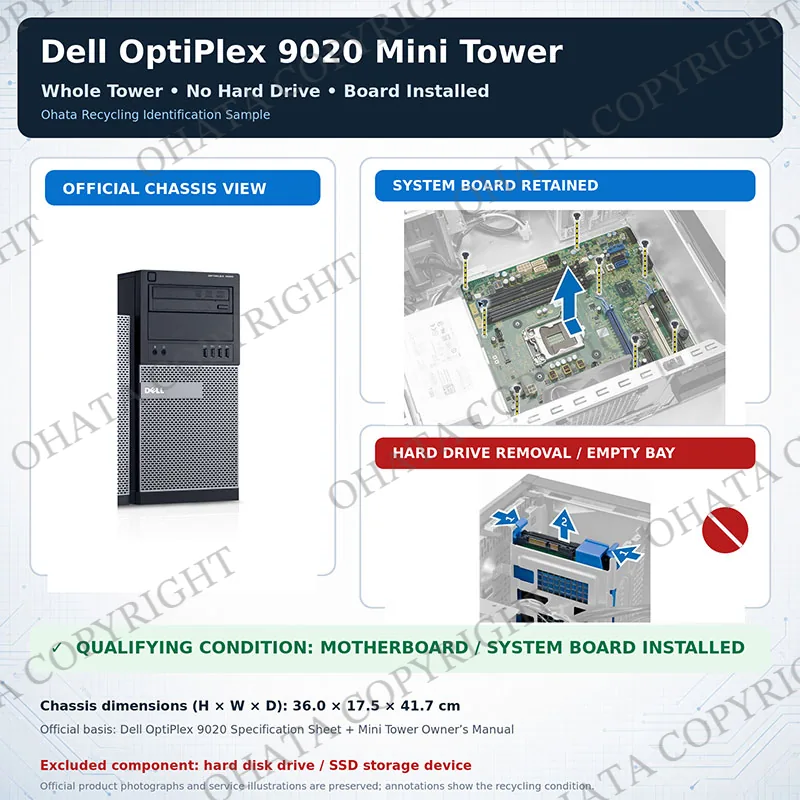
Whole Tower (Desktop Computer) No Hard Drive with board
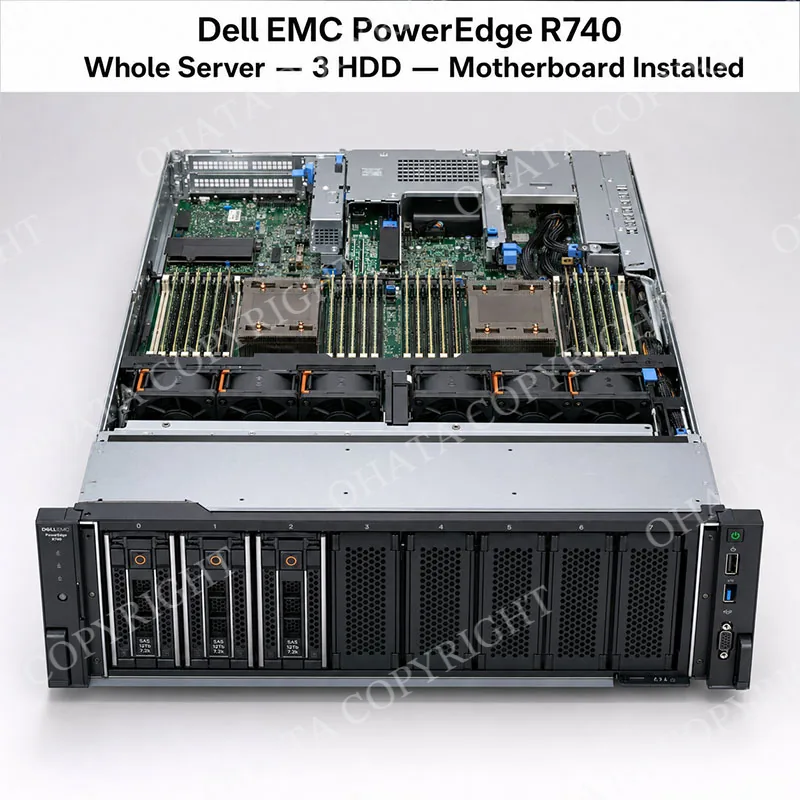
Whole Server With 3 Hard Drive with board buying
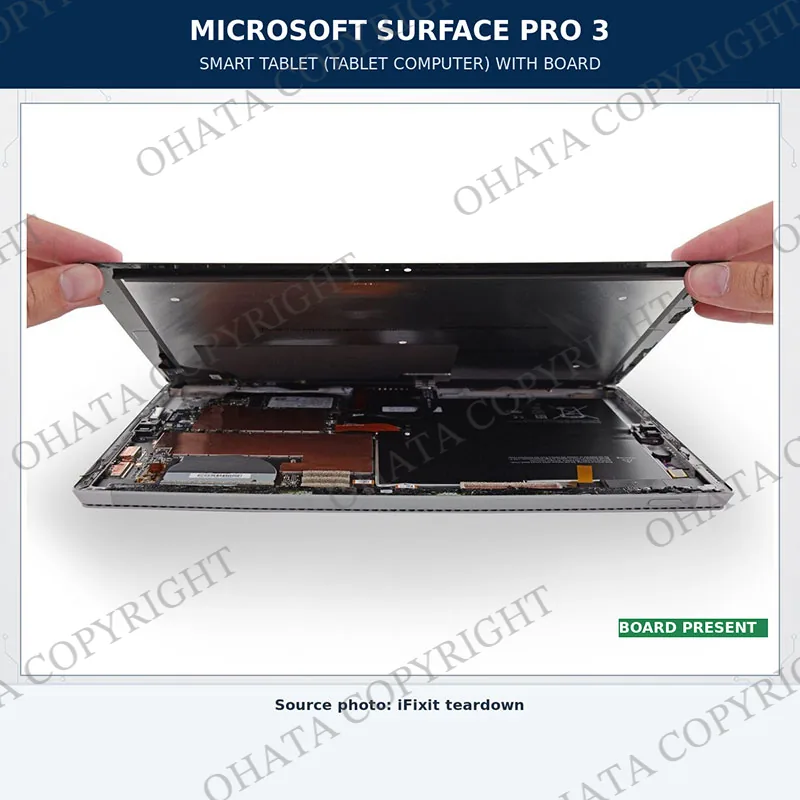
Smart Tablet ( Tablet Computer) with board buying

Smart phone (Non-cell phone) No Battery with board buying
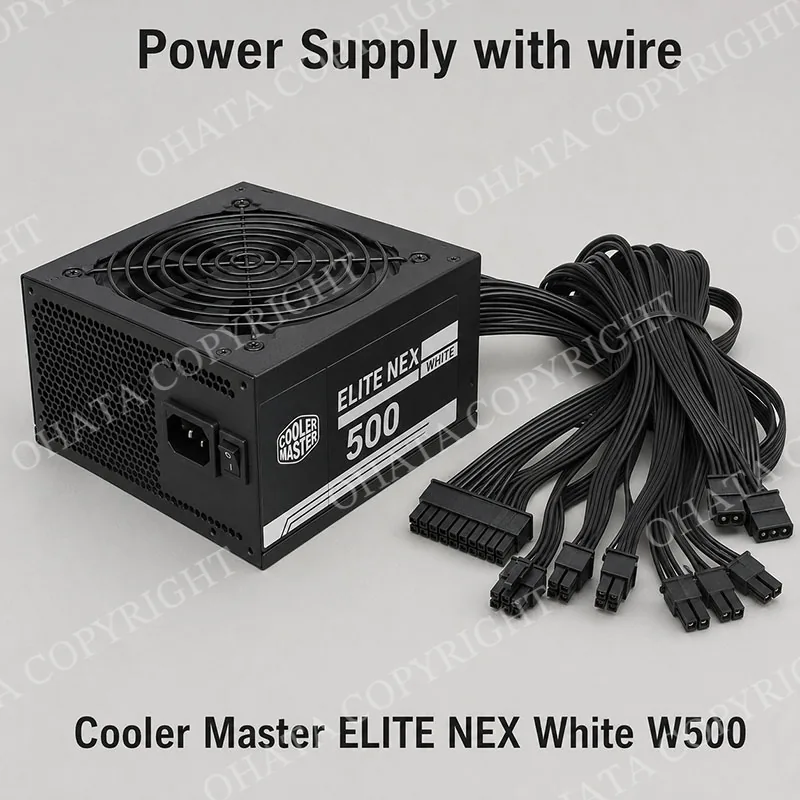
Power Supply with Wire Buying
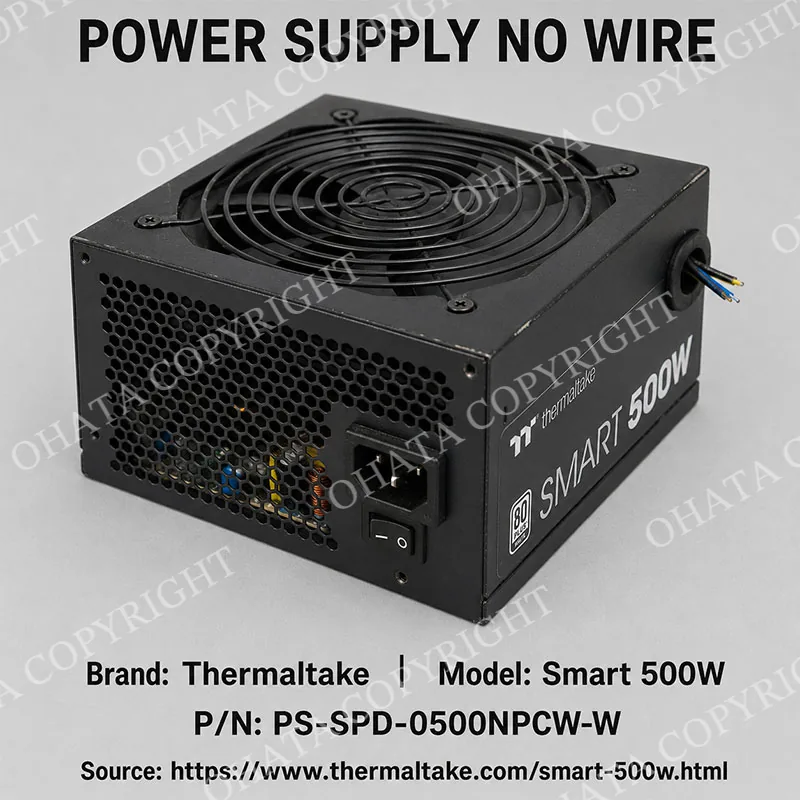
Power Supply No Wire Buying
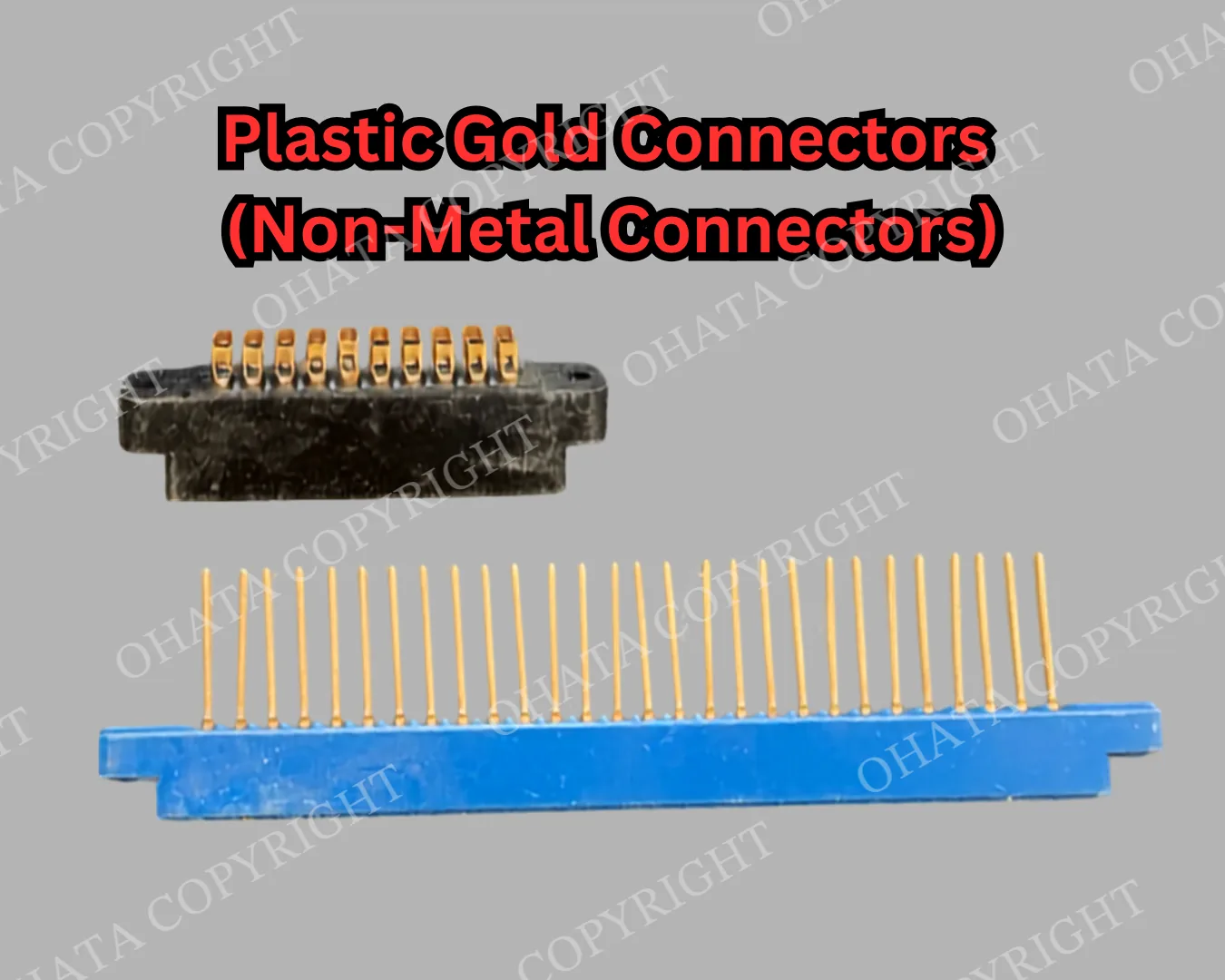
Plastic Gold Connectors (Non-Metal Connectors) Buying