

- Purchases start from just 1 lb of eligible Smart Tablet (Tablet Computer) with Board material.
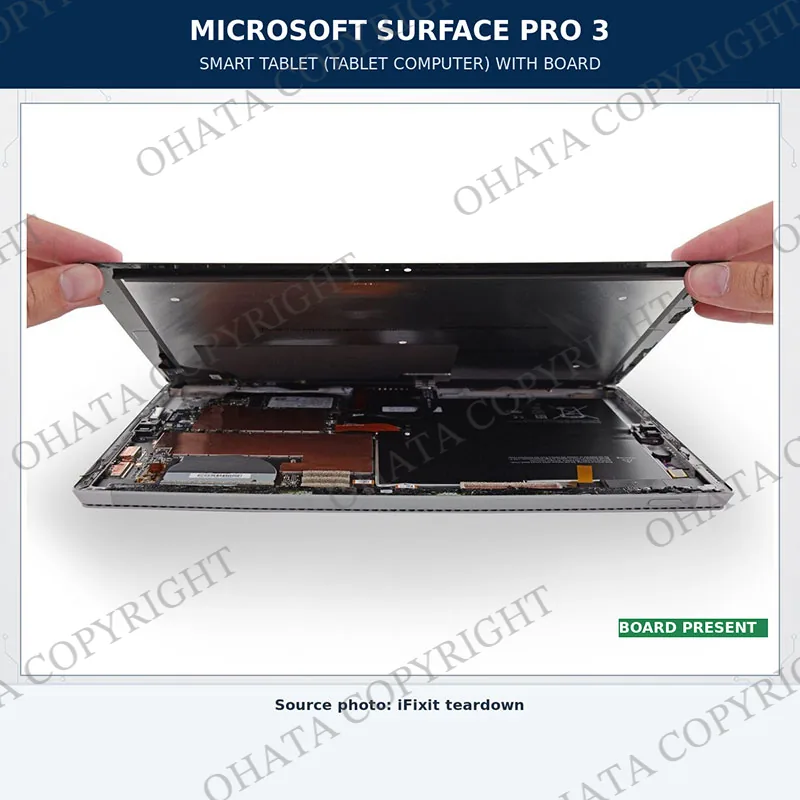
- This category includes recognizable touchscreen tablet computers with their main logic board or motherboard present and substantially intact.
- The classification and buying price are determined by the tablet’s physical composition, installed components, completeness, condition, and configuration, not by its brand or model alone.
- Different brands and models may receive the same category price when they meet the same Ohata classification and buying conditions.
- Tablets without mainboards, empty housings, loose circuit boards, smartphones, laptops, and e-readers belong in different categories.
- Tablets with fragmented boards, severe fire damage, carbonization, heavy corrosion, dangerous battery damage, or substantial contamination may receive a different classification or may be rejected.
Smart Tablet ( Tablet Computer) with board buying scrap price
Key Buying Introduction
Key Buying Introduction
- Purchases start from just 1 lb of eligible Smart Tablet (Tablet Computer) with Board material.
- This category includes recognizable touchscreen tablet computers with their main logic board or motherboard present and substantially intact.
- The classification and buying price are determined by the tablet’s physical composition, installed components, completeness, condition, and configuration, not by its brand or model alone.
- Different brands and models may receive the same category price when they meet the same Ohata classification and buying conditions.
- Tablets without mainboards, empty housings, loose circuit boards, smartphones, laptops, and e-readers belong in different categories.
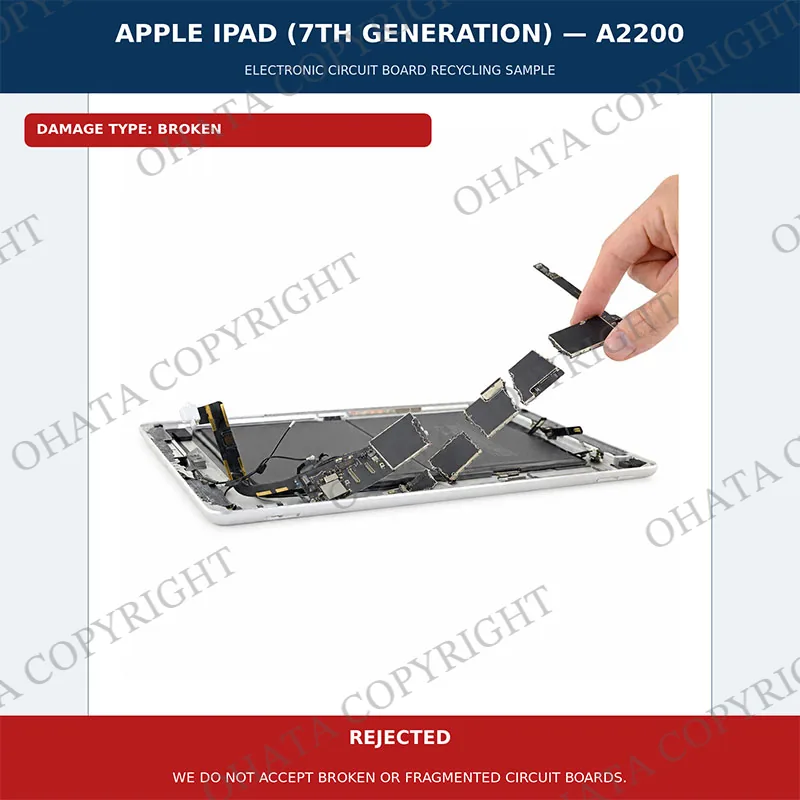
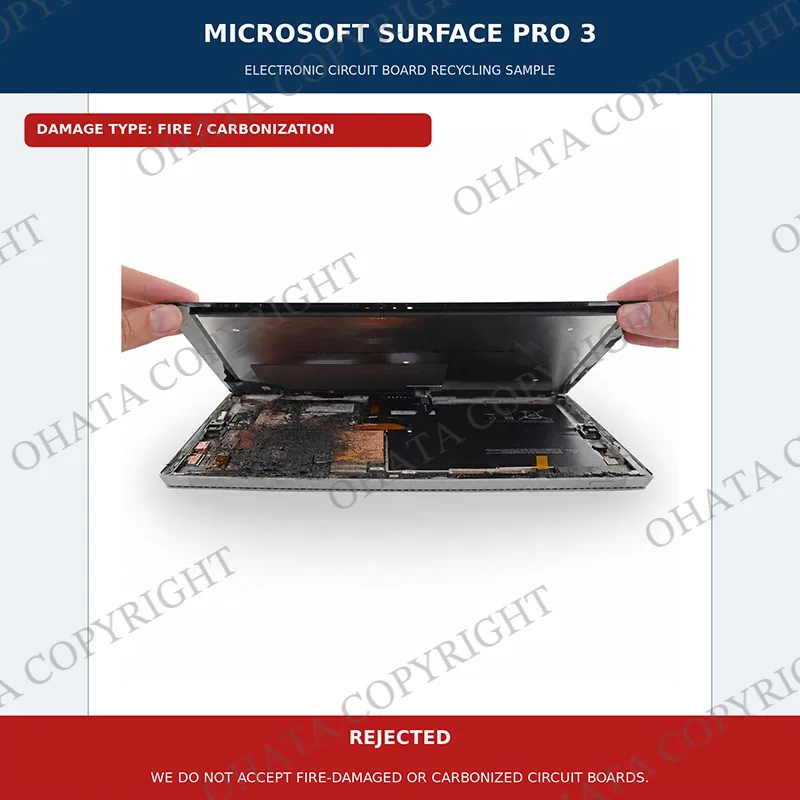
- Tablets with fragmented boards, severe fire damage, carbonization, heavy corrosion, dangerous battery damage, or substantial contamination may receive a different classification or may be rejected.
Buying Details of Conditions
Introduction, Construction, Components, and Recycling Value
The recycling price is based primarily on the Ohata material grade, not on the tablet’s model name, age, or original purchase price. An older tablet and a newer tablet may receive the same Smart Tablet with Board price when both meet the same classification requirements, unless a separate premium-model agreement applies.
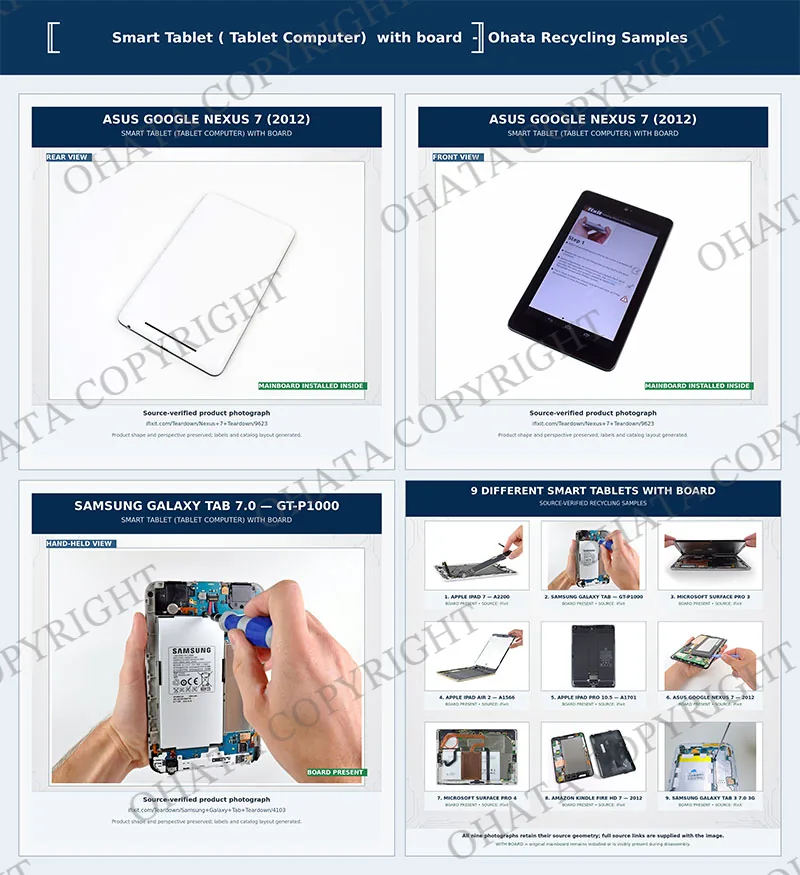
A typical smart tablet contains a touchscreen display assembly, aluminum or plastic housing, lithium-ion or lithium-polymer battery, mainboard, cameras, speakers, microphones, antennas, charging connectors, flex cables, shielding plates, and small peripheral circuit boards. Some professional tablets may also contain cooling assemblies, removable storage devices, or additional interface boards.
The mainboard is the most important component for this classification. It normally carries the processor, memory, storage chips, power-management components, communication modules, connectors, and other integrated circuits. Its printed circuit board contains copper, while selected components and contacts may contain small quantities of gold, silver, palladium, tin, and other recoverable metals.
The value of one tablet is limited, but commercially collected quantities can provide recoverable circuit boards, aluminum, copper, steel, plastics, batteries, and glass. The economic value depends on efficient sorting, safe battery management, controlled dismantling, and consolidation of similar material.
The term “with board” does not mean that every internal component must be functional. The tablet may be used, obsolete, locked, non-working, or have a damaged display. However, its mainboard must remain present and reasonably intact. An empty tablet housing, screen-only assembly, battery-only unit, or tablet from which the mainboard has been removed does not qualify.
Customers looking to recycle Smart Tablet ( Tablet Computer) with board can also browse our related buying categories.
Ohata Smart Tablet with Board Classification and Identification Guide
The Ohata “Smart Tablet with Board” classification is based on the physical material received. Model names and product labels help identification, but they do not independently determine the grade.
A qualifying unit should have the following characteristics:
It is recognizably a smart tablet or tablet computer.
It has an integrated touchscreen and a flat, portable tablet-style body.
The original mainboard remains installed or is supplied securely with the same tablet.
The mainboard has not been deliberately stripped of its major integrated circuits.
The device is reasonably clean and suitable for ordinary sorting and dismantling.
The mainboard is not broken into pieces, severely burned, carbonized, corroded, or covered with heavy oil, mud, chemicals, or foreign material.
The mainboard may not be visible when the rear cover is closed. In this situation, staff can verify its presence by checking the device’s weight, charging-port assembly, seams, internal inspection images, model construction, or controlled opening procedures. If there is uncertainty, the unit may be inspected or sampled before final grading.
Tablets with cracked screens can still qualify if the mainboard is present and the damage does not create an unacceptable safety or handling problem. Missing buttons, cameras, speakers, covers, or minor peripheral parts do not automatically remove the unit from this grade. The deciding factor is the presence and acceptable condition of the mainboard.
The following comparison helps separate this grade from other recycling categories:
Material received
Correct classification
Recognizable touchscreen tablet with its mainboard
Smart Tablet with Board
Tablet housing, display or battery with no mainboard
Tablet without Board / Low Grade
Mainboard removed and supplied separately
Bare Tablet Circuit Board
Smartphone or phablet
Mobile Phone with Board
Laptop with permanent keyboard or clamshell body
Laptop / Notebook
E-ink reading device with simpler electronics
E-reader category
Broken, burned or heavily contaminated board
Reject, downgrade or special assessment
Unsorted mixture of different grades
Mixed Grade / Downgraded
Detachable-keyboard tablets may still qualify when the principal computer is contained in the touchscreen section. A conventional laptop does not become a tablet merely because it has a touchscreen. Classification should follow the location of the main computing board and the physical construction of the device.
Recoverable Materials, Buying Standards, and Handling
Recoverable materials may include copper from circuit traces and cables; aluminum from housings and shielding; steel from frames and fasteners; tin from solder; and small concentrations of precious metals in component terminations, connectors, and selected semiconductor packages. Batteries may contain lithium, cobalt, nickel, copper, aluminum, graphite, and other materials depending on their chemistry.
These materials are not equally accessible or valuable. The mainboard normally represents the most important electronic fraction, while the housing, screen, battery, and accessories require separate downstream treatment. Recovery must be performed through appropriate mechanical, metallurgical, chemical, or specialized battery-recycling processes.
For accurate evaluation, please keep tablets reasonably sorted and free from excessive dirt, water, loose metal, unrelated screws, and other foreign material. Keep the original mainboard installed with its major chips attached whenever possible.
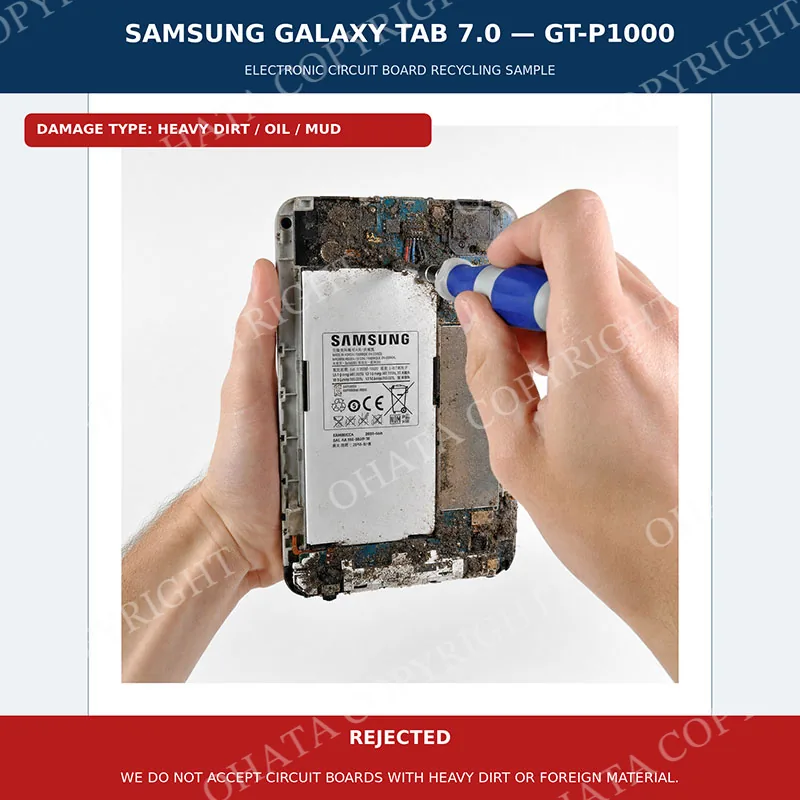
Broken mainboards may require a different classification or may be rejected because fragments can be difficult to identify, may have sharp edges, and can lose components during transportation. Tablets with severe fire damage, carbonization, heavy grease, mud, salt, chemical residue, or other substantial contamination should be kept separate from regular material for inspection.
Different tablet models may be combined when they all meet the Smart Tablet with Board requirements. Please keep qualifying tablets separate from boardless housings, phones, laptops, loose circuit boards, burned devices, and heavily contaminated material. Mixed loads may require additional sorting and may receive a different classification.
Please handle lithium batteries carefully. Keep swollen, punctured, overheated, leaking, or fire-damaged batteries separate and contact the Seattle Yard before bringing them in. Do not crush, bend, or place heavy objects on batteries, and keep them away from loose conductive metal. Protect exposed terminals and connectors against short circuits during storage and transportation.
Comparison and Official Ohata Classification
The official Ohata classification principle is simple: grade the received material by its actual construction and condition, not merely by its brand or model number.
A unit qualifies as “Smart Tablet (Tablet Computer) with Board” when it is a recognizable tablet computer, contains its mainboard, and remains within acceptable cleanliness, integrity, and safety standards. Once accepted into this category, it is purchased at the applicable Smart Tablet with Board grade price, regardless of the individual tablet model, unless a written special-grade arrangement applies.
A tablet is downgraded or moved to another category when its mainboard is absent, supplied separately, stripped, fragmented, burned, carbonized, heavily corroded, dangerously damaged, or contaminated with excessive dirt or foreign material. Mixed loads may also be downgraded when the supplier has combined materially different grades and created excessive sorting work.
The final classification sequence is:
Confirm that the item is a smart tablet rather than a phone, laptop, e-reader, or unrelated device.
Confirm that the mainboard is present.
Check whether the board is intact, unstripped, and identifiable.
Inspect for fire, severe breakage, corrosion, oil, mud, chemicals, and dangerous battery damage.
Separate acceptable tablets from boardless, bare-board, rejected, and downgraded material.
Apply the Ohata Smart Tablet with Board grade price to every qualifying unit.
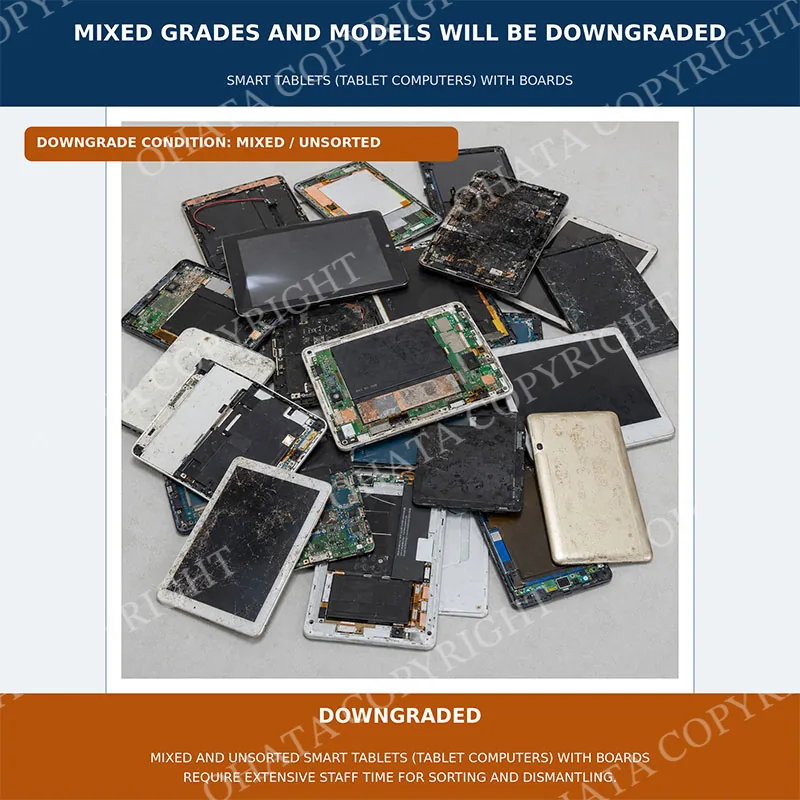
The classification and buying price are determined by the tablet’s physical composition, installed components, completeness, condition, and configuration. Brand, model, age, original purchase price, and working condition do not determine its recycling value by themselves.
FAQ
- 1. What is today’s price for Smart Tablet ( Tablet Computer) with board buying?
- As of Oct 06,2026, Ohata Shoji America Inc., (Seattle, WA, United States) is purchasing Smart Tablet ( Tablet Computer) with board buying at 0.50 (USD/lb). We provide competitive scrap prices in Seattle, Bellevue, Renton, Tukwila, Kent, SeaTac, Tacoma, Everett, and surrounding communities.
- 2. What does “Smart Tablet with Board” mean?
- It is an Ohata recycling classification for recognizable touchscreen tablet computers that retain their original main logic board or motherboard. The tablet does not need to be functional, but the mainboard must be present and reasonably intact.
- 3. Which tablet brands and models qualify?
- Apple, Samsung, Microsoft, Lenovo, Huawei, Amazon, ASUS, Google, Xiaomi, and other brands may qualify. Classification is based on the tablet’s construction and condition rather than its brand, generation, size, or model number.
- 4. Are different tablet models purchased at the same grade price?
- Yes. Tablets meeting the same “Smart Tablet with Board” standard are generally purchased at the applicable grade price, regardless of model. A separate price only applies when a written premium-model or special-grade agreement has been made.
- 5. Does the tablet need to be working?
- No. Used, obsolete, locked, non-working, or display-damaged tablets may qualify. The mainboard must remain present, identifiable, unstripped, and within acceptable condition and safety standards.
- 6. Can a tablet with a cracked screen qualify?
- Yes. A cracked or non-working screen does not automatically disqualify the tablet. It can still qualify when the mainboard is present and the damage does not create an unacceptable battery, handling, or transportation risk.
- 7. How can the mainboard be verified if the tablet is closed?
- Staff may check the unit’s construction, weight, charging-port assembly, seams, model information, internal reference images, or sample units. Controlled opening or inspection may be required when the presence of the board cannot be confirmed externally.
- 8. What does not qualify as “Smart Tablet with Board”?
- Boardless housings, screen-only assemblies, loose batteries, empty tablet shells, and tablets from which the mainboard has been removed do not qualify. Loose tablet mainboards should be classified separately as bare tablet circuit boards.
- 9. What is an e-commerce scrap business model?
- Unlike traditional stores that sell goods, our portal operates an inbound digital platform where users sell end-of-life electronics to us online.
- 10. What role does AI play in your e-commerce platform?
- We use AI to run our dynamic digital valuation engines, matching global commodity markets to give users instant, transparent pricing.
- 11. What is your minimum quantity policy for online sellers?
- True to our core philosophy, our digital system welcomes recycling projects starting from just 1 lb or a single device.
Related Items
Modems Routers Buying
0.48
USD / lb
Whole Tower (Desktop Computer) No Hard Drive with board
0.50
USD / lb
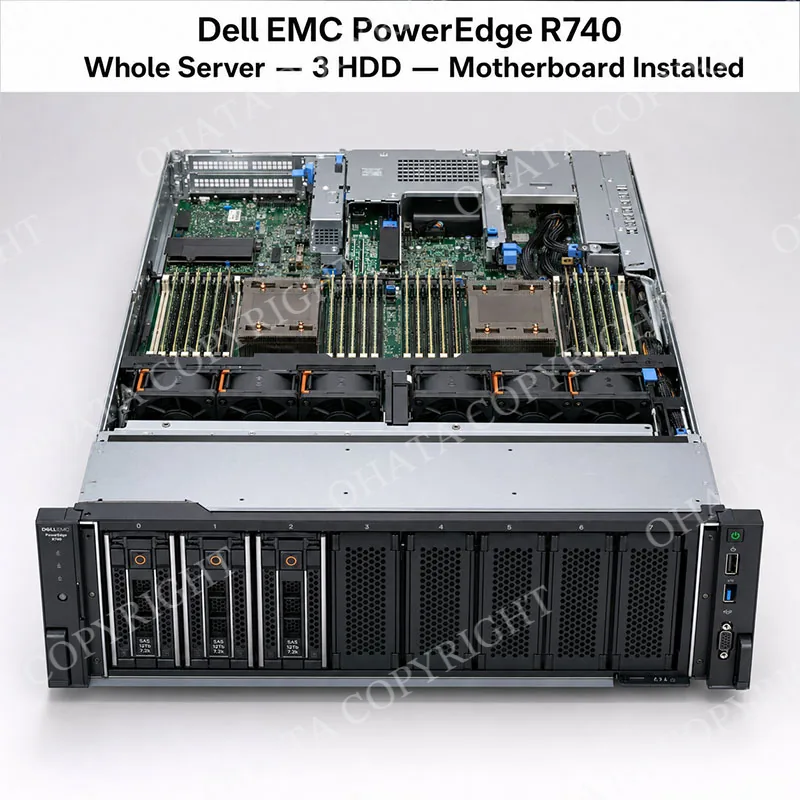
Whole Server With 3 Hard Drive with board buying
0.60
USD / lb
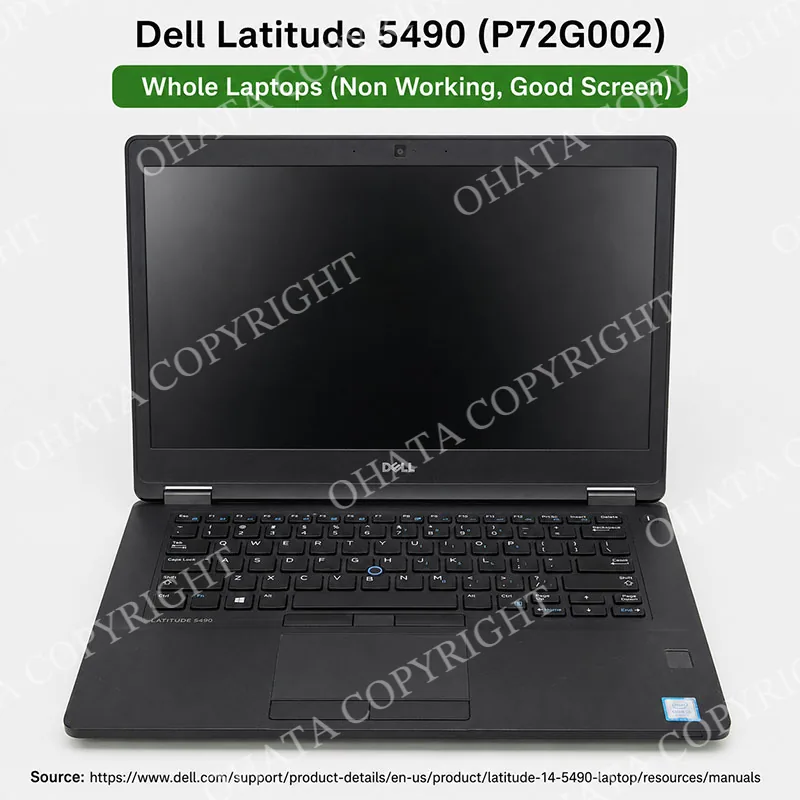
Whole Laptops (Non Working, Good Screen) buying
1.30
USD / lb

Smart phone (Non-cell phone) No Battery with board buying
4.50
USD / lb
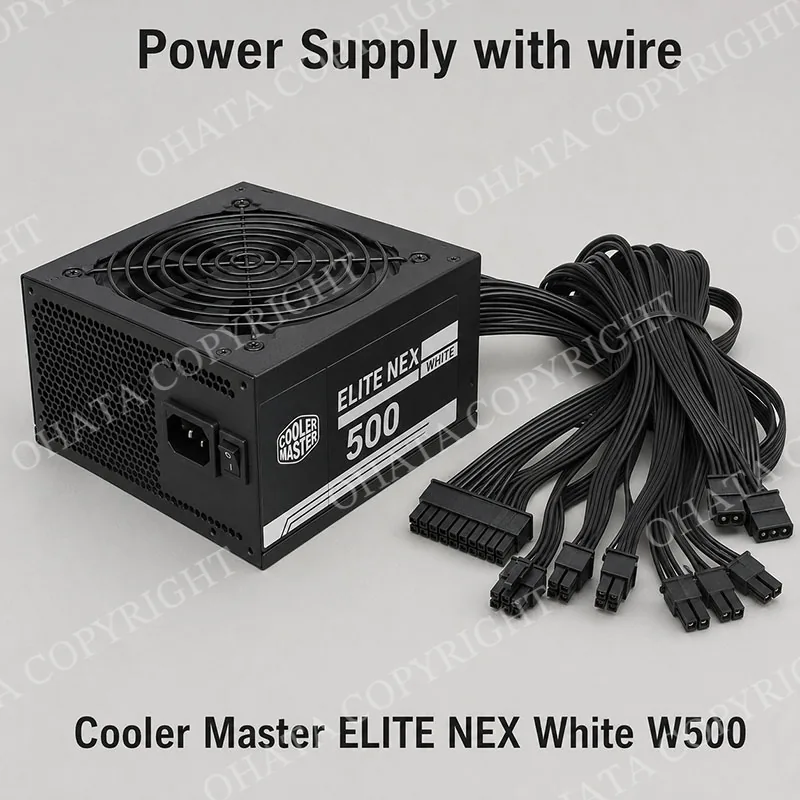
Power Supply with Wire Buying
0.46
USD / lb
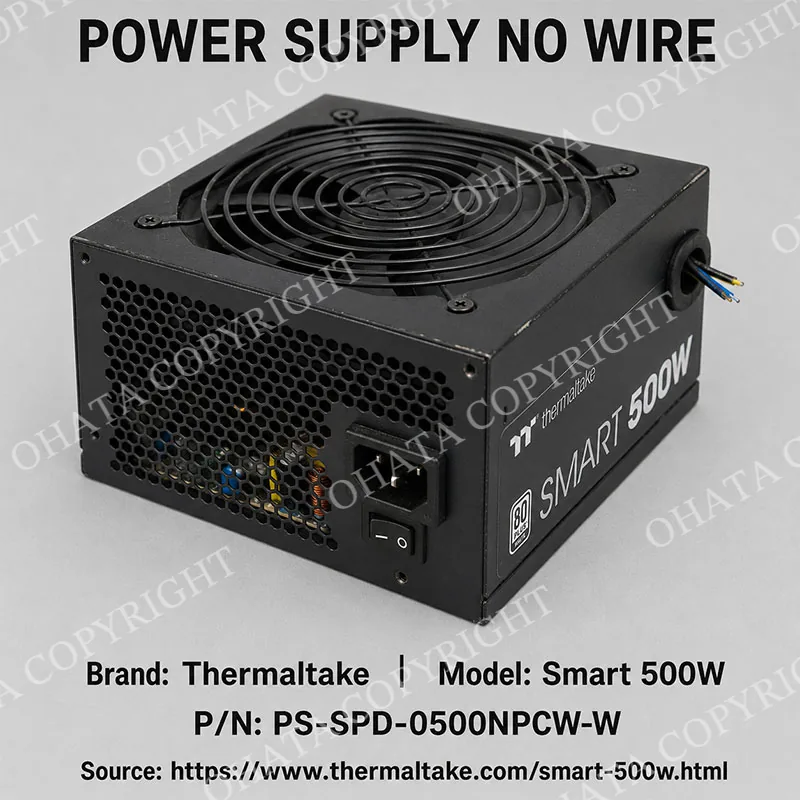
Power Supply No Wire Buying
0.30
USD / lb
Plastic Gold Connectors (Non-Metal Connectors) Buying
4.90
USD / lb
Modern Smart Phone with Battery and Cover Buying
3.50
USD / lb
Contact us by phone or email