
-
We buy CPU F Grade (Damaged, Dirty, and Mixed CPUs) from a minimum of 1 lb.
-
CPU F Grade covers damaged, dirty, attached, mixed, or difficult-to-identify processor scrap. All CPUs meeting the Ohata F Grade standard are purchased at the same grade price.
-
Ohata classifies CPU F Grade by package construction, recoverable-metal content, completeness, condition, contamination, attachments, and processing requirements, not by brand, model, performance, age, or original selling price.
-
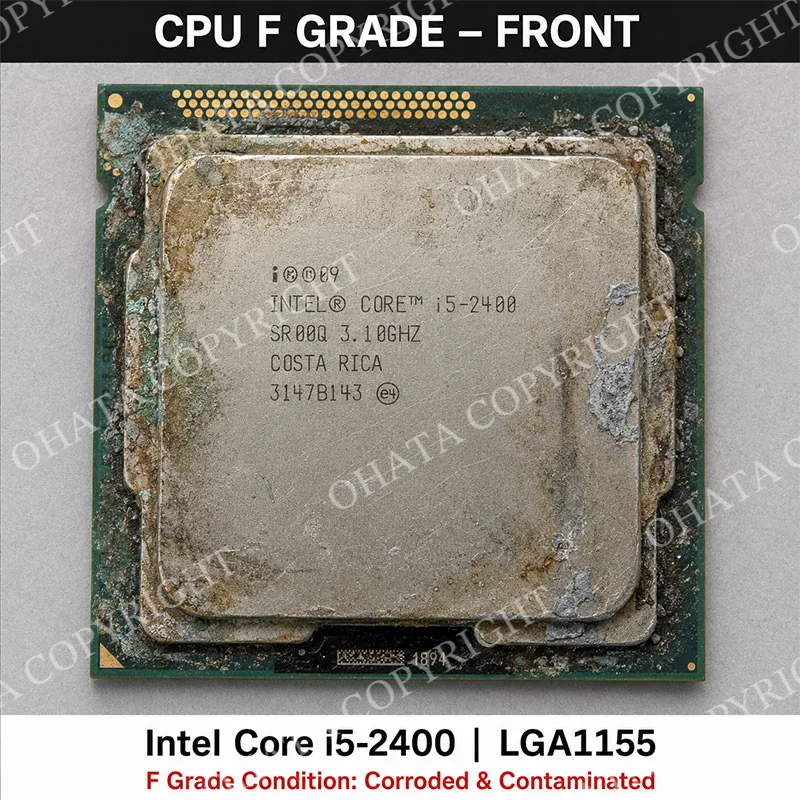
CPUs do not need to function. Bent or missing pins, damaged contacts, cracked packages, corrosion, thermal compound, dirt, and attached cooling hardware may affect classification and buying value.
-
Mixed CPU grades are accepted, but identifiable grades may require separate inspection, sorting, weighing, and pricing. Severely burned, chemically treated, hazardous, extensively fragmented, or unidentifiable material may be rejected after inspection.
CPU F Grade ( Damaged,Dirty and Mix CPU) Buying scrap price
-
We buy CPU F Grade (Damaged, Dirty, and Mixed CPUs) from a minimum of 1 lb.
-
CPU F Grade covers damaged, dirty, attached, mixed, or difficult-to-identify processor scrap. All CPUs meeting the Ohata F Grade standard are purchased at the same grade price.
-
Ohata classifies CPU F Grade by package construction, recoverable-metal content, completeness, condition, contamination, attachments, and processing requirements, not by brand, model, performance, age, or original selling price.
-
CPUs do not need to function. Bent or missing pins, damaged contacts, cracked packages, corrosion, thermal compound, dirt, and attached cooling hardware may affect classification and buying value.
-
Mixed CPU grades are accepted, but identifiable grades may require separate inspection, sorting, weighing, and pricing. Severely burned, chemically treated, hazardous, extensively fragmented, or unidentifiable material may be rejected after inspection.
Buying Details of Conditions
Learn more about identifying and sorting F Grade circuit boards in our Wiki: Ohata CPU Scrap Classification Wiki
Learn more about: CPU Scrap Classification Guide: CPU-SSS to CPU-F
Introduction, Construction, Components, and Recycling Value
CPU F Grade includes damaged, dirty, attached, mixed, or difficult-to-identify processor scrap that does not meet the requirements of a higher CPU grade in its received condition. This category may contain fiber, ceramic, plastic, organic-substrate, PGA, LGA, BGA, slot-module, and other processor-package types.
Qualifying material may have bent or missing pins, damaged contact pads, cracked substrates, attached heat sinks, thermal compound, adhesive residue, corrosion, dirt, or other defects. Mixed collections containing multiple processor constructions may also be classified as CPU F Grade when the individual grades cannot be reliably separated or confirmed.
A processor does not become F Grade solely because it is old, nonfunctional, or manufactured from a particular package material. Classification depends on its complete construction, recoverable-metal content, condition, attachments, contamination, identifiability, and processing requirements.
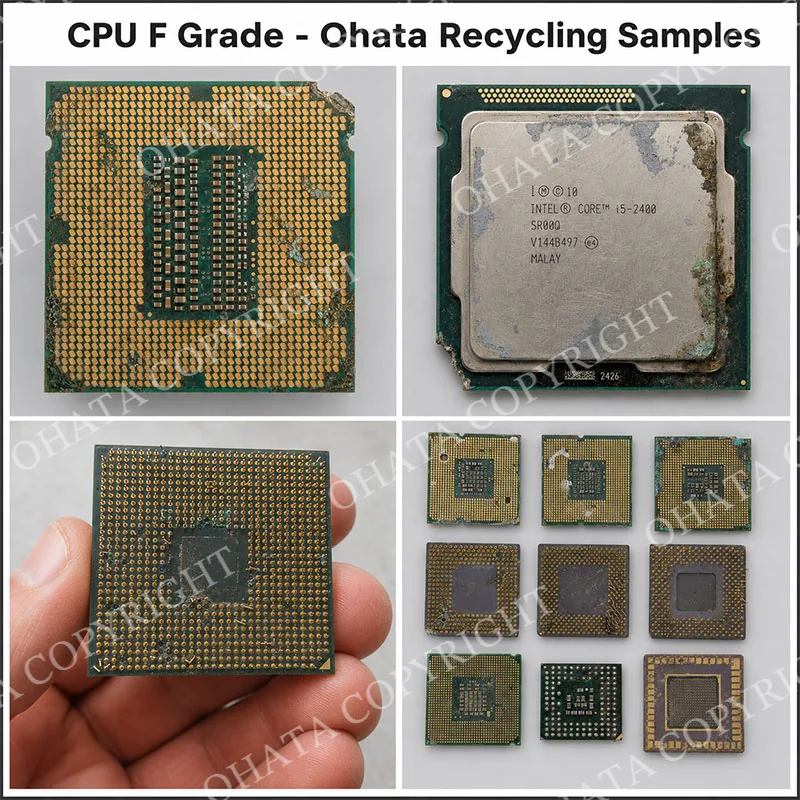
CPU F Grade may still contain recoverable copper, nickel, tin, silver, gold-bearing contacts, internal bonding materials, semiconductor dies, and other metals. However, damage, contamination, attachments, missing parts, and mixed construction can reduce the expected recovery and increase the labor required for inspection, preparation, and processing.
Ohata CPU F Grade Classification, Identification Guide
Inspectors should identify F Grade CPUs by examining both sides of the processor. Typical indicators include:
A modern organic or fiber-based substrate rather than a valuable ceramic body.
A large metal heat spreader relative to the CPU’s overall weight.
Flat land-grid contacts or low-yield pin/contact construction.
Limited visible gold plating and no substantial gold-plated ceramic cap.
A relatively low precious-metal-to-total-weight ratio.
The processor model alone must never determine the grade. Different brands and model numbers may all qualify as F Grade when their packaging structure matches the same standard.
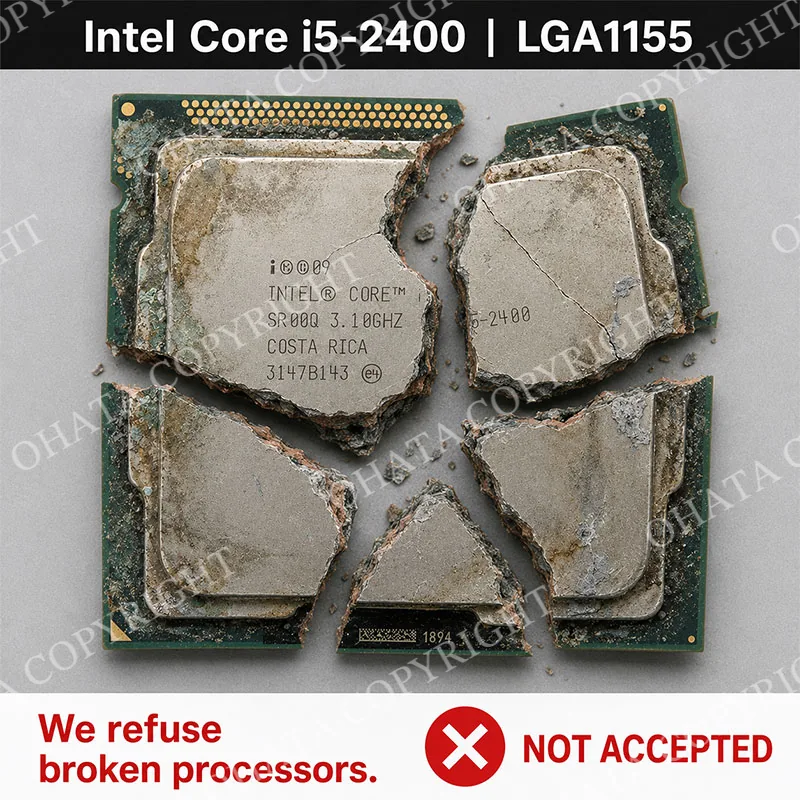
F Grade must also be distinguished from damaged or unacceptable material. CPUs that are severely burned, heavily corroded, broken into pieces, contaminated with oil or chemicals, or missing substantial parts may be downgraded further or rejected. Cosmetic scratches, obsolete technology, and non-working condition do not automatically change the grade when the original package remains complete.
Recoverable Materials, Buying Standards, and Handling
F Grade CPUs may contain small recoverable quantities of gold in contact plating and internal bonding structures. Copper may be present in internal conductive layers, while silver-bearing solder, nickel plating, tin, silicon, and metal from the heat spreader may also be recovered through specialized industrial processing.
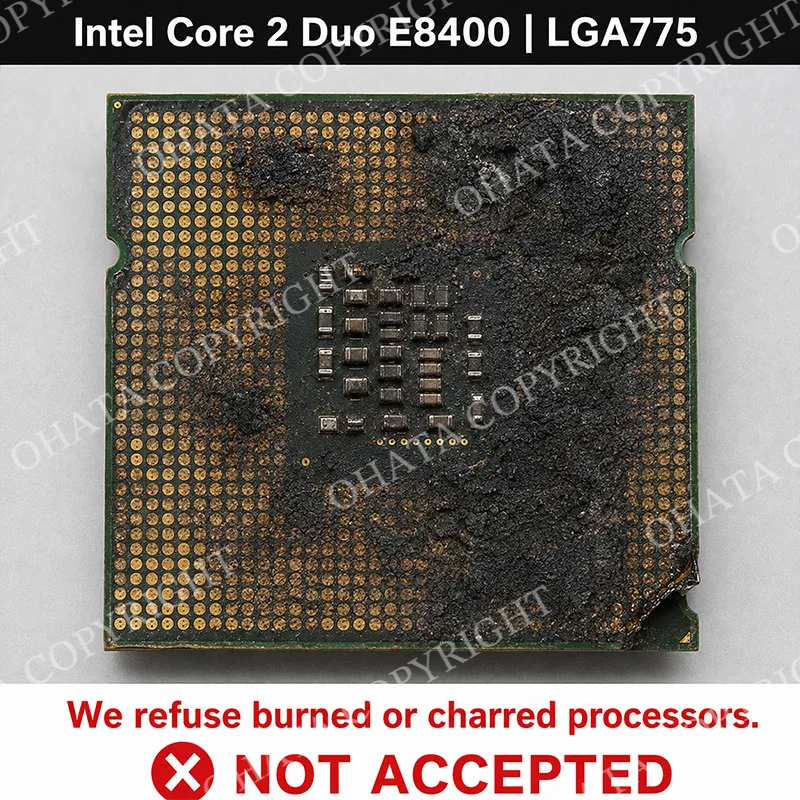
For accurate buying, CPUs should be clean, dry, complete, and removed from motherboards. Heatsinks, fans, mounting frames, thermal-paste residue, screws, and unrelated electronic components should be removed before weighing. Sellers should separate F Grade CPUs from E Grade and higher-value processors. Mixed grades or unidentified lots require additional sorting and may be purchased at a downgraded mixed-lot price.
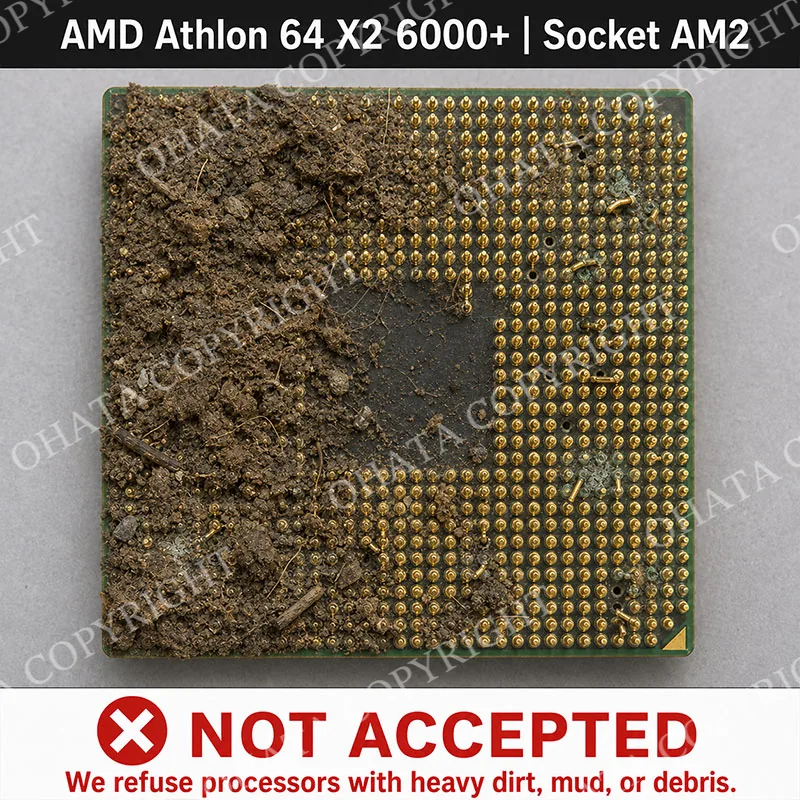
Processors should be stored in strong, dry containers. Avoid crushing the substrates, removing heat spreaders, or exposing the material to fire or chemical treatment, as such actions can reduce recoverable yield and create safety risks.
Comparison and Official Ohata Classification
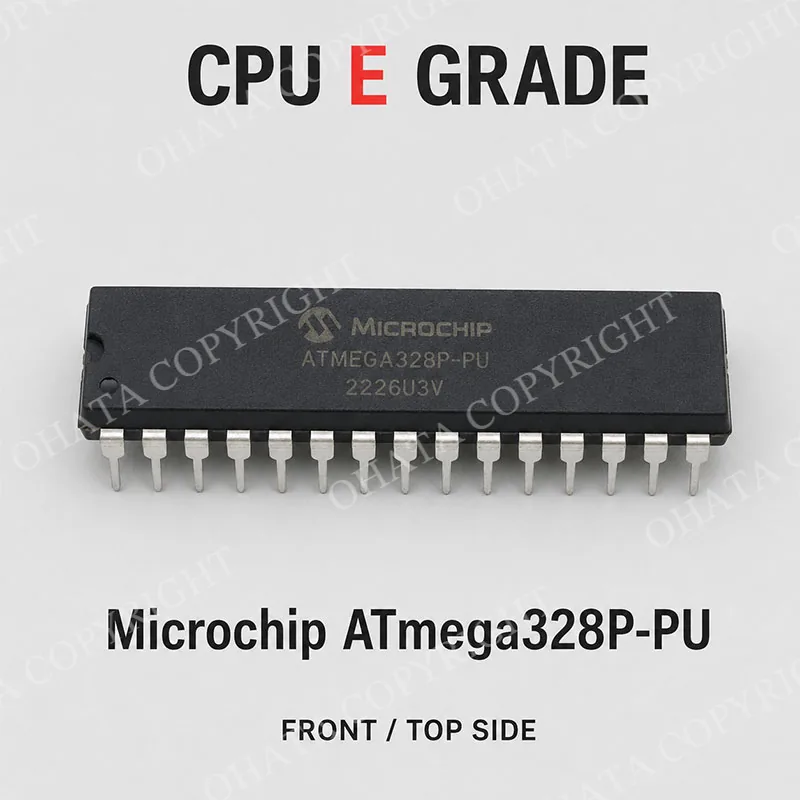
Compared with CPU E Grade, F Grade generally has less valuable contact construction, a lower visible gold-plated area, a greater proportion of base metal or resin, and a lower expected precious-metal recovery yield. E Grade processors may display more favorable pin, contact, substrate, or package characteristics. Higher grades are progressively associated with richer gold-bearing structures, older ceramic packages, gold-plated pins, gold caps, or other high-yield construction.
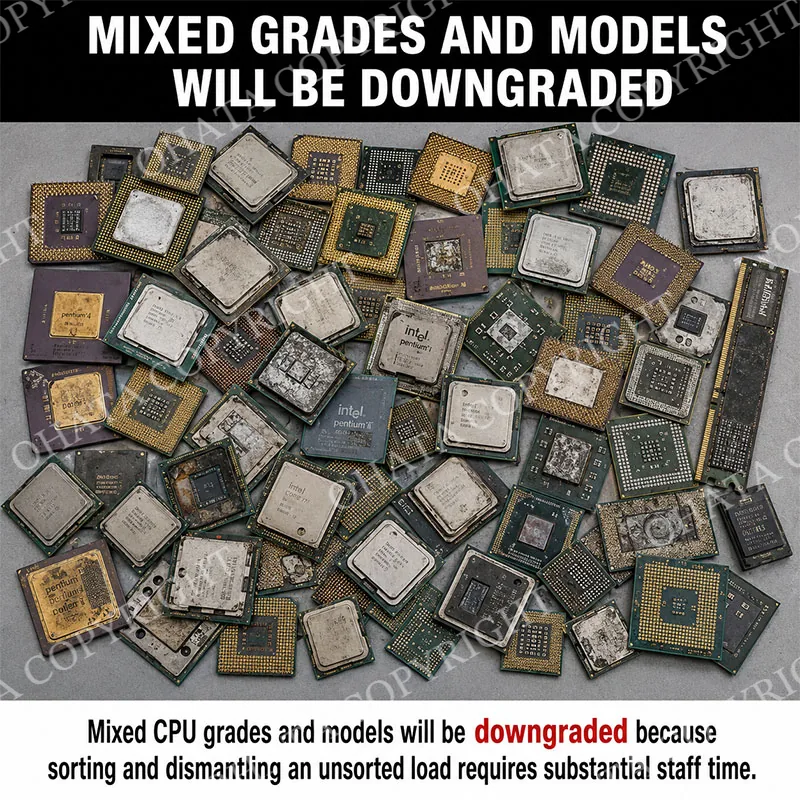
The final classification must follow the official Ohata inspection standard. If a CPU meets the defined F Grade construction criteria, it is purchased at the F Grade price regardless of its brand, model, age, performance, or original market value. Mixed, incomplete, contaminated, or structurally altered CPUs remain subject to downgrade or rejection after physical inspection.
View more Ohata's CPU recycling classifications
CPU SS Grade ( High Grade Ceramic CPU)
CPU S Grade ( Gold Pin BGA CPU)
CPU B Grade ( BGA CPU and IC chips)
CPU D Grade ( Slot CPU/ CPU Module)
- 1. What is today’s price for CPU F Grade ( Damaged,Dirty and Mix CPU) Buying?
- As of Sep 21,2026, Ohata Shoji America Inc., (Seattle, WA, United States) is purchasing CPU F Grade ( Damaged,Dirty and Mix CPU) Buying at 0.50 (USD/lb). We provide competitive scrap prices in Seattle, Bellevue, Renton, Tukwila, Kent, SeaTac, Tacoma, Everett, and surrounding communities.
- 2. What is CPU F Grade?
- CPU F Grade is an entry-level processor-scrap category in the Ohata CPU Classification System. It generally covers CPUs with low-yield construction, limited precious-metal content, organic substrates, and relatively large amounts of base metal or resin.
- 3. How does Ohata classify a CPU as F Grade?
- Classification is based on package construction, substrate material, pin or contact design, visible gold-plated areas, metal heat-spreader weight, completeness, and estimated recoverable-metal yield.
- 4. Does the CPU’s brand or model determine its grade?
- No. Intel, AMD, and other processor brands may all qualify as F Grade. If their physical construction meets the Ohata F Grade standard, they are purchased at the same F Grade price.
- 5. What materials can be recovered from F Grade CPUs?
- Potentially recoverable materials include small quantities of gold, silver-bearing solder, copper, nickel, tin, steel, and other base metals. Actual recovery depends on the CPU’s construction and refining process.
- 6. Can broken or burned CPUs still receive the F Grade price?
- Not necessarily. Severely broken, burned, corroded, chemically treated, or incomplete CPUs may be downgraded or rejected because contamination and material loss reduce their recovery value.
- 7. Should heat spreaders or CPU lids be removed before selling?
- No. Sellers should not remove heat spreaders, substrates, pins, or other original parts. Altered or incomplete CPUs may receive a lower price because their original construction can no longer be verified accurately.
- 8. How should F Grade CPUs be prepared for inspection?
- Keep them clean, dry, complete, and separated from motherboards, heatsinks, fans, screws, mounting frames, and unrelated electronic scrap. Avoid excessive thermal paste, oil, dirt, or chemical contamination.
- 9. What role does AI play in your e-commerce platform?
- We use AI to run our dynamic digital valuation engines, matching global commodity markets to give users instant, transparent pricing.
- 10. How does your digital model help reduce environmental waste?
- By streamlining tech disposal online, we intercept e-waste before landfills, feeding components back into the circular green economy.
- 11. How fast will I receive my funds after my hardware is received?
- Payouts are processed automatically through our e-commerce portal within 24 to 48 hours of physical inspection and verification. [9]
Related Items
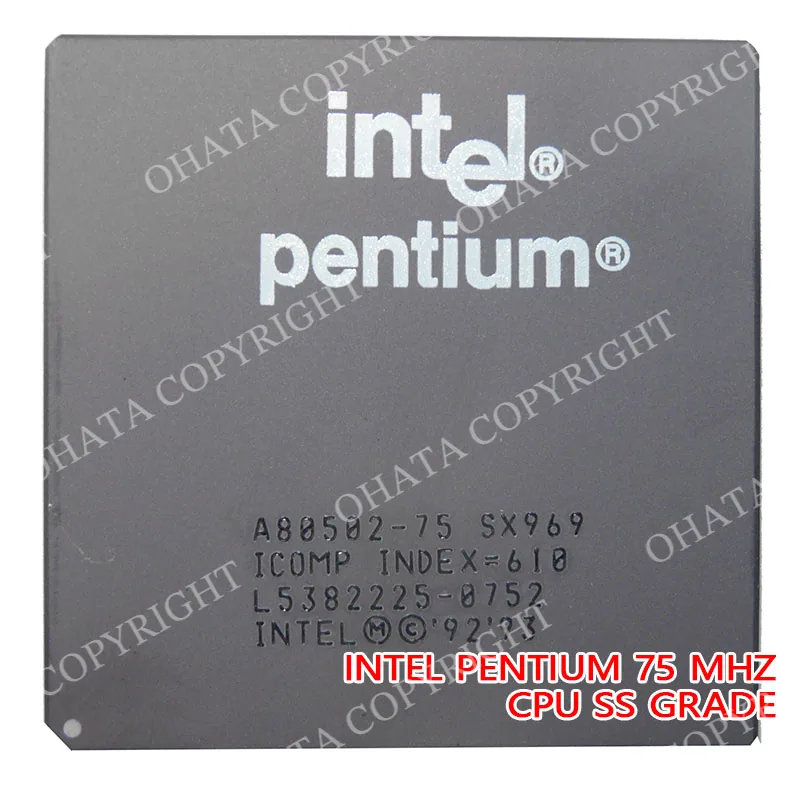
CPU SS Grade ( High Grade Ceramic CPU) Buying
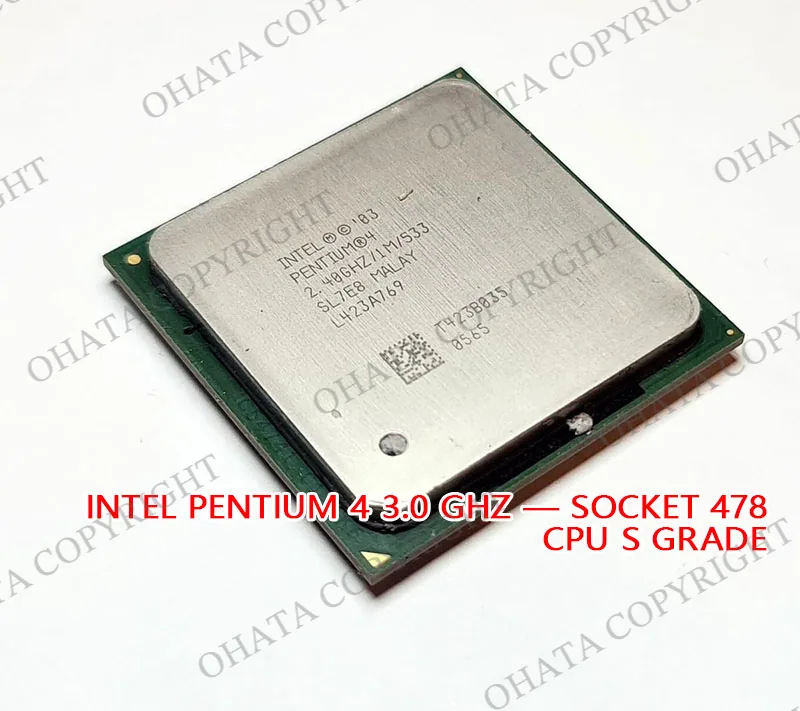
CPU S Grade (Gold-Pin PGA CPU) Buying
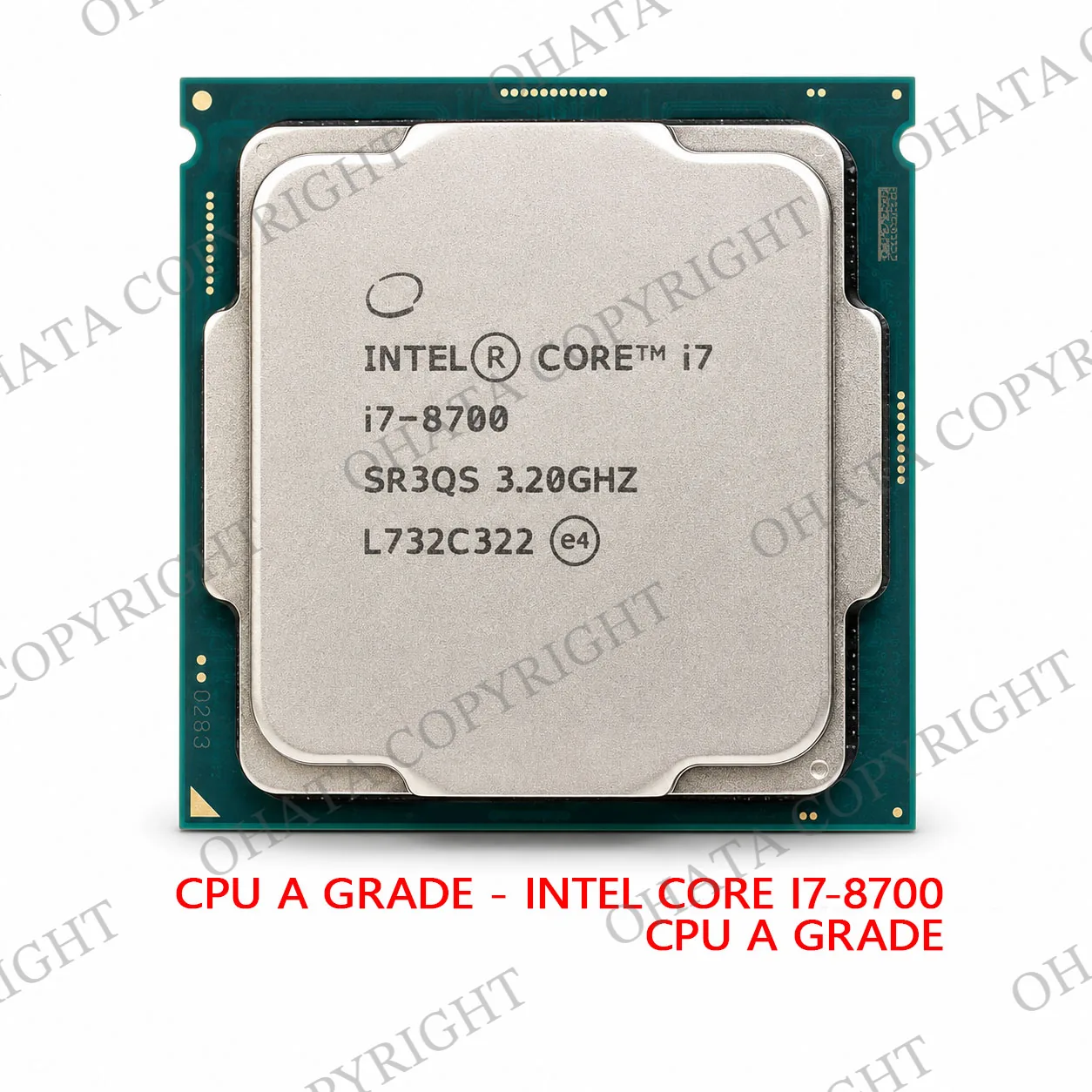
CPU A Grade ( Modern LGA CPU) Buying
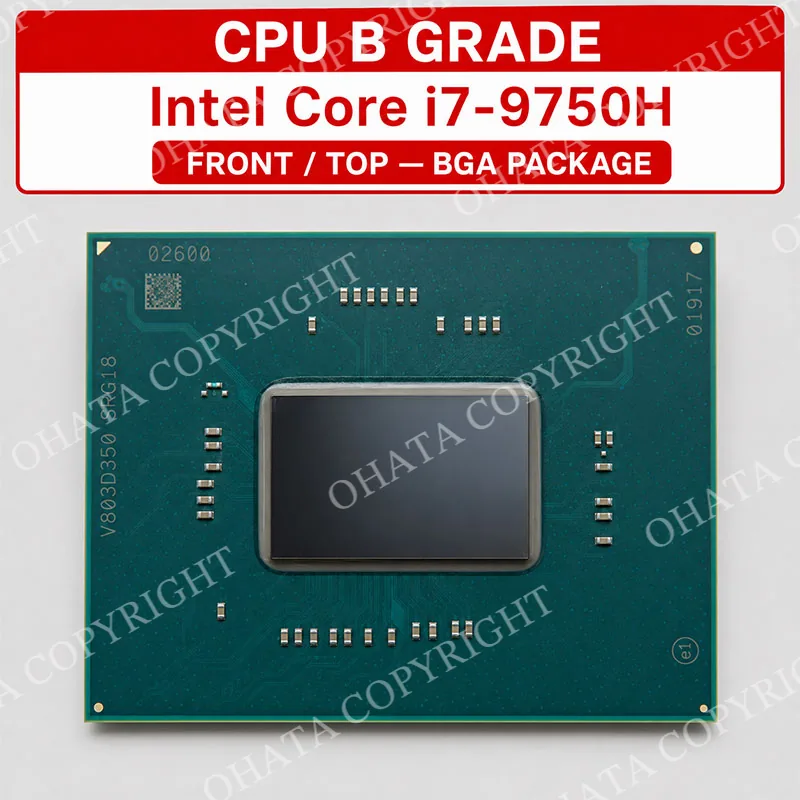
CPU B Grade ( BGA CPU and IC chips) Buying
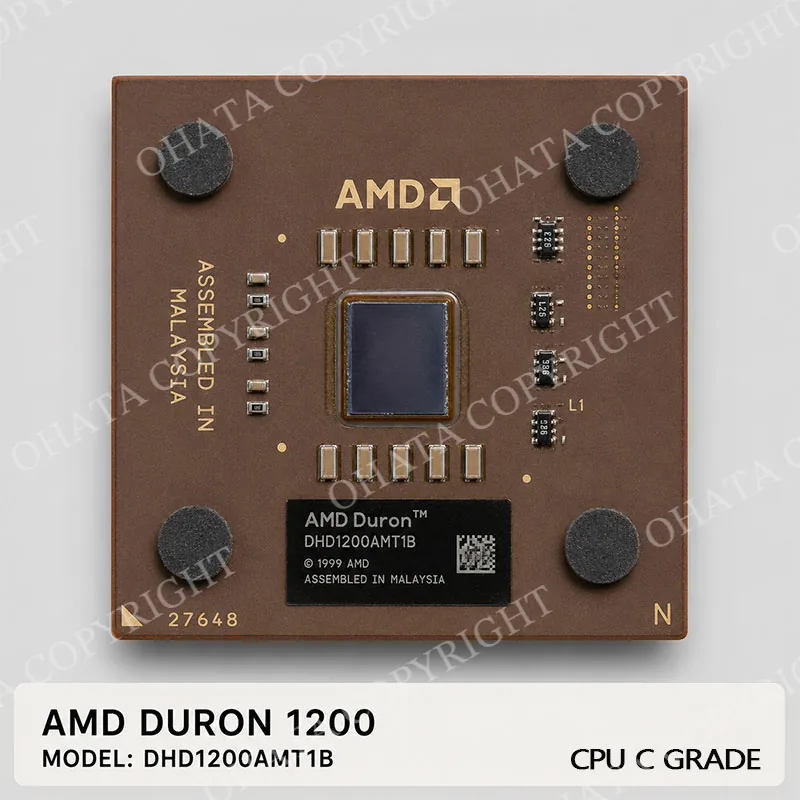
CPU C Grade ( Fiber CPU) Buying
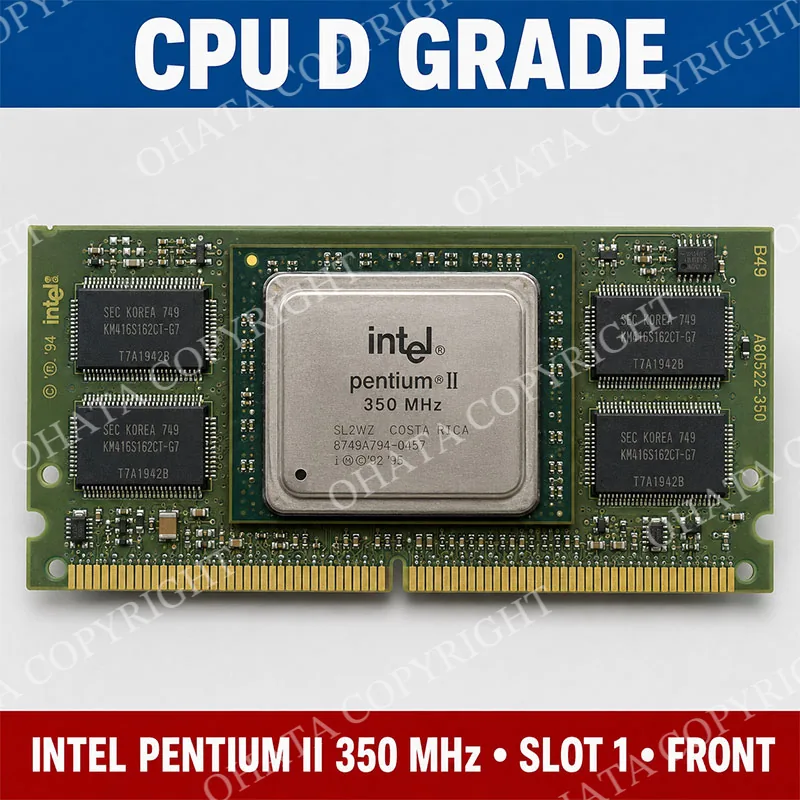
CPU D Grade ( Slot CPU/ CPU Module) buying