

- We buy Punched or Bent Hard Drives With Boards starting at 1 lb.
- This category includes mechanically damaged hard disk drives that retain their original controller PCBs. All brands, capacities, and models meeting the Ohata standard are purchased at the same category price.
- It covers 2.5-inch and 3.5-inch hard drives damaged by punching, drilling, bending, or crushing during data destruction. The controller PCB must remain attached and substantially complete.
- These drives contain recoverable aluminum, copper, steel, magnets, and electronic materials. Drives without boards, loose platters, burned units, and heavily contaminated material must be classified separately.
- Proper sorting is essential. Keep these drives separate from intact drives, drives without boards, dismantled components, and rejected material to reduce processing time and preserve their recycling value.
Hard Drive Punched or Bent With Board buying scrap price
Key Buying Introduction
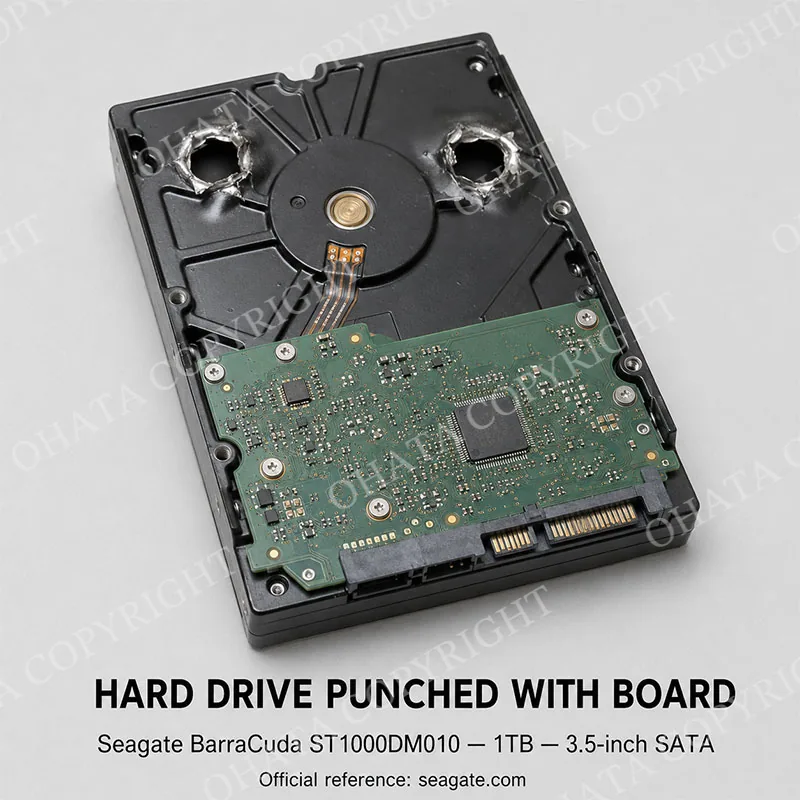
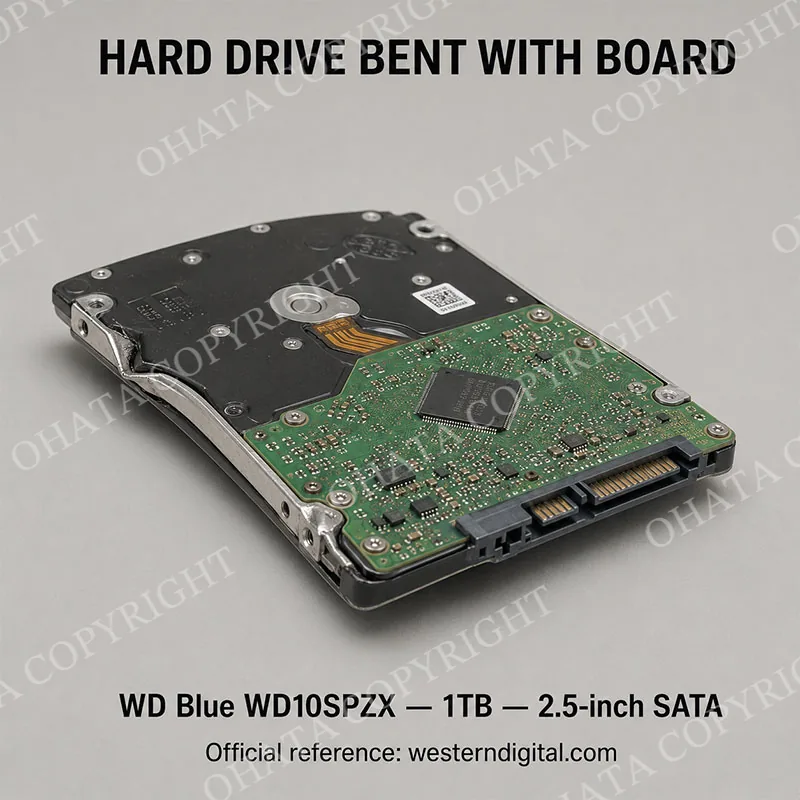
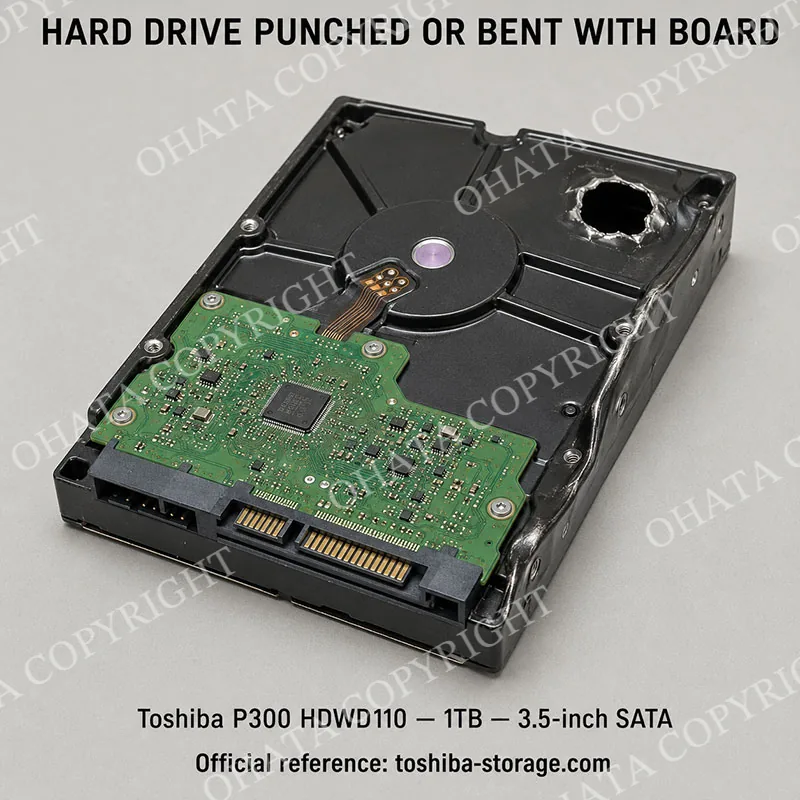
Key Buying Introduction
- We buy Punched or Bent Hard Drives With Boards starting at 1 lb.
- This category includes mechanically damaged hard disk drives that retain their original controller PCBs. All brands, capacities, and models meeting the Ohata standard are purchased at the same category price.
- It covers 2.5-inch and 3.5-inch hard drives damaged by punching, drilling, bending, or crushing during data destruction. The controller PCB must remain attached and substantially complete.
- These drives contain recoverable aluminum, copper, steel, magnets, and electronic materials. Drives without boards, loose platters, burned units, and heavily contaminated material must be classified separately.
- Proper sorting is essential. Keep these drives separate from intact drives, drives without boards, dismantled components, and rejected material to reduce processing time and preserve their recycling value.
Buying Details of Conditions
Learn more about: Punched or Bent Hard Drives: With Board vs. Without Board
Introduction, Construction, Components, and Recycling Value
Eligible products may include 3.5-inch desktop hard drives, 2.5-inch laptop hard drives and other conventional magnetic hard disk drives. Common brands include Seagate, Western Digital, Toshiba, Hitachi, HGST, Samsung and Fujitsu. Storage capacity, spindle speed and operational condition normally do not determine the recycling grade. The physical condition and presence of the controller board are the primary classification factors.
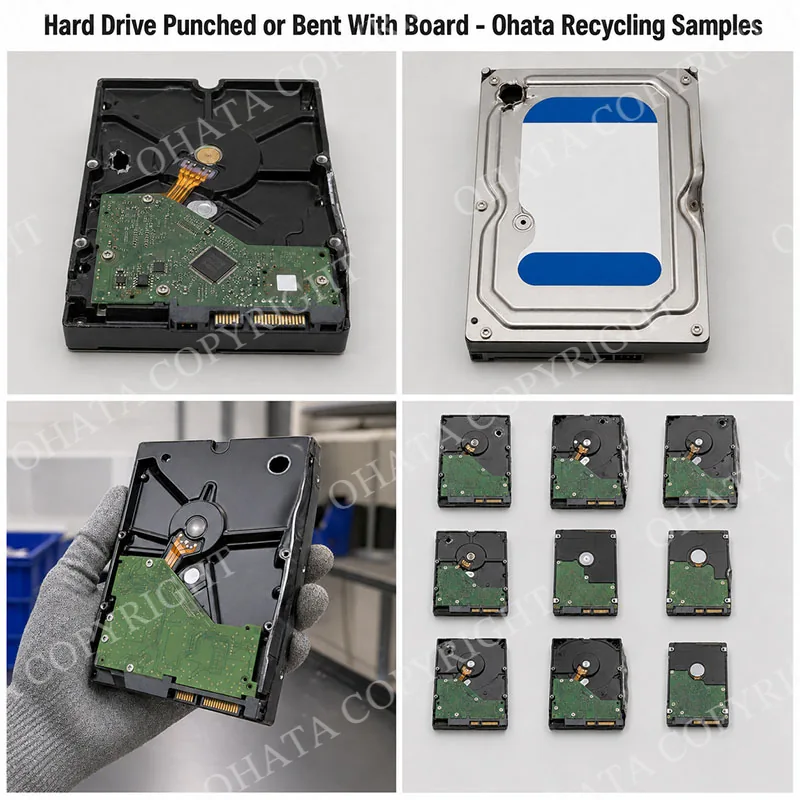
A conventional hard drive consists of several material groups:
A cast-aluminum base and metal top cover
One or more aluminum or glass magnetic platters
A spindle motor containing copper windings and magnetic materials
An actuator assembly and powerful rare-earth magnets
A read/write head assembly
Stainless-steel screws, shafts and structural components
A controller printed circuit board
SATA, SAS, IDE or proprietary interface connectors
Integrated circuits, capacitors, resistors and other electronic components
The attached PCB is particularly important to this grade. It contains copper circuitry, solder, connector contacts, integrated circuits and small quantities of precious-metal-bearing material. A punched or bent hard drive without its controller board has a different material composition and must not be valued as the With Board grade.
Hard drives are commonly punched, drilled or bent during data-destruction procedures. These processes make normal reuse unlikely but do not eliminate recycling value. The drive still contains recoverable aluminum, steel, copper, magnets and electronic material. Its value is based on the recoverable material package rather than its capacity, brand or ability to store data.
Ohata Hard Drive Punched or Bent With Board Classification, Identification Guide
For Ohata classification purposes, an item must satisfy two main conditions:
The hard drive has been punched, drilled or mechanically bent.
Its original controller PCB remains attached.
A punched drive normally has one or more visible holes passing through the metal housing. The edges around the holes may be rough, distorted or torn. A bent drive may have a curved enclosure, buckled side rail, compressed corner or deformed mounting area. Either condition can qualify, provided that the item remains recognizable as a hard drive and the controller board is still present.
Inspectors should follow these identification steps:
Step 1: Confirm that the item is a magnetic hard drive.
It should have a rigid metal enclosure and an internal platter-and-actuator construction. Solid-state drives, optical drives and empty external enclosures do not belong in this category.Step 2: Confirm qualifying mechanical damage.
Look for data-destruction holes, drilled openings, a bent chassis, crushed corners or comparable enclosure deformation. Ordinary scratches, missing labels and light cosmetic wear are not sufficient by themselves.Step 3: Check for the controller board.
Turn the drive over and verify that the PCB remains mounted to the underside. The board should be substantially complete and recognizable. A drive with a completely removed PCB belongs in the corresponding No Board category.Step 4: Evaluate integrity and contamination.
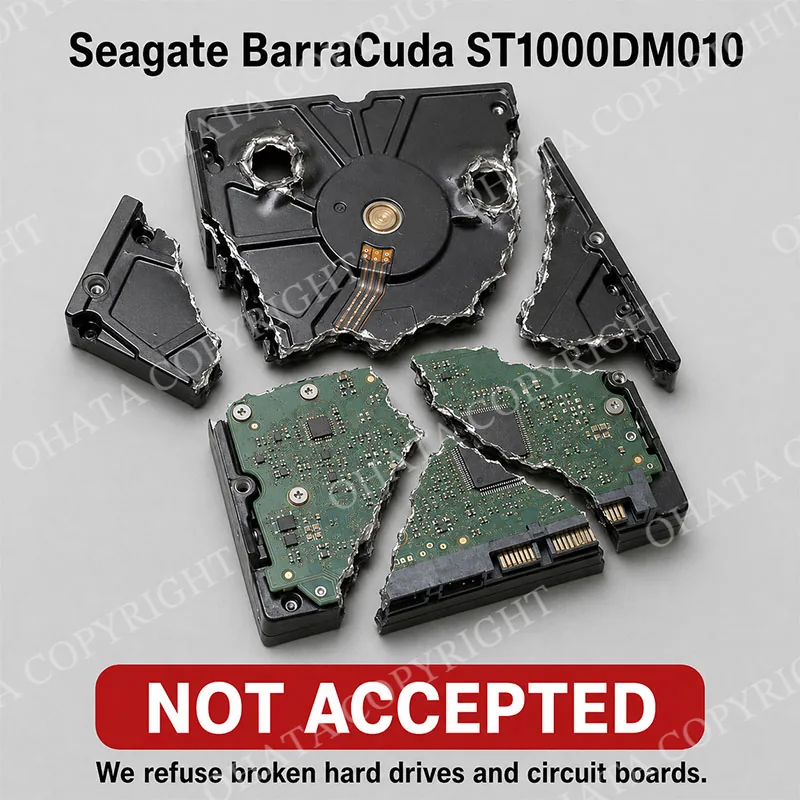
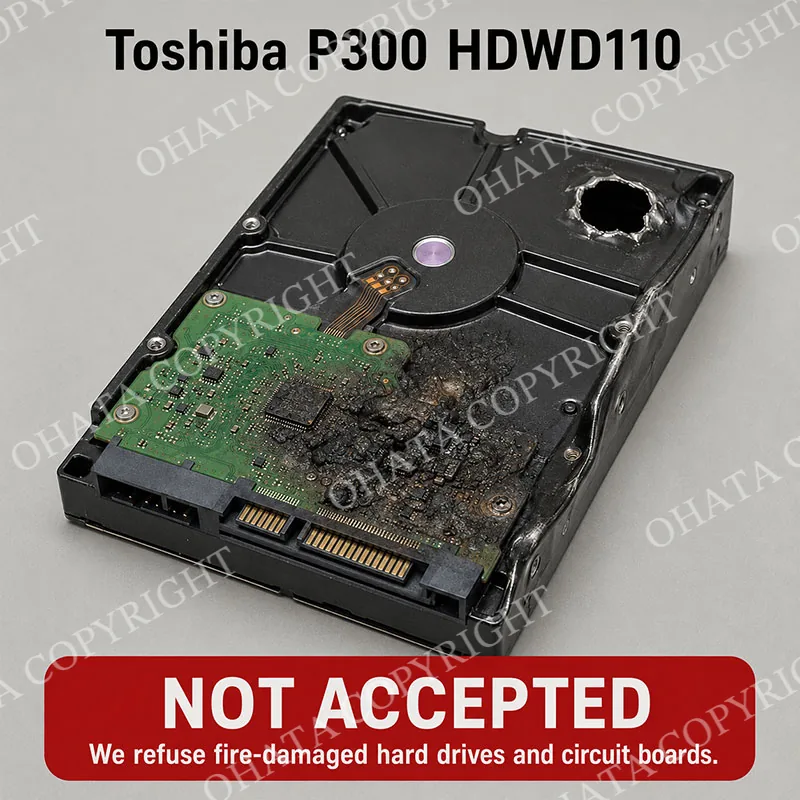
The drive may be nonworking and severely deformed, but it should not be fragmented into many loose pieces, heavily burned, carbonized or covered with excessive mud, oil and debris. Such conditions may require downgrading or rejection.Step 5: Keep different grades separated.
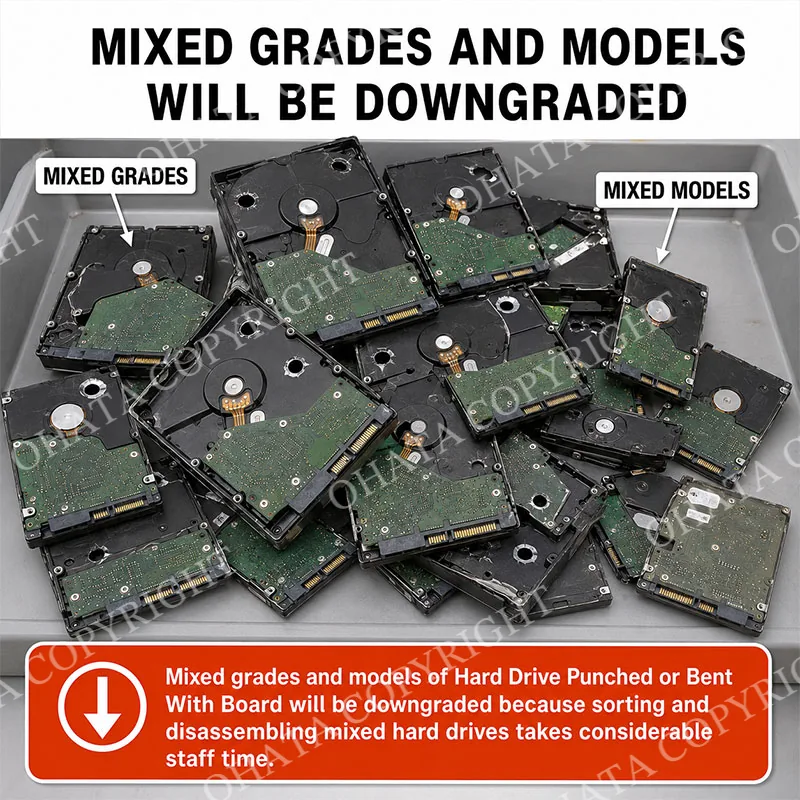
Do not mix drives with boards and drives without boards. Intact reusable drives, loose platters, dismantled housings and severely contaminated material should also be separated.
This grade applies across manufacturers and models. A punched Seagate drive, a bent Western Digital drive and a drilled Toshiba drive can all receive the same classification if they satisfy the same Ohata standard. The model number does not create a separate recycling price within this grade.
Recoverable Materials, Buying Standards, and Handling
The main recoverable material is aluminum from the base, enclosure and, in many models, the platters. Aluminum provides a significant portion of the hard drive’s physical weight and is suitable for secondary metal processing after separation.
Copper is found in spindle-motor windings, actuator coils, PCB traces and some connectors. The controller board also contains integrated circuits, solder and plated contact surfaces. Very small quantities of gold, silver and palladium may be present in semiconductor packaging, contacts or electronic finishes. These concentrations vary by manufacturer and generation and should not be estimated from capacity alone.
Hard drives may also contain neodymium magnets in the actuator assembly. These magnets have recycling interest but require controlled dismantling because they are powerful, brittle and capable of pinching fingers or attracting sharp metal objects.
Ohata buying standards for this grade generally require:
A recognizable magnetic hard drive
Clear punched, drilled, crushed or bent damage
The controller PCB still attached
No excessive removal of internal material
No severe fire damage or carbonization
No heavy oil, mud, chemical residue or hazardous contamination
No unrelated attachments that add artificial weight
Sellers should not remove the controller boards before delivery. Drives should be stored in sturdy containers capable of supporting their weight. Severely bent or punched units may have razor-sharp metal edges, so workers should use cut-resistant gloves and avoid reaching blindly into bins.
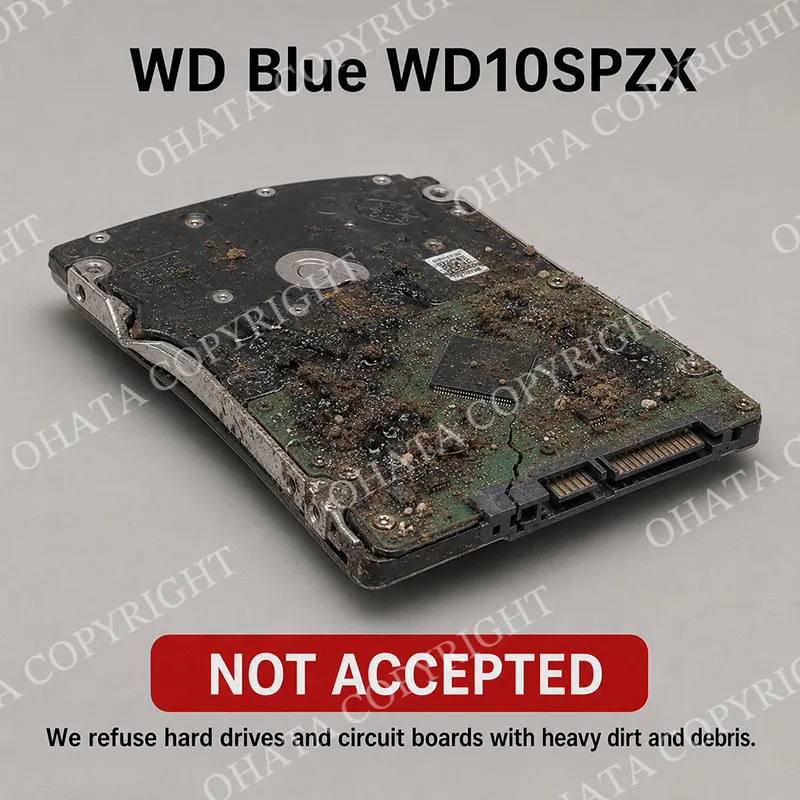
Material should be kept dry and reasonably clean. Different grades and product forms should be packed separately and clearly labeled. Mixed loads require additional sorting and disassembly time and may therefore be downgraded.
The presence of a punched hole does not automatically prove that all stored data is unrecoverable. Sellers remain responsible for applying an appropriate data-security process before releasing storage devices.
Comparison, and Official Ohata Classification
The following distinctions are essential during inspection:
Recycling category
Primary identifying condition
Intact hard drive with board
Complete enclosure and attached PCB, without major punching or bending
Hard Drive Punched or Bent With Board
Mechanically punched, drilled or bent; original PCB remains attached
Hard Drive Punched or Bent No Board
Similar mechanical damage, but the controller PCB has been removed
Hard Drive Platters
Loose platters removed from the enclosure
Dismantled hard-drive material
Housing, motor, magnets or other components separated into loose parts
Broken or fragmented drive
Housing or PCB shattered into multiple pieces; subject to downgrade or rejection
Burned hard drive
Fire-damaged, melted or carbonized material; normally rejected
Heavily contaminated hard drive
Excessive oil, mud, chemicals or debris; normally rejected or specially reviewed
The most important comparison is between With Board and No Board. Two drives may have identical punched holes and the same external dimensions, but they cannot receive the same grade if one has lost its controller board. The PCB contributes additional electronic material and changes the recoverable composition.
An intact drive should not automatically be placed in this grade simply because it is nonworking. The classification requires visible punching, drilling, bending or comparable mechanical deformation. Conversely, a drive does not need to match a particular reference photograph. Damage location, brand and model can vary as long as the defining requirements are met.
The official Ohata classification is therefore:
A recognizable magnetic hard disk drive that has been punched, drilled or mechanically bent, while retaining its original controller PCB, is classified as Hard Drive Punched or Bent With Board, subject to inspection for completeness, contamination and prohibited damage.
All manufacturers, capacities and compatible hard-drive formats that meet this standard are valued according to the Hard Drive Punched or Bent With Board grade price. Items that are missing their boards, dismantled, fragmented, burned or heavily contaminated must be separated and assigned to the appropriate lower grade, special-review category or rejection stream.
FAQ
- 1. What is today’s price for Hard Drive Punched or Bent With Board buying?
- As of Sep 19,2026, Ohata Shoji America Inc., (Seattle, WA, United States) is purchasing Hard Drive Punched or Bent With Board buying at 0.44 (USD/lb). We provide competitive scrap prices in Seattle, Bellevue, Renton, Tukwila, Kent, SeaTac, Tacoma, Everett, and surrounding communities.
- 2. What is Hard Drive Punched or Bent With Board?
- It is an Ohata recycling grade for magnetic hard drives that have been punched, drilled, crushed or mechanically bent while still retaining their original controller PCB.
- 3. Does the hard drive brand or model affect its classification?
- No. Seagate, Western Digital, Toshiba, HGST, Hitachi, Samsung, Fujitsu and other brands can receive the same classification if they meet the grade requirements.
- 4. Are 2.5-inch and 3.5-inch hard drives accepted in this grade?
- Yes. Both laptop-sized 2.5-inch drives and desktop-sized 3.5-inch drives may qualify, provided they have suitable mechanical damage and an attached PCB.
- 5. Must the controller circuit board remain attached?
- Yes. The original controller PCB must remain attached and substantially complete. A damaged hard drive with its PCB removed belongs in the Hard Drive Punched or Bent No Board category.
- 6. Does a nonworking but undamaged hard drive qualify?
- Not automatically. This grade requires visible punching, drilling, bending, crushing or comparable mechanical deformation. A complete but nonworking drive should be classified separately.
- 7. What recyclable materials can be recovered?
- Recoverable materials may include aluminum, copper, steel, electronic components, connector metals and powerful actuator magnets. Small quantities of gold, silver and palladium may also be present in the PCB and electronic contacts.
- 8. Are broken or burned hard drives accepted in this grade?
- Hard drives shattered into multiple pieces may be downgraded or rejected. Severely burned, melted or carbonized drives are generally rejected and should not be mixed with this grade.
- 9. What is an e-commerce scrap business model?
- Unlike traditional stores that sell goods, our portal operates an inbound digital platform where users sell end-of-life electronics to us online.
- 10. What role does AI play in your e-commerce platform?
- We use AI to run our dynamic digital valuation engines, matching global commodity markets to give users instant, transparent pricing.
- 11. How does Ohata Shoji America Inc. maintain its industry standards?
- We combine 25+ years of Japanese precision recycling expertise from our parent company, Ohata Shoji Inc., with modern American e-commerce logistics.
Related Items
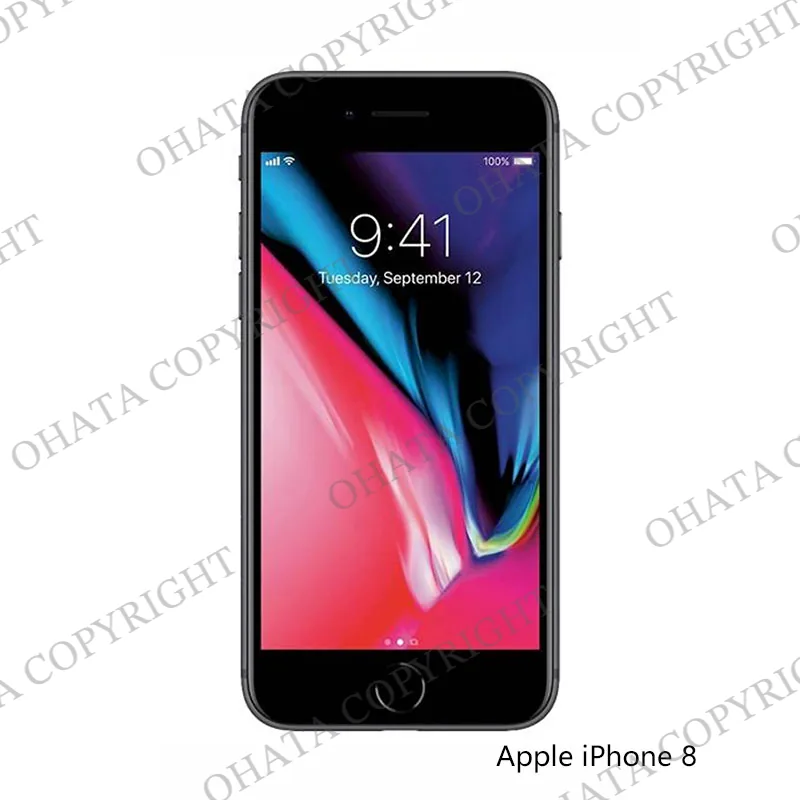
Modern Smart Phone with Battery and Cover Buying
3.50
USD / lb
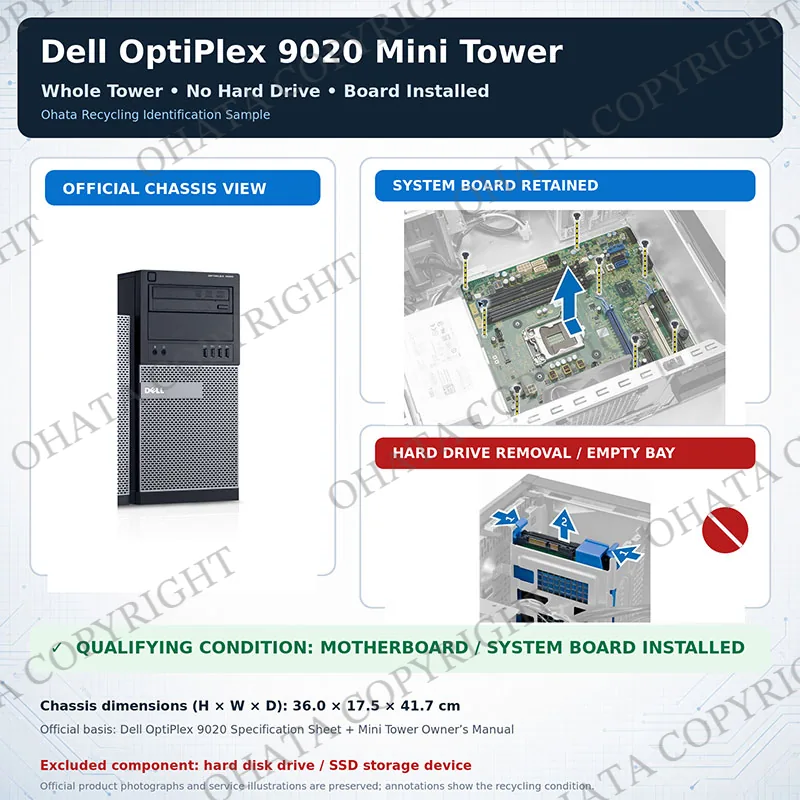
Whole Tower (Desktop Computer) No Hard Drive with board
0.50
USD / lb
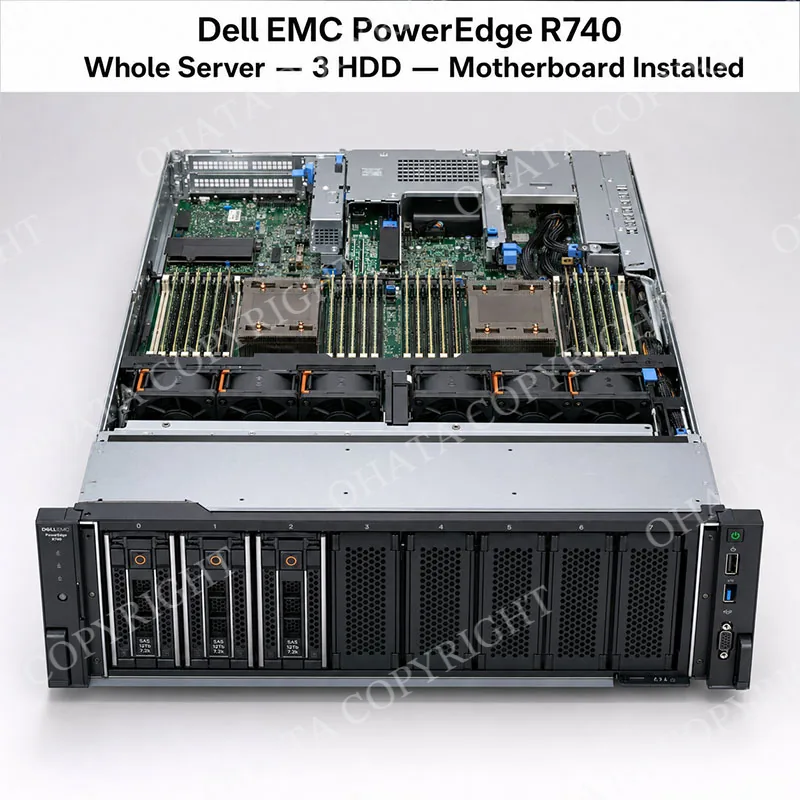
Whole Server With 3 Hard Drive with board buying
0.60
USD / lb
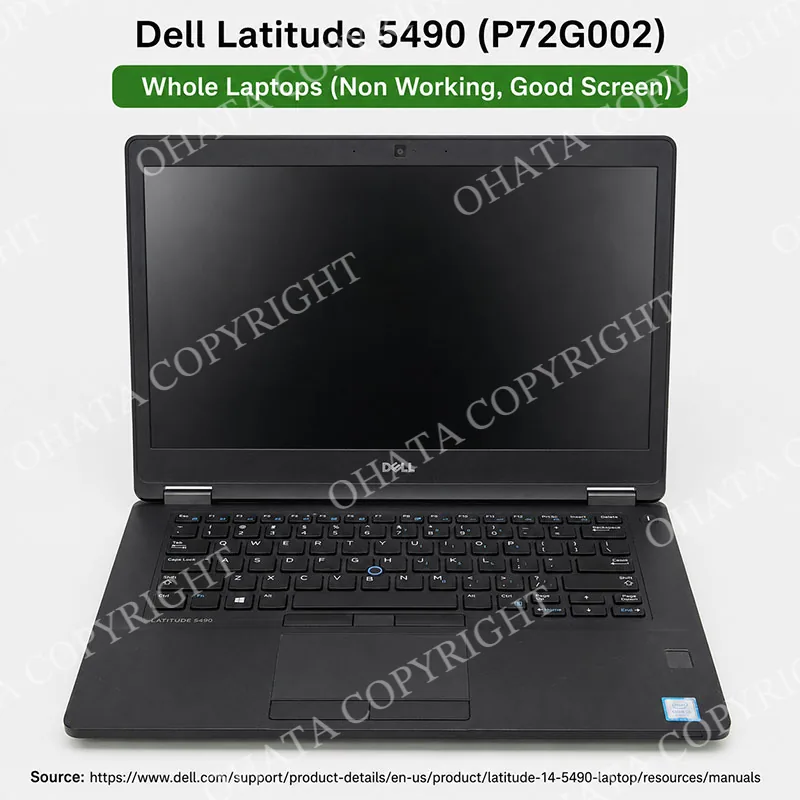
Whole Laptops (Non Working, Good Screen) buying
1.30
USD / lb
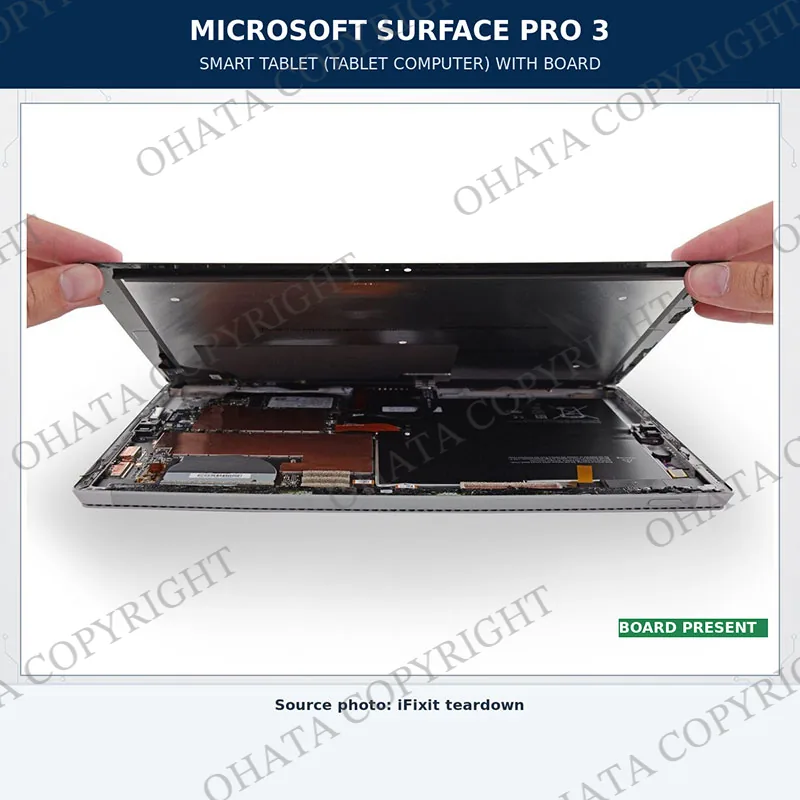
Smart Tablet ( Tablet Computer) with board buying
0.50
USD / lb

Smart phone (Non-cell phone) No Battery with board buying
4.50
USD / lb
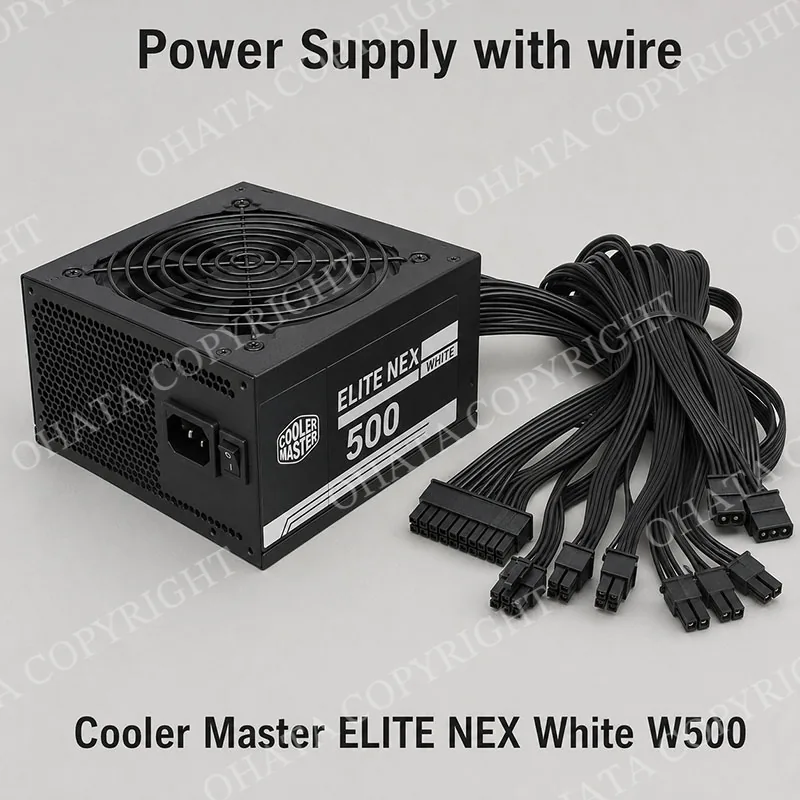
Power Supply with Wire Buying
0.46
USD / lb
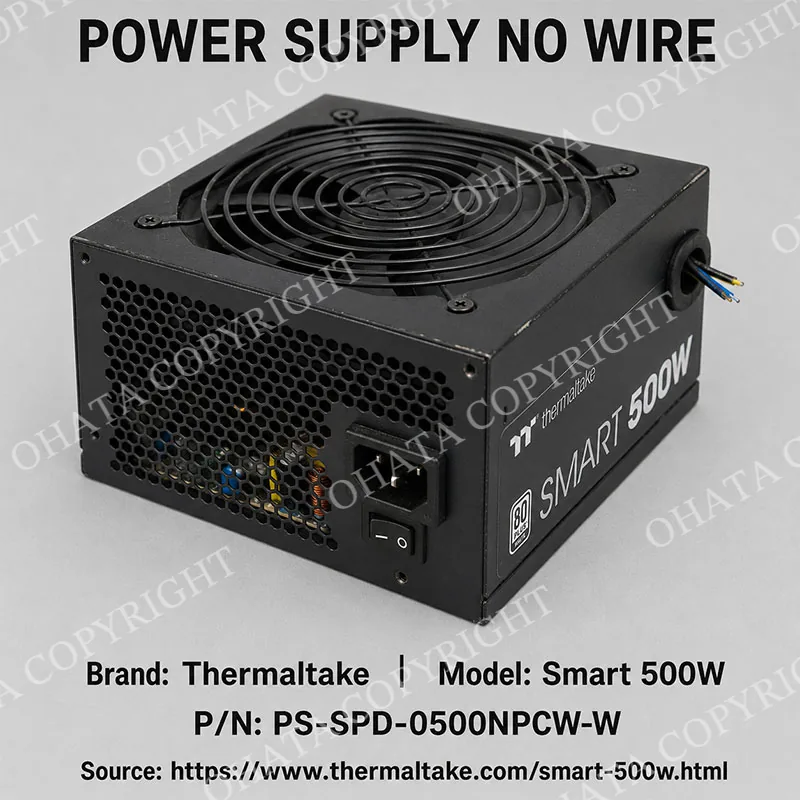
Power Supply No Wire Buying
0.30
USD / lb
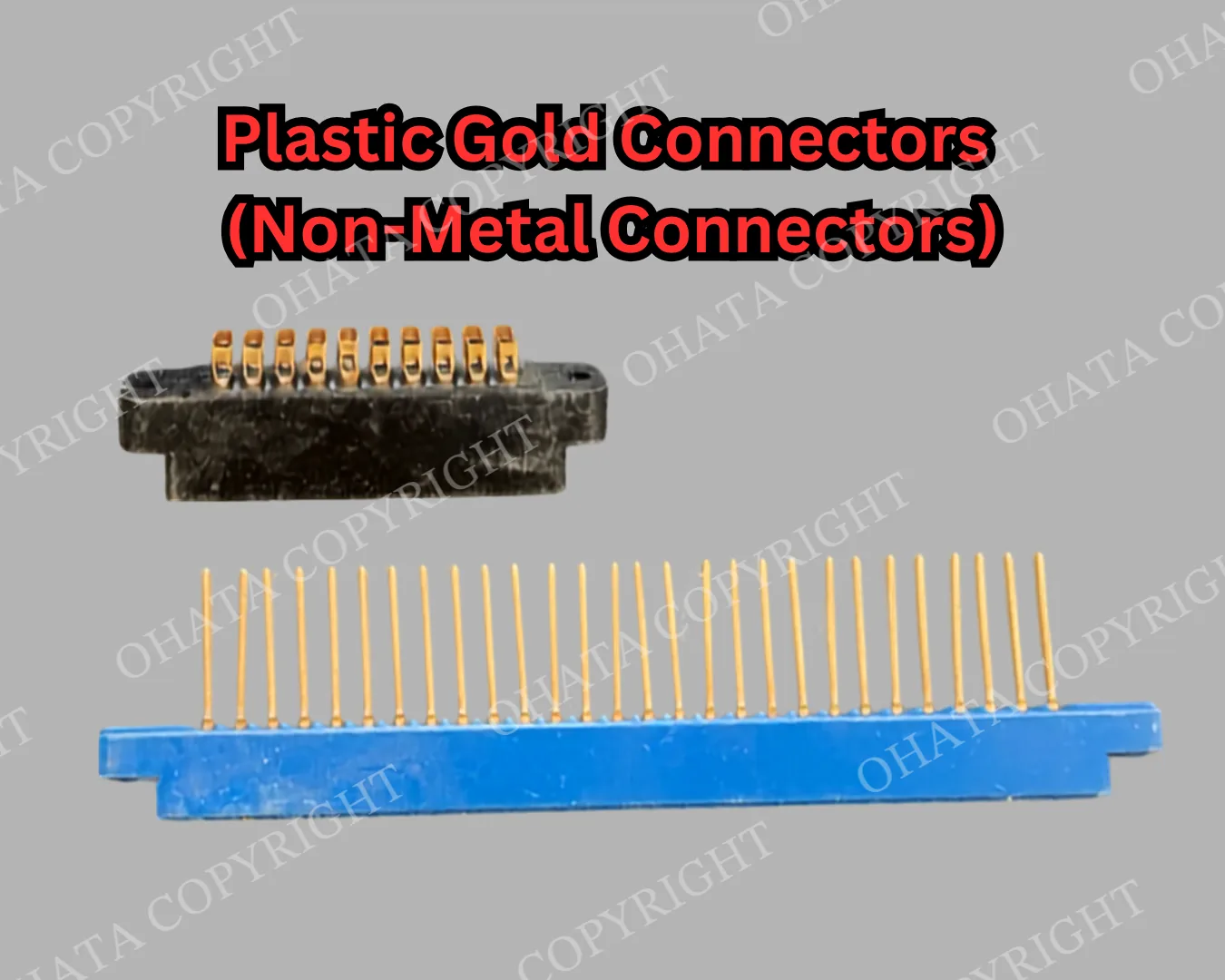
Plastic Gold Connectors (Non-Metal Connectors) Buying
4.90
USD / lb
Contact us by phone or email