

Hello! I’m Tomona Hamada from Ohata Resource Canada Inc. Richmond Yard. It’s Friday, August 14, 2026. Environment Canada’s Richmond forecast calls for mainly sunny conditions with a high near 23°C.
Richmond was sunny and warm on Friday afternoon, with Environment Canada reporting approximately 25°C at Vancouver International Airport at 4:00 p.m. If you’re transporting phones, tablets or laptops in warm weather, keep them out of direct sunlight and avoid placing pressure on their batteries.
I noticed that the Steveston Vintage Fair returns this Sunday, August 16, from 10:00 a.m. to 4:00 p.m. at Town Square Park. Its focus on vintage treasures made me think about how quickly everyday technology becomes part of the past.
That connection feels especially fitting this week. Our Richmond purchases ranged from older mobile phones to modern smartphones, whole laptops, Smart Tablet material, and appliance circuit boards.
Here’s What Was Included in Recent’s Purchase
This is a real buying result from our Richmond yard. The confirmed purchase information includes six material groups:
Appliance boards
Old phones, no battery or back cover
Modern phones, battery and back cover attached
Modern phones, no battery or back cover
Whole laptops
Smart Tablet (Tablet Computer)
No customer identity, conversation, exact location, measured weight or transaction amount is included in this report.
Watch This Week’s E-Scrap Buying Results
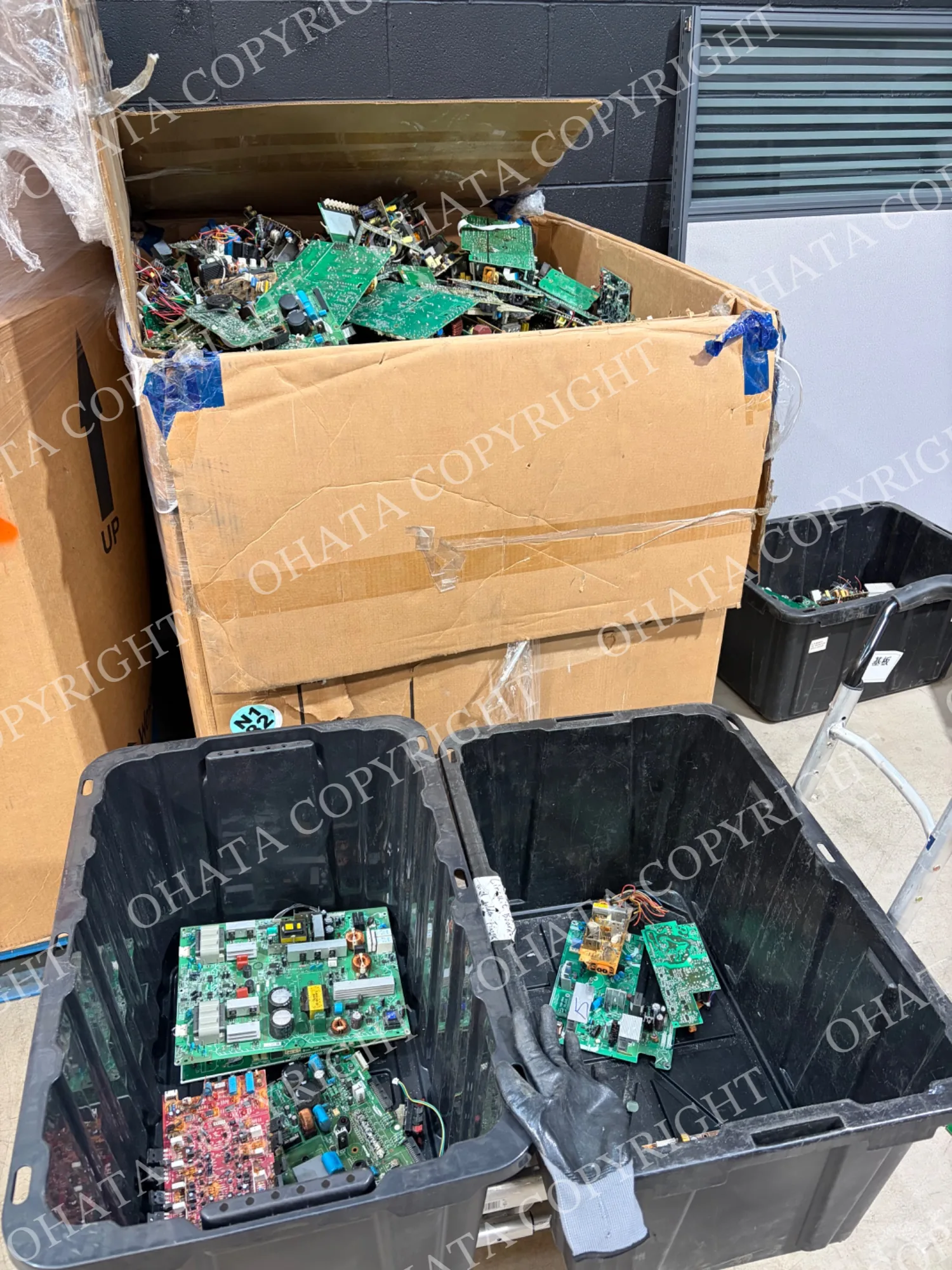
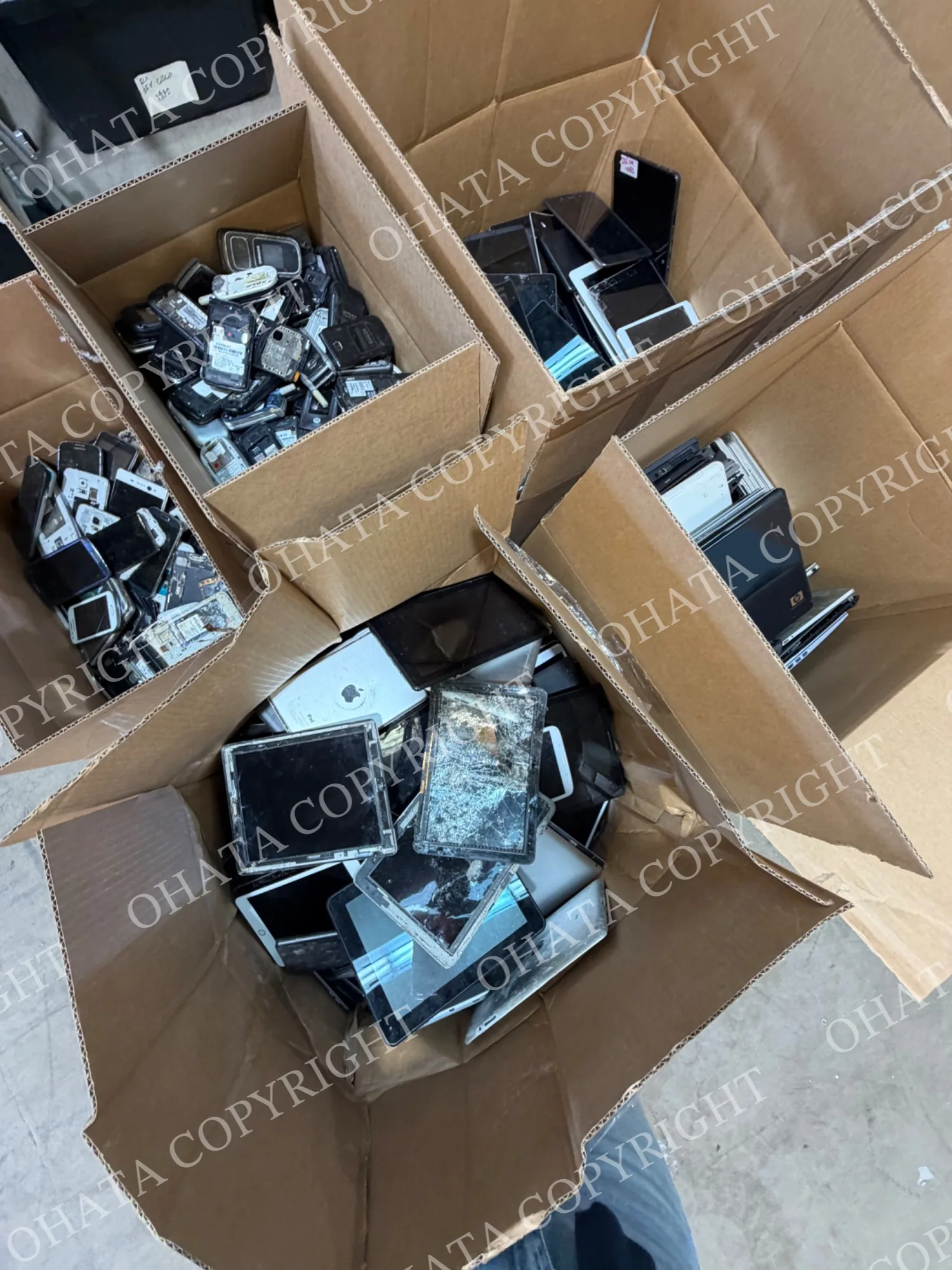
Why These Items Needed Separate Classification
The original product name is only the beginning of classification. I also check what remains attached, whether a battery is present, the material’s physical condition and whether it still matches a recognizable buying category.
For appliance circuit boards, Ohata uses its purchasing classification system to evaluate the entire printed circuit board, or PCB. Component density, board construction, power-control sections, connectors, completeness and condition can all matter.
An Appliance A board generally has moderate integrated-circuit density and more substantial control or power circuitry. An Appliance B board usually has fewer integrated circuits, simpler circuitry and more open PCB space.
The confirmed information for this report identifies the purchased material broadly as appliance boards, so I won’t assign an unsupported A or B breakdown. You can review the current Appliance A buying conditions and Appliance B buying conditions, but one relay, transformer or heat sink doesn’t establish the grade by itself.
The phones were recorded in three groups because their conditions were different. Old phones without batteries or back covers aren’t automatically equivalent to Ohata’s category for non-smart phones without the battery, back cover and keypad. The keypad and remaining electronic assembly must also be checked.
Likewise, a modern phone without its battery and back cover may still include its screen, housing and main board. That isn’t necessarily the same as a loose smartphone logic board without a battery.
Whole laptops also require inspection. Screen condition, device type, battery status, missing parts and physical damage may affect the applicable category. Ohata’s whole-laptop buying page covers specific conditions, including screen and Chromebook requirements, which must be confirmed rather than assumed.
Smart Tablets were kept as their own material group. The Smart Tablet with board buying page can help you review the applicable preparation conditions before visiting.
A Few Minutes of Sorting Can Help
If you have a similar load, separate it into appliance boards, old phones, modern phones with batteries, battery-free phones, laptops, tablets, and loose batteries.
Don’t dismantle a device only to make it resemble another buying category. Keep the remaining electronic assembly together, and never crush, puncture, or bend a battery. Contact the yard before travelling with a swollen, leaking, burned, or unusually hot battery.
Phones, laptops, and tablets may contain personal information. Back up anything you need and erase the data according to your security requirements before the equipment leaves your control.
Clear photographs and an approximate weight or item count will also make your inquiry easier. Check the current Richmond buying prices before visiting.
Planning to Visit the Richmond Yard?
Ohata Resource Canada Inc. purchases eligible e-scrap from individuals and businesses throughout Metro Vancouver.
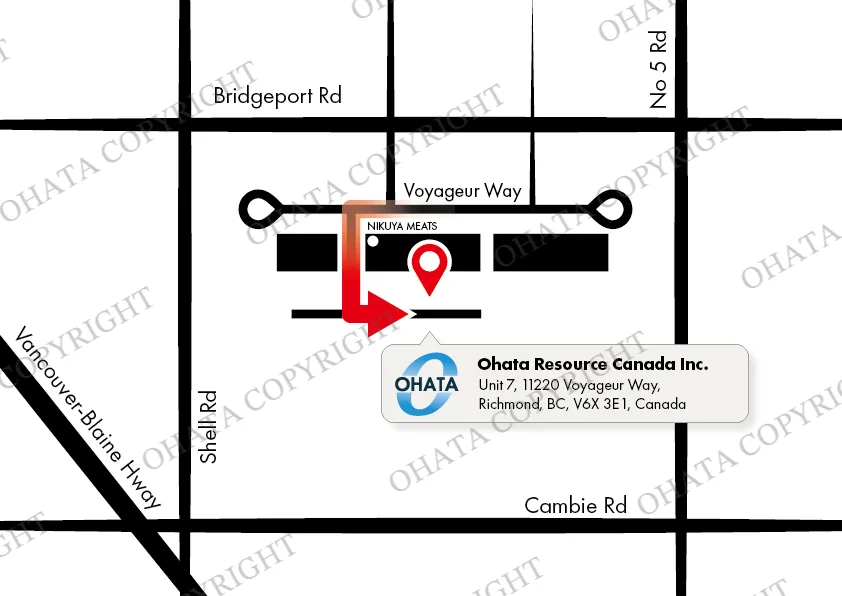
Address: Unit 7, 11220 Voyageur Way, Richmond, BC V6X 3E1
Telephone and WhatsApp: +1 (236) 888-1086
Hours: Monday–Friday, 8:00 a.m.–5:00 p.m.
Closed: Saturdays, Sundays and holidays
Appointments: Most ordinary drop-offs don’t require an appointment
Large loads: Please contact the yard before bringing commercial, palletized, or unusually large material
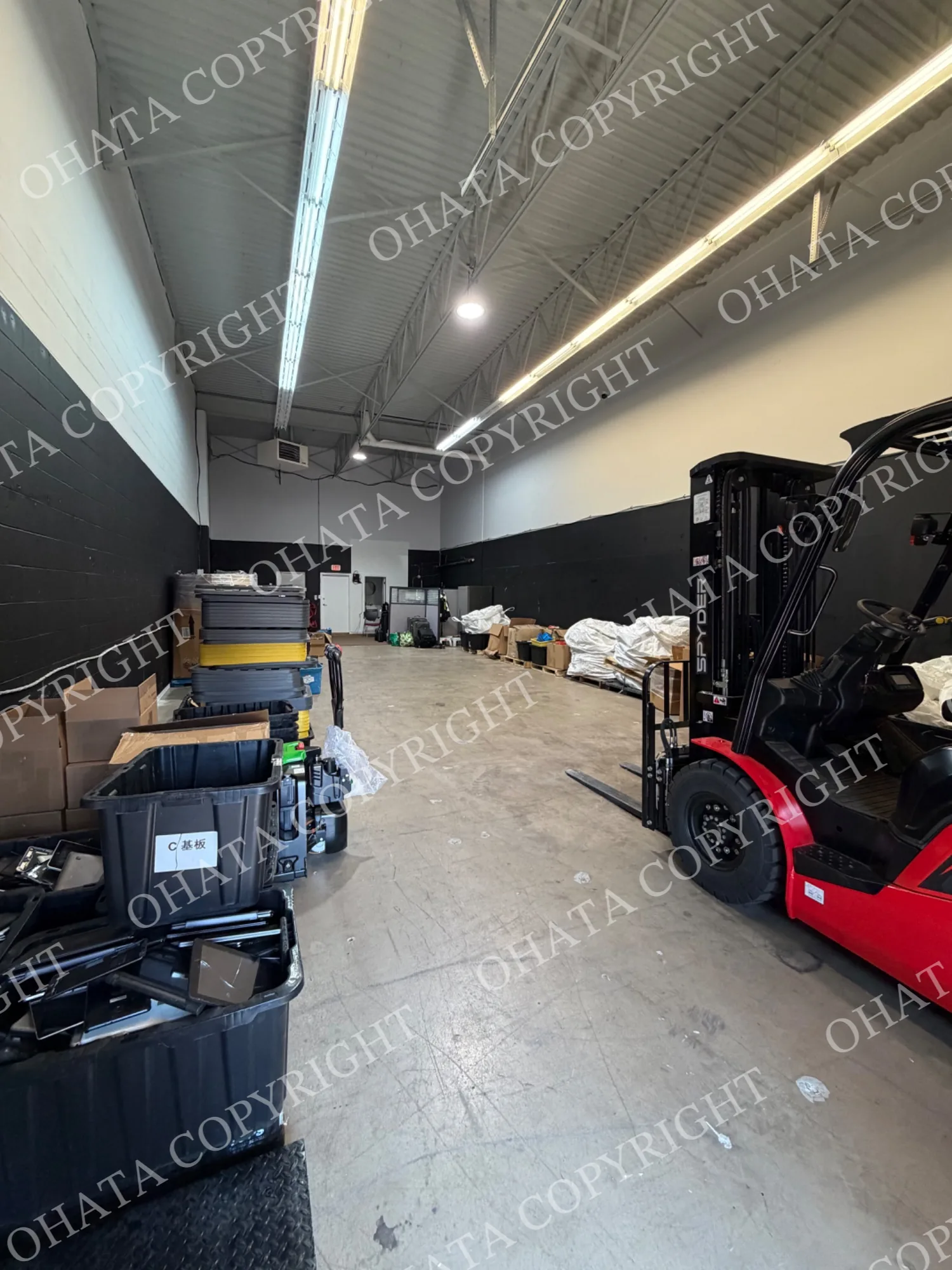
Review the official Richmond yard access information before travelling.
Frequently Asked Questions
Why were the three phone conditions separated?
Their age, battery status, back-cover condition, and remaining electronic assemblies can place them in different buying categories.
Does a phone need to work?
Working condition isn’t always required for e-scrap evaluation. The phone must still be identifiable, and its completeness and physical condition will be inspected.
Should I remove the battery from a modern phone?
Not simply to pursue a different category. Leave it installed unless there’s an appropriate reason to remove it safely. Contact the yard first if it’s swollen or damaged.
Can old phones and smartphones be mixed?
You can bring them in the same load, but separate containers or clearly labelled groups make inspection easier.
Are all appliance boards either Appliance A or Appliance B?
Not automatically. The complete board must be examined, and another circuit-board category may apply depending on its construction.
Can I bring a smartphone with no back cover?
It may still be evaluated, but the remaining assembly and condition determine the applicable category.
Should I erase the data first?
Yes. Back up anything you need and erase personal or business information according to your own security requirements before transferring the device.
How is the final buying price determined?
The final price is based on physical inspection, confirmed category, measured weight or count, completeness, condition, sorting, and current buying requirements.

Comments
0 comments