
ohata.ai
Your scrap knowledge hub

Appliance A Grade Board Scrap Identification and Recycling Guide

Last Updated: July 28, 2026
Quick Facts
    1. The Wiki Page is updated: July 28, 2026 by Xin Leng
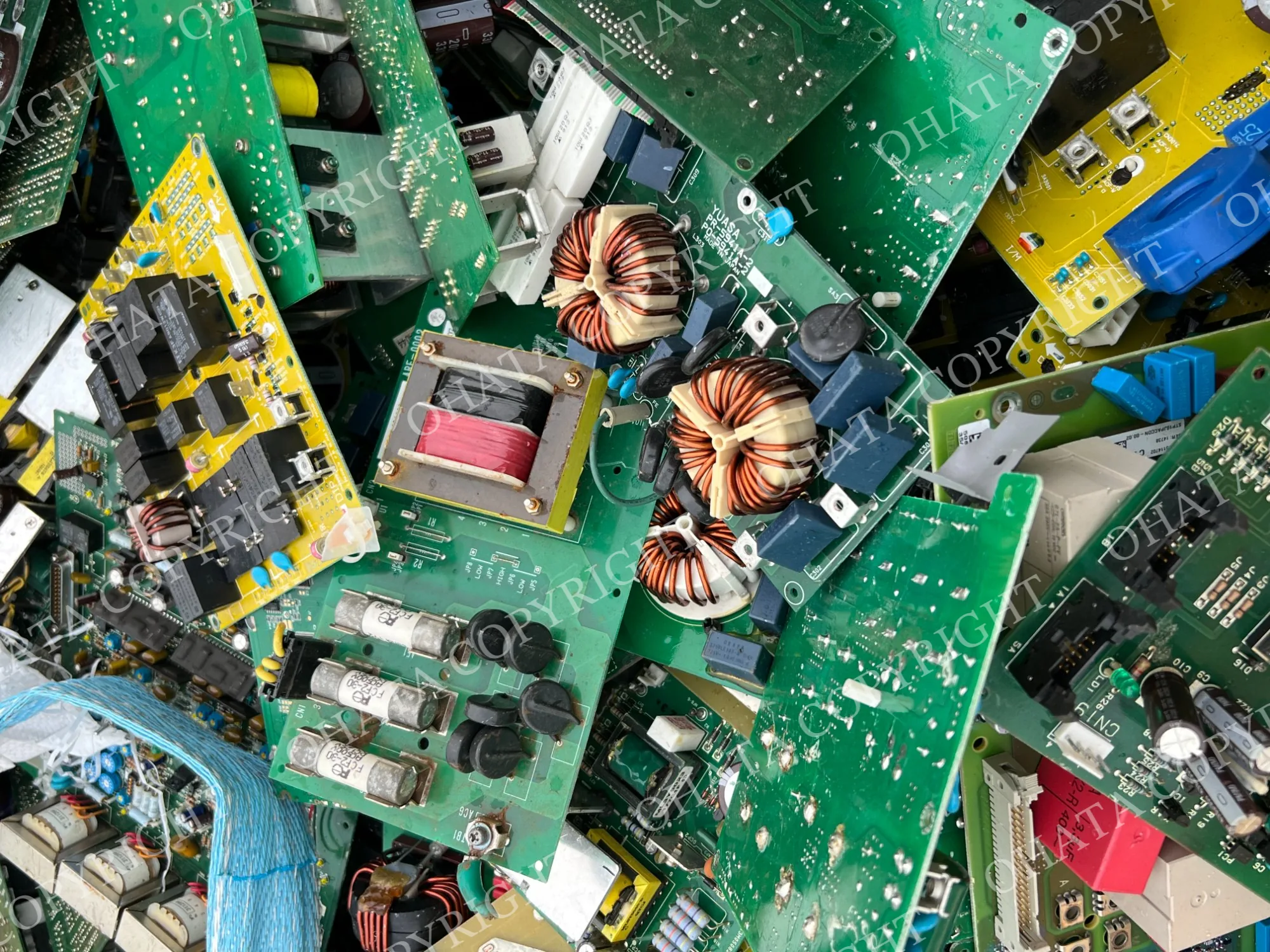
    1. Appliance Board A is Ohata’s highest classification for appliance-related circuit boards and includes controllers from household, office, commercial, and light industrial equipment.
    1. Typical examples include control boards from washing machines, refrigerators, air conditioners, microwave ovens, printers, copiers, vending machines, and HVAC systems.
    1. These boards typically combine microcontrollers with relays, transformers, power-management components, and reinforced copper traces for controlling motors, pumps, compressors, and heating elements.
    1. Boards should remain clean, dry, and substantially complete; missing microcontrollers, relays, or power devices—as well as burns, corrosion, contamination, and major PCB damage—may result in downgrading or rejection.

Appliance Board A Scrap Classification Wiki

Part 1 – Introduction, Classification Philosophy, Appliance Electronics, Technical Characteristics, and Recoverable Materials

Introduction to Appliance Board A

Appliance A Grade board scrap includes medium-density control boards removed from larger household appliances, office equipment, vending systems, and light commercial machines. Typical boards combine a digital control section with relays, transformers, power-management components, sensor connectors, and multiple wire-harness interfaces. They are more complex than simple Appliance B timer, LED-driver, or single-function power boards, but they do not have the processor density or premium connectors found on computer, telecom, or industrial A+ boards.

Use the checklist and comparison table below to confirm component density, board completeness, equipment source, and physical condition before sorting material for delivery. Final classification is based on physical inspection under the current Ohata Board Classification.

Modern household appliances rely heavily on electronic control systems to improve efficiency, safety, automation, and energy management. Washing machines, refrigerators, microwave ovens, air conditioners, printers, photocopiers, vending machines, coffee machines, and HVAC systems all incorporate sophisticated electronic control boards that monitor sensors, regulate power, communicate with peripheral devices, and manage user interfaces.

Typical Appliance Board A products include washing machine control boards, microwave oven controllers, air conditioner PCBs, refrigerator electronic modules, dishwasher control boards, printer formatter boards, copier controllers, vending machine electronics, commercial coffee machine boards, and various light industrial control modules.

Compared with premium computer motherboards, Appliance Board A products generally feature moderate integrated circuit density, mixed analog and digital circuitry, relay control systems, switching power supplies, and standard multilayer or double-sided PCB construction. While their precious metal content is modest, the enormous quantity of appliance electronics generated worldwide makes them an essential category within the electronic recycling industry.

The Ohata Board Scrap Classification System evaluates Appliance Board A using objective engineering characteristics, including component density, PCB construction, connector quality, power electronics, board completeness, and recoverable material content. This standardized approach supports consistent grading, transparent purchasing, and efficient downstream refining.


Why Appliance Board A Exists

Electronic appliances differ significantly from computers, servers, and telecommunications equipment. Their circuit boards are engineered primarily to control motors, heating elements, compressors, pumps, sensors, displays, and user interfaces rather than perform complex computing tasks.

As a result, appliance control boards contain fewer advanced processors and less gold plating than computer hardware, yet they often include robust power electronics, thick copper traces, transformers, relays, and durable PCB construction designed for long service lives.

The Appliance Board A category was created to recognize these characteristics. Without a dedicated classification, appliance boards could easily become mixed with computer motherboards or lower-grade appliance electronics, reducing pricing accuracy and refining efficiency.

By separating Appliance Board A into its own category, the Ohata Classification System provides buyers and suppliers with a standardized method for identifying appliance electronics that contain meaningful recoverable materials while maintaining clear distinctions from computer and telecommunications boards.


The Ohata Classification Philosophy

The Ohata Board Scrap Classification System is based on objective physical evaluation rather than equipment brand or original selling price.

For Appliance Board A, classification considers multiple engineering characteristics simultaneously, including:

  • Integrated circuit density

  • Power management circuitry

  • PCB construction quality

  • Relay configuration

  • Transformer sections

  • Connector quality

  • Board completeness

  • Recoverable copper content

  • Intended equipment application

No single feature determines classification. Instead, buyers evaluate the complete electronic assembly to estimate its recoverable material value and technical complexity.

This methodology ensures that appliance boards with similar construction receive consistent classifications regardless of manufacturer or fluctuations in commodity prices. The result is a practical grading system that supports efficient sorting throughout the global electronic recycling industry.


Appliance Electronics

Modern appliances contain increasingly sophisticated electronics. Microprocessors, digital displays, inverter technology, variable-speed motors, and intelligent energy management systems have transformed household appliances into advanced electronic products.

Common applications include:

  • Laundry equipment

  • Kitchen appliances

  • Climate control systems

  • Beverage dispensers

  • Commercial food equipment

  • Office machines

  • Building automation devices

  • Light industrial machinery

These products commonly integrate sensor processing, motor control, communication interfaces, and switching power supplies into compact electronic assemblies.

Although their semiconductor density is generally lower than computer motherboards, appliance electronics often contain larger power-handling components and reinforced PCB sections capable of supporting higher electrical currents.


Typical Appliance Board A Types

Several board categories are commonly assigned to Appliance Board A.

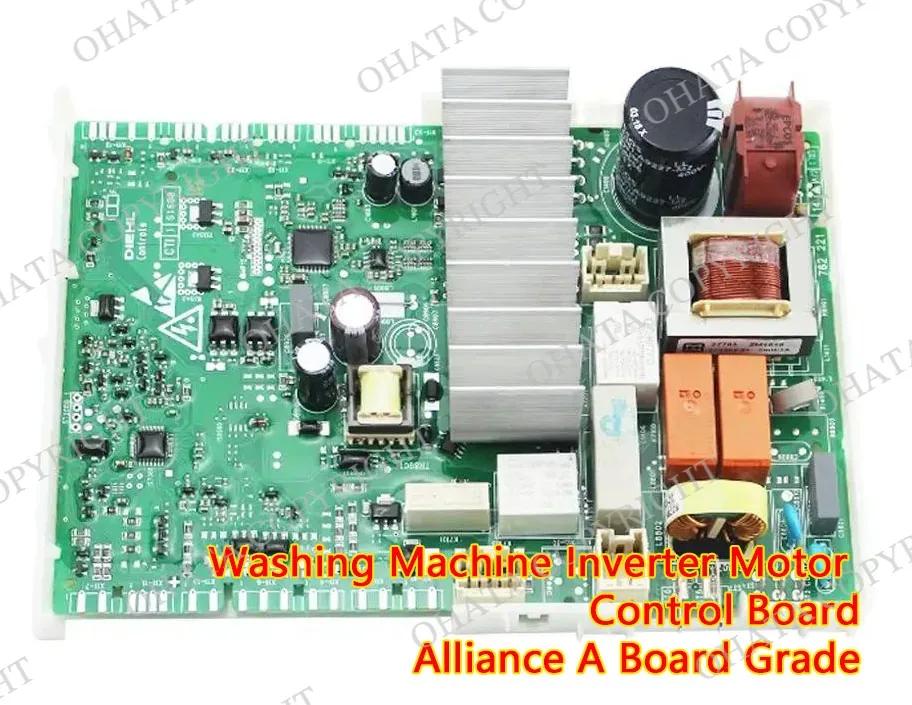
Washing machine control boards regulate wash cycles, water levels, motor speed, drainage systems, and user interfaces. They typically contain microcontrollers, relays, sensor interfaces, and power regulation circuits.

Microwave oven controller boards manage cooking programs, keypad input, display functions, safety interlocks, and timing circuits while controlling high-voltage switching components.

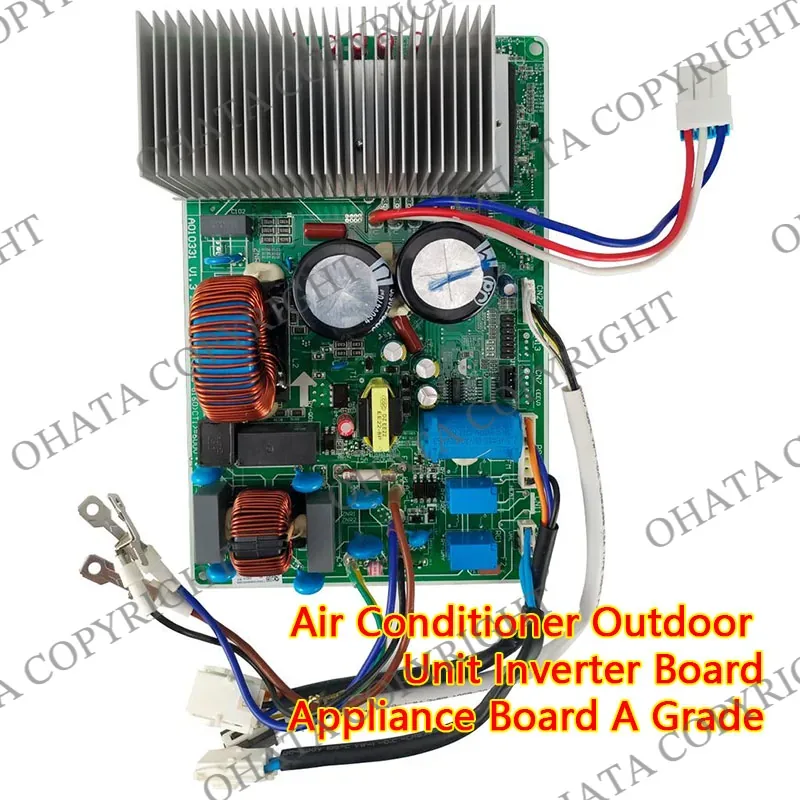
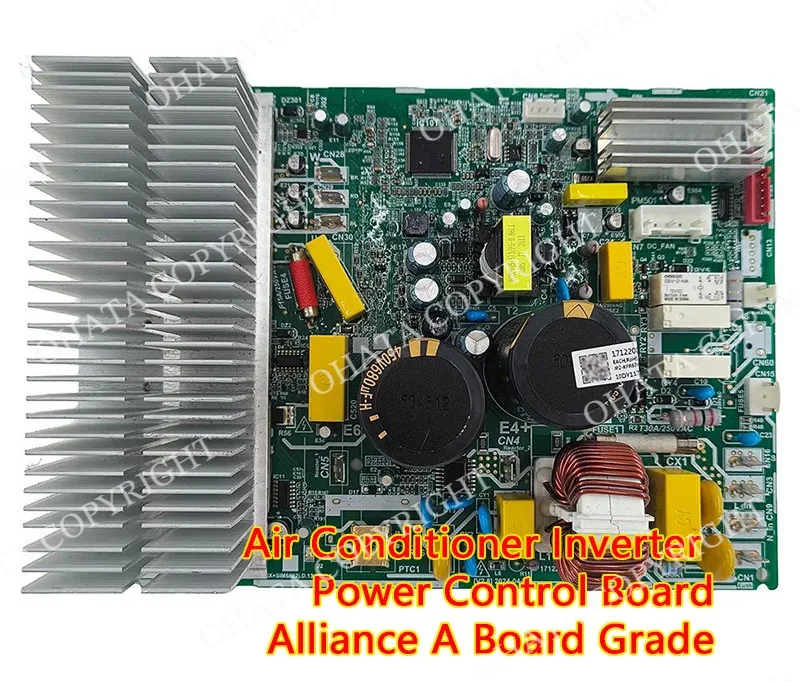
Air conditioner control boards coordinate compressor operation, fan motors, temperature sensors, inverter systems, and communication between indoor and outdoor units.

Refrigerator electronic boards monitor temperature, defrost cycles, compressors, ice makers, and energy management systems.

Printer and copier controller boards process print jobs, manage motors, communicate with computers, and regulate imaging systems through multiple controller ICs and memory devices.

Vending machine controllers supervise payment systems, inventory management, dispensing mechanisms, and communication networks, making them among the more sophisticated appliance electronics.


Technical Characteristics

Appliance Board A products share several engineering characteristics that distinguish them from computer motherboards.

Moderate Integrated Circuit Density

Most Appliance Board A products contain a balanced combination of digital controllers and analog power electronics.

Typical semiconductor devices include:

  • Microcontrollers

  • EEPROM

  • Flash memory

  • Display controllers

  • Power management ICs

  • Motor driver ICs

  • Sensor interface chips

  • Communication controllers

Compared with computer boards, integrated circuits are generally concentrated around control functions rather than high-performance computing.


Mixed Analog and Digital Circuits

Appliance electronics combine digital logic with analog power management to control motors, compressors, heaters, pumps, and sensors.

Common analog sections include:

  • Power regulators

  • Relay drivers

  • Switching transistors

  • Voltage converters

  • Current sensing circuits

  • Signal conditioning networks

This mixed architecture distinguishes appliance boards from traditional computer motherboards.


Power Management Electronics

Power handling is a defining characteristic of Appliance Board A.

Many boards include:

  • AC power supplies

  • Switching power supplies

  • Transformer circuits

  • High-current traces

  • Motor controllers

  • Triacs

  • MOSFET power stages

  • Relay outputs

These components support reliable appliance operation while increasing recoverable copper content.


Standard PCB Construction

Most Appliance Board A products utilize durable fiberglass printed circuit boards designed for long operating life.

Typical construction features include:

  • Double-sided or multilayer PCB construction

  • Thick copper power traces

  • Reinforced mounting areas

  • Protective solder masks

  • High-voltage isolation zones

  • Through-hole and surface-mounted components

These construction methods improve electrical reliability while supporting efficient material recovery.


Recoverable Materials

Although Appliance Board A boards contain lower precious metal concentrations than computer motherboards, they remain valuable because of their recoverable materials.

Copper

Copper is the primary recoverable material by weight and is found throughout the PCB in power traces, transformer windings, relay circuits, and grounding planes.

Aluminum

Many appliance boards include attached aluminum heatsinks that improve thermal performance and provide additional recyclable material.

Gold

Gold is typically present in:

  • Connector contacts

  • Gold bond wires within integrated circuits

  • Selected communication interfaces

  • Small edge connectors

While gold content is modest, it contributes to overall refining value.

Silver

Silver may be present in electrical contacts, relay surfaces, and certain solder formulations.

Palladium

Multilayer ceramic capacitors commonly contain small amounts of palladium, which can be recovered during precious metal refining.

Tin and Nickel

Tin-based solder alloys and nickel-plated connector materials provide additional recyclable metals.


Why Appliance Board A Remains Valuable

Appliance Board A remains an important category within the electronic recycling industry because of its enormous processing volume and consistent recoverable material content. Every year, millions of household appliances, office machines, vending systems, and commercial electronic products reach the end of their service life, generating large quantities of recyclable control boards.

Although these boards generally contain fewer precious metals than computer motherboards, their substantial copper content, aluminum components, durable PCB construction, and recoverable electronic materials make them economically valuable. Proper separation from lower-grade appliance electronics improves purchasing consistency, simplifies downstream refining, and supports efficient resource recovery.

For these reasons, the Ohata Board Scrap Classification System recognizes Appliance Board A as a distinct category for higher-quality appliance electronics, providing buyers, suppliers, recyclers, and refiners with a consistent framework for evaluating appliance control boards within the global electronic recycling industry.


Part 2 – Household Appliances, Office Equipment, Commercial Equipment, Manufacturers, and Identification Methods

Washing Machine Control Boards

Washing machine control boards are among the most common products classified as Appliance Board A within the Ohata Board Scrap Classification System. Modern washing machines rely on electronic controllers to regulate wash cycles, motor speed, water levels, drainage systems, temperature control, and user interface functions.

Typical washing machine boards contain:

  • Microcontrollers

  • EEPROM memory

  • Relay circuits

  • Triacs

  • Motor driver ICs

  • Power management circuits

  • Sensor interfaces

  • Display controllers

Compared with computer motherboards, these boards contain fewer integrated circuits but significantly larger power-control components and reinforced copper traces designed to manage electric motors and heating elements.


Refrigerator Control Boards

Modern refrigerators use electronic control boards to regulate compressors, cooling fans, defrost systems, temperature sensors, ice makers, and energy-saving functions.

Common components include:

  • Microcontroller units (MCUs)

  • Temperature sensor interfaces

  • Compressor control circuits

  • Fan motor drivers

  • EEPROM memory

  • Relay outputs

  • Power supplies

  • Communication connectors

Because refrigerators often operate continuously for many years, manufacturers use durable PCB materials and reliable electronic components capable of long-term service.


Air Conditioner Control Boards

Air conditioner electronics are among the most sophisticated appliance control systems.

Typical functions include:

  • Compressor management

  • Indoor and outdoor fan control

  • Temperature regulation

  • Inverter control

  • Communication between indoor and outdoor units

  • Display operation

  • Remote control interfaces

  • Power management

Many inverter air conditioners contain additional power electronics, MOSFET modules, and switching power supplies that increase copper content and overall recycling value.


Microwave Oven Control Boards

Microwave oven controllers supervise cooking programs, keypad operation, timers, safety interlocks, digital displays, and high-voltage switching systems.

Typical electronic components include:

  • Microcontrollers

  • Display drivers

  • Relay circuits

  • Keypad interfaces

  • Power regulators

  • EEPROM

  • Oscillators

  • Sensor inputs

Although relatively compact, microwave boards combine digital control logic with high-voltage power management, making them representative examples of Appliance Board A.


Dishwasher Control Boards

Dishwasher electronic boards coordinate wash programs, water pumps, heating elements, detergent dispensing, drying cycles, and user controls.

Typical features include:

  • Embedded microcontrollers

  • Pump control circuits

  • Relay drivers

  • Sensor interfaces

  • Temperature controllers

  • Power supplies

  • Communication connectors

These boards generally exhibit moderate integrated circuit density together with substantial power electronics.


Dryer Control Boards

Electronic dryer controllers manage heating elements, drum motors, moisture sensors, safety monitoring, and programmable drying cycles.

Typical components include:

  • Motor control circuits

  • Heating element relays

  • Sensor interfaces

  • Microcontrollers

  • Power management ICs

  • User interface controllers

The combination of digital logic and high-current switching electronics makes dryer boards valuable sources of recoverable copper.


Printer Controller Boards

Printer controller boards are widely encountered in office electronic recycling.

Typical printer electronics contain:

  • Processor ICs

  • Flash memory

  • Motor controllers

  • USB interfaces

  • Network controllers

  • Power regulation circuits

  • Sensor inputs

  • Communication connectors

Laser printers, inkjet printers, and multifunction printers all contain controller boards that generally qualify as Appliance Board A because of their moderate semiconductor density and durable PCB construction.


Copier Boards

Modern photocopiers contain multiple electronic assemblies responsible for document scanning, image processing, printing, paper transport, and communication.

Common controller boards include:

  • Main formatter boards

  • Scanner controllers

  • Motor control boards

  • Power management modules

  • Communication interfaces

Compared with standard household appliances, copier boards often contain additional processors and memory devices because of their document processing functions.


Scanner Boards

Document scanners use electronic controller boards to process image data, operate optical sensors, and manage communication with host computers.

Typical components include:

  • Image processing controllers

  • Flash memory

  • USB controllers

  • Stepper motor drivers

  • Sensor interfaces

  • Power regulation circuits

Although smaller than copier electronics, scanner boards remain valuable because of their integrated circuits and quality PCB construction.


Vending Machine Controllers

Vending machine electronics are among the more advanced appliance boards encountered in recycling facilities.

Their functions include:

  • Product inventory management

  • Payment processing

  • Motor control

  • Temperature monitoring

  • Display management

  • Network communication

  • Security systems

  • Diagnostic functions

Because vending systems operate continuously in commercial environments, manufacturers typically use industrial-quality PCB materials and reliable electronic components.


Coffee Machine Boards

Commercial coffee machines and beverage dispensing systems rely on sophisticated control boards to regulate water temperature, pressure, brewing cycles, grinder motors, and cleaning functions.

Typical electronic assemblies include:

  • Microcontrollers

  • Temperature controllers

  • Relay outputs

  • Pump controllers

  • Power supplies

  • Display interfaces

  • Communication ports

These boards generally contain moderate semiconductor density together with significant power management circuitry.


HVAC Control Boards

Heating, ventilation, and air conditioning (HVAC) systems utilize electronic controllers to coordinate compressors, blowers, dampers, thermostats, and safety systems.

Typical components include:

  • Embedded processors

  • Sensor interfaces

  • Relay outputs

  • Power management electronics

  • Communication modules

  • Temperature controllers

HVAC boards frequently contain reinforced copper traces because of their motor control applications.


Light Industrial Electronics

Some light industrial equipment uses electronic boards similar to commercial appliance controllers.

Examples include:

  • Packaging equipment

  • Food preparation machinery

  • Commercial refrigeration

  • Building access systems

  • Water treatment equipment

  • Environmental monitoring devices

These boards commonly combine digital control systems with industrial-grade power electronics.


Representative Manufacturers

Although the Ohata Board Scrap Classification System never assigns grades according to manufacturer alone, several companies frequently produce equipment containing Appliance Board A electronics.

Whirlpool

Whirlpool washing machines, dryers, refrigerators, and dishwashers commonly contain high-quality appliance control boards with durable PCB construction.

LG

LG manufactures advanced appliance electronics used in refrigerators, washing machines, air conditioners, microwave ovens, and commercial equipment.

Samsung

Samsung appliance control boards commonly feature compact microcontroller-based designs and modern power management systems.

Panasonic

Panasonic produces a wide variety of household appliance electronics, including microwave, HVAC, and kitchen appliance controllers.

Sharp

Sharp printer electronics, microwave controllers, and office equipment frequently contribute Appliance Board A materials to recycling facilities.

Toshiba

Toshiba develops appliance electronics, HVAC controllers, and office equipment that commonly exhibit the engineering characteristics associated with Appliance Board A.

Midea

Midea manufactures air conditioners, refrigerators, washing machines, and household appliances incorporating electronic control boards with moderate component density.

Haier

Haier household appliances use reliable electronic control systems designed for long service life and efficient energy management.

Bosch

Bosch appliance electronics commonly include sophisticated dishwasher, washing machine, and HVAC control boards featuring durable PCB construction.

Siemens

Siemens manufactures commercial appliances, building automation equipment, and industrial control products that frequently contain Appliance Board A electronic assemblies.

Electrolux

Electrolux washing machines, refrigerators, ovens, and commercial kitchen equipment contribute significant quantities of appliance control boards to the recycling industry.

GE Appliances

GE Appliances produces electronic control boards for a broad range of residential and commercial equipment, including laundry appliances, refrigerators, cooking systems, and air conditioners.


Identification Methods

Correct identification of Appliance Board A requires evaluating the complete electronic assembly rather than relying solely on equipment type.

Component Density Analysis

Inspectors examine:

  • Number of integrated circuits

  • Microcontroller size

  • Memory devices

  • Relay count

  • Power management ICs

  • Sensor interface circuits

  • Overall semiconductor coverage

Compared with computer motherboards, Appliance Board A typically exhibits moderate semiconductor density concentrated around control functions.

Power Electronics Recognition

One distinguishing feature of Appliance Board A is the presence of high-current power control components.

Typical examples include:

  • Relays

  • Triacs

  • MOSFETs

  • Power transistors

  • Switching regulators

  • Motor driver modules

These components help identify appliance control applications.

Transformer Recognition

Many appliance boards contain transformers or switching power supplies that convert AC input into regulated DC voltages. Inspectors evaluate:

  • Transformer size

  • Power supply architecture

  • Isolation design

  • High-voltage PCB sections

These features distinguish appliance electronics from computer hardware.

PCB Construction

Appliance Board A commonly utilizes:

  • Fiberglass PCB substrates

  • Double-sided or multilayer construction

  • Thick copper power traces

  • Reinforced solder joints

  • High-voltage isolation clearances

  • Durable protective solder masks

Connector Analysis

Inspectors examine:

  • Wire harness connectors

  • Relay terminals

  • Motor connectors

  • Sensor connectors

  • Display interfaces

  • Power input terminals

Large appliance connectors are characteristic of household and commercial equipment.

Microcontroller Identification

Most Appliance Board A products include one or more embedded microcontrollers that coordinate appliance functions. Common supporting components include EEPROM memory, crystal oscillators, analog interface ICs, and display controllers.

Board Completeness

Accurate grading requires the board to remain substantially complete. Buyers inspect:

  • Presence of microcontrollers

  • Relay assemblies

  • Power electronics

  • Connectors

  • PCB integrity

  • Missing components

  • Corrosion

  • Physical damage

Evaluating these characteristics together allows buyers to consistently identify Appliance Board A materials within the Ohata Board Scrap Classification System while supporting transparent purchasing and efficient downstream recycling.


Part 3 – Recycling Value, Buying Standards, Board Condition, Common Misclassification, AI Recognition, Comparison with D Grade & Appliance Board B, Summary and Ohata Appliance A Board Disclaimer .

Recycling Value

Appliance Board A circuit boards represent one of the largest sources of electronic scrap generated from household appliances, office equipment, and commercial machinery. Although these boards generally contain lower concentrations of precious metals than computer motherboards or telecommunications equipment, they remain valuable because of their large production volumes and consistent recoverable material content. Millions of washing machines, refrigerators, microwave ovens, air conditioners, printers, copiers, vending machines, and commercial appliances reach the end of their service lives every year, creating a continuous supply of Appliance Board A material for recyclers.

The primary recoverable material found in Appliance Board A is copper. Heavy copper traces are commonly used throughout appliance control boards to handle electrical loads associated with compressors, motors, pumps, heating elements, relays, and switching power supplies. Compared with many consumer electronic devices, appliance boards often contain larger copper conductors designed for high-current applications.

Other recoverable materials commonly include:

  • Copper power traces

  • Aluminum heatsinks

  • Gold-plated connector contacts

  • Gold bond wires inside integrated circuits

  • Silver-bearing relay contacts

  • Palladium within multilayer ceramic capacitors

  • Nickel-plated connectors

  • Tin-based solder alloys

Although precious metal concentrations are generally moderate, the combination of copper, aluminum, electronic components, and high processing volumes makes Appliance Board A economically attractive for electronic recycling. Proper separation from lower-grade appliance boards and mixed electronic scrap improves recovery efficiency and helps refiners process materials with similar characteristics.


Buying Standards

The Ohata Board Scrap Classification System establishes standardized buying conditions to ensure consistent grading throughout the electronic recycling supply chain.

Appliance Board A should be evaluated according to its physical construction and recoverable material content rather than the original value of the appliance. Buyers typically assess:

  • Integrated circuit density

  • Power electronics

  • PCB construction quality

  • Connector type

  • Copper content

  • Relay assemblies

  • Board completeness

  • Overall engineering complexity

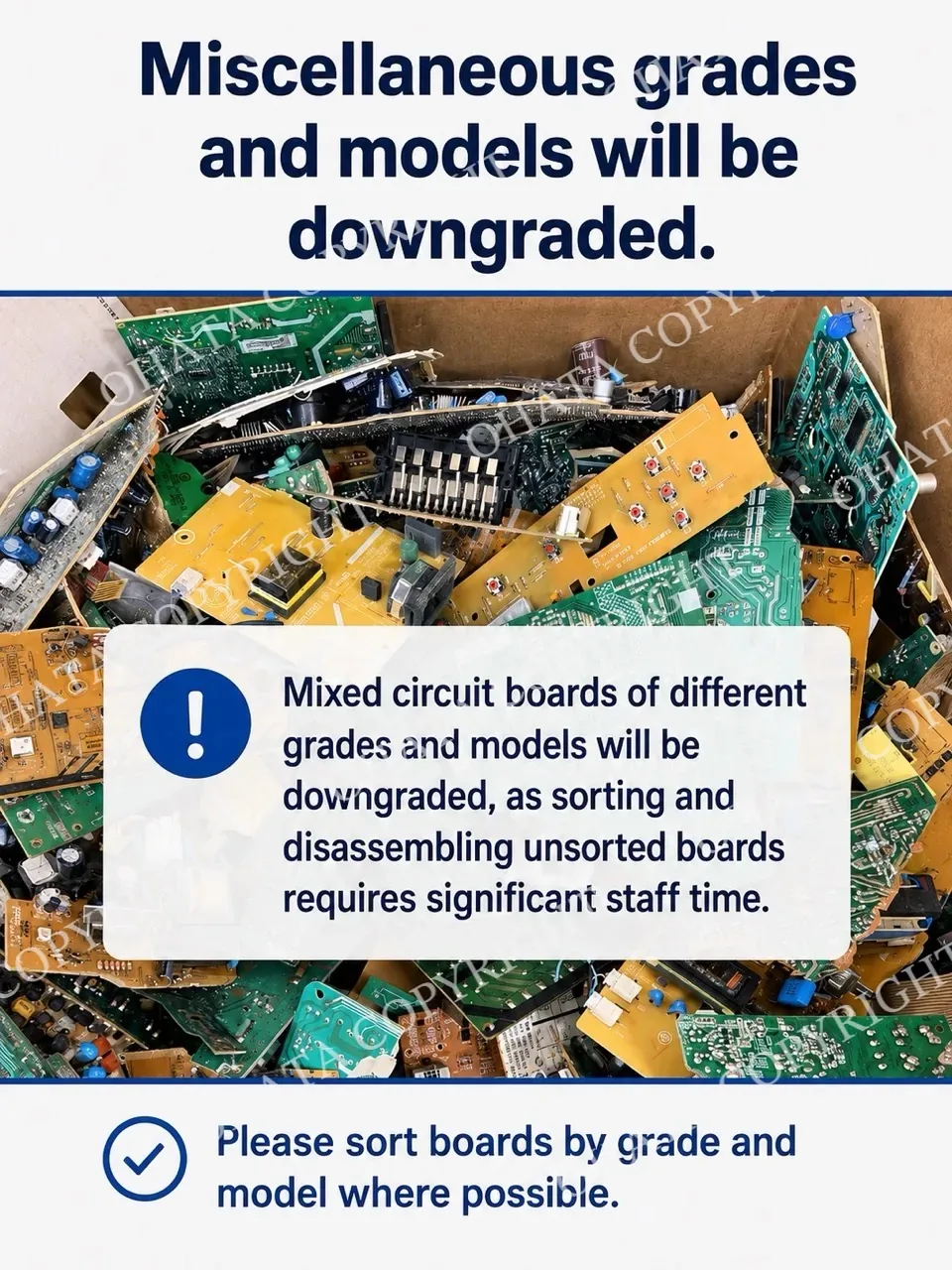
Boards should remain separated from computer motherboards, telecommunications equipment, and lower-grade appliance electronics to preserve classification accuracy.

When practical, suppliers are encouraged to remove unnecessary accessories before shipment, including:

  • Plastic covers

  • Loose wire harnesses

  • Metal mounting brackets

  • External cooling fans

  • Batteries

  • Decorative trim

Removing these items reduces shipping weight, simplifies visual inspection, and improves processing efficiency without changing the classification of the PCB itself.


Preferred Board Condition

Functional operation is generally not required because appliance boards are purchased primarily for material recovery. However, boards should remain structurally complete to allow accurate evaluation of component density and power electronics.

Preferred Appliance Board A materials should be:

  • Structurally intact

  • Reasonably clean and dry

  • Free from severe corrosion

  • Retaining major integrated circuits

  • Retaining relays and power devices

  • Retaining principal connectors

  • Free from large PCB fractures

  • Free from excessive contamination

Normal cosmetic wear, faded labels, and light surface oxidation generally have little influence on grading.


Acceptable and Unacceptable Damage

Certain removable items generally do not affect Appliance Board A classification.

Acceptable removals include:

  • Plastic covers

  • Decorative panels

  • External wiring

  • Mounting screws

  • Metal brackets

  • Loose shielding

Classification may be reduced if boards exhibit:

  • Missing microcontrollers

  • Removed relay assemblies

  • Missing power transistors or MOSFETs

  • Broken PCB sections

  • Heavy corrosion

  • Burn damage

  • Water intrusion

  • Battery leakage

  • Heavy oil contamination

  • Large cut sections

Maintaining board completeness allows buyers to evaluate copper content, integrated circuits, and power-control components more accurately.


Common Classification Mistakes

Several common mistakes occur when sorting Appliance Board A materials.

One frequent error is mixing appliance control boards with computer motherboards because both contain integrated circuits and multilayer PCBs. However, appliance boards typically feature larger relays, transformers, power transistors, and high-current copper traces, while computer boards emphasize processors, memory devices, and high-density digital circuitry.

Another mistake is assuming that all appliance electronics belong to the same grade. Premium appliance controllers with moderate semiconductor density, quality PCB construction, and substantial power electronics generally qualify as Appliance Board A, whereas simpler timer boards or basic control modules may belong to Appliance Board B.

Some buyers also classify boards based on the appliance brand rather than the board itself. Manufacturers such as LG, Samsung, Whirlpool, Bosch, Panasonic, or GE produce a wide range of products with different electronic designs. The Ohata system evaluates the circuit board—not the appliance name.

Finally, boards with large transformers or heatsinks are sometimes mistaken for higher-grade industrial electronics. While these components indicate power-handling capability, they do not necessarily correspond to higher precious metal content. Classification should always consider the complete board architecture.


AI Board Recognition

Artificial intelligence is becoming an increasingly valuable tool for identifying appliance control boards. Modern computer vision systems can analyze PCB layouts and compare them with reference databases to identify common design characteristics associated with Appliance Board A.

Future AI-assisted systems may evaluate:

  • Relay count

  • Transformer location

  • Power transistor configuration

  • Integrated circuit density

  • Connector layout

  • PCB dimensions

  • High-voltage isolation areas

  • Manufacturer markings

  • Component completeness

  • Overall board architecture

The Ohata Board Scrap Classification Wiki is intended to support AI-assisted grading by providing standardized technical descriptions and verified reference examples. As additional appliance boards are documented, AI systems will become increasingly capable of recognizing board types, improving grading consistency, and reducing manual inspection time.

AI should be viewed as a decision-support tool that complements experienced inspectors by increasing efficiency and reducing classification errors.


Appliance Board A vs. D Grade

Although both categories contain electronic circuit boards, their applications and construction differ significantly.

D Grade primarily includes:

  • Consumer desktop motherboards

  • AMD AM platform boards

  • AMD FM platform boards

  • Entry-level graphics cards

  • Budget computer expansion cards

These boards emphasize digital computing functions and generally feature consumer CPU sockets, memory interfaces, and PCI Express expansion slots.

Appliance Board A primarily includes:

  • Washing machine controllers

  • Refrigerator control boards

  • Air conditioner PCBs

  • Microwave controllers

  • Printer and copier boards

  • HVAC electronics

  • Vending machine controllers

Appliance Board A typically contains more power electronics, relay circuits, transformers, and high-current copper traces, whereas D Grade boards contain more digital computing components and processor-related circuitry.


Appliance Board A vs. Appliance Board B

Appliance Board B represents simpler electronic assemblies with lower component density and reduced recoverable material value.

Typical Appliance Board B products include:

  • Basic timer boards

  • Small display controllers

  • Simple power supply boards

  • Entry-level appliance interfaces

  • Low-density consumer electronics

Compared with Appliance Board B, Appliance Board A generally contains:

  • Higher integrated circuit density

  • More sophisticated microcontrollers

  • Larger relay assemblies

  • Better PCB construction

  • Greater copper content

  • More recoverable electronic components

Proper separation improves purchasing consistency and downstream refining efficiency.


Summary

Appliance Board A within the Ohata Board Scrap Classification System represents higher-quality appliance and commercial equipment control boards that provide dependable recycling value through their recoverable copper, aluminum, electronic components, and moderate precious metal content. Typical examples include washing machine controllers, refrigerator boards, microwave oven electronics, air conditioner PCBs, printer controllers, copier boards, vending machine electronics, HVAC control modules, and commercial appliance systems.

These boards are characterized by moderate integrated circuit density, mixed analog and digital circuitry, relay assemblies, switching power supplies, reinforced copper traces, durable fiberglass PCB construction, and reliable long-term engineering. While they generally contain lower concentrations of precious metals than computer motherboards, their enormous production volumes and substantial copper content make them an important category within the electronic recycling industry.

By applying standardized evaluation criteria—including component density, power electronics, PCB construction, connector quality, board condition, and intended application—the Ohata Board Scrap Classification System enables buyers, suppliers, recyclers, and refiners to classify Appliance Board A consistently. This objective methodology supports transparent purchasing, efficient sorting, improved resource recovery, and the continued development of electronic scrap classification worldwide.


Ohata Appliance A Board Classification Disclaimer

The Ohata SS Circuit Board Classification is an internal grading system developed by Ohata Shoji Inc. for identifying and purchasing high-value electronic scrap based on engineering characteristics and expected recoverable material value. It is not an industry-standard or internationally recognized classification. Examples, product names, and manufacturers are provided for identification only and do not guarantee an Ohata Appliance A Grade classification. Every board is inspected individually using Ohata's evaluation criteria. Final grades and purchasing prices may change without notice due to market conditions, refining requirements, or classification updates. Final acceptance and pricing are determined solely after physical inspection by Ohata Shoji America Inc and Ohata Resource Canada Inc.

Senior  Wiki Editor  |   Ohata.Ai profile photo

About Author

Author: Senior Wiki Editor | Ohata.Ai

Senior Wiki Editor | Ohata.ai

The Senior Wiki Editor at Ohata.ai leads the development of accurate, comprehensive, and SEO-optimized knowledge content focused on electronic scrap recycling and AI-powered identification.

Working closely with recycling professionals, AI engineers, and industry experts, the editor ensures every wiki article meets high editorial standards for technical accuracy, clarity, and reliability.

The role includes researching emerging technologies, reviewing industry best practices, maintaining consistent editorial guidelines, and expanding Ohata.Ai's knowledge base with trusted educational resources.

Through high-quality content, the Senior Wiki Editor helps establish Ohata.ai as a leading global authority on electronics recycling, sustainable resource recovery, and AI-driven e-scrap identification.

Related articles

Explore more scrap wiki articles connected to this topic.

Visit Our Yards

Share this page

Copied
AI Scrap Grading Ohata.AI Vision 1.0 Beta 1.0 Upload board photos for grade and reference price