
-
We buy Appliance Board B Grade from a minimum of 1 lb.
-
Appliance Board B Grade covers qualifying low-density control boards from household appliances and basic consumer electronics. All boards meeting the Ohata Appliance Board B Grade standard are purchased at the same grade price.
-
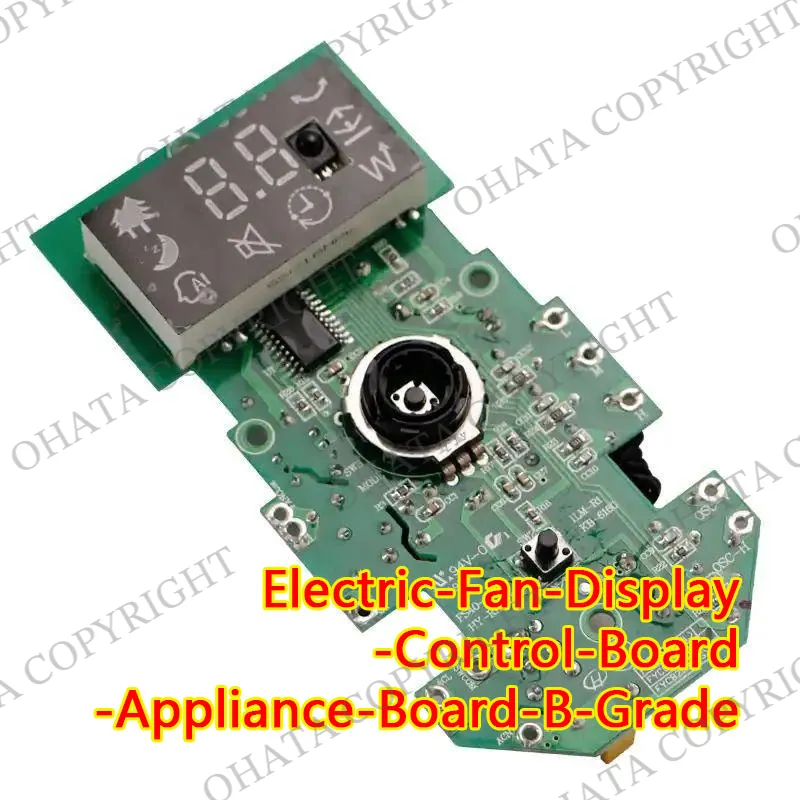
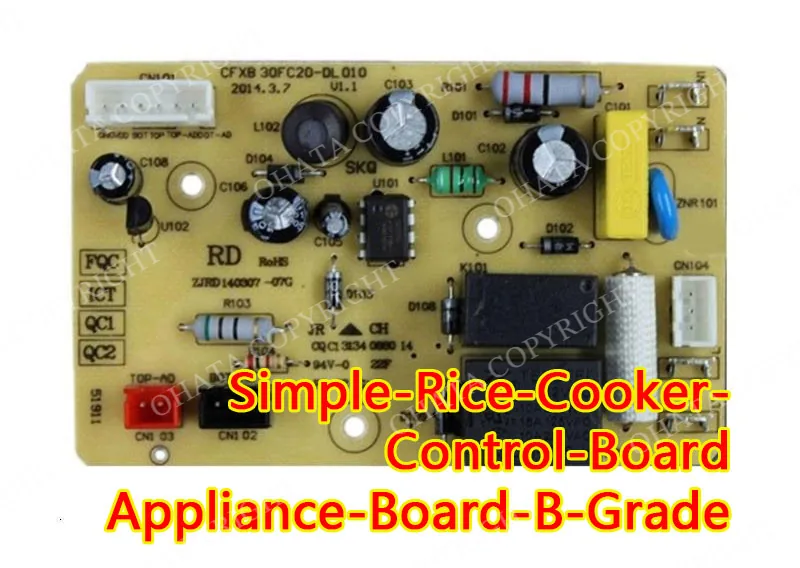
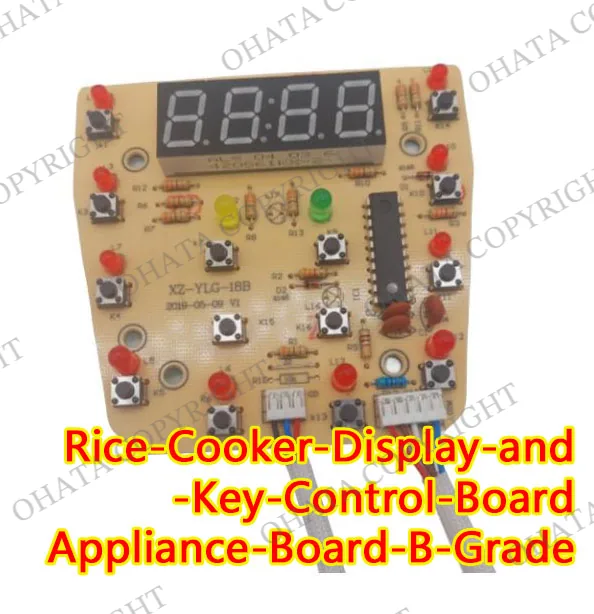
Typical qualifying material may include fan controllers, rice-cooker boards, kettle and toaster controllers, timer boards, display boards, LED drivers, battery-charger boards, and simple power-supply boards.
-
Buying value is based on PCB construction, component population, recoverable materials, completeness, condition, contamination, and processing requirements, not appliance brand, model, operating condition, age, retail value, or repairability.
-
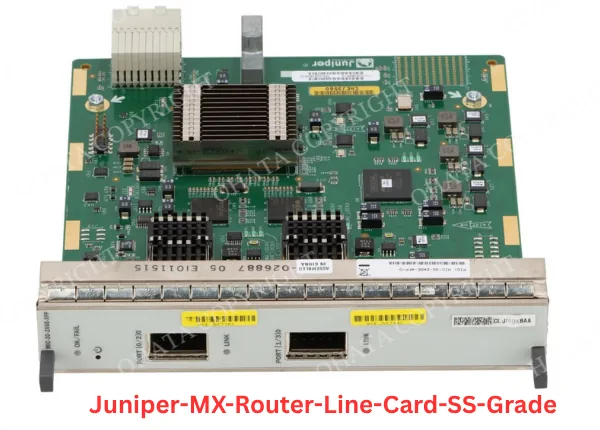
Higher-density appliance power boards, computer boards, telecommunications boards, stripped boards, batteries, wires, and unrelated material belong in other categories. Mixed categories are accepted but may require separate inspection, sorting, weighing, and pricing.
Appliance Board B Grade Buying scrap price
-
We buy Appliance Board B Grade from a minimum of 1 lb.
-
Appliance Board B Grade covers qualifying low-density control boards from household appliances and basic consumer electronics. All boards meeting the Ohata Appliance Board B Grade standard are purchased at the same grade price.
-
Typical qualifying material may include fan controllers, rice-cooker boards, kettle and toaster controllers, timer boards, display boards, LED drivers, battery-charger boards, and simple power-supply boards.
-
Buying value is based on PCB construction, component population, recoverable materials, completeness, condition, contamination, and processing requirements, not appliance brand, model, operating condition, age, retail value, or repairability.
-
Higher-density appliance power boards, computer boards, telecommunications boards, stripped boards, batteries, wires, and unrelated material belong in other categories. Mixed categories are accepted but may require separate inspection, sorting, weighing, and pricing.
Buying Details of Conditions
Learn more: Appliance B Grade Board Scrap Identification and Sorting Guide
Introduction, Construction, Components, and Recycling Value
Appliance Board B Grade is Ohata's lower-value household appliance circuit board category. It includes circuit boards from small appliances and consumer products with relatively simple electronic controls, such as fans, rice cookers, kettles, humidifiers, vacuum cleaners, coffee makers, LED lighting, battery chargers, timer modules, and basic power supplies.
Classification is based on board construction, recoverable materials, component completeness, and physical condition, not whether the board still works. Non-working boards may still qualify if they are complete, identifiable, and suitable for recycling.
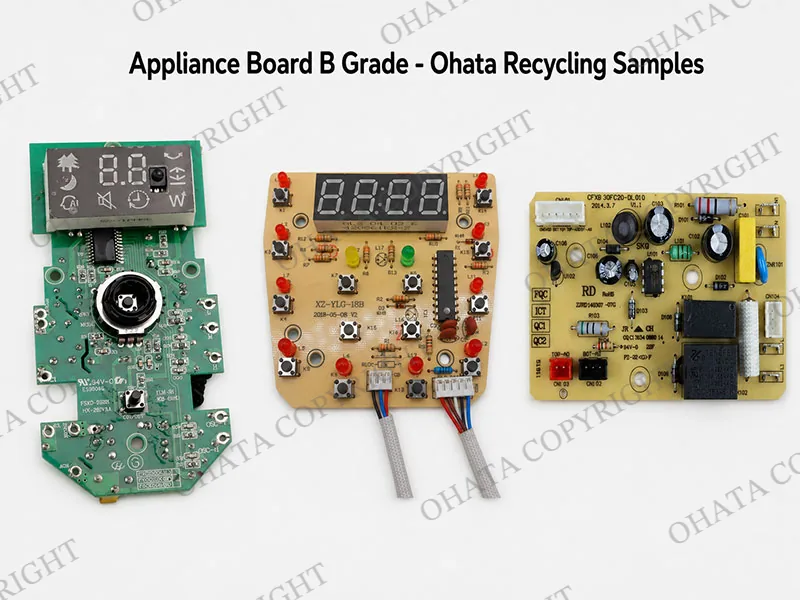
Most B Grade boards use single-sided or double-sided fiberglass PCBs with simple layouts, moderate copper traces, and a limited number of integrated circuits. A single microcontroller commonly controls functions such as timing, heating, motors, displays, or safety features.
Typical components include microcontrollers, voltage regulators, relays, transformers, MOSFETs, triacs, bridge rectifiers, capacitors, resistors, diodes, connectors, and LED displays.
Copper is the primary recoverable material, with smaller amounts of aluminum, tin, nickel, silver, and limited gold. Although precious-metal content is relatively low, these boards remain recyclable because they are produced in large quantities.
Boards meeting these characteristics are purchased as Appliance Board B Grade regardless of appliance brand, age, or original retail value.
Customers looking to recycle Appliance Board B Grade can also browse our related buying categories.
Ohata Appliance Board B Grade Classification and Identification Guide
Classification is determined by the circuit board itself, not the appliance it came from. Expensive appliances do not automatically contain higher-grade boards.
Typical B Grade boards feature a simple control design with one main microcontroller, a few supporting ICs, basic power electronics, and ordinary connectors. Dense memory, multiple processors, BGA packages, gold edge connectors, and complex multilayer digital circuits are generally absent.
Common examples include:
Fan control boards
Rice cooker controllers
Kettle and toaster controllers
Humidifier and air purifier boards
Vacuum cleaner controllers
LED driver boards
Inspectors evaluate overall construction, component density, copper-bearing parts, PCB design, and recoverable material content. No single component, board size, appliance brand, or operating condition determines the grade.
Boards from different manufacturers may receive the same classification when their construction and recoverable materials are similar.
Recoverable Materials, Buying Standards, and Handling
Copper is recovered mainly from PCB traces, transformers, relay coils, inductors, and connectors. Smaller quantities of aluminum, tin, nickel, silver, gold, and trace palladium may also be present.
Boards do not need to function, but complete boards are preferred because missing components reduce recoverable value and make grading more difficult.
Preferred material should be:
Structurally complete
Dry and reasonably clean
Free from severe corrosion or contamination
Retaining the main microcontroller and power components
Free from major PCB damage
Separated from batteries and unrelated waste
Minor dust, light discoloration, and normal wear generally do not affect the grade.
Large plastic housings, motors, batteries, loose wiring, glass displays, and unrelated appliance parts should be removed before delivery.
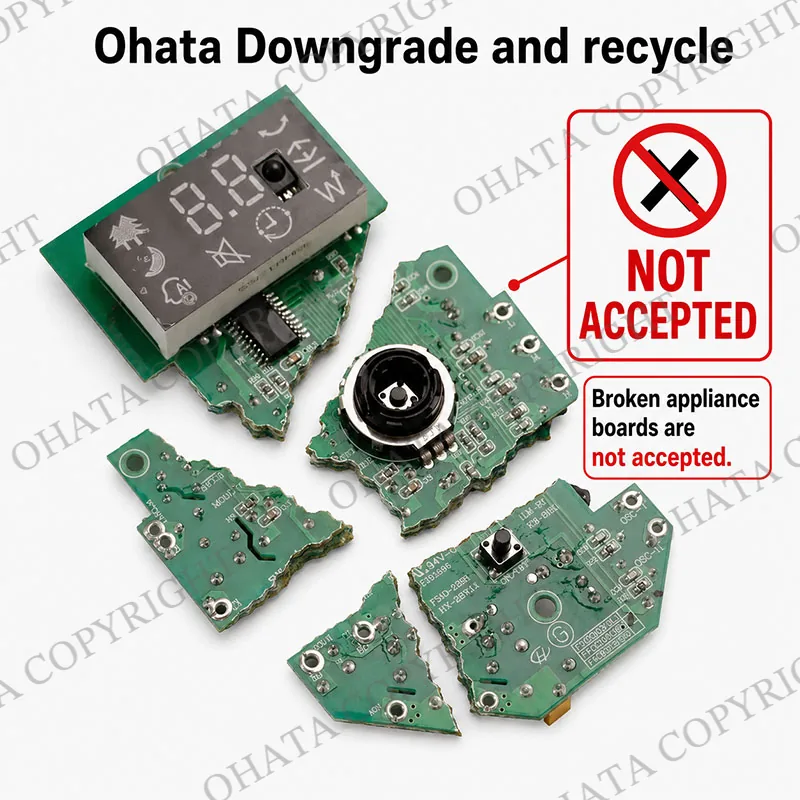
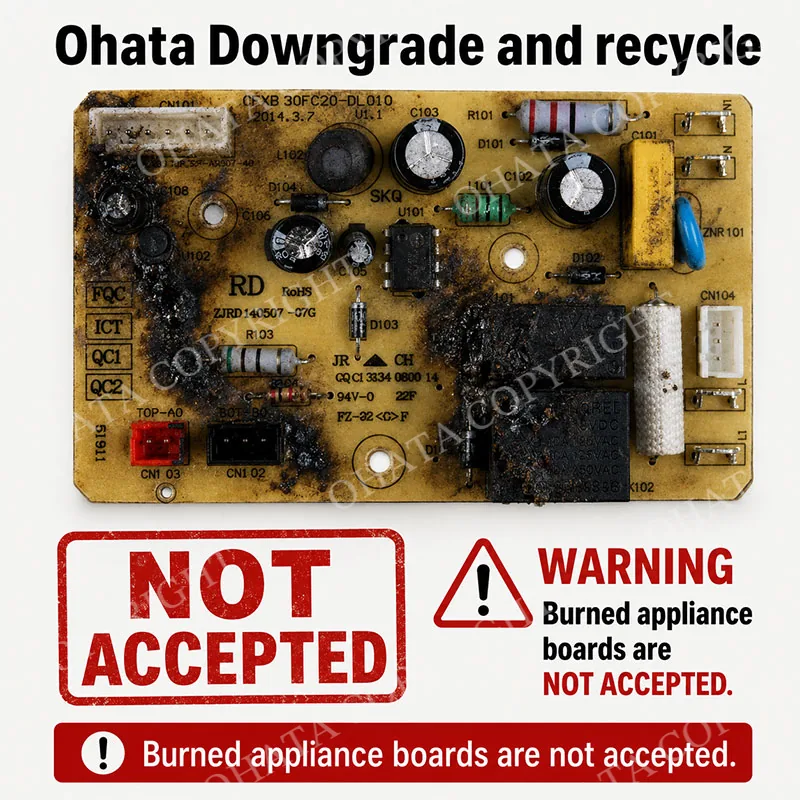
Boards may be downgraded or rejected if major components are missing or if they have severe corrosion, battery leakage, burn damage, heavy contamination, extensive water damage, crushed PCB sections, or hazardous materials.
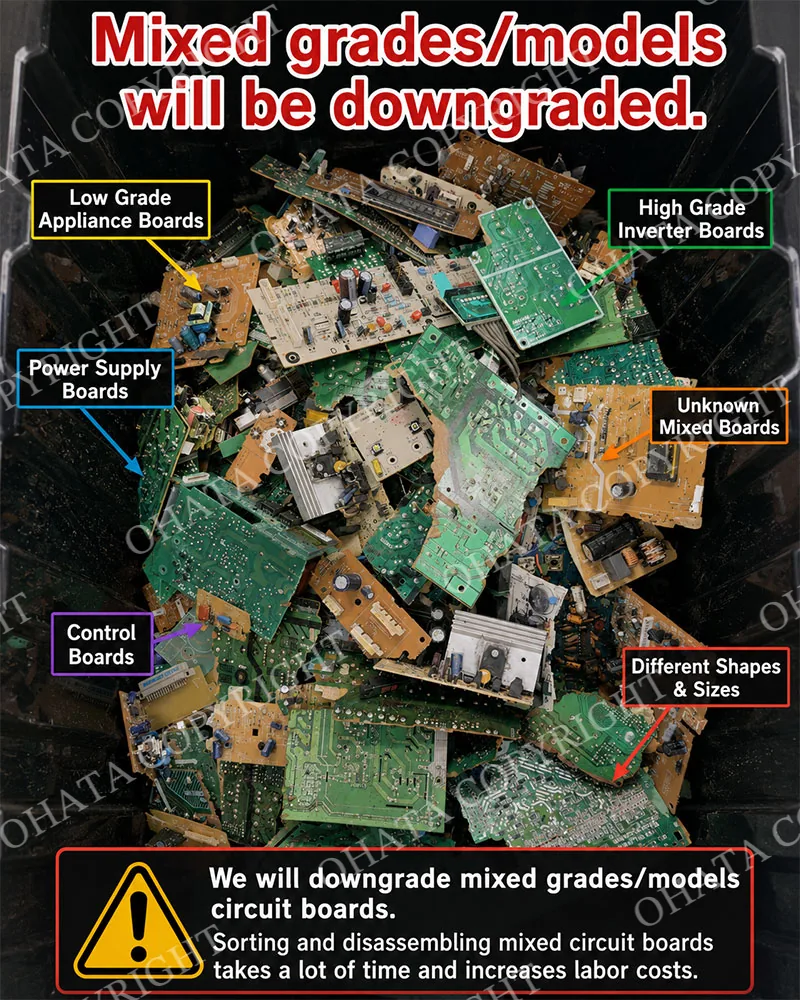
Different board grades should be sorted before delivery. Mixing Appliance Board B with higher-grade boards, computer boards, wires, batteries, plastic scrap, or general electronic waste increases sorting time and may reduce the final evaluation.
Comparison and Classification
Appliance Board B differs from Appliance Board A mainly in component density, electronic complexity, PCB construction, copper content, and overall recoverable value. Appliance Board A generally includes more advanced appliance controllers with heavier copper, larger power sections, more integrated circuits, and higher component density. Appliance Board B typically includes simpler timer boards, fan controllers, LED drivers, battery chargers, display boards, and basic control modules with fewer ICs and simpler layouts.
Large transformers, capacitors, or board size alone do not determine the grade. Likewise, ordinary dirt, age, or a non-working condition does not automatically lower the classification.
Official Ohata Classification
Under the Official Ohata Classification, Appliance Board B Grade includes qualifying low-density circuit boards from household appliances and basic consumer electronic controls.
Typical characteristics include:
Construction: Primarily single-sided or double-sided fiberglass PCB
Primary recoverable material: Copper
Additional recoverable materials: Aluminum, tin, nickel, silver, limited gold, and trace palladium
Typical components: A small number of control ICs, relays, transformers, capacitors, resistors, diodes, voltage regulators, rectifiers, LED displays, and ordinary connectors
Component density: Low
Power electronics: Basic or moderate
Preferred condition: Identifiable, reasonably clean, dry, and substantially complete
Functional requirement: The board does not need to operate
Appliance Board B generally has a simpler layout, fewer integrated circuits, lighter copper-bearing components, and more open PCB space than Appliance Board A. Board size, appliance cost, brand, age, and operating condition do not determine the grade by themselves.
Boards with major components removed, extensive breakage, severe corrosion, burn damage, battery leakage, chemical contamination, or hazardous residue may require another classification or may be rejected after inspection.
Different manufacturers and appliance models may receive the same Appliance Board B Grade price when their boards meet this standard. Final classification, measured weight, and buying value are confirmed after physical inspection.
About OHATA's classification for Appliance circuit boards:
- 1. What is today’s price for Appliance Board B Grade Buying?
- As of Sep 19,2026, Ohata Shoji America Inc., (Seattle, WA, United States) is purchasing Appliance Board B Grade Buying at 0.30 (USD/lb). We provide competitive scrap prices in Seattle, Bellevue, Renton, Tukwila, Kent, SeaTac, Tacoma, Everett, and surrounding communities.
- 2. What is an Appliance Board B Grade circuit board?
- Appliance Board B Grade is a lower-density household appliance PCB category containing relatively simple control or power circuits. These boards generally have fewer ICs, thinner copper traces, smaller transformers, limited relays, and lower recoverable metal concentration than Appliance Board A Grade.
- 3. Which household appliances commonly contain B Grade boards?
- Common sources include electric fans, rice cookers, electric kettles, humidifiers, air purifiers, coffee makers, toasters, portable heaters, vacuum cleaners, LED lighting products, battery chargers, timer modules, display panels, and simple consumer power supplies.
- 4. Does the circuit board need to work?
- No. Ohata purchases Appliance Board B Grade materials for recycling and metal recovery. Functional operation is not required. A non-working board may still qualify when it remains complete, identifiable, reasonably clean, dry, and safe to process.
- 5. How is Appliance Board B Grade different from A Grade?
- B Grade boards usually have simpler layouts, fewer ICs, smaller transformers, fewer relays, lighter power sections, thinner copper pathways, and more open PCB space. A Grade boards generally have denser electronics, heavier copper-bearing components, more complex power control, and higher recoverable material value.
- 6. Does a large board automatically qualify for a higher grade?
- No. Physical size alone does not determine recycling grade. A large display or timer board may contain very little recoverable metal. Classification depends on component density, copper-bearing parts, PCB construction, power electronics, transformers, relays, connectors, and overall material content.
- 7. Can boards with missing components still be accepted?
- Boards with minor missing parts may require separate evaluation. Boards with removed microcontrollers, transformers, relays, power devices, connectors, or large PCB sections may have reduced recoverable material content and may be downgraded or purchased at a lower value.
- 8. What conditions may cause rejection or downgrading?
- Severe corrosion, extensive water damage, burned sections, chemical contamination, heavy oil, battery leakage, crushed boards, missing PCB areas, hazardous residues, and unidentified materials may cause downgrading or rejection. Boards mixed with garbage or unrelated electronic waste may also receive a lower assessment.
- 9. What does AI-powered digital commerce mean?
- AI-powered digital commerce refers to using artificial intelligence to improve online services, such as assisting with electronic board identification, streamlining customer inquiries, and supporting efficient buying and recycling processes.
- 10. Why is electronic waste recycling important?
- Electronic waste contains valuable metals and reusable materials. Responsible recycling helps conserve natural resources, reduce landfill waste, and support a more sustainable circular economy.
- 11. How does digital commerce improve the recycling process?
- Digital commerce makes the recycling process more convenient by providing online information, simplifying communication, improving transparency, and helping customers connect with recycling services more efficiently.
- 12. How does your business help reduce electronic waste?
- By encouraging the reuse and recycling of electronic equipment, we help divert usable materials from disposal and recover valuable resources that can re-enter the manufacturing supply chain.
Related Items
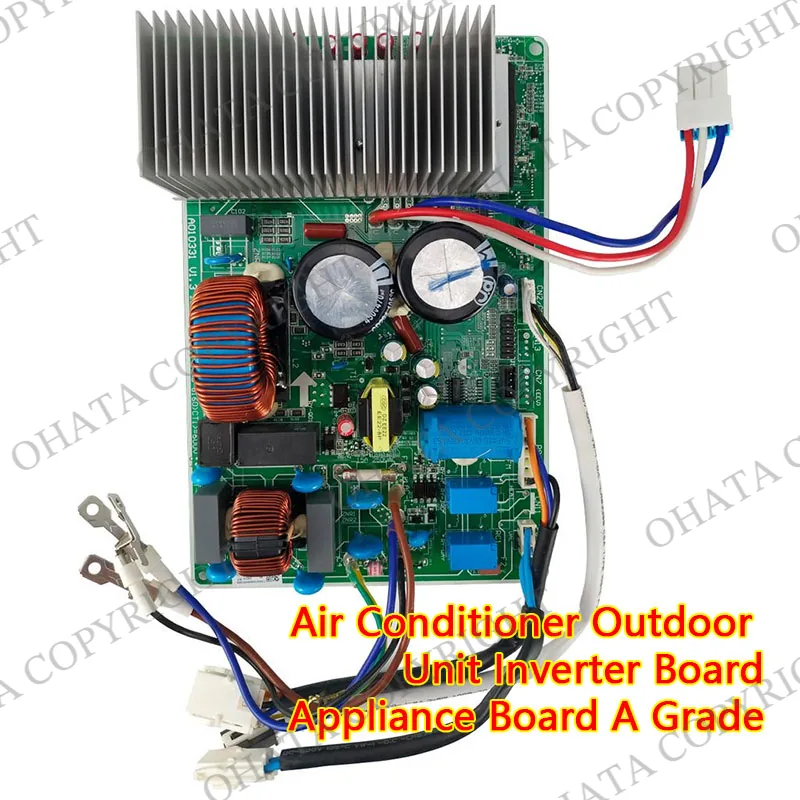
Appliance Board A Grade (Mid-Grade Mixed Boards) Buying
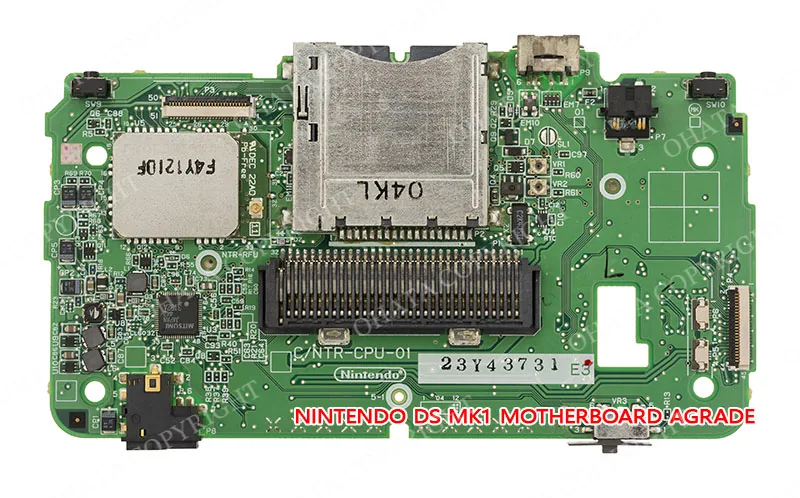
Board A Grade (Premium Computer Board) Buying
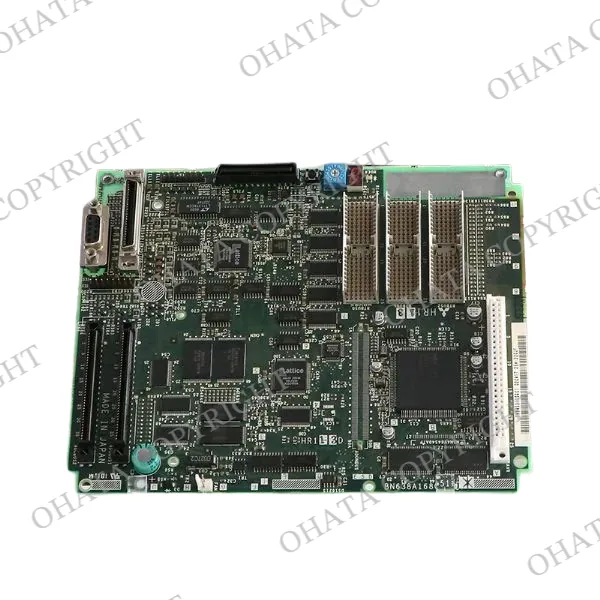
Board A+ Grade (Industrial and Enterprise Board) Buying
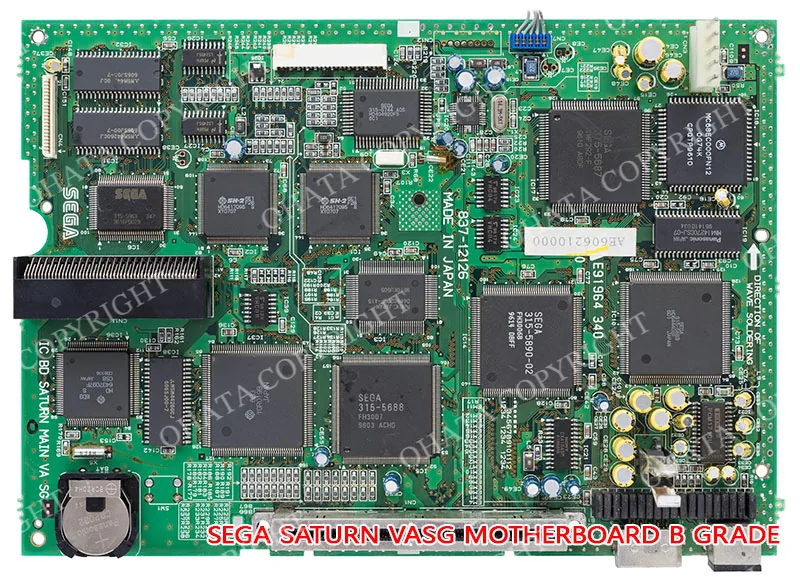
Board B Grade (medium value board) buying
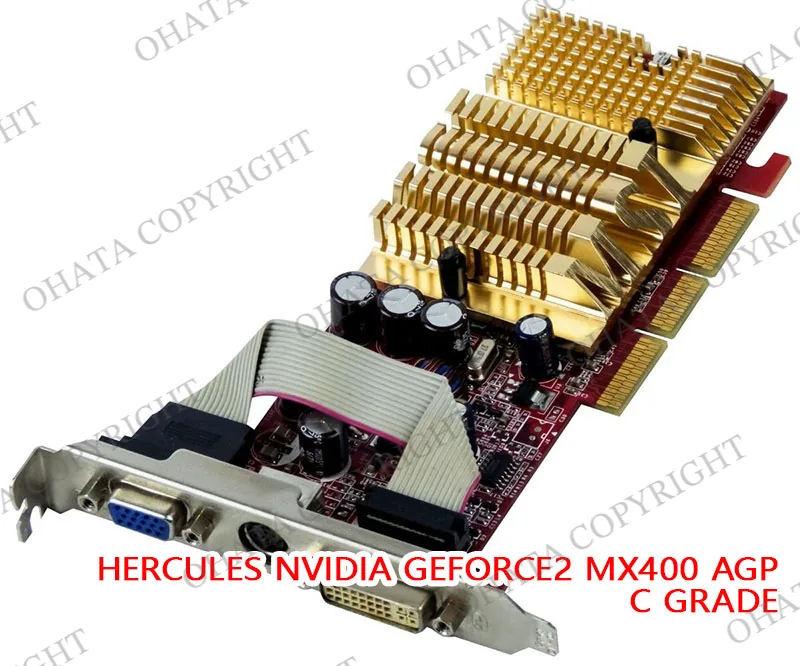
Board C Grade (Lower Premium Board) buying
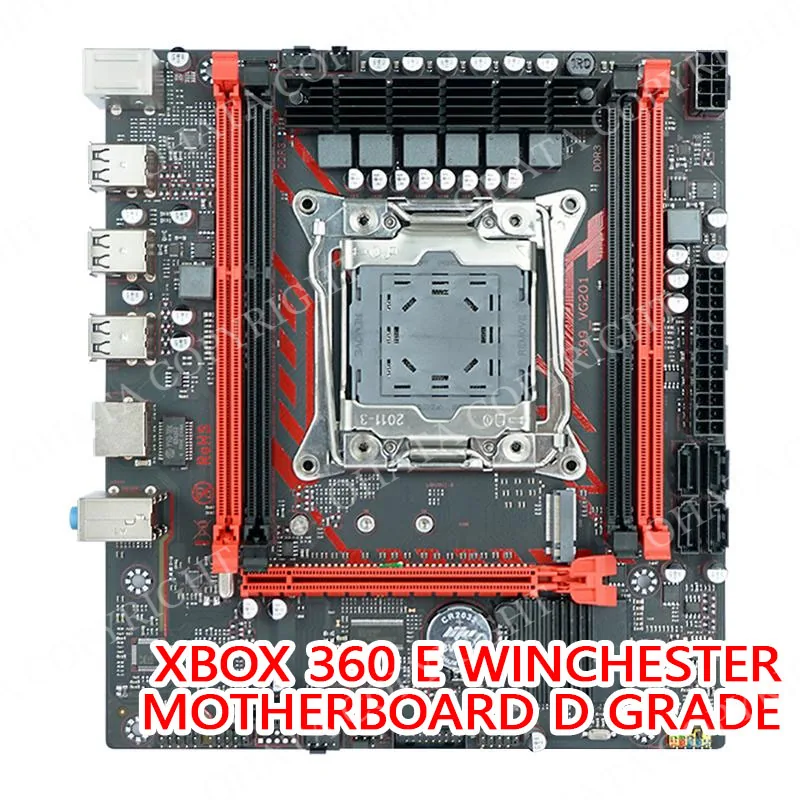
Board D Grade (Lower Computer Board) Buying
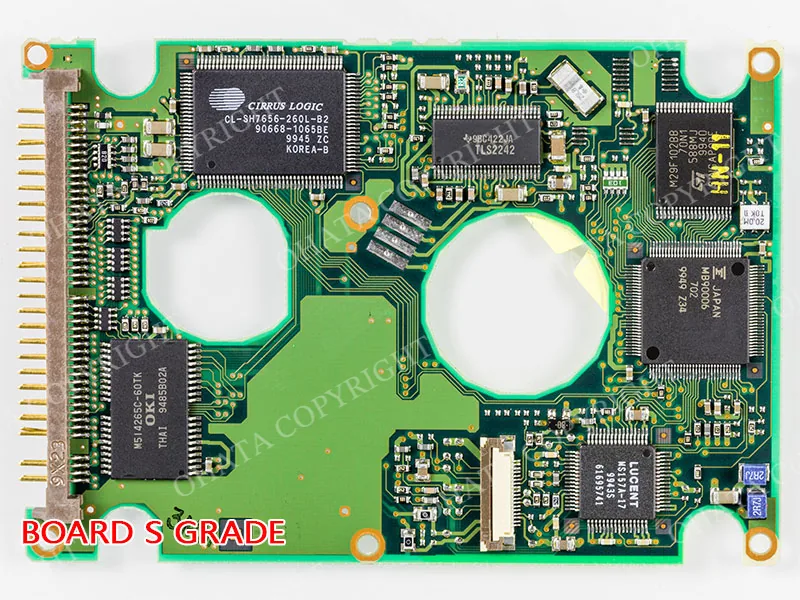
Board S Grade (High-End Computer Board) Buying