
-
We purchase CPU E Grade (Plastic IC and Processor Chips) material starting from just 1 lb.
-
CPU E Grade covers low-yield plastic-packaged processors, microcontrollers, and IC chips with limited precious-metal content. All components meeting the Ohata E Grade standard are purchased at the same grade price.
-
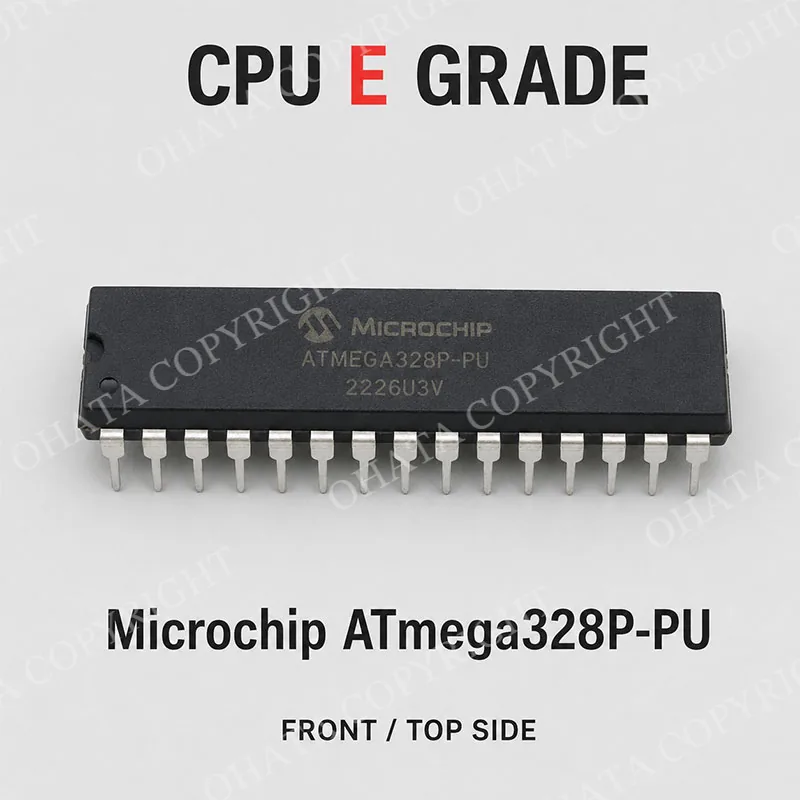
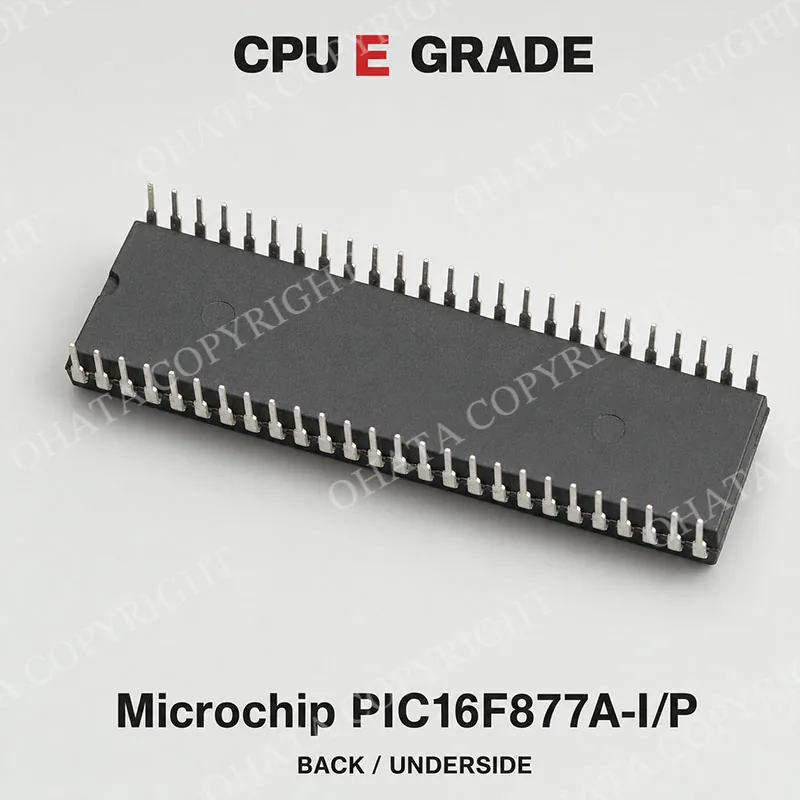
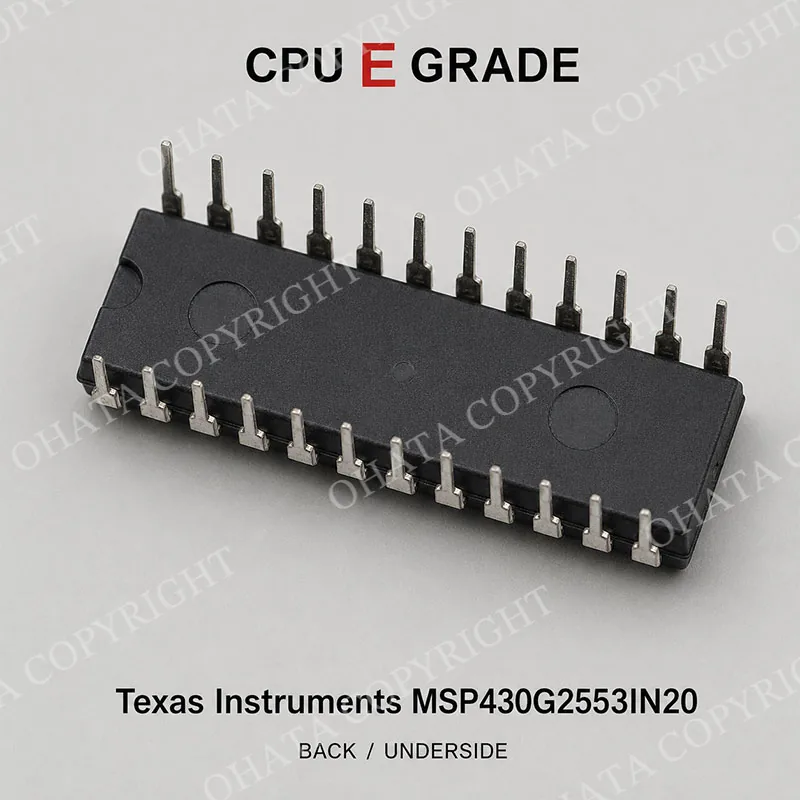
Typical examples include qualifying Microchip ATmega and PIC microcontrollers, Texas Instruments MSP430 devices, and comparable plastic processor or control ICs.
-
Classification is based on the component’s package construction, contact type, completeness, condition, and recoverable-material profile, not its brand, model, performance, age, or original retail price.
-
Please keep components complete, dry, reasonably clean, and separated from circuit boards and other CPU grades when practical.
-
Final classification, measured weight, and buying price are confirmed after physical inspection.
CPU E Grade ( Plastic IC and Processor Chips) Buying scrap price
-
We purchase CPU E Grade (Plastic IC and Processor Chips) material starting from just 1 lb.
-
CPU E Grade covers low-yield plastic-packaged processors, microcontrollers, and IC chips with limited precious-metal content. All components meeting the Ohata E Grade standard are purchased at the same grade price.
-
Typical examples include qualifying Microchip ATmega and PIC microcontrollers, Texas Instruments MSP430 devices, and comparable plastic processor or control ICs.
-
Classification is based on the component’s package construction, contact type, completeness, condition, and recoverable-material profile, not its brand, model, performance, age, or original retail price.
-
Please keep components complete, dry, reasonably clean, and separated from circuit boards and other CPU grades when practical.
-
Final classification, measured weight, and buying price are confirmed after physical inspection.
Buying Details of Conditions
Learn more about identifying and sorting E Grade circuit boards in our Wiki: Ohata CPU Scrap Classification Wiki
Learn more about: CPU Scrap Classification Guide: CPU-SSS to CPU-F
Introduction, Construction, Components, and Recycling Value
CPU E Grade is the Ohata recycling classification for qualifying plastic-packaged processors, microcontrollers, logic devices, and related IC chips with relatively limited precious-metal content. Common examples include DIP-style microcontrollers and comparable processor or control chips with plastic bodies and metal pins.
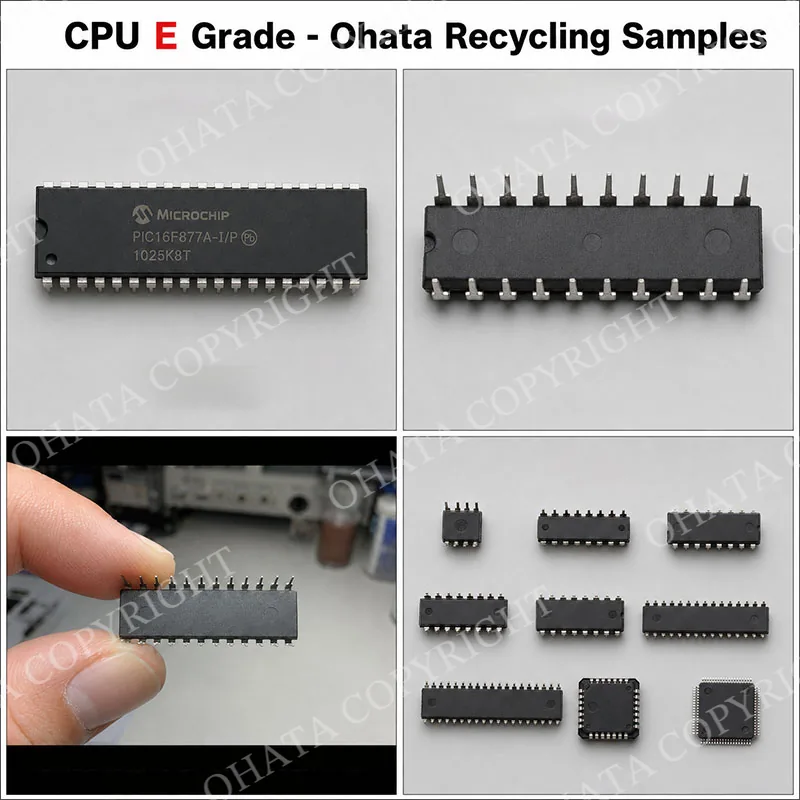
These components may contain a silicon die, plastic encapsulation, copper or other internal conductors, metal pins, solder, and small quantities of gold, silver, nickel, or palladium. Their recoverable-material concentration is generally lower than that of higher CPU grades. Classification is based on package construction, contact type, completeness, condition, and expected material recovery rather than brand, model, performance, age, or original retail price.
Ohata CPU E Grade Classification, Identification Guide
A component may be classified as CPU E Grade when its package construction and recoverable-metal content correspond to the Ohata E Grade standard. Common indicators include:
Low precious-metal concentration and limited gold-plated contact areas
Lightweight plastic or organic construction with a comparatively low expected refining yield
Model names alone do not determine the grade. Components with similar dimensions can belong to different categories because of differences in package material, contact plating, internal connections, or overall construction.
Different CPU and IC grades should be separated whenever practical. Mixed grades are acceptable, but they may require separate inspection, sorting, weighing, and pricing. Different brands and models may remain together when all components genuinely meet the CPU E Grade standard.
Recoverable Materials, Buying Standards, and Handling
Recoverable materials may include copper from internal traces and heat-spreading structures, small quantities of gold from contacts or internal connections, silver from solder alloys, nickel from barrier plating, and minor amounts of palladium in certain internal components. Actual recovery varies considerably between processor families.
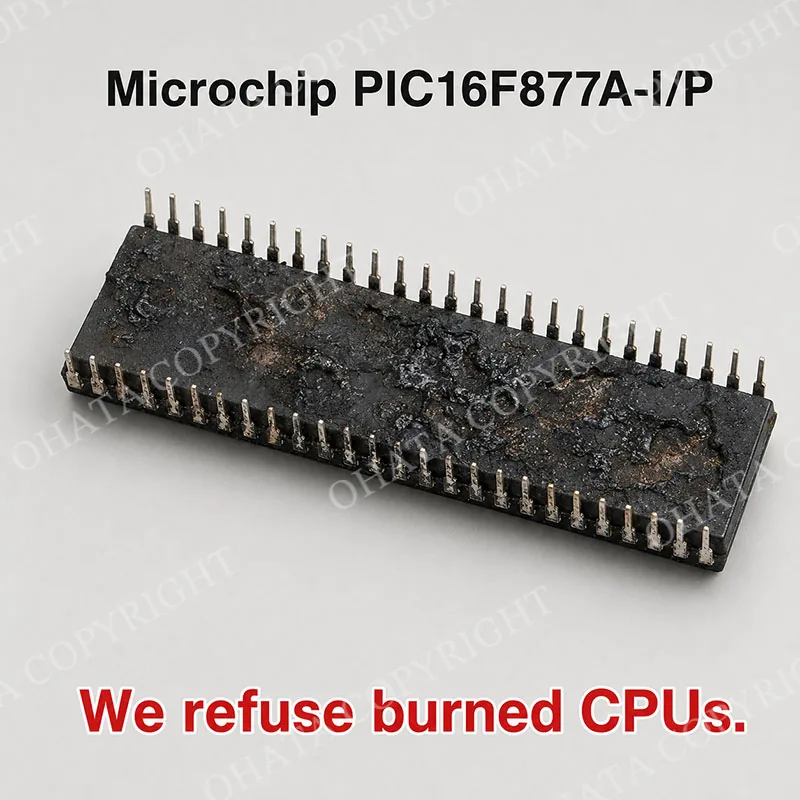
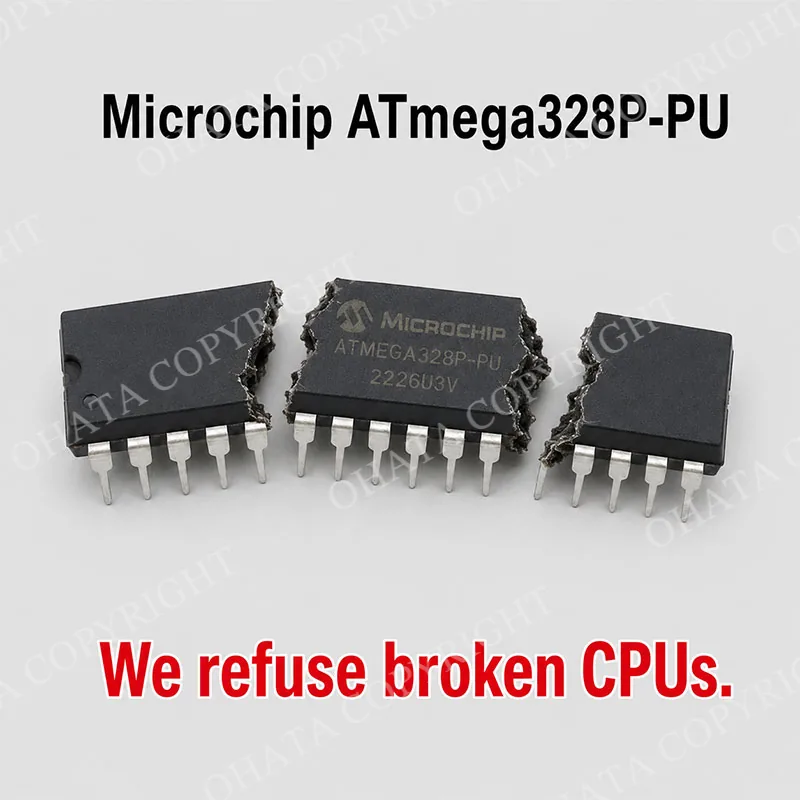
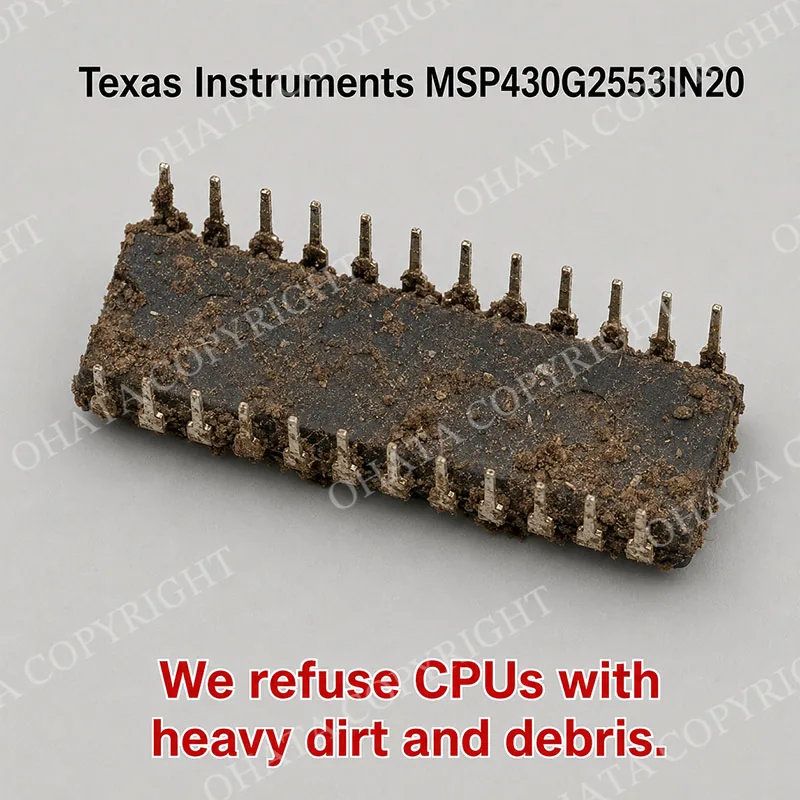
CPUs should be supplied dry, reasonably clean, and separated from motherboards, heatsinks, fans, sockets, and unrelated electronic scrap. Sellers should not grind, chemically treat, burn, or deliberately break the processors. Heavy contamination, severe corrosion, fire damage, missing substrates, excessive solder, or evidence of chemical processing may cause a downgrade or rejection. Final grading is confirmed after physical inspection and weighing.
Comparison, and Official Ohata Classification
Higher CPU grades normally contain more valuable package structures, larger gold-plated areas, richer pin or contact systems, ceramic materials, or greater precious-metal recovery potential. CPU D Grade generally offers better recoverable-metal density or a more valuable construction than E Grade. Grades above D represent progressively stronger recycling characteristics according to the Ohata standard.
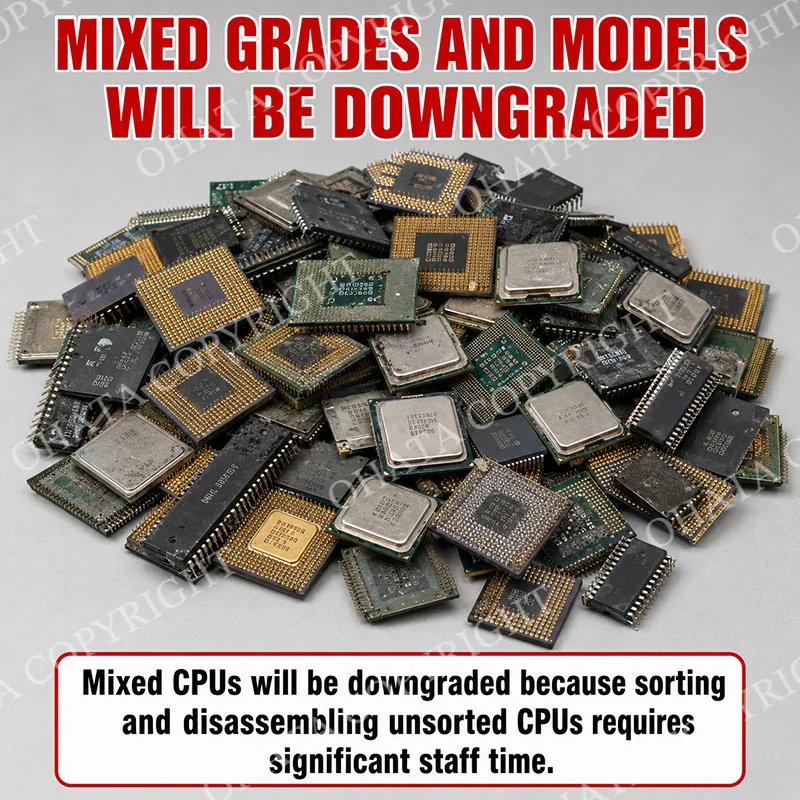
CPU E Grade should therefore be understood as a material-value category rather than a list of individual models. Performance, original retail price, and brand reputation do not increase the recycling grade. If a CPU satisfies the E Grade construction and condition requirements, it is purchased at the E Grade rate. The final classification is determined by Ohata’s current official inspection standard and the condition of the delivered material.
View more Ohata's CPU recycling classifications
CPU SS Grade ( High Grade Ceramic CPU)
CPU S Grade ( Gold Pin BGA CPU)
CPU B Grade ( BGA CPU and IC chips)
CPU D Grade ( Slot CPU/ CPU Module)
- 1. What is today’s price for CPU E Grade ( Plastic IC and Processor Chips) Buying?
- As of Sep 19,2026, Ohata Shoji America Inc., (Seattle, WA, United States) is purchasing CPU E Grade ( Plastic IC and Processor Chips) Buying at 1.50 (USD/lb). We provide competitive scrap prices in Seattle, Bellevue, Renton, Tukwila, Kent, SeaTac, Tacoma, Everett, and surrounding communities.
- 2. What is CPU E Grade?
- CPU E Grade is the Ohata classification for qualifying low-yield plastic-packaged processors, microcontrollers, and related IC chips with limited precious-metal content.
- 3. Is CPU E Grade determined by the processor model?
- No. Classification depends mainly on package construction, contact type, substrate material, physical condition, and expected refining yield—not only the model number.
- 4. Does an expensive or high-performance CPU receive a higher recycling grade?
- Not necessarily. Original retail price, processing speed, and brand reputation do not determine scrap grade. Recycling value is based on recoverable materials and package construction.
- 5. Can damaged CPUs still qualify as E Grade?
- Minor normal wear may be acceptable. However, broken substrates, missing sections, fire damage, severe corrosion, heavy contamination, or chemical-processing residue may result in a downgrade or rejection.
- 6. Should different CPU grades be mixed together?
- No. Sellers should separate E Grade CPUs from higher grades before delivery. Mixed grades may require additional sorting and could reduce the final purchase value.
- 7. How should CPU E Grade scrap be prepared for sale?
- Keep the CPUs dry, reasonably clean, and separated from heatsinks, fans, sockets, motherboards, and unrelated electronic scrap. Do not burn, crush, grind, or chemically treat them.
- 8. Who makes the final CPU E Grade decision?
- Ohata inspectors determine the final grade after checking the CPUs’ construction, contact system, completeness, cleanliness, physical condition, and expected material recovery value.
- 9. What is Ohata Shoji America Inc.?
- We are a premier Green-Tech E-Commerce platform specializing in sustainable electronic scrap procurement.
- 10. How does the company transform electronic waste into valuable resources?
- We process electronic scrap to extract precious metals and securely refurbish functional hardware for secondary online marketplaces.
- 11. What role does AI play in your e-commerce platform?
- We use AI to run our dynamic digital valuation engines, matching global commodity markets to give users instant, transparent pricing.
Related Items
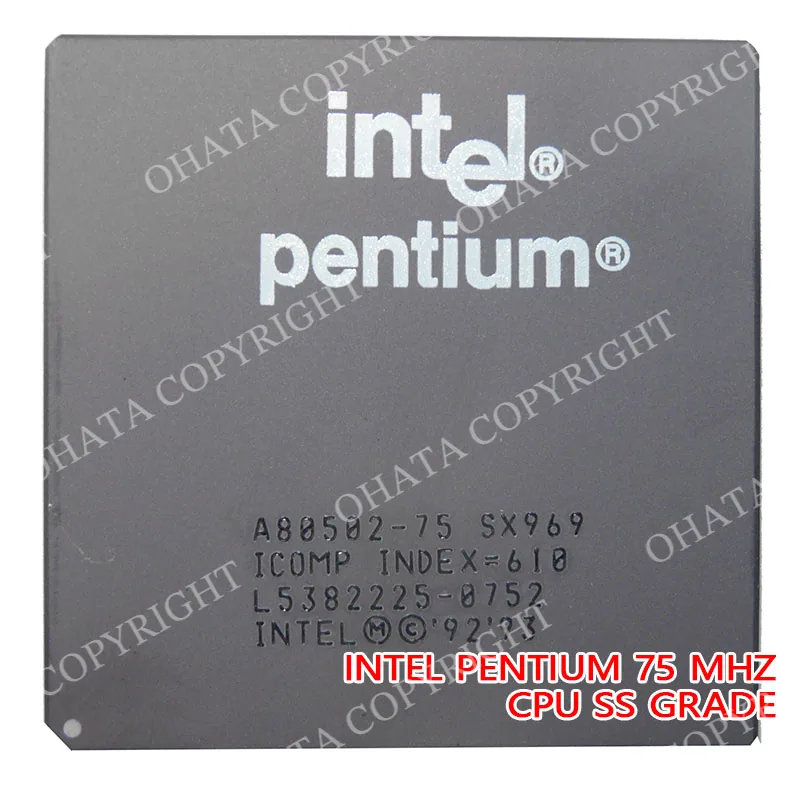
CPU SS Grade ( High Grade Ceramic CPU) Buying
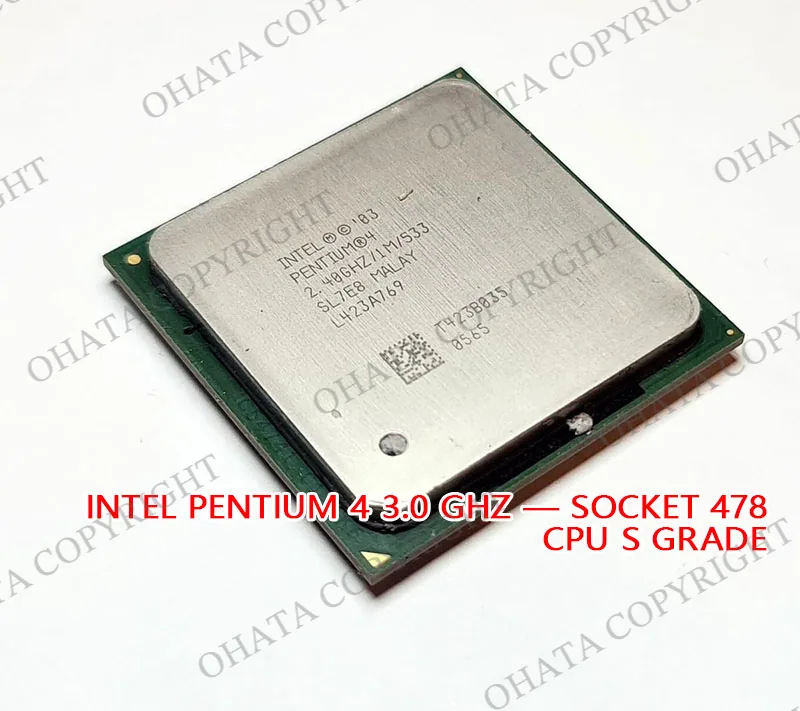
CPU S Grade (Gold-Pin PGA CPU) Buying
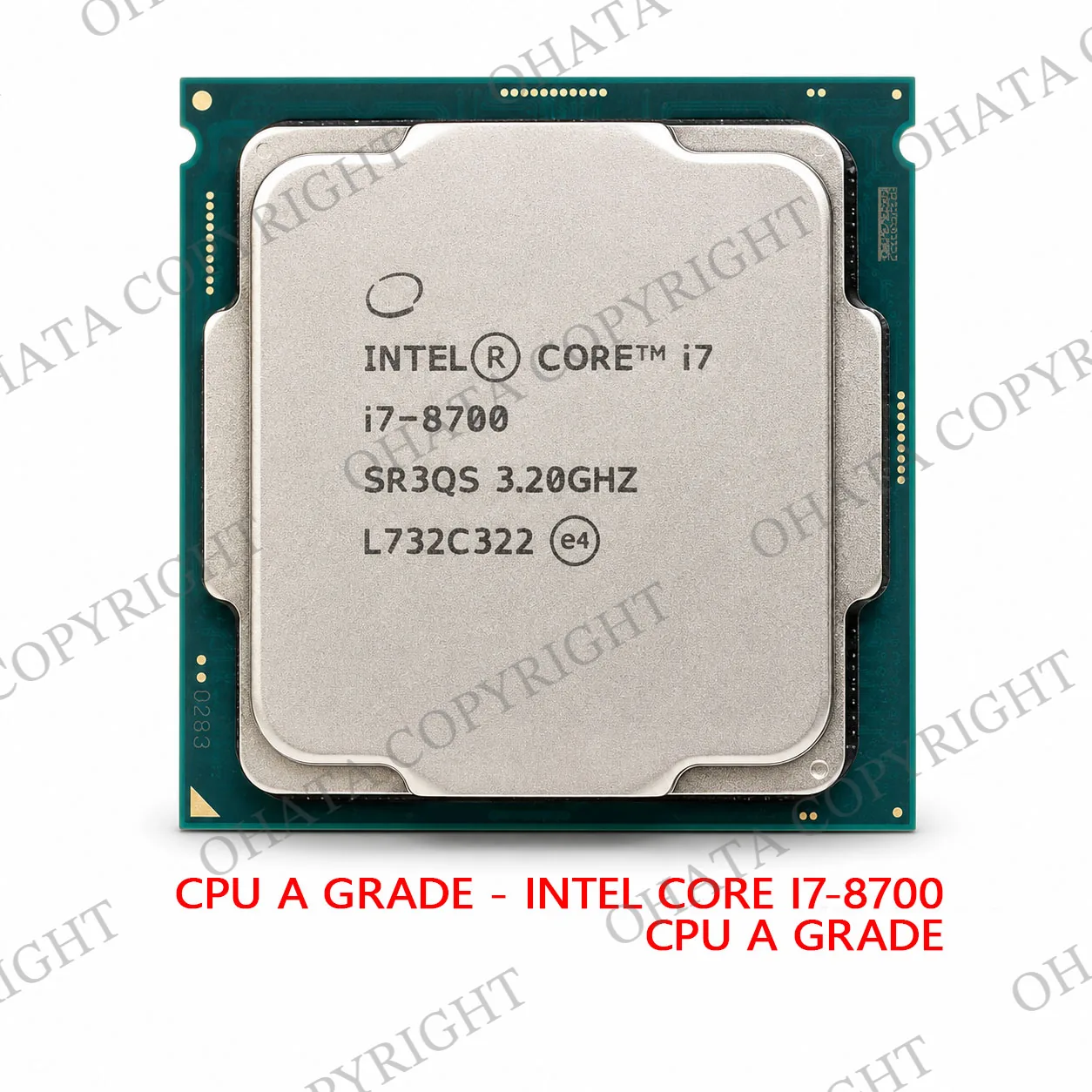
CPU A Grade ( Modern LGA CPU) Buying
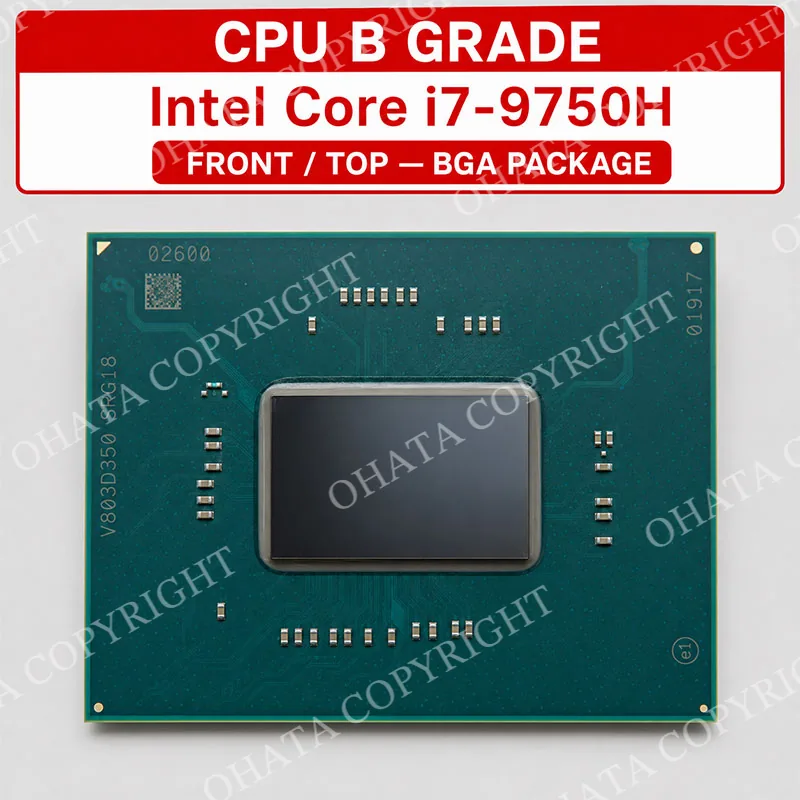
CPU B Grade ( BGA CPU and IC chips) Buying
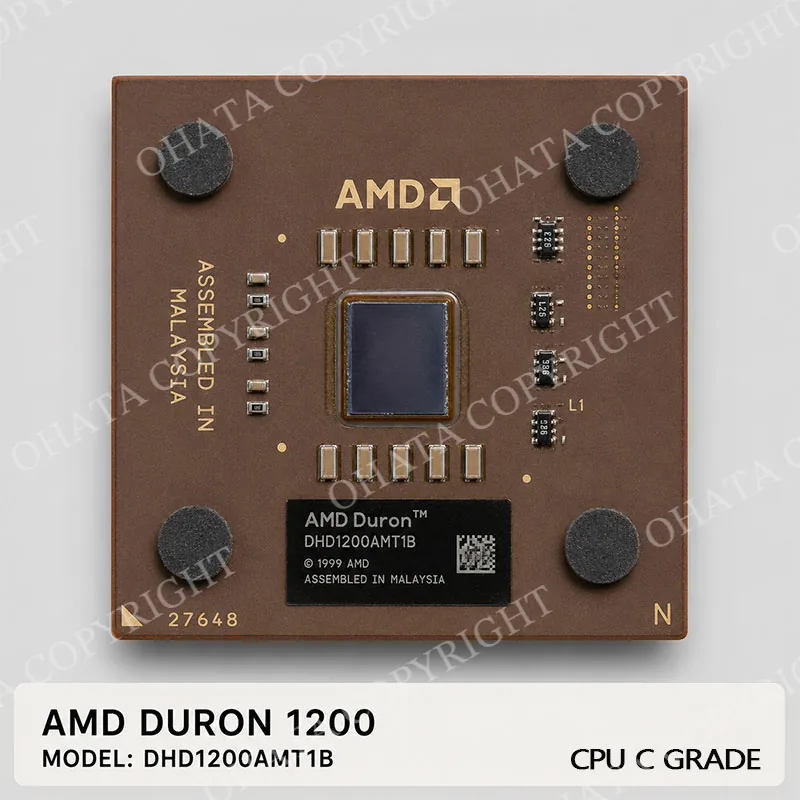
CPU C Grade ( Fiber CPU) Buying
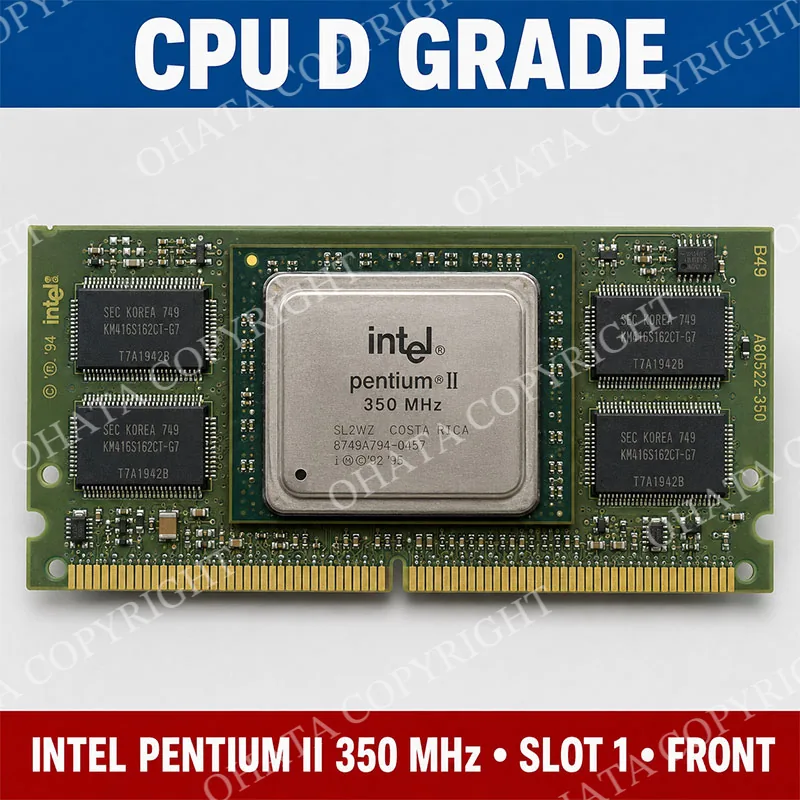
CPU D Grade ( Slot CPU/ CPU Module) buying