
-
We buy Hard Disk Drive (HDD) Platters from a minimum of 1 lb.
-
Hard Disk Drive (HDD) Platters covers loose magnetic recording disks removed from mechanical hard drives. All platters meeting the Ohata Hard Disk Drive (HDD) Platters standard are purchased at the same category price.
-
Qualifying platters may have aluminum, glass, or glass-ceramic substrates with thin magnetic and protective surface coatings. Brand, model, storage capacity, and production year do not independently determine the classification.
-
Buying value is based on substrate material, cleanliness, condition, attached hardware, contamination, preparation, and processing requirements, not the original hard-drive price or advertised storage capacity.
-
Keep HDD platters separate from complete hard drives, circuit boards, motors, magnets, actuator arms, housings, screws, optical discs, and unrelated material. Mixed substrate types or conditions may require separate inspection, sorting, weighing, and pricing.
Hard Disk Drive (HDD) Platters Buying scrap price
-
We buy Hard Disk Drive (HDD) Platters from a minimum of 1 lb.
-
Hard Disk Drive (HDD) Platters covers loose magnetic recording disks removed from mechanical hard drives. All platters meeting the Ohata Hard Disk Drive (HDD) Platters standard are purchased at the same category price.
-
Qualifying platters may have aluminum, glass, or glass-ceramic substrates with thin magnetic and protective surface coatings. Brand, model, storage capacity, and production year do not independently determine the classification.
-
Buying value is based on substrate material, cleanliness, condition, attached hardware, contamination, preparation, and processing requirements, not the original hard-drive price or advertised storage capacity.
-
Keep HDD platters separate from complete hard drives, circuit boards, motors, magnets, actuator arms, housings, screws, optical discs, and unrelated material. Mixed substrate types or conditions may require separate inspection, sorting, weighing, and pricing.
Buying Details of Conditions
Introduction, Construction, Components, and Recycling Value
The Ohata Hard Disk Drive (HDD) Platters grade covers loose magnetic recording platters that have been removed from mechanical hard drives and prepared as a recognizable, reasonably clean recycling commodity. category is not limited to a particular Seagate, Western Digital, Toshiba, Hitachi, HGST, Samsung, Fujitsu, or IBM model. If the material meets the physical and contamination requirements of the grade, it is evaluated and priced as Hard Disk Drive (HDD) Platters. Brand names and model numbers may assist with identification and traceability, but they do not automatically determine the recycling grade or price.
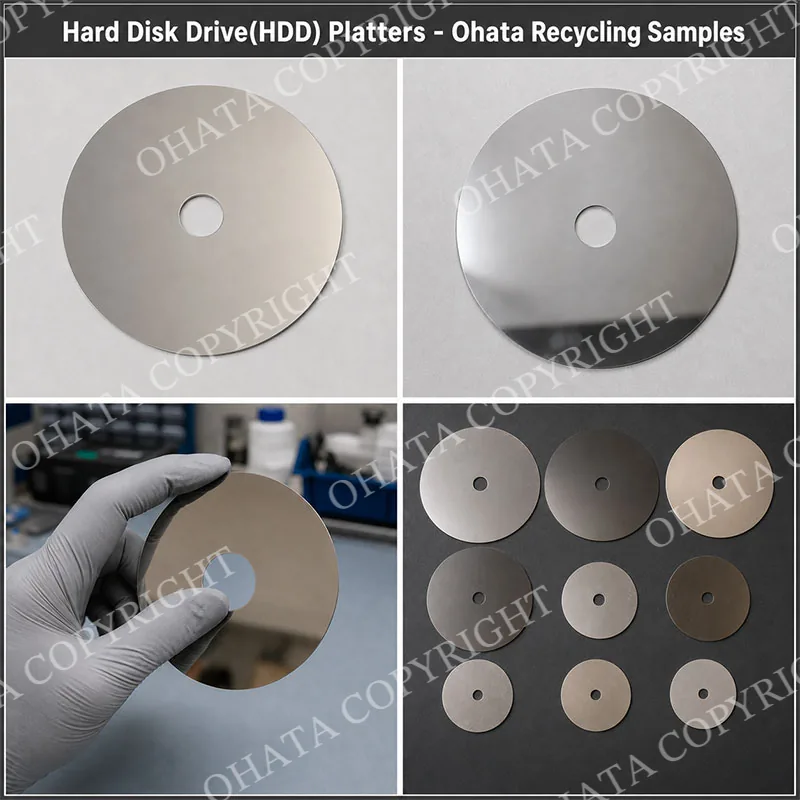
An HDD platter normally consists of a rigid circular substrate covered with extremely thin functional layers. Depending on the drive generation and manufacturer, the substrate may be:
Aluminum or an aluminum alloy
Glass
Glass-ceramic material
Other specialized rigid substrate material
Each platter is coated with extremely thin magnetic and protective layers that may contain cobalt, chromium, nickel, platinum, ruthenium, or related metals. These coatings are microscopic and should not be interpreted as significant precious-metal content.
Most recycling value comes from the aluminum or glass substrate, with value influenced by substrate type, quantity, cleanliness, condition, and downstream processing requirements rather than drive capacity.
Customers looking to recycle Hard Disk Drive(HDD) Platters can also browse our related buying categories.
Classification and Identification Guide
A qualifying platter is generally:
Circular, thin, and rigid
Manufactured for a mechanical HDD
Coated with a smooth magnetic recording surface
Designed with a central spindle opening
Removed from the HDD enclosure
Free from attached circuit boards, motors, magnets, and actuator assemblies
Reasonably clean and suitable for safe sorting and processing
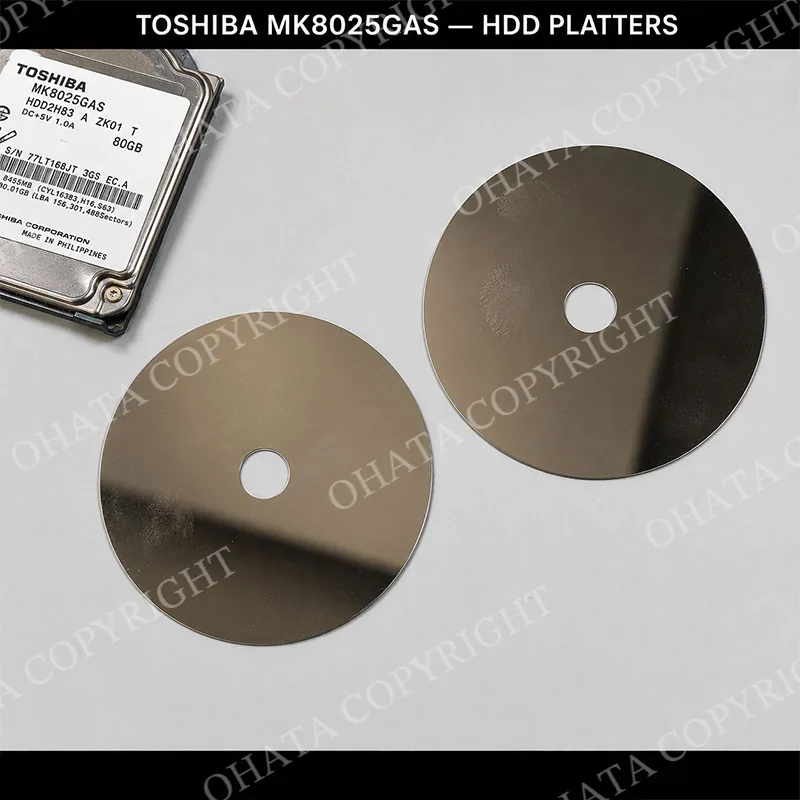
HDD platters usually have a smooth, highly reflective surface. Some appear silver, smoky gray, dark gray, or slightly champagne-colored under different lighting. Surface color alone must not be used to determine substrate composition, precious-metal content, brand, model, or grade.
Both sides of an HDD platter may function as magnetic recording surfaces. Consequently, there is usually no meaningful “front” and “back” comparable to the component side and solder side of a circuit board. For inspection purposes, the two surfaces may be called Side A and Side B, but this naming does not represent different recycling grades.
To identify this category correctly, inspectors should confirm the following:
Confirm that the item is an HDD platter.
It must originate from a magnetic hard drive, not an optical drive.Exclude CDs, DVDs and Blu-ray discs.
Optical discs are usually plastic, often show rainbow reflections, and do not belong in the HDD platter category.Inspect the centre opening and structure.
A platter should have a precision central opening associated with the HDD spindle assembly. Loose clamps, spacers and hub hardware should be removed unless the purchasing agreement states otherwise.Check for attached components.
Spindle motors, read/write heads, actuator arms, magnets, screws, housings and PCBs must be separated.Inspect condition and contamination.
Excessive mud, oil, adhesives, debris, fire residue or hazardous contamination can result in rejection or downgrade.Separate different materials where required.
Aluminum-substrate and glass-substrate platters may require different processing. When reliable separation is possible, they should not be mixed without prior approval.
Visual appearance or a magnet test cannot reliably identify substrate composition or coating materials. Material analysis should be used when verification is required.
Recoverable Materials, Buying Standards, and Handling
The principal potentially recoverable material in many HDD platters is aluminum from the substrate. The thin functional layers may contain industrial metals such as cobalt, nickel and chromium, with very small quantities of platinum, ruthenium or related metals in certain platter technologies.
These coating metals should not be overstated. Their concentration, recovery efficiency and economic value depend on the manufacturing technology and the processor’s refining system. Loose HDD platters should never be marketed as solid platinum, high-grade precious-metal scrap, or a guaranteed source of a specific precious metal without analytical evidence.
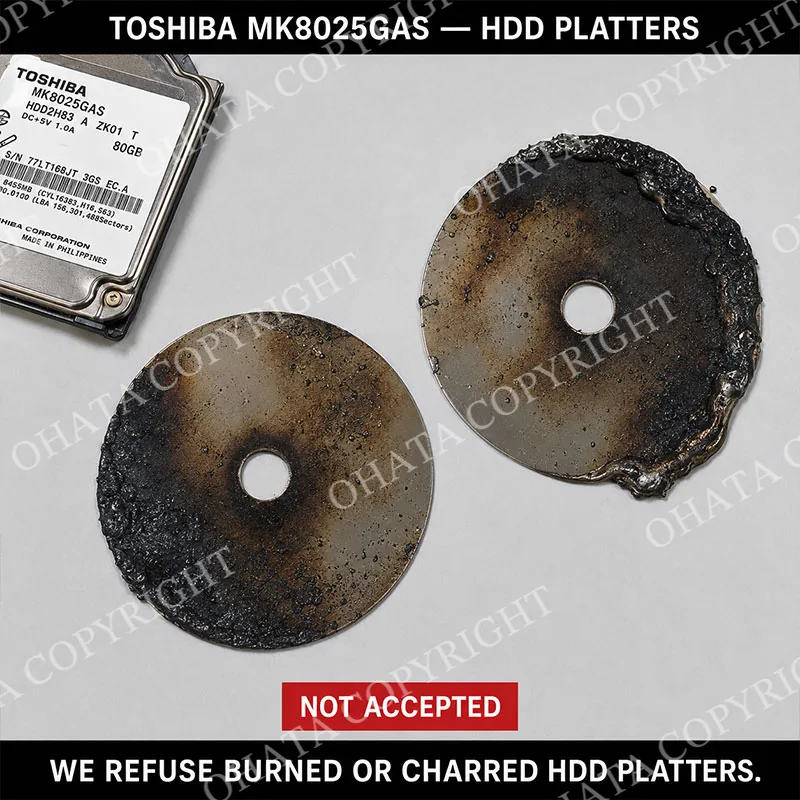
Ohata buying standards generally favor material that is:
Loose and clearly identifiable
Separated from complete HDDs
Free of PCBs, magnets, motors and steel housings
Dry and reasonably clean
Free from hazardous chemicals
Packed safely to prevent injuries and loss
Separated from optical discs and unrelated scrap
Sorted by material or subcategory when requested
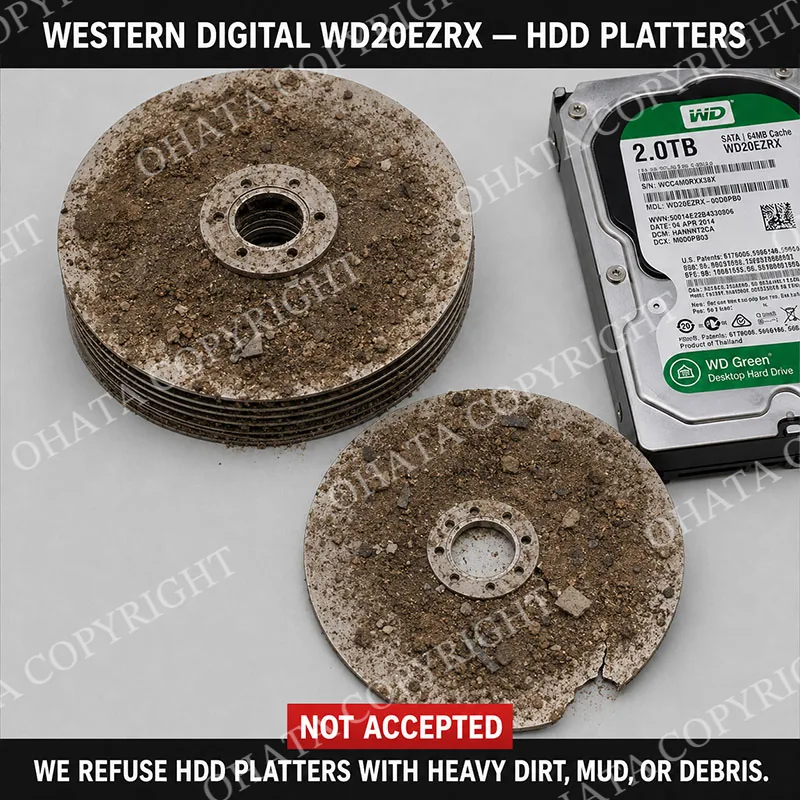
Store platters in sturdy containers and avoid bending, drilling, or breaking them. Keep different substrate types and conditions separated whenever practical. Storage devices may still contain recoverable data and should be handled according to the owner's data-destruction requirements before recycling.
Comparison and Classification
HDD platters must be distinguished from several related recycling categories.
Material
Identification
Classification
Loose HDD platters
Thin, rigid magnetic disks removed from mechanical HDDs
HDD Platters
Complete hard drives
Housing, motor, PCB, magnets and internal platters still assembled
Whole HDD category
HDD circuit boards
Small PCB removed from the underside of a hard drive
HDD Board grade
Spindle motors and hubs
Metal motor assemblies or centre hardware
Motor or mixed-metal category
Actuator magnets
Strong permanent magnets with steel backing
Magnet or mixed-metal category
CDs, DVDs and Blu-ray discs
Plastic optical media with rainbow reflections
Optical-disc/plastic category
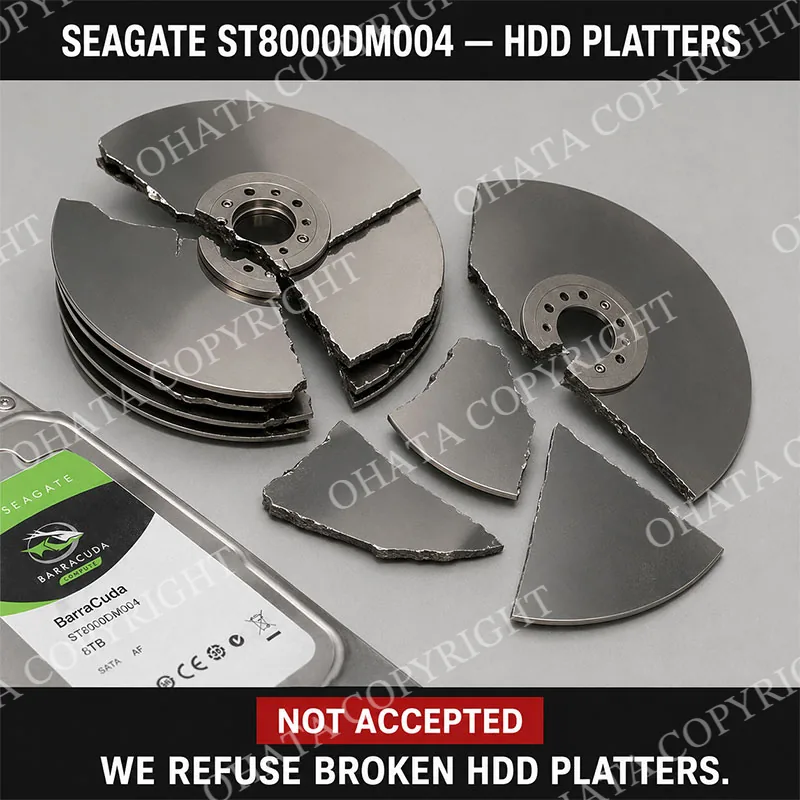
Broken glass platters
Sharp, fragmented platter material
Reject or separate glass category
Burned or heavily contaminated platters
Charred, muddy, oily or debris-covered material
Reject or downgrade
Official Ohata Classification
Under the Official Ohata Classification, this category covers loose magnetic recording platters removed from mechanical hard drives and prepared as an identifiable recycling material.
A qualifying platter will generally have:
Recognizable HDD construction: A thin, rigid circular disk with a precision spindle opening and smooth magnetic recording surfaces
Acceptable substrate material: Aluminum, glass, glass-ceramic, or another rigid substrate used in mechanical hard-drive manufacturing
No attached HDD components: Circuit boards, motors, magnets, actuator arms, housings, screws, clamps, spacers, and other hardware should be removed
Acceptable condition: Dry, reasonably clean, safely contained, and free from hazardous contamination
CDs, DVDs, Blu-ray discs, complete hard drives, HDD controller boards, loose motors, actuator magnets, empty housings, and unrelated materials belong in other categories. Broken glass platters require safe containment and separate inspection because their fragments can be extremely sharp.
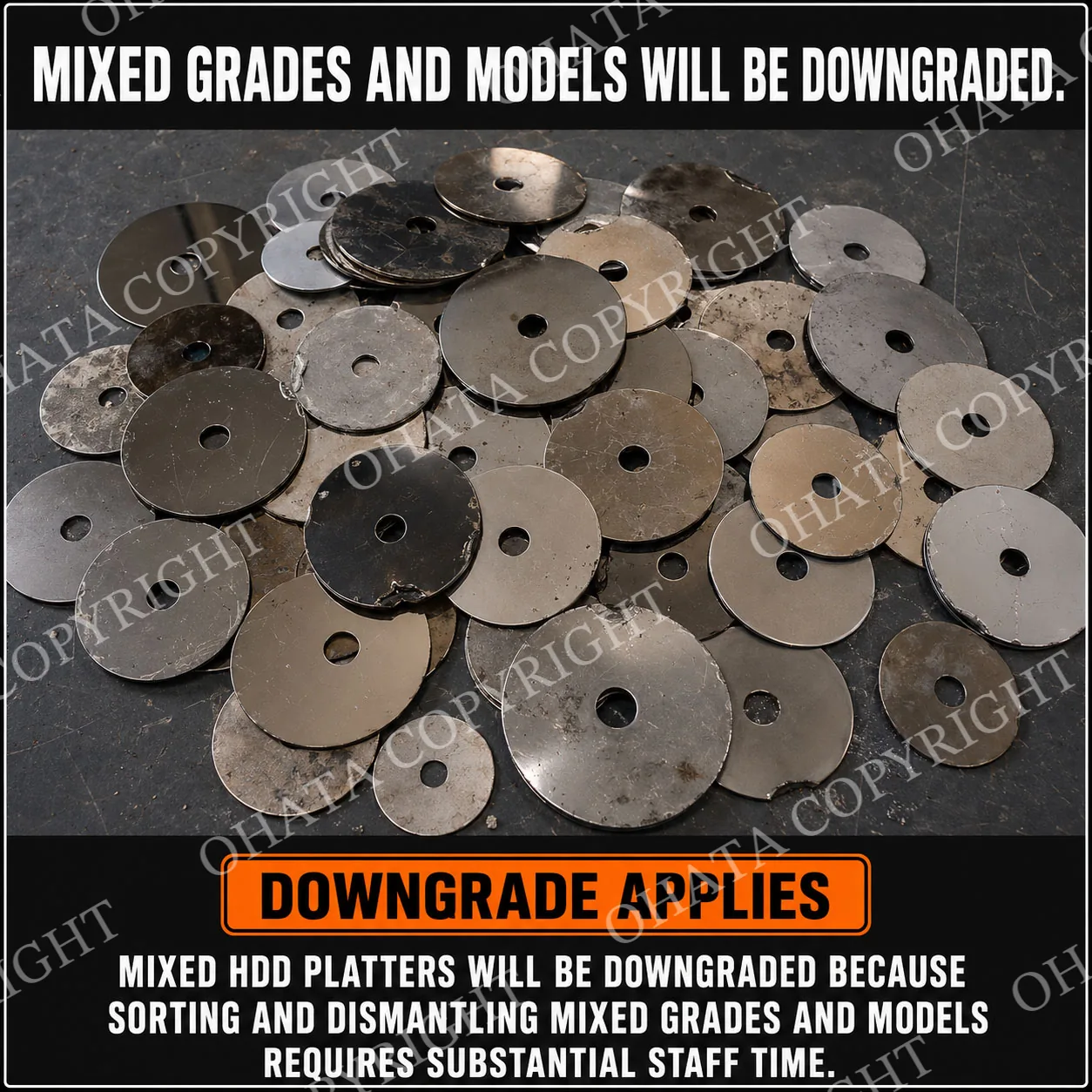
Different manufacturers, models, storage capacities, and production years may receive the same category price when the platters meet the Ohata Hard Disk Drive (HDD) Platters standard. Substrate composition, condition, contamination, and attached material may require additional sorting or separate evaluation. Final classification, measured weight, and buying value are confirmed after physical inspection.
- 1. What is today’s price for Hard Disk Drive (HDD) Platters Buying?
- As of Sep 22,2026, Ohata Shoji America Inc., (Seattle, WA, United States) is purchasing Hard Disk Drive (HDD) Platters Buying at 0.20 (USD/lb). We provide competitive scrap prices in Seattle, Bellevue, Renton, Tukwila, Kent, SeaTac, Tacoma, Everett, and surrounding communities.
- 2. What are Hard Disk Drive (HDD) Platters?
- HDD platters are thin, rigid magnetic recording disks removed from mechanical hard drives. They may use aluminum, glass, or glass-ceramic substrates covered with microscopic magnetic and protective layers.
- 3. Are all HDD platter brands purchased under the same grade?
- Yes. Seagate, Western Digital, Toshiba, HGST, Hitachi, Samsung, Fujitsu, IBM, and other brands may qualify for the same Hard Disk Drive (HDD) Platters grade when they meet Ohata’s acceptance standards.
- 4. Does HDD storage capacity affect the platter recycling price?
- Normally, no. Capacities such as 80 GB, 1 TB, 8 TB, or 20 TB do not independently determine the scrap price. Classification depends primarily on material, cleanliness, condition, preparation, and downstream requirements.
- 5. Do HDD platters contain precious metals?
- Some platter coatings may contain extremely small quantities of platinum, ruthenium, cobalt, nickel, chromium, or other engineered metals. However, these coatings are exceptionally thin and should not be treated as solid or high-grade precious-metal scrap.
- 6. Can complete hard drives be included in this grade?
- No. Complete HDDs contain steel or aluminum housings, circuit boards, motors, magnets, actuator arms, screws, and other components. They must be classified separately or dismantled before their loose platters can qualify for the HDD Platters grade.
- 7. Are CDs and DVDs accepted as HDD platters?
- No. CDs, DVDs, and Blu-ray discs are plastic optical media and commonly display rainbow reflections. They must not be mixed with rigid magnetic HDD platters.
- 8. Are broken HDD platters accepted?
- Severely broken platters may be rejected or assigned to a separate lower-value category. Broken glass platters are especially hazardous because they can produce extremely sharp fragments and require controlled handling.
- 9. How does your digital model help reduce environmental waste?
- By streamlining tech disposal online, we intercept e-waste before landfills, feeding components back into the circular green economy.
- 10. Where are your physical U.S. logistics operations based?
- Our main American operational hub is strategically located in Seattle, Washington, managing regional logistics and tech-driven processing.
- 11. What is an e-commerce scrap business model?
- Unlike traditional stores that sell goods, our portal operates an inbound digital platform where users sell end-of-life electronics to us online.
Related Items

Modern Smart Phone with Battery and Cover Buying
Whole Tower (Desktop Computer) No Hard Drive with board
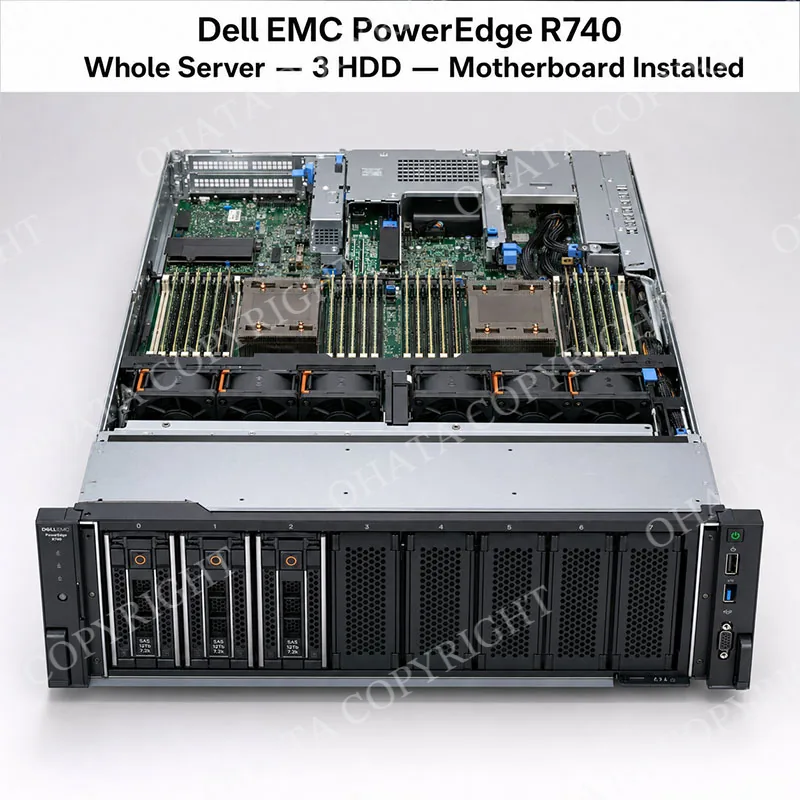
Whole Server With 3 Hard Drive with board buying
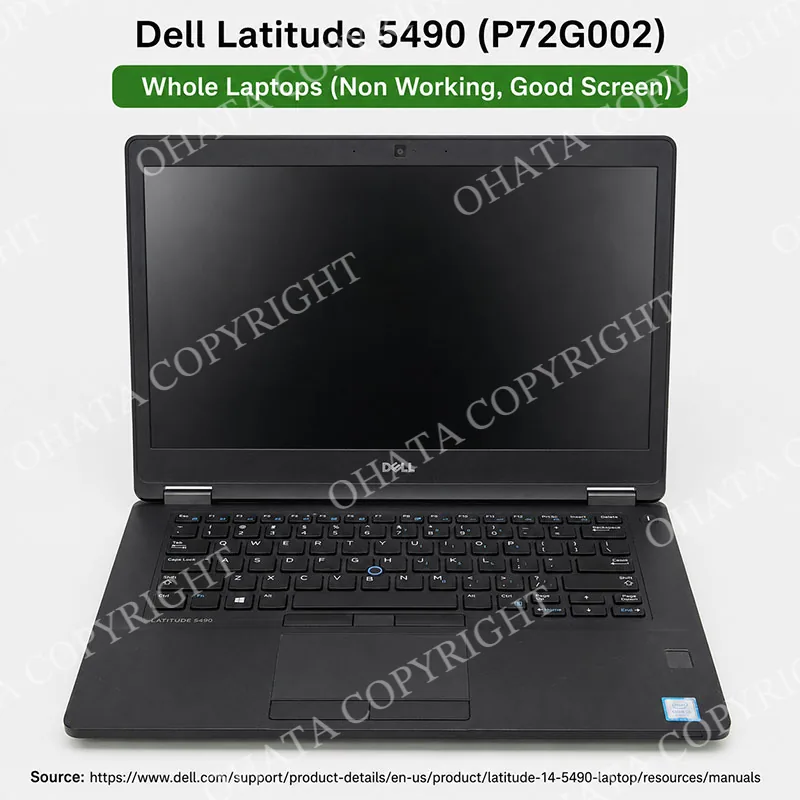
Whole Laptops (Non Working, Good Screen) buying
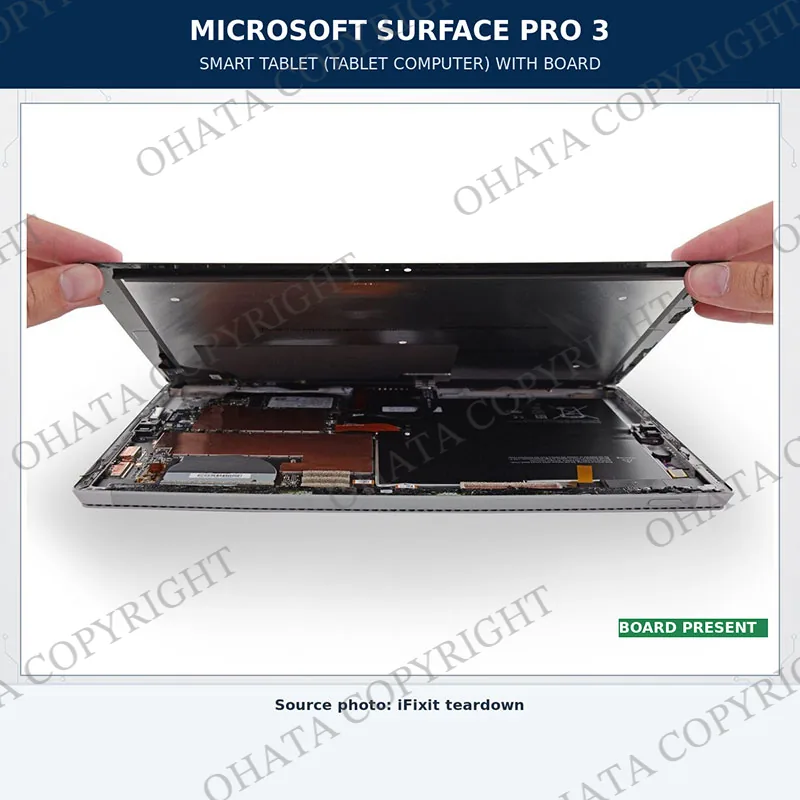
Smart Tablet ( Tablet Computer) with board buying

Smart phone (Non-cell phone) No Battery with board buying
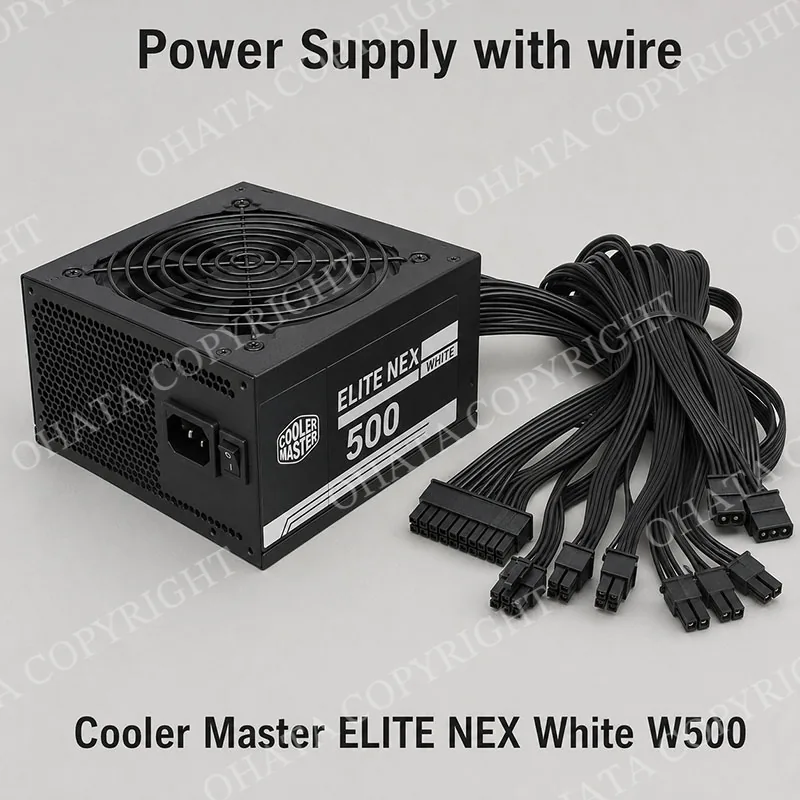
Power Supply with Wire Buying
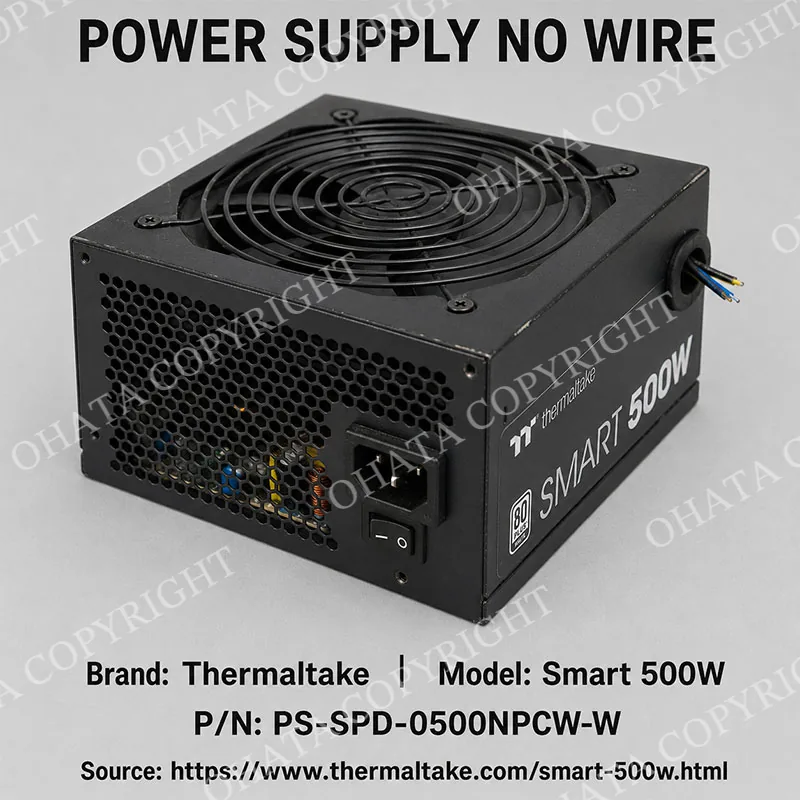
Power Supply No Wire Buying