
-
We buy Plastic Gold Connectors (Non-Metal Connectors) from a minimum of 1 lb.
-
This category covers loose connectors with predominantly plastic or resin housings and identifiable gold-plated electrical contacts. All connectors meeting the Ohata Plastic Gold Connectors standard are purchased at the same category price.
-
Qualifying material may include M.2 sockets, memory sockets, card-edge connectors, IC sockets, board-to-board connectors, backplane connectors, and plastic headers with their original contacts installed and no substantial external metal shell.
-
Buying value is based on contact density, plating, housing construction, completeness, attached material, cleanliness, condition, contamination, and processing requirements, not brand, model, equipment origin, surface color, or original selling price.
-
Keep Plastic Gold Connectors separate from metal-shell connectors, non-gold connectors, loose contacts, wires, circuit boards, batteries, and unrelated material. Mixed categories are accepted but may require separate inspection, sorting, weighing, and pricing.
Plastic Gold Connectors (Non-Metal Connectors) Buying scrap price
-
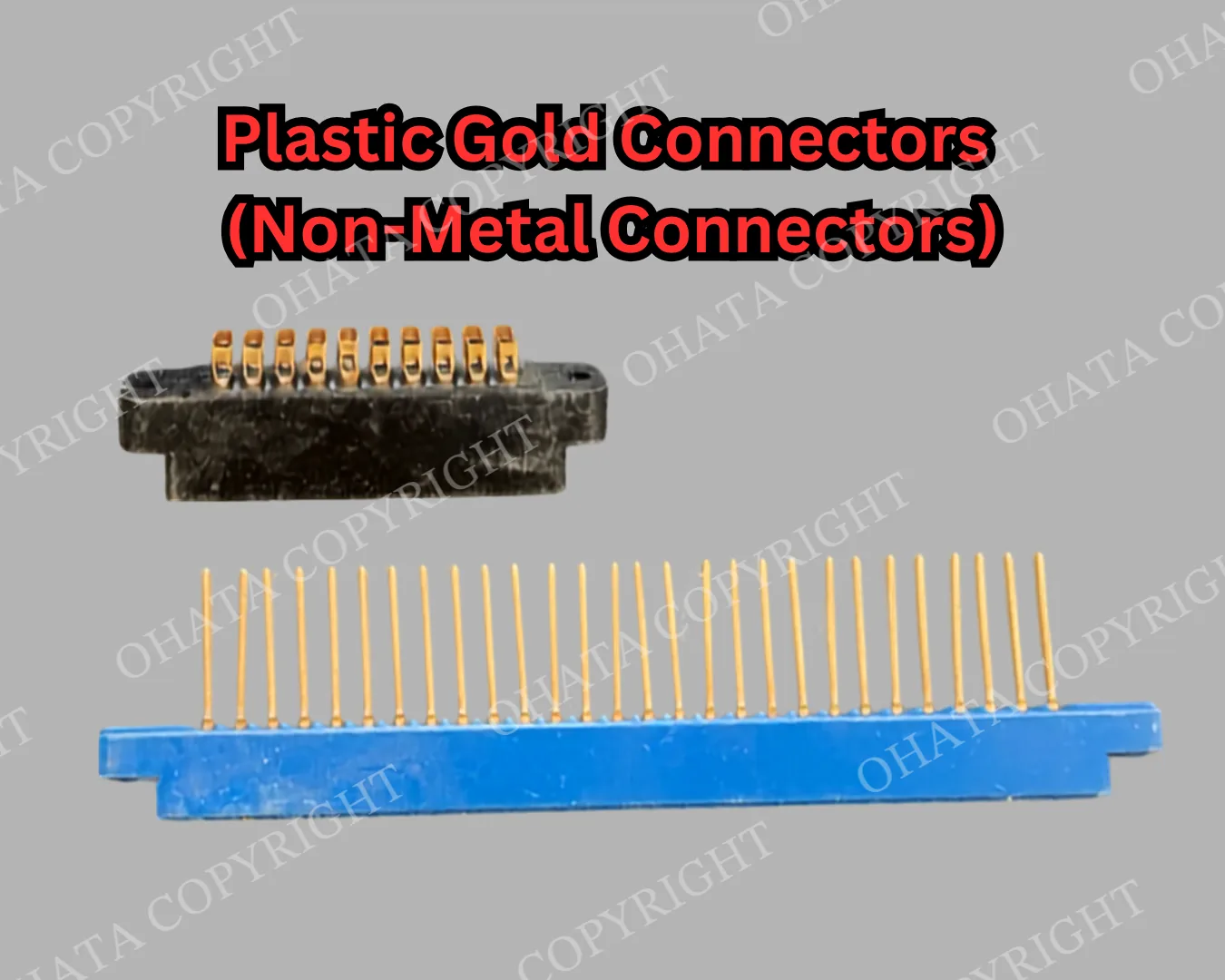
We buy Plastic Gold Connectors (Non-Metal Connectors) from a minimum of 1 lb.
-
This category covers loose connectors with predominantly plastic or resin housings and identifiable gold-plated electrical contacts. All connectors meeting the Ohata Plastic Gold Connectors standard are purchased at the same category price.
-
Qualifying material may include M.2 sockets, memory sockets, card-edge connectors, IC sockets, board-to-board connectors, backplane connectors, and plastic headers with their original contacts installed and no substantial external metal shell.
-
Buying value is based on contact density, plating, housing construction, completeness, attached material, cleanliness, condition, contamination, and processing requirements, not brand, model, equipment origin, surface color, or original selling price.
-
Keep Plastic Gold Connectors separate from metal-shell connectors, non-gold connectors, loose contacts, wires, circuit boards, batteries, and unrelated material. Mixed categories are accepted but may require separate inspection, sorting, weighing, and pricing.
Buying Details of Conditions
Introduction, Construction, Components, and Recycling Value
Any loose connector satisfying the Official Ohata Plastic Gold Connectors (Non-Metal Connectors) standard is purchased at the applicable category price. M.2 sockets, card-edge connectors, memory sockets, IC sockets, and other plastic connectors may qualify when they retain identifiable gold-plated contacts, contain no substantial external metal shell, and meet the applicable condition requirements.
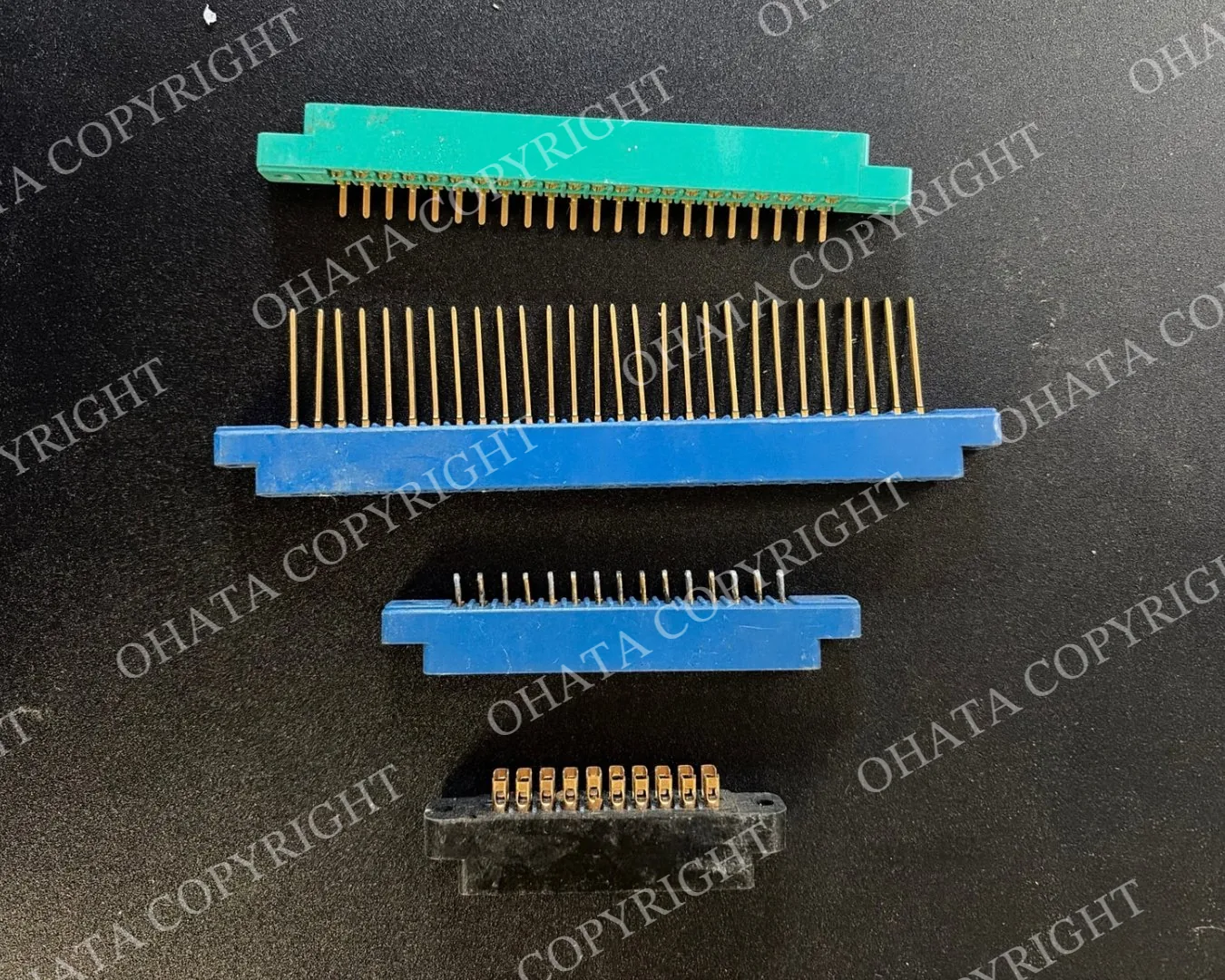
A typical connector consists of:
A molded thermoplastic or resin housing
Copper-alloy, phosphor-bronze, or brass contacts
Gold plating on the electrical mating surfaces
Nickel underplating beneath the gold
Tin, silver-colored, or gold-colored solder terminals
Plastic keys, guides, locks, and polarization features
The plastic housing supports and insulates the contacts, while the gold plating provides reliable electrical performance and corrosion resistance. The gold layer is extremely thin and should not be mistaken for solid gold.
Recycling value comes primarily from the high density of copper-alloy contacts with thin gold plating. Nickel, tin, silver, and trace palladium may also be present depending on the connector type. Higher contact density, good condition, and minimal non-recoverable material generally improve recycling value.
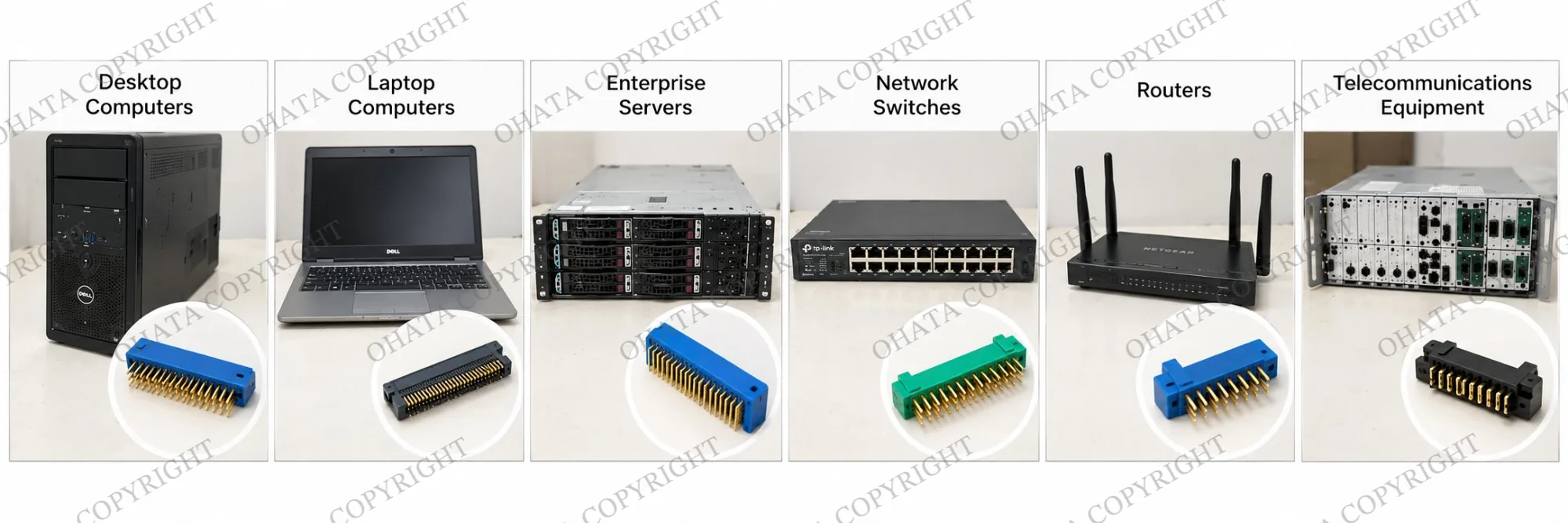
Customers looking to recycle Plastic Gold Connectors (Non-Metal Connectors) can also browse our related buying categories.
Plastic Gold Connectors Identification Guide
Qualifying connectors should have a predominantly plastic housing with identifiable gold-plated contacts and no substantial external metal shell.
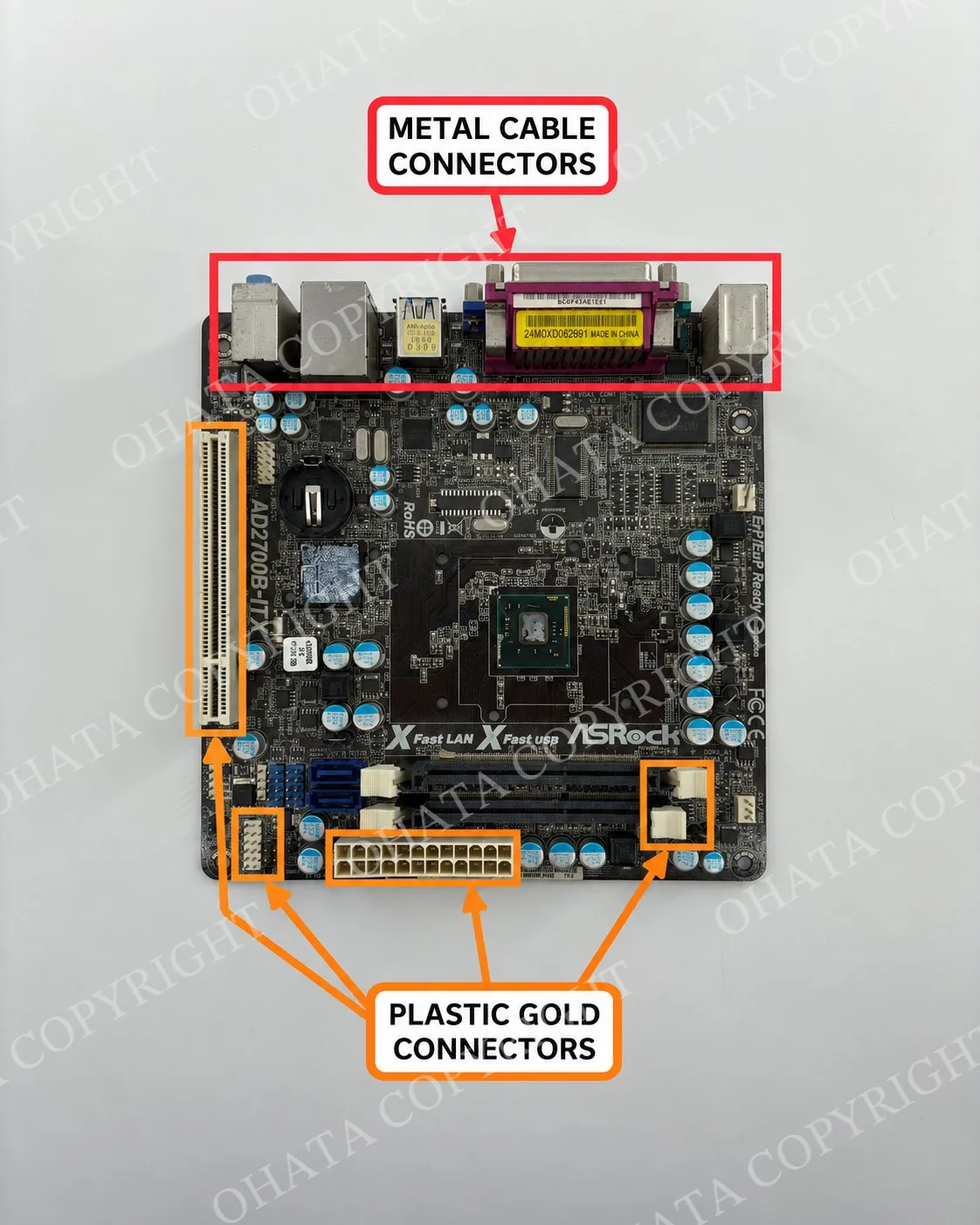
Common examples include:
M.2 and Mini PCIe sockets
PCI and card-edge sockets
Memory sockets
Board-to-board connectors
Wire-to-board headers
IC sockets
Computer and telecommunications connectors
Plastic backplane connectors
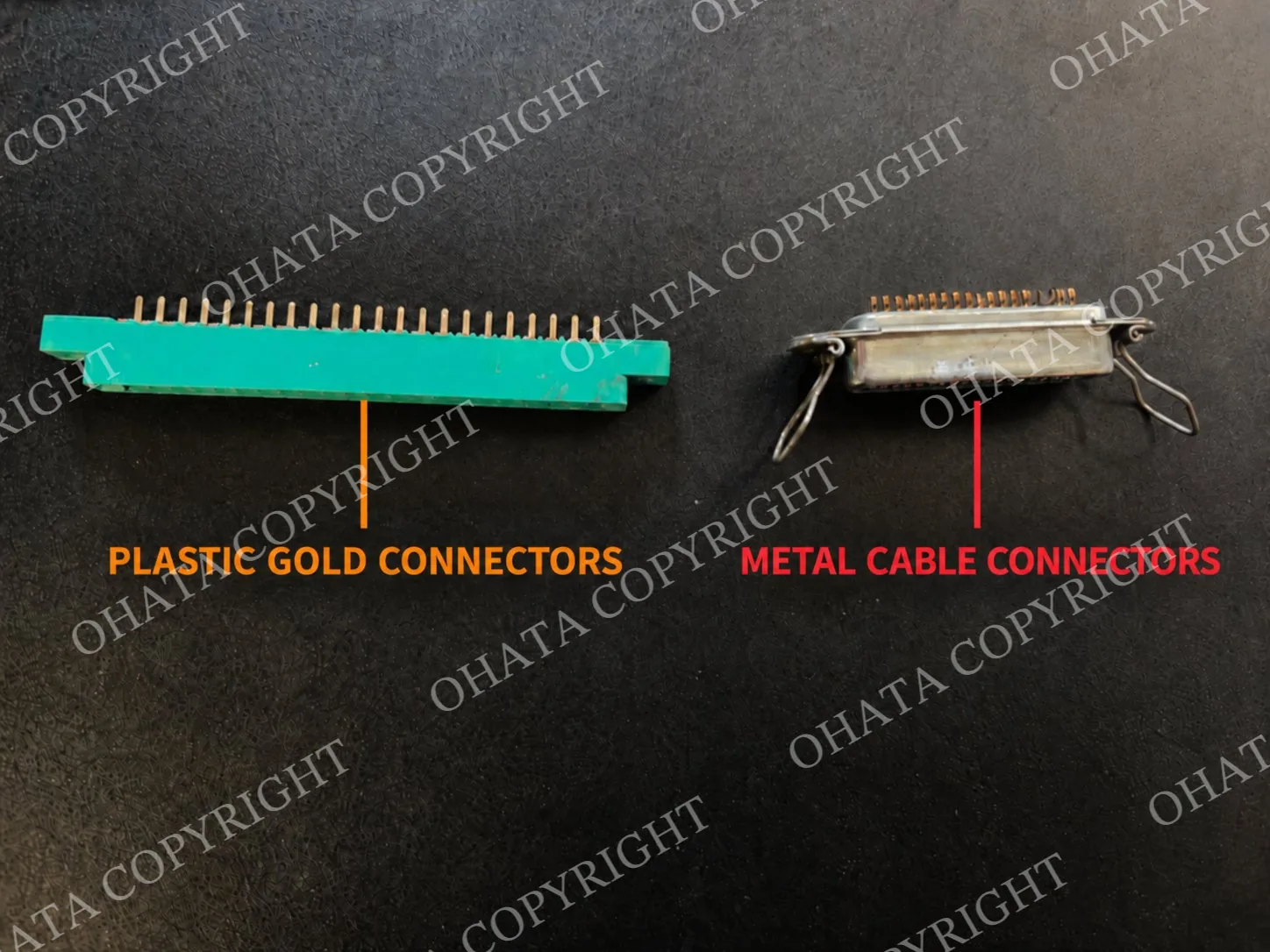
Inspect the housing first, then verify the contacts. Gold-colored metal alone does not confirm gold plating. When necessary, plating should be verified using manufacturer specifications or material analysis.
Inspection checklist:
Plastic housing
Gold-plated contacts installed
No heavy metal shell
No attached circuit boards, wires, or batteries
No severe contamination, fire damage, or missing contacts
Properly separated from other connector grades
"Non-metal" refers only to the housing. Normal copper-alloy contacts are expected. Connectors with large metal shells or non-gold contacts should be sorted into the appropriate grade.
Recoverable Materials, Buying Standards, and Handling
The main recoverable material is copper or copper alloy from the contacts and terminal pins. Gold may be recovered from the plated mating surfaces, while nickel is commonly present as an under layer. Tin may be found on solder tails. Some specialized or older connectors may contain silver or palladium-related finishes, but these materials must not be assumed without supporting specifications or testing.
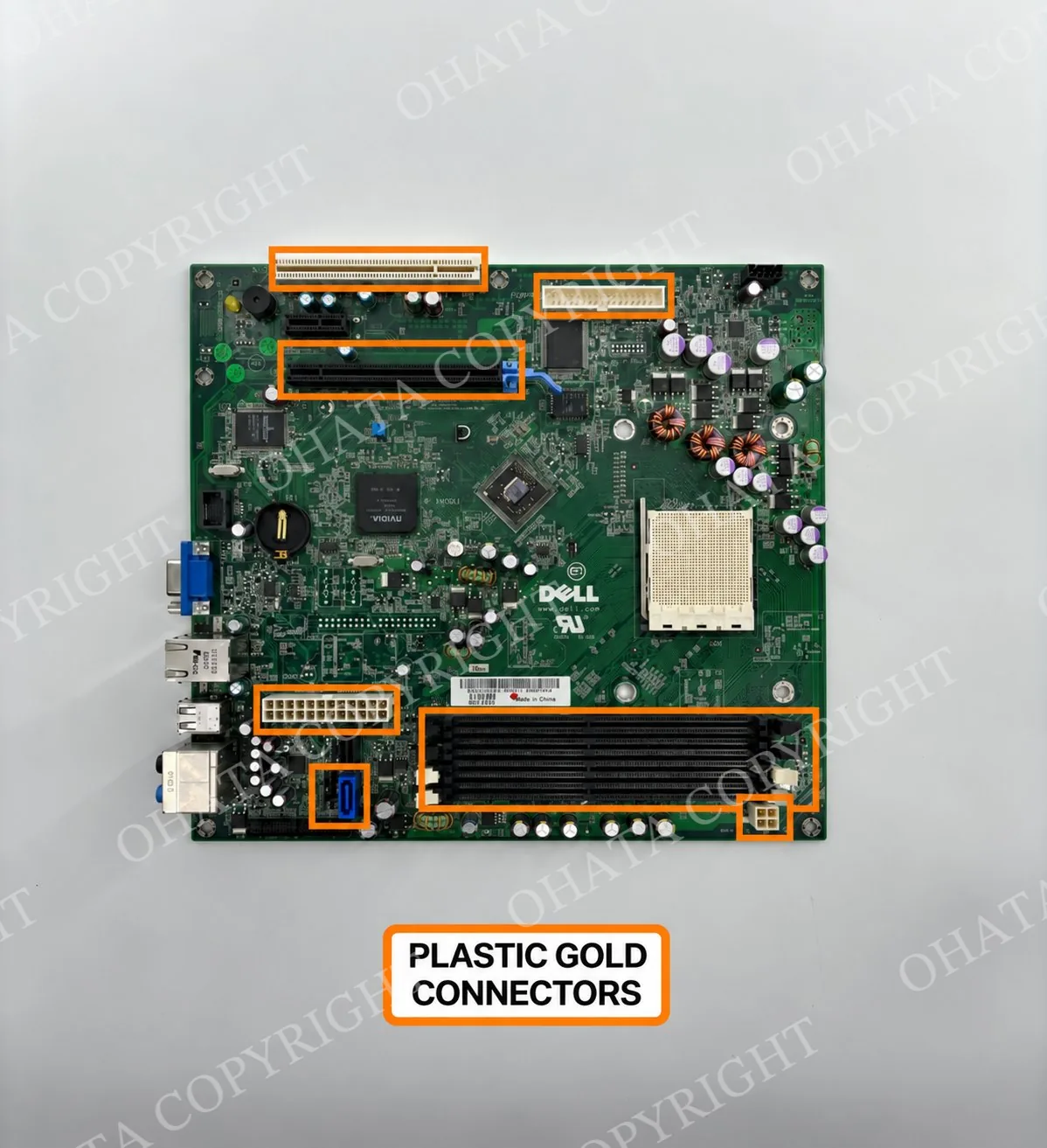
Ohata’s normal buying standards require the material to be identifiable, reasonably clean, safe to handle, and sufficiently intact for accurate grading. Accepted connectors should generally have:
Predominantly non-metal housings
Confirmed or clearly identifiable gold-plated contacts
Original contacts still installed
No heavy external metal shell
No attached batteries or hazardous components
No excessive mud, oil, moisture, or debris
No severe burning, melting, or carbonization
No extreme fragmentation or deliberate removal of contacts
Broken connectors may be downgraded if contact loss or damage prevents identification. Burned, melted, heavily contaminated, or unsafe material may be rejected.
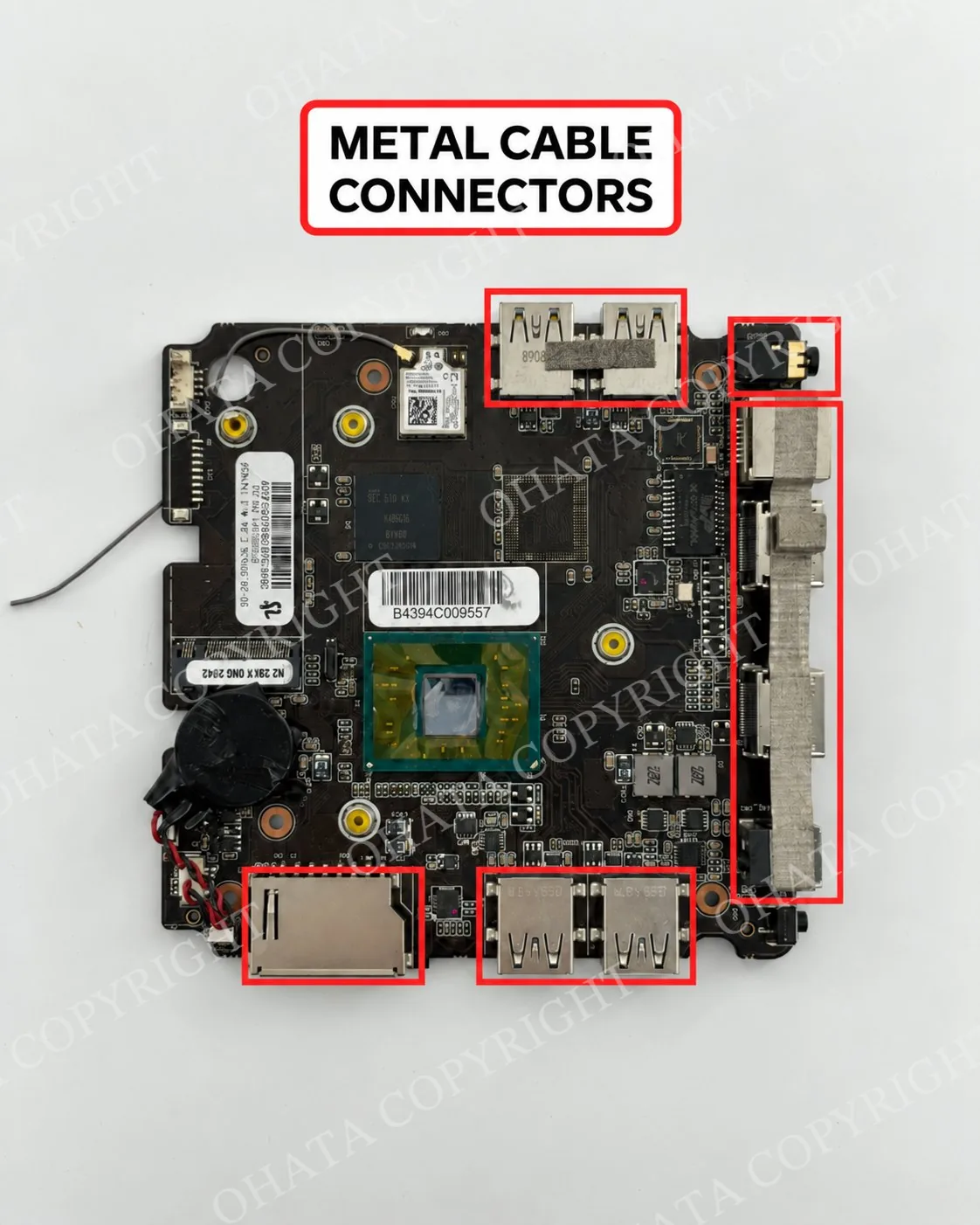
Store connectors in dry, labeled containers and keep them separated from metal-shell connectors, wire harnesses, complete circuit boards, batteries, and unrelated electronic scrap. Mixed categories are accepted but may require separate inspection, sorting, weighing, and pricing. Connectors already supplied loose should not retain unnecessary wires or brackets, and their original gold-plated contacts should remain installed. PCB-mounted connectors normally remain with the complete board unless dismantling is specifically authorized.
Comparison and Classification
Plastic Gold Connectors (Non-Metal Connectors) can be distinguished from other connector grades as follows:
Category
Main identification feature
Classification
Plastic Gold Connectors
Plastic housing with identifiable gold-plated contacts
Qualifies when clean, complete, and properly separated
Metal-shell gold connectors
Substantial steel, aluminum, or other metal enclosure
Requires another applicable connector classification
Plastic non-gold connectors
Plastic housing with tin or another non-gold contact finish
Requires another applicable connector classification
Loose gold-plated pins
Contacts removed from their original housing
Requires separate inspection under another applicable category
Connectors attached to PCBs
Connector remains installed on a circuit board
Normally classified with the complete circuit board
Wire-harness connectors
Plastic connector with substantial wire attached
Requires another applicable classification
Burned or contaminated connectors
Carbonization, melted plastic, mud, oil, or debris
Requires condition inspection; hazardous material may be rejected
Broken or stripped connectors
Fragmented housing or missing contacts
Requires separate inspection and may not qualify for this category
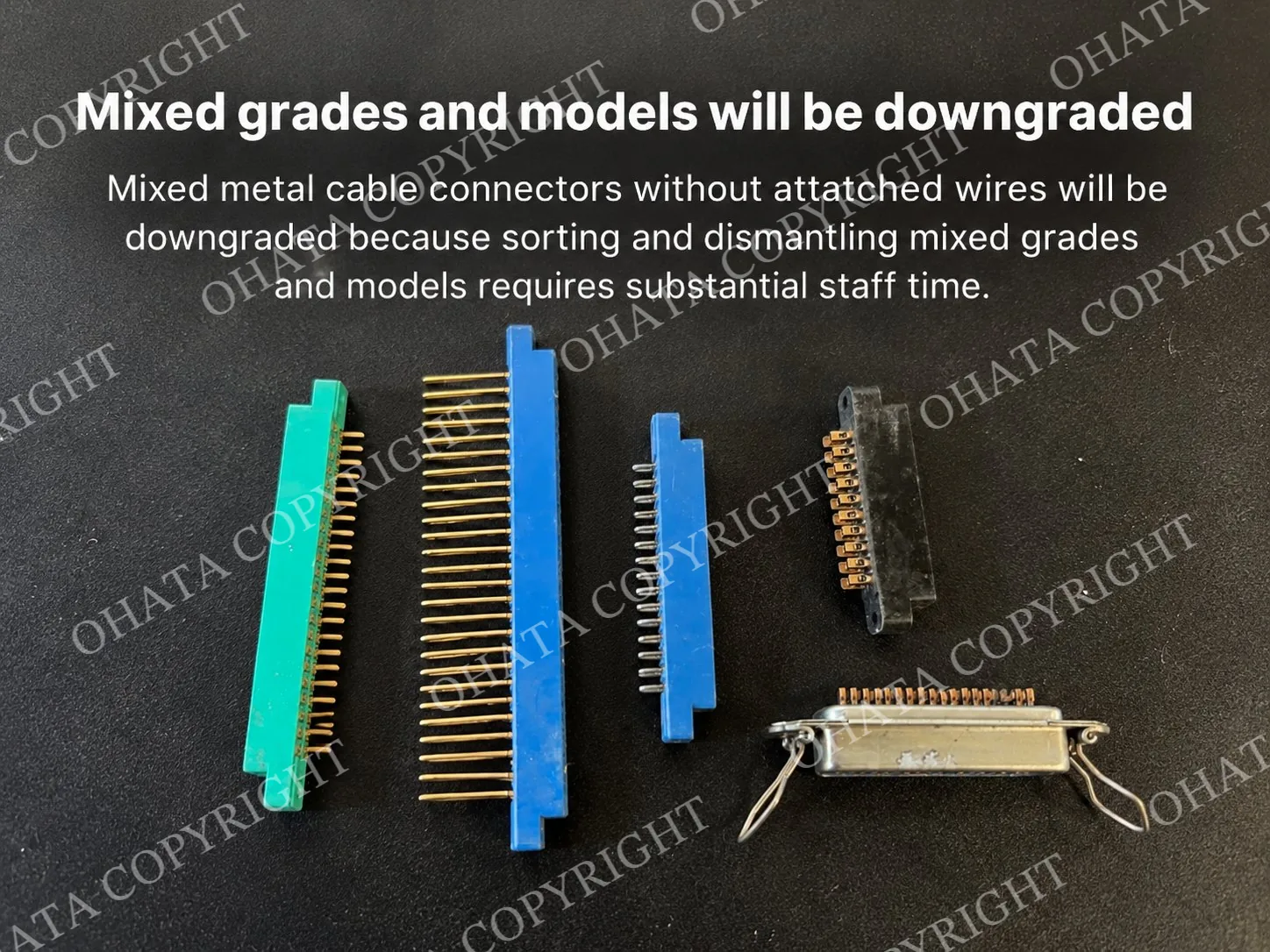
Classification is based on the physical material delivered for inspection, not the brand or model. Connectors with heavy metal shells, missing contacts, severe contamination, or excessive damage do not qualify. Likewise, any connector with a predominantly plastic housing, gold-plated contacts, acceptable condition, and proper separation may qualify regardless of manufacturer.
Official Ohata Classification
Under the Official Ohata Classification, this category covers loose electrical connectors with predominantly plastic or resin housings and identifiable gold-plated contact areas.
A qualifying connector will generally have:
Predominantly plastic construction: A molded plastic or resin housing without a substantial external metal shell
Gold-plated contacts: Original copper-alloy, phosphor-bronze, or brass contacts with identifiable gold plating on the mating surfaces
Contacts retained: The original pins, sockets, terminals, or contact strips remain installed in the housing
Acceptable condition: Dry, reasonably clean, identifiable, and free from severe burning, melting, hazardous contamination, or extensive contact loss
Normal internal metal contacts, solder tails, small mounting tabs, and dielectric materials may remain because they are part of the connector’s construction. Connectors with substantial metal shells, non-gold contact finishes, attached wires, circuit-board sections, missing contacts, or unrelated hardware may require another classification.
Different brands, models, connector families, and equipment origins may receive the same category price when they meet the Ohata Plastic Gold Connectors (Non-Metal Connectors) standard. Gold-colored surfaces alone do not confirm gold plating or determine buying value. Final classification, plating verification, measured weight, and buying value are confirmed after physical inspection.
- 1. What is today’s price for Plastic Gold Connectors (Non-Metal Connectors) Buying?
- As of Sep 21,2026, Ohata Shoji America Inc., (Seattle, WA, United States) is purchasing Plastic Gold Connectors (Non-Metal Connectors) Buying at 4.90 (USD/lb). We provide competitive scrap prices in Seattle, Bellevue, Renton, Tukwila, Kent, SeaTac, Tacoma, Everett, and surrounding communities.
- 2. What are Plastic Gold Connectors (Non-Metal Connectors)?
- They are electronic connectors with predominantly plastic or resin housings and identifiable gold-plated electrical contact areas. They do not have substantial external metal shells.
- 3. Is this grade limited to specific brands or models?
- No. Classification is based on construction, plating, condition, and recoverable material content. Any brand or model meeting the Ohata standard is purchased at the Plastic Gold Connectors grade price.
- 4. What connector types may qualify for this grade?
- Qualifying examples may include M.2 sockets, memory sockets, card-edge connectors, IC sockets, board-to-board connectors, backplane connectors, and plastic headers with gold-plated contacts.
- 5. How can I identify gold-plated contacts?
- Gold-plated contact areas usually have a smooth and uniform gold-colored surface. Because brass and other finishes can look similar, manufacturer specifications, XRF testing, or professional inspection may be required.
- 6. Do connectors with small metal terminals still qualify?
- Yes. “Non-metal connectors” refers to the main housing. Normal copper-alloy contacts, solder tails, pins, and small mounting tabs are permitted, provided there is no substantial metal enclosure.
- 7. Are USB, HDMI, and D-sub connectors included?
- Generally, no. These connector types normally have substantial metal shells and should be separated into the appropriate metal-shell connector grade.
- 8. Are connectors attached to circuit boards accepted in this grade?
- Normally, connectors still attached to circuit boards are classified as part of the complete board. They should only be removed when dismantling is authorized and can be performed without damaging or stripping the connectors.
- 9. How does your business help reduce electronic waste?
- By encouraging the reuse and recycling of electronic equipment, we help divert usable materials from disposal and recover valuable resources that can re-enter the manufacturing supply chain.
- 10. How does your company guarantee data security during recycling?
- Every data-bearing device we buy undergoes certified software data destruction or total physical shredding before any refurbishment or material resale occurs.
- 11. What role does AI play in your e-commerce platform?
- We use AI to run our dynamic digital valuation engines, matching global commodity markets to give users instant, transparent pricing.
Related Items
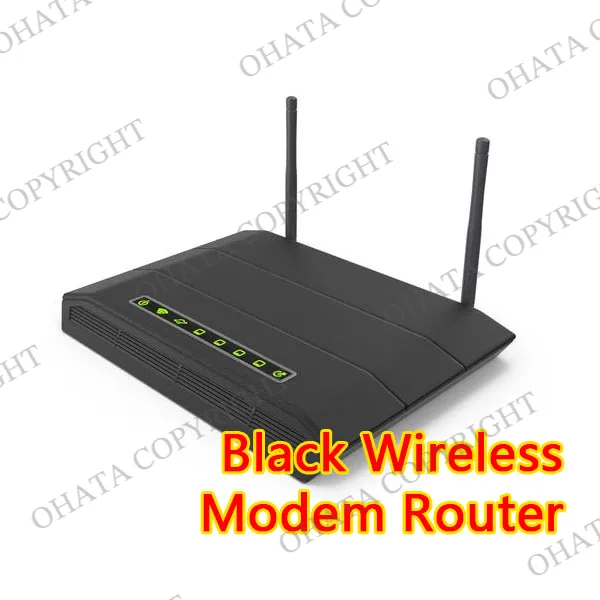
Modems Routers Buying
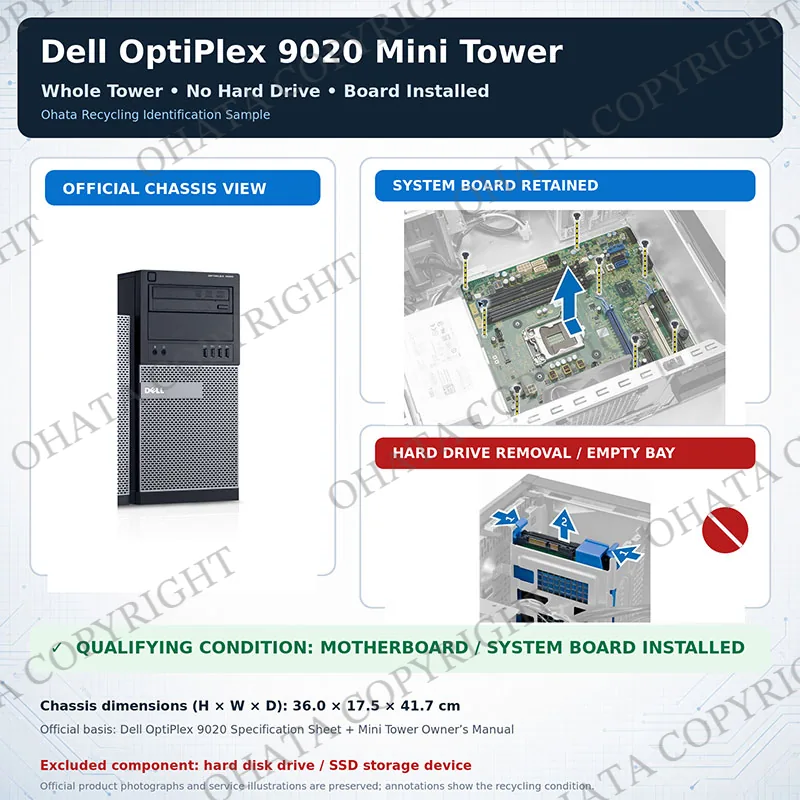
Whole Tower (Desktop Computer) No Hard Drive with board
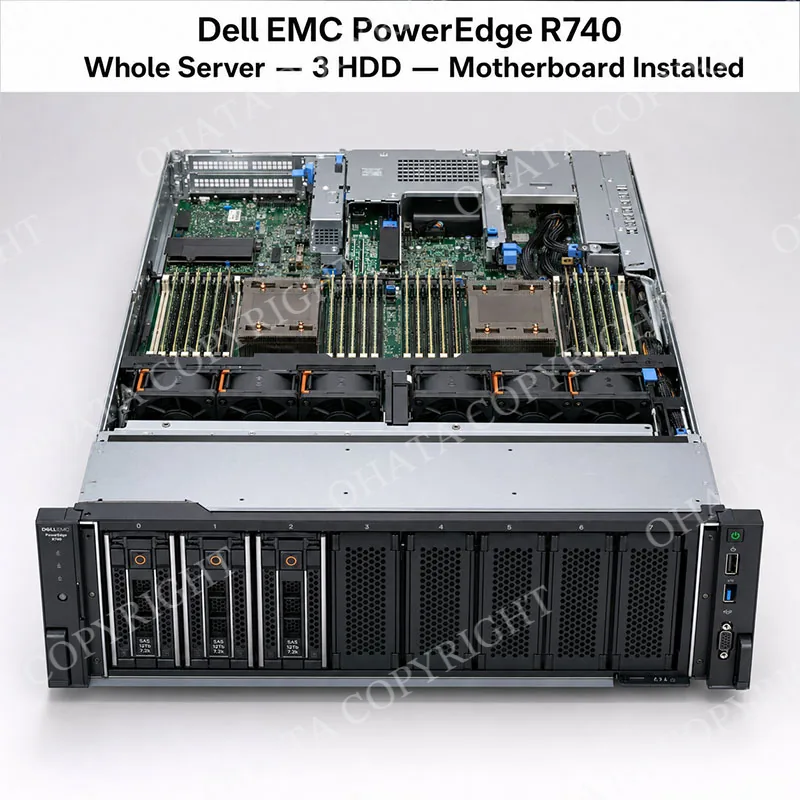
Whole Server With 3 Hard Drive with board buying
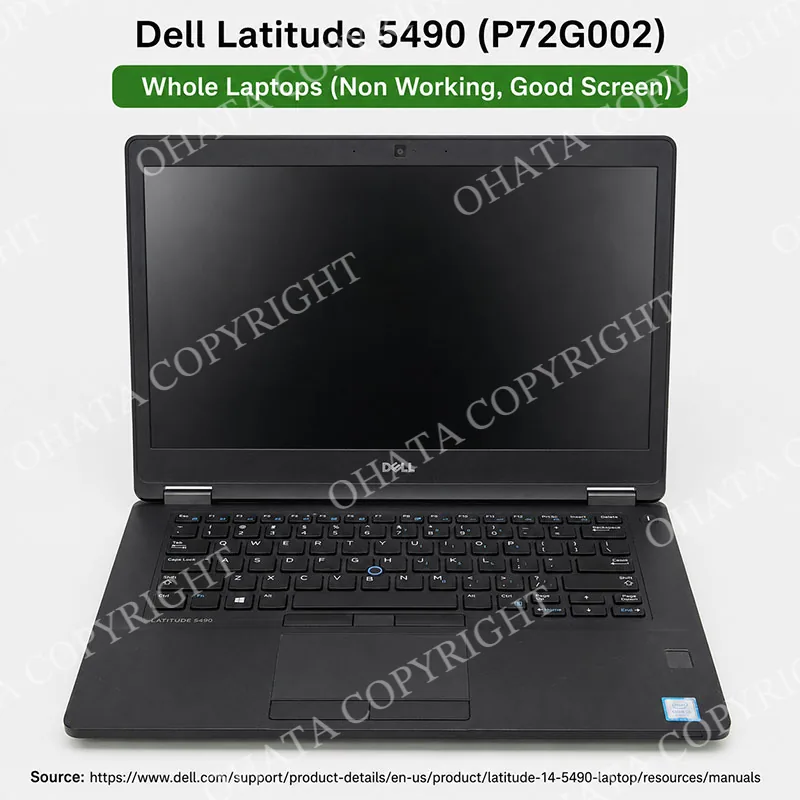
Whole Laptops (Non Working, Good Screen) buying
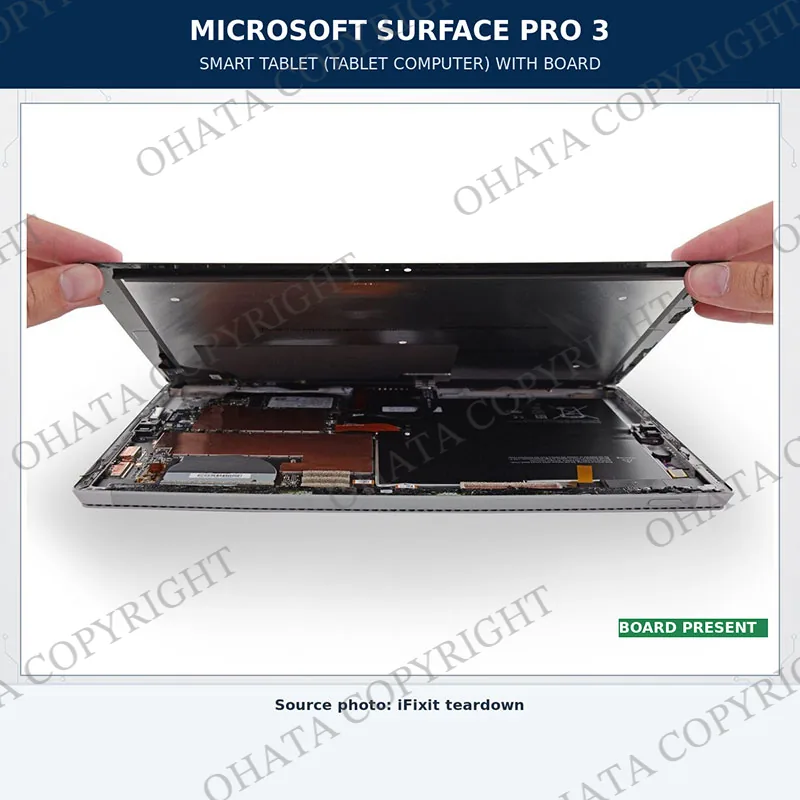
Smart Tablet ( Tablet Computer) with board buying

Smart phone (Non-cell phone) No Battery with board buying
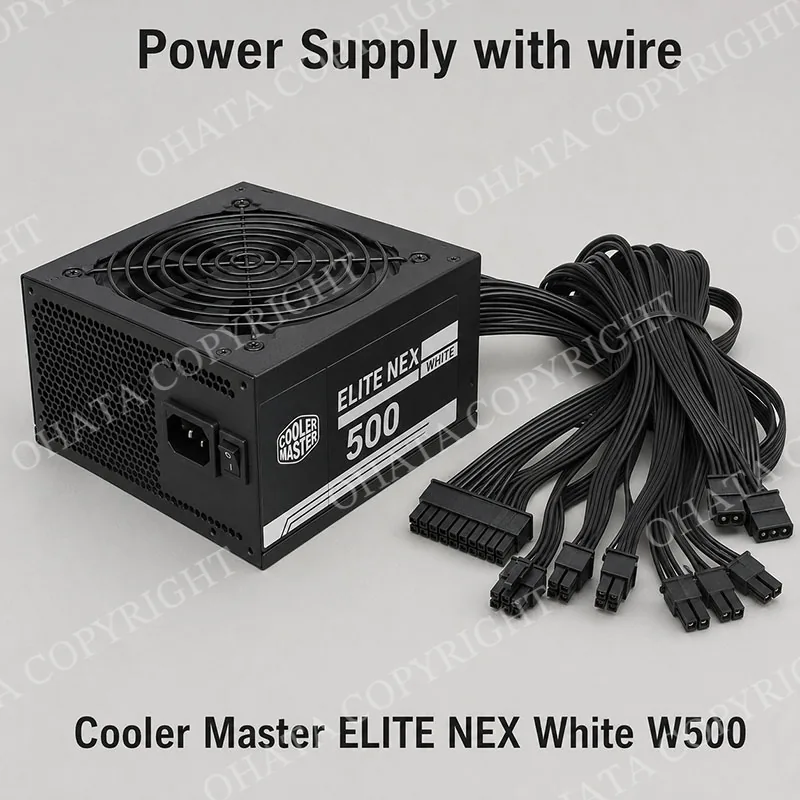
Power Supply with Wire Buying
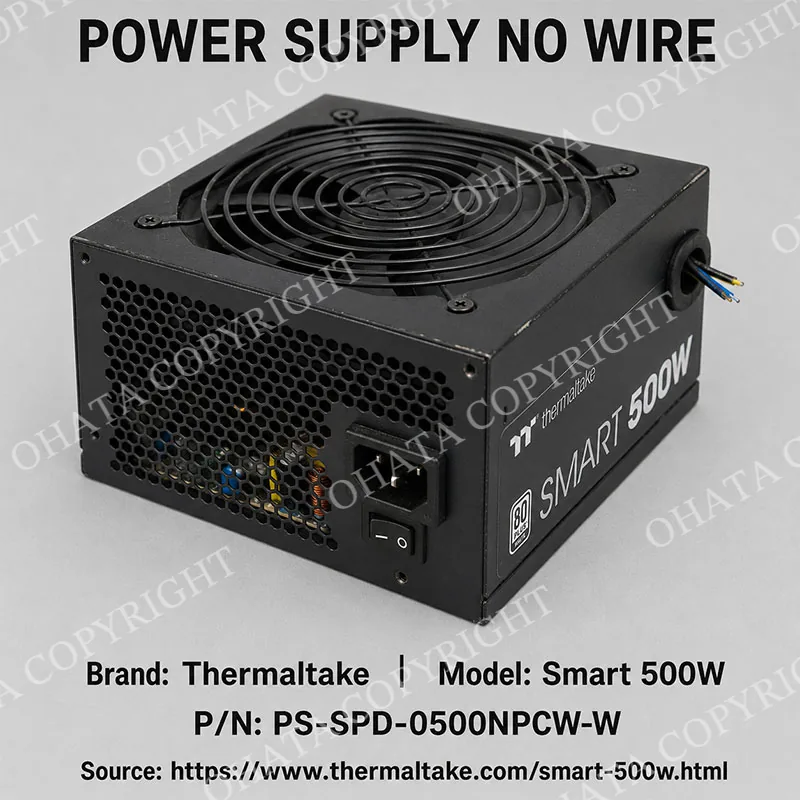
Power Supply No Wire Buying