
-
We purchase CPU SS Grade material starting from just 1 lb.
-
CPU SS Grade covers high-grade ceramic processors without an external gold cap and with gold-plated pins. All CPUs meeting the Ohata SS Grade standard are purchased at the same grade price.
-
Typical examples include qualifying older Intel Pentium, AMD, Cyrix, and comparable ceramic processors.
-
Classification is based on the CPU’s package material, pin construction, completeness, condition, and precious-metal-bearing features, not its brand, speed, age, original price, or operational performance.
-
Please keep processors complete, dry, reasonably clean, and separated from other CPU grades when practical.
-
Final classification, measured weight, and buying price are confirmed after physical inspection.
CPU SS Grade ( High Grade Ceramic CPU) Buying scrap price
-
We purchase CPU SS Grade material starting from just 1 lb.
-
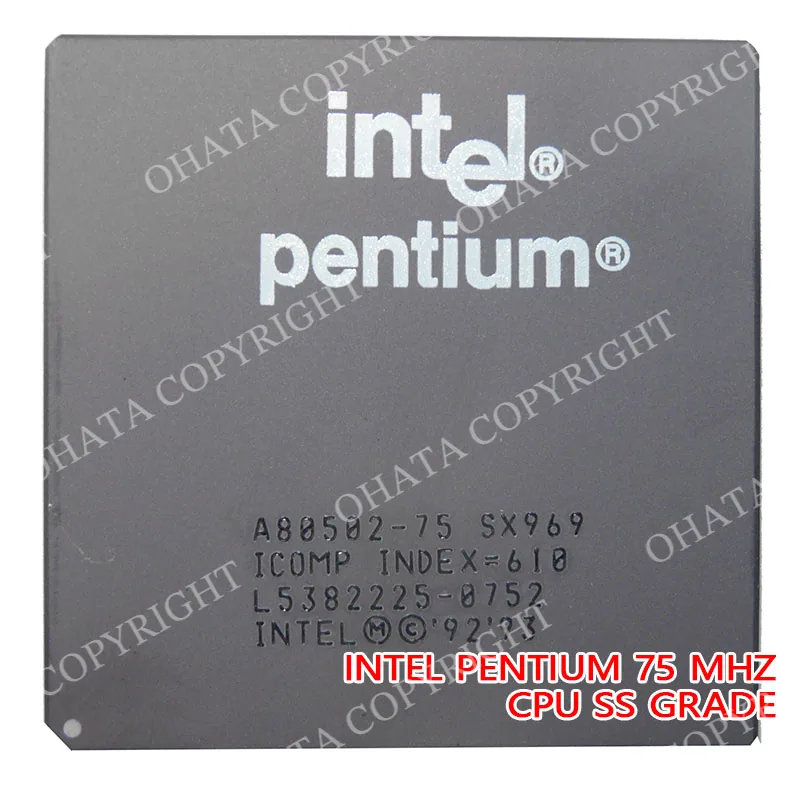
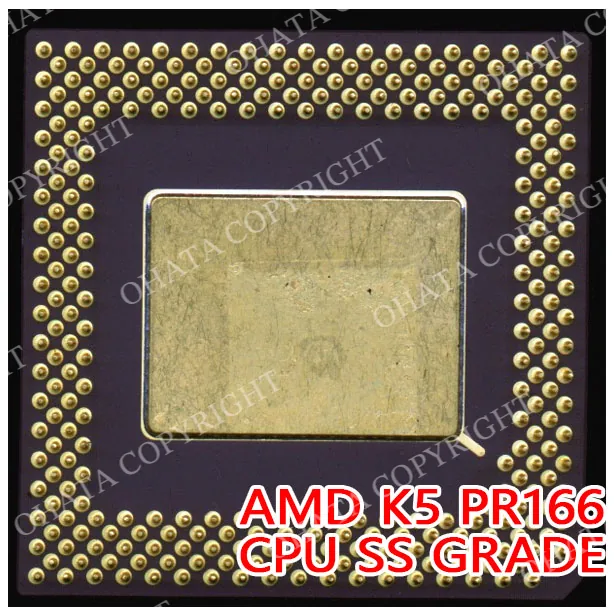
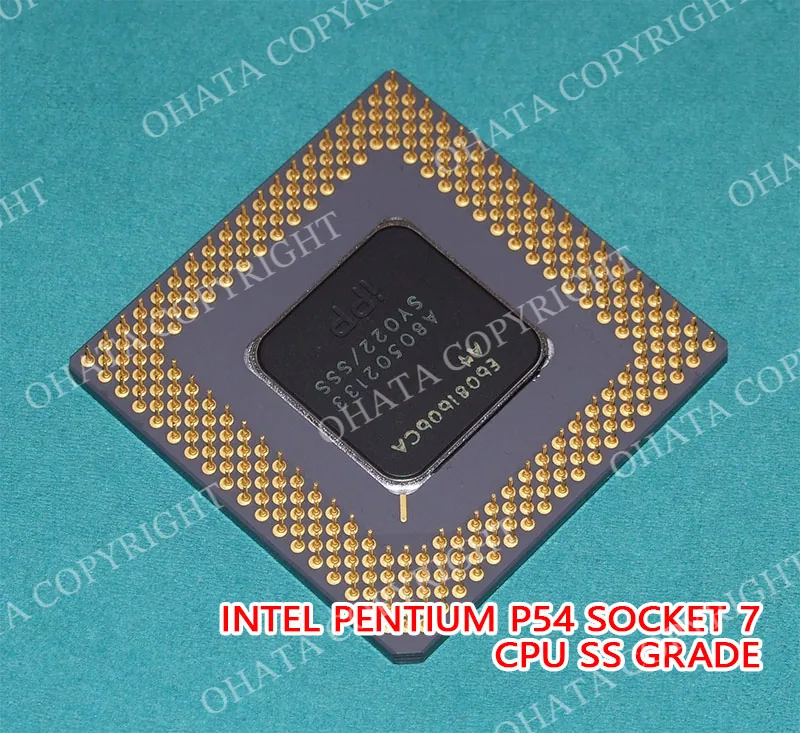
CPU SS Grade covers high-grade ceramic processors without an external gold cap and with gold-plated pins. All CPUs meeting the Ohata SS Grade standard are purchased at the same grade price.
-
Typical examples include qualifying older Intel Pentium, AMD, Cyrix, and comparable ceramic processors.
-
Classification is based on the CPU’s package material, pin construction, completeness, condition, and precious-metal-bearing features, not its brand, speed, age, original price, or operational performance.
-
Please keep processors complete, dry, reasonably clean, and separated from other CPU grades when practical.
-
Final classification, measured weight, and buying price are confirmed after physical inspection.
Buying Details of Conditions
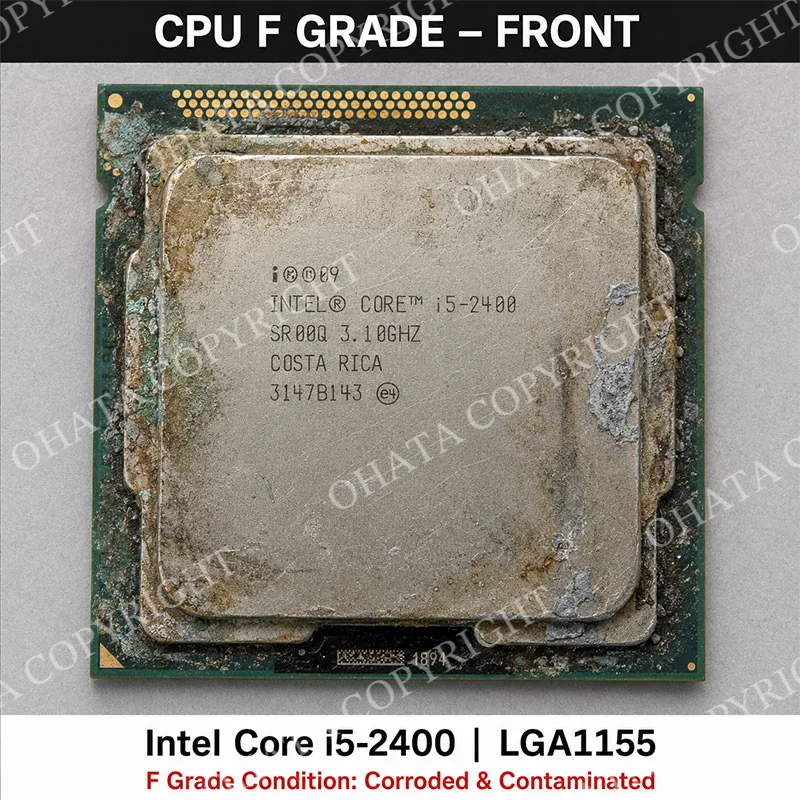
Learn more about identifying and sorting SS Grade circuit boards in our Wiki: Ohata CPU Scrap Classification Wiki
Learn more about: CPU Scrap Classification Guide: CPU-SSS to CPU-F
Introduction, Construction, Components, and Recycling Value
The classification applies to all processors that meet the SS Grade construction and inspection requirements. It is not restricted to one particular CPU model, manufacturer, socket, production year, or computer platform. Ceramic Pentium processors, selected older AMD processors, Cyrix processors, and other comparable ceramic pin-grid-array CPUs may all be purchased at the CPU SS Grade price when their physical construction and condition meet the same standard.
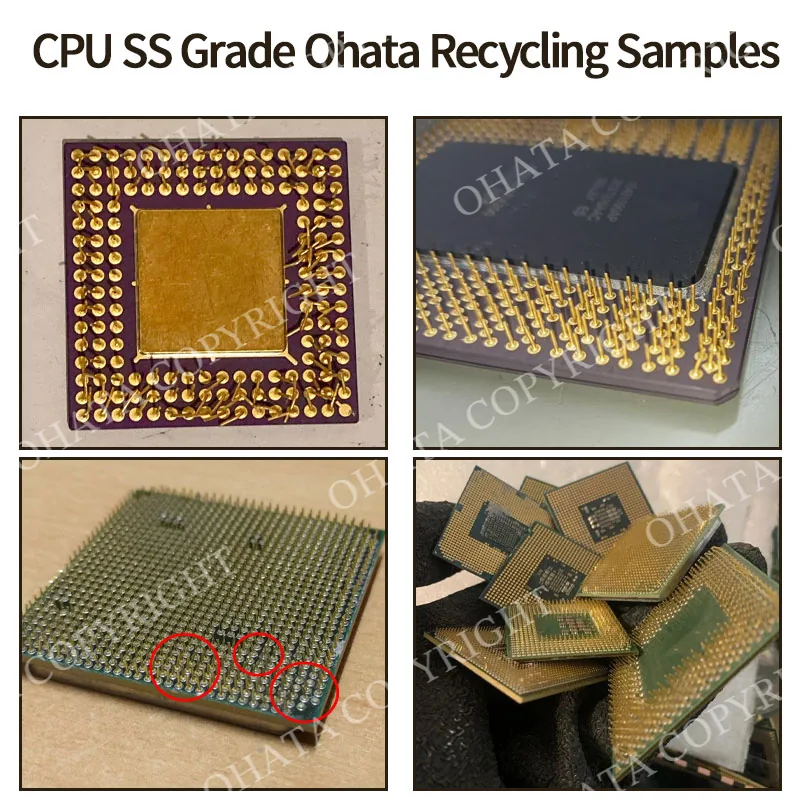
Under the Ohata classification system, CPU grades are arranged from CPU SSS, the highest category, through CPU F, the lowest accepted scrap CPU category. CPU SS is positioned directly below CPU SSS and above CPU S. This means SS Grade processors generally contain more valuable ceramic packaging and precious-metal-bearing construction than ordinary gold-pin PGA processors, but they do not have the distinctive gold cap required for CPU SSS Grade.
The core CPU SS Grade requirements are:
A genuine processor or microprocessor
A ceramic package
No external gold cap
A structure comparable to older ceramic Pentium, AMD, Cyrix, or related processors
Sufficient completeness and cleanliness for normal identification and processing
These conditions must be evaluated together. A processor should not be classified as CPU SS based only on its age, brand, pin color, weight, or appearance.
Ceramic CPU Construction
A CPU SS Grade processor normally uses a rigid ceramic body instead of the lighter green or brown organic substrate used by many later processors. Ceramic was widely used because it provided good dimensional stability, electrical insulation, thermal resistance, and protection for the semiconductor die.
A typical ceramic CPU may contain:
A ceramic base or package body
A silicon processor die
Internal conductor traces
Bonding wires or internal interconnections
Gold-plated external pins
Metallic die-attach and sealing materials
Internal copper, nickel, silver-bearing, or gold-bearing structures
Printed markings showing the manufacturer, family, speed, or production code
The processor die is mounted within or on the ceramic package. Electrical connections carry signals from the die to the external pin grid. These pins connect the CPU to the motherboard socket.
CPU SS processors usually do not have the large external gold-colored cap associated with the highest SSS category. Instead, the top may have a ceramic surface, an exposed die area, a dark protective section, a small metal cover, or another non-gold-cap design.
The absence of a gold cap is one of the most important distinctions between CPU SS and CPU SSS.
Why CPU SS Grade Has High Recycling Value
CPU SS Grade processors are valuable because they combine ceramic construction with gold-plated pins and older semiconductor packaging methods. Older CPUs often used comparatively substantial precious-metal-bearing connections because the manufacturing processes of the period required reliable, corrosion-resistant electrical contact.
The value of CPU SS scrap may come from:
Gold plating on the external pins
Gold-bearing internal bonding wires or connections
Copper conductors and internal circuitry
Silver-bearing solder or attachment materials
Nickel barrier layers beneath plated surfaces
Small amounts of other recoverable metals within the package
The ceramic body itself is not the main source of payment. Its importance is that ceramic packaging is strongly associated with certain older CPU designs containing valuable pin plating and internal connections.
The exact recovery value varies between processor families, manufacturing periods, package sizes, pin counts, plating thicknesses, and internal designs. Therefore, two visually similar ceramic processors may not contain exactly the same quantity of recoverable metal. However, when both satisfy the SS Grade standard, they can be purchased under the same SS Grade category unless a more specific buying agreement applies.
Grade-Based Buying Instead of Model-Based Buying
Ohata grades processors according to recycling construction rather than resale performance. Clock speed, benchmark performance, software compatibility, and whether the CPU still operates are generally less important than the physical package and precious-metal-bearing features.
A non-working ceramic processor may still qualify as CPU SS Grade if it remains structurally complete, identifiable, clean, and suitable for recycling. In contrast, a working processor may be downgraded if it is broken, severely corroded, heavily contaminated, mixed with unrelated components, or missing important parts.
This grade-based approach provides a consistent standard for sellers with mixed processor brands. The buyer does not need to create a separate price for every Pentium, AMD, Cyrix, or equivalent ceramic CPU. Processors with the same recycling characteristics can be grouped under the same CPU SS Grade price.
Ohata CPU SS Grade Classification and Identification Guide
Under the Ohata system, CPU SS Grade is identified as High Grade Ceramic CPU. Its principal characteristics are:
Ceramic processor package
No gold cap
Gold-plated pins
Older high-grade CPU construction
Common examples including ceramic Pentium, AMD, Cyrix, and similar processors
The examples are identification references rather than a closed model list. A processor from another manufacturer may also qualify if its physical construction matches the SS Grade profile.
Identification Method
Step 1: Confirm That the Item Is a CPU
The first inspection should determine whether the item is actually a processor. Some electronic components resemble CPUs but may instead be memory chips, chipsets, controllers, relay modules, hybrid circuits, or unrelated ceramic components.
If the item is not a CPU or processor, it should not be forced into a CPU grade. Under the Ohata system, non-CPU items are classified as NONE.
Step 2: Examine the Package Material
CPU SS Grade requires a ceramic body. Ceramic packages are normally rigid, dense, and harder than organic fiber substrates. They may be white, gray, brown, purple, black, or another color depending on the manufacturer and production period.
A green or brown lightweight organic-substrate processor is generally not CPU SS. Such processors may belong to CPU C or another applicable category.
Step 3: Check for a Gold Cap
Inspect the top of the processor carefully. A CPU with a clear gold-colored metal cap may qualify for CPU SSS Grade, subject to confirmation of the ceramic package and gold-plated pins.
CPU SS Grade specifically covers ceramic processors without a gold cap. A small gold-colored marking, plated contact, logo, or exposed internal area should not automatically be treated as a gold cap. The evaluator must identify whether the CPU has the distinct metallic cap construction associated with the SSS category.
Step 4: Inspect the Pin Grid
CPU SS processors normally have gold-plated pins. The pins may appear bright yellow, dull gold, or slightly aged depending on storage and oxidation.
The evaluator should check:
Whether the processor uses external pins
Whether the pins are gold-plated
Whether most pins remain attached
Whether the pins show severe corrosion
Whether solder, dirt, grease, or foreign material covers the pin field
A ceramic component without gold-plated pins may not meet the SS Grade standard.
Evaluate Completeness and Condition
A normal CPU SS processor should remain substantially complete. Minor cosmetic wear, faded printing, or normal discoloration may be acceptable, but serious physical damage can change the grade.
Potential downgrade conditions include:
Broken ceramic body
Missing sections of the package
Large numbers of missing pins
Severe pin corrosion
Fire damage
Heavy mud, oil, glue, or chemical contamination
Attached heatsinks or excessive foreign material
Mixed, unidentified, or unsorted CPU scrap
Severely damaged, dirty, or mixed CPUs are generally directed toward CPU F Grade rather than CPU SS.
Recoverable Materials
The principal recoverable materials associated with CPU SS processors may include gold, copper, silver, nickel, and other industrial metals.
Gold
Gold is primarily associated with external pin plating and may also be present in internal bonding or connection structures. Gold is used because it resists corrosion and provides reliable electrical contact.
Copper
Copper may be present in internal conductors, traces, die connections, package structures, and supporting metal layers. Although copper has a lower unit value than gold, it contributes to the total recoverable metal content.
Silver
Silver may be present in certain solders, die-attach materials, conductive compounds, or older assembly processes. The amount varies by manufacturer and package design.
Nickel
Nickel is commonly used as an underplating or barrier layer beneath gold-plated surfaces. It may also appear in internal metallic parts.
Other Materials
CPU packages may contain silicon, ceramic compounds, tin-bearing solder, iron-bearing parts, and trace quantities of other metals. Professional processors separate and recover these materials using controlled industrial methods.
Ohata Buying Standards
A processor may be purchased as CPU SS Grade when it meets the following general conditions:
It is a genuine CPU
It has a ceramic package
It does not have a gold cap
It has gold-plated pins
The package remains substantially complete
The processor is reasonably clean
It is separated from lower-grade CPUs and unrelated electronic scrap
It does not contain excessive attachments or contamination
The CPU does not necessarily need to function electronically. Recycling classification is primarily based on construction, recoverable materials, completeness, and condition.
Conditions That May Cause Downgrading
A processor that originally belonged to the SS family may receive a lower buying grade when its condition creates processing difficulty or reduces recoverable value.
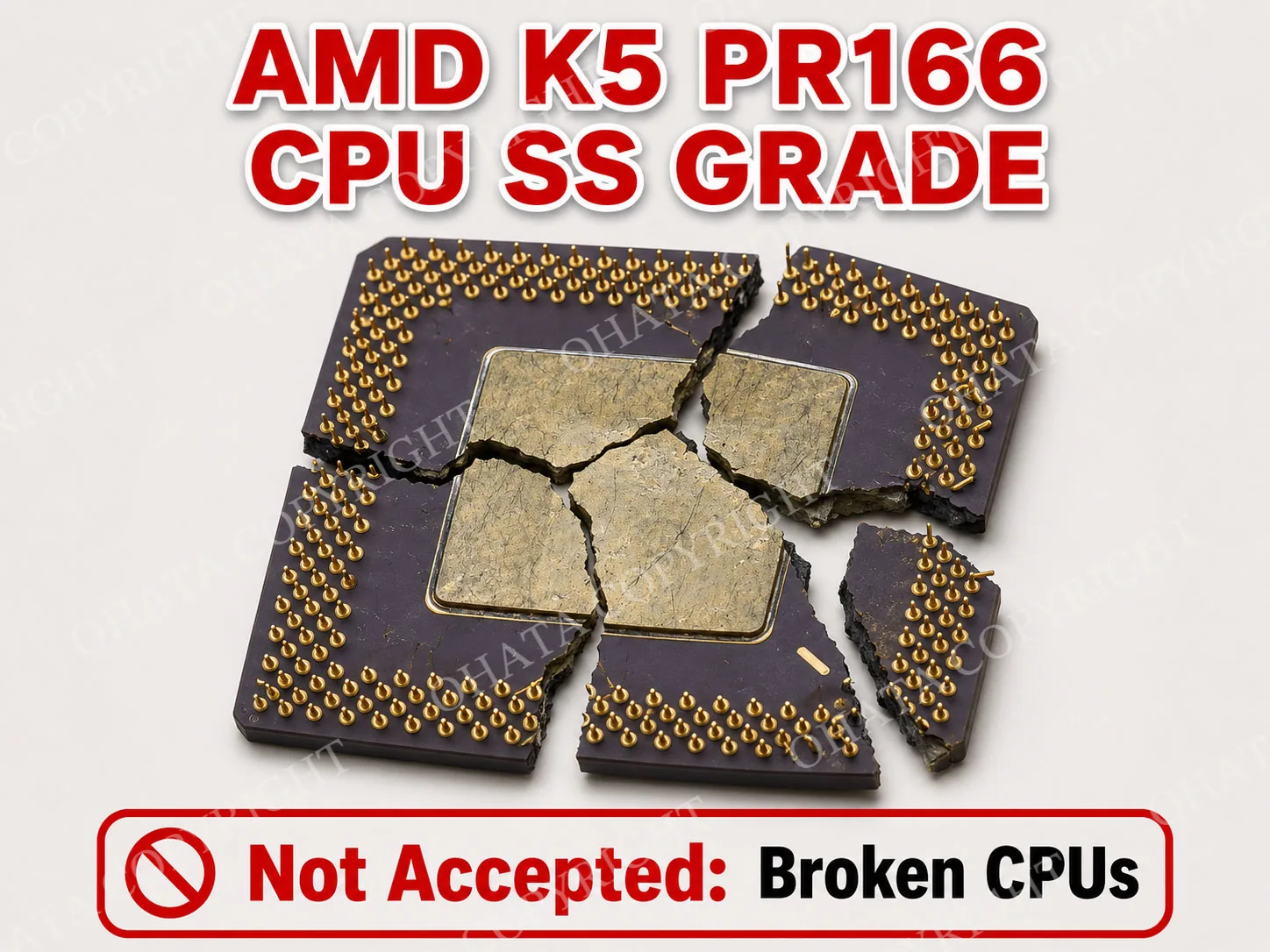
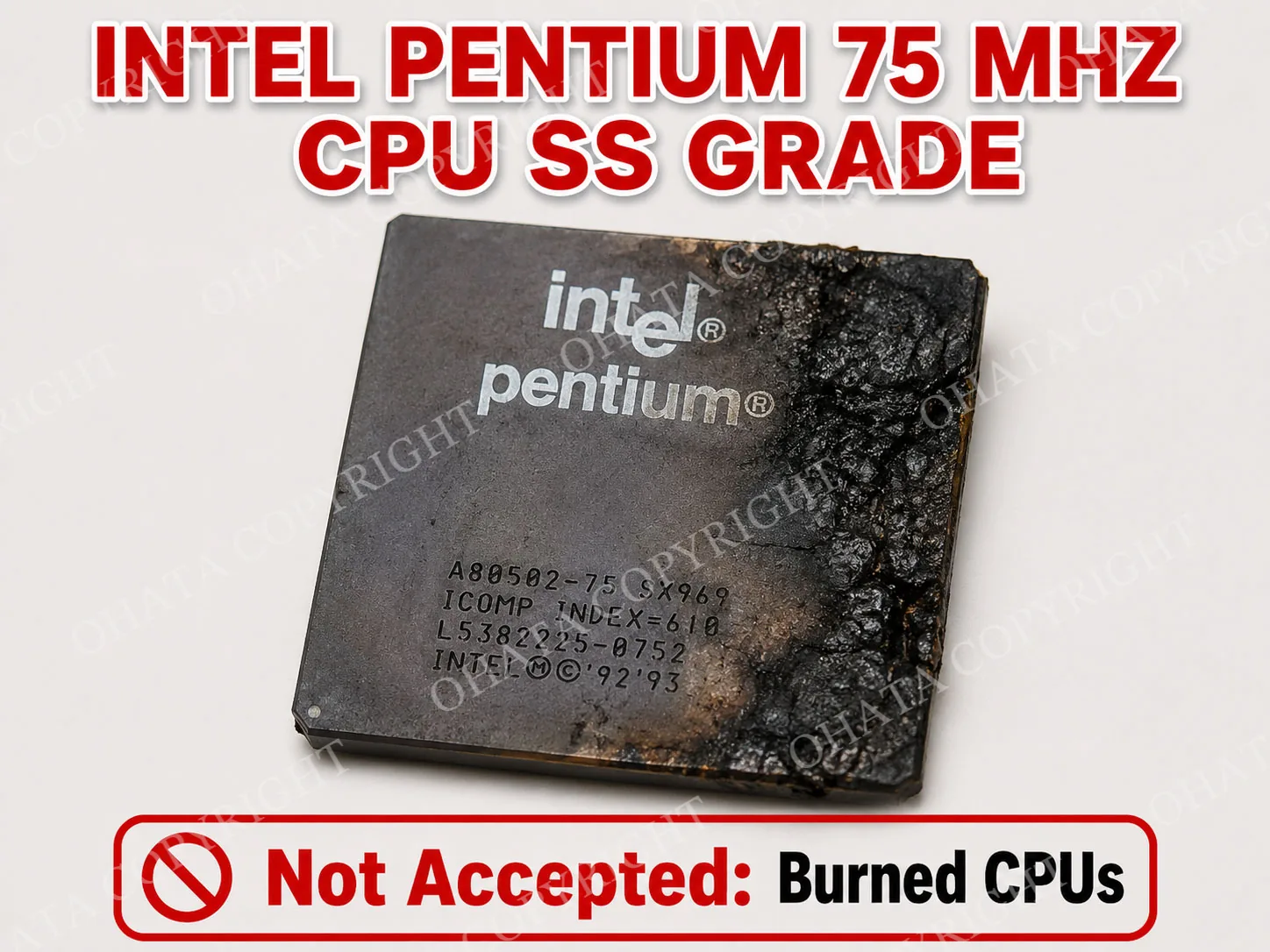
Common downgrade reasons include:
Broken ceramic packages
Cracked or fragmented processors
Severely bent or removed pins
Corroded pin fields
Burned or charred surfaces
Heavy dirt, oil, mud, adhesive, or chemical contamination
CPUs attached to large heatsinks or other components
Mixed grades and unidentified models in one container
Non-CPU components included in the load
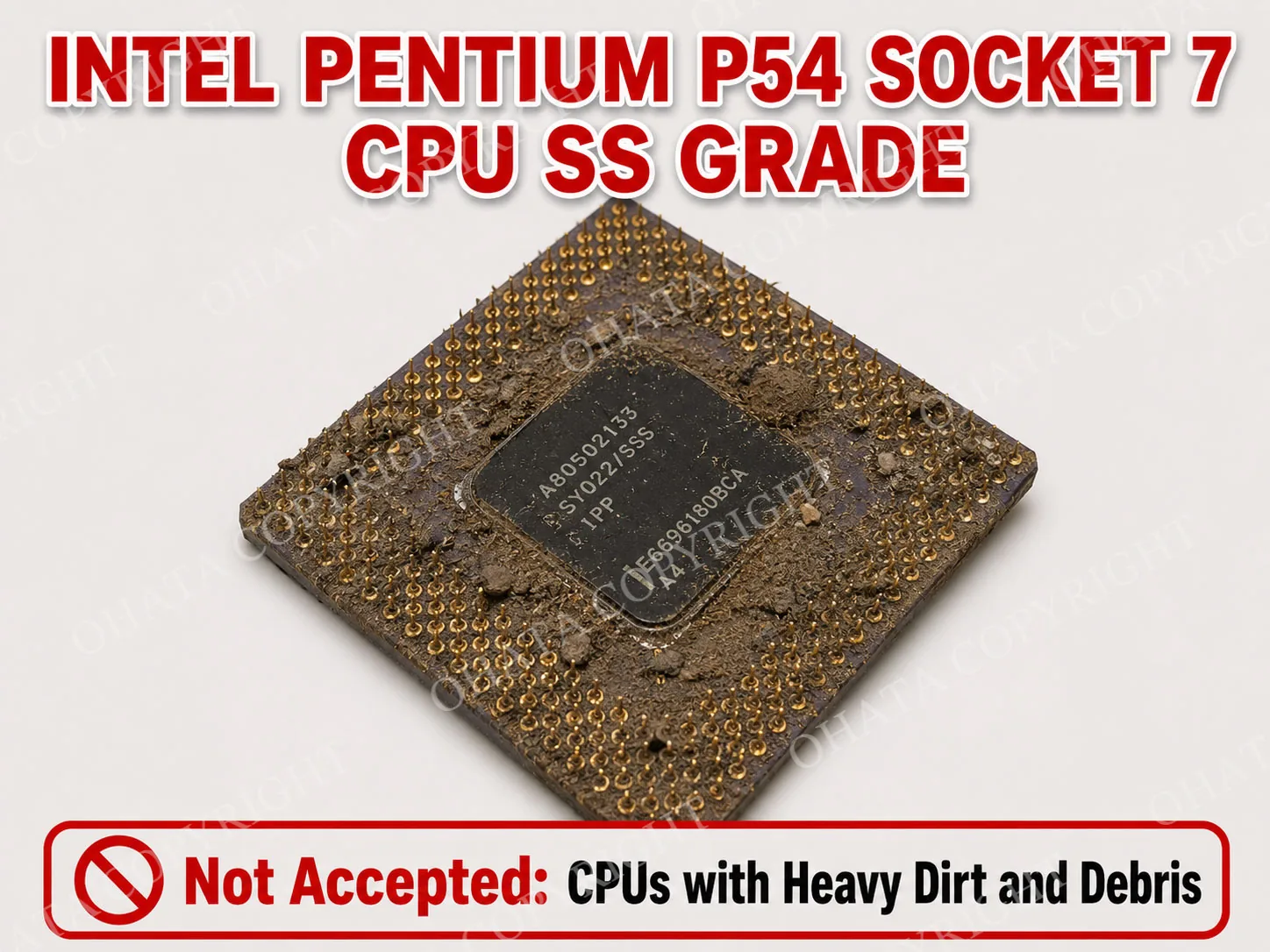
Damaged, contaminated, mixed, or unknown processors generally fall under CPU F Grade according to the Ohata standard.
Sorting and Handling
Sellers should separate CPU SS processors before delivery. Recommended sorting groups include:
Gold-cap ceramic CPUs
Non-gold-cap ceramic CPUs
Gold-pin PGA CPUs
Modern LGA CPUsfing
Fiber-substrate CPUs
Cartridge-style CPU modules
Low-grade plastic ICs
Damaged or mixed processors
SS Grade CPUs should be stored in dry, clean containers. Heavy processors should not be dropped onto each other because ceramic packages can chip or crack. Containers should not contain loose steel, screws, batteries, heatsinks, fans, motherboard fragments, or hazardous waste.
There is normally no need to remove pins, break the ceramic body, grind the processor, or expose the internal die. Destructive preparation may reduce the accepted grade and can create sharp fragments or hazardous dust. The safest and most commercially useful condition is generally an intact, sorted processor.
Official Ohata Classification
Ceramic Pentium, AMD, Cyrix, and comparable processors may all receive the CPU SS Grade price when they meet the same construction, completeness, cleanliness, and sorting requirements.
The classification is based on recycling characteristics rather than computing performance or operational condition. CPUs that retain the required ceramic body and gold-plated pins can qualify for SS Grade even when they are no longer functional. However, damaged, contaminated, heavily corroded, incomplete, or mixed processors may be downgraded.
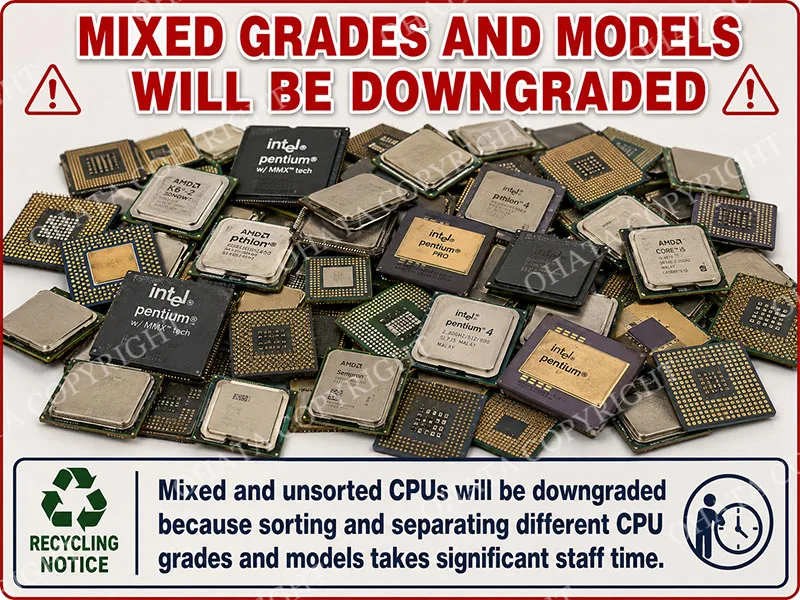
For the best buying result, sellers should keep CPU SS material intact, dry, clean, and separated from gold-cap ceramic CPUs, ordinary PGA processors, LGA processors, BGA chips, fiber CPUs, cartridge modules, low-grade plastic ICs, and damaged CPU scrap.
View more Ohata's CPU recycling classifications
CPU SS Grade ( High Grade Ceramic CPU)
CPU S Grade ( Gold Pin BGA CPU)
CPU B Grade ( BGA CPU and IC chips)
CPU D Grade ( Slot CPU/ CPU Module)
- 1. What is today’s price for CPU SS Grade ( High Grade Ceramic CPU) Buying?
- As of Sep 19,2026, Ohata Shoji America Inc., (Seattle, WA, United States) is purchasing CPU SS Grade ( High Grade Ceramic CPU) Buying at 180.00 (USD/lb). We provide competitive scrap prices in Seattle, Bellevue, Renton, Tukwila, Kent, SeaTac, Tacoma, Everett, and surrounding communities.
- 2. Who can use the Ohata.ai online platform?
- Our digital ecosystem serves both individual consumers recycling small tech loads and large corporate enterprises liquidating mass data centre infrastructure.
- 3. What is an Ohata CPU SS Grade processor?
- An Ohata CPU SS Grade processor is a high-grade ceramic CPU that does not have an external gold cap but normally has gold-plated pins. This category commonly includes older ceramic Pentium, AMD, Cyrix, and similar processors. Classification is based on package construction and recycling characteristics rather than on one specific model or brand.
- 4. Does every ceramic CPU qualify as CPU SS Grade?
- No. A ceramic body alone is not enough. To qualify for CPU SS Grade, the item must be a genuine processor, have a ceramic package, contain gold-plated pins, and have no external gold cap. Ceramic processors with gold caps may qualify for CPU SSS Grade, while ceramic components that are not CPUs should be classified as NONE.
- 5. What is the main difference between CPU SS Grade and CPU SSS Grade?
- Both grades normally have ceramic packages and gold-plated pins. The main difference is the top cap. CPU SSS Grade processors have a recognizable gold cap, while CPU SS Grade processors do not. Because gold-cap ceramic processors generally contain more recoverable precious-metal-bearing material, CPU SSS is positioned above CPU SS.
- 6. How can I distinguish CPU SS Grade from CPU S Grade?
- The package material is the most important difference. CPU SS processors have ceramic bodies and gold-plated pins. CPU S processors also have gold-plated pins but normally use organic, fiber, plastic, or other non-ceramic package construction. Gold pins alone do not automatically make a processor CPU SS Grade.
- 7. What role does AI play in your e-commerce platform?
- We use AI to run our dynamic digital valuation engines, matching global commodity markets to give users instant, transparent pricing.
- 8. Does a CPU need to be operational to receive the SS Grade price?
- Not necessarily. Scrap CPU classification is primarily based on physical construction, recoverable materials, completeness, cleanliness, and condition. A non-working processor may still qualify as CPU SS Grade if it remains intact and meets the required structural standards. Severe damage or contamination may cause downgrading.
- 9. What conditions can cause a CPU SS processor to be downgraded?
- A processor may be downgraded if the ceramic body is broken, many pins are missing, the pins are severely corroded, or the CPU is burned, dirty, oily, chemically contaminated, or attached to a large heatsink. Mixed and unidentified processor loads may also be downgraded because they require additional sorting and inspection.
- 10. How should CPU SS Grade material be prepared for sale?
- Keep the processors complete, dry, clean, and separated by grade. Do not break the ceramic packages, remove the pins, grind the CPUs, or attempt to expose the internal dies. Remove unrelated screws, heatsinks, fans, motherboard pieces, batteries, and other foreign materials. Intact and properly sorted CPUs provide the clearest inspection result and the most consistent SS Grade pricing.
- 11. What is your minimum quantity policy for online sellers?
- True to our core philosophy, our digital system welcomes recycling projects starting from just 1 lb or a single device.
Related Items
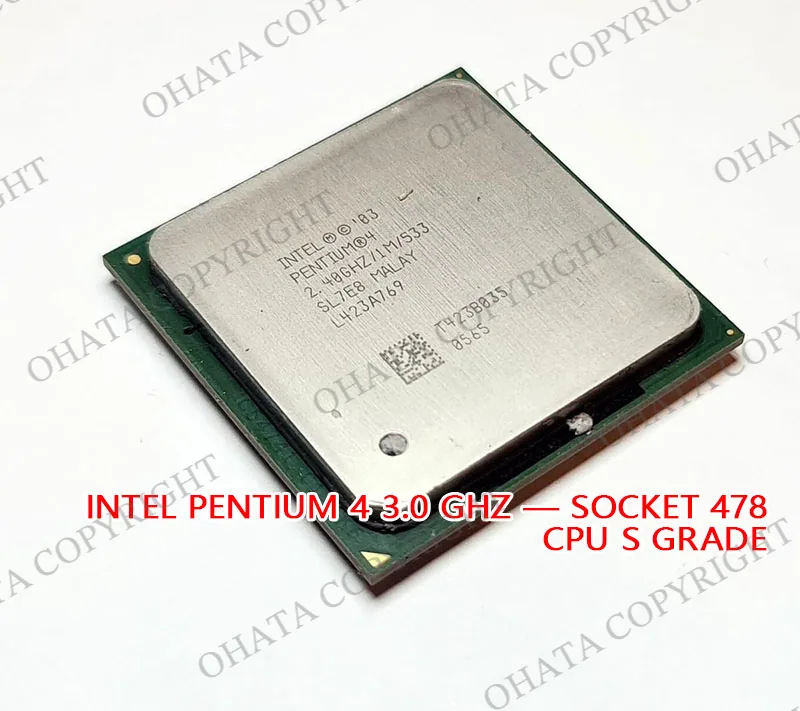
CPU S Grade (Gold-Pin PGA CPU) Buying
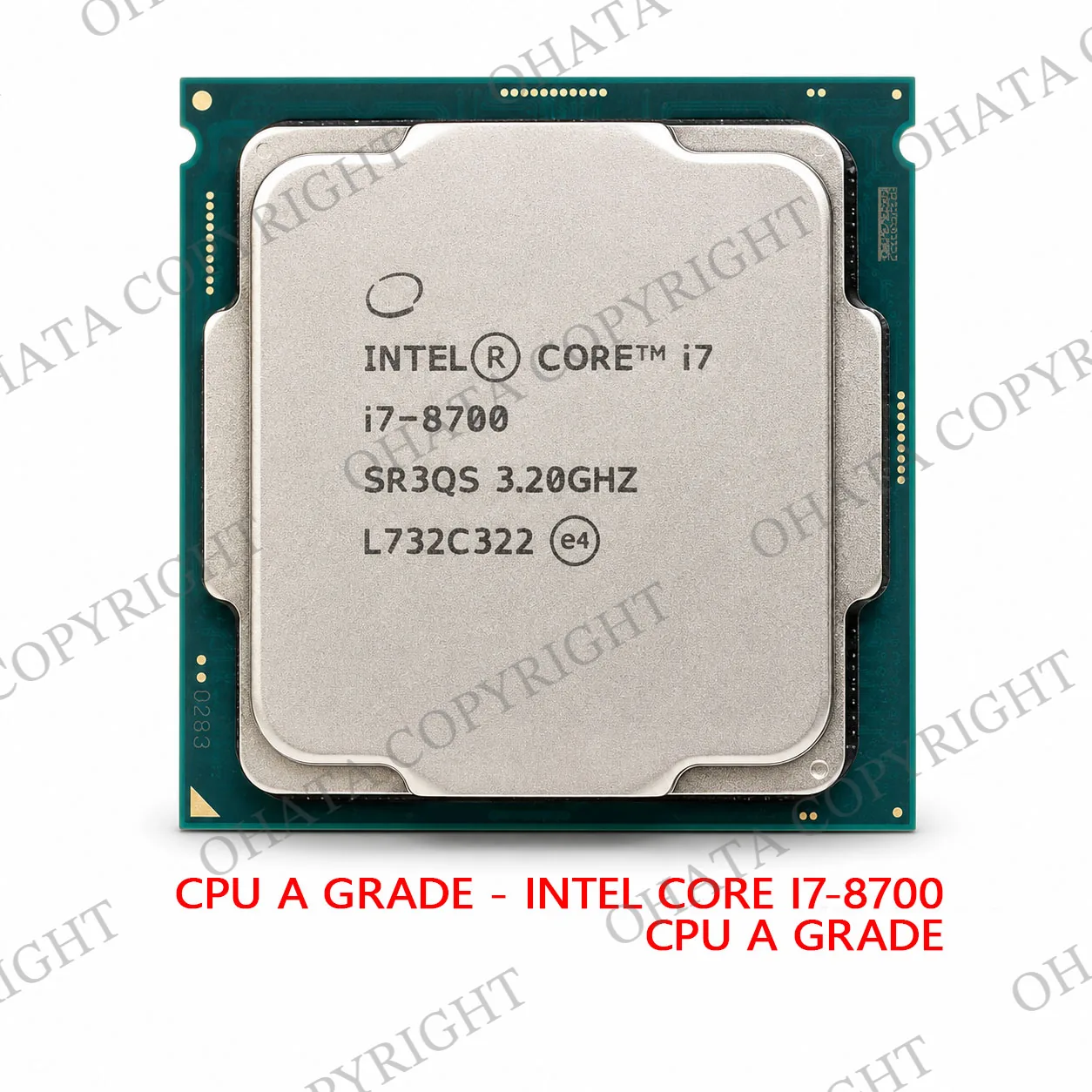
CPU A Grade ( Modern LGA CPU) Buying
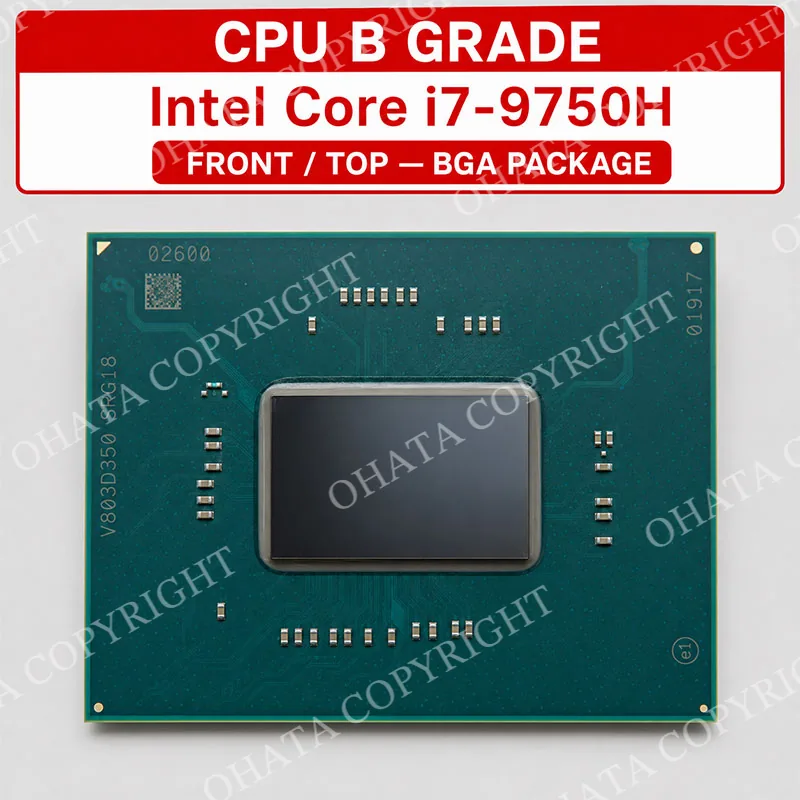
CPU B Grade ( BGA CPU and IC chips) Buying
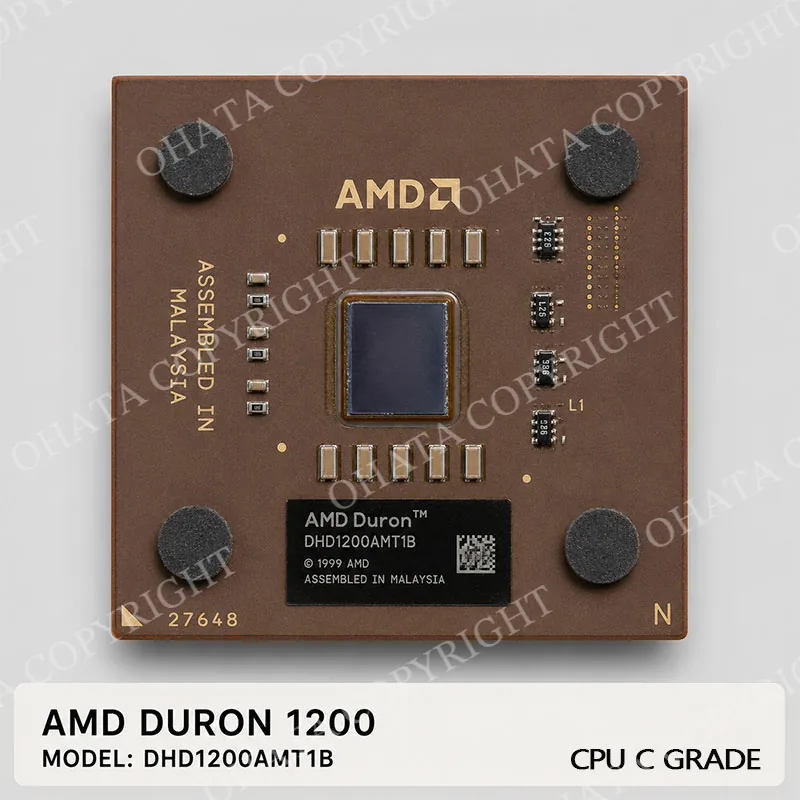
CPU C Grade ( Fiber CPU) Buying
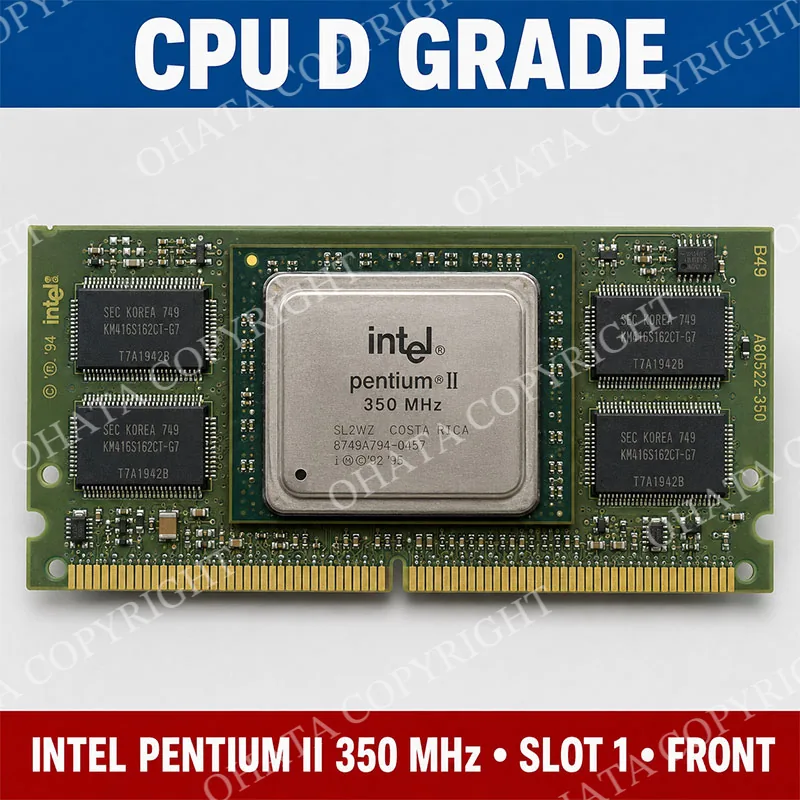
CPU D Grade ( Slot CPU/ CPU Module) buying
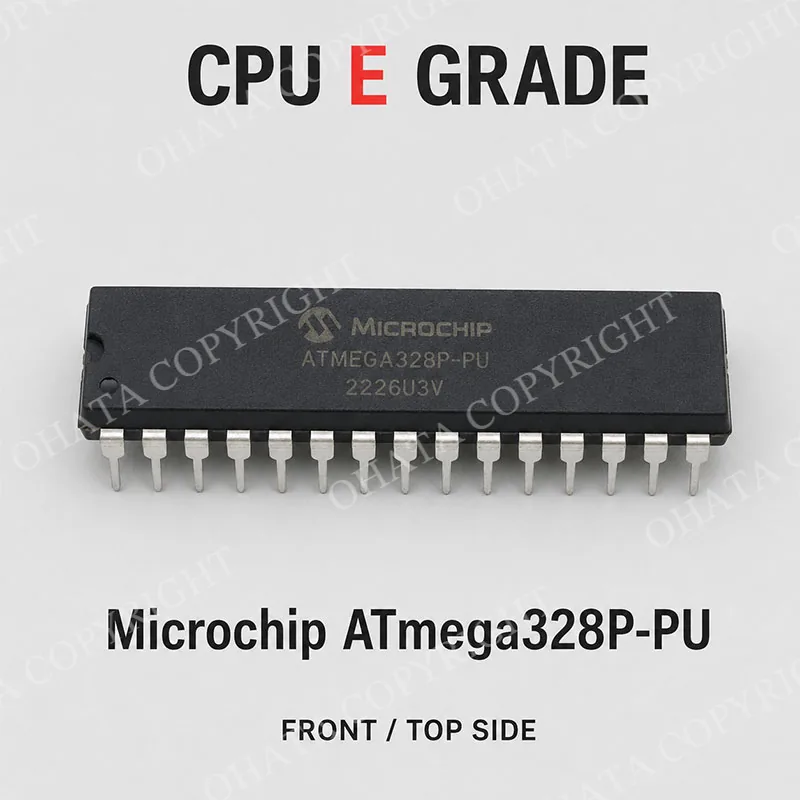
CPU E Grade ( Plastic IC and Processor Chips) Buying