
-
We buy Apple MacBook Laptop Logic Boards from a minimum of 1 lb.
-
Under the Ohata Circuit Board Scrap Classification, qualifying Apple MacBook logic boards are classified as A+ Grade when they meet the applicable buying conditions.
-
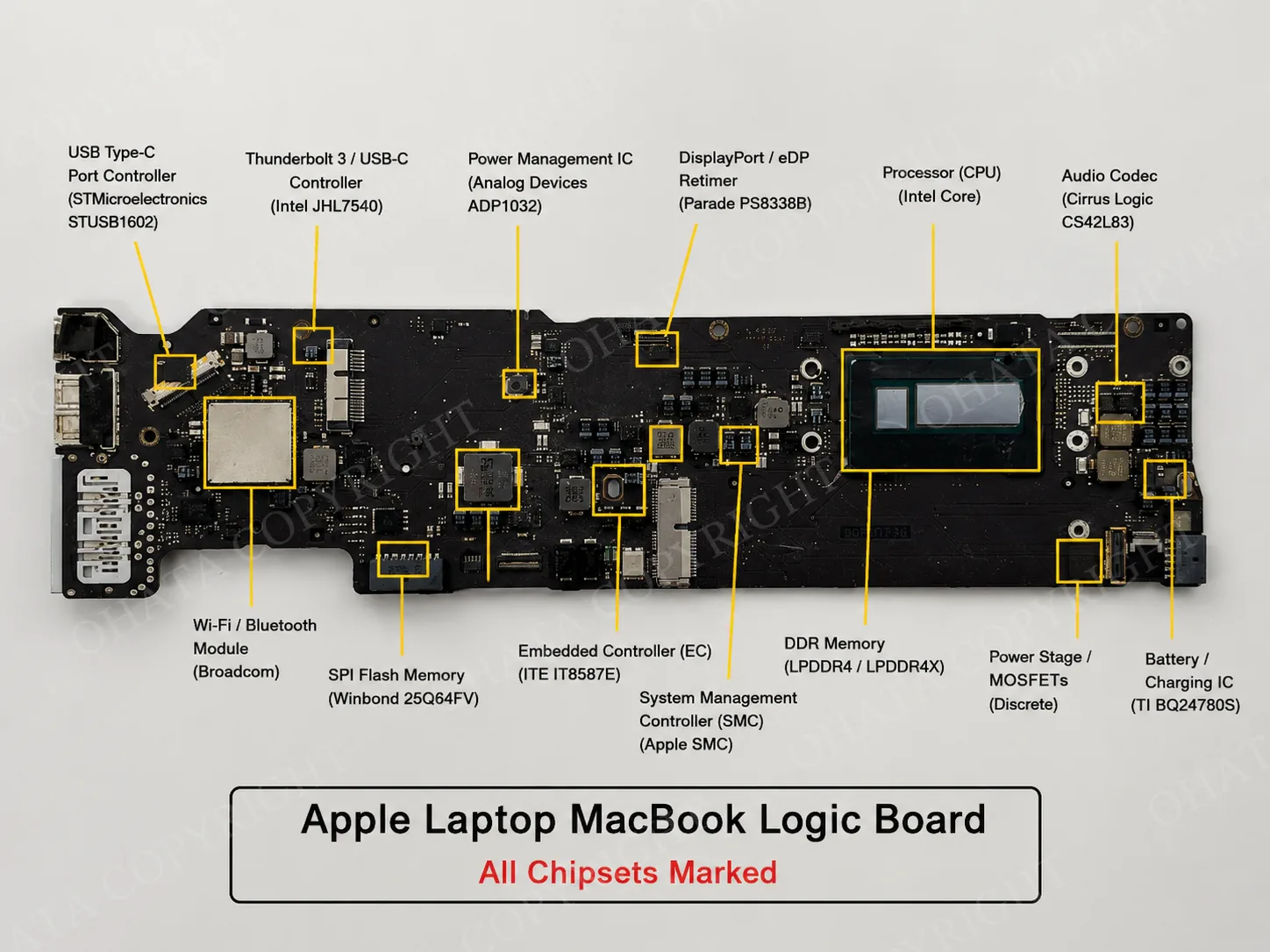
Qualifying boards should retain their CPU or system-on-chip, chipset, memory components, storage components where integrated, connectors, and power-management circuitry.
-
Buying value is based on board construction, component density, completeness, condition, contamination, and processing requirements, not the MacBook model, age, operating condition, original price, or resale value.
-
Keep Apple MacBook logic boards separate from PC laptop boards, batteries, displays, keyboards, housings, chargers, cables, and unrelated electronic scrap whenever practical. Final classification, acceptance, and purchasing value are confirmed after physical inspection.
Apple Laptop Logic Board Buying scrap price
Today's buying price
10.80 USD / lb
Buying at Seattle, WA, United States
-
We buy Apple MacBook Laptop Logic Boards from a minimum of 1 lb.
-
Under the Ohata Circuit Board Scrap Classification, qualifying Apple MacBook logic boards are classified as A+ Grade when they meet the applicable buying conditions.
-
Qualifying boards should retain their CPU or system-on-chip, chipset, memory components, storage components where integrated, connectors, and power-management circuitry.
-
Buying value is based on board construction, component density, completeness, condition, contamination, and processing requirements, not the MacBook model, age, operating condition, original price, or resale value.
-
Keep Apple MacBook logic boards separate from PC laptop boards, batteries, displays, keyboards, housings, chargers, cables, and unrelated electronic scrap whenever practical. Final classification, acceptance, and purchasing value are confirmed after physical inspection.
Buying Details of Conditions
Introduction, Construction, Components, and Recycling Value
The Apple MacBook Laptop Logic Board category includes qualifying main circuit boards removed from Apple MacBook, MacBook Air, and MacBook Pro laptop computers.
Apple refers to a laptop motherboard as a logic board. It performs the same central role as a motherboard by connecting and controlling the processor, memory, storage, power system, ports, and other internal hardware.
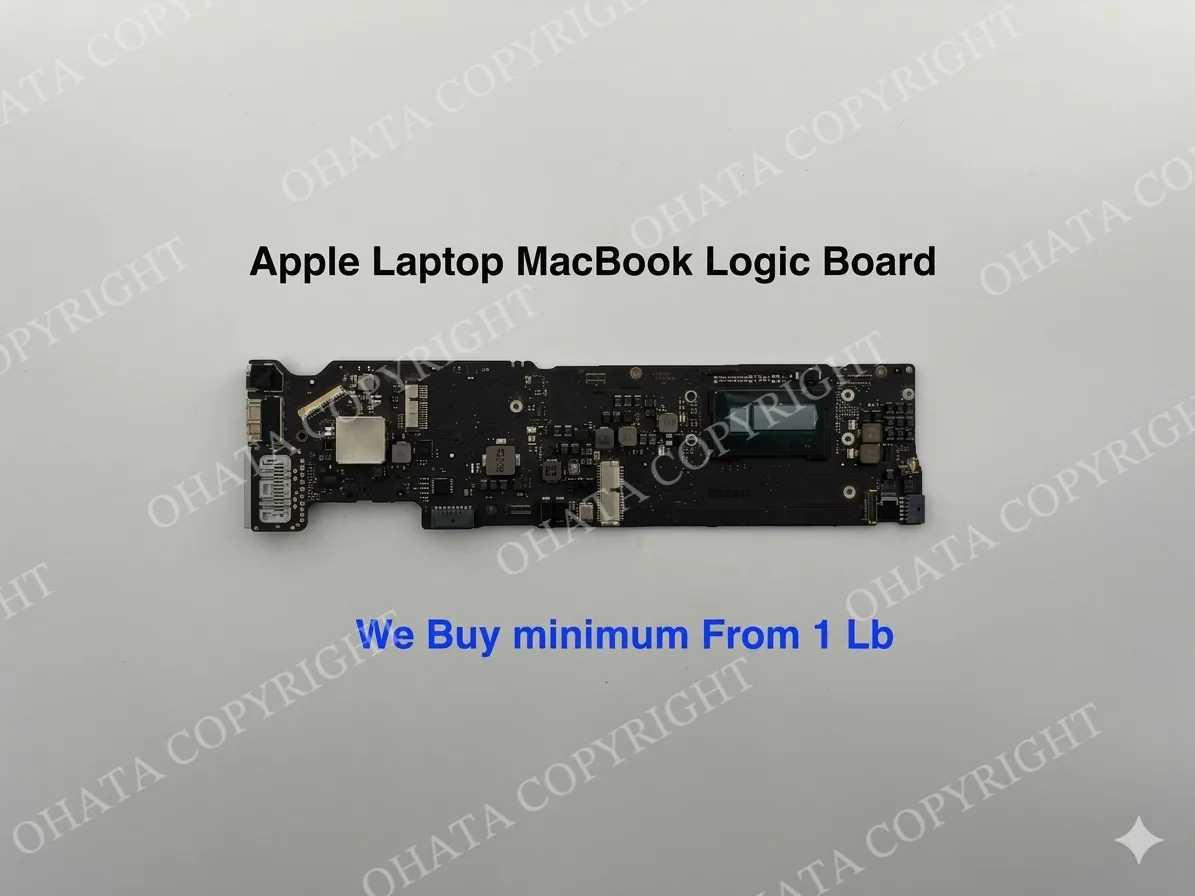
A typical Apple laptop logic board may contain:
An Intel processor or Apple system-on-chip
Graphics and system-control components
Soldered or socketed memory, depending on the model
Integrated storage components on applicable models
Power-management integrated circuits
Charging and battery-control circuitry
Audio, wireless, and peripheral controllers
Display, keyboard, trackpad, storage, and I/O connectors
Copper tracks and internal conductive layers
Plated contacts, solder, and passive components
These boards may contain recoverable copper, gold, silver, palladium, nickel, tin, aluminum, and other materials in varying quantities.
The exact construction differs between generations. Older Intel-based MacBook boards may use separate processors, chipsets, memory slots, or removable storage connections. Newer designs may combine the processor, graphics, memory controllers, and other functions within fewer integrated packages.
Apple MacBook Logic Board Identification Guide
A qualifying board should be recognizable as the main logic board from an Apple laptop. Identification may involve the board’s shape, component layout, Apple markings, printed board number, connector arrangement, processor type, and original computer model.
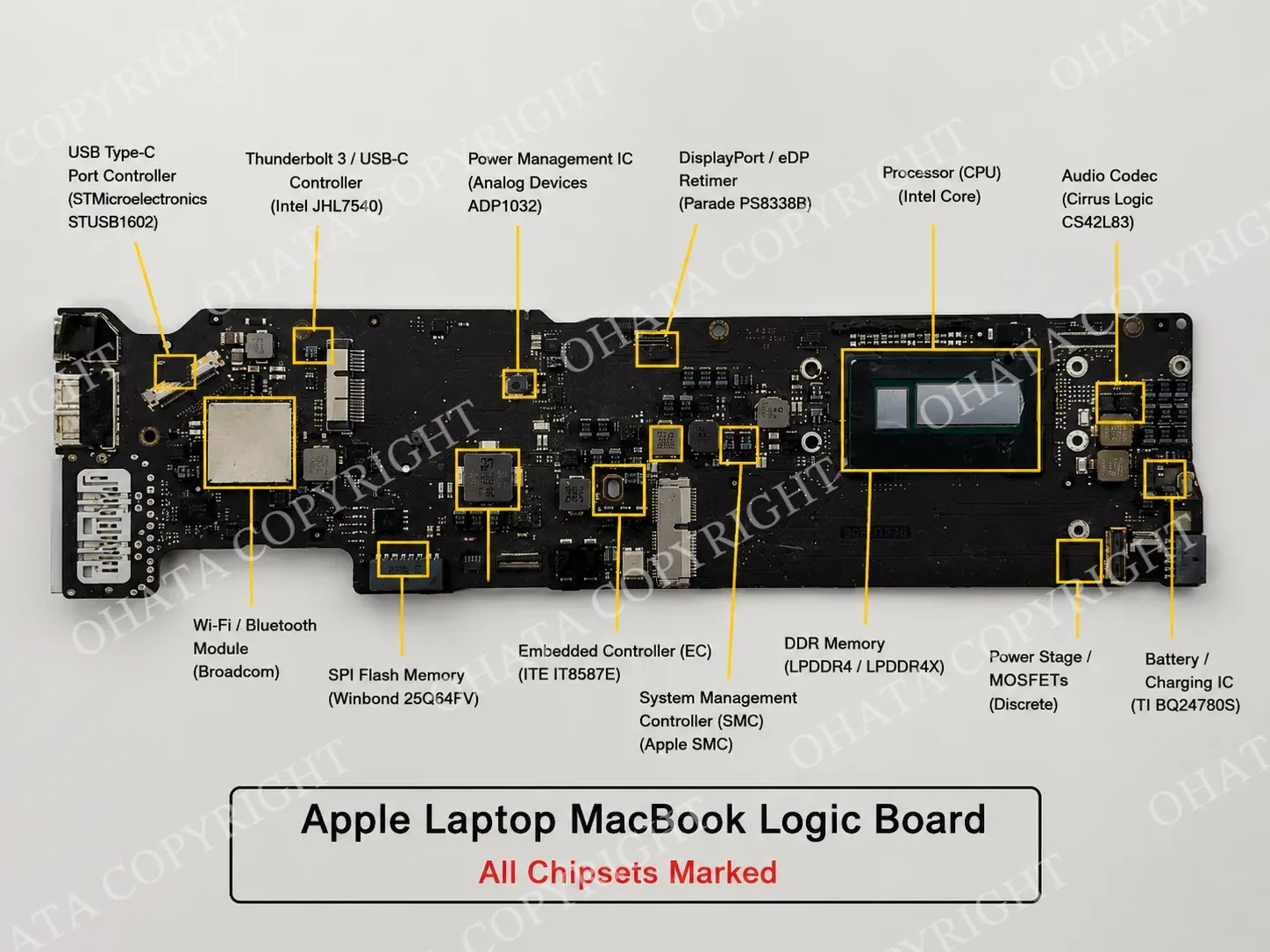
Apple logic-board numbers are commonly printed directly on the PCB. These markings can help distinguish boards from different MacBook generations, but one number or logo does not determine the buying category by itself.
A complete board should retain its principal processors, memory components, power-management circuitry, firmware components, connectors, and other factory-installed electronics.
Small shields, brackets, heat spreaders, or other original parts directly attached to the board may remain when removing them could damage the PCB. Loose batteries, displays, fans, speakers, housings, cables, and unrelated laptop parts should be kept separate.
Apple desktop logic boards, iPhone logic boards, iPad logic boards, and non-Apple laptop motherboards belong in other categories and should be evaluated separately.
Buying Conditions and Component Completeness
Apple MacBook logic boards do not need to function. Classification is based on physical construction and recoverable material rather than electronic performance, repairability, or resale potential.
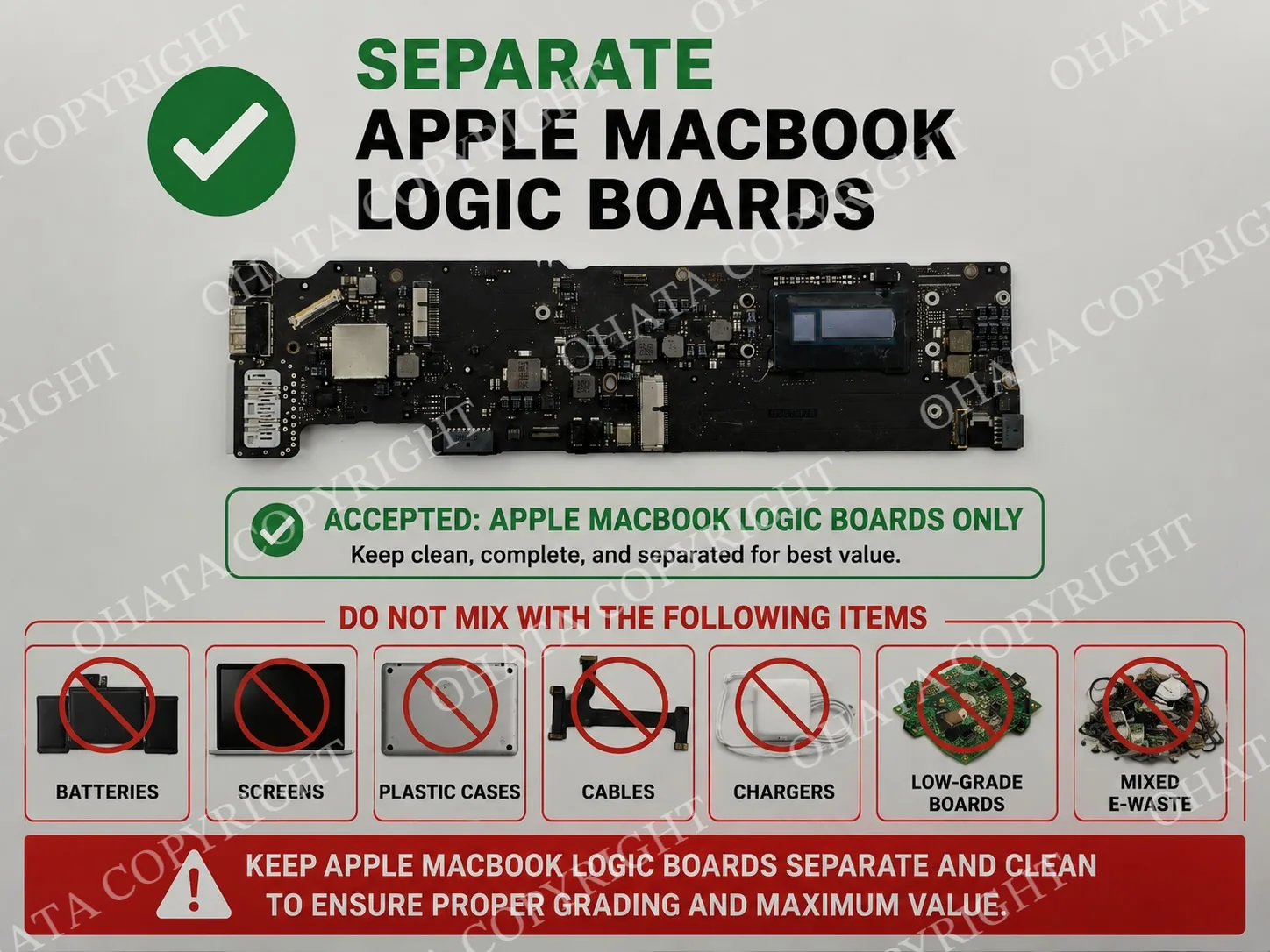
Boards should remain complete, identifiable, dry, and reasonably clean. Minor dust, labels, ordinary handling wear, and limited cosmetic damage may be acceptable.
Conditions that may affect classification or purchasing value include:
Removed processors, memory, storage components, or major controller ICs
Missing power-management or charging components
Removed connectors or large shielded sections
Cracked, cut, bent, crushed, or drilled PCBs
Burned or carbonized areas
Severe corrosion, oxidation, or liquid damage
Extensive repair residue or evidence of component harvesting
Heavy dirt, oil, chemicals, or hazardous contamination
A missing component does not automatically place the board in one specific lower grade. The complete board must be inspected before another classification or buying value can be assigned.
Severely burned, extensively corroded, chemically treated, heavily stripped, hazardous, or unidentifiable material may be rejected after inspection.
Data Security and Safe Handling
Some Apple laptop logic boards contain soldered storage or other data-bearing components. Customers are responsible for removing personal information before selling their material whenever possible.
Once purchased, data-bearing material may undergo software-based data destruction or physical shredding according to the applicable processing requirements. Data cannot be recovered after physical destruction.
Do not power on a wet or liquid-damaged logic board. Keep it dry and separate from other material until it can be inspected.
Apple laptop batteries are not part of this loose logic-board category. Do not puncture, crush, bend, open, or attempt to remove a swollen, leaking, burned, unusually hot, or otherwise hazardous battery. Contact the Seattle yard before transporting a device containing a damaged battery.
Sorting and Preparation
Keep Apple MacBook logic boards separate from:
Non-Apple laptop motherboards
Apple desktop and mobile-device boards
Batteries
Displays and display assemblies
Keyboards and trackpads
Fans, speakers, and heat sinks
Metal frames and plastic housings
Chargers, cables, and loose accessories
Unrelated circuit boards and electronic waste
Do not cut, grind, burn, chemically treat, or intentionally strip the boards. Avoid removing integrated circuits, connectors, plated contacts, or other factory-installed components.
Mixed categories are accepted but may require separate inspection, sorting, weighing, and pricing.
Official Ohata Classification
Under the Official Ohata Classification, qualifying Apple MacBook laptop logic boards are classified as A+ Grade.
A board may qualify when it has:
Recognizable Apple MacBook logic-board construction
Its principal processors and integrated circuits retained
Its memory, power-management, firmware, and connector components retained where included in the original design
A substantially complete and identifiable PCB
No extensive component harvesting
No severe hazardous contamination
Different MacBook models, processor generations, board shapes, storage capacities, and original retail values may receive the same A+ Grade price when they meet the current standard.
Final classification, acceptance, measured weight, and purchasing value are confirmed after physical inspection.
When You Arrive
Bring your materials to our receiving counter or ask a staff member for assistance with a larger load.
Our team will inspect and weigh your materials.
Final classification and buying prices will be confirmed after inspection.
Payment will be processed according to the current purchasing policy after the transaction is completed.
Helpful Tips Before Your Visit
No appointment is necessary for regular walk-in loads.
Review the latest buying price before traveling.
Separate different board categories whenever practical.
Keep batteries, trash, and unrelated materials separate.
Bring a valid government-issued photo ID.
Contact the Seattle yard before bringing an unusually large or commercial load.
See More Other Board Scrap Price
More about Apple Laptop Logic board details, See Apple MacBook Laptop Logic Board Scrap
- 1. What is today’s price for Apple Laptop Logic Board Buying?
- As of Oct 06,2026, Ohata Shoji America Inc., (Seattle, WA, United States) is purchasing Apple Laptop Logic Board Buying at 10.80 (USD/lb). We provide competitive scrap prices in Seattle, Bellevue, Renton, Tukwila, Kent, SeaTac, Tacoma, Everett, and surrounding communities.
- 2. Do you have a minimum buying quantity limit ?
- Purchases start from 1 lb of eligible Apple MacBook logic board scrap.
- 3. Do you offer mail-in purchasing from Seattle and nearby cities?
- Yes. Customers throughout the Seattle metropolitan area, including Bellevue, Redmond, Kirkland, Tacoma, Everett, Kent, Renton, Auburn, and surrounding communities, can securely ship their Apple logic board scrap to us for evaluation.
- 4. Do I need to make an appointment ?
- No, you don't need appointment. You can call ,email, or come to our Seattle warehouse. Our Warehouse address is Unit B 423 S Horton St , Seattle, WA 98134.
- 5. What payment methods do you offer for Apple logic board scrap?
- We offer fast payment after inspection. Depending on the transaction, payment may be made by cash (where legally permitted), company check, bank transfer, or other agreed payment methods. Payment is issued after the material has been received, inspected, and weighed.
- 6. What identification or documents should I bring when selling electronic scrap?
- Depending on Seattle and Washington state regulations and the type of transaction, you may be asked to provide a valid government-issued photo ID. Business sellers may also be requested to provide company information, invoices, or other documents verifying ownership of the material.
- 7. Is it legal to sell Apple MacBook logic board scrap in the Seattle Metro area?
- Yes. Selling electronic scrap is generally legal when the material is lawfully owned. Sellers are responsible for ensuring they have the legal right to sell the items and for complying with all applicable federal, Washington State, and local regulations regarding electronic recycling and scrap transactions.
- 8. Which areas do you serve around Seattle?
- We serve customers throughout the Seattle metropolitan area, including Seattle, Bellevue, Redmond, Kirkland, Renton, Kent, Auburn, Tukwila, Shoreline, Everett, Lynnwood, Tacoma, and surrounding communities.
- 9. Can businesses schedule regular pickups for Apple logic board scrap?
- Yes. We work with computer repair shops, IT asset disposition (ITAD) companies, electronics recyclers, schools, universities, and corporate IT departments. Regular pickup or scheduled purchasing programs may be available for qualifying commercial customers.
- 10. How should I prepare my Apple logic boards before selling?
- Separate Apple logic boards from other electronic scrap whenever possible. Remove batteries, heatsinks, cooling fans, metal brackets, keyboards, LCD assemblies, and other non-board attachments to improve grading accuracy and maximize value.
- 11. Do you purchase other Apple electronic scrap besides logic boards?
- Yes. We also purchase many types of Apple electronic scrap, including MacBook motherboards, iMac logic boards, Mac Pro boards, iPhone logic boards, iPad logic boards, CPUs, RAM, expansion cards, and other electronic circuit boards, subject to inspection.
- 12. Why do Seattle customers choose Ohata for Apple logic board recycling?
- Customers throughout the Seattle metro area choose Ohata for professional grading, transparent purchasing standards, competitive pricing, fast service, and expertise in identifying high-value electronic scrap using the proprietary Ohata Classification System.
- 13. I am living in Seattle , Will I be notified if your buying conditions change?
- No. Our buying conditions, acceptance standards, grading criteria, minimum quantities, and buying prices may be updated at any time without individual notice. We do not provide separate notifications for these changes. The most current buying conditions of Seattle Metro Area are always published on our website, and the version available online at the time of your visit or transaction will apply. We recommend reviewing our website before delivering your materials to ensure you have the latest information.
Related Items
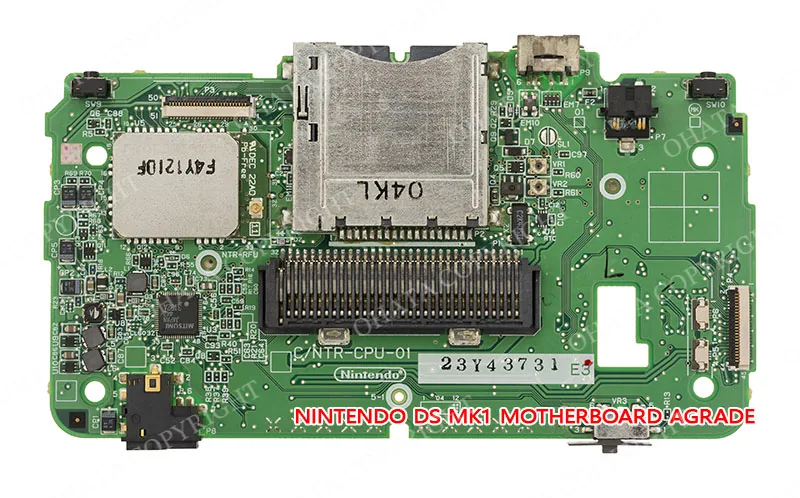
Board A Grade (Premium Computer Board) Buying
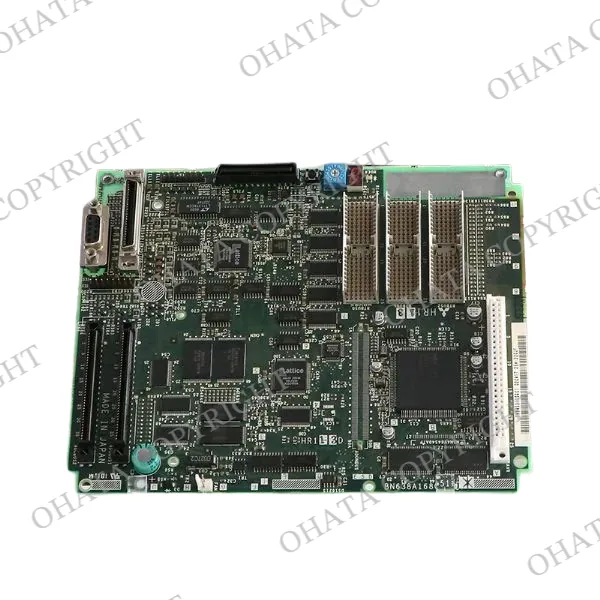
Board A+ Grade (Industrial and Enterprise Board) Buying
Board B Grade (medium value board) buying
Board C Grade (Lower Premium Board) buying
Board D Grade (Lower Computer Board) Buying
Board S Grade (High-End Computer Board) Buying