

Electronics Value and Scrap Value Are Different Markets
Electronic equipment can have several kinds of value during its life.
A new server, computer, graphics card, memory module, smartphone, or networking device is initially valued as a manufactured product. Its price can reflect engineering, performance, memory capacity, processing speed, manufacturing cost, availability, brand, generation, and demand.
A used electronic item may later enter a resale market. At that stage, functionality, remaining useful life, compatibility, condition, age, and demand can become more important. Electronic scrap is different from both.
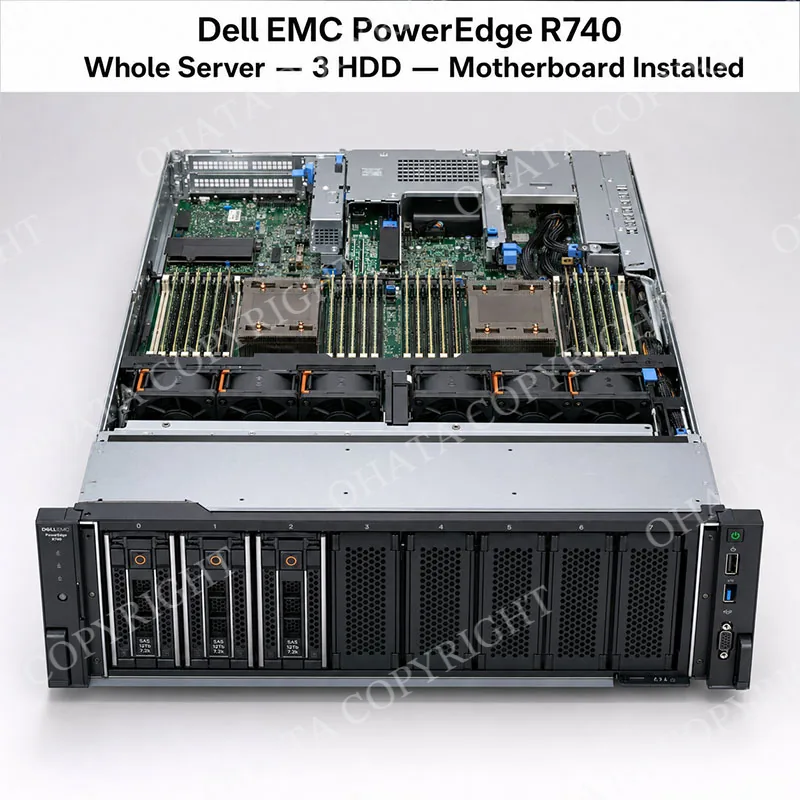
When an item is evaluated primarily for material recovery, the question changes from “What can this device do?” to “What material is physically present?”
Market | What Primarily Creates Value | Example |
|---|---|---|
New electronics | Performance, technology, manufacturing cost, availability, capacity, demand | New enterprise server memory |
Used electronics | Functionality, compatibility, remaining useful life, age, condition, resale demand | Working used RAM sold for reuse |
Electronic scrap | Item category, physical construction, recoverable materials, completeness, condition, weight, processing requirements | RAM evaluated under an Ohata scrap category |
These markets are related, but they do not move in conjunction to each other.
A server memory module may become more expensive because data centers need more memory. That price increase reflects the module's usefulness as an electronic component.
The existing module does not gain additional copper, gold plating, solder, or other material simply because demand increased.
The opposite can also occur. A computer component can lose nearly all resale demand because it is obsolete while still containing materials that can be recovered.
Original retail value is therefore not a reliable measure of e-scrap value.
A costly industrial system may contain a relatively simple control PCB, while a smaller board from telecommunications or enterprise equipment may have a much denser electronic construction.
The original equipment provides useful identification context, but the material itself must still be examined.
Learn more: Seattle Gold Market Weekly: How Gold Prices Affect Circuit Board Value
How Ohata Classification Connects Electronics to Material Value
The raw-material market cannot tell us much about an individual board until we know what kind of board it is. That is the purpose of classification.
The Ohata board grading system organizes qualifying circuit boards into:
SS Grade
S Grade
A+ Grade
A Grade
B Grade
C Grade
D Grade
Appliance A
Appliance B
Classification considers the complete board. Relevant characteristics can include:
original application
board construction
CPU or socket configuration
integrated-circuit density
connector structure
gold-plated contacts
component population
completeness
removed soldered components
cut or damaged PCB sections
corrosion, burning, or contamination
expected recoverable-material characteristics
A board should not be assigned a grade simply because it is large, old, heavy, from a well-known manufacturer, or has visible gold-colored contacts. For example, S Grade circuit boards are classified according to the physical board and applicable requirements. A rise in gold prices does not turn an A Grade board into S Grade. Likewise, a change in copper prices does not move a motherboard from one physical grade to another.
Ohata grade describes material for purchasing and recovery. It does not rate computing performance, manufacturing quality, resale value, or the original price of the electronics.
Understanding the Metals Behind E-Scrap Markets
Electronic scrap is a manufactured mixture of different components.
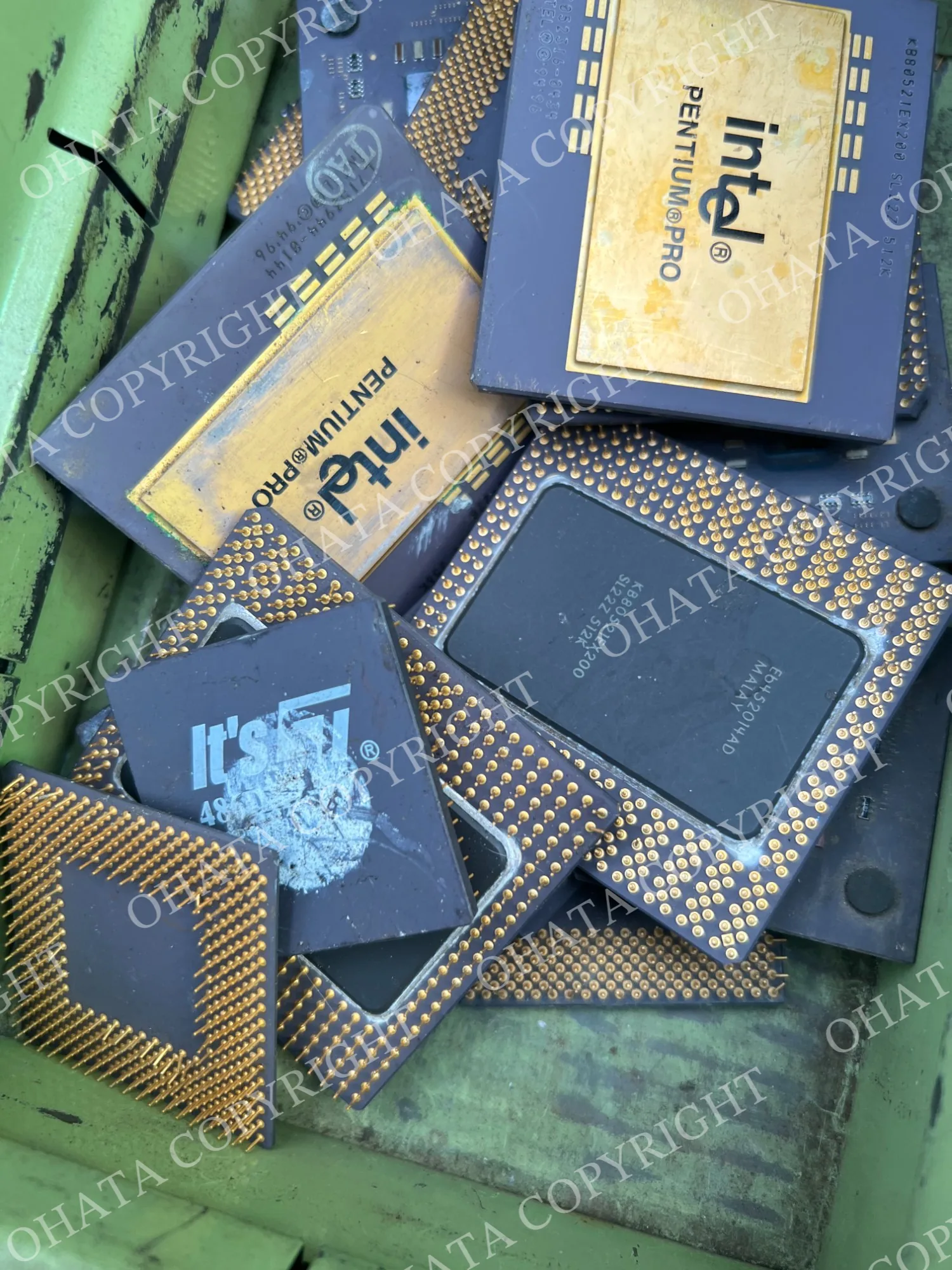
A populated circuit board can contain fiberglass, resin, copper structures, solder, semiconductor packages, connectors, ceramic components, plastics, steel, aluminum, and small concentrations of precious metals. Different electronics contain these materials in very different proportions.
Metal
Role in Electronic Scrap
Common Electronic Uses
Major Wider Market Influences
What It Means for E-Scrap
Copper
Often an important recoverable metal by weight
Internal PCB layers, traces, wiring, transformers, coils, connectors, motors
Mining and refining supply, construction, electrical grids, manufacturing, transportation, data centers
Copper can contribute substantially even when it is hidden inside a PCB. A change in copper prices can matter differently to copper-rich material than to precious-metal-rich categories
Gold
High value per unit of weight means small concentrations can be economically significant
Connector plating, edge contacts, pins, sockets, selected semiconductor structures
Mine supply, recycled supply, investment demand, monetary conditions, industrial demand
Most electronic gold is present in thin plating or very small structures. Visible gold color does not measure actual recoverable gold
Silver
Valuable precious and industrial metal used across several electronic applications
Contacts, switches, conductive materials, selected solders and components
Industrial manufacturing, electrical applications, solar demand, mine supply, investment demand
Silver can contribute to material value without being easily visible or dominating the weight of the scrap
Palladium
Can contribute value in selected electronic components
Certain contacts and component technologies, including some ceramic electronic components
Mine supply, automotive and industrial demand, substitution among platinum-group metals
Palladium content is highly dependent on component technology and should not be assumed from board appearance
Tin
Important because solder is used extensively throughout electronics
Solder joints and solderable finishes
Mine production, refined supply, manufacturing demand, inventories
Tin may be distributed across a populated board in many small solder joints rather than concentrated in one visible feature
Nickel
Used in alloys, plating systems, contacts, structures, and batteries
Connector plating, intermediate contact layers, component structures, battery materials
Stainless-steel demand, battery demand, mining, refining, inventories
Nickel can form part of a multilayer plating system beneath another visible surface finish
Aluminum
Common recoverable base metal in electronic equipment
Heat sinks, housings, frames, capacitors, structural components
Electricity costs, smelting capacity, transportation, construction and manufacturing demand
Large aluminum parts can add significant weight without giving that weight the same material profile as a populated PCB
Steel / Iron
Major structural material in whole electronic equipment
Chassis, enclosures, shields, brackets, screws
Steel production, manufacturing, construction, ferrous-scrap markets
A heavy steel enclosure can make equipment much heavier without increasing the grade of the circuit board inside
Copper is a useful example because much of it is not immediately visible. A multilayer PCB can contain copper planes and traces between fiberglass and resin layers. A green, blue, black, or brown circuit board can therefore contain internal copper even when relatively little bare copper appears on the surface.
Gold contributes to e-scrap economics differently from copper. Electronic contacts generally use relatively thin layers of gold where corrosion resistance and reliable electrical contact are useful. The value of gold means these small concentrations can matter, particularly in some higher-grade material.
However, gold-colored does not mean solid gold, and seeing several plated contacts does not provide enough information to calculate the board's buying price.
This is one reason the complete physical classification is more useful than trying to estimate each metal visually.
Learn more on YouTube: 4 Types of E Scrap That May Contain Gold
Mining, Refining, and Recycling Determine Available Metal Supply
Mining companies extract ore containing economically useful concentrations of metals. That material then moves through additional processing before manufacturers can use it.
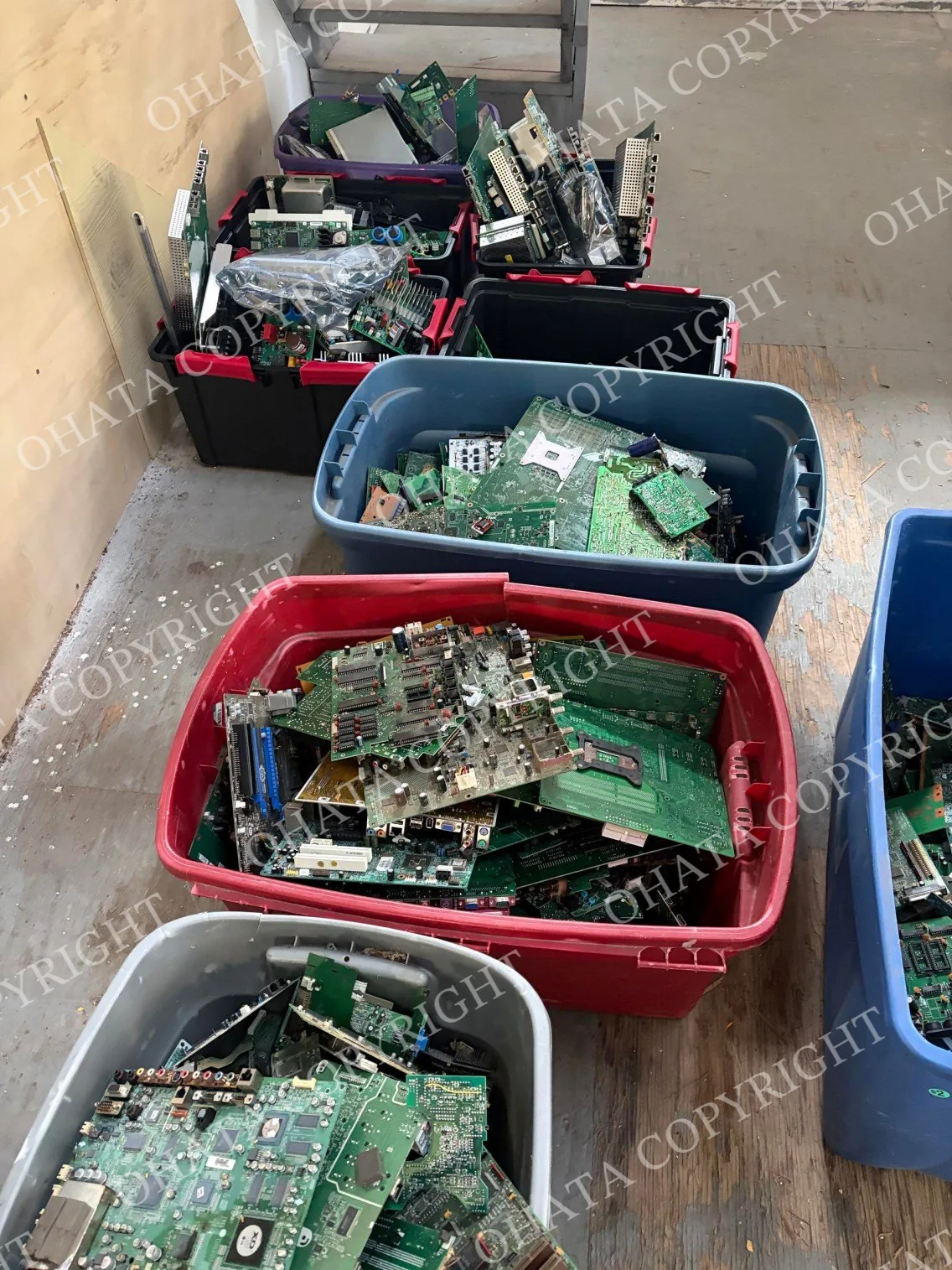
A simplified primary-metal chain is:
Mineral deposit → mining → concentration or preparation → smelting or other processing → refining → manufacturing
The exact chain differs between metals. The amount of metal available to manufacturers can therefore be affected at several stages:
Mine production changes as existing operations expand or contract, new projects enter production, older mines decline, ore grades change, or operations experience interruptions.
Ore grade matters because mines generally process large quantities of rock to recover much smaller quantities of useful metal. If the concentration of recoverable metal changes, the amount of material and processing required can also change.
Smelting and refining capacity can become a separate limitation. Producing more ore or concentrate does not necessarily result in the same immediate increase in refined metal.
Inventories provide another source of available supply. Producers, traders, exchanges, manufacturers, and other market participants may hold already-produced metal that can cushion temporary shortages or contribute to oversupply.
Electronic recycling adds a second major source: secondary material. Secondary supply comes from metals recovered from products and scrap that have already completed an earlier manufacturing or use cycle.
Sources can include:
electronic scrap
vehicles
electrical cable
industrial equipment
construction material
manufacturing scrap
appliances
machinery
other metal-bearing products
E-scrap therefore fits into a longer material cycle:
Mining → refining → manufacturing → electronics → use → collection → sorting → material recovery → refining → manufacturing
Primary and secondary materials eventually serve many of the same manufacturing markets.
Recycled copper can supplement newly mined copper. Recovered precious metals can re-enter refining systems. Tin-bearing and aluminum-bearing scrap can likewise contribute to secondary supply.
Recycling does not replace mining, and mining does not make recycling economically irrelevant. Both contribute to material supply.
Their relative importance differs by metal, region, technology, availability of scrap, collection rates, processing capacity, and market conditions. For e-scrap, this means the board sitting in a storage bin is part of a much larger raw-material system. It began as manufactured electronics. Once discarded and purchased as scrap, it becomes a potential source of secondary material.
Manufacturing Demand Can Change Markets Without Changing the Scrap Value
Demand determines how strongly manufacturers and other buyers compete for available material.
Metals commonly associated with electronics are rarely used only in electronics. This means an e-scrap recycler participates indirectly in markets far larger than the electronics-recycling industry itself.
A change in construction activity can influence copper demand. Changes in electrical infrastructure can also affect copper. Semiconductor manufacturing can influence several specialty material markets.
A current example of this is the rapid expansion of artificial-intelligence computing infrastructure.
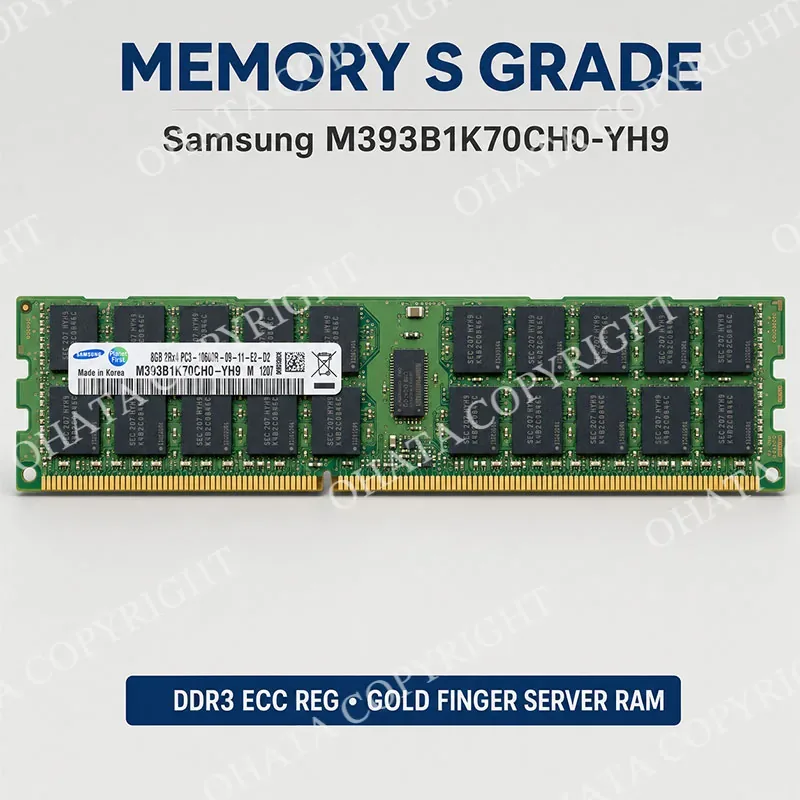
AI servers require large quantities of processing hardware and memory. The resulting demand has been particularly important for high-bandwidth memory and high-capacity server DRAM.
But there are two separate markets involved.
AI and Memory Market
RAM Scrap Market
Buyers need computing capacity
Buyers evaluate physical material
Capacity matters
Capacity alone does not establish grade
Performance matters
Performance does not establish grade
Memory generation can matter
Generation alone does not establish grade
Supply shortages can sharply affect selling prices
The existing module does not gain additional metal because new RAM becomes scarce
Specialized HBM or server DRAM can command high commercial value
Scrap classification still depends on physical construction and current buying requirements
Technology markets value performance. E-scrap markets evaluate material.
Building more data centers requires servers, networking equipment, electrical distribution, cooling systems, wiring, structural materials, and other infrastructure. That can contribute to wider demand for copper, aluminum, and other industrial materials.
Why Commodity Prices and E-Scrap Prices Do Not Move Together
Commodity-market headlines can make e-scrap pricing look deceptively simple. If gold rises 10%, it may seem reasonable to expect all gold-bearing e-scrap to rise 10%.
Electronic scrap does not contain a single raw material, so its price cannot move in direct proportion to one commodity. Only part of the gross weight represents recoverable metal.
One pound of circuit boards can contain:
PCB substrate
copper
solder
semiconductor packages
connectors
plastics
ceramic materials
steel
aluminum
small quantities of precious metals
other materials
Different categories also contain very different combinations of those materials. Commodity movements affect only part of the economics of a mixed material.
Several things can happen at the same time:
gold rises while copper falls
copper rises while processing costs increase
metal prices remain steady while transportation costs change
commodity prices improve while downstream buying conditions weaken
one metal becomes more important to a category while another represents most of its recoverable weight
a board arrives stripped or contaminated and no longer meets its previous physical classification
A commodity price describes a refined raw material. An e-scrap category describes the physical package in which multiple materials currently exist. The difference between those two states includes collection, identification, sorting, transportation, processing, separation, recovery, and refining.
Other Market Conditions That Influence E-Scrap Economics
Commodity prices are important, but they sit inside a larger system. A number of additional factors can change purchasing or processing conditions even when the physical scrap stays exactly the same.
Factor
How It Enters the Market
Energy
Mining, processing, smelting, refining, transportation, and manufacturing all consume energy. Some metals are particularly energy-intensive to produce
Currency
International commodities are commonly traded in U.S. dollars, while companies throughout the supply chain operate in many different currencies
Transportation
Scrap must physically move between collection, sorting, processing, refining, and manufacturing stages
Processing capacity
Available processing routes and capacity affect how economically the material can be recovered.
Refining conditions
Terms and costs farther downstream can change independently from headline commodity prices
Inventories
Existing stocks can reduce or increase the immediate need for new material
Trade conditions
Import requirements, export requirements, tariffs, shipping availability, and access to downstream markets can affect material flows
Quantity
Commercial quantities can create different handling, logistics, and processing considerations from small lots
Sorting
Material separated by category is easier to identify and process than a mixed load requiring additional sorting
Condition
Corrosion, burning, contamination, missing components, cut PCBs, and other changes can alter the material itself
Keeping material in appropriate categories helps preserve the connection between physical material and its buying classification. That is also why unnecessary dismantling can work against the seller.
How Ohata E-Scrap Buying Prices Are Determined
At Ohata Shoji America, we buy qualifying e-scrap for cash. The buying price depends on what the material is, its Ohata category, weight, condition, and current market conditions.
Each load is identified and checked before pricing. Complete material may be evaluated differently from boards that are stripped, cut, corroded, contaminated, mixed with other categories, or missing major components.
Current buying prices can also change with the wider raw-material market. Gold, copper, silver, and other metals do not affect every category equally because different types of e-scrap contain different combinations of materials.
Processing conditions matter as well. Sorting, transportation, downstream treatment, and refining all form part of the economics behind a buying category.
Ohata grading and pricing serve different purposes. The grade describes the material being purchased, while the current buying price reflects the conditions for that category at the time of sale.
After the material is identified, inspected, and weighed, qualifying purchases can be paid in cash on the spot.
Final classification, acceptance, and purchasing value are confirmed after physical inspection under current buying requirements.
How Ohata.AI Vision Assists With Photo Identification
Ohata AI can analyze a photograph and suggest a possible item type or buying category. It may help determine whether an unfamiliar item resembles a computer motherboard, server board, telecom board, industrial board, or another type of circuit board.
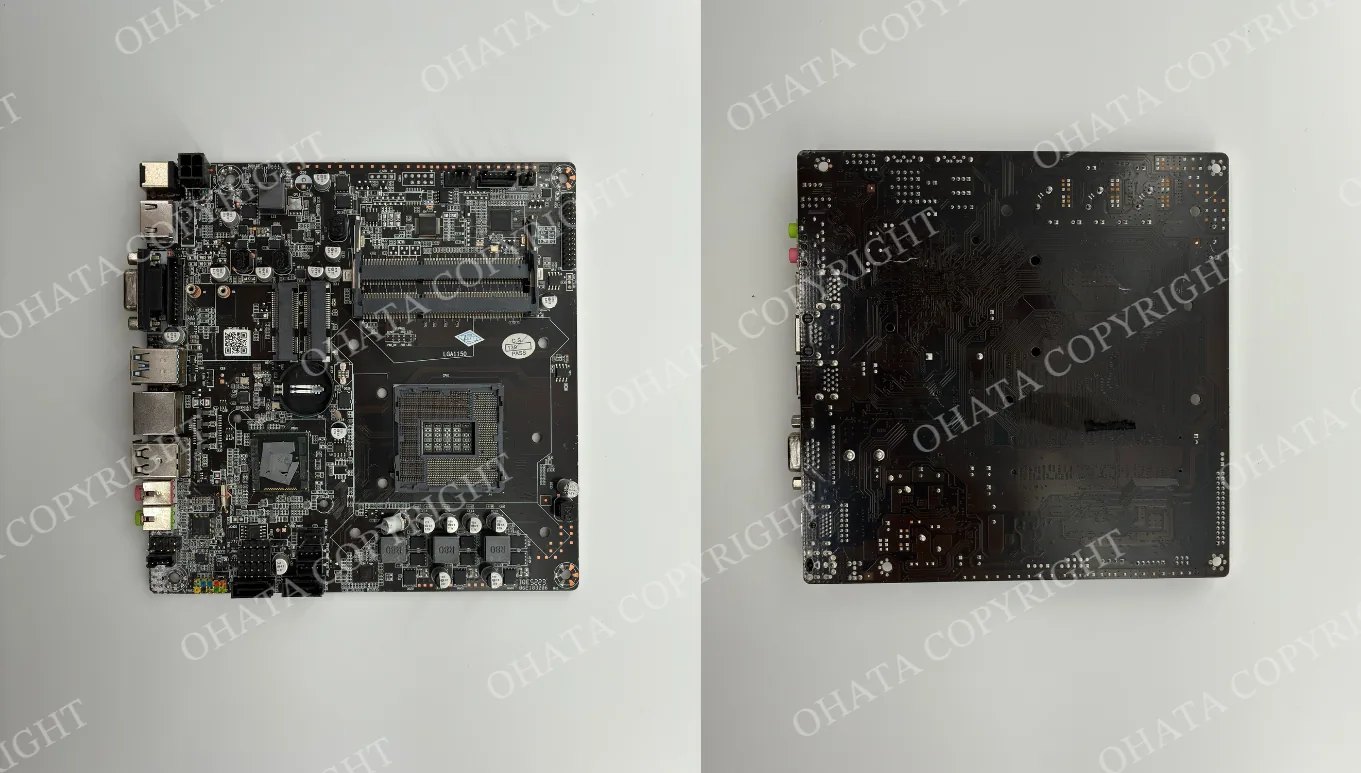
Clear photographs should show the full front and back without shadows or objects covering the components. Additional close-ups can show manufacturer markings, connectors, and areas where parts appear to be missing.
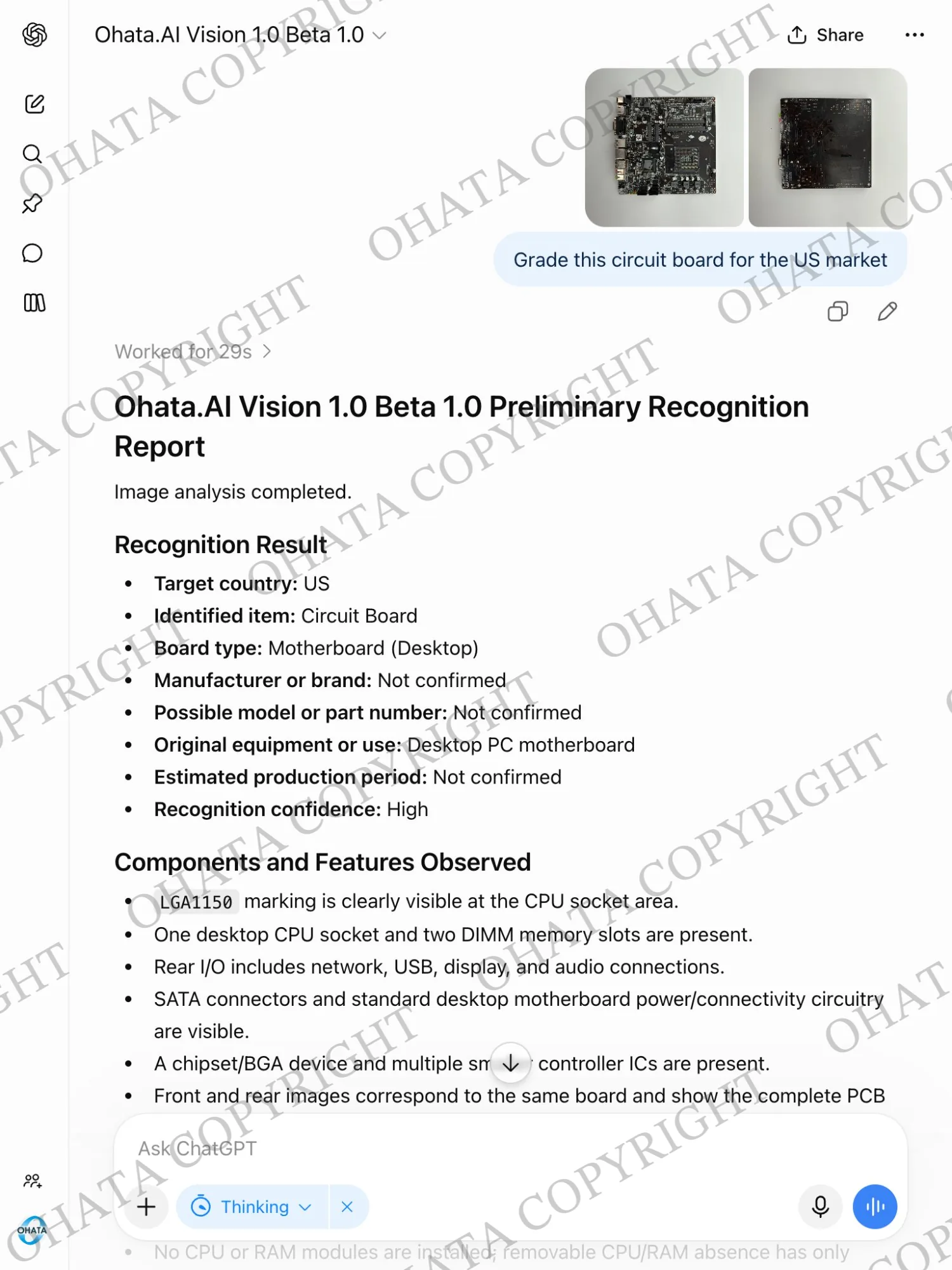
Ohata AI is an identification aid. Final acceptance, classification, and buying price depend on physical inspection, weight, completeness, condition, and current buying requirements.
During an inspection, I would check the type of board, whether its original PCB structure is intact, which major components remain, and whether any removed parts are included separately. I would also check for cutting, breakage, burns, corrosion, moisture, excessive dirt, chemical damage, and foreign material.
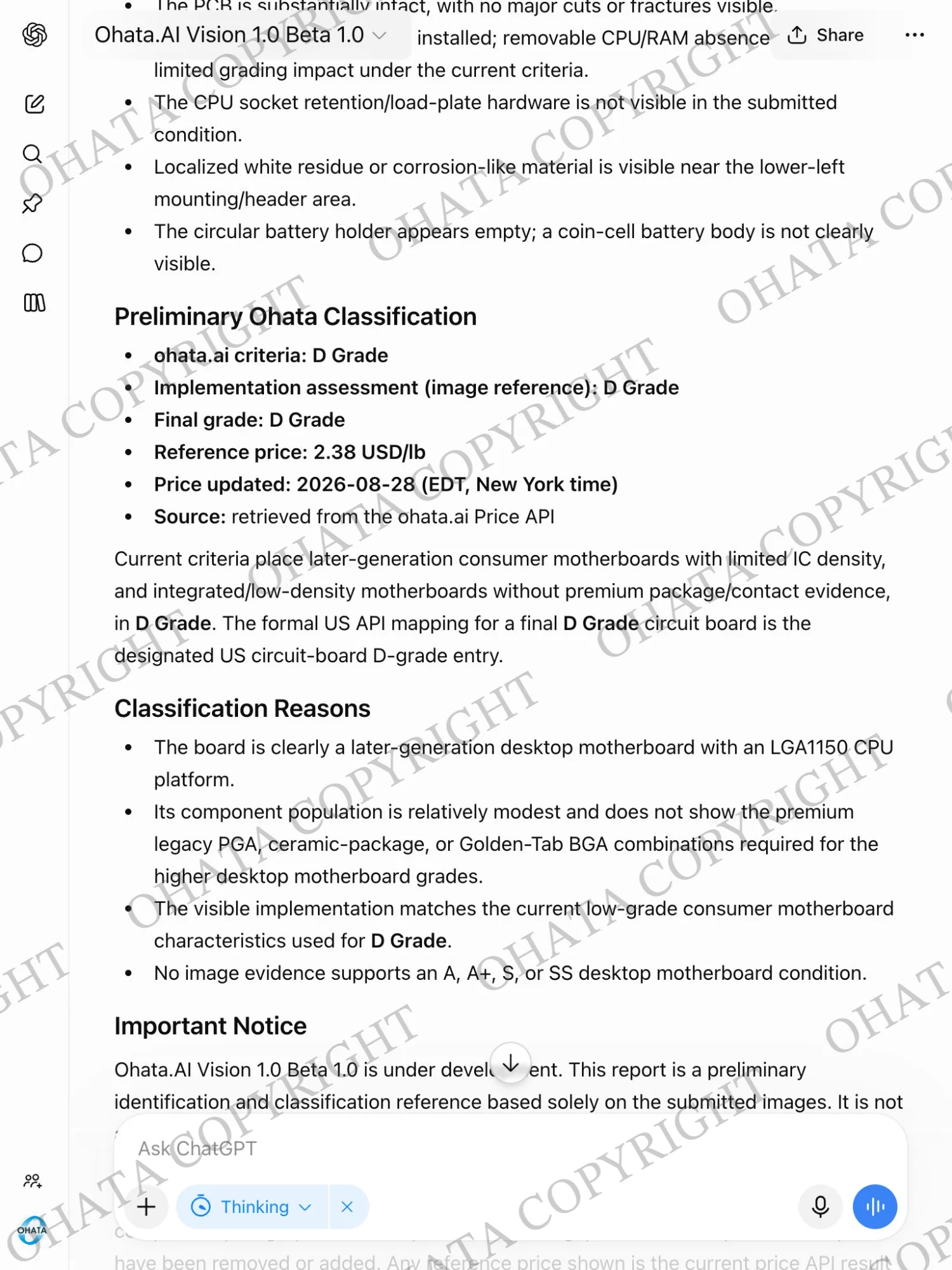
Keep complete boards separate from heavily stripped or cut boards. A load containing complete boards, stripped boards, metal pieces, wires, and unrelated material may receive a lower buying price because everything can’t necessarily be evaluated as one category.
Ohata.ai’s published reference prices may consider international metal raw-material markets and its pricing algorithms. Final buying prices are determined after the material is physically inspected and weighed.
Try Ohata.AI Vision
What Is an Ohata Grade?
An Ohata grade is a purchasing classification used to group electronic scrap according to its physical construction and expected recoverable-material characteristics.
For circuit boards, classification considers the type and original application of the board, component density, CPU or socket configuration, ICs, connectors, gold-plated contacts, completeness, and physical condition. A grade is not determined by the board's original retail price, brand, age, computing performance, or one individual component.
Ohata's circuit-board classifications include SS Grade, S Grade, A+ Grade, A Grade, B Grade, C Grade, D Grade, Appliance Board A Grade, and Appliance Board B Grade.
Each grade defines a different type of material for purchasing purposes. A higher grade refers to a different material classification; it does not mean that the original electronic equipment was newer, more powerful, or higher quality.
The grade itself is based on the material being presented for evaluation. The buying price assigned to that grade can change separately as raw-material markets and other purchasing conditions change.
Final grade, acceptance, and purchasing value are confirmed after physical inspection under current buying requirements.